Cavalier Dental Disease in a Crowded Jaw
It's a frustrating reality that despite their endearing smiles, many Cavalier King Charles Spaniels face significant challenges with their dental health, often starting far too young. Their charming, compact faces hide a secret that can lead to chronic pain and serious health issues: a jaw that's simply too small for all their teeth. This guide will walk you through why dental disease is such a prevalent concern for Cavaliers, how to spot the signs, and crucially, how to prevent and manage it to ensure your beloved companion lives a comfortable, healthy life.
Understanding the Cavalier's Unique Dental Challenges
Cavaliers are celebrated for their sweet expressions and gentle disposition, but their distinct facial structure, a hallmark of the breed, unfortunately predisposes them to a host of dental problems. It’s a classic case of genetics catching up with a breed, making proactive care absolutely essential.
The Anatomy of a Crowded Cavalier Jaw
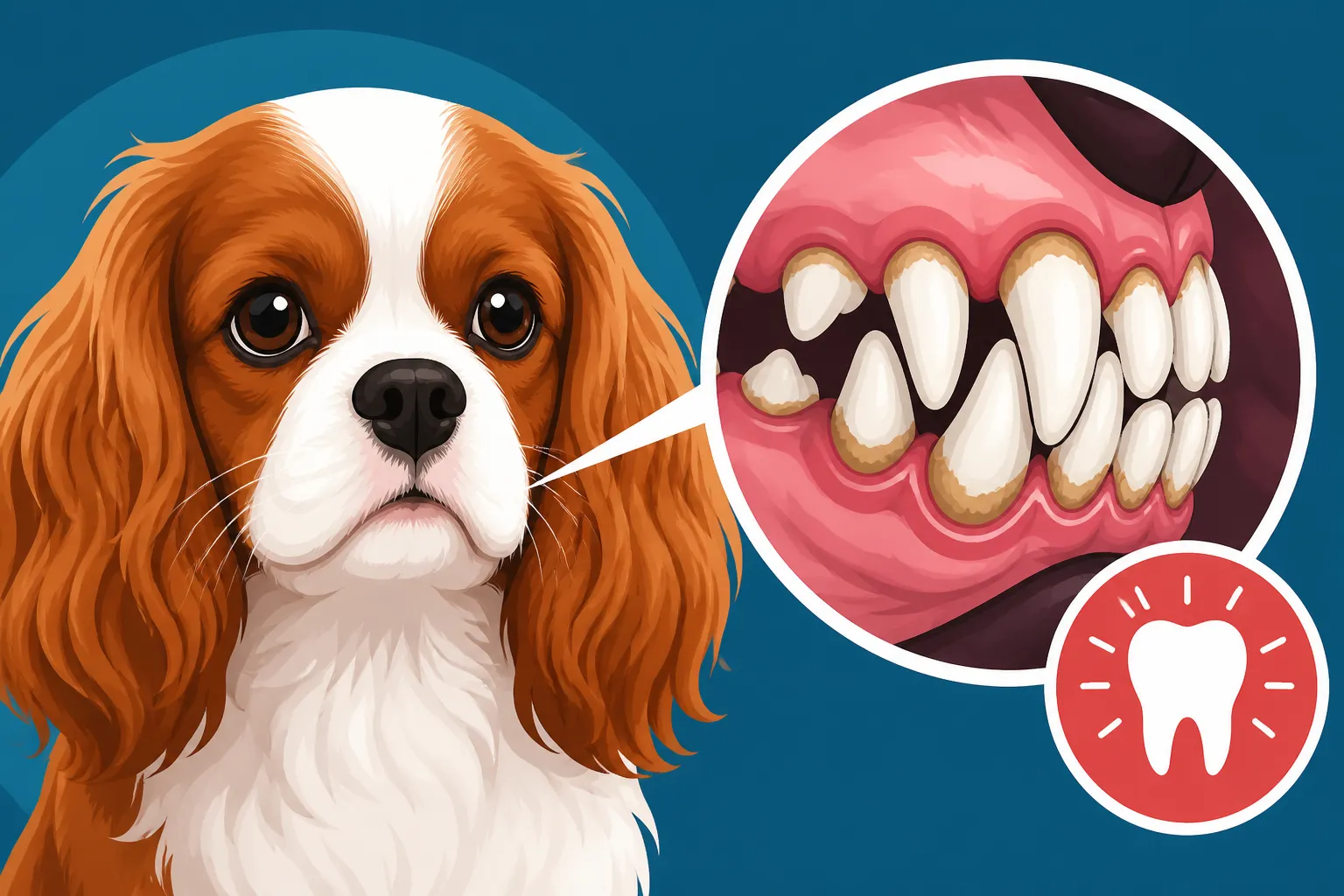
When you look at a Cavalier, you see that wonderfully expressive, slightly shortened muzzle. While it contributes to their irresistible charm, this brachycephalic tendency means their upper and lower jaws are often disproportionately small. Unlike many breeds with longer muzzles, the Cavalier’s oral cavity often lacks the necessary space to properly accommodate all 42 adult teeth that every dog is meant to have. You can learn more about this general conformation in our article: Whether a Cavalier Is a Brachycephalic Breed.
This anatomical reality leads directly to teeth being crammed together, rotated, or even growing in at odd angles. Imagine trying to fit a full set of adult human teeth into a child's mouth – that’s essentially what’s happening in many Cavaliers. This overcrowding means that teeth don't align correctly when the jaw closes, leading to abnormal wear patterns and trapping food particles where they shouldn't be. It’s a silent battle happening inside their mouths, setting the stage for problems that can escalate quickly.
The roots of these teeth are also often much larger than the visible crown would suggest, extending deep into the jawbone. When teeth are crowded, their roots can sometimes interfere with each other, leading to discomfort and making dental issues more complex. This tight packing creates incredibly difficult-to-clean crevices and overlaps, providing perfect hiding spots for bacteria and food debris, which are the primary culprits behind plaque formation.
Why Dental Disease Develops So Early in Cavaliers
Given the crowded nature of their jaws, it's no surprise that dental disease in Cavaliers often starts much earlier than in many other breeds. Plaque, a sticky film of bacteria, forms constantly on teeth. In a mouth where teeth are perfectly spaced and aligned, the natural chewing action and even regular drinking can help to scrape some of this plaque away. But in a Cavalier's crowded mouth, those self-cleaning mechanisms are severely hampered.
Food debris and bacteria quickly get lodged in the tight spaces between teeth, in pockets around the gumline, and on surfaces that never get scrubbed clean by chewing. This trapped debris rapidly calcifies into tartar (calculus), which is a hard, mineralized deposit that cannot be removed by brushing alone. Tartar then irritates the gums, leading to gingivitis—an inflammation of the gums characterized by redness, swelling, and sometimes bleeding.
If gingivitis isn't addressed, the inflammation progresses, attacking the supporting structures of the teeth. This is where periodontal disease truly takes hold, slowly and silently eroding the bone and ligaments that hold teeth in place. The continuous bacterial assault in a Cavalier's mouth makes them especially vulnerable to this accelerated progression, often showing significant signs of dental disease by just two or three years of age, whereas many larger breeds might not experience severe issues until much later in life.
Recognizing the Signs of Cavalier Dental Trouble
Many Cavalier owners are completely unaware their beloved pet is suffering from dental pain. Dogs are incredibly stoic, masters at hiding discomfort, a trait that stems from their evolutionary past where showing weakness could mean becoming prey. This means we, as their caregivers, have to be extra vigilant and learn to recognize even the most subtle indicators.
Subtle Indicators You Might Miss
The most common and often first sign of dental trouble in a Cavalier is bad breath, medically known as halitosis. It's easy to dismiss "dog breath" as normal, but a strong, foul odor is never normal. It's a clear indicator that bacteria are thriving in your dog's mouth, producing volatile sulfur compounds that cause the offensive smell. If you find yourself recoiling when your Cavalier gives you a sweet kiss, it's time to investigate their oral health. This isn't just an inconvenience; it's a warning signal.
You might also notice subtle changes in their eating habits. Perhaps your Cavalier starts to favor one side of their mouth when chewing, or they might drop food more frequently than usual. They might become pickier about their food, refusing hard kibble or favorite chews they once adored, opting instead for softer options. Sometimes, they'll even eat less altogether because the act of chewing is simply too painful. These changes can be so gradual that they're hard to pinpoint, especially if your Cavalier is generally a good eater.
Beyond eating, other behavioral shifts can hint at dental pain. A Cavalier suffering from a sore mouth might become more irritable, especially if you try to touch their face or head. They might paw at their mouth more often, rub their face on the carpet, or even become less enthusiastic about playtime, preferring to rest. Some Cavaliers might also develop excessive drooling or start leaving blood spots on their toys. These are all subtle cues that, when observed together, paint a picture of discomfort that needs your attention.
Clearer Symptoms Requiring Immediate Attention
While subtle signs are often missed, some symptoms are a glaring signal that your Cavalier needs veterinary care, and fast. One of the most obvious indicators of significant dental disease is visibly red, swollen, or bleeding gums. When you gently lift your Cavalier's lip, healthy gums should be a pale pink, fitting snugly around the teeth. If they appear bright red, puffy, or bleed easily when touched, it means severe inflammation and infection are present.
As dental disease progresses, you might start to notice loose or missing teeth. This is a painful and advanced stage of periodontal disease, where the supporting bone structure around the tooth has deteriorated significantly. You might find a tooth on the floor, or notice a visible gap where a tooth once was. Sometimes, the teeth might look discolored, showing a dark brown or yellow buildup of tartar, but the real damage is often below the gumline.
Even more serious signs include facial swelling, especially under the eye or on one side of the jaw. This often indicates a tooth root abscess, where bacteria have created a pocket of pus that's now causing a painful infection and potentially draining through the skin. Other severe symptoms include visible pus around the gumline, persistent discharge from the nose (especially if it's from only one nostril, which can indicate an oronasal fistula where an upper tooth root infection has broken into the nasal cavity), or your Cavalier struggling to open their mouth due to pain. Any of these symptoms warrant an immediate visit to your veterinarian.
The Progression and Impact of Untreated Dental Disease
It’s easy to think of dental disease as "just bad teeth," but for a Cavalier, it's a progressive, painful condition that can have far-reaching and life-threatening consequences if left unaddressed. Understanding this progression can help us appreciate the urgency of proactive dental care.
From Gingivitis to Periodontitis
The journey of dental disease in a Cavalier typically begins with gingivitis. As we discussed, this is the initial stage where plaque and tartar irritate the gums, causing them to become red and swollen. At this point, gingivitis is usually reversible with a professional dental cleaning and a diligent home care routine. The gums can heal, and the inflammation can subside without lasting damage.
However, if the plaque and tartar aren't removed, the bacterial infection deepens. The gums begin to recede, forming pockets around the teeth. These pockets become perfect anaerobic environments for even more aggressive bacteria to flourish. This is the transition to periodontitis, a far more serious and irreversible condition. In periodontitis, the infection starts to destroy the ligaments and bone that hold the tooth in its socket. Your Cavalier might experience pain and discomfort, even if they're not showing obvious signs.
As periodontitis advances, the destruction of bone and supporting tissues becomes more severe. The gum recession exposes more of the tooth root, which is highly sensitive. Teeth become mobile, eventually leading to painful tooth loss. This isn't just uncomfortable; it's a chronic source of infection in your Cavalier’s mouth, constantly bombarding their system with bacteria. Imagine living with a persistent, severe toothache and gum infection – that’s the reality for many Cavaliers with untreated dental disease.
Systemic Health Risks Beyond the Mouth
The impact of untreated dental disease extends far beyond your Cavalier's mouth. The constant presence of bacteria and inflammation acts as a doorway for harmful pathogens to enter the bloodstream. Every time your Cavalier chews, these bacteria can be released into their circulation, traveling throughout the body and posing a serious threat to vital organs.
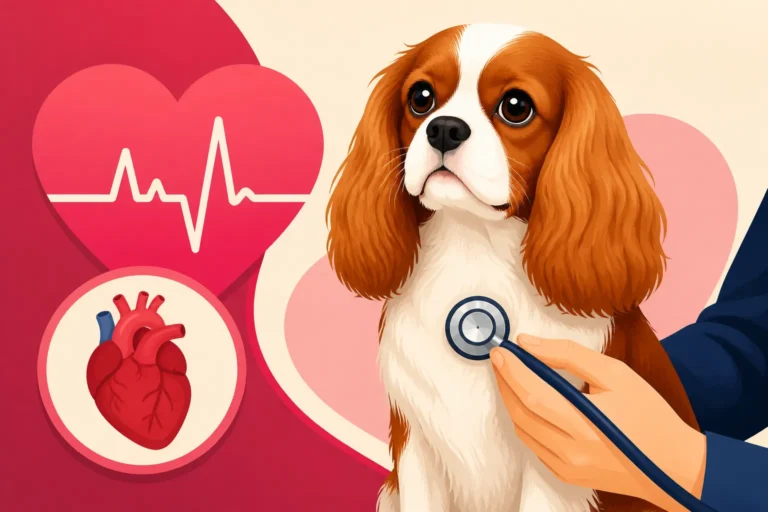
The heart is particularly vulnerable. Bacteria from the mouth can settle on heart valves, causing infections that can exacerbate existing conditions or even initiate new problems. This link is especially concerning for Cavaliers, a breed already highly predisposed to heart issues like Mitral Valve Disease (MVD). In fact, there’s a direct correlation between advanced dental disease and heart health. Our detailed article, Whether Dental Disease Reaches a Cavalier's Heart, delves into this critical connection. The kidneys and liver can also be affected, as these organs work hard to filter toxins from the blood, and a constant influx of oral bacteria can put an immense strain on them, potentially leading to chronic organ damage over time.
Beyond the internal organ damage, the chronic pain and inflammation take a huge toll on your Cavalier's overall well-being. They might be lethargic, lose their appetite, and generally seem withdrawn or unhappy. This silent suffering significantly diminishes their quality of life. The systemic inflammation can also weaken their immune system, making them more susceptible to other illnesses. Treating dental disease isn't just about preserving teeth; it's about safeguarding your Cavalier's entire body and ensuring they remain comfortable and vibrant for as long as possible.
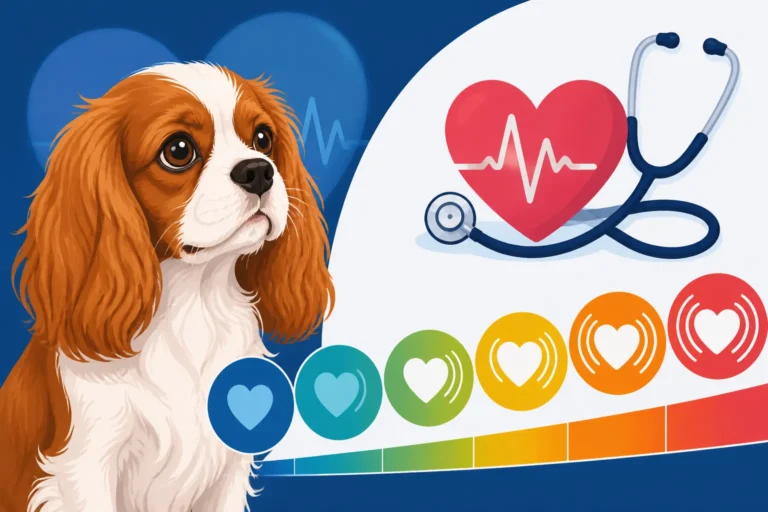
Here's a quick overview of the stages of periodontal disease:
| Stage | Description | Key Characteristics | Reversibility |
|---|---|---|---|
| 0 | Healthy | Gums are pink, firm, no inflammation, no plaque/tartar buildup. | Fully Healthy |
| 1 | Gingivitis | Mild gum inflammation, redness at gumline, slight plaque/tartar. No bone loss. | Reversible |
| 2 | Early Periodontitis | Increased gum inflammation, swelling, bleeding possible. Up to 25% bone loss visible on X-ray. | Irreversible |
| 3 | Moderate Periodontitis | Significant gum recession, deep pockets, moderate bone loss (25-50%). Possible tooth mobility. | Irreversible |
| 4 | Advanced Periodontitis | Severe gum recession, extensive bone loss (over 50%), pus, severe pain, loose/missing teeth. | Irreversible |
Comprehensive Dental Care: Prevention and Treatment
Knowing the risks and recognizing the signs is only half the battle. The real work, and the real reward, comes from actively preventing and treating dental disease in your Cavalier. It’s a multi-pronged approach that combines diligent home care with regular professional veterinary attention.
Daily Home Care Practices for Cavaliers
When it comes to dental health, daily brushing is, without a doubt, the gold standard. For a Cavalier with a crowded jaw, it's even more crucial. Aim for at least once a day, ideally twice. Start slowly, using a pet-specific toothbrush and enzymatic toothpaste (never human toothpaste). Focus on the outer surfaces of the teeth, especially where the gum meets the tooth, as this is where plaque accumulates most rapidly. It might seem daunting at first, but with patience and positive reinforcement, most Cavaliers can learn to tolerate, and even enjoy, brushing sessions. Our guide, Brushing a Cavalier's Teeth Without a Struggle, offers practical tips to make this process easier for both of you.
Beyond brushing, dental chews and specific diets can play a supporting role. Look for dental chews that are specifically designed to reduce plaque and tartar, and make sure they are appropriately sized for your Cavalier's small mouth. Brands like Greenies or VeggieDent often have options for small breeds. However, be cautious with extremely hard chews (like bones or antlers) as these can cause slab fractures or other tooth damage, especially in crowded jaws where teeth are already under stress. The goal is gentle abrasion, not impact.
Water additives containing zinc or chlorhexidine can also help to reduce bacteria in the mouth, but they are a supplement, not a replacement, for brushing. Similarly, some prescription dental diets, such as Hill's Prescription Diet t/d or Royal Canin Dental, are formulated with a unique kibble structure that scrubs the tooth surface as the dog chews. These can be particularly beneficial for Cavaliers, helping to slow down plaque and tartar accumulation between professional cleanings. Discuss these options with your vet to see if they are a good fit for your dog's overall health needs.
Professional Veterinary Dental Cleanings
Even with the most diligent home care, professional dental cleanings under anesthesia are absolutely essential for Cavaliers, typically on an annual basis. There's simply no way to effectively clean below the gumline or remove hardened tartar without a thorough procedure performed by a veterinarian. These cleanings involve ultrasonic scaling (just like your own dental cleanings) to remove plaque and tartar from above and below the gumline, followed by polishing to smooth the tooth surfaces, making them less susceptible to new plaque adhesion.
The thought of anesthesia can be worrying for any pet owner, and even more so for a Cavalier owner, given the breed's predisposition to heart issues. However, modern veterinary anesthesia protocols are incredibly safe, especially when appropriate precautions are taken. Before any dental procedure, your vet will recommend pre-anesthetic bloodwork to assess your Cavalier's organ function and ensure they can safely metabolize the anesthetic drugs. If your Cavalier has a heart murmur, a common finding in the breed, your vet may recommend a cardiac workup, including an echocardiogram, with a veterinary cardiologist. This ensures the safest possible anesthetic plan is tailored to your dog’s specific heart health. Our article Anesthesia Risk in a Cavalier With a Murmur provides more detailed information on this topic.
Regular annual or bi-annual professional cleanings, starting around the age of The Age a Cavalier Needs Its First Dental, are not just about aesthetics; they are critical for preventing the progression of periodontal disease and safeguarding your Cavalier’s overall health. Your vet can advise on the optimal frequency based on your dog's individual needs and the severity of their dental issues. It’s an investment in their long-term well-being that pays dividends in comfort and longevity.
Understanding Dental X-rays and Extractions
When your Cavalier undergoes a professional dental cleaning, one of the most crucial parts of the procedure, often overlooked by owners, is the use of dental X-rays. Unlike scaling and polishing, X-rays allow the veterinary team to see below the gumline, revealing the extent of disease that is invisible to the naked eye. Given the crowded nature of a Cavalier's jaw, problems like root abscesses, bone loss, un-erupted teeth, or internal tooth resorption are incredibly common and can only be detected with X-rays. Many times, what looks like a minor issue on the surface turns out to be a severe problem when X-rays are taken.
If dental X-rays reveal severely diseased teeth, extractions become a necessary part of the treatment plan. While the idea of your Cavalier losing teeth can be upsetting, removing diseased, painful teeth is often the kindest and most effective way to alleviate chronic pain and eliminate sources of infection. Dogs adapt remarkably well to living without several teeth, especially small ones, and the relief from chronic pain often leads to a noticeable improvement in their demeanor and appetite. For older Cavaliers, this procedure might be more complex, but the benefits of removing sources of infection and pain far outweigh the risks. More information on this can be found in Extractions in an Older Cavalier.
After extractions, your Cavalier will receive pain medication to ensure a comfortable recovery. You'll likely need to feed soft food for a week or two, and avoid hard chews to allow the extraction sites to heal properly. Your vet will provide specific post-operative instructions, including how to monitor the healing process and when to schedule a follow-up. The temporary inconvenience of recovery is a small price to pay for a mouth that is finally pain-free and healthy.
Financial Realities and Long-Term Management
Let's be real: caring for a Cavalier isn't just about cuddles and cute pictures. It comes with financial responsibilities, and dental care is one area where budgeting and planning are absolutely crucial. Ignoring dental health won't save you money; it will almost certainly cost you more in the long run.
The Cost of Cavalier Dental Care
The cost of routine professional dental cleanings for a Cavalier can vary widely based on your geographic location, the veterinary clinic, and the specific needs of your dog. A basic cleaning, which typically includes pre-anesthetic bloodwork, anesthesia, scaling, and polishing, might range anywhere from $400 to $1,000. This is just for a healthy mouth that needs a good cleaning.
The costs can quickly escalate if your Cavalier requires additional procedures, which, unfortunately, is quite common due to their crowded jaws. Dental X-rays, for example, are usually an additional charge, often ranging from $150 to $300, but they are non-negotiable for a thorough assessment. Extractions, which are frequently needed, add significantly to the bill. A single extraction can cost anywhere from $50 to several hundred dollars, depending on the tooth's location and the complexity of the extraction. If your Cavalier needs multiple extractions, which is often the case with advanced periodontal disease, you could be looking at a total bill well into the thousands. This highlights why preventive care, including home brushing and early professional cleanings, is not just good for your Cavalier’s health but also for your wallet.
For many Cavalier owners, these costs can be a real shock, especially when unexpected. Budgeting for annual dental care, much like budgeting for annual wellness exams, is a critical part of responsible pet ownership. Setting aside a dedicated fund or exploring pet insurance options can make a huge difference in managing these necessary expenses.
Insurance and Support for Dental Health
This is where pet insurance can really shine for Cavalier owners. Enrolling your Cavalier in a comprehensive pet insurance plan, like those offered by Healthy Paws, when they are young and healthy, before any dental issues manifest, can provide invaluable peace of mind. Most pet insurance policies consider dental disease to be a pre-existing condition if signs of it were present before enrollment or during the waiting period. This means if you wait until your Cavalier has a visible accumulation of tartar or red gums, it likely won't be covered.
A good pet insurance policy that covers accidents and illnesses, especially if it includes a dental rider or covers non-routine dental care, can help with the costs of professional cleanings, X-rays, and extractions due to injury or illness. While routine cleanings might not always be fully covered by standard accident-and-illness plans (some wellness plans do cover a portion), the larger bills associated with advanced procedures like multiple extractions or treating abscesses certainly would be. It’s worth looking into how different plans handle dental care. Our article Whether Pet Insurance Is Worth It for a Cavalier provides a more in-depth look at making this decision.
If pet insurance isn't an option or doesn't cover all costs, don't despair. Many veterinary clinics offer payment plans through third-party services like CareCredit. There are also various non-profit organizations that offer financial assistance for pet owners struggling with veterinary bills, though these often have strict eligibility requirements. The key is to communicate openly with your veterinarian about your financial concerns. They want what’s best for your Cavalier and can often work with you to find solutions or prioritize treatments. Taking proactive steps and utilizing available resources is crucial for managing your Cavalier's dental health effectively over their lifetime.
Disclaimer
The information provided in this article is for general informational purposes only and is not intended as a substitute for professional veterinary advice, diagnosis, or treatment. Always seek the advice of your veterinarian or other qualified health provider with any questions you may have regarding a medical condition or the health and welfare of your pet. Never disregard professional veterinary advice or delay in seeking it because of something you have read in this article.