The Heart Testing a Cavalier Breeder Must Do
Finding a healthy Cavalier King Charles Spaniel puppy can feel like navigating a minefield, especially when you know about the devastating health issues that plague the breed. One of the biggest fears for any prospective Cavalier owner is the heartbreaking reality of Mitral Valve Disease (MVD), a genetic heart condition that is tragically common. This guide is here to unravel the complexities of heart testing, explaining precisely what a responsible Cavalier breeder must do to ensure the healthiest possible start for their puppies and, by extension, for your future furry family member.
The Scourge of Mitral Valve Disease in Cavaliers
Let's face it, when you fall in love with a Cavalier, you're falling for that sweet, gentle nature and those soulful eyes. But beneath that adorable exterior lies a breed incredibly susceptible to a condition that can cut their lives tragically short: Mitral Valve Disease, or MVD. It's not just a concern; it's practically an epidemic within the breed, and understanding it is the first step to appreciating why rigorous heart testing is non-negotiable for breeders.
The Genetic Predisposition
It’s truly a crushing blow to realize that something as fundamental as a healthy heart can be genetically stacked against our beloved Cavaliers. MVD isn't just a random occurrence; it's an inherited condition that has unfortunately become rampant due to a historical lack of stringent breeding practices. The genes that contribute to MVD are widespread in the Cavalier population, making it incredibly difficult to eliminate entirely. This genetic bottleneck means that even seemingly healthy Cavaliers can carry the genes and pass them on, leading to generations of puppies at high risk. It’s not about blame; it’s about acknowledging the reality of the breed’s history and making informed decisions for its future.
How MVD Progresses
Imagine a tiny, perfect heart, working hard day in and day out. In a Cavalier with MVD, the mitral valve, which separates the left atrium and left ventricle, starts to degenerate. This valve is supposed to be a tight seal, preventing blood from flowing backward. But with MVD, it stiffens, thickens, and starts to leak. This leakage, often heard as a heart murmur, forces the heart to work harder to pump the same amount of blood forward. Over time, this extra effort causes the heart chambers to enlarge and can lead to fluid building up in the lungs, a condition known as congestive heart failure. The progression is often insidious, starting with a subtle murmur that slowly worsens, often going unnoticed by owners until significant damage has occurred. You can learn more about How Cavalier Heart Disease Progresses Stage by Stage.
The Devastating Impact
The reality of MVD is truly heartbreaking. It's the leading cause of death in Cavalier King Charles Spaniels, often striking them in their middle years, sometimes even younger. While some dogs might live with a mild murmur for years, others experience a rapid decline. As the disease advances, you might notice your once-playful Cavalier coughing, especially at night, becoming lethargic, struggling to breathe, or tiring quickly on walks. These aren't just minor inconveniences; they are signs of a heart working overtime, struggling to keep up. The emotional toll on owners is immense, watching their cherished companion decline, often needing multiple medications and frequent vet visits to manage the symptoms. It’s a stark reminder that choosing a breeder who prioritizes heart health isn't just about avoiding a bill; it's about protecting yourself from profound grief and your dog from suffering.
Why Heart Testing is Crucial for Cavalier Breeders
For anyone bringing a Cavalier puppy into their home, the prospect of MVD is always there, a shadow that no one wants to confront. This is precisely why heart testing isn't just a suggestion for Cavalier breeders; it's an absolute, ethical imperative. A breeder who cuts corners on heart screening isn't just being careless; they're actively contributing to the breed's ongoing health crisis and setting up their puppies, and their future families, for potential heartbreak and significant financial strain.
Breaking the Cycle of Disease
The only way to genuinely make progress against MVD in Cavaliers is through responsible breeding practices that actively seek to reduce its prevalence. This means understanding that MVD is largely a genetic issue, and by carefully selecting breeding dogs with healthy hearts and no early onset murmurs, breeders can make a tangible difference. It’s a long game, requiring patience and dedication, but every single healthy-hearted puppy produced from meticulously screened parents is a step in the right direction. Imagine if every breeder took this seriously – the collective impact on the breed’s overall health would be monumental. Without rigorous testing, breeders are essentially breeding blindly, unwittingly propagating the very genes that lead to such widespread suffering.
Ethical Breeding Practices
Ethical breeding goes far beyond just producing cute puppies. It involves a deep commitment to the health, welfare, and longevity of the breed. For Cavaliers, this commitment must include comprehensive cardiac screening. An ethical breeder understands the historical health challenges of the breed and actively works to mitigate them. They invest significant time, effort, and money into health testing their breeding stock, not because it’s easy or cheap, but because it’s the right thing to do. They see themselves as custodians of the breed’s future, striving to produce puppies that have the best possible chance at a long, healthy life, free from the shadow of early-onset MVD. Anything less is, frankly, irresponsible.
The Cost of Not Testing
Let's talk brass tacks. While comprehensive heart testing for breeding Cavaliers involves an upfront investment for the breeder, the cost of not testing is exponentially higher – both emotionally and financially for the new puppy owner. Imagine bringing home a sweet, playful Cavalier puppy, only to receive a devastating MVD diagnosis at a young age. The emotional toll of watching your beloved companion struggle with heart failure is immeasurable. Then there's the financial burden: regular vet visits, specialist cardiologist consultations, diagnostic tests like echocardiograms and X-rays, and a lifetime of expensive medications like Pimobendan and diuretics. These costs can quickly run into thousands of dollars annually. For instance, a specialist cardiology visit for an echo can easily be several hundred dollars, and lifelong medication can cost hundreds per month. This is where pet insurance, like a plan from Healthy Paws, can be a lifesaver, but even then, conditions diagnosed before coverage starts often aren't covered. If a breeder isn't testing, they're passing a huge potential debt and a ton of heartache directly onto you.
The Gold Standard: Echocardiograms
When it comes to assessing a Cavalier's heart health, not all screenings are created equal. While your regular veterinarian might be excellent, diagnosing MVD accurately and thoroughly requires a specialist tool: the echocardiogram. This is why the echocardiogram is considered the gold standard and an absolute must for any responsible Cavalier breeder.
What an Echocardiogram Reveals
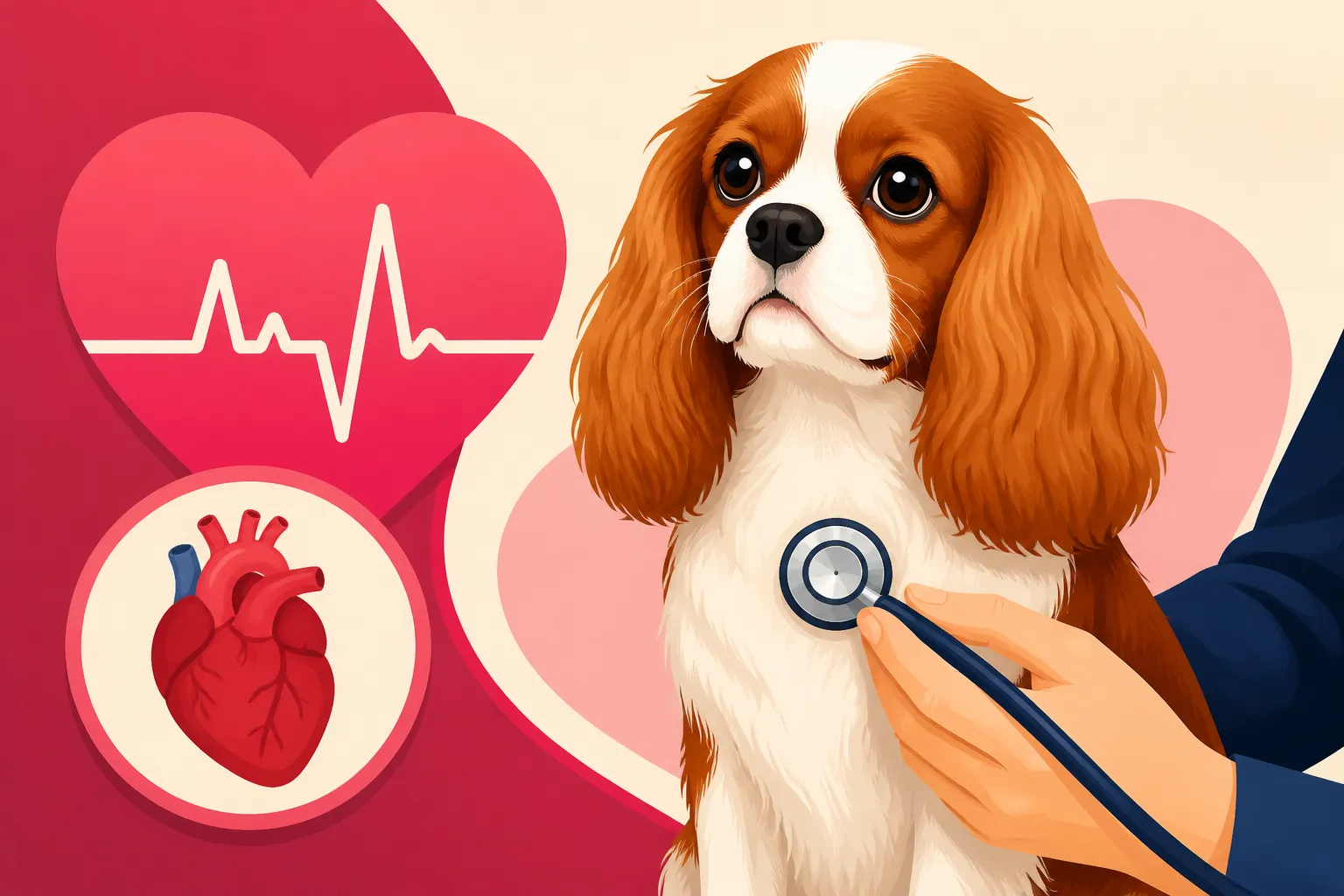
An echocardiogram is essentially an ultrasound of the heart. It provides a real-time, moving image of the heart's structures, allowing a board-certified veterinary cardiologist to meticulously examine the mitral valve, measure the heart chambers, assess blood flow, and detect any early signs of MVD long before a traditional stethoscope might pick up a murmur. The cardiologist can visualize the thickness of the valve leaflets, look for regurgitation (the backflow of blood), and measure the size of the heart to see if it's starting to enlarge. This level of detail is critical for identifying potential issues that could be passed on to future generations. Without this detailed visual assessment, a breeder is simply guessing at the true health of their dog's heart. Understanding What a Cavalier Echocardiogram Shows is key to appreciating its value.
Why a Vet Stethoscope Isn't Enough
While a general practice veterinarian can listen for heart murmurs with a stethoscope during a routine check-up, this initial screening, while important, is simply not sufficient for breeding decisions in Cavaliers. A stethoscope can detect the presence of a murmur and sometimes even grade its intensity, but it cannot tell you the cause of the murmur, nor can it provide the critical structural information about the heart that an echocardiogram does. A Cavalier might have a grade 1 murmur that's relatively benign, or a grade 1 murmur that is the very early sign of aggressive MVD. The stethoscope cannot differentiate this; only an echo can. Relying solely on a stethoscope for breeding clearances is akin to trying to assess the health of an entire engine by just listening to it idle – you're missing all the crucial visual diagnostics. For more on this, check out Stethoscope Screening Against a Cavalier Heart Scan.
Finding a Board-Certified Cardiologist
This point cannot be stressed enough: the echocardiogram must be performed and interpreted by a board-certified veterinary cardiologist. A general practice vet, even one with a keen interest in cardiology, does not possess the specialized training and experience required to accurately perform and interpret these complex cardiac ultrasounds, especially when looking for the subtle, early signs of MVD in a breed as predisposed as the Cavalier. These specialists spend years in advanced training specifically focused on heart disease in animals. They know precisely what to look for, how to measure, and how to interpret the findings in the context of Cavalier-specific MVD. A responsible breeder will not only ensure their dogs receive these specialized exams but will also be transparent about the cardiologist's credentials. Don't settle for less; your future puppy's heart health depends on it.
Understanding OFA Cardiac Clearances
When you're looking for a reputable Cavalier breeder, you'll often hear about "OFA clearances." The Orthopedic Foundation for Animals (OFA) plays a pivotal role in documenting and certifying health screenings for various conditions, including cardiac health, in purebred dogs. Their database provides a valuable, albeit not exhaustive, layer of transparency for breeders and prospective puppy owners.
What is OFA and Its Role?
The OFA is a not-for-profit organization that has been dedicated to promoting the health and welfare of companion animals through objective testing since 1966. For cardiac health, the OFA maintains a registry where results from veterinary cardiologist examinations are recorded. This allows breeders to submit their dogs' echocardiogram results for public record, providing a verifiable history of cardiac health for breeding animals. While OFA is probably most well-known for hip and elbow certifications, their cardiac database is incredibly important for breeds like the Cavalier, offering a way to track the prevalence and progression of heart disease. It's a system designed to help responsible breeders make informed decisions and to provide a measure of confidence to those seeking a puppy from health-tested parents.
The Certification Process
For a Cavalier to receive an OFA Cardiac clearance, the process typically involves two key steps: first, a physical examination by a general practitioner vet who listens for murmurs, and second, a comprehensive echocardiogram performed by a board-certified veterinary cardiologist. The cardiologist then submits their findings directly to the OFA. The OFA reviews the documentation and, if the heart is deemed healthy according to their criteria (no signs of MVD or other congenital heart defects), issues a unique OFA number and a "normal" cardiac certification. This certification is then recorded in their public database. It’s important to note that a Cavalier can only receive an "OFA Clear" certification if no murmur or other cardiac abnormalities are detected by the cardiologist. If a murmur is found, the dog will not receive a "normal" rating, regardless of its severity or the dog's age, highlighting the strict standards involved.
Interpreting OFA Results
When a breeder shows you OFA cardiac clearances, it's vital to know what you're looking at. A "normal" OFA cardiac certification means that at the time of the examination, no signs of MVD or other cardiac issues were found by a board-certified cardiologist. However, MVD is a progressive disease, and a "normal" clearance at age two doesn't guarantee a clear heart at age five or six. This is why annual re-screening by a cardiologist is so crucial, especially as the dog ages. An OFA certification is a snapshot in time. A truly responsible breeder will have multiple OFA certifications for their breeding dogs, showing a history of clear heart exams over several years, particularly past the age of five. This demonstrates a consistent commitment to monitoring their dogs' health and not just a one-off screening for breeding purposes.
The CKCSC,USA MVD Breeding Protocol
Navigating the world of Cavalier breeding and health can be confusing, but thankfully, established protocols exist to guide responsible breeders. One of the most significant is the Mitral Valve Disease (MVD) Breeding Protocol developed by the Cavalier King Charles Spaniel Club, USA (CKCSC,USA). This isn't just a guideline; it's a meticulously crafted framework designed to combat MVD, born from years of research and a deep understanding of the breed's unique challenges.
The Core of the Protocol
The CKCSC,USA MVD Breeding Protocol is a science-backed set of recommendations aimed at delaying the onset and reducing the severity of MVD in future generations. Its core principle is straightforward: only breed from Cavaliers whose hearts remain free of MVD for as long as possible. This means rigorous, regular heart testing by a board-certified veterinary cardiologist. The protocol emphasizes waiting until dogs are older before breeding, specifically past certain age milestones where MVD typically begins to manifest. It’s a proactive, preventative approach rather than a reactive one, acknowledging that by breeding older, healthy-hearted dogs, the chances of passing on genes for early-onset MVD are significantly reduced. It’s a testament to the dedication of those who genuinely want to improve the breed's health. You can find detailed information on The Cavalier MVD Breeding Protocol.
Age-Based Recommendations
A critical component of the CKCSC,USA protocol involves strict age requirements for breeding. It generally recommends that:
- No Cavalier should be bred before two years of age. This allows time for many hereditary conditions, including early-onset MVD, to become apparent.
- Cavaliers should ideally not be bred until they are free of a heart murmur at five years of age or older. This is the "over five" rule, which is particularly vital for MVD. Breeding dogs who are five years old and still echo-clear for MVD significantly increases the likelihood that their offspring will also have a later onset of the disease, if they develop it at all.
- The offspring of two five-year-old clear parents can potentially be bred from an earlier age (e.g., three years old), provided they are also cardiologist-clear. This provision acknowledges the progress made by selective breeding and allows for careful expansion of the breeding pool.
These age restrictions are designed to weed out dogs that develop MVD earlier in life, thus preventing them from passing on those genes. It’s a long-term strategy, but one that has been shown to make a genuine impact.
Why This Protocol is So Important
This protocol isn't just arbitrary rules; it's a beacon of hope for the Cavalier breed. Without such guidelines, the widespread genetic predisposition to MVD would continue unchecked, leading to more puppies suffering from heart failure at younger ages. By adhering to this protocol, responsible breeders are actively working to extend the lifespan and improve the quality of life for countless Cavaliers. It requires patience, investment, and sometimes, the tough decision not to breed a beloved dog if they develop an early murmur. But the reward is healthier puppies and less heartache for their future families. When interviewing a breeder, always ask if they follow the CKCSC,USA MVD Protocol and be prepared to see proof of their breeding dogs' compliance. This is one of the clearest indicators of a truly ethical and responsible breeder, often seen in breeders who genuinely care about the long-term health, perhaps even utilizing pet insurance such as Healthy Paws to cover accidental injuries.
Why Timing Matters: Age Requirements for Breeding Cavaliers
Understanding when a Cavalier breeder performs heart testing is just as important as what tests they do. The timing of cardiac screenings for breeding dogs is absolutely critical, especially in a breed so prone to MVD. It's not enough for a dog to have a "clear" heart at a young age; the disease is progressive, and signs often don't appear until later.
The "Over Two and Over Five" Rule
This is a cornerstone of responsible Cavalier breeding, often referred to as the "Over Two and Over Five" rule, particularly within the CKCSC,USA MVD breeding protocol. It means:
- A Cavalier should not be bred until they are at least two years old and have received a clear echocardiogram from a board-certified cardiologist. This initial clearance helps ensure that the dog doesn't have any significant congenital heart defects or very early-onset MVD. Breeding too young, before potential issues have a chance to manifest, is a major risk.
- Crucially, Cavaliers should ideally not be bred until they are five years old and remain completely free of a heart murmur, as confirmed by annual cardiologist exams. This "over five" benchmark is incredibly important because MVD typically starts to appear in Cavaliers between the ages of two and five. A dog that is clear at five years of age has demonstrated a significantly delayed onset, suggesting a better genetic predisposition. This rule helps ensure that genes for early-onset MVD are not perpetuated. You can read more about Why a Cavalier Should Not Be Bred Before Five.
Maturity and MVD Onset
The reason these age guidelines are so strict is directly related to the typical progression of MVD in the breed. While some congenital heart issues might be present from birth, MVD is an acquired disease that usually develops over time. The mitral valve begins to degenerate, and the murmur often appears gradually. If a Cavalier is bred at two or three years old with a clear heart, there's a significant chance that by four or five, they might develop a murmur. If they've already produced offspring, those puppies could inherit the genes for early-onset disease. By waiting until breeding dogs are older and still clear, breeders select for longevity of heart health, effectively pushing the onset of MVD further back in the generations they produce. It’s a commitment to improving the breed’s health over the long haul.
Avoiding Early Disease Transmission
The ultimate goal of adhering to these age-based breeding protocols is to avoid transmitting genes that lead to early and severe MVD. Every time a Cavalier with early-onset MVD is bred, the cycle continues. By rigorously testing and adhering to the "over five" rule, breeders actively choose to perpetuate lines that exhibit superior cardiac health. This means puppies from such pairings have a much higher probability of living a full life before any potential MVD symptoms might appear, if they appear at all. This responsible approach protects the breed as a whole and offers prospective puppy owners the best chance at a long, healthy life with their Cavalier. When you consider the average lifespan of a Cavalier, and what MVD can do to shorten it, these practices are invaluable in extending Cavalier Lifespan and What Cuts It Short.
Beyond MVD: Other Cardiac Concerns and Screening
While Mitral Valve Disease understandably dominates discussions around Cavalier heart health, it's crucial to remember that it's not the only cardiac concern. A comprehensive approach to heart testing for breeders involves screening for a broader range of potential issues, ensuring a truly healthy breeding program.
Pulmonic Stenosis and Other Congenital Defects
Beyond MVD, Cavaliers can, like any breed, be susceptible to other congenital heart defects – issues present from birth. One such condition is pulmonic stenosis, where the pulmonic valve, which controls blood flow from the heart to the lungs, is narrowed. This forces the heart to work harder, similar to MVD, and can lead to serious health problems. While less common than MVD in Cavaliers, a thorough cardiologist exam and echocardiogram should screen for these other structural abnormalities as well. The cardiologist isn't just looking at the mitral valve; they're assessing the entire heart, including all four valves, the chamber walls, and the major blood vessels. Detecting these issues early ensures that affected dogs are not entered into a breeding program, preventing the passing on of these potentially serious genetic conditions.
General Health Checks and Anesthesia Risk
Before any specialized heart testing, and certainly before breeding, a Cavalier should undergo comprehensive general health checks with a primary care veterinarian. This includes a full physical examination, blood work (like a complete blood count and chemistry panel), and sometimes urinalysis. These tests provide a baseline of overall health, checking organ function and ruling out any underlying conditions that could complicate breeding or future health.
Moreover, if a Cavalier with any degree of heart murmur needs to undergo a procedure requiring anesthesia (such as a dental cleaning or other surgery), the presence and severity of their heart condition are critical considerations. A thorough cardiac workup, including an echocardiogram, is paramount to assess the risk of anesthesia for a Cavalier with a heart issue. Anesthesia can put extra strain on the cardiovascular system, and an undetected or poorly managed heart condition significantly increases the risks. Breeders, in conjunction with their vets and cardiologists, must carefully weigh these risks, especially if a breeding dog has developed even a mild murmur. For related information, see Anesthesia Risk in a Cavalier With a Murmur.
The Importance of a Full Health Picture
Ultimately, responsible breeding is about looking at the entire dog, not just one aspect of its health. While MVD is paramount, a breeder committed to ethical practices will also be screening for other known Cavalier health issues such as Syringomyelia (SM), eye conditions, and orthopedic problems. They understand that these conditions can interact and impact a dog's overall quality of life. This holistic approach ensures that they are striving to produce puppies that are robust and healthy in every respect, not just in their hearts. When you're talking to a breeder, ask about all the health clearances they obtain, not just cardiac. It paints a more complete picture of their dedication to the breed's well-being.
How to Verify a Breeder's Heart Testing
It's one thing for a breeder to say their dogs are heart-tested; it's another entirely to provide irrefutable proof. As a prospective puppy owner, you have every right, and indeed a responsibility, to verify these claims. This due diligence is your strongest defense against unknowingly supporting irresponsible breeding practices and potentially bringing home a puppy destined for early heart trouble.
Asking for Specific Documentation
Never be shy about asking a breeder for concrete proof of their dogs' health clearances. They should be transparent and readily provide documentation for both the sire (father) and the dam (mother) of the litter. For cardiac testing, this means asking for:
- OFA Cardiac Certificates: Look for the specific OFA number and the "normal" designation, confirming the dog was cleared by a board-certified cardiologist.
- Cardiologist Reports: These are detailed reports from the actual echocardiogram, signed by the board-certified veterinary cardiologist. These reports will explicitly state the findings, including the date of the exam, the dog's age at the time, and whether a murmur was detected.
- Multiple Annual Clearances: As MVD is progressive, a single clearance at two years old isn't enough. A responsible breeder will have annual cardiologist clearances for their breeding dogs, especially as they age, showing a consistent history of clear hearts, ideally extending past five years of age.
If a breeder seems hesitant, vague, or says they just had their "regular vet" listen to the heart, consider that a major red flag. Ethical breeders are proud of their health testing efforts and will eagerly share the results. This is part of Whether a Cavalier Breeder Should Show You Heart Papers.
Understanding Certifications
Beyond just receiving a piece of paper, it's crucial to understand what those certifications truly mean.
- "Board-Certified Cardiologist": This is non-negotiable. Don't accept clearances from general practice vets, even if they're lovely. The specialist training is vital.
- Age of Clearance: Pay close attention to the age of the dog at the time of each cardiac exam. A two-year-old clear is good, but a five-year-old clear is exceptional and highly desirable for breeding. The more recent the clearance, the better, as it reflects the current heart health of the parent.
- Public Databases: Reputable breeders will often submit their results to public databases like the OFA, where you can independently verify the information by searching for the dog's registered name or OFA number. This third-party verification offers an extra layer of assurance.
- Pedigree Research: You can also research the pedigrees of the parent dogs. A history of early-onset MVD in closely related ancestors (grandparents, great-grandparents) should give you pause, even if the immediate parents are clear. This requires a deeper dive, but it's important for understanding the genetic legacy. Remember, even with robust testing, MVD can appear. This is why some owners consider companies like Healthy Paws for pet insurance, especially for a breed like the Cavalier with known health predispositions, even if it needs to be obtained before a condition becomes 'pre-existing'.
Red Flags to Watch For
When you're doing your research, certain indicators should make you proceed with extreme caution, or even walk away:
- "My vet says they have a healthy heart" without accompanying documentation. This is too vague and lacks specificity.
- Breeders who only rely on a stethoscope exam. As discussed, this isn't sufficient for Cavaliers.
- Lack of recent clearances. If the breeding dog's last cardiologist clearance was two or three years ago, it's outdated for MVD screening.
- Clearances from general vets, not board-certified cardiologists.
- Breeding dogs under the age of five with no history of prior litters from older, clear parents.
- No offer of health guarantees or a contract outlining responsibilities related to MVD.
- Refusal to provide contact information for their veterinary cardiologist.
Your thorough investigation into a breeder's heart testing practices, coupled with an understanding of what constitutes genuine clearance, is your best tool for finding a healthy Cavalier puppy. Don't hesitate to ask questions and demand proof, it's ultimately about protecting your future companion. Ensure you are also given Reading a Cavalier Puppy's Health Certificates upon pickup.
| Heart Test Type | What it Involves | Who Performs It | What it Shows (Key for Cavaliers) | Frequency for Breeding | Breeder Value | Puppy Owner Value |
|---|---|---|---|---|---|---|
| Auscultation (Stethoscope Exam) | Listening to heart sounds for murmurs and rhythm. | General Veterinarian | Presence/absence of a murmur, general rhythm. | Annually during routine check-ups. | Basic initial screen. | Early warning sign for potential issues. |
| Echocardiogram | Ultrasound of the heart; real-time images of structure and function. | Board-Certified Veterinary Cardiologist | Detailed view of mitral valve, heart chambers, blood flow, early MVD signs, other congenital defects. | Annually, especially for breeding dogs aged 2+. | Essential for MVD screening and breeding decisions. | Gold standard for definitive diagnosis and prognosis. |
| OFA Cardiac Certification | Formal documentation of cardiologist exam findings. | Board-Certified Veterinary Cardiologist submits results to OFA. | Official record of a "normal" cardiac clearance at the time of examination. | For each annual cardiologist exam of breeding dogs. | Provides verifiable, public record of health testing. | Verifies breeder claims and aids in pedigree research. |
| NT-proBNP Blood Test | Blood test measuring levels of a hormone released when heart muscle is stretched or stressed. | General Veterinarian (sent to lab) | Indication of heart stress, useful for monitoring progression or screening. | As recommended by a vet/cardiologist. | Supplementary tool, not a replacement for echo. | Can help monitor progression of heart disease. |
Disclaimer
The information provided in this article is for educational and informational purposes only and does not constitute veterinary advice. Always consult with a qualified veterinarian or a board-certified veterinary cardiologist for any health concerns or before making any decisions related to your pet's health and treatment. Health testing protocols and recommendations can evolve, so always ensure you are referring to the most current guidelines from reputable breed clubs and veterinary organizations.