How Common Chiari Malformation Is in Cavaliers
It’s a heart-wrenching worry many Cavalier King Charles Spaniel owners quietly carry: the shadow of Chiari-like Malformation (CM). This isn't just a fleeting concern; it's a deep-seated fear rooted in the breed's well-documented health challenges, often leaving owners wondering just how prevalent this neurological condition really is. This guide aims to pull back the curtain on the actual commonality of Chiari-like Malformation in Cavaliers, providing you with realistic insights and actionable understanding so you can better advocate for your beloved companion.
Understanding Chiari-like Malformation in Cavaliers
When we talk about Chiari-like Malformation, it can sound like a mouthful, full of complex veterinary jargon. But at its core, it's a structural issue that's unfortunately incredibly prevalent in our sweet Cavaliers. It's a condition where the skull doesn't quite fit the brain, leading to a cascade of potential problems for these otherwise cheerful dogs.
What is Chiari-like Malformation Anyway?
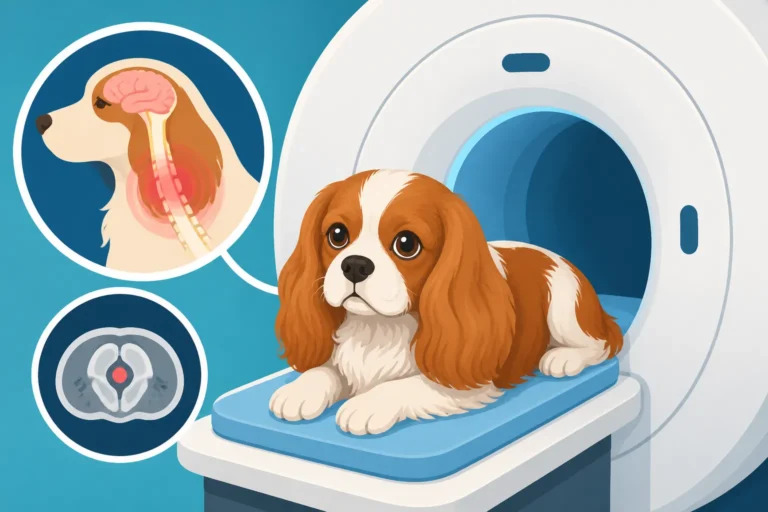
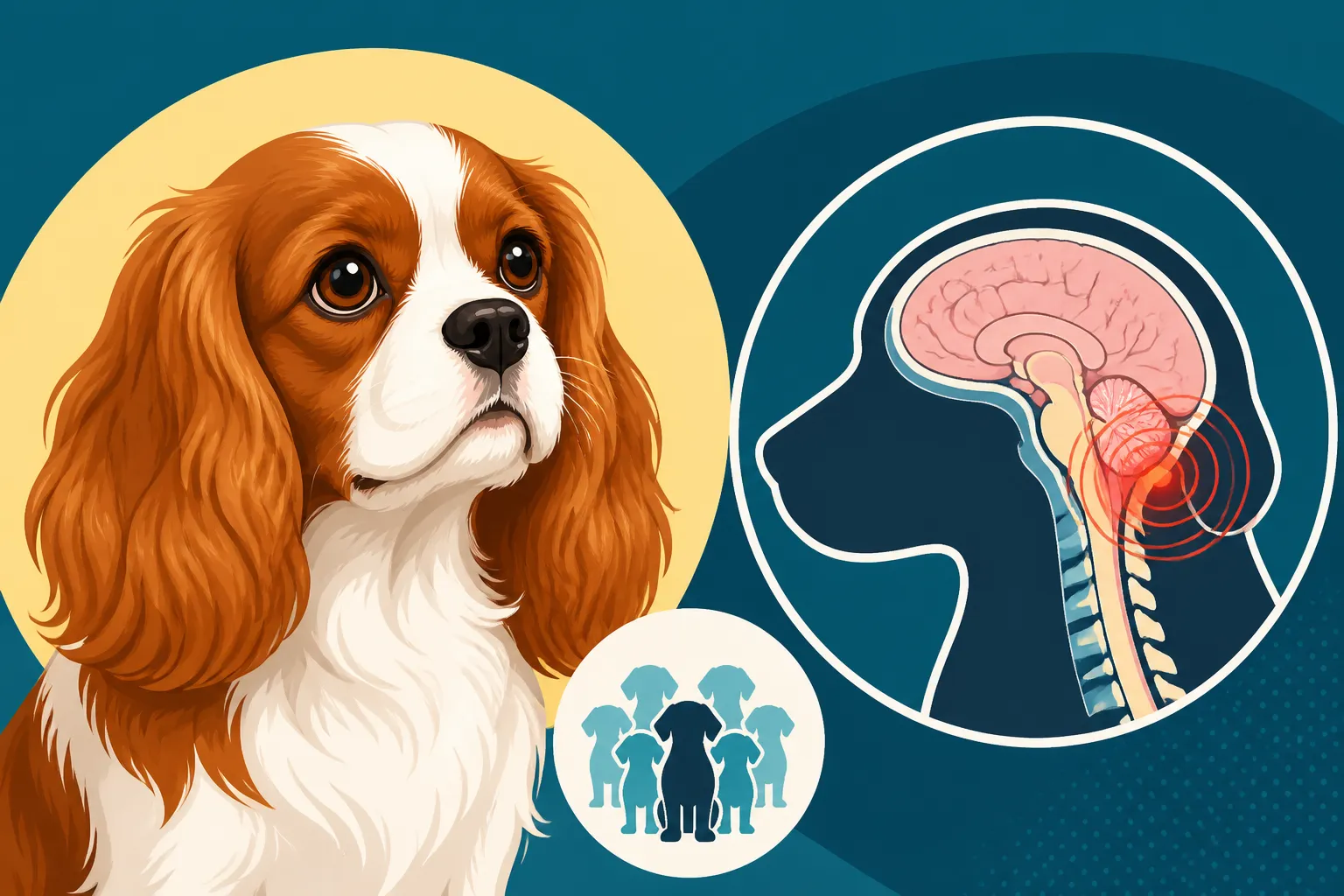
Imagine a beautiful, intricate puzzle where one crucial piece is just a little too small for its intended spot. That's essentially what happens with Chiari-like Malformation in a Cavalier's skull. The caudal occipital bone, which is the back part of the skull near the neck, is often malformed or too small. This means that the cerebellum, the part of the brain responsible for coordination and balance, and sometimes even the brainstem, gets squeezed and pushed towards the opening at the base of the skull, known as the foramen magnum.
This anatomical squeeze isn't just uncomfortable; it can obstruct the normal flow of cerebrospinal fluid (CSF), which is vital for cushioning the brain and spinal cord. Think of it like a dam partially blocking a river. The pressure changes and abnormal flow can lead to a more severe condition called Syringomyelia, where fluid-filled cavities, or "syrinxes," form within the spinal cord itself, causing pain and neurological deficits. It's a deeply concerning issue, and understanding What Chiari Malformation Does to a Cavalier Skull is the first step in being able to recognize and manage it.
Why Cavaliers Are So Susceptible
The susceptibility of Cavalier King Charles Spaniels to Chiari-like Malformation is, tragically, a direct consequence of selective breeding practices. For generations, breeders have favored the breed's adorable, domed head and flat face, traits that are unfortunately linked to this skull malformation. This isn't about blaming individuals; it's about acknowledging the historical trajectory of breed standards that inadvertently created a widespread anatomical challenge.
The unique skull shape, while endearing to many, has contributed to a disparity between brain size and skull volume. While all dogs have a certain cranial structure, the Cavalier's specific head shape and shorter muzzle, although not truly brachycephalic in the same way a Pug is, mean less space in the back of the skull. This architectural flaw is why CM is considered almost endemic to the breed, setting Cavaliers apart from many other dog breeds when it comes to neurological health. It's a sad reality that the very features we adore can be linked to such profound health concerns.
The Startling Prevalence of Chiari-like Malformation
Now, let's get to the question that truly keeps Cavalier owners up at night: just how common is this condition? The statistics, frankly, can be quite alarming, highlighting a widespread issue within the breed that every potential and current owner needs to be aware of.
The Numbers Don't Lie: MRI Study Findings
When veterinary neurologists conduct MRI scans on large groups of Cavaliers, regardless of whether they show symptoms, the findings are consistently striking. Studies have shown that an overwhelming percentage of Cavalier King Charles Spaniels exhibit some degree of Chiari-like Malformation. We're talking about numbers often cited as 95% or even higher having some anatomical evidence of CM. This means that nearly every Cavalier you meet, including your own, likely has some form of this skull malformation.
These percentages are based on anatomical findings visible on an MRI – the physical compression or crowding at the back of the skull. It’s a structural diagnosis, not necessarily a clinical one, meaning most of these dogs won't show outward signs of pain or neurological problems directly from the CM itself. This leads us to the crucial distinction between having the anatomical malformation and experiencing the painful neurological disease that can result from it. For context, here’s a quick look at how widely CM is seen compared to actual syrinx formation:
| Condition | Prevalence in Cavaliers (MRI Studies) | Description |
|---|---|---|
| Chiari-like Malformation (CM) | 95% or more | Anatomical skull malformation; cerebellum pushed into foramen magnum. |
| Syringomyelia (SM) – Any Stage | 30-70% (often 50% by age 6) | Fluid-filled cavities (syrinxes) in the spinal cord, often due to CM. |
| Clinical Syringomyelia (Symptomatic) | 25-30% of those with SM | Cavaliers showing actual neurological signs/pain from SM. |
The Difference Between Anatomical CM and Clinical SM
It's vital to differentiate between Chiari-like Malformation (CM) and Syringomyelia (SM). As the table above illustrates, while the vast majority of Cavaliers have the anatomical features of CM, a smaller, though still significant, percentage will develop Syringomyelia, and an even smaller subset will show clinical signs of SM. This is a common point of confusion for owners, leading to unnecessary panic when they first learn about CM.
Having CM means your Cavalier has the skull structure that predisposes them to SM. It doesn't mean they will develop syrinxes, nor does it guarantee they will be in pain. Syringomyelia occurs when the abnormal CSF flow, caused by the CM, leads to cavitation within the spinal cord. These syrinxes can expand over time, pressing on nerve fibers and causing a range of symptoms from mild discomfort to severe, debilitating pain and neurological deficits. Therefore, while CM is almost universal in the breed, knowing How Many Cavaliers Actually Have Syringomyelia is a more direct indicator of potential suffering. It's a spectrum, and understanding where your dog might fall on that spectrum is key.
Navigating Life with a Cavalier and CM Risk
Understanding the high prevalence of CM can feel overwhelming, but it's not a death sentence for your Cavalier. Many dogs with CM live full, happy lives without ever showing clinical signs of Syringomyelia. The key is knowledge, proactive care, and vigilance.
Screening and Early Detection
For responsible Cavalier breeders, MRI screening is a critical tool to help reduce the incidence and severity of CM and SM in future generations. Breeders typically scan their breeding dogs, often around their first birthday and again at age five, looking for both the presence of CM and, more importantly, any signs of Syringomyelia. These MRI results are then used to inform breeding decisions, aiming to choose dogs with better skull conformation and no syrinx formation. If you're considering a puppy, asking to see MRI clearances for both parents is crucial for buying a Cavalier From a Health-Testing Breeder.
For pet owners, routine MRI screening of a symptom-free Cavalier is generally not recommended due to the cost, the need for anesthesia, and the fact that most Cavaliers will show some degree of CM anyway. However, if your Cavalier starts showing any suspicious symptoms, a diagnostic MRI becomes essential. This is often an expensive undertaking, easily running into thousands of dollars, depending on your location and the veterinary facility. This is where pet insurance, like policies offered by Healthy Paws, can be a genuine lifesaver, helping to cover the substantial costs of diagnostic imaging and specialist consultations. Knowing the financial landscape of Paying for a Cavalier Syringomyelia Workup can prepare you for potential future costs.
Living with a Cavalier That Has CM (But Maybe No Symptoms)
If your Cavalier has been diagnosed with CM but isn't showing any clinical signs of Syringomyelia, the primary focus is on preventative and supportive care to minimize any potential progression or discomfort. The goal is to reduce anything that might increase intracranial pressure or irritate the cervical spine. This often means making simple but effective changes to their daily routine.
For instance, consider swapping out a traditional collar for a well-fitting harness. A collar can put pressure directly on the neck, which might be uncomfortable or even exacerbate issues for a Cavalier with CM. A harness distributes pressure across the chest and shoulders, alleviating any strain on the delicate neck area. This small change, discussed further in Harnesses Instead of Collars for a Cavalier, can make a big difference in their comfort. Additionally, keeping your Cavalier at a healthy weight is always beneficial, as excess weight can put undue stress on their entire body, including their spine. Regular, moderate exercise is good, but avoid activities that involve excessive jumping or rough play that could lead to jarring impacts. While many Cavaliers with CM may never develop symptoms, maintaining these practices is a responsible way to support their long-term well-being and helps you feel proactive in their care.
When CM Becomes a Problem: Recognizing Symptoms
Even with proactive measures, some Cavaliers will unfortunately develop symptomatic Syringomyelia. Recognizing the signs early is paramount to getting your dog the necessary veterinary care and managing their pain effectively.
The Classic Signs to Watch For
The symptoms of Syringomyelia can vary greatly depending on the size and location of the syrinxes within the spinal cord. One of the most classic and often earliest signs is what's known as "air scratching" or "phantom scratching." This is when your Cavalier repeatedly scratches at their shoulder, neck, or ear area without actually making contact with their body, as if trying to reach an itch that isn't there. It's a tell-tale sign that something neurological might be amiss, and it's important not to dismiss it as simple itchiness. Learning about Air Scratching as a Cavalier's First Warning Sign is incredibly important for early detection.
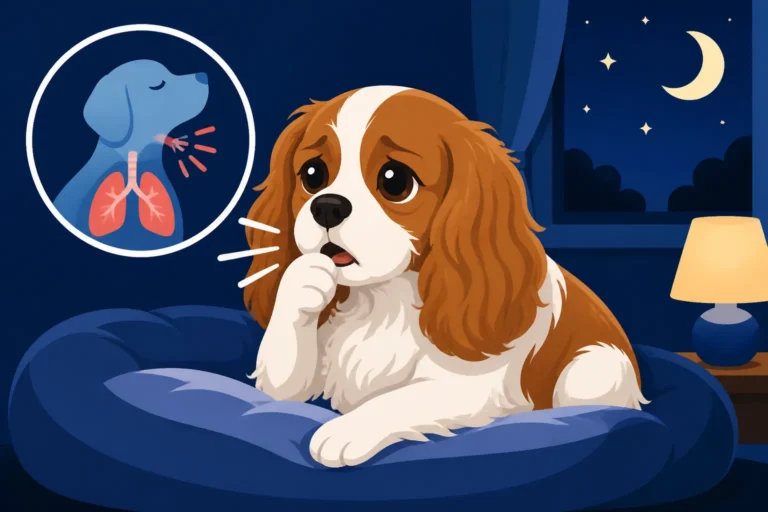
Beyond phantom scratching, other symptoms can emerge. You might notice your Cavalier yelping or crying out when picked up, especially around their neck or chest area. They might become reluctant to jump on and off furniture, refuse stairs, or start sleeping with their head elevated, seemingly trying to find a comfortable position. Sensitivity to touch around their head, neck, or shoulders is also common. Some dogs develop weakness in their limbs, an unusual gait, or even scoliosis (curvature of the spine) in more advanced cases. Any of these changes, particularly if they are new or worsening, warrant immediate attention. The specifics of Phantom Scratching in a Cavalier can help you distinguish this unique behavior.
Seeking Veterinary Expertise and Management
If you suspect your Cavalier is showing signs of Syringomyelia, the very first step is to consult your veterinarian. They will likely recommend a referral to a veterinary neurologist for a thorough examination and, most likely, an MRI scan to confirm the diagnosis and assess the extent of the syrinxes. This is not a condition to self-diagnose or ignore, as pain management is crucial.
Treatment for symptomatic Syringomyelia typically involves medication aimed at reducing pain, inflammation, and sometimes the production of cerebrospinal fluid. Common medications include gabapentin, NSAIDs, and sometimes corticosteroids or diuretics. The goal is to improve your dog's quality of life by controlling pain and reducing the size or progression of the syrinxes. In some severe cases, where medical management isn't sufficient, surgical decompression might be considered, though this is a complex and costly procedure. Discussing Pain Relief for a Cavalier With Syringomyelia with your vet will be essential, as will understanding the considerations around Surgery for Cavalier Syringomyelia if it becomes an option. Again, comprehensive pet insurance, such as through Healthy Paws, can be incredibly beneficial in covering these ongoing medication costs, specialist visits, and potentially surgical interventions, offering peace of mind during a challenging time.
Disclaimer
The information provided in this article is for general informational purposes only and is not a substitute for professional veterinary advice, diagnosis, or treatment. Always seek the advice of your veterinarian or other qualified animal health provider with any questions you may have regarding a medical condition.