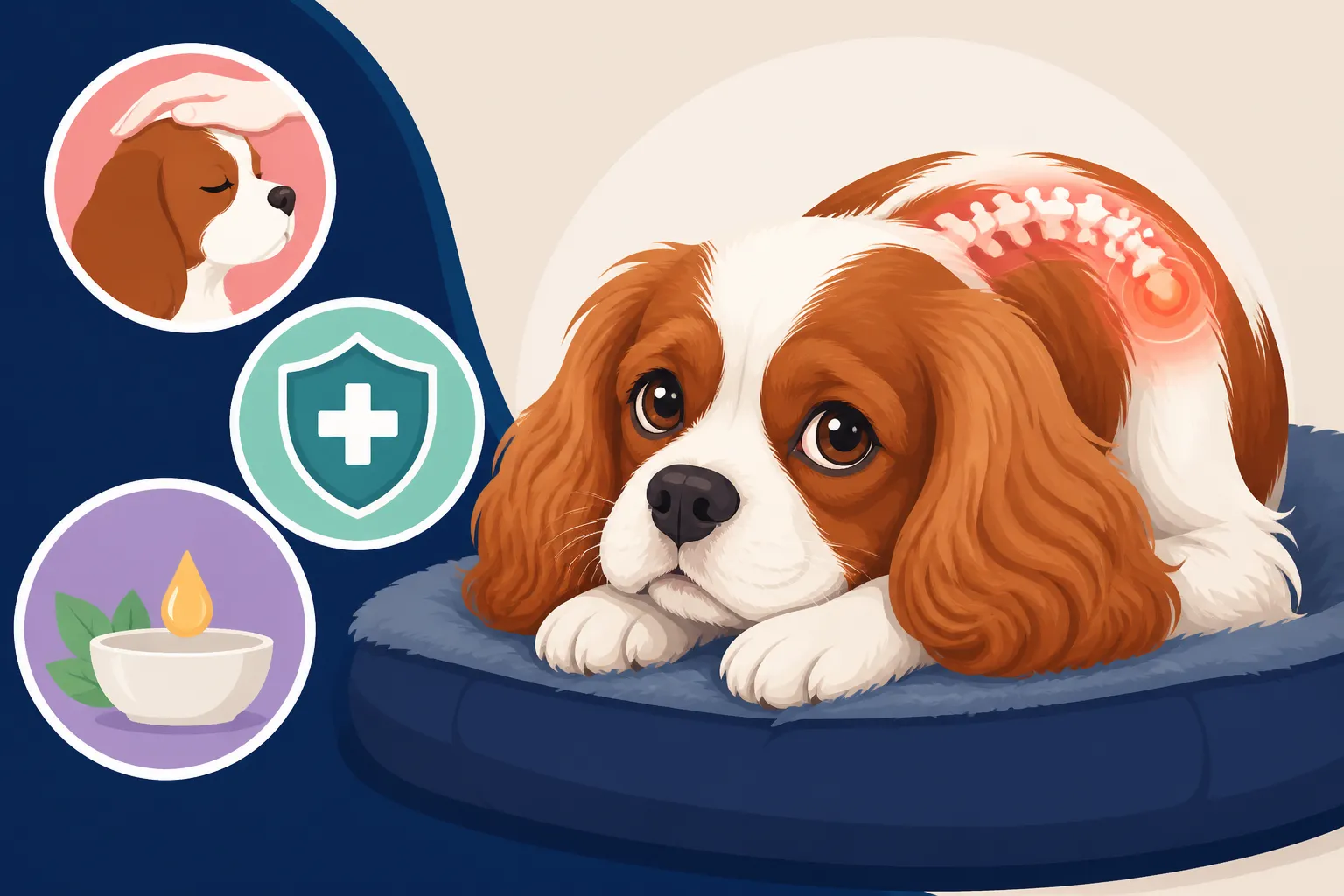
Pain Relief for a Cavalier With Syringomyelia
Watching your beloved Cavalier King Charles Spaniel suddenly yelp when touched, phantom scratch at the air, or refuse to jump on the sofa can be incredibly heartbreaking and confusing. These subtle yet distressing signs often point to the unseen agony of Syringomyelia, a chronic and progressive neurological condition that causes immense pain. This guide aims to shed light on the various approaches to pain relief for Cavaliers with Syringomyelia, offering you a roadmap to help manage your cherished companion's comfort and quality of life.
Understanding Syringomyelia Pain in Cavaliers
Syringomyelia (SM) is a condition that, for many Cavalier owners, feels like a dark cloud hanging over their sweet-natured companions. It's not just a fancy medical term; it represents a tangible, often excruciating reality for dogs suffering from it. Understanding the root of this pain is the first step toward effective management.
The Nature of the Pain
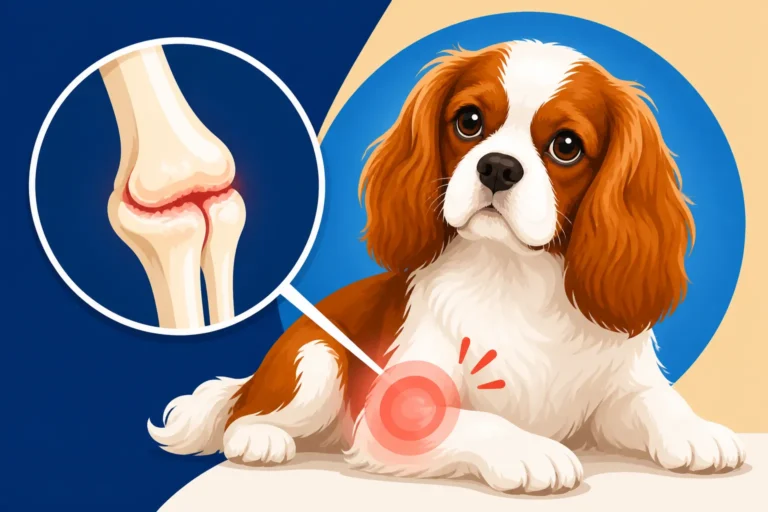
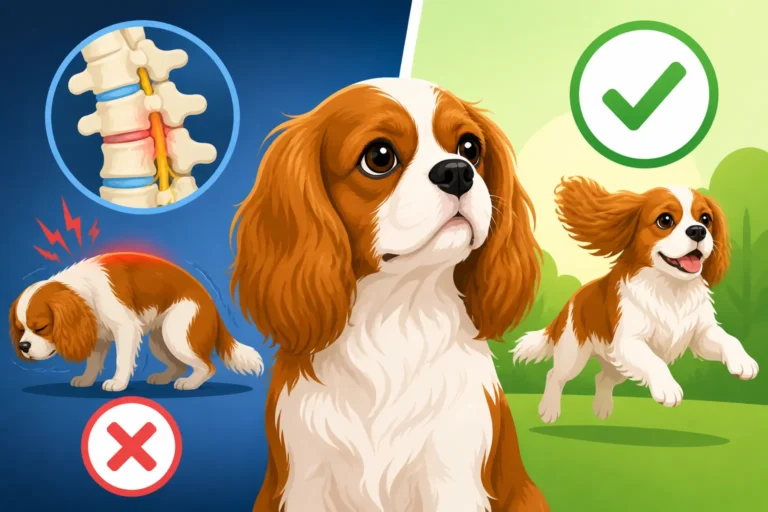
At its core, Syringomyelia pain stems from a structural abnormality in the skull, commonly known as Chiari-like malformation (CM). In Cavaliers, the back of their skull is often too small for their brain, crowding the cerebellum and obstructing the normal flow of cerebrospinal fluid (CSF) around the brain and spinal cord. This obstruction leads to increased pressure and, eventually, the formation of fluid-filled cavities, called syrinxes, within the spinal cord itself. Imagine a tiny water balloon forming inside the delicate tissue of the spinal cord – this is essentially what a syrinx is.
These syrinxes expand and contract, putting pressure on nerves and causing damage to the spinal cord. The pain isn't just a simple ache; it's often described as neuropathic pain, similar to nerve pain in humans, which can manifest as burning, tingling, stabbing, or extreme sensitivity. It can range from mild discomfort to agonizing, debilitating pain that drastically impacts a dog's daily life. The chronic nature of this pain also means it can take a toll on a dog's mental well-being, leading to anxiety and changes in behavior. For an in-depth look at the condition itself, you can explore our guide on Syringomyelia and Chiari Malformation in Cavaliers.
Recognizing Pain Signs
Detecting pain in a Cavalier with Syringomyelia can be incredibly challenging because our stoic little dogs often try to hide their discomfort. They don't always cry out; sometimes, the signs are subtle shifts in behavior that keen owners will notice. One of the most classic, yet often misunderstood, signs is "phantom scratching" or "air scratching," where your Cavalier rapidly scratches at their shoulder or neck area without making contact with their skin. This isn't an itch; it's a neurological response to the nerve pain. You can read more about this in Air Scratching as a Cavalier's First Warning Sign.
Beyond phantom scratching, look for a reluctance to be touched on the head, neck, or shoulders. They might yelp or flinch when picked up, especially if you support them under their chest or near their neck – a common trigger point for pain. Some Cavaliers may start sleeping with their head raised, seeking a position that alleviates pressure. You might notice them avoiding stairs or struggling with jumps they once made easily. A change in temperament, such as increased irritability, withdrawal, or even sudden aggression when approached, can also be a significant indicator that your dog is hurting. Even subtle shifts like a reduced desire to play or tiring easily on short walks could signal underlying pain.
Diagnosing the Underlying Cause
While recognizing the signs is vital, diagnosing Syringomyelia definitively requires advanced imaging. The gold standard for diagnosis is an MRI scan of the brain and cervical spine. This scan allows veterinary neurologists to visualize the Chiari-like malformation, assess the size and location of any syrinxes, and determine the extent of spinal cord compression. Without an MRI, any pain management is largely speculative, as other conditions can mimic SM symptoms. This diagnostic step is crucial because it informs the most appropriate and effective pain relief strategy. If you're considering this, our article on Getting a Cavalier Scanned for Syringomyelia offers more detailed information on the process and what to expect. Knowing the exact nature of the problem, including the syrinx width and its correlation with pain levels, is key to tailoring treatment.
First-Line Medical Management for Syringomyelia
Once a Syringomyelia diagnosis is confirmed, medical management typically becomes the primary approach to alleviating pain and improving the dog's quality of life. This usually involves a combination of medications targeting different aspects of the pain pathway.
Gabapentin as a Cornerstone
Gabapentin is frequently the first medication prescribed for Cavaliers suffering from Syringomyelia pain, and for good reason. It's an anticonvulsant that also has significant pain-relieving properties, particularly for neuropathic (nerve) pain. It works by modulating the release of certain neurotransmitters involved in pain signaling, essentially quieting down the overactive pain messages traveling through the nervous system. Many owners report a noticeable improvement in their dog's comfort levels once Gabapentin is introduced, often seeing a reduction in phantom scratching and an increased willingness to engage in normal activities.
The dosage of Gabapentin for a Cavalier with SM pain is typically titrated, meaning it starts low and gradually increases until an effective dose is found. It's usually given two to three times a day. While generally well-tolerated, side effects can include sedation and mild ataxia (wobbliness), especially when first starting the medication or increasing the dose. These side effects often subside as the dog's body adjusts. For a deeper dive into this specific medication, refer to our guide on Gabapentin for a Cavalier With Neck Pain. It's important to administer Gabapentin exactly as prescribed by your vet and never to stop it suddenly, as this can lead to withdrawal symptoms or a rebound in pain.
NSAIDs and Anti-Inflammatories
Non-steroidal anti-inflammatory drugs (NSAIDs) like carprofen (Rimadyl), meloxicam (Metacam), or firocoxib (Previcox) can be an important part of a Syringomyelia pain management plan, especially if there's an inflammatory component to your Cavalier's discomfort. These medications work by reducing inflammation and pain throughout the body. While the primary pain from SM is neuropathic, inflammation can exacerbate nerve compression and overall discomfort. Your vet might prescribe an NSAID in conjunction with Gabapentin, or as a standalone if initial signs suggest more inflammatory pain.
However, it's crucial to use NSAIDs cautiously, particularly in combination with other medications or in dogs with pre-existing conditions. Long-term use requires regular monitoring of kidney and liver function through blood tests. Potential side effects can include gastrointestinal upset (vomiting, diarrhea), loss of appetite, and in rare cases, more severe kidney or liver issues. Always ensure your dog has access to fresh water and is eating well when on NSAIDs. Never administer human NSAIDs like ibuprofen or naproxen, as they are toxic to dogs. Your veterinarian will determine if an NSAID is appropriate and the safest way to incorporate it into your Cavalier's pain protocol.
Other Neuropathic Pain Medications
Sometimes, Gabapentin alone isn't enough, or a Cavalier might not tolerate it well. In these cases, your veterinary neurologist might explore other medications to target neuropathic pain. Pregabalin (often known by the human brand name Lyrica) is a similar drug to Gabapentin, sometimes found to be more effective for certain individuals. It works through a similar mechanism but can offer a different therapeutic response. Like Gabapentin, it needs to be introduced gradually, and sedation is a possible side effect.
Amantadine is another medication that can be incredibly useful, especially for chronic neuropathic pain that isn't fully controlled by other drugs. It's an NMDA receptor antagonist, which means it blocks a specific pain pathway in the brain, helping to reduce "wind-up pain" – a phenomenon where persistent pain causes the nervous system to become hypersensitive. Amantadine is often added to a pain cocktail rather than used alone. Tramadol, while once a popular pain reliever, is now less commonly used as a primary neuropathic pain medication due to growing evidence that its effectiveness in dogs is limited compared to other options, but it might still be considered in some multi-modal pain plans. The key is a multi-modal approach, using several medications that work on different pain pathways to achieve optimal relief.
Reducing Fluid Pressure and Inflammation
Beyond directly addressing nerve pain, managing Syringomyelia often involves strategies to reduce the pressure caused by cerebrospinal fluid (CSF) accumulation and to control inflammation that can exacerbate symptoms. These approaches aim to tackle the underlying mechanisms contributing to your Cavalier's discomfort.
Diuretics to Reduce CSF Pressure
Since the pain of Syringomyelia is fundamentally linked to increased pressure from cerebrospinal fluid (CSF) accumulation, some medications are aimed at reducing the production of this fluid. While the term "diuretic" often makes us think of medications that increase urination, in the context of SM, drugs like Omeprazole (a proton pump inhibitor, more commonly known for stomach acid issues in humans) or even certain types of diuretics like Furosemide might be prescribed. Omeprazole, surprisingly, has been shown to decrease CSF production, thereby potentially reducing the pressure within the syrinxes and around the spinal cord. This can lead to a significant improvement in comfort for some Cavaliers.
These medications are not a cure, but they can be a critical component of a multi-faceted pain management plan, working in conjunction with neuropathic pain relievers. They are typically given orally, once or twice daily. Your vet will carefully monitor your dog for any side effects, which might include mild gastrointestinal upset with Omeprazole. The goal is to create a more hospitable environment for the spinal cord, alleviating the constant pressure that causes nerve damage and pain. For more information on this type of treatment, see our article on Drugs That Reduce Fluid Pressure in a Cavalier.
Corticosteroids for Severe Inflammation
In more severe cases of Syringomyelia, especially during acute flare-ups of pain or significant neurological decline, corticosteroids such as prednisolone might be used. These powerful anti-inflammatory drugs work by suppressing the immune response and reducing inflammation throughout the body, including around the brain and spinal cord. Corticosteroids can provide rapid relief from pain and neurological symptoms by reducing swelling and pressure. However, their use is generally reserved for short-term situations or low-dose, carefully monitored long-term treatment due to their significant potential for side effects.
While incredibly effective at reducing inflammation, corticosteroids come with a long list of potential downsides. Short-term side effects can include increased thirst and urination, increased appetite, panting, and changes in mood or energy levels. Long-term use can lead to more serious issues such as weight gain, muscle wasting, thinning skin, increased susceptibility to infections, and suppression of the adrenal glands. Therefore, your veterinarian will weigh the benefits against the risks very carefully, always aiming for the lowest effective dose for the shortest possible duration. They are often tapered down slowly once the acute crisis has passed.
Complementary and Supportive Therapies
While medication forms the cornerstone of Syringomyelia pain management, a holistic approach that includes environmental modifications, physical therapies, and nutritional support can greatly enhance your Cavalier's comfort and overall well-being. These complementary strategies often make a significant difference in daily quality of life.
Environmental Modifications
Sometimes, the simplest changes in your home environment can have a profound impact on a Cavalier with Syringomyelia. The primary goal is to minimize anything that puts pressure on their neck or causes sudden movements that might trigger pain. Switching from a neck collar to a well-fitting harness is paramount; collars can press on sensitive areas of the neck and exacerbate discomfort. Our article on Harnesses Instead of Collars for a Cavalier can provide more detail on this important change.
Consider raising food and water bowls to a comfortable height so your dog doesn't have to lower their head excessively, which can strain their neck. Provide soft, supportive bedding that allows them to rest comfortably without putting pressure on sensitive spots. Ramps or pet stairs can be invaluable for accessing furniture or beds, preventing painful jumps or strains. During walks, avoid sudden jerks on the leash and be mindful of your Cavalier's body language; if they seem uncomfortable, adjust your pace or route. Even simple actions like supporting their head when picking them up can make a difference. These small, thoughtful adjustments can significantly reduce daily triggers for pain.
Physical Therapy and Alternative Approaches
Just like with humans, physical therapy can be incredibly beneficial for dogs with neurological conditions like Syringomyelia. While it won't cure the underlying problem, it can help manage secondary effects, improve mobility, maintain muscle mass, and potentially reduce pain. Hydrotherapy (exercising in water) is often recommended because it provides buoyancy, reducing stress on joints and the spine while allowing for gentle movement and strengthening. Certified canine rehabilitation therapists can develop personalized programs that include gentle stretching, massage, and specific exercises.
Acupuncture, an ancient Chinese practice involving the insertion of thin needles into specific points on the body, has also shown promise in managing chronic pain in dogs, including neuropathic pain. It's thought to stimulate nerve function, release endorphins, and improve blood flow. Cold laser therapy (low-level laser therapy) is another non-invasive option that can help reduce inflammation, promote healing, and alleviate pain at a cellular level. These therapies should always be performed by a certified veterinary professional experienced in canine rehabilitation or alternative medicine, and used as an adjunct to, not a replacement for, conventional medical treatment.
Nutritional Support and Supplements
While no specific diet can cure Syringomyelia, appropriate nutrition and certain supplements can play a supportive role in managing inflammation and overall health, which indirectly contributes to pain management. Omega-3 fatty acids, commonly found in fish oil, are well-known for their anti-inflammatory properties. Adding a high-quality, veterinary-grade fish oil supplement to your Cavalier's diet might help reduce systemic inflammation, potentially benefiting their neurological comfort. Antioxidants, found in colorful fruits and vegetables (in safe forms and quantities), can also support cellular health and combat oxidative stress, which might be a factor in neurological conditions.
Some owners also explore joint supplements containing glucosamine and chondroitin, especially if their Cavalier also has concurrent orthopedic issues, though their direct impact on SM pain is not clearly established. It's crucial to discuss any dietary changes or supplements with your veterinarian or a veterinary nutritionist. They can help you choose appropriate products and dosages, ensuring they don't interact negatively with existing medications or contribute to weight gain, which can worsen overall health. Remember, these are supportive measures and should never replace prescribed medications for Syringomyelia pain.
When Medical Management Isn't Enough: Surgical Options
For some Cavaliers with Syringomyelia, even the most comprehensive medical pain management plan may not be enough to provide an acceptable quality of life. In these challenging situations, surgical intervention becomes a consideration, offering a chance for more direct relief from the compression causing their pain.
Decompression Surgery Overview
The primary surgical option for Syringomyelia is called foramen magnum decompression. This intricate neurosurgical procedure aims to alleviate the pressure on the brainstem and spinal cord by carefully removing a small section of bone at the back of the skull (the occipital bone) and often the first cervical vertebra (C1). The goal is to create more space around the crowded cerebellum and allow for the more natural flow of cerebrospinal fluid, which in turn can reduce the size of the syrinxes and the pain they cause. Sometimes, a dura mater graft (a synthetic or natural patch) is used to further enlarge the space.
This surgery is performed by highly specialized veterinary neurologists or neurosurgeons. The decision to pursue surgery is a complex one, usually made after a thorough evaluation, including advanced MRI imaging, and only when medical management has failed to control pain or when neurological deficits are progressing rapidly. It's a procedure with the potential for significant improvement in symptoms, but it's not without its complexities and considerations, which we delve into more in Whether Decompression Surgery Helps a Cavalier.
Considerations and Risks
While decompression surgery can offer significant relief, it's not a guaranteed cure and comes with important considerations. The cost of such specialized neurosurgery is substantial, often ranging from several thousand to well over ten thousand dollars, depending on the location and specific surgical techniques used. This is a significant financial commitment for any pet owner. Recovery also requires intensive post-operative care, including pain management, restricted activity, and potentially physical rehabilitation.
Beyond the financial and recovery aspects, there are inherent risks associated with any major surgery, especially one involving the brain and spinal cord. These include risks of anesthesia, infection, hemorrhage, and potential damage to delicate neural tissue. Furthermore, while many dogs show remarkable improvement, some may experience limited relief, and in some cases, the syrinxes can recur or re-enlarge over time, necessitating further medical management or even a second surgery. This means even successful surgery often requires continued monitoring and sometimes ongoing medication to maintain comfort. It's vital to have a very frank discussion with your veterinary neurologist about the potential benefits, risks, and realistic long-term outcomes for your specific Cavalier.
Financial Considerations and Long-Term Care
Living with a Cavalier diagnosed with Syringomyelia is a journey that extends far beyond the initial diagnosis and treatment plan. It involves a long-term commitment to their care, which inevitably includes significant financial considerations. Being prepared for these costs can help alleviate stress and ensure your dog receives the best possible care.
Budgeting for Ongoing Medication
Once a Cavalier is diagnosed with Syringomyelia, they typically require lifelong medication to manage their pain. This can be a substantial ongoing expense. Medications like Gabapentin, Omeprazole, and potentially NSAIDs or other neuropathic drugs need to be purchased regularly. The monthly cost can vary widely depending on the specific combination of drugs, dosages, your dog's weight, and where you purchase them. It's not uncommon for these monthly medication bills to range from $50 to several hundred dollars.
To help manage these costs, discuss options with your veterinarian. Sometimes, generic versions of medications are available and can be significantly cheaper than brand-name drugs. Many human pharmacies, like CVS or Walgreens, also offer pet prescriptions at competitive prices, and online pet pharmacies can sometimes provide savings. Never try to cut costs by reducing dosages or skipping doses without veterinary guidance, as this can lead to breakthrough pain and worsen your Cavalier's condition. Remember that this is a marathon, not a sprint, and these medications are crucial for your dog's daily comfort.
The Role of Pet Insurance
Pet insurance can be a lifesaver for Cavalier owners facing conditions like Syringomyelia, but timing is everything. If you enroll your Cavalier in a comprehensive pet insurance plan, such as those offered by Healthy Paws, before any symptoms of Syringomyelia appear or a diagnosis is made, the policy is much more likely to cover a significant portion of the diagnostic tests, specialist consultations, medications, and even surgery. Pet insurance plans like those from Healthy Paws typically reimburse a percentage of eligible veterinary bills after you've met your deductible.
However, it's critical to understand the concept of "pre-existing conditions." Once your Cavalier has been diagnosed with Syringomyelia, or even shown signs of it (like phantom scratching) before your policy's waiting period ends, it will almost certainly be considered a pre-existing condition. This means that future costs related to Syringomyelia would not be covered. This is why it's so important to consider insuring your Cavalier puppy when they are young and healthy. While a policy might not cover pre-existing conditions, it can still provide valuable peace of mind for other unforeseen accidents or illnesses that may arise.
Here's a quick comparison of what pet insurance often covers vs. what it often doesn't:
| Category | Pet Insurance Coverage (Generally) | Common Exclusions (Generally) |
|---|---|---|
| Accidents & Illnesses | Emergency care, specialist visits, surgery, hospitalization, prescription medications, diagnostics | Pre-existing conditions, routine wellness (unless add-on), cosmetic |
| Syringomyelia-Specific | MRI for diagnosis (if not pre-existing), neurologist consultations, prescribed pain medications, surgery | Diagnostic tests/treatments for pre-existing SM, breeding costs |
| Wellness (Optional Add-on) | Vaccinations, annual exams, parasite prevention, dental cleanings | Elective procedures, behavioral training (unless specified) |
This table provides a simplified overview. Always read specific policy details carefully to understand what is covered and what limitations apply to your chosen provider, be it Healthy Paws or another insurer.
Quality of Life and End-of-Life Decisions
Living with a chronic, painful condition like Syringomyelia means constantly monitoring your Cavalier's quality of life. This is perhaps the most challenging aspect of long-term care. As the disease progresses, even with optimized medical management, there may come a point where pain can no longer be adequately controlled, or the side effects of medications severely impact your dog's daily enjoyment. Regular, honest discussions with your veterinarian and veterinary neurologist about your Cavalier's current comfort levels, mobility, appetite, and overall happiness are essential.
Knowing when to adjust treatment, consider hospice care, or, heartbreakingly, make end-of-life decisions, is a deeply personal process. There are tools, like quality of life scales, that can help you objectively assess your dog's well-being. The goal is always to prevent prolonged suffering. This conversation is never easy, but your veterinary team can provide support and guidance, ensuring your beloved Cavalier lives with dignity and as little pain as possible for as long as possible. Our article on Pain Management for a Senior Cavalier offers further insights into caring for aging dogs with chronic conditions.
Disclaimer
This article is intended for informational purposes only and does not constitute veterinary advice. Always consult with a qualified veterinarian or veterinary neurologist for any health concerns or before making any decisions about your Cavalier King Charles Spaniel's care and treatment, especially concerning complex conditions like Syringomyelia.