Harnesses Instead of Collars for a Cavalier
One of the most common worries for Cavalier King Charles Spaniel owners is finding the perfect gear to keep their beloved companions safe and comfortable, especially during walks. Many of us instinctively reach for a collar, because that’s what we’ve always done with dogs, but for a Cavalier, a simple collar can actually pose significant risks to their delicate neck and overall well-being. This guide is all about understanding why harnesses are not just an alternative, but often a crucial choice for this wonderful breed, helping you keep your furry friend happy and healthy for years to come.
The Unique Vulnerabilities of the Cavalier Neck and Head
It’s easy to think all dogs are built the same when it comes to leash pressure, but Cavaliers have specific anatomical considerations that make their necks particularly vulnerable. What might be a minor inconvenience for a sturdier breed can be a serious health risk for a Cavalier. Their unique conformation, while charming, comes with a predisposition to certain conditions that are directly impacted by pressure around the neck.
Chiari-like Malformation and Syringomyelia Concerns
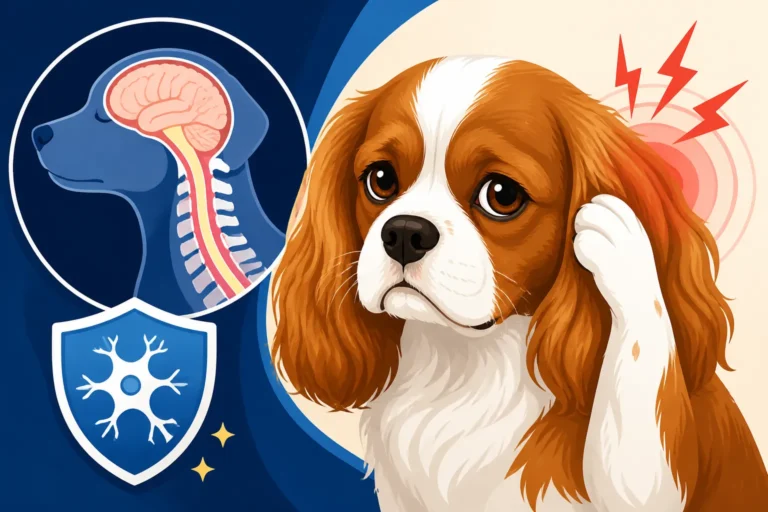
This is arguably the most critical reason to opt for a harness over a collar for your Cavalier. Many Cavaliers are born with a condition called Chiari-like Malformation (CM), where their skull is too small for their brain, leading to the cerebellum being squeezed and pushed into the spinal canal. This often results in a secondary condition called Syringomyelia (SM), where fluid-filled cavities (syrinxes) form within the spinal cord, primarily in the neck region.
Imagine having a constant, low-grade headache or nerve pain, and then having pressure applied directly to that sensitive area. That's what it can be like for a Cavalier with CM/SM. Any sudden jolt or sustained pressure on a collar can compress the delicate structures in the neck, aggravating nerve pain and potentially worsening the symptoms of Syringomyelia and Chiari Malformation in Cavaliers. Owners often report that their Cavalier That Yelps When Picked Up, which can be a direct sign of neck pain related to these conditions, and collar pressure only makes this worse. Even a seemingly gentle tug can cause intense discomfort, leading to head scratching, air scratching, or a sudden yelp. Why would we risk increasing their discomfort when a simple equipment change can offer so much relief? This isn't just about preventing pain; it's about managing a serious neurological condition that can drastically impact a Cavalier's quality of life.
Tracheal Collapse and Respiratory Risks
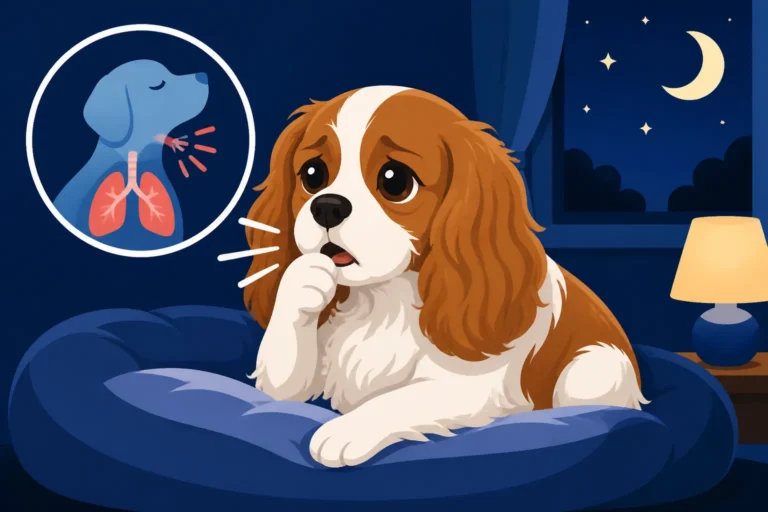
While not as common as CM/SM, Cavalier King Charles Spaniels, due to their smaller size and delicate anatomy, can also be susceptible to tracheal collapse. The trachea, or windpipe, is supported by rings of cartilage. When these rings weaken, the trachea can flatten, making breathing difficult. A collar, especially if the dog pulls on the leash, exerts direct pressure on this vital airway.
Think about what happens when you press on a garden hose – the flow is restricted. The same can happen to your Cavalier's trachea. Constant pressure from a collar can weaken these cartilaginous rings over time, or, in an already predisposed dog, cause an acute episode of coughing, gagging, or even difficulty breathing. Even without full-blown Cavalier Tracheal Collapse, repeated strain against a collar can irritate the throat, leading to a persistent cough or exacerbating existing respiratory sensitivities. It’s a preventable risk, and choosing a harness is a simple way to protect their airway from unnecessary strain.
Eye Pressure and Proptosis Risk
Cavaliers are known for their beautiful, large, expressive eyes. Unfortunately, these prominent eyes also come with a slight risk of eye proptosis, a condition where the eyeball literally pops out of its socket. While rare, it's a terrifying emergency that requires immediate veterinary attention. Any sudden, severe pressure on the neck and head, such as a strong pull on a collar, can increase pressure behind the eyes.
This elevated pressure, combined with the Cavalier's somewhat shallow eye sockets, can theoretically contribute to the risk of proptosis. Beyond that alarming possibility, pressure from a collar can also aggravate existing eye conditions like dry eye or even contribute to issues like Corneal Ulcers on Prominent Cavalier Eyes, by indirectly affecting tear production or simply by the sheer stress it causes. It's another small, yet significant, reason to avoid direct neck pressure when considering how to safely walk your Cavalier.
Why a Harness is a Safer, More Comfortable Choice
Given these vulnerabilities, the decision to use a harness instead of a collar for your Cavalier King Charles Spaniel becomes much clearer. It's not just a trend; it's a thoughtful approach to their care that prioritizes their physical well-being. A harness fundamentally changes how pressure is applied to your dog's body, transforming a potentially harmful experience into a safe and comfortable one.
Distributing Pressure Evenly
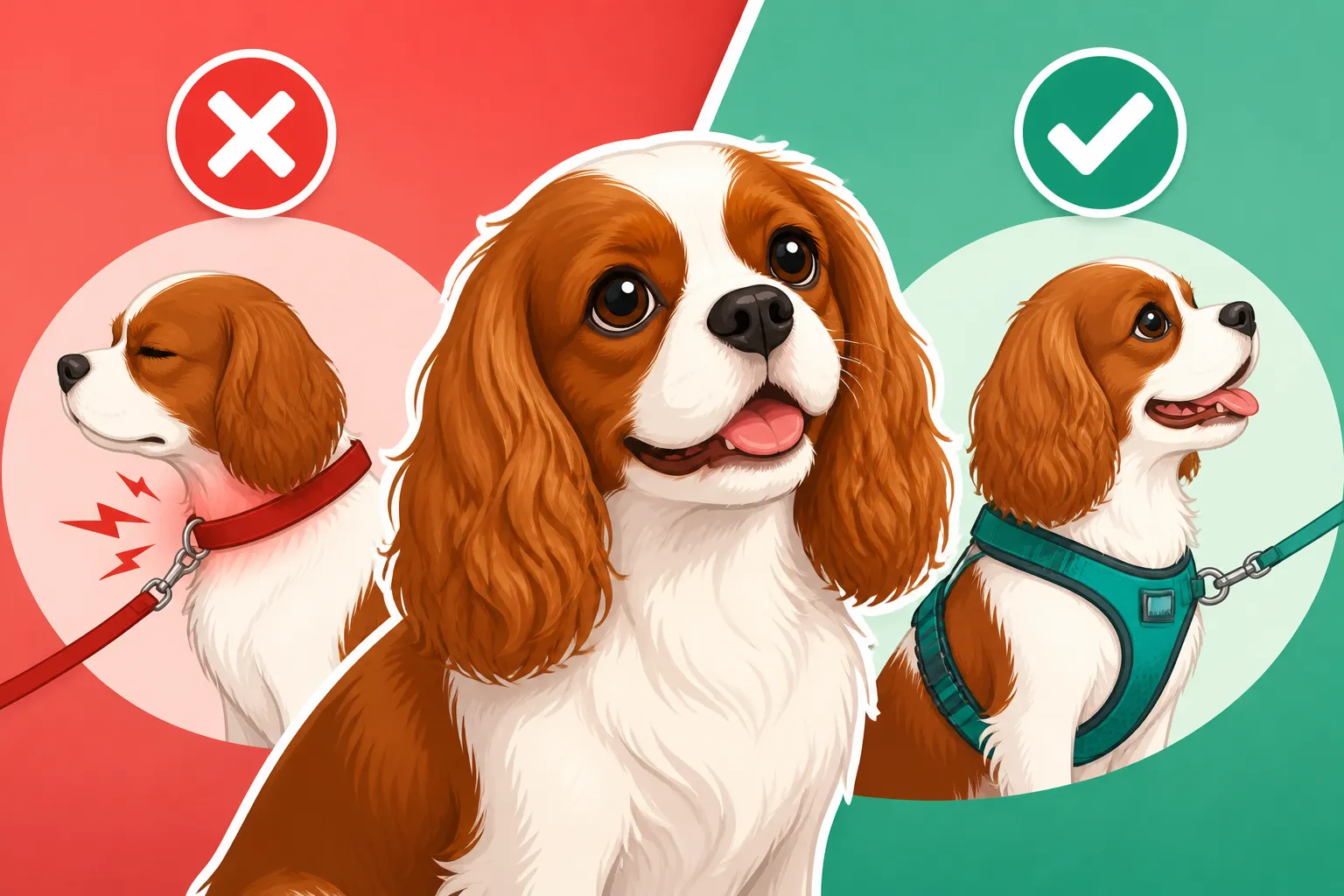
The primary benefit of a harness is its ability to distribute pressure evenly across the dog’s chest, shoulders, and back, completely bypassing the delicate neck and throat area. When your Cavalier pulls on a leash while wearing a harness, the force is spread over a larger, stronger part of their body. This means no direct compression on the trachea, no strain on the sensitive cervical spine, and no increased pressure on the head that could impact neurological or ocular health.
For a Cavalier with a pre-existing condition like Syringomyelia, this redistribution of pressure is invaluable. It allows them to walk, explore, and even pull a little if they get excited, without the risk of exacerbating their pain or causing further injury. It transforms leash walking from a potential source of discomfort and anxiety into a positive experience where they can move freely and without pain.
Enhanced Control and Security
Beyond health benefits, harnesses offer superior control, especially for small dogs like Cavaliers. Their compact size can sometimes make them prone to slipping out of a traditional collar, especially if they get spooked or pull back suddenly. A well-fitted harness, particularly one with multiple adjustment points, provides a secure fit that makes it much harder for your dog to escape.
This enhanced security gives you, the owner, greater peace of mind during walks. You can navigate busy streets or crowded parks with more confidence, knowing your Cavalier is securely fastened. It also offers better leverage and control if your dog suddenly lunges or needs to be guided away from something, allowing you to manage their movements without causing them distress or injury. This can be particularly helpful if you're working on leash manners with a young or exuberant Cavalier.
Preventing Tracheal and Neck Injury
We've already touched on the risks, but it bears repeating: harnesses actively prevent the types of injuries collars can cause. By removing direct pressure from the neck, you eliminate the possibility of crushing the trachea, irritating the larynx, or putting undue stress on the cervical vertebrae and surrounding nerves. This is especially crucial for puppies whose skeletal structures are still developing, and for older Cavaliers who might have weaker necks or existing spinal issues.
For an older Cavalier, where concerns about health become even more pronounced, using a harness becomes even more critical. Things like Arthritis and other age-related discomforts can make any neck strain incredibly painful. A harness helps ensure that their daily walks remain a source of joy and exercise, rather than a painful ordeal. In fact, many owners find that a Cavalier That Tires on Short Walks may actually be experiencing discomfort from their gear rather than just fatigue.
Choosing the Right Harness for Your Cavalier
Not all harnesses are created equal, and selecting the best one for your Cavalier involves a bit of research and careful consideration. The goal is to find a harness that is both effective and comfortable, ensuring it supports your Cavalier's unique physique without causing new problems.
Types of Harnesses to Consider
There's a vast array of harnesses on the market, but for a Cavalier, you'll want to focus on designs that prioritize comfort and avoid putting pressure on the throat or restricting shoulder movement.
- Y-Front (or H-Style) Harnesses: These are generally considered excellent for Cavaliers. They feature straps that form a "Y" shape over the chest, separating the pressure from the throat area and distributing it around the chest and shoulders. Brands like Kurgo and Ruffwear often have models that fit this description. The key here is to ensure the chest strap sits low enough that it doesn't ride up into the throat when the dog pulls.
- Vest Harnesses: These wider harnesses cover more of the dog's chest and back, offering a very dispersed pressure point. They can be good for very sensitive dogs or those prone to skin irritation from thinner straps. However, ensure the armholes are large enough to prevent chafing, especially around the Cavalier’s delicate armpits where mats in a Cavalier's armpits and groin can form easily.
- Front-Clip Harnesses: Many Y-front or H-style harnesses also come with a front-clip option, where the leash attaches at the dog's chest rather than their back. These are fantastic for Cavaliers who tend to pull on the leash, as they gently redirect the dog back towards you when they pull, making it harder for them to forge ahead. This can be a game-changer for Training a Cavalier With Praise Rather Than Pressure, as it provides a humane way to discourage pulling.
- Avoid Back-Clip Only Harnesses if Your Dog Pulls: While a back-clip harness is better than a collar, if your Cavalier is a strong puller, a back-clip harness can sometimes encourage them to pull even harder, as it leverages their natural opposition reflex. However, for a Cavalier who walks nicely on a loose leash, a comfortable back-clip harness is perfectly acceptable.
Here’s a quick overview of harness types:
| Harness Type | Key Features | Pros for Cavaliers | Cons for Cavaliers | Best For |
|---|---|---|---|---|
| Y-Front/H-Style | Straps form Y-shape over chest, clips on back or front | Excellent pressure distribution, avoids throat | Can restrict shoulder movement if ill-fitting | Everyday walks, dogs prone to pulling (with front clip) |
| Vest Harness | Wide fabric covers chest and back, often with soft padding | Very comfortable, good for sensitive skin, highly secure | Can be bulky, may cause overheating in warm weather | Small, delicate dogs; those prone to chafing; colder climates |
| Front-Clip | Leash attachment point at the chest, often combined with Y-front/H-style design | Reduces pulling, better control, gentle redirection | Can tangle legs if poorly designed or fitted | Dogs that pull on leash, training leash manners |
| Back-Clip Only | Leash attachment solely on the dog's back | Simple, comfortable for dogs that don't pull | May encourage pulling; less control for strong pullers | Cavaliers who walk calmly on a loose leash, gentle strolls |
Proper Fit is Paramount
Even the best harness design is useless if it doesn't fit correctly. A poorly fitting harness can chafe, restrict movement, or still put pressure on sensitive areas. Here's how to ensure a proper fit:
- Measure Carefully: Before buying, measure your Cavalier's chest girth (the widest part of their rib cage, just behind their front legs) and neck circumference. Compare these measurements to the manufacturer's sizing chart.
- The "Two-Finger Rule": Once the harness is on, you should be able to comfortably slide two fingers under all the straps. If you can't, it's too tight. If you can fit more than two, it's too loose and your Cavalier could slip out or experience chafing.
- Check for Clearance: Ensure the harness doesn't restrict your Cavalier's shoulder movement. The straps should sit well behind their armpits, allowing their legs to move freely. A harness that sits too close to the armpits can cause painful chafing and impede their natural gait.
- Throat vs. Chest: The "Y" or horizontal chest strap should sit low on the breastbone, far away from the throat. If it rides up towards the throat when your dog moves or pulls, it's not the right fit or design for your Cavalier.
- Test It Out: Once fitted, take your Cavalier for a short walk. Watch for any signs of discomfort, rubbing, or restricted movement. Adjust as needed. Remember, a good fit is crucial for both safety and comfort.
Materials and Durability
The material and construction of the harness also play a role in comfort and longevity.
- Nylon or Polyester: These are common, durable, and easy-to-clean materials. Look for soft, rounded edges on the webbing to prevent chafing.
- Padding: Some harnesses offer fleece or neoprene padding, especially in areas that come into contact with the dog's skin, like the chest or armpits. This can be a huge benefit for Cavaliers with sensitive skin or those who wear their harness for extended periods.
- Hardware: Check the buckles and D-rings. They should be sturdy and reliable. Metal hardware is often more durable than plastic, but ensure it's lightweight enough for a small dog.
- Reflective Strips: For safety during evening walks, harnesses with reflective stitching or strips are a great bonus.
When you're investing in quality gear like a good harness, it’s also wise to think about pet insurance. Companies like Healthy Paws can provide peace of mind, covering unexpected veterinary costs, which is especially important for a breed with specific health predispositions. A good harness is preventative care, but a good insurance plan is there for when things are out of your control.
Making the Switch and Training Tips
Transitioning from a collar to a harness, or introducing a harness to a puppy, should be a positive experience. With a little patience and positive reinforcement, your Cavalier will happily accept their new walking gear.
Gradual Introduction and Positive Reinforcement
If your Cavalier is used to a collar, a harness might feel strange at first. The key is to introduce it gradually and associate it with good things.
- Let Them Sniff It: Present the harness to your Cavalier and let them sniff it. Give treats and praise.
- Short Wear Times Indoors: Drape the harness over their back for a few seconds, then remove it and give a treat. Gradually increase the time they wear it, always in a positive, relaxed environment like your living room.
- Positive Association: Put the harness on just before meals or playtime. This helps them associate the harness with fun and rewards.
- First Walks: Once they're comfortable wearing it indoors, attach the leash and take very short walks, initially in the yard, then around the block. Keep these early experiences positive and full of praise.
- Never Force It: If your Cavalier seems stressed or uncomfortable, take a break and try again later. Forcing it can create a negative association that’s hard to overcome. Remember, you want to make wearing the harness a non-event, something they just accept as part of their routine.
Dealing with Pulling on a Leash
Even with a harness, some Cavaliers might still pull, especially if they are excited or not accustomed to leash manners. While a harness prevents injury from pulling, it doesn't automatically stop the behavior itself.
- Front-Clip Harnesses: As mentioned, a front-clip harness is an excellent tool for managing pulling. When your Cavalier pulls, the leash attachment on their chest causes them to turn gently sideways, naturally redirecting their attention back to you. This makes it harder for them to pull forward with full force.
- "Stop and Go" Method: If your Cavalier pulls, simply stop walking. Only resume walking when the leash is slack. The moment they pull again, stop. This teaches them that pulling gets them nowhere, while a loose leash gets them where they want to go.
- Reward Loose Leash Walking: Heavily reward your Cavalier with treats and praise when they walk nicely on a loose leash. Make being next to you the most rewarding place to be.
- Consistency is Key: Everyone who walks your Cavalier needs to be consistent with the training methods. A few minutes of dedicated training on each walk can make a huge difference in developing good leash manners over time. Good leash manners contribute to a comfortable walking experience and reduce the chances of accidental strain, further supporting your Cavalier's health.
Ultimately, choosing a harness for your Cavalier King Charles Spaniel is a simple yet profound way to show them you care. It’s an act of love that protects their delicate anatomy and ensures their comfort and safety on every adventure, big or small.
Disclaimer
The information provided in this article is for general informational purposes only and is not a substitute for professional veterinary advice. Always consult with a qualified veterinarian or specialist regarding your Cavalier King Charles Spaniel's health and specific needs, especially concerning conditions like Syringomyelia, Chiari-like Malformation, or other health issues.