Coughing at Night in a Cavalier
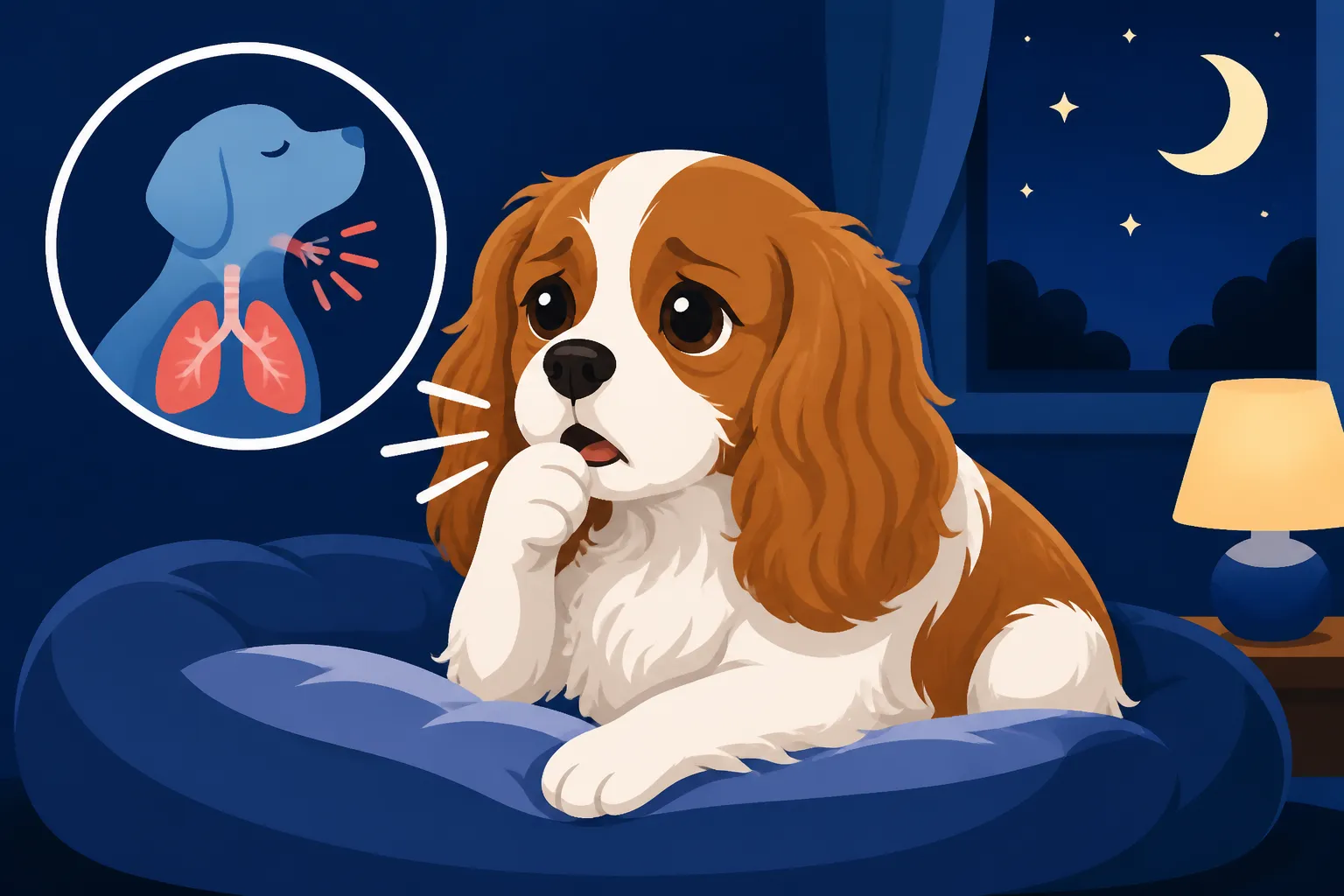
It's absolutely heartbreaking to hear your sweet Cavalier King Charles Spaniel hacking and coughing, especially in the quiet hours of the night when you both should be resting peacefully. That distinctive, often wet or raspy cough can be incredibly alarming, making you worry about their comfort and what underlying issue might be at play. This guide is here to shed light on why your Cavalier might be coughing at night, delve into the most common causes, and empower you with the knowledge to understand what's happening and what steps to take next.
Why Nighttime Coughing in Cavaliers is So Concerning
When your beloved Cavalier starts coughing predominantly at night, it’s not just an inconvenience; it’s often a red flag that demands immediate attention. Unlike a random cough during the day from a bit of excitement or inhaling dust, a persistent nocturnal cough suggests something might be worsening when your dog lies down. This change in posture can have significant implications for their respiratory and cardiovascular systems.
The Silent Threat of Heart Disease
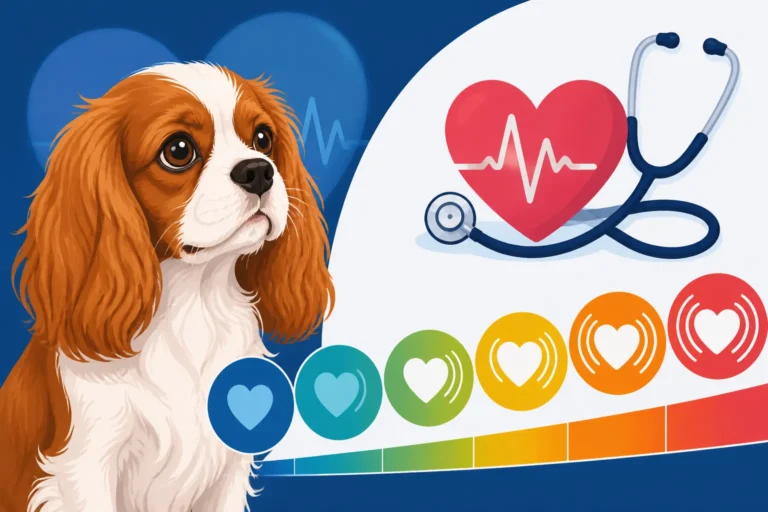
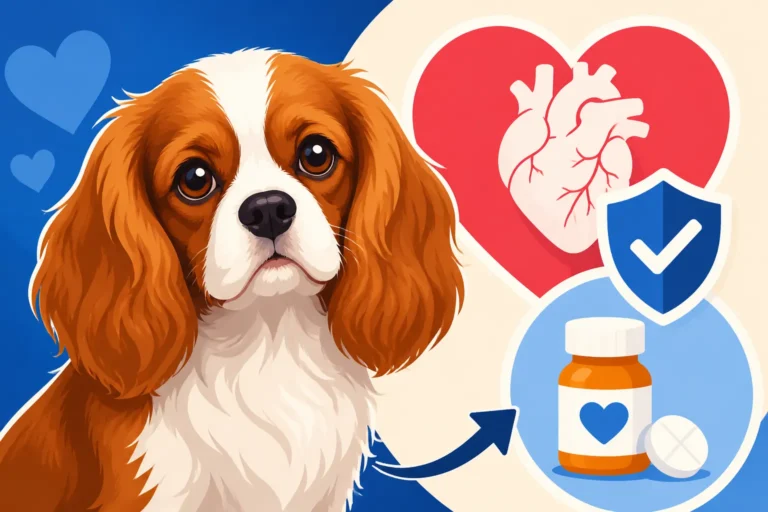
For Cavalier King Charles Spaniels, the first thought that usually springs to mind with a night cough is heart disease, specifically Mitral Valve Disease (MVD). This condition is incredibly prevalent in the breed, often starting as a subtle murmur and progressing over time. As MVD advances, the heart's ability to pump blood effectively is compromised, leading to a build-up of fluid, often in the lungs.
When your Cavalier is awake and moving, gravity helps keep this fluid distributed, and they might not show overt signs. But when they lie down to sleep, especially on their side, that fluid can start to pool in the lungs, increasing pressure on the airways. Imagine trying to breathe comfortably with a heavy weight on your chest; that's somewhat similar to what your Cavalier might experience. This pooling of fluid triggers the coughing reflex as the body tries to clear the congestion. It’s a terrifying experience to witness your dog suddenly jolt awake, struggling to clear their throat, sometimes for several minutes, before settling again, only for it to potentially recur later in the night. This isn't just a "cold"; it's a sign that their heart might be working harder than it should.
Distinguishing Heart Coughs from Other Coughs
It’s crucial to understand that not all coughs are created equal, and differentiating them can give your vet important clues. A "heart cough" associated with MVD and fluid in the lungs often sounds soft, wet, or productive, sometimes described as a low, gurgling hack. It might resemble a clearing of the throat or a slight choking sound. This is distinct from the harsh, dry, "goose honk" cough that typically points to tracheal collapse. If your Cavalier is doing a deep, rattling cough that seems to bring something up, or if it sounds like they're trying to clear fluid, that's a classic symptom of pulmonary edema linked to heart failure.
On the other hand, kennel cough, a common infectious respiratory disease, usually presents as a dry, hacking cough that can occur day or night and is often exacerbated by excitement. While it's always possible, kennel cough is less likely to be exclusively nocturnal. Any persistent cough, regardless of its sound, warrants a veterinary visit. However, if your Cavalier’s cough primarily manifests or intensifies when they are lying down or trying to sleep, the chances of it being related to their heart health are significantly higher, making that vet appointment even more urgent. It's truly a concerning symptom that no Cavalier owner should ignore.
Understanding the Primary Culprit: Mitral Valve Disease
When a Cavalier starts coughing at night, especially with the characteristic wet, gurgly sound, the veterinary focus almost immediately turns to Mitral Valve Disease (MVD). This condition is so pervasive in the breed that it's practically synonymous with Cavalier heart health. Understanding how this disease progresses and specifically leads to coughing can help you recognize the signs and advocate for your dog's care.
How MVD Leads to Coughing
At the heart of MVD is a tiny, yet vital, structure: the mitral valve. This valve acts like a one-way door between the left atrium and the left ventricle of the heart, ensuring blood flows efficiently in one direction. In Cavaliers with MVD, this valve gradually thickens and degenerates, becoming leaky, a condition known as mitral regurgitation. Instead of closing tightly, some blood "regurgitates" or flows backward into the left atrium with each heartbeat.
Over time, the left atrium, which is now receiving blood from both the lungs and the ventricle, has to work harder and becomes enlarged. This enlarged left atrium then begins to press physically on the trachea (windpipe), which lies directly above it. This pressure can trigger a cough, especially when the dog is lying down, as the position can increase the contact and pressure on the trachea. Furthermore, as the heart struggles to cope with the backflow, pressure builds up in the blood vessels supplying the lungs. This increased pressure can force fluid out of the blood vessels and into the lung tissue, a condition called pulmonary edema. This fluid accumulation in the lungs is a major cause of the wet, gurgling cough and difficulty breathing often observed in advanced MVD, particularly at night. The body instinctively tries to clear this fluid, leading to those distressing coughing fits.
When to Suspect MVD and What to Look For
Coughing at night is often a relatively late sign of MVD, indicating that the disease has likely progressed to a point where the heart is significantly affected. Many Cavaliers will have a heart murmur for years before other symptoms appear. You might be told your dog has a murmur when they're relatively young; indeed, it's estimated that Why Half of Cavaliers Have a Murmur by Five by five years of age. The intensity or What a Heart Murmur Grade Means in a Cavalier can give some indication, but only diagnostics can truly assess the impact.
Beyond coughing, keep an eye out for a constellation of other symptoms that suggest MVD progression. These can include a general reduction in exercise tolerance – perhaps your typically energetic Cavalier isn't as keen on long walks, or tires out more quickly than usual. You might notice an increased resting respiratory rate (how many breaths they take per minute while asleep or completely at rest), which is a critical indicator we'll discuss further. Other signs can be general fatigue, reluctance to play, or even a subtle loss of appetite. For example, if your normally vibrant Lily starts sleeping more, takes longer to finish her food, and then begins to cough at night, these are all strong signals that her heart needs urgent evaluation. Early diagnosis and intervention can significantly improve quality of life and potentially extend your Cavalier’s time with you. Remember, managing this condition effectively early on can make a real difference in their comfort and prognosis. If you have pet insurance like Healthy Paws, it's always best to have it in place before any heart issues are diagnosed, as MVD can be considered a pre-existing condition if a murmur is already noted.
Other Potential Causes for Night Coughs
While Mitral Valve Disease is the reigning concern for nighttime coughing in Cavaliers, it's important not to overlook other potential culprits. Some conditions can mimic heart-related coughs or contribute to respiratory distress, especially when your dog is at rest. A thorough veterinary examination will help pinpoint the exact cause.
Tracheal Collapse
Another common cause of coughing in small breeds, including Cavaliers, is tracheal collapse. The trachea, or windpipe, is supported by rings of cartilage. In dogs with tracheal collapse, these rings weaken and flatten, causing the airway to narrow, particularly during inhalation. This narrowing can become more pronounced when the dog is excited, pulling on a leash, or sometimes, when they are lying down in certain positions that put pressure on the neck or chest.
The classic symptom of tracheal collapse is a dry, harsh cough often described as a "goose honk." While it can occur at any time, some dogs find it more difficult to breathe comfortably when lying flat, which can exacerbate the cough at night. If your Cavalier pulls vigorously on their collar during walks, this can aggravate an already compromised trachea. This is precisely why many vets recommend a harness for Cavaliers, regardless of a collapse diagnosis. You can read more about Harnesses Instead of Collars for a Cavalier for this breed to understand why it's so important. If the cough sounds dry and harsh, and is easily triggered by excitement or even just a change in position, tracheal collapse could be a strong contender alongside or even instead of heart issues.
Bronchitis and Respiratory Infections
Just like humans, dogs can suffer from various forms of bronchitis and other respiratory infections. Chronic bronchitis, for instance, involves inflammation of the airways, leading to a persistent cough, often productive, as the dog tries to clear mucus. This cough might be worse at night or in the mornings, as mucus can accumulate while they are sleeping.
Acute respiratory infections, such as kennel cough (a highly contagious upper respiratory infection), can also cause severe coughing. While kennel cough typically presents as a dry, hacking "honk," it can sometimes lead to a wetter cough as the infection progresses. Allergies can also cause airway irritation and inflammation, manifesting as a cough that might be more noticeable when dust or pollen settles in the air at night, or if your dog sleeps in a dusty area. If your Cavalier is also showing signs of nasal discharge, sneezing, or has a history of seasonal allergies, these respiratory issues could be a factor. Even chronic issues like Whether Cavalier Ear Infections Are Allergic can sometimes be linked to broader allergic responses that affect the respiratory system. Your vet will look for signs of infection or inflammation beyond just the cough.
Less Common Considerations
While MVD and tracheal collapse are the most frequent culprits for nocturnal coughing in Cavaliers, other, less common conditions should also be considered by your veterinarian, especially if initial diagnostics don't point to the usual suspects.
One such condition is aspiration pneumonia, which can occur if a dog accidentally inhales food, vomit, or other foreign material into their lungs. This can happen with dogs that have gastrointestinal issues, megaesophagus, or even senior dogs who might struggle with swallowing. Aspiration pneumonia typically causes a wet, deep cough, fever, and lethargy, and could worsen at night due to recumbency. Another rare but possible cause could be an anatomical obstruction in the airway, such as an enlarged lymph node or even a tumor in the chest cavity pressing on the trachea or bronchi. While unlikely to be purely nocturnal, these can certainly contribute to breathing difficulties and coughing. Your vet will rule out these possibilities through careful examination and diagnostic imaging. It's why a comprehensive approach, rather than just treating symptoms, is always the best path forward.
What to Do When Your Cavalier Coughs at Night
Discovering your Cavalier coughing at night can be incredibly frightening. Your immediate reaction might be panic, but taking calm, structured steps can provide crucial information for your vet and offer some comfort to your dog. Early intervention is key, so don't delay in seeking professional advice.
Immediate Steps and Monitoring
The first thing you can do at home is to become an astute observer. Begin by monitoring your Cavalier's resting respiratory rate (RRR). This is one of the most vital pieces of information you can provide to your vet, especially if you suspect heart disease. To do this, count the number of breaths your dog takes in 15 seconds while they are completely asleep or deeply relaxed. Multiply this number by four to get the breaths per minute. A normal resting respiratory rate for a dog is typically between 15-30 breaths per minute. If your Cavalier's RRR is consistently above 30, it’s a strong indicator of potential respiratory or cardiac distress and warrants an immediate vet visit. Regularly tracking resting respiratory rate can give you a baseline and quickly alert you to concerning changes.
Consider keeping a simple cough diary. Note down:
- When the cough occurs (is it only at night, or also during the day?).
- What it sounds like (wet, dry, harsh, soft, gurgly, honking).
- How long the coughing fit lasts.
- What seems to trigger it (lying down, excitement, drinking water).
- What, if anything, helps alleviate it (changing position, getting up).
This detailed information will be invaluable to your vet. In the short term, you can try to help your Cavalier by subtly elevating their head while they sleep. A small pillow or a dog bed with a raised headrest can sometimes ease pressure on the trachea and help with fluid redistribution in the lungs. Avoid stressing them further and ensure they have a comfortable, quiet place to rest.
Here's a quick guide for tracking your Cavalier's RRR:
| State of Dog | Time to Count | Calculation | Normal Range (Breaths/Minute) | Action Required |
|---|---|---|---|---|
| Asleep/Resting | 15 seconds | Count x 4 | 15-30 | Monitor |
| Asleep/Resting | 30 seconds | Count x 2 | 15-30 | Monitor |
| Awake/Active | Not reliable | N/A | N/A | Wait until calm |
| Consistently >30 | N/A | N/A | N/A | Vet visit ASAP |
The All-Important Vet Visit and Diagnostic Tests
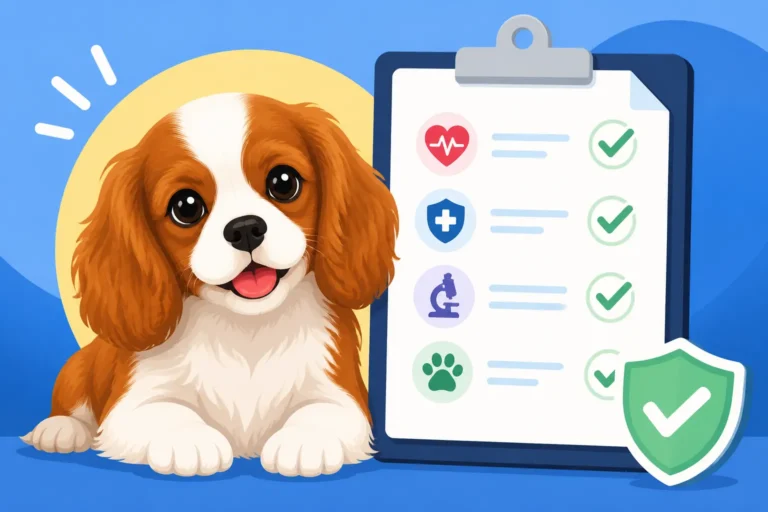
The most crucial step is to get your Cavalier to the vet as soon as possible. Do not wait, especially if the nighttime coughing is accompanied by lethargy, reduced appetite, or a significantly elevated RRR. Your veterinarian will start with a thorough physical examination, paying close attention to their heart and lungs. They'll listen for murmurs, abnormal lung sounds, and assess their overall condition.
To get a clear picture of what’s going on, several diagnostic tests are usually recommended:
- Chest X-rays (Radiographs): These are vital for assessing the size and shape of the heart, as well as checking for fluid accumulation in the lungs (pulmonary edema) or changes to the trachea. Chest X-Rays in a Cavalier Heart Workup can show your vet if the heart is enlarged and if there's any congestion in the lung fields, giving a strong indication of heart failure.
- Echocardiogram (Cardiac Ultrasound): This non-invasive ultrasound of the heart provides detailed real-time images of the heart's structure and function. It allows the cardiologist to visualize the mitral valve, assess the extent of regurgitation, measure heart chamber sizes, and evaluate overall heart muscle function. What a Cavalier Echocardiogram Shows is the gold standard for diagnosing MVD and staging its severity.
- Blood Tests: While not directly diagnostic for MVD, routine bloodwork can assess overall health, kidney function (important if diuretics are prescribed), and rule out other underlying conditions. A specific blood test called A Cavalier Heart Blood Test Called NT-proBNP can also be helpful; elevated levels can indicate stress on the heart, supporting a diagnosis of heart failure.
Armed with these diagnostic results, your vet or a veterinary cardiologist can accurately diagnose the cause of the coughing and develop the most appropriate treatment plan.
Treatment Options and Management
Treatment for nocturnal coughing in Cavaliers largely depends on the underlying cause. If MVD is diagnosed, the goal is to manage the symptoms and slow the disease's progression. Common medications include:
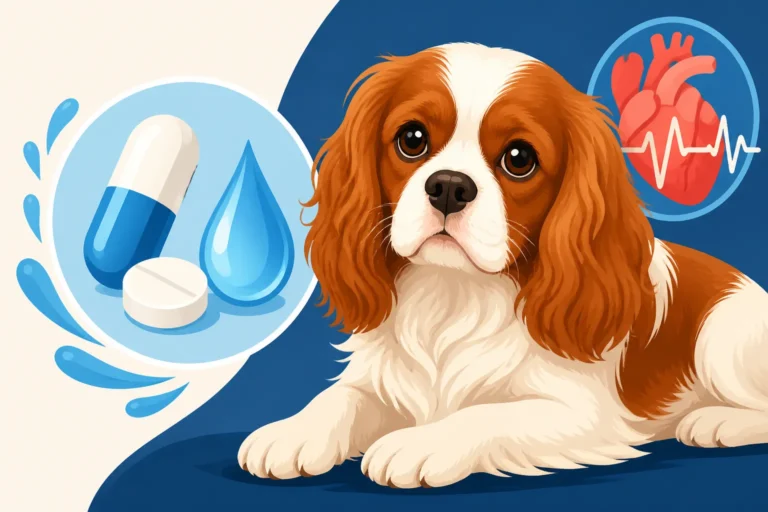
- Pimobendan: This medication helps the heart muscle contract more efficiently and dilates blood vessels, reducing the workload on the heart. Pimobendan has been shown to improve the quality and duration of life for Cavaliers with an enlarged heart due to MVD, even before they show symptoms like coughing.
- Diuretics: If pulmonary edema (fluid in the lungs) is present, diuretics like furosemide are crucial for removing excess fluid from the body, helping your Cavalier breathe more easily. These are often started once the dog shows signs of heart failure, such as coughing. Diuretics are powerful medications that can quickly alleviate fluid buildup, bringing immense relief.
- ACE Inhibitors: These drugs help relax blood vessels and reduce blood pressure, further easing the strain on the heart.
For conditions like tracheal collapse, treatments might include cough suppressants, anti-inflammatory medications, and lifestyle changes like weight management and using a harness instead of a collar. If an infection is present, antibiotics might be prescribed.
Long-term management often involves a combination of medication and lifestyle adjustments. This includes strict adherence to medication schedules, regular follow-up vet appointments, and dietary considerations. For heart disease, a low-sodium diet is often recommended to help manage fluid retention. It's a common question Whether Diet Slows a Cavalier’s Heart Disease but specialized diets can certainly help manage symptoms. While the cost of managing chronic conditions like MVD can be significant, having pet insurance can be a huge help. Policies from providers like Healthy Paws, when started early, can cover a large portion of these ongoing veterinary costs, providing immense peace of mind. However, most insurance companies will consider heart murmurs or diagnosed MVD as a pre-existing condition if it’s identified before you enroll or during the waiting period. That's why considering Insuring a Cavalier Before the Murmur Arrives early in your Cavalier's life is so beneficial.
Living With a Coughing Cavalier: Long-Term Care
Dealing with a Cavalier who coughs at night, especially due to a chronic condition like Mitral Valve Disease, requires ongoing dedication and adjustments to their daily life. It’s not just about medication; it’s about creating an environment that supports their health and comfort.
Environmental Adjustments
Making a few thoughtful changes around the house can significantly improve your Cavalier’s quality of life. Consider investing in a humidifier, especially in dry climates or during winter when heating systems can dry out the air, which can irritate airways and worsen a cough. Keeping your home free from strong irritants like cigarette smoke, harsh cleaning chemicals, or excessive dust is also crucial. These airborne particles can aggravate sensitive respiratory tracts, making coughing more frequent and severe.
As mentioned before, think about their sleeping arrangements. Providing a comfortable, elevated dog bed or even a small pillow for their head can help reduce pressure on the trachea and potentially aid in better fluid distribution if heart disease is present. Many Cavaliers love to burrow, but ensuring they have space to stretch out and breathe easily is paramount. Also, re-evaluate their walking gear. If your Cavalier tends to pull on the leash, switching from a traditional neck collar to a comfortable harness is a non-negotiable step, especially if tracheal collapse is a concern. A good harness will distribute pressure across their chest and shoulders, preventing any constriction of the airway that a collar might cause.
Maintaining a Healthy Lifestyle
Beyond environmental tweaks, a holistic approach to your Cavalier's health is vital. Regular, controlled exercise is important for maintaining muscle tone and overall well-being, but it must be tailored to their specific condition. If your Cavalier has advanced MVD or other respiratory issues, strenuous activity might be detrimental. Instead, focus on short, gentle walks. Understanding Whether Exercise Is Safe for a Cavalier With MVD is key; listen to your dog and stop if they show any signs of fatigue, heavy panting, or increased coughing.
Diet also plays a crucial role. Maintaining an ideal weight is paramount, as obesity puts extra strain on the heart and lungs. If MVD is diagnosed, your vet might recommend a low-sodium diet to help manage fluid retention. Learning about Low-Sodium Feeding for a Cavalier Heart Patient can help you choose appropriate foods and treats. Consistent, regular vet check-ups are also non-negotiable. These appointments allow your vet to monitor the progression of any condition, adjust medications as needed, and catch new problems early. The Yearly Checkup That Listens to a Cavalier’s Heart should become a standard part of your routine. These proactive measures, coupled with diligent observation at home, form the cornerstone of long-term care for a Cavalier experiencing nocturnal coughing.
The Emotional Toll and Support
It’s impossible to talk about a Cavalier with chronic health issues without acknowledging the significant emotional toll it takes on their human companions. Hearing your beloved dog struggle to breathe or cough distressingly at night can be incredibly anxiety-inducing. You might feel helpless, worried, and even guilty, wondering if you missed earlier signs or if you're doing enough. These feelings are completely normal, and it's important to allow yourself grace.
The best thing you can do for your Cavalier is to be consistent and loving. Maintain a predictable routine, which can reduce stress for your dog. Offer comfort and reassurance during coughing fits, but avoid panicking, as dogs are highly attuned to our emotions. Many owners find solace and practical advice by connecting with other Cavalier owners who are navigating similar challenges. Online forums, breed-specific groups, or local Cavalier meetups can be invaluable resources for sharing experiences, tips, and emotional support. Remember, you are not alone in this journey. With the right veterinary care, home adjustments, and your unwavering love, you can help your Cavalier live as comfortably and happily as possible, even with a chronic condition.
Disclaimer
This article is intended for informational purposes only and does not constitute veterinary advice. Always consult with a qualified veterinarian for any health concerns or before making any decisions about your pet's medical care.