Whether Cavalier Ear Infections Are Allergic
It's incredibly frustrating when your sweet Cavalier King Charles Spaniel keeps battling ear infections, especially when you feel like you're constantly at the vet for the same recurring issue. You clean their ears, you use the drops, and then bam, a few weeks later, they're shaking their head again. It often leaves you wondering if there's something deeper going on, something you're missing. This guide will delve into why many Cavalier ear infections are, in fact, linked to underlying allergies and how to finally break the cycle.
The Link Between Cavalier Ear Infections and Allergies
Cavaliers are, unfortunately, predisposed to ear issues, and when you combine that with their common tendency towards allergies, it creates a perfect storm for persistent problems. It's not just bad luck; there's a biological reason these two often go hand-in-hand.
Anatomy and Predisposition
Let's be real, those adorable, long, silky drop ears that are so characteristic of the Cavalier King Charles Spaniel are also a bit of a design flaw when it comes to ear health. Unlike dogs with pricked, upright ears, Cavaliers' ears hang down, covering the ear canal. This creates a warm, moist, and poorly ventilated environment – essentially, a cozy incubator for bacteria and yeast to thrive. It's like having a permanent blanket over their ears, trapping in any moisture or heat.
Think about it: after a bath, a swim, or even just a humid day, any moisture that gets into the ear canal has a hard time evaporating. This increased humidity softens the skin lining the canal, making it more susceptible to irritation and easier for microbes to penetrate. Furthermore, many Cavaliers have quite hairy ear canals, which can also impede airflow and trap debris. When a Cavalier has an allergic reaction, whether to something they've eaten or something in their environment, one of the first places that inflammation often manifests is in the skin, and that includes the skin lining the ear canals. This inflammation then makes the environment even more ripe for an infection to take hold. It's a vicious cycle where inflammation leads to infection, and the infection further inflames the ear. Often, the visible infection is just a secondary problem, a symptom of a deeper, underlying allergic sensitivity.
Common Allergic Triggers for Cavaliers
Cavaliers are well-known for their sensitive skin and can be prone to both environmental and food allergies, both of which frequently present with ear issues as a primary symptom. It's easy to overlook, as we tend to associate allergies with sneezing or itchy skin all over, but for many Cavaliers, the ears are the first, or even only, alarm bell.
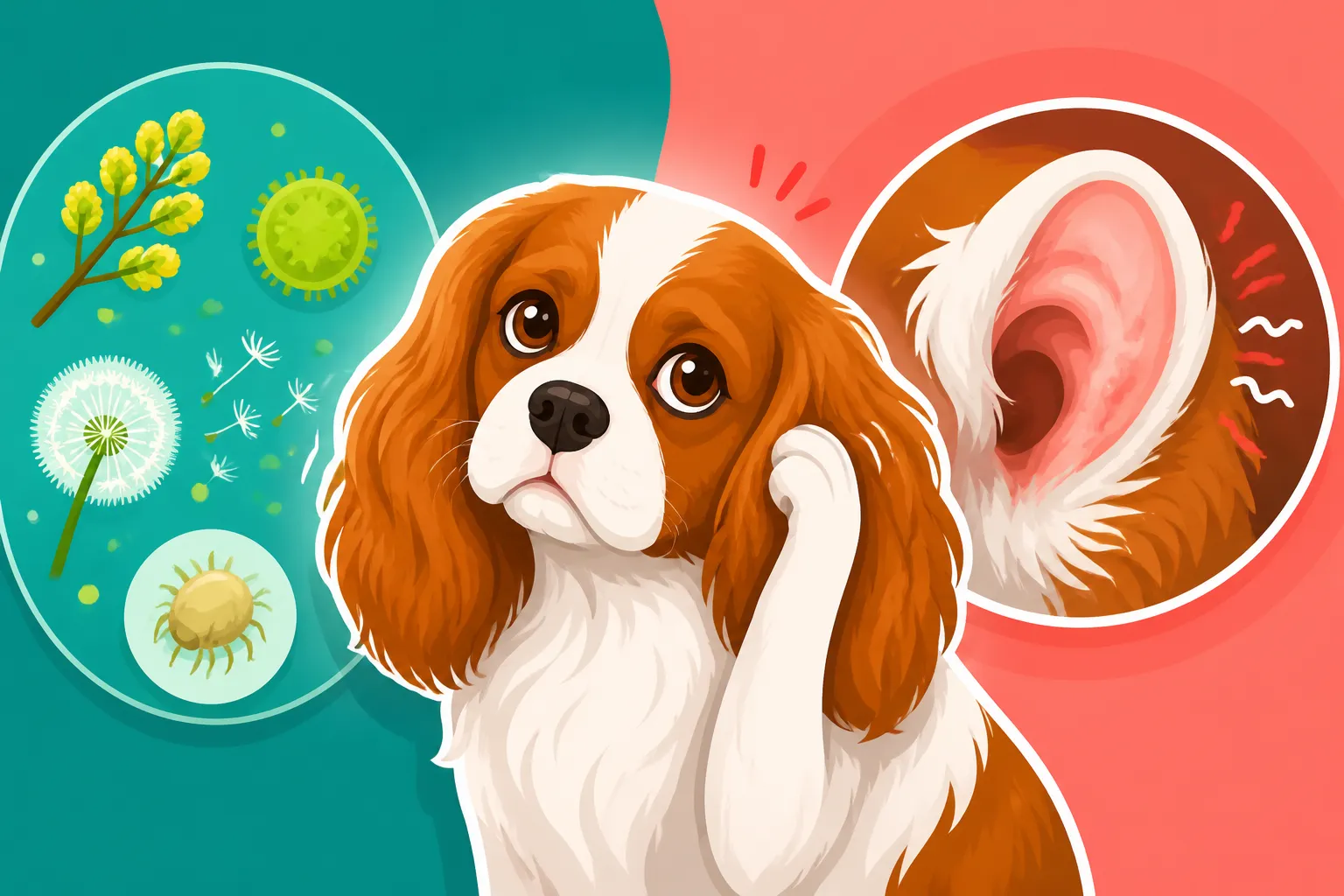
Environmental allergies, also known as atopy, are extremely common. Just like people can be allergic to pollen, dust mites, or mold, so too can your Cavalier. These allergens are inhaled or absorbed through the skin, triggering an immune response. Instead of a runny nose, your Cavalier might get incredibly itchy skin, especially on their paws, belly, face, and, you guessed it, their ears. This constant itching and inflammation in the ear canals can lead to an overgrowth of normal ear flora (like yeast and bacteria) or allow new pathogens to move in, resulting in a full-blown infection. For instance, during spring and fall, when pollen counts are high, you might notice your Cavalier's ears becoming redder, waxier, or starting to smell, indicating an allergic flare-up that could quickly lead to an infection. If you're dealing with these seasonal changes, you might also find our article on Cavalier Ear Infections and Why They Recur helpful for deeper insights.
Food allergies are another significant culprit. While less common than environmental allergies, they can cause very similar symptoms, including chronic ear infections. The most common food allergens for dogs are proteins like chicken, beef, dairy, wheat, and soy. It’s not necessarily the quality of the food, but specific protein molecules that the dog's immune system mistakenly identifies as a threat. If your Cavalier is eating a diet that contains an ingredient they're allergic to, their body will react with inflammation, often manifesting as itchy skin and recurrent ear infections. This can be tricky to pinpoint because the symptoms can be present year-round, unlike seasonal environmental allergies. It requires a dedicated approach, often involving a strict elimination diet under veterinary guidance, to identify the problematic ingredient.
Recognizing Allergic Ear Infections in Your Cavalier
Knowing what to look for can help you intervene sooner and work with your vet to get to the root cause of your Cavalier's discomfort. It's not always just a simple scratch; the signs can be quite varied and indicative of deeper inflammation.
Signs Beyond Just Scratching
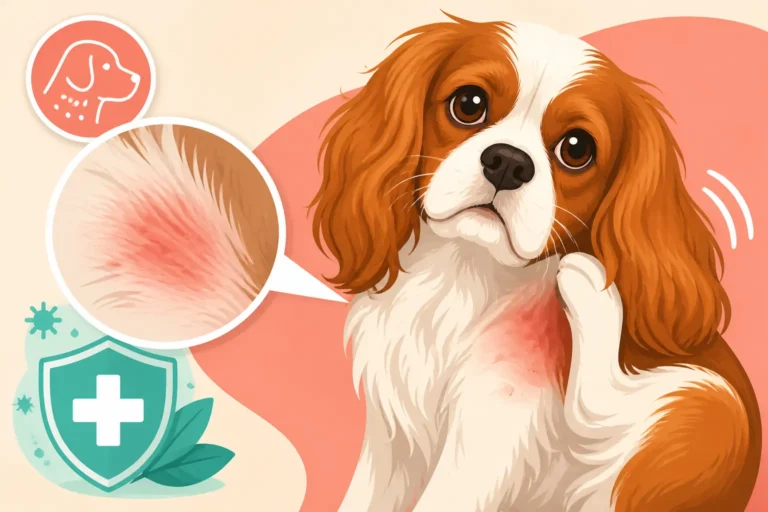
While incessant scratching and head shaking are obvious red flags for an ear infection, there are other, more subtle signs that can point specifically to an allergic component. Take a closer look at your Cavalier's ears, both inside and out. You might notice the inside of the ear flap and the entrance to the canal appearing quite red and inflamed, almost angry-looking. There might also be noticeable swelling, making the ear canal look narrower than usual.
Beyond redness and swelling, pay attention to any discharge. Is it dark brown and waxy, resembling coffee grounds (often indicative of yeast)? Or is it yellow, green, or pus-like, suggesting a bacterial infection? A foul odor emanating from the ear is almost always a sign of infection, whether bacterial or yeast-based. Your Cavalier might also rub their ears vigorously on carpets, furniture, or your legs, trying to relieve the intense itch. Sometimes, they might even yelp or pull away if you try to touch their ear, indicating significant pain. Chronic inflammation from allergies can also lead to secondary skin changes beyond the immediate ear area. You might observe greasy skin, particularly around the head and neck, hair loss from constant scratching, or even hyperpigmentation (darkening and thickening of the skin) around the ears, armpits, or between the paw pads – all classic signs of long-standing allergic irritation.
Differentiating Allergic from Other Causes
It's crucial to understand that not all ear infections are allergic in origin, though in Cavaliers, it's a strong possibility for recurring cases. Other causes can include foreign bodies like grass seeds (which often cause sudden, intense irritation in just one ear), ear mites (especially in puppies or dogs exposed to other animals), polyps, or even tumors, though these are less common as primary drivers for recurrent issues. However, if your Cavalier suddenly develops an ear infection without a history of them, a foreign body should definitely be on the suspect list.
The key differentiator for allergic ear infections is their persistent, recurrent nature. If you treat an infection, and it clears up, only to return a few weeks or months later, even with diligent cleaning, then an underlying allergy is highly probable. Non-allergic infections might happen once or twice due to a specific event (like a swim), but they don't typically become a chronic, frustrating cycle. A good veterinary diagnostic approach will help rule out other causes. Your vet will perform an otoscopic exam, looking deep into the ear canal, and will almost certainly take a sample for cytology to identify the type of infection (yeast, bacteria, or both). If they continually see these secondary infections, especially without a clear external cause, they will strongly suspect an allergic basis. This thorough examination is vital, as simply treating the infection without addressing the root allergy is akin to bailing water out of a leaky boat without patching the hole – the problem will just keep coming back. Understanding What a Cavalier Ear Infection Costs Each Year can also highlight the financial burden of managing these chronic issues without addressing the cause.
Diagnosing and Managing Allergic Ear Infections
Successfully tackling allergic ear infections requires a two-pronged approach: clearing up the current infection and then implementing strategies to manage the underlying allergy to prevent future flare-ups. This is where a strong partnership with your veterinarian becomes incredibly important.
Veterinary Diagnosis and Testing
When you bring your Cavalier in for an ear issue, your vet will start with a thorough physical examination, paying close attention to the ears. They'll use an otoscope to look deep into the ear canal, assessing for redness, swelling, discharge, foreign bodies, or any signs of eardrum damage. This initial visual inspection is critical. Next, and perhaps most importantly, they'll perform an ear cytology. This involves taking a swab of the ear discharge, spreading it on a slide, and examining it under a microscope. This simple, quick test allows them to identify whether the infection is bacterial, yeast, or a combination of both. Sometimes, they might recommend a bacterial culture and sensitivity test, especially if previous treatments haven't worked or if the infection is severe. This test identifies the specific type of bacteria present and which antibiotics will be most effective against it.
Once the secondary infection is under control, the focus shifts to identifying the underlying allergy. For environmental allergies, your vet might recommend either an intradermal skin test (performed by a veterinary dermatologist, similar to human allergy testing) or a blood test (serology). Both tests help identify specific environmental allergens (like certain pollens, dust mites, or molds) that your Cavalier is reacting to. For suspected food allergies, the gold standard diagnostic method is a strict elimination diet. This involves feeding your Cavalier a novel protein (one they've never eaten before, like duck or venison) and a novel carbohydrate, or a hydrolyzed protein diet where the protein molecules are broken down to be too small to trigger an allergic reaction. This diet must be fed exclusively for 8-12 weeks, with absolutely no other treats, chews, or flavored medications. If the ear symptoms resolve during this period, specific food ingredients can then be gradually reintroduced to pinpoint the culprit.
Treatment Strategies
The immediate goal is always to clear the active infection and relieve your Cavalier's discomfort. This typically involves a combination of ear cleaning and medication. Your vet will likely prescribe a medicated ear cleaner specifically formulated for dogs, which helps break down wax and debris while delivering active ingredients. They will also prescribe topical ear drops or ointment, which often contain a combination of antibiotics to fight bacteria, antifungals to combat yeast, and steroids to reduce inflammation and itching. In more severe cases, or if the infection has spread, oral antibiotics or anti-inflammatory medications might be necessary. It's crucial to follow your vet's instructions precisely and complete the entire course of medication, even if the ears appear to improve quickly. Stopping early can lead to a relapse and antibiotic resistance.
Long-term management is all about controlling the underlying allergy. If environmental allergies are diagnosed, treatment options include immunotherapy (allergy shots or oral drops, often referred to as desensitization therapy), which works to reprogram your dog's immune system to tolerate the allergens. Other medications like oral antihistamines, corticosteroids (for severe flares), or newer immunomodulatory drugs such as Apoquel or Cytopoint, can help manage the itch and inflammation. For food allergies, the solution is much simpler: strict avoidance of the identified trigger ingredients. This means careful label reading, choosing appropriate treats, and potentially sticking to a prescription hypoallergenic diet long-term.
When considering the ongoing costs of these treatments, it's worth looking into pet insurance. Companies like Healthy Paws can be a lifesaver, especially with chronic conditions like allergies and recurrent ear infections that require continuous management, special diets, or even allergy shots. Having coverage can ease the financial burden of repeat vet visits, diagnostics, and long-term medications, allowing you to focus on your Cavalier's health without added stress. Understanding What Cavalier Heart Disease Costs to Treat can also give you a broader perspective on potential veterinary expenses, as Cavaliers are prone to multiple health issues.
| Symptom Category | Allergic Inflammation (No Active Infection) | Bacterial Ear Infection | Yeast Ear Infection |
|---|---|---|---|
| Appearance | Redness, mild swelling, clean ear canal | Redness, pus-like discharge (yellow/green), crusting | Redness, dark brown waxy discharge, greasy |
| Odor | None or very mild | Strong, foul, cheesy | Sweet, musty, yeasty |
| Itch Level | Moderate to severe | Moderate to severe | Moderate to severe |
| Discomfort | Head shaking, rubbing ears | Pain when touched, yelping, constant shaking | Head shaking, rubbing ears |
| Associated Skin Issues | Itchy paws/body, hyperpigmentation | May have moist dermatitis around ear | Greasy skin, hair loss, dark patches |
| Response to Treatment | Improves with anti-inflammatories, recurs if allergen present | Improves with antibiotics, recurs if underlying allergy untreated | Improves with antifungals, recurs if underlying allergy untreated |
Proactive Care and Prevention
Preventing allergic ear infections is far more effective and less stressful than constantly treating them. This means a consistent, proactive approach to your Cavalier's health and hygiene.
At-Home Management and Hygiene
Good ear hygiene is paramount for any Cavalier, but especially for those prone to allergies. Regular, gentle ear cleaning with a vet-approved solution is key. Ask your vet for a specific cleaner that suits your Cavalier's needs, as some are better for waxy ears, others for general maintenance. The goal isn't to over-clean, which can cause irritation, but to keep the ear canal free of excess wax and debris, preventing allergen buildup and creating a less hospitable environment for microbes. A good routine might involve cleaning once a week or every two weeks, or as recommended by your vet.
Equally important is ensuring your Cavalier's ears are thoroughly dried after baths or any water exposure. Those long drop ears trap moisture, so take the time to gently dry the inside of the ear flap and the entrance to the canal with a soft cloth or cotton ball. Avoid cotton swabs, as these can push debris deeper into the ear canal or damage the delicate eardrum. If your Cavalier loves to swim, consider putting cotton balls in their ears before they go into the water, and always clean and dry them immediately afterward.
For Cavaliers with suspected food allergies, strict adherence to a hypoallergenic or novel protein diet, as determined by your vet, is non-negotiable. This means avoiding all treats, table scraps, and flavored toys that contain potential allergens. It can be a challenge, but consistency is crucial for success. You may also want to read our article on Whether Diet Slows a Cavalier's Heart Disease if your Cavalier also has a murmur, as dietary considerations can be complex. Regular grooming, including gentle brushing around the ears, can also help maintain airflow and prevent matting, which can further impede ventilation.
When to Seek Professional Help and Stick with It
It’s easy to feel defeated when ear infections keep coming back, but it's vital not to give up on finding a solution. Allergic ear infections are rarely a one-and-done problem, and they require a dedicated partnership with your veterinary team. If you suspect allergies, or if infections are recurring despite treatment, don't just ask for "more ear drops." Push for the diagnostic steps, like cytology and potentially allergy testing or an elimination diet. Finding a vet who is experienced with chronic allergy cases in Cavaliers, or even asking for a referral to a veterinary dermatologist, can make a huge difference.
Consistency in treatment and prevention is key. This means diligently administering medications, sticking to dietary changes, and maintaining a regular ear care routine, even when things seem to be improving. Chronic conditions are a marathon, not a sprint, and there will be good days and bad. Having a long-term plan in place, rather than just reacting to each flare-up, is the best way to keep your Cavalier comfortable and healthy. This commitment also extends to managing the financial aspects. This is another area where pet insurance, like a policy from Healthy Paws, proves invaluable. Knowing that unexpected diagnostic tests, ongoing prescriptions, or specialized treatments for chronic allergies can be covered can provide immense peace of mind and ensure your Cavalier receives the best possible care without undue financial strain on your end. For broader health insights, you might also find our guide on Caring for a Cavalier Past Nine to be useful, as chronic issues often become more prevalent with age.
Disclaimer
The information provided in this article is for educational purposes only and is not intended to be a substitute for professional veterinary advice, diagnosis, or treatment. Always seek the advice of your veterinarian or other qualified health provider with any questions you may have regarding a medical condition.