Skin Allergies in a Cavalier
It's heartbreaking to watch your sweet Cavalier constantly scratch, chew at their paws, or rub their face raw. That persistent itch isn't just annoying for them; it's a constant source of discomfort, leading to red, inflamed skin, hot spots, and even secondary infections. This guide is here to walk you through understanding why your Cavalier might be suffering from skin allergies, how to spot the signs, and, most importantly, what you can do to bring them real, lasting relief.
Understanding Cavalier Skin Allergies: The Root of the Itch
If you've ever owned a Cavalier, you know they are prone to a few specific health challenges. Skin allergies, unfortunately, are right up there with some of the more common struggles. It’s not just random itching; there’s often a systematic reason why your beloved companion is so uncomfortable. These allergies are essentially an overreaction of their immune system to harmless substances in their environment or diet, manifesting primarily through their skin. It's a frustrating cycle for both you and your dog, trying to figure out the invisible enemy causing all the misery.
Common Allergens That Trigger Reactions
When we talk about allergies in Cavaliers, we're usually looking at a few major categories of triggers. The first, and often most prevalent, are environmental allergens. Think of all the things that make us sneeze and itch seasonally – pollen from trees, grasses, and weeds, dust mites lurking in our homes, and mold spores that can thrive in damp areas. Your Cavalier breathes these in, or they settle on their fur and skin, and boom – the allergic reaction begins. This can be particularly tough because these allergens are often unavoidable, changing with the seasons or always present in your living space. Managing these often requires a multi-faceted approach, tackling both exposure and the immune response.
Then there are food allergies, which are less common than environmental ones but equally perplexing. Unlike food sensitivities, which might just cause an upset stomach, a true food allergy involves the immune system reacting to a protein in their diet. Common culprits for dogs include chicken, beef, dairy, wheat, and soy. The challenge here is that symptoms can be indistinguishable from environmental allergies, making diagnosis tricky. Your Cavalier might itch, scratch, and develop skin issues just the same, often accompanied by gastrointestinal upset like vomiting or diarrhea, though not always. The key is identifying the specific protein that's causing the problem, which usually involves a rigorous elimination diet.
Lastly, we have contact allergies, which are probably the least common but definitely worth considering. These occur when your Cavalier's skin comes into direct contact with an irritating substance. This could be anything from certain types of carpet cleaners, laundry detergents used on their bedding, flea and tick collars, or even specific plants in your yard. The reaction typically appears only where the skin touched the irritant. While less widespread, pinpointing and removing the offending substance usually resolves the issue quickly, making them somewhat easier to manage once identified.
How Cavalier Anatomy Plays a Role
It's not just about what your Cavalier is exposed to; their unique physical characteristics can sometimes make them predisposed to skin issues or exacerbate existing ones. Their charming, silky coat and those magnificent long, drop ears, for instance, are beautiful but can also be a double-edged sword when it comes to skin health.
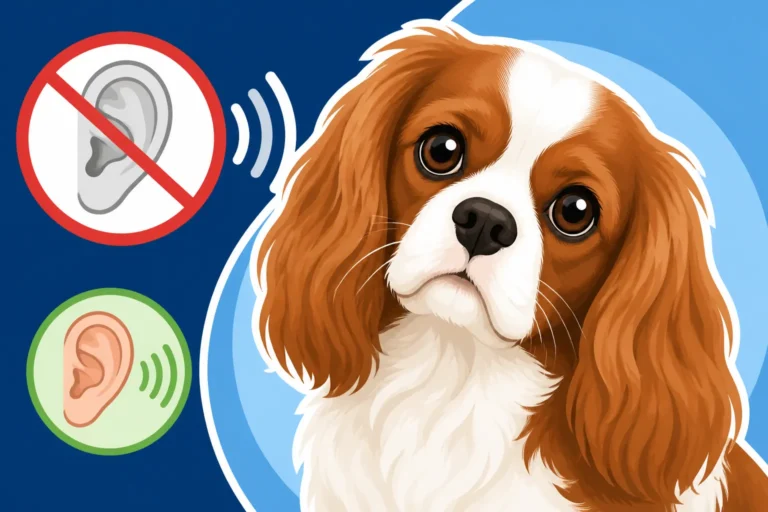
Those lovely long drop ears, characteristic of the breed, are a prime example. While they give Cavaliers their endearing expression, they also create a warm, moist, and poorly ventilated environment perfect for yeast and bacteria to flourish. This can lead to frequent and stubborn ear infections, which are often a secondary symptom of underlying allergies. You might notice your Cavalier constantly shaking their head, scratching at their ears, or a foul odor emanating from them. What starts as an allergy causing inflammation can quickly turn into a full-blown infection requiring veterinary attention. Keeping those ears clean and dry is paramount, but if the underlying allergy isn't addressed, the infections will keep returning, much to everyone's frustration. This is why addressing issues like recurrent ear infections in a Cavalier often means looking beyond just the ear itself to systemic allergic triggers.
Furthermore, Cavaliers have lovely feathering, especially on their legs, chest, and belly. While beautiful, this longer hair can trap environmental allergens like pollen, dust, and grass seeds closer to the skin, prolonging exposure and intensifying allergic reactions. It also means that when they do chew or scratch an itchy spot, the irritation can spread quickly within the dense coat, making hot spots and secondary infections harder to notice until they're quite advanced. Their relatively short muzzles and sometimes slightly more pronounced facial folds can also occasionally trap moisture or food particles, leading to localized skin irritation around the mouth or eyes, although this is less common than ear or body allergies.
Recognizing the Signs: What to Look For Beyond the Scratching
Okay, so your Cavalier is scratching. That's a pretty obvious sign something's up, right? But sometimes, the signs of skin allergies in a Cavalier can be more subtle, or they might present in ways that you wouldn't immediately link to allergies. As a devoted pet parent, becoming a detective in your own home, observing your dog's habits and physical changes, is crucial for early detection and intervention. Don't just look for the obvious; pay attention to the little things.
Visible Symptoms and Skin Changes
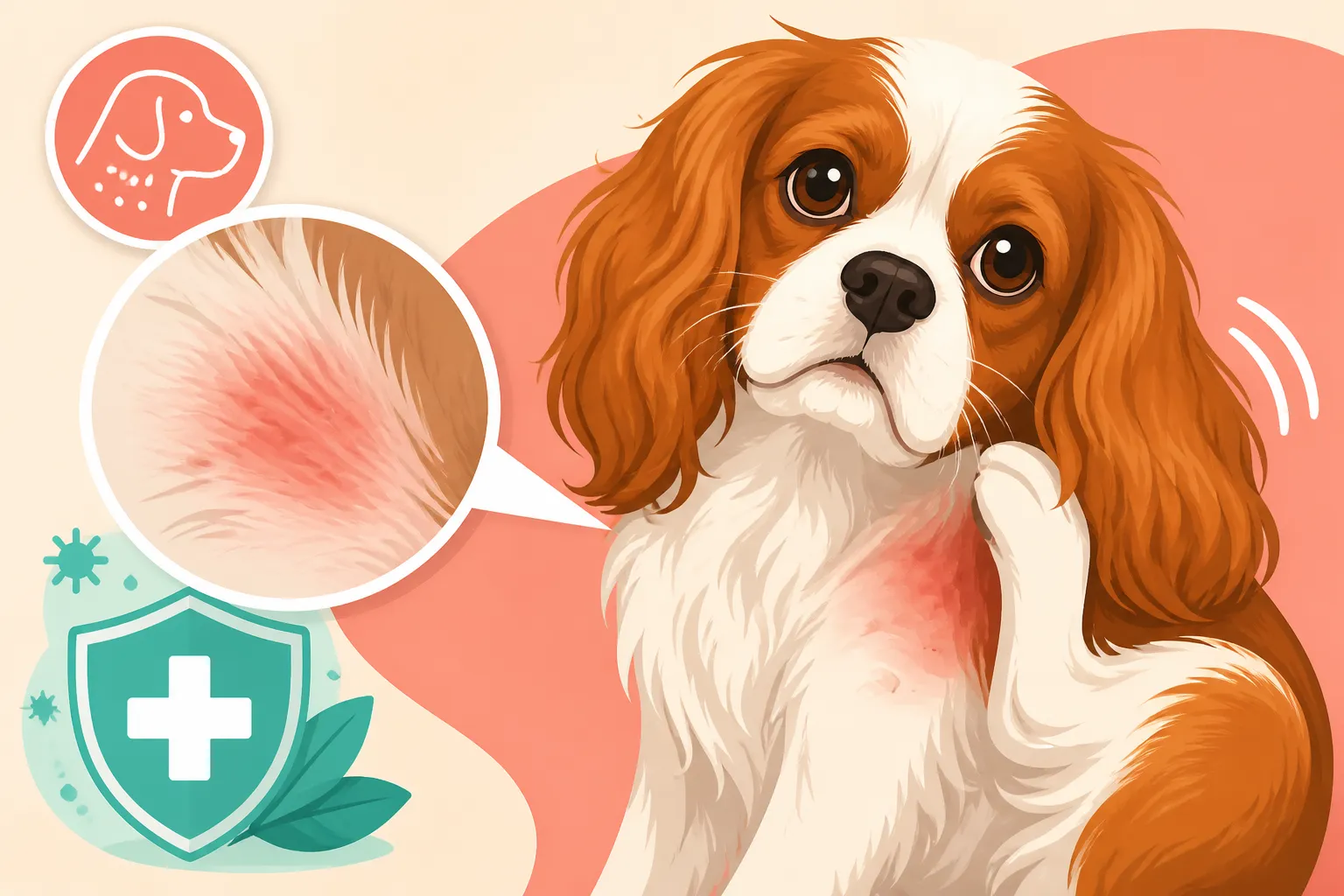
Beyond the incessant scratching and chewing, a Cavalier suffering from allergies will often display a range of visible symptoms on their skin itself. One of the first things you might notice, especially on lighter-colored Cavaliers like Blenheims or Rubies, is a reddish or pinkish discoloration of the skin, particularly in areas like the armpits, groin, belly, or between their paw pads. This redness indicates inflammation and irritation. Over time, this chronic inflammation can lead to the skin thickening and becoming leathery, a condition known as lichenification, which often presents as a dark, almost elephant-like texture.
Another tell-tale sign is the development of "hot spots," or acute moist dermatitis. These are typically round, red, oozing lesions that appear suddenly and can be incredibly painful and itchy. They're usually self-inflicted, meaning your Cavalier has licked or chewed at a spot so much that they've broken the skin, leading to a bacterial infection. These areas can escalate quickly, turning from a small patch of irritation into a raw, angry wound almost overnight. You might also notice hair loss in patches, either from the constant scratching and licking, or from the skin inflammation itself. The hair might thin, appear dull, or come out in clumps, exposing the irritated skin beneath.
Finally, keep an eye out for scabs, crusts, or flakes on their skin, which can indicate secondary bacterial or yeast infections. Yeast infections, particularly, often manifest with a greasy coat, a somewhat sweet or "yeasty" smell, and brownish discharge in the ears or around the paw pads. Bacterial infections, on the other hand, might show up as pustules or small bumps. A quick glance at their paw pads might also reveal brownish-red staining, especially between the toes, which is caused by porphyrins in their saliva – a clear indicator of frequent licking and chewing.
Behavioral Clues Your Cavalier is Uncomfortable
It’s not just about what you see on their skin; how your Cavalier acts can also give you significant clues that they are experiencing allergic discomfort. Because Cavaliers are such sensitive and people-oriented dogs, changes in their behavior are often a direct reflection of their physical state. They might not be able to tell you with words, but their actions speak volumes.
One of the most common behavioral indicators, beyond the obvious scratching, is excessive licking or chewing, particularly of their paws, flanks, or tail base. You might catch them doing this when they think you’re not looking, or they might become so engrossed they ignore you. This isn't just a quirky habit; it’s a desperate attempt to soothe an intense itch or pain. Similarly, they might be rubbing their face on furniture, carpets, or even your legs, trying to alleviate an itch around their eyes, muzzle, or ears. This can often be mistaken for normal dog behavior, but if it's frequent and persistent, it's a red flag.
You might also notice a general restlessness or agitation, especially at night. Just like us, it’s hard for them to settle down and sleep when they're constantly itchy. They might pace, shift positions frequently, or wake up repeatedly to scratch. Conversely, some Cavaliers might become more withdrawn or less engaged in play. Chronic discomfort can wear them down, making them less enthusiastic about walks, toys, or even snuggles. If your usually bouncy, affectionate Cavalier starts to seem a bit "off" or less social, it could well be a sign they're not feeling their best. And sometimes, though less common, pain from severe skin inflammation or secondary infections might even lead to a Cavalier that snaps because its neck hurts or a general grumpiness when touched in sensitive areas. Observing these subtle shifts in their daily routine and personality can be just as important as spotting a red rash.
Diagnosing and Managing Allergies: A Path to Relief
Once you suspect skin allergies are making your Cavalier miserable, the next step is getting a proper diagnosis and working out a management plan. This isn't usually a quick fix, and it often requires patience, persistence, and a close partnership with your veterinarian. Remember, the goal isn't just to stop the scratching temporarily, but to identify the underlying cause and implement long-term strategies for comfort.
Working With Your Vet to Pinpoint the Cause
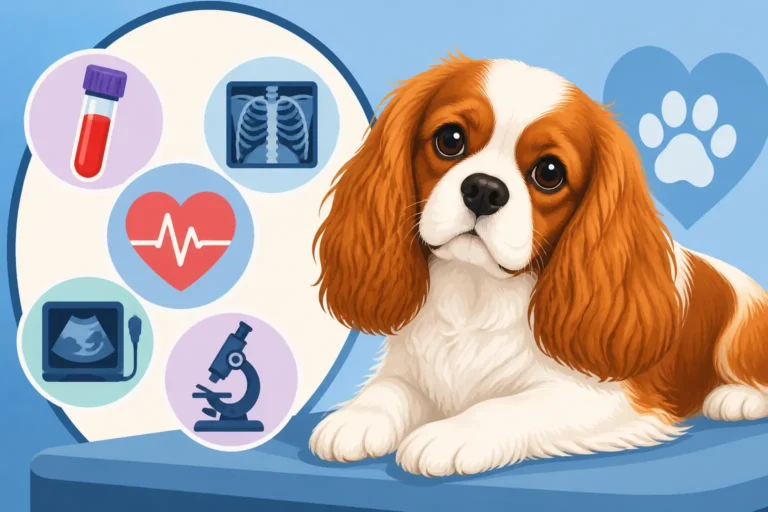
The first and most crucial step is a thorough examination by your veterinarian. They’ll start by ruling out other causes of itching, such as fleas, mites (like sarcoptic or demodectic mange), or fungal infections. This might involve skin scrapings, tape strips, or fungal cultures. Once these are eliminated, the focus often shifts to allergies.
If food allergies are suspected, your vet will likely recommend an elimination diet. This is a strict process where your Cavalier is fed a novel protein (one they’ve never eaten before, like duck or venison) or a hydrolyzed protein diet (where proteins are broken down so small the immune system doesn't recognize them) for 8-12 weeks. During this time, absolutely no other treats, table scraps, or flavored medications are allowed. It's tough, but it's the gold standard for diagnosing food allergies. If symptoms resolve on the special diet and then return when the original food is reintroduced, you've found your culprit.
For environmental allergies, often referred to as atopic dermatitis, your vet might suggest allergy testing. This typically involves either a blood test (serum IgE testing) or intradermal skin testing (where small amounts of allergens are injected under the skin to see which ones cause a reaction). These tests can help identify specific environmental triggers like pollens, dust mites, or molds. While the tests don't always provide a definitive diagnosis on their own, they are incredibly helpful in guiding treatment options, especially if immunotherapy (allergy shots) is considered. The costs associated with diagnosing and treating chronic allergies can quickly add up, and this is where having a good pet insurance plan, like one from Healthy Paws, can make a significant difference, easing the financial burden when you need it most. Having that financial buffer allows you to pursue all necessary diagnostics without undue stress.
Holistic and Medical Treatment Options
Once a diagnosis, or at least a strong suspicion, is in place, your vet will discuss various treatment options. For food allergies, the treatment is simple but not always easy: strict avoidance of the offending protein. This means carefully reading food labels and sticking to a diet that doesn't contain the allergen. Sometimes, a prescription cardiac diet for a Cavalier might coincidentally be suitable, but usually, a specific hypoallergenic formula is required.
For environmental allergies, treatment is often multi-modal, meaning a combination of approaches. Topical treatments can provide immediate relief. Medicated shampoos, conditioners, and sprays containing ingredients like chlorhexidine (for bacterial infections) or miconazole (for yeast) can help soothe irritated skin and treat secondary infections. Regular bathing, especially with a gentle, hypoallergenic shampoo, can also help wash away allergens from their coat.
When it comes to medications, your vet might prescribe a variety of options. Antihistamines, while not always effective for severe canine allergies, can be a starting point. More potent anti-itch medications like Apoquel (oclacitinib) or Cytopoint (lokivetmab injection) are frequently used, as they specifically target the itch pathway without the broader side effects of steroids. For severe flare-ups or chronic inflammation, corticosteroids might be used, but generally, their long-term use is avoided due to potential side effects. Always discuss the pros and cons of each medication thoroughly with your vet.
Long-Term Management and Prevention Strategies
Living with a Cavalier with skin allergies is a marathon, not a sprint. Long-term management focuses on minimizing exposure to allergens, strengthening the skin barrier, and managing flare-ups effectively. If your Cavalier tested positive for environmental allergens, your vet might recommend allergy immunotherapy, commonly known as allergy shots or oral drops. These work by gradually exposing your dog to tiny amounts of the allergens they react to, helping their immune system build tolerance. It’s a long-term commitment, but it can significantly reduce or even eliminate the need for other medications in many dogs.
Beyond specific treatments, everyday care is vital. Maintaining excellent general hygiene, especially for their delicate ears, is crucial. Regularly checking and cleaning a Cavalier's ear the right way can prevent secondary infections. Brushing your Cavalier's feathering three times a week not only keeps their coat beautiful but also helps remove loose hair, dander, and environmental allergens trapped in their fur. Consider using a dog-specific paw wipe after outdoor excursions to remove pollen and other irritants from their feet. Investing in air purifiers for your home and frequently washing their bedding in a hypoallergenic detergent can also help reduce indoor allergen load, especially if dust mites are a trigger.
Finally, diet plays a supporting role even if food isn't the primary allergen. A high-quality diet rich in Omega-3 fatty acids can help improve skin and coat health, strengthening the skin barrier and reducing inflammation. Supplements like fish oil or specific skin and coat supplements can also be beneficial. Remember that managing allergies is a team effort between you, your vet, and potentially a veterinary dermatologist. It takes dedication, but seeing your Cavalier finally comfortable and itch-free is worth every bit of effort. And don't forget to maintain a good pet insurance plan, like those offered by Healthy Paws, throughout your Cavalier's life to help manage the ongoing costs of these chronic conditions.
Disclaimer
This article is for general informational purposes only and does not constitute professional advice. Laws, prices and regulations vary by location and change over time. Consult a qualified professional for guidance on your specific situation.