Whether Exercise Is Safe for a Cavalier With MVD
It's incredibly stressful when your beloved Cavalier King Charles Spaniel, the sweet, ever-loving companion, receives a diagnosis of Mitral Valve Disease (MVD). Suddenly, every joyful bounce and playful dash brings a pang of worry: is this too much? You want them to live a full life, but you also don't want to inadvertently make things worse. This guide aims to demystify exercise for Cavaliers with MVD, helping you understand how to keep your furry friend active and happy safely.
Understanding Mitral Valve Disease and Its Impact on Exercise
When your vet first mentions Mitral Valve Disease, or MVD, it can feel like a punch to the gut. This isn't just a minor issue; it's the most common heart condition in Cavaliers, and it changes how we approach their daily lives, especially when it comes to activity. Understanding what's happening inside their little chests is the first step toward managing their exercise safely.
How MVD Affects the Heart's Function
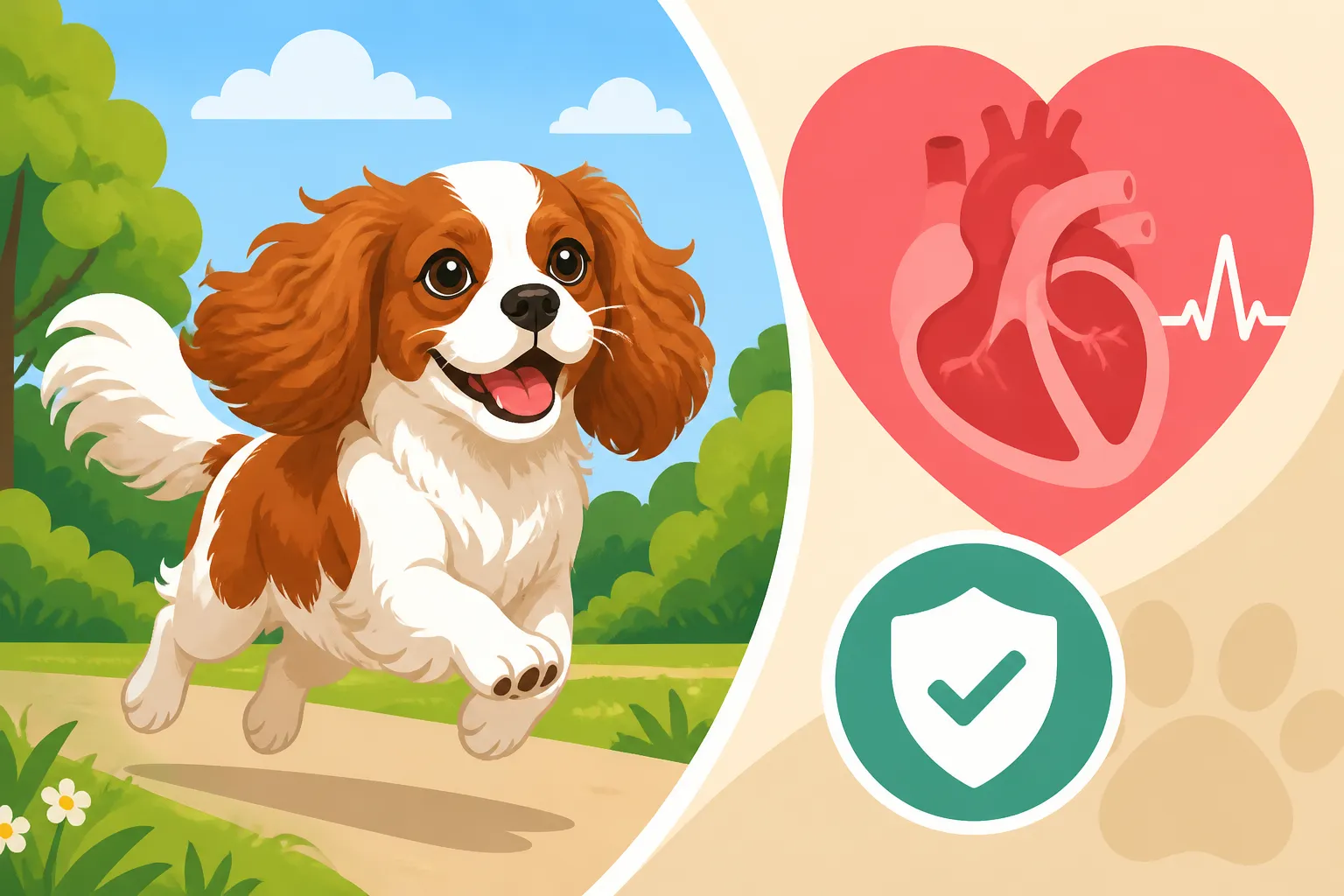
At its simplest, MVD means the mitral valve, one of the crucial "doorways" in your Cavalier's heart, isn't closing properly. Think of it like a leaky faucet. Instead of blood flowing efficiently in one direction, some of it sloshes backward with each heartbeat. This inefficiency means the heart has to work harder to pump the same amount of blood to the body. Initially, this might not cause any noticeable symptoms, and your Cavalier might appear perfectly normal. However, as the disease progresses, this extra workload begins to stretch and enlarge the heart chambers.
The condition is progressive, meaning it tends to worsen over time. Initially, you might only hear a faint murmur – that tell-tale whooshing sound a vet picks up with a stethoscope. As the leak becomes more severe, the heart enlarges, and eventually, fluid can start to back up into the lungs, leading to congestive heart failure. When we talk about How Cavalier Heart Disease Progresses Stage by Stage, these stages are critical because they dictate how much strain the heart is under and, by extension, how much physical activity your dog can safely handle. An early stage MVD diagnosis, often picked up during a routine check-up, means the heart is compensating well, whereas advanced stages indicate the heart is struggling significantly, and its ability to manage physical exertion is severely compromised.
Recognizing the Signs of Exercise Intolerance
One of the most concerning aspects for any Cavalier owner with an MVD diagnosis is knowing what "too much" exercise looks like. It's not always obvious, especially in the early stages when their enthusiasm can still outpace their heart's true capacity. The key is to become a super-sleuth of your dog's behavior and energy levels. While your Cavalier might still want to chase that squirrel or greet every dog at the park with gusto, their body might be telling a different story.
Common signs of exercise intolerance include increased panting or breathlessness, even after minimal exertion. You might notice they're lagging behind on walks, needing more frequent breaks, or showing a reluctance to play games they once loved. A persistent cough, especially after exercise or at night, is a red flag that could indicate fluid buildup in the lungs. In more severe cases, you might observe lethargy, weakness, or even episodes of collapsing or fainting, which are serious indicators that the heart is struggling to keep up with the body's demands for oxygen. Pay close attention if your Cavalier suddenly seems to tire on short walks, as this is a clear sign their heart might be under more strain than before. These subtle changes can be the first clue that their MVD has progressed, and their exercise regimen needs immediate re-evaluation with your vet.
Tailoring Exercise for Cavaliers with MVD
The good news is that an MVD diagnosis doesn't automatically mean your Cavalier needs to become a couch potato. Many Cavaliers can maintain a good quality of life and enjoy appropriate activity for years after diagnosis. The trick is to tailor that activity precisely to their individual condition, and that always starts with your veterinarian.
The Importance of Veterinary Consultation and Staging
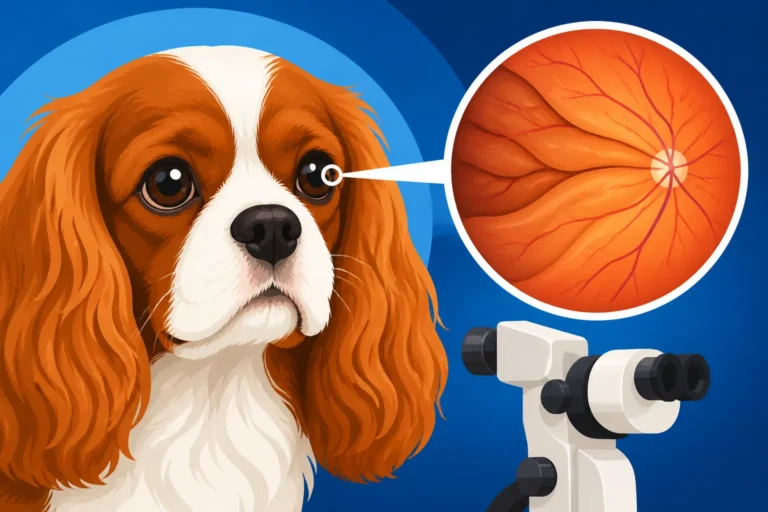
Before you make any changes to your Cavalier's exercise routine, or if you've just received an MVD diagnosis, the absolute first step is a thorough consultation with your veterinarian, and ideally, a board-certified veterinary cardiologist. They are the experts who can truly assess the severity of the disease and provide tailored recommendations. General practitioners can detect a heart murmur, but a cardiologist can perform specialized tests, such as an echocardiogram, to determine the exact stage of your Cavalier's MVD. This staging is critical because it directly influences exercise guidelines.
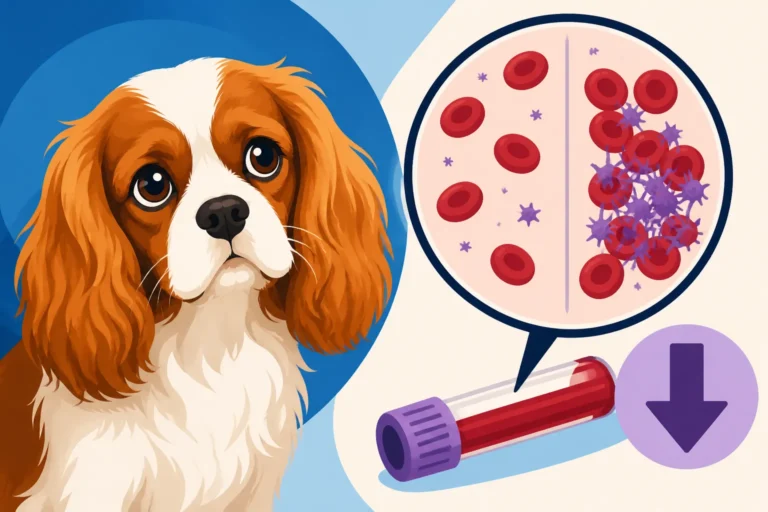
A cardiologist will use diagnostic tools like chest X-rays to check for heart enlargement or fluid in the lungs, and an echocardiogram to visualize the heart's structure and function, including the degree of mitral valve leakage. They might also recommend A Cavalier Heart Blood Test Called NT-proBNP, which can help assess the amount of stretch on the heart muscle cells, indicating how hard the heart is working. Based on these findings, they will classify your Cavalier's MVD into stages (typically A, B1, B2, C, D), which guides everything from medication to exercise restrictions. Trying to guess what's safe for your dog without this expert evaluation is like trying to navigate a dense fog – it's just not safe. This initial assessment, and subsequent regular Annual Cardiologist Exams for a Cavalier, forms the bedrock of safe exercise management.
Safe Exercise Levels by MVD Stage
Once your Cavalier's MVD has been accurately staged, your vet or cardiologist will provide specific guidelines. It's not a one-size-fits-all approach; what's safe for a Cavalier in Stage B1 is very different from one in Stage C. Generally, the aim is to maintain muscle mass and mental well-being without overtaxing the heart.
- Stage A (At Risk): This applies to Cavaliers predisposed to MVD (which is, let's be honest, almost all of them), but who show no signs of the disease and have no murmur. At this stage, regular exercise is not only safe but encouraged to maintain a healthy weight and overall fitness. There are no restrictions here, just good common sense for any healthy dog.
- Stage B1 (Asymptomatic, no heart enlargement): Your Cavalier has a heart murmur but no clinical signs of heart failure and no radiographic evidence of heart enlargement. At this stage, most Cavaliers can continue with their normal exercise routine. The focus is on preventing obesity and maintaining good fitness. Monitor them closely for any changes, but generally, their quality of life regarding activity should not be significantly impacted yet.
- Stage B2 (Asymptomatic, with heart enlargement): This is a critical stage. Your Cavalier has a murmur, no clinical signs, but their heart has begun to enlarge, indicating the MVD is progressing. Exercise might need to be moderated. Strenuous activities like long hikes, intense fetch, or prolonged running should be avoided. Short, frequent walks are generally preferred over one long, tiring one. Keep an eye on their breathing and energy levels. This is often when medication like Pimobendan might be started to support heart function, and it's vital to follow your vet's advice on how that interacts with activity.
- Stage C (Symptomatic, current or past heart failure): At this point, your Cavalier has experienced or is currently experiencing congestive heart failure. Exercise must be significantly restricted. The focus is on comfort and maintaining vital functions. Very short, gentle leash walks for bathroom breaks are usually the most they can handle. Running, jumping, or any activity that causes panting or shortness of breath is strictly off-limits. Rest is paramount.
- Stage D (Refractory heart failure): This is end-stage heart failure where symptoms are persistent despite maximum medical therapy. Exercise should be minimal, often just a few steps for potty breaks. Comfort and palliative care become the primary goals.
Here's a quick overview to guide your conversations with your vet:
| MVD Stage | Heart Condition | Exercise Recommendations | Key Considerations |
|---|---|---|---|
| Stage A | At risk, no murmur or symptoms. | Normal, healthy exercise routine. Focus on maintaining ideal body weight and overall fitness. | Encourage regular play and walks to prevent obesity. Monitor for a new murmur at annual vet visits. |
| Stage B1 | Murmur present, no heart enlargement or symptoms. | Normal activity levels often permitted. Monitor for subtle changes in endurance. Avoid extreme exertion, especially in heat. | Continue with regular walks and play. Keep sessions manageable. Pay attention to panting intensity and recovery time. |
| Stage B2 | Murmur, heart enlargement, no current symptoms. | Moderate restriction. Avoid strenuous, high-impact, or prolonged activities. Shorter, more frequent, gentle leash walks (10-15 mins) are ideal. Limit intense play. | Monitor breathing, cough, and energy levels closely. Consider shorter, cooler walks. Avoid overexcitement. Medication may be started, impacting energy. |
| Stage C | Symptoms of heart failure (past or present). | Significant restriction. Short, very gentle walks only for bathroom purposes. No running, jumping, or sustained play. Prioritize rest. | Closely monitor respiratory rate at rest, especially Counting a Cavalier's Resting Breaths. Any increase in cough or breathing difficulty requires immediate vet attention. Keep walks to a minimum. |
| Stage D | End-stage heart failure. | Minimal activity. Very short potty breaks. Focus entirely on comfort and quality of life. | Every activity decision should be made with quality of life and comfort in mind. Discuss hospice care options. |
Monitoring Your Cavalier During Activity
It’s not enough to just follow the stage guidelines; you need to be your Cavalier’s most vigilant advocate. During any activity, whether it’s a short walk or a gentle indoor play session, observe them like a hawk. Look for changes in their normal behavior. Are they panting more heavily than usual for the same amount of effort? Are they falling behind or stopping unexpectedly? Do they seem less enthusiastic about continuing the activity?
One of the most crucial things you can do at home is to monitor their resting respiratory rate. This means counting how many breaths they take in one minute while they are completely asleep or resting calmly. A healthy Cavalier typically takes between 15-30 breaths per minute. If you notice a consistent increase in this rate, it can be an early warning sign of fluid building up in the lungs, even before you hear a cough. Keeping a log of this can be incredibly helpful information for your vet. Also, watch for any coughing during or after exercise, or a blue tinge to their gums or tongue, which indicates a lack of oxygen and is an immediate emergency. If you notice any of these more severe signs, stop the activity immediately and contact your vet. Early intervention can make a significant difference.
Practical Tips for Managing Activity and Lifestyle
Living with a Cavalier with MVD requires a holistic approach to their care. Exercise is just one piece of the puzzle. Their overall lifestyle, environment, and diet all play crucial roles in supporting their heart health and ensuring they remain as comfortable and happy as possible.
Adjusting to Weather Conditions
Our Cavaliers, with their beautiful coats and relatively small size, can be sensitive to extreme weather, and this sensitivity is greatly amplified when they have MVD. Hot and humid weather, in particular, poses a significant risk. The heat makes their heart work even harder to cool their body, putting extra strain on an already compromised system. On sweltering days, walks should be limited to the very early morning or late evening when temperatures are cooler. Stick to shaded areas, carry water, and keep walks incredibly short, focusing purely on potty breaks.
Similarly, extremely cold temperatures can also be an issue. The cold can cause vasoconstriction, narrowing blood vessels and increasing blood pressure, which again, puts more strain on the heart. Short, brisk walks are fine, but prolonged exposure should be avoided. Consider a warm sweater or coat if it’s really chilly outside. Always prioritize your dog's comfort and well-being over sticking to a rigid schedule, especially when the weather isn't cooperating.
Integrating Play and Enrichment Without Overexertion
While strenuous exercise might be off the table, mental stimulation and gentle play are absolutely vital for your Cavalier's happiness and cognitive health. These dogs are intelligent and thrive on interaction. Instead of long runs, consider engaging them with puzzle toys that dispense treats, slow feeder bowls, or scent games around the house. Hiding treats and letting them sniff them out can be incredibly rewarding and provides mental exercise without taxing their heart.
Indoor games like "find the toy" or gentle tug-of-war (with strict rules and short durations to avoid overexcitement) can keep them engaged. Remember, even though they might not be able to zoom around the park like they used to, their need for connection and fun doesn't diminish. These alternative forms of enrichment help reduce boredom and anxiety, contributing positively to their overall well-being. Keeping them mentally active also helps prevent behavioral issues that can arise from lack of stimulation.
The Role of Weight Management and Diet
One of the single most impactful things you can do for a Cavalier with MVD, aside from medication, is to maintain their ideal body weight. Every extra pound your dog carries means their heart has to work harder to pump blood throughout that additional tissue. This puts unnecessary and dangerous strain on an already compromised organ. Why an Overweight Cavalier Fails Faster is a stark reality for those dealing with MVD. Work with your vet to determine your Cavalier's ideal weight and stick to a strict feeding plan.
This often means carefully measuring out their kibble (don't eyeball it!) and being very mindful of treats. Low-calorie, healthy treats should be chosen, and their caloric intake should be factored into their daily allowance. As MVD progresses, your vet might even recommend a specific diet, such as one that is lower in sodium, to help manage fluid retention. Understanding What a Cavalier Should Eat Once the Heart Enlarges will be key. Brands like Royal Canin and Purina offer prescription cardiac diets that can be beneficial. Keeping your Cavalier lean and fit not only supports their heart but also helps them move more comfortably and enjoy what limited exercise they can safely do. This proactive approach to diet and weight management can truly extend their quality of life.
When to Call the Vet: Emergency Signs and Progressive Changes
Even with the most diligent care, MVD is a progressive disease. It's crucial for every Cavalier owner to know when something is wrong and when to seek immediate veterinary attention. Being prepared can make all the difference in a cardiac crisis.
Recognizing a Cardiac Crisis
A cardiac crisis can develop rapidly and requires urgent care. You need to be able to identify these emergency situations and act quickly. The most critical signs include severe, uncontrollable coughing, especially if it sounds wet or productive, which could indicate acute fluid buildup in the lungs. Labored breathing, where your Cavalier is struggling to inhale or exhale, is another grave sign. This might manifest as exaggerated chest movements, flaring nostrils, or an extended neck while breathing.
Another alarming symptom is sudden weakness or collapse, where your dog might lose consciousness or be unable to stand. This can be due to insufficient blood flow to the brain. If their gums or tongue turn pale blue or grey, it signifies a severe lack of oxygen in their blood – this is a dire emergency. Restlessness, extreme anxiety, or an inability to get comfortable are also signs that their body is in distress. If you observe any of these symptoms, do not wait. Contact your veterinarian or an emergency veterinary clinic immediately. Having an emergency plan in place, including the number of your closest emergency vet and a What a Cavalier Cardiologist Visit Involves understanding, can save precious time. Pet insurance like Healthy Paws can often alleviate the financial stress of these unexpected, urgent visits, allowing you to focus purely on your Cavalier's care.
Regular Check-ups and Adjusting the Routine
Beyond emergencies, remember that MVD is a journey, not a static condition. Regular check-ups with your primary vet and your cardiologist are non-negotiable. These appointments allow the professionals to monitor the progression of the disease, assess the effectiveness of current medications, and make necessary adjustments. They'll likely perform repeat chest X-rays and echocardiograms to see how the heart has changed since the last visit.
As the disease progresses, your Cavalier’s exercise tolerance will likely decrease. What was safe three months ago might be too much today. This means you need to be prepared to continually adjust their routine, reducing activity levels as needed. Your vet might suggest new medications, changes in dosage, or even discuss advanced therapies. It’s important to communicate openly with your veterinary team about any changes you’ve noticed at home, no matter how small they seem. Being proactive and adaptable ensures your Cavalier receives the best possible care throughout their MVD journey, helping them live as comfortably and joyfully as possible. Considering pet insurance options early, even with a breed predisposition, with a provider like Healthy Paws, can help ensure you have the financial support needed for ongoing diagnostics and specialist care.
Disclaimer
This article is for general informational purposes only and does not constitute professional advice. Laws, prices and regulations vary by location and change over time. Consult a qualified professional for guidance on your specific situation.