What a Cavalier Cardiologist Visit Involves
It's incredibly stressful when your beloved Cavalier starts showing signs that something isn't quite right with their heart, or when your regular vet mentions a murmur. The thought of a specialist can feel overwhelming, full of unknowns and anxieties about what lies ahead. This comprehensive guide is here to demystify the process, walking you through exactly what a Cavalier King Charles Spaniel cardiologist visit involves, from initial assessment to understanding the treatment plan, so you feel prepared and empowered.
Recognizing the Signs: When a Cavalier Needs a Heart Specialist
One of the most heart-wrenching realities of owning a Cavalier King Charles Spaniel is their predisposition to heart disease, particularly Mitral Valve Disease (MVD). It's a journey many of us face, and knowing when to seek specialist care is absolutely critical. While your regular veterinarian is a wonderful general practitioner, a board-certified veterinary cardiologist has specialized training and equipment to provide the most accurate diagnosis and treatment plan for complex cardiac conditions.
Understanding Heart Murmurs in Cavaliers
The most common first sign that something might be amiss with your Cavalier's heart is a heart murmur. This is simply an abnormal sound heard by your vet when listening to your dog's heart with a stethoscope. It’s caused by turbulent blood flow, which can happen for various reasons, but in Cavaliers, it's most often associated with MVD. Your vet might detect a murmur during a routine check-up, even if your dog isn't showing any outward symptoms yet. It can be a scary moment, hearing that word, but remember that a murmur is a sound, not a diagnosis of severe disease itself.
The age at which a murmur typically appears in Cavaliers can vary widely, but unfortunately, it's often earlier than in many other breeds. Many Cavaliers will develop a murmur by the time they are five years old, a statistic that underscores the breed's genetic vulnerability. While not every murmur indicates immediate, life-threatening issues, any new or changing murmur in a Cavalier warrants careful attention. It’s important to understand that murmurs are graded on a scale, and the grade can give your general vet an initial idea of severity, but only specialized diagnostics can truly confirm what's happening internally.
Subtle Symptoms That Warrant a Referral
Beyond a detected murmur, there are several subtle changes in your Cavalier's behavior or physical presentation that should prompt a discussion with your vet about a cardiology referral. These symptoms often reflect the heart working harder or less efficiently, and recognizing them early can make a significant difference in management and quality of life. Don't dismiss these changes as simply "getting older" until a cardiologist has ruled out a cardiac cause.
One common symptom is a persistent cough, especially if it's worse at night or after excitement. This can be a sign of fluid accumulating in the lungs due to heart failure, a condition known as pulmonary edema. What might seem like a minor cough to you could be a critical indicator of advancing heart disease. Another crucial sign is a decrease in exercise tolerance; if your previously energetic Cavalier now tires on short walks, or struggles to keep up, their heart might be struggling. They might be reluctant to play, or seem unusually winded after minimal activity.
Other signs can include changes in breathing patterns, such as faster or more labored breathing, even when resting. You might notice your Cavalier's gums look paler than usual, or that their belly seems distended, which could indicate fluid retention. Sometimes, you might even observe a loss of appetite or unexplained weight loss. If you spot any of these red flags, don't hesitate to reach out to your veterinarian. They can help assess the situation and guide you on the next steps, which very often includes seeing a specialist to get a definitive diagnosis and plan for their care.
The Initial Cardiologist Consultation: What to Expect
Once your regular vet has referred you to a cardiologist, the first visit can feel a bit daunting. You’re likely filled with questions and worry. Rest assured, these specialists are incredibly experienced and understanding, especially with breeds like Cavaliers who frequently come through their doors for heart concerns. They are there to gather a complete picture, both from your observations and through their expert examination.
The Comprehensive Physical Examination
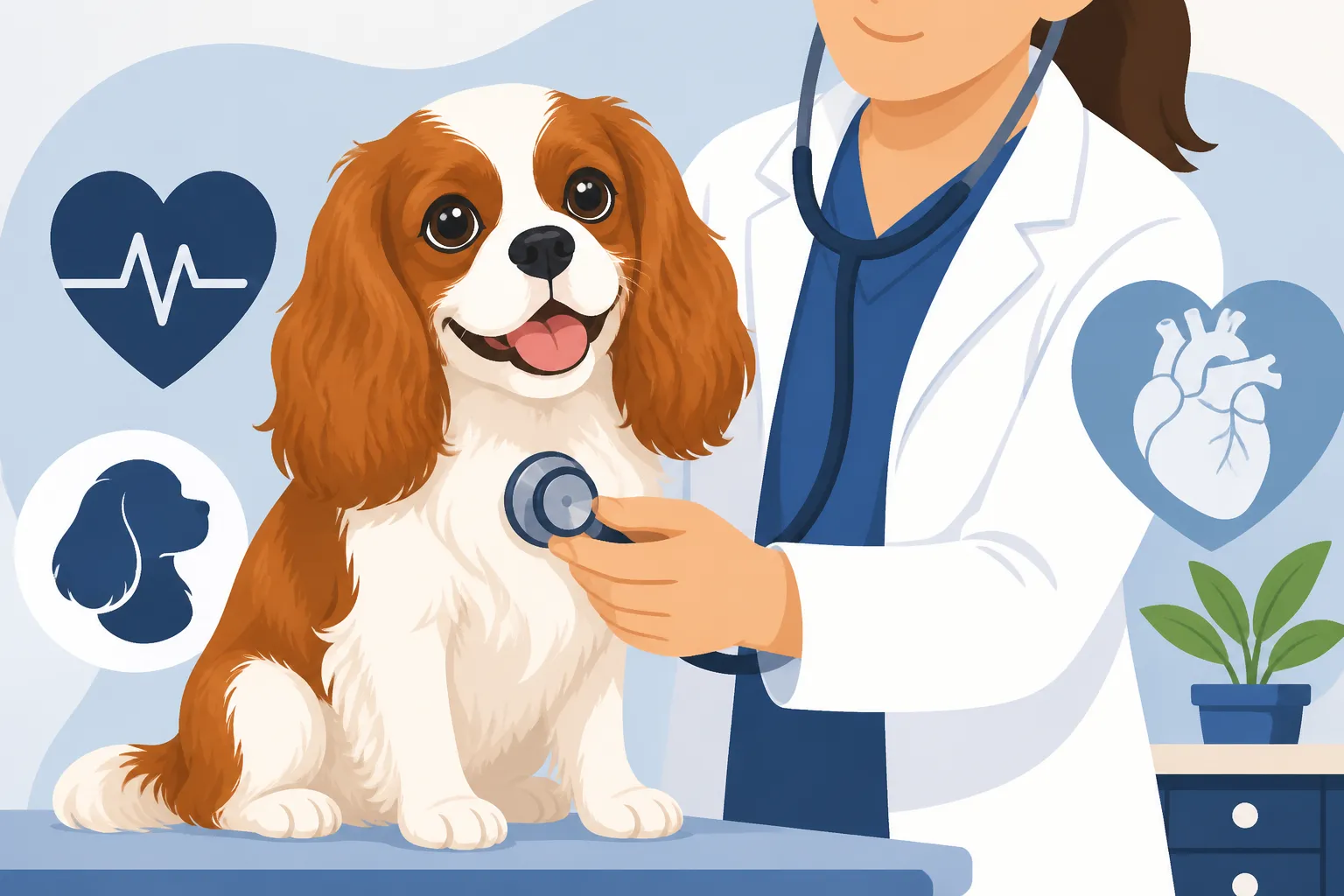
The initial consultation will always begin with a thorough physical examination by the cardiologist. This isn’t just a quick once-over; it's a very detailed assessment focused specifically on the cardiovascular system. The specialist will pay meticulous attention to your Cavalier's heart sounds, listening intently for murmurs, their intensity, and where they are best heard. They'll also listen to the lungs for any abnormal sounds like crackles or wheezes, which could indicate fluid buildup.
Beyond listening, they will carefully feel your dog’s pulse, checking its strength and rhythm in multiple locations, like the femoral arteries in the hind legs. They'll assess your Cavalier's mucus membranes (gums) for color and capillary refill time, which provides clues about circulation. They'll also palpate the abdomen to check for any fluid accumulation or organ enlargement that might be related to heart disease. Every aspect of this examination helps the cardiologist build an initial clinical picture and determine which diagnostic tests will be most valuable. It's truly a masterclass in canine physical assessment, leveraging their years of specialized training to pick up on nuances that a general practitioner might not.
Discussing Your Cavalier's Health History
Before or during the physical exam, the cardiologist will want to have a detailed discussion with you about your Cavalier's complete health history. This is where your observations become invaluable. They'll ask about any symptoms you've noticed, such as coughing, changes in activity level, breathing difficulties, or fainting spells. They'll want to know when these symptoms started, how frequently they occur, and if anything seems to make them better or worse.
It's helpful to come prepared with any past veterinary records, especially those from your referring vet, detailing when a murmur was first detected, its grade, and any previous tests or treatments. The cardiologist will also inquire about your Cavalier's diet, medication history (even for non-cardiac conditions), and general daily routine. Don't be shy about asking questions yourself; this is your opportunity to understand what's happening and how best to support your furry friend. The more information you can provide, the better equipped the cardiologist will be to make an accurate diagnosis and tailor a management plan. This thorough anamnesis is a cornerstone of good veterinary medicine, especially in complex cases like heart disease in a Cavalier.
Diagnostic Tools: Peeking Inside Your Cavalier's Heart
Once the physical exam and history are complete, the cardiologist will recommend specific diagnostic tests to get a definitive picture of your Cavalier's heart health. These tests are non-invasive and provide crucial information that simply cannot be gathered through a stethoscope alone. Understanding these tests can help alleviate some of the anxiety surrounding the visit.
The Essential Echocardiogram
For any Cavalier with a heart murmur, an echocardiogram (often just called an "echo") is the gold standard diagnostic test. Think of it as a specialized ultrasound of the heart. During an echo, your Cavalier will lie comfortably (often with some light sedation if they're particularly anxious, though many do fine without it) on a padded table. The cardiologist will apply a gel to their chest and use a transducer to send sound waves into the heart. These sound waves bounce back, creating real-time images of the heart's structure and function on a monitor.
The echocardiogram allows the cardiologist to see the heart's chambers, measure their size, assess the thickness of the heart muscle, and most importantly, directly visualize the mitral valve. They can see if the valve leaflets are thickening, prolapsing, or closing improperly, which is characteristic of Mitral Valve Disease. The echo also uses Doppler technology to track blood flow, identifying any regurgitation (blood flowing backward) through the faulty valve, which is what causes the murmur. This detailed view of the heart's mechanics is absolutely essential for accurately diagnosing the type and severity of heart disease, and it helps determine the stage of the disease. Without an echo, treatment decisions are largely guesses, but with it, the cardiologist can formulate a precise plan. Many owners find peace of mind knowing they've received an objective and detailed assessment of their Cavalier's heart.
Chest X-Rays for Heart and Lungs
While the echocardiogram focuses on the heart itself, chest X-rays provide a broader view of the heart's overall size and shape within the chest cavity, and critically, they assess the lungs. For a Cavalier presenting with a cough or breathing difficulties, X-rays are vital for checking for fluid accumulation in the lungs (pulmonary edema), which is a sign of congestive heart failure.
The cardiologist will typically take two or three views of your Cavalier's chest. These images allow them to evaluate if the heart is enlarged and whether its shape suggests particular cardiac issues. They can also check the major blood vessels and assess the airways, looking for conditions like tracheal collapse which can mimic heart-related coughing. The information from chest X-rays complements the echo findings, offering a comprehensive picture of how the heart is affecting the surrounding structures, particularly the lungs. This combination of detailed internal imaging and broader structural assessment is key to a complete diagnosis.
Blood Tests and Biomarkers
Beyond imaging, blood tests play an important role, especially in assessing overall health and sometimes, specific heart function. Your cardiologist might recommend a routine blood panel (complete blood count and chemistry) to check for other health issues that could impact heart disease management, or to ensure kidney and liver function are adequate before starting certain medications.
A more specific blood test often used in cardiology is the NT-proBNP test. This is a biomarker that measures the level of N-terminal pro-B-type natriuretic peptide in the blood. When the heart muscle is stretched or stressed due to increased pressure or volume, it releases this peptide. Elevated levels can indicate significant heart muscle stretch and stress, suggesting that heart failure might be present or is progressing. While it's not a standalone diagnostic, it can be a valuable tool to confirm suspicions of heart disease, help stage it, or monitor a patient's response to therapy. It's important to remember that all these diagnostic tools—the physical exam, echo, X-rays, and blood tests—are used in conjunction to provide the most accurate and complete understanding of your Cavalier's heart health.
Table: Overview of Cavalier Cardiology Diagnostic Tests
| Test Type | What It Shows | Key Information for Cavalier MVD | Preparation (Typical) |
|---|---|---|---|
| Physical Exam | Heart/lung sounds, pulse, gum color, overall condition | Murmur presence/grade, fluid sounds, circulation status | None |
| Echocardiogram | Real-time heart structure, function, blood flow | Valve integrity, chamber size, muscle thickness, regurgitation, disease stage | Minimal sedation often used for comfort/stillness |
| Chest X-rays | Heart size/shape, lung fields, major blood vessels | Heart enlargement, pulmonary edema (fluid in lungs), tracheal collapse | None, but usually requires holding still for images |
| Blood Tests | Organ function, red/white blood cell count, biomarkers | General health, kidney/liver function (for medication), NT-proBNP for heart stress | Fasting sometimes required for certain blood panels |
Interpreting Results and Crafting a Treatment Plan
Receiving the diagnosis and understanding the treatment options are often the most crucial parts of your cardiologist visit. The specialist will take the time to explain everything clearly, ensuring you understand your Cavalier's condition and the path forward. This partnership between you, your primary vet, and the cardiologist is key to managing chronic heart disease effectively.
Understanding Your Cavalier's Diagnosis and Staging
After all the tests are complete, the cardiologist will combine all the information – your Cavalier's history, their physical exam findings, the echocardiogram results, X-rays, and blood work – to arrive at a precise diagnosis. For Cavaliers, this will most commonly be Mitral Valve Disease, but they will also determine the specific stage of the disease. This staging is vital because it dictates the appropriate treatment strategy. The current guidelines use stages A, B1, B2, C, and D, with A being a Cavalier at high risk but without disease, and D representing end-stage heart failure.
For instance, a Cavalier with a murmur but no symptoms and only mild heart enlargement might be in Stage B1, meaning no medication is typically recommended yet. However, a Cavalier with a significant murmur and evidence of heart enlargement on an echo, even if they aren't showing outward signs of illness, might be classified as Stage B2. This is a critical stage because this is often when proactive medication can significantly delay the onset of congestive heart failure. Understanding which stage your Cavalier is in will help you grasp the seriousness of their condition and the reasoning behind the recommended interventions. The cardiologist will explain what these stages mean for your specific dog, and what future progression might look like.
Medication and Management Strategies
Once a diagnosis and stage are established, the cardiologist will outline a tailored treatment plan. This almost always involves medication, which will vary depending on the specific stage of heart disease. For Cavaliers in Stage B2, the medication pimobendan (often known by the brand name Vetmedin) is frequently prescribed. This medication helps the heart pump more efficiently and dilates blood vessels, which can significantly delay the progression to congestive heart failure. Starting heart medication before a Cavalier coughs is a strategy proven to extend their quality of life.
If your Cavalier is already in congestive heart failure (Stage C or D), meaning fluid has accumulated in their lungs or abdomen, then diuretics like furosemide will be added to the regimen. These drugs help the body shed excess fluid, alleviating symptoms like coughing and breathing difficulties. Other medications, such as ACE inhibitors, might also be part of the cocktail to help manage blood pressure and reduce the workload on the heart. Beyond medication, the cardiologist might recommend dietary changes, such as a low-sodium diet, and exercise modifications to prevent overexertion. Managing these ongoing medication costs can be a concern for many owners, which is why having pet insurance like Healthy Paws, especially if you enrolled your Cavalier before any murmur appeared, can provide a significant financial cushion against these long-term expenses. It’s always worth looking into options that support your Cavalier's health journey.
Follow-Up and Long-Term Care
Heart disease in Cavaliers is typically a progressive condition, meaning it will require ongoing monitoring and adjustments to the treatment plan. The cardiologist will advise you on the schedule for follow-up visits, which usually involve repeat physical exams, blood pressure checks, and sometimes repeat echocardiograms and chest X-rays. The frequency of these visits depends on your Cavalier's stage of heart disease and how well they are responding to medication.
Between visits, you'll be an essential part of the care team by monitoring your Cavalier at home. This often includes regularly counting their resting respiratory rate (how many breaths they take per minute while asleep or completely relaxed) as an early indicator of fluid buildup in the lungs. You'll also need to carefully administer medications as prescribed and observe for any changes in symptoms or side effects. The goal of long-term care is to maintain your Cavalier's quality of life for as long as possible, ensuring they remain comfortable and happy. Regular check-ups with a cardiologist, combined with diligent home care, are crucial for achieving this.
Disclaimer
This article is intended for informational purposes only and does not constitute medical advice. Always consult with a qualified veterinary professional for any health concerns or before making any decisions about your pet's medical care. Individual outcomes can vary.