Mitral Valve Repair Surgery for a Cavalier
For any Cavalier King Charles Spaniel parent, the phrase "mitral valve disease" sends a shiver down the spine. It's a devastating reality that far too many of our beloved companions face, often leading to congestive heart failure. While medical management is the cornerstone of treatment for this prevalent condition, there comes a point for some where a more definitive intervention is considered: mitral valve repair surgery. This guide will walk you through what this complex procedure entails, who might be a candidate, and the profound implications for your Cavalier's future.
Understanding Mitral Valve Disease in Cavaliers
Mitral valve disease (MVD), often called myxomatous mitral valve degeneration, is an unwelcome guest in the lives of many Cavaliers. It's not just a common ailment; it's practically an epidemic within the breed, making it the leading cause of morbidity and mortality. Understanding its progression is key to appreciating why such an invasive surgery might be considered.
The Progression of MVD in Cavaliers
In Cavaliers, MVD is a progressive condition where the mitral valve, which separates the left atrium and left ventricle of the heart, thickens and degenerates. Instead of creating a tight seal when the heart beats, the leaflets become floppy and don't close properly, allowing blood to leak backward into the left atrium. This backflow, known as regurgitation, is what causes the characteristic heart murmur your vet hears. You can learn more about the specifics of Mitral Valve Disease in the Cavalier King Charles Spaniel in our comprehensive guide.
Initially, this regurgitation might be mild, and your Cavalier shows no outward symptoms. Over time, however, the heart has to work harder to compensate for the inefficiency. The left side of the heart begins to enlarge to accommodate the extra blood volume. This is a critical stage, often categorized as ACVIM Stage B2, where the heart is significantly remodeled but hasn't yet gone into overt heart failure. Understanding How Cavalier Heart Disease Progresses Stage by Stage can help you recognize the subtle changes as the disease advances, moving from silent murmur to an enlarged heart and eventually, if left unchecked, to congestive heart failure.
When the heart can no longer compensate, fluid starts to back up, typically into the lungs, leading to symptoms like coughing (especially at night), difficulty breathing, and exercise intolerance. This is congestive heart failure, a life-threatening stage. The insidious nature of MVD means that it can progress relatively quickly in some Cavaliers, while others might live for years with a mild murmur before any significant changes occur. The genetic predisposition in the breed makes it a unique challenge, often manifesting at a younger age than in other breeds.
Why Surgery is Considered
For a long time, the only real option for Cavaliers with MVD was medical management. Medications like diuretics, ACE inhibitors, and especially pimobendan, have revolutionized the lives of dogs with heart disease, often extending their lifespan and improving their quality of life considerably. If your Cavalier has an enlarged heart due to MVD, a medication like Pimobendan for a Cavalier With an Enlarged Heart becomes a crucial part of their daily regimen. Similarly, when congestive heart failure sets in, Diuretics for a Cavalier in Heart Failure are essential to manage fluid buildup.
However, these medications only manage the symptoms and slow the progression; they don't fix the underlying mechanical problem of the leaky valve. As the disease advances, even the most aggressive medical protocols can start to lose their effectiveness. The heart continues to remodel, and the quality of life inevitably declines. This is where mitral valve repair surgery enters the conversation. It's a proactive, often curative, approach designed to correct the valve defect itself, thereby stopping the regurgitation and preventing or reversing the progression of heart failure.
The rationale for surgery is to provide a chance for a longer, healthier life by fundamentally addressing the cause of the problem, rather than just treating its effects. It's a significant departure from traditional management, offering hope for a true repair when conventional treatments can no longer keep pace with the worsening condition. For many owners, the idea of offering their beloved Cavalier a chance to live without the constant threat of heart failure, and potentially even come off medications, is a powerful motivator to explore this complex option.
The Intricacies of Mitral Valve Repair Surgery
Mitral valve repair surgery is a monumental undertaking, both for the dog and their human companions. It is an advanced veterinary procedure that requires highly specialized equipment, an experienced surgical team, and intensive post-operative care. This is not a routine procedure you'd find at your local vet clinic.
The Surgical Procedure Explained
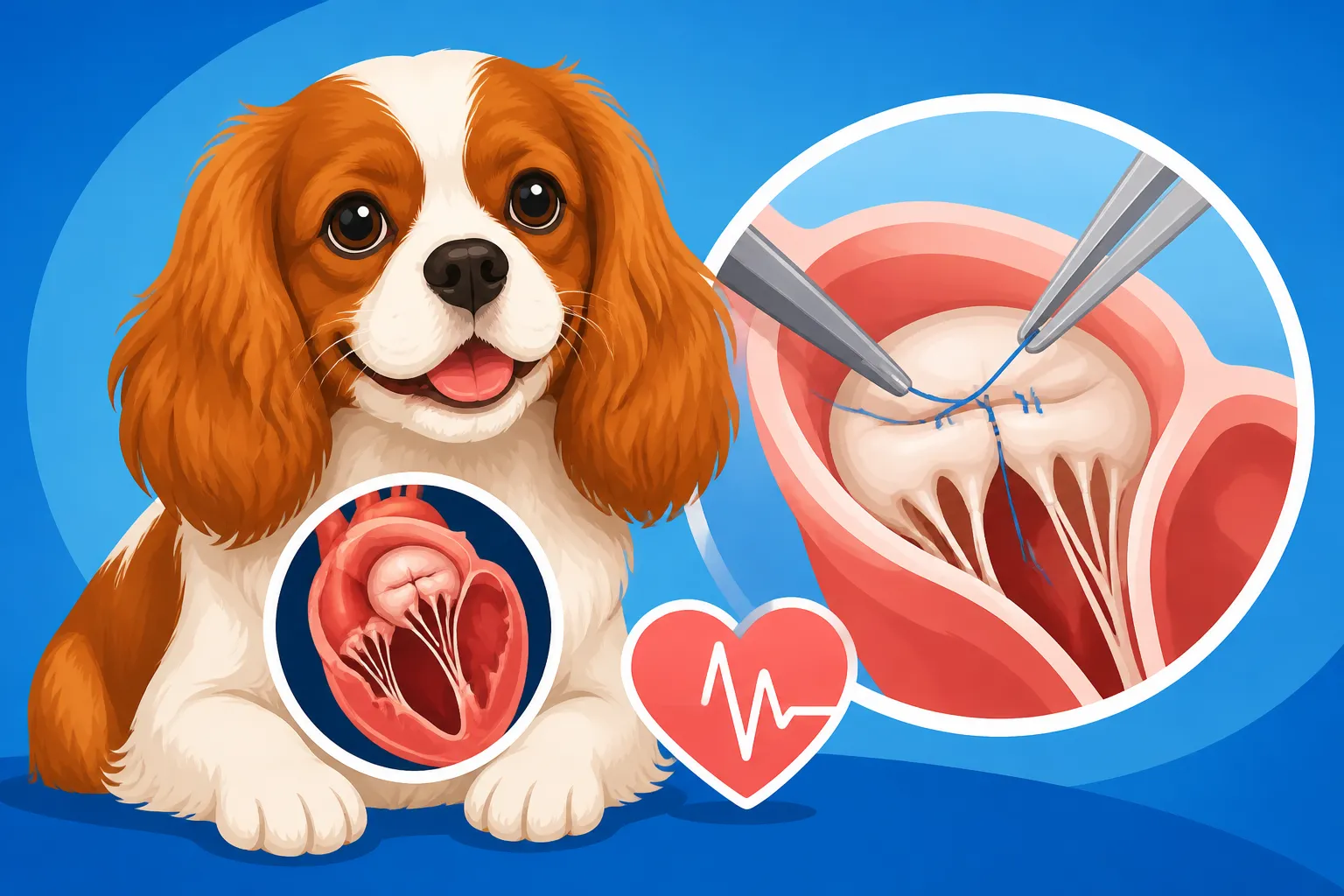
Mitral valve repair is essentially open-heart surgery. It involves placing the Cavalier on a cardiopulmonary bypass (heart-lung machine), which takes over the functions of the heart and lungs, allowing the surgical team to operate on a still, bloodless heart. The surgeon then meticulously inspects the mitral valve. In Cavaliers, the degeneration often involves elongation or rupture of the chordae tendineae (the tiny "heartstrings" that hold the valve leaflets in place) and thickening of the valve leaflets themselves.
The repair involves a combination of techniques, such as reconstructing or replacing the damaged chordae with synthetic sutures, reshaping or trimming excess tissue from the valve leaflets, and sometimes using an annuloplasty ring to restore the proper shape of the valve opening. The goal is to restore the valve's ability to close tightly, eliminating or drastically reducing the blood regurgitation. This entire process is incredibly delicate and demands exceptional surgical skill. The procedure typically takes several hours, followed by a critical period in intensive care. It's a high-stakes surgery, and the Anesthesia Risk in a Cavalier With a Murmur is certainly a factor that vets and owners must consider, given the already compromised heart function.
Given its complexity, this surgery is only performed at a handful of specialized veterinary centers worldwide. Currently, facilities like the University of Florida in the United States and specialized centers in Japan and the UK are at the forefront of this type of pioneering work. The limited availability means that many owners must travel significant distances to access this treatment, adding another layer of logistical and emotional challenge to an already stressful situation.
Who is a Candidate for Surgery?
Deciding if a Cavalier is a suitable candidate for mitral valve repair surgery involves a rigorous evaluation by a board-certified veterinary cardiologist. It's not a decision taken lightly, as the surgery carries significant risks and demands a strong, otherwise healthy patient. The ideal candidate is typically a Cavalier in ACVIM Stage B2, meaning they have a significant heart murmur and evidence of heart enlargement on an echocardiogram, but have not yet developed clinical signs of congestive heart failure (like coughing or difficulty breathing).
A comprehensive pre-surgical workup is essential. This usually includes a detailed What a Cavalier Echocardiogram Shows, which provides a real-time view of the heart's structure and function, quantifying the severity of regurgitation and the extent of heart remodeling. Chest X-Rays in a Cavalier Heart Workup are crucial to assess lung health and confirm the absence of fluid buildup. Extensive blood work is performed to evaluate kidney and liver function, clotting ability, and overall systemic health, ensuring the dog can withstand the stress of surgery and recovery.
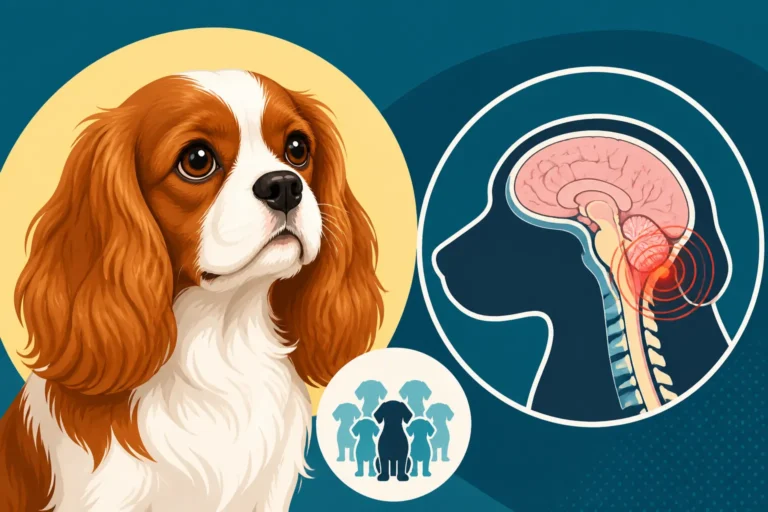
Other factors influencing candidacy include age (younger dogs generally tolerate surgery better, but older, otherwise healthy dogs can also be candidates), absence of other severe medical conditions (like significant kidney disease, neurological issues such as Syringomyelia, or advanced cancer), and a stable medical management regimen. The surgical team needs to be confident that the benefits of the procedure outweigh the considerable risks, and that the Cavalier has the best possible chance for a successful outcome. It's a careful balance, where every piece of diagnostic information contributes to the final decision.
The Realities of Post-Operative Care and Long-Term Outlook
The surgery itself is only half the battle. The period immediately following mitral valve repair is incredibly critical, and the long-term outlook, while promising, still requires dedicated care and monitoring.
Immediate Post-Surgical Recovery
Following such a major open-heart procedure, your Cavalier will require an extended stay in a veterinary intensive care unit (ICU), typically ranging from 5 to 10 days, sometimes longer. During this time, they will be under constant supervision by a team of veterinary specialists, including cardiologists, critical care veterinarians, and specialized nurses. This period is fraught with potential complications, such as arrhythmias, kidney injury, neurological issues, and even heart failure despite the repair.
Intensive monitoring will involve continuous ECG, blood pressure measurement, frequent blood tests to assess organ function, and careful management of fluid balance. Pain management is paramount, with a combination of injectable medications used to keep your Cavalier comfortable. Strict activity restriction is enforced to allow the heart and surgical site to heal. This phase is emotionally taxing for owners, as they balance hope with the very real dangers of recovery. Support from the veterinary team is crucial during these tense days.
The goal of this intensive care is to navigate the immediate post-operative dangers and stabilize your Cavalier enough to transition them home. Once discharged, they will still require significant rest and a very gradual return to normal activity, along with specific instructions for diet, medication, and wound care. The initial weeks at home are a continuation of the recovery, demanding vigilance and adherence to veterinary advice.
Long-Term Management and Quality of Life
If the surgery is successful and your Cavalier navigates the initial recovery, the long-term outlook can be incredibly positive. Many dogs see a dramatic improvement in heart function, often leading to a significant reduction or even elimination of the need for daily cardiac medications. Imagine the relief of not having to administer multiple pills every day, or constantly worry about fluid retention! The heart often shrinks back to a more normal size, and the stress on the cardiovascular system is greatly reduced. This translates into a remarkably improved quality of life, allowing your Cavalier to enjoy activities they might have struggled with before, like longer walks or more playful interactions.
Regular follow-up appointments with a cardiologist are still essential, including repeat echocardiograms to monitor the repaired valve and overall heart health. While the repair is often durable, there's always a possibility of future changes, although typically at a much slower rate than the original disease progression. The goal is to maximize the healthy, active years. For a breed so susceptible to early-onset MVD, this surgery can genuinely add years of happy, symptom-free life. It changes the conversation from "how long will my Cavalier live with heart disease" to "how long can my Cavalier thrive after valve repair." This often means a chance to live well into their senior years, potentially even beyond the typical How Long a Cavalier Lives After Diagnosis for those managed medically, entering into the Caring for a Cavalier Past Nine stage with a much stronger heart.
Financially, this long-term care also means continued veterinary visits, and while medication costs may decrease, the initial investment is substantial. Pet insurance, if acquired before any murmur was detected, can be an invaluable asset in these situations. Reputable providers like Healthy Paws often cover a significant percentage of eligible veterinary expenses, which could include the ongoing follow-up care for a repaired heart. It's a stark reminder of the importance of early enrollment.
Financial and Logistical Considerations
Mitral valve repair surgery is not just a medical feat; it's also a significant financial and logistical undertaking. Owners must be prepared for the substantial investment of both money and time.
The Cost of Mitral Valve Repair Surgery
Let's not sugarcoat it: mitral valve repair surgery is extraordinarily expensive. The cost can range anywhere from $30,000 to $60,000 USD, and sometimes even more, depending on the facility, the complexity of the case, and the length of the post-operative ICU stay. This figure often includes the initial consultation, extensive diagnostics, the surgical procedure itself, the days of intensive care, and initial follow-up. Our guide on What Mitral Valve Repair Costs a Cavalier Owner delves deeper into these figures.
This staggering cost is one of the biggest barriers for many families, turning the decision into a heart-wrenching balance of love, hope, and financial reality. It's a stark reminder that advanced veterinary medicine, while incredible, comes with a price tag comparable to human medical procedures. Many families have to explore various options for Financing an Unplanned Cavalier Surgery, from savings and loans to crowdfunding and veterinary charities. Having pet insurance can make a monumental difference, but only if the policy was in place and active before the first heart murmur was detected. Insurance providers like Healthy Paws, for example, consider existing conditions, and once a murmur is noted in a vet record, it would likely be excluded from future coverage. This underscores the critical advice: insure your Cavalier puppy as early as possible.
| Feature | Medical Management | Surgical Repair |
|---|---|---|
| Goal | Manage symptoms, slow progression | Cure/significantly improve, halt progression |
| Cost | Moderate ongoing (meds, cardiologist visits) | Very High (tens of thousands for surgery, ICU) |
| Invasiveness | Non-invasive (pills, regular exams) | Highly invasive (open-heart surgery, bypass) |
| Hospital Stay | Brief for diagnostics or emergencies | Extended (5-10+ days ICU post-surgery) |
| Meds Post-Intervention | Lifelong, often increasing dosage | Potentially reduced or eliminated |
| Quality of Life Impact | Good initially, declines with progression | Dramatically improved, potentially normal activity |
| Lifespan Impact | Extended, but disease still progresses | Potentially significantly extended with healthy heart |
| Availability | Widely available through cardiologists | Limited to few specialized centers globally |
Finding a Specialist and Travel
As mentioned, mitral valve repair surgery for dogs is not widely available. This isn't a procedure offered in every state, or even every country. Most owners contemplating this option will need to seriously consider extensive travel. This means factoring in flights, accommodations, and time off work, sometimes for weeks at a time, to be near their Cavalier during surgery and recovery.
For example, if you live on the West Coast of the United States and your Cavalier is a candidate for surgery at the University of Florida, you're looking at a cross-country trip. The stress of travel alone, let alone finding pet-friendly lodging for an extended period, adds another layer of complexity. Then there's the emotional strain of being far from home during such a critical time for your beloved pet. It requires immense dedication and commitment. It’s not just about the cost of the surgery itself, but the entire ecosystem of expenses and personal sacrifices that surround it. When considering pet insurance with a company like Healthy Paws, for instance, you'd want to choose an annual limit that could actually cover such a massive, specialized bill, which typically means opting for the highest available coverage.
Furthermore, the waiting lists for these specialized surgical teams can be long, often extending for months. This means making proactive decisions and getting your Cavalier evaluated by a cardiologist well in advance, even if surgery is still a distant possibility. Regular Annual Cardiologist Exams for a Cavalier are therefore not just about monitoring disease but also about establishing a relationship with a specialist who can guide you through these complex decisions should the need arise. It's a challenging journey, but for many Cavalier owners, the chance to give their dog a better, longer life is worth every obstacle.
Disclaimer
The information provided in this article is for general informational purposes only and is not a substitute for professional veterinary advice. Always consult with a qualified veterinarian or veterinary specialist for any health concerns or before making any decisions about your pet's medical care.