Mitral Valve Disease in the Cavalier King Charles Spaniel
Few things hit a Cavalier King Charles Spaniel owner harder than hearing those dreaded words: "Your dog has a heart murmur." This isn't just a casual concern; for our beloved Cavaliers, it's often the first whisper of a progressive and potentially devastating condition known as Mitral Valve Disease (MVD). This guide is dedicated to thoroughly unpacking MVD, from its unique prevalence in Cavaliers to its symptoms, diagnosis, treatment, and the hopeful strides being made in management and prevention, so you can navigate this challenge with understanding and confidence.
Understanding Mitral Valve Disease in Cavaliers
Mitral Valve Disease (MVD), sometimes called Endocardiosis or Myxomatous Mitral Valve Degeneration (MMVD), is a chronic, progressive heart condition that primarily affects small breed dogs, and Cavaliers are unfortunately at the top of the list for both prevalence and early onset. It's not just a common ailment; it's practically an inherent part of the breed's health landscape. Understanding what's happening inside your Cavalier's chest is the first crucial step in grasping this complex disease.
The Mechanics of a Healthy Heart vs. a Diseased One
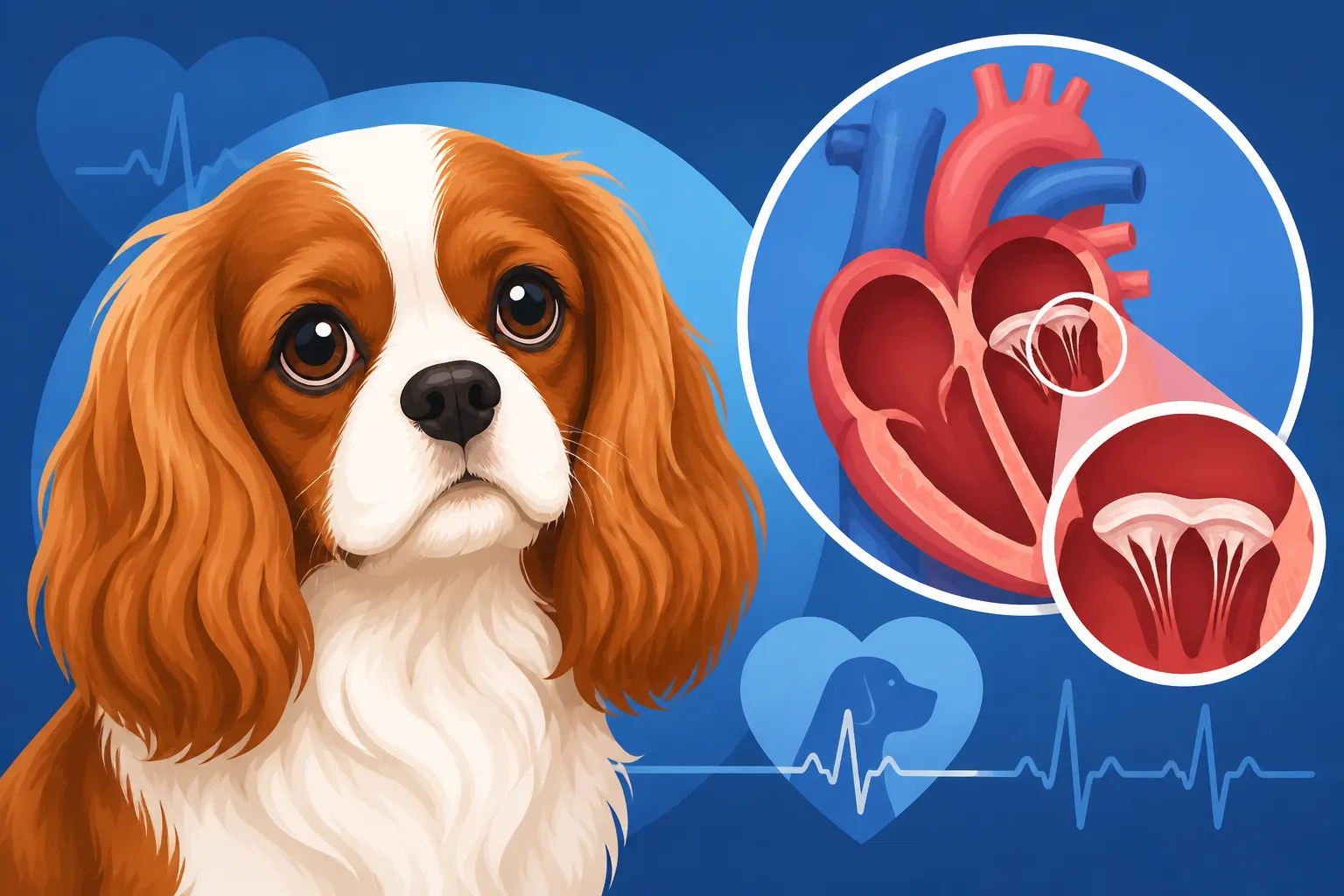
Imagine your Cavalier's heart as a beautifully orchestrated pump, diligently working to circulate blood throughout their tiny, energetic body. This pump has four chambers and four valves that act like one-way doors, ensuring blood flows in the correct direction without any backwash. The mitral valve is one of these crucial doors, located on the left side of the heart, between the left atrium and the left ventricle. Its job is to open wide to let oxygen-rich blood flow from the lungs into the left ventricle, and then snap shut tightly when the ventricle contracts, pushing that blood out to the rest of the body. When it works perfectly, it's a silent, efficient operation.
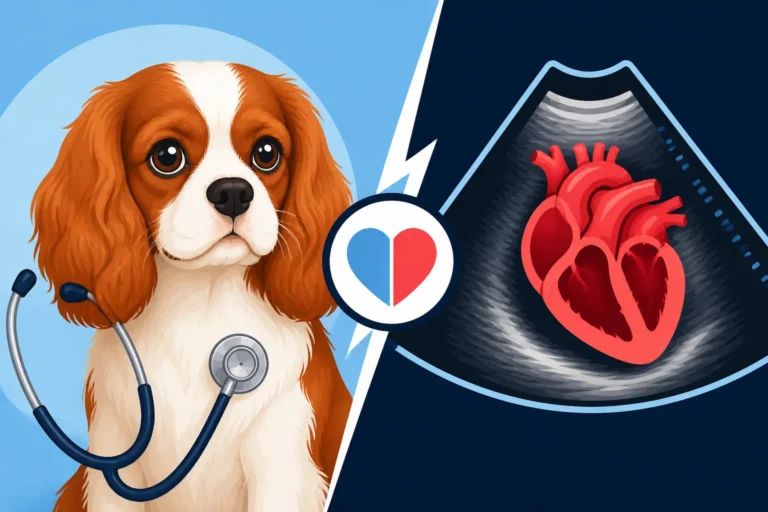
In a Cavalier with MVD, this elegant system starts to falter. The mitral valve leaflets, which are typically thin and pliable, begin to thicken and become nodular or distorted. Think of it like a once-smooth, flexible door becoming warped and stiff. When the left ventricle contracts, instead of creating a perfect seal, this thickened, abnormal valve allows a small amount of blood to leak backward into the left atrium. This backward flow is called regurgitation. That distinctive "whooshing" sound a vet hears with a stethoscope? That's the sound of blood leaking backward, creating a heart murmur.
As the disease progresses, this leakage can become more significant, forcing the heart to work harder to maintain adequate blood flow to the body. The left side of the heart, particularly the left atrium, may start to enlarge as it tries to accommodate the increased volume of blood. This constant strain over time can lead to further complications, weakening the heart muscle and eventually, if left unchecked, contributing to congestive heart failure. It’s a slow, insidious process that can take years to unfold, but the structural changes are happening long before any outward signs appear.
Why Cavaliers Are So Susceptible
It's a heartbreaking truth for Cavalier owners, but their breed's predisposition to MVD is largely genetic. Unlike some heart conditions that are acquired later in life due to diet, lifestyle, or infection, MVD in Cavaliers is primarily an inherited condition, meaning it’s passed down through generations. This is why you'll often hear that Why Half of Cavaliers Have a Murmur by Five – the disease can manifest at an alarmingly young age in this breed, sometimes even before their third birthday, while in other breeds, it's typically a disease of advanced old age.
The specific genetic factors that make Cavaliers so vulnerable are complex and still under intensive research, but it's clear that the breed's gene pool carries a strong propensity for this valve degeneration. This genetic predisposition means that even with the best care, proper diet, and a loving home, a Cavalier is at a significantly higher risk of developing MVD than many other breeds. It’s not something you, as an owner, could have prevented through different choices in their early life, and that can be a tough pill to swallow.
The early onset and rapid progression of MVD in some Cavaliers are what make it particularly challenging. While many small dogs might live comfortably with a low-grade murmur for years, Cavaliers often experience a more aggressive form of the disease. This reality underscores the critical importance of early detection, regular veterinary check-ups, and informed decisions about breeding and ownership. The burden of this disease is significant, not just for the dogs, but for the devoted families who want nothing more than to give their Cavaliers a long, healthy life.
Recognizing the Early Warning Signs
The silent nature of early MVD can be incredibly frustrating for owners. Our Cavaliers are masters at hiding discomfort, often continuing to wag their tails and seek cuddles even as their hearts are struggling. That's why being vigilant and knowing what subtle changes to look for can make all the difference in catching MVD before it progresses too far.
The Significance of a Heart Murmur
The very first, and often the only, sign of MVD for a long time is usually a heart murmur. A heart murmur isn't a disease itself; it's an abnormal sound caused by turbulent blood flow within the heart. In the context of MVD, it’s the sound of blood leaking backward through the mitral valve. Your regular veterinarian can usually detect this during an annual check-up using a stethoscope. For Cavaliers, this check-up should involve a very thorough listen, because the murmur can be subtle at first.
When your vet detects a murmur, they'll often grade it on a scale, typically from I to VI, with I being very faint and VI being very loud and palpable. While What a Heart Murmur Grade Means in a Cavalier can give you an initial idea, it's crucial to understand that the loudness of a murmur doesn't always directly correlate with the severity of the underlying heart disease, especially in the early stages. A faint murmur could still indicate significant valve changes, and a loud one might be stable for years. What it does signify, however, is that there's an issue with blood flow, and for a Cavalier, that issue is most likely MVD. It’s a call to action, prompting further investigation, usually with a veterinary cardiologist. Don't let a "low grade" murmur lull you into complacency; it's a vital piece of information.
Subtle Changes in Energy and Breathing
As MVD progresses, and the heart starts to struggle more to compensate for the leaking valve, your Cavalier might begin to show more noticeable signs, though they can still be incredibly subtle. One of the earliest changes owners often report is a slight decrease in exercise tolerance. Perhaps your typically enthusiastic pup lags a bit on walks, or tires more quickly during a game of fetch. They might seem a little less keen to jump on the sofa or chase a ball with their usual gusto. This isn't necessarily just "getting older"; it could be their heart struggling to keep up.
Another critical early sign to watch for involves changes in breathing. A healthy Cavalier should breathe quietly and easily. If you notice your Cavalier panting more than usual when not hot or exercising, or if their resting respiratory rate seems elevated, it's a red flag. Pay particular attention to their breathing patterns while they're asleep or resting peacefully. You can easily count their breaths: count the number of times their chest rises in 15 seconds and multiply by four. A normal resting rate is generally between 15-30 breaths per minute. A persistent rate above 30, especially if accompanied by any subtle cough, should prompt an immediate call to your vet. Don’t dismiss a slight cough as just a "kennel cough" or a seasonal allergy, especially if it happens more at night, as this can be a sign of fluid backing up into the lungs, which is a hallmark of congestive heart failure. These subtle shifts are often the only clues before more severe symptoms appear.
Diagnosis and Staging MVD
Once a heart murmur is detected, the next crucial step is to get a definitive diagnosis and determine the stage of the disease. This isn't just about confirming MVD, but about understanding its severity and progression, which directly impacts the treatment plan. Your general practitioner vet is a great starting point, but a veterinary cardiologist is truly the expert in this field, offering specialized knowledge and equipment vital for Cavaliers.
What a Cardiologist's Examination Involves
A referral to a board-certified veterinary cardiologist is almost always recommended once a murmur is found in a Cavalier. These specialists dedicate their entire practice to heart conditions and have a deeper understanding of the nuances of diseases like MVD. When you bring your Cavalier in for their first cardiology appointment, expect a thorough physical exam that goes beyond what a general vet might do. The cardiologist will listen to your Cavalier's heart with advanced stethoscopes, carefully assessing the location, intensity, and quality of the murmur. They will also pay close attention to lung sounds, looking for any indication of fluid accumulation.
Beyond the stethoscope, the cardiologist will feel your Cavalier's pulses, check their mucous membranes, and palpate their abdomen. They might also assess their general body condition, weight, and muscle mass, as these can all be affected by heart disease. This initial consultation is also an opportunity for you to share all your observations about your Cavalier’s behavior, energy levels, appetite, and any breathing changes, no matter how minor they seem. This detailed history, combined with their expert physical examination, forms the foundation of the diagnostic process. This is not just a quick check-up; it's a comprehensive evaluation by someone who truly understands Annual Cardiologist Exams for a Cavalier are so important.
Imaging and Blood Tests for Accurate Assessment
The real insights into your Cavalier's heart come from advanced diagnostics, primarily the echocardiogram. An echocardiogram, often just called an "echo," is a non-invasive ultrasound of the heart. This is the gold standard for diagnosing MVD and assessing its severity. During an echo, the cardiologist can visualize the heart in real-time:
- They can see the mitral valve leaflets, noting any thickening or changes.
- They can measure the size of the heart chambers, especially looking for enlargement of the left atrium and ventricle.
- They can observe the blood flow through the heart, quantifying the amount of regurgitation (leakage) across the mitral valve.
- They can also assess the heart muscle's function and overall pumping ability.
This detailed information allows the cardiologist to accurately stage the MVD, typically using the American College of Veterinary Internal Medicine (ACVIM) staging system (Stage A, B1, B2, C, D), which helps determine the appropriate timing for medication and intervention. For instance, Stage B2 is when the heart has enlarged significantly but clinical signs haven't yet appeared, and this is often when proactive medication is recommended.
In addition to the echo, your cardiologist will likely recommend chest X-rays. These X-rays provide a different, but equally important, perspective:
- They allow the cardiologist to assess the overall size and shape of the heart relative to the chest cavity.
- Crucially, they can detect fluid accumulation in the lungs (pulmonary edema), which is a sign of congestive heart failure.
- X-rays also help rule out other respiratory issues that might mimic heart-related coughing.
Blood tests, specifically a pro-BNP (N-terminal pro-B-type natriuretic peptide) test, can also be incredibly useful. This blood test measures a hormone released when the heart muscle is stretched or stressed. Elevated levels can indicate significant heart strain and help differentiate between cardiac and non-cardiac causes of respiratory signs. All these diagnostic tools work together to create a comprehensive picture of your Cavalier's heart health, ensuring the most accurate diagnosis and staging of MVD, which is paramount for guiding treatment decisions and prognosis.
Managing MVD: Treatment Options and Strategies
Receiving an MVD diagnosis can feel overwhelming, but it's important to remember that there are effective strategies to manage the disease and significantly improve your Cavalier's quality of life. The goal of treatment isn't to cure MVD, as the valve changes are irreversible, but rather to slow its progression, manage symptoms, and prevent or alleviate congestive heart failure.
Medications to Slow Progression and Manage Symptoms
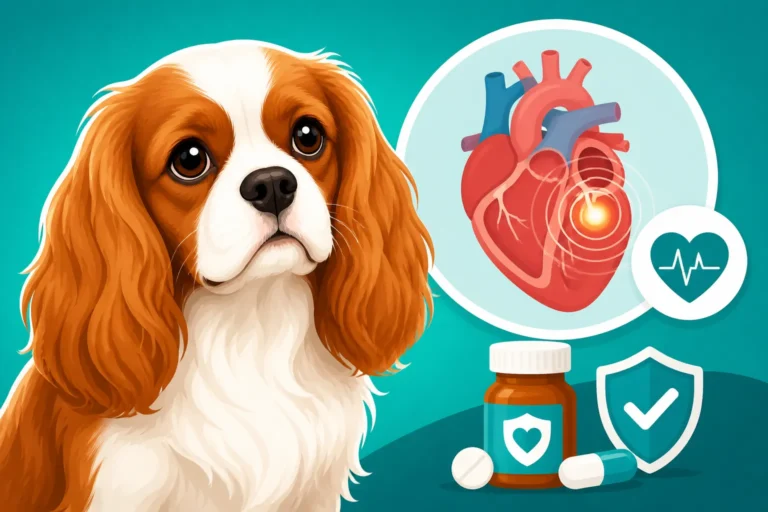
The landscape of MVD treatment has advanced considerably, offering hope and extended lifespans for many Cavaliers. The specific medications and when they are introduced largely depend on the stage of the disease. For Cavaliers in Stage B2 (significant heart enlargement but no clinical signs), a medication called pimobendan (Vetmedin) has been a game-changer. Studies, most notably the EPIC study, have shown that starting pimobendan at this stage can significantly delay the onset of congestive heart failure and extend a Cavalier's lifespan by many months, sometimes years. This medication works by helping the heart pump more efficiently and reducing the heart’s workload. It's truly incredible how much of a difference this can make, even before your Cavalier shows outward signs of illness.
Once a Cavalier progresses to Stage C or D, meaning they are experiencing or have experienced congestive heart failure, the treatment protocol becomes more complex, often involving a combination of medications.
- Diuretics: Medications like furosemide (Lasix) are vital for removing excess fluid that accumulates in the lungs (pulmonary edema) or abdomen (ascites), which are common signs of heart failure. These medications help your Cavalier breathe more easily and reduce discomfort.
- ACE Inhibitors: Drugs such as enalapril or benazepril help relax blood vessels, reducing the pressure the heart has to pump against, thereby easing its workload.
- Spironolactone: This is another diuretic that works differently from furosemide, often used in conjunction to help manage fluid and provide some protective effects to the heart muscle.
- Pimobendan: Continues to be a cornerstone of treatment, even in advanced stages, helping maintain heart function.
Navigating these Medication for a Cavalier With Heart Disease can feel like a full-time job for owners, with multiple pills at specific times, but adhering strictly to the vet's instructions is crucial for managing symptoms and prolonging comfortable life. Your vet or cardiologist will carefully tailor the dosage and combination of these drugs to your Cavalier’s individual needs, monitoring their response and making adjustments as necessary.
Lifestyle Adjustments for a Cavalier with MVD
Beyond medication, several lifestyle adjustments can play a significant role in supporting a Cavalier with MVD. These changes might seem small, but collectively, they contribute greatly to their overall well-being and can help reduce the strain on their heart.
Firstly, diet is incredibly important. For Cavaliers with MVD, especially as they progress, a diet that is moderate in sodium is often recommended. High sodium can lead to fluid retention, which puts extra stress on a failing heart. Your vet or cardiologist might recommend specific prescription cardiac diets, such as those formulated by brands like Hill's or Royal Canin, or provide guidance on preparing a low-sodium home-cooked diet. It's not about cutting out all salt, but rather managing intake to avoid excessive levels. Maintaining an ideal body weight is also critical; an overweight Cavalier's heart has to work much harder, accelerating the disease's progression. Why an Overweight Cavalier Fails Faster is a stark reality, so working with your vet on a weight management plan is essential.
Secondly, exercise needs to be carefully monitored and adjusted. While regular, moderate exercise is generally good for health, a Cavalier with MVD needs a balanced approach. High-intensity activities or prolonged strenuous exercise can put undue stress on their heart. Instead, focus on shorter, more frequent, gentle walks. Pay close attention to your Cavalier's cues: if they seem tired, start panting excessively, or lag behind, it's time to rest. Your cardiologist will provide specific guidelines based on your Cavalier's MVD stage, but the general rule is to avoid overexertion. This means skipping those marathon fetch sessions or long hikes once a murmur is established, and definitely for Stage C and D dogs.
Finally, stress reduction is often overlooked but important. Keeping your Cavalier in a calm, predictable environment can help minimize stress, which in turn can reduce heart rate and blood pressure fluctuations. Avoiding sudden loud noises or overly exciting situations can be beneficial. Regular, gentle grooming sessions, as outlined in guides like Brushing a Cavalier's Feathering Three Times a Week, can also be a calming routine. Creating a comfortable, easily accessible sleeping area that allows them to rest undisturbed is also key. These holistic approaches, combined with dedicated medical care, offer the best chance for your Cavalier to live a full and comfortable life with MVD.
Living with a Cavalier with MVD
Living with a Cavalier diagnosed with MVD brings a unique set of responsibilities and emotional challenges. It’s a journey that demands vigilance, patience, and an immense amount of love. Knowing what to expect on a day-to-day basis and understanding the long-term outlook can help you provide the best possible care for your cherished companion.
Daily Care and Monitoring at Home
Your role as an owner becomes even more critical once your Cavalier has an MVD diagnosis. Daily monitoring at home is paramount, especially if they are on medication for congestive heart failure. The single most important thing you can do every day is to count their resting respiratory rate (RRR). This simple practice can provide an early warning sign of worsening heart failure, often before other symptoms become obvious. As mentioned before, count the number of breaths they take in 15 seconds while they are sleeping or completely at rest, and multiply by four. Keep a log of this number. A consistent increase above 30 breaths per minute, or a sudden jump from their baseline, warrants an immediate call to your vet or cardiologist. This could indicate fluid building up in their lungs, requiring an adjustment in medication.
Administering medications consistently and on time is another crucial aspect of daily care. Many heart medications, particularly diuretics, need to be given on a strict schedule. Missing doses or giving them late can impact their effectiveness and lead to symptom flares. Creating a routine, using pill organizers, and setting reminders can be incredibly helpful. Furthermore, observing your Cavalier's overall demeanor, appetite, and water intake is important. A sudden decrease in appetite, lethargy, or increased thirst could all be signs that something isn't quite right. Any persistent coughing, especially at night or after waking, is also a significant indicator of worsening heart function and should be reported to your vet. Staying in tune with your Cavalier's subtle changes is essential for catching issues early.
Understanding the Prognosis and Quality of Life
It's natural to wonder, "How long will my Cavalier live with MVD?" and "What will their quality of life be like?" There's no single answer, as the prognosis for How Long a Cavalier Lives After Diagnosis can vary significantly depending on the stage of the disease at diagnosis, the individual Cavalier's response to medication, and how diligently the condition is managed. Many Cavaliers with early-stage MVD (B1 or B2) can live for years with a good quality of life, especially if pimobendan is started proactively at Stage B2. The aim of modern cardiology is to keep them out of heart failure for as long as possible.
Once a Cavalier enters congestive heart failure (Stage C or D), the prognosis unfortunately shortens, typically measured in months to a year or two, even with optimal medical management. However, this period can still be filled with joy and comfort. The focus shifts to managing symptoms, ensuring they are comfortable, can breathe easily, maintain a good appetite, and enjoy their favorite activities within their limits. Regular follow-up appointments with the cardiologist are vital during this stage to adjust medications as the disease progresses and ensure optimal symptom control. Your vet will monitor blood work to check kidney function, especially with diuretics, and perform repeat echocardiograms and chest X-rays to assess disease progression and treatment effectiveness. Making the most of every day, prioritizing comfort, and knowing when it's time to consider hospice care or even euthanasia are some of the toughest decisions a Cavalier owner will face, but they are made with love and a deep understanding of their companion's well-being.
The Role of Breeding and Prevention
Given the undeniable genetic component of Mitral Valve Disease in Cavalier King Charles Spaniels, the conversation inevitably turns to prevention and responsible breeding. While we can't completely eliminate the risk overnight, conscientious breeding practices are the most powerful tool we have to reduce the incidence and severity of this devastating disease in future generations.
Breeding Protocols to Reduce MVD Incidence
For serious, ethical Cavalier breeders, health testing for MVD is not just a recommendation; it's a moral imperative. The "MVD Breeding Protocol" established by veterinary cardiologists and breed clubs provides clear guidelines for responsible breeding. The core of this protocol dictates that Cavaliers should not be bred until they are at least 2.5 years old, and ideally, not until they are 5 years old. The reason for this specific age requirement is crucial: MVD is an adult-onset disease, and waiting until the dog is older allows time for a murmur to develop if they are genetically predisposed.
Furthermore, any Cavalier intended for breeding must undergo annual heart examinations by a board-certified veterinary cardiologist. These exams include auscultation (listening with a stethoscope) and ideally, an echocardiogram, to ensure the dog is clear of a murmur and has no evidence of heart enlargement. Breeders should only breed Cavaliers who are clear of a murmur at 5 years of age or older, and whose parents were also clear at age 5 or older. This stringent approach, outlined in The Cavalier MVD Breeding Protocol, is designed to select against the early-onset form of the disease that is so prevalent in the breed. While it’s not a perfect solution – MVD can still appear even in progeny from clear parents – it significantly reduces the likelihood and delays the onset of the disease in puppies. This commitment to long-term health, rather than just quick puppy sales, is a hallmark of a truly responsible breeder.
The Importance of Health Clearances When Choosing a Puppy
For prospective Cavalier owners, understanding and demanding health clearances is your best defense against inadvertently supporting irresponsible breeding practices. When you are looking for a Cavalier puppy, it is absolutely essential to ask to see the health certifications for both parents, not just a verbal assurance. A reputable breeder will be transparent and proud to show you these documents.
Specifically for MVD, you should be looking for certifications from a board-certified veterinary cardiologist stating that both parents were clear of a heart murmur at age 5 or older. These clearances should be up-to-date, preferably within the last 12 months, and recorded with a recognized health registry like the Orthopedic Foundation for Animals (OFA) or the Canine Health Information Center (CHIC). A breeder who only provides a general vet check-up or claims a "clear heart" on a young dog without cardiologist certification is not adhering to the standard The Heart Testing a Cavalier Breeder Must Do for the breed. It’s also wise to ask about the MVD status of grandparents and even great-grandparents if possible, as a family history of late-onset MVD is preferable to early-onset.
This level of scrutiny might seem like a lot of work, but it's an investment in your future Cavalier's health and longevity. Choosing a puppy from parents with proper, documented MVD clearances is the most ethical and proactive step you can take to minimize the risk of inheriting this devastating condition. While it doesn't guarantee your puppy will never develop MVD, it significantly improves their chances of a longer, healthier life, free from early-onset heart disease.
Financial Realities of MVD Treatment
Let's be candid: owning a Cavalier King Charles Spaniel comes with potential financial considerations, and Mitral Valve Disease can significantly impact your wallet over the lifetime of your dog. It's not a cheap condition to diagnose or manage, and being prepared for these costs is a critical part of responsible Cavalier ownership.
The Cost of Diagnosis and Ongoing Medication
The initial diagnostic workup for MVD, especially with a specialist, can be a considerable expense. A visit to a board-certified veterinary cardiologist typically involves:
- Consultation Fee: Varies by region, but can be several hundred dollars.
- Echocardiogram: The most important diagnostic tool, often costing anywhere from $500 to $1,000 or more, depending on your location and the clinic.
- Chest X-rays: Usually a couple of hundred dollars.
- Blood tests (e.g., pro-BNP): Another $100-$300.
- Follow-up visits: Will be needed annually or semi-annually, even if your Cavalier is stable.
So, for that initial peace of mind or confirmation of a murmur, you could be looking at well over $1,000 just for diagnosis. This is often the first bill in a long line of expenses.
Once medications are prescribed, especially for Stage C or D MVD, these become ongoing monthly costs that can quickly add up. For a Cavalier in congestive heart failure, a combination of pimobendan, furosemide, an ACE inhibitor, and potentially spironolactone is common.
- Pimobendan (Vetmedin): This can be one of the more expensive medications, often costing $50-$150 per month, depending on the dosage and your dog's weight. Generic options are starting to become available, which may help reduce costs.
- Furosemide (Lasix): Generally more affordable, perhaps $10-$30 per month.
- ACE Inhibitors (Enalapril/Benazepril): Also typically in the $10-$40 per month range.
- Spironolactone: Similar to furosemide in cost.
When you tally these up, What Cavalier Heart Disease Costs to Treat can easily run into several hundred dollars every month for the rest of your Cavalier's life once they are in heart failure. This doesn't even include the costs of follow-up re-checks, prescription diets, or potential emergency visits for fluid overloads. These are serious financial commitments that require careful budgeting.
Considering Pet Insurance for Long-Term Care
This is precisely where pet insurance can become an invaluable lifeline for Cavalier owners. The unfortunate reality is that MVD is so prevalent in the breed that it's often a question of when, not if, a murmur will be detected. Trying to get insurance once a murmur has been heard usually means it will be considered a pre-existing condition, and thus, won't be covered. This is why it is absolutely paramount to Insuring a Cavalier Before the Murmur Arrives.
The best time to enroll your Cavalier in a comprehensive pet insurance plan is as a young puppy, ideally before their first vet check-up reveals any murmurs. By insuring them early, any MVD diagnosis later in life would likely be covered, significantly alleviating the financial burden of ongoing medications, specialist visits, and emergency care. Many reputable pet insurance providers, such as Healthy Paws, offer comprehensive plans that cover accidents, illnesses, surgeries, and prescription medications. While monthly premiums can range from $30 to $80 or more, depending on your location, deductible, and reimbursement percentage, this cost is a fraction of what you could face out-of-pocket for MVD treatment.
Think of pet insurance as an essential part of your Cavalier ownership budget, especially considering their predisposition to MVD. It provides peace of mind, allowing you to make medical decisions based on what's best for your Cavalier, rather than solely on what you can afford. When choosing a plan, always read the fine print regarding waiting periods, pre-existing conditions, and coverage for chronic illnesses to ensure it aligns with the potential health challenges of a Cavalier. The investment in a plan from a provider like Healthy Paws early on can save you thousands of dollars and countless worries down the line when MVD eventually becomes a reality.
| MVD Stage | Description | Typical Signs | Treatment Goals | Common Medications |
|---|---|---|---|---|
| A | At risk, but no structural changes | None | Prevention (monitoring) | None (regular check-ups) |
| B1 | Murmur present, no heart enlargement | None | Monitoring | None (regular cardiologist exams) |
| B2 | Murmur present, heart enlargement, no clinical signs | None (subtle exercise intolerance may occur) | Delay CHF onset | Pimobendan |
| C | Past or present clinical signs of CHF | Coughing, difficulty breathing, exercise intolerance, fainting | Manage CHF symptoms, improve quality of life | Pimobendan, Furosemide, ACE Inhibitor, Spironolactone |
| D | End-stage CHF, refractory to standard treatment | Severe coughing, breathing distress, weakness, collapse | Maximize comfort, palliate symptoms | Higher doses of CHF meds, additional diuretics, specialized care |
Advanced Treatments and Future Outlook
While medical management forms the cornerstone of MVD treatment for most Cavaliers, the field of veterinary cardiology is continuously evolving. For some, truly advanced interventions offer a glimpse into a future where MVD might be managed with even greater efficacy, and research continues to push the boundaries of what's possible.
Mitral Valve Repair Surgery
For a very select group of Cavaliers, mitral valve repair surgery offers the potential for a cure, or at least a significant reversal of their heart condition. This highly specialized, complex, and expensive procedure involves open-heart surgery to repair the leaking mitral valve. Instead of managing the symptoms of the leak with medication, the surgery aims to fix the root cause. During the procedure, the surgeon directly addresses the damaged valve leaflets, often using techniques to reshape or reinforce them, or even replacing chordae tendineae (the tiny "heart strings" that hold the valve in place) with synthetic materials.
Currently, this surgery is only performed by a handful of highly specialized veterinary surgical teams worldwide, with centers in places like Japan, France, and a few in the United States, such as the University of Florida. The strict criteria for candidates typically include Cavaliers who are otherwise healthy, relatively young (though older dogs are sometimes considered), in early to moderate stages of heart failure (usually Stage C), and whose hearts haven't suffered irreversible damage. The success rate can be quite high in selected cases, offering a chance at a near-normal life without the need for lifelong heart medications. However, the cost is astronomical, often ranging from $20,000 to $50,000 or more, and carries significant risks, including the inherent dangers of open-heart surgery and a prolonged recovery period. It's a testament to the dedication of some owners and the advancements in veterinary medicine, but it's not a viable option for the vast majority of Cavaliers with MVD. Despite the challenges, for those who pursue it, Mitral Valve Repair Surgery for a Cavalier can offer a profound extension of life and quality.
Emerging Therapies and Research
Beyond current medications and complex surgery, research continues to explore new avenues for treating and potentially preventing MVD in Cavaliers. Genetic research is a particularly promising area. Scientists are working to identify the specific genes responsible for MVD susceptibility in Cavaliers, with the hope that this knowledge could lead to genetic screening tests that are more predictive than current methods. If breeders could accurately identify carriers of the MVD genes, it would revolutionize breeding protocols, potentially leading to generations of Cavaliers with a much lower incidence of the disease.
Other areas of research include novel medications that target different pathways of heart disease progression, stem cell therapies aimed at regenerating damaged heart tissue, and advanced imaging techniques that could detect MVD even earlier or with greater precision. There's also ongoing work into personalized medicine, where treatments could be tailored more precisely to an individual Cavalier's genetic makeup and specific disease presentation. While these emerging therapies are still largely in experimental stages and years away from widespread clinical application, they offer a beacon of hope for the future. The dedicated efforts of veterinary researchers, often funded by breed clubs and foundations, are crucial in pushing these frontiers, ultimately striving to give our beloved Cavaliers longer, healthier lives free from the shadow of Mitral Valve Disease.
Disclaimer
Please remember that the information provided in this guide is for informational purposes only and is not intended as a substitute for professional veterinary advice. Always consult with your veterinarian or a board-certified veterinary cardiologist regarding any health concerns or before making any decisions about your Cavalier King Charles Spaniel's medical care.