Annual Cardiologist Exams for a Cavalier
For Cavalier King Charles Spaniel owners, the whisper of a heart murmur can bring a wave of anxiety, a fear that looms large given the breed's predisposition to heart disease. Understanding that early and accurate diagnosis is absolutely critical for managing this common condition, this comprehensive guide will walk you through everything you need to know about annual cardiologist exams, why they are so vital, and what to expect during these crucial appointments.
Why Annual Cardiologist Exams Are Non-Negotiable for Cavaliers
When you own a Cavalier, you're not just getting a sweet, loving companion; you're also taking on the responsibility of managing a breed with a well-known vulnerability to specific health issues, especially heart disease. Mitral Valve Disease (MVD) is incredibly prevalent in Cavaliers, often appearing much earlier and progressing faster than in other breeds. This isn't just a minor issue; it's the leading cause of death for our beloved Cavaliers. Therefore, consistent, specialized cardiac monitoring isn't just a suggestion, it's a foundational pillar of responsible Cavalier ownership.
Understanding the Cavalier's Unique Heart Vulnerabilities
The heart of a Cavalier is, unfortunately, often its Achilles' heel. Mitral Valve Disease, or MVD, is a degenerative condition where the mitral valve, which separates the left atrium and left ventricle, stiffens and fails to close properly. This leads to blood leaking backward into the atrium with each heartbeat, creating the characteristic "murmur." The statistics are stark: a significant portion of Cavaliers will develop a heart murmur by age five, and nearly all will have one by age ten. This early onset and rapid progression differentiate Cavalier MVD from the more common age-related heart disease seen in other dogs. It’s a genetic predisposition, a shadow that hangs over the breed, making vigilant screening paramount. Understanding the nuances of Mitral Valve Disease in the Cavalier King Charles Spaniel is crucial for every owner.
This isn't just about detecting a murmur; it's about understanding the insidious way the disease works. Initially, the leak might be small and inconsequential, but over time, the heart has to work harder to compensate for the inefficiency. This extra strain leads to enlargement of the heart chambers and can eventually result in congestive heart failure. The frustrating part for many owners is that their dog might show no outward symptoms in the early stages, even as significant changes are occurring within the heart. That's why relying solely on visible symptoms means missing critical windows for intervention, making annual exams a proactive measure to catch problems before they become crises. Knowing Why Half of Cavaliers Have a Murmur by Five highlights the urgency of early and consistent monitoring.
Beyond the Regular Vet: The Specialist's Edge
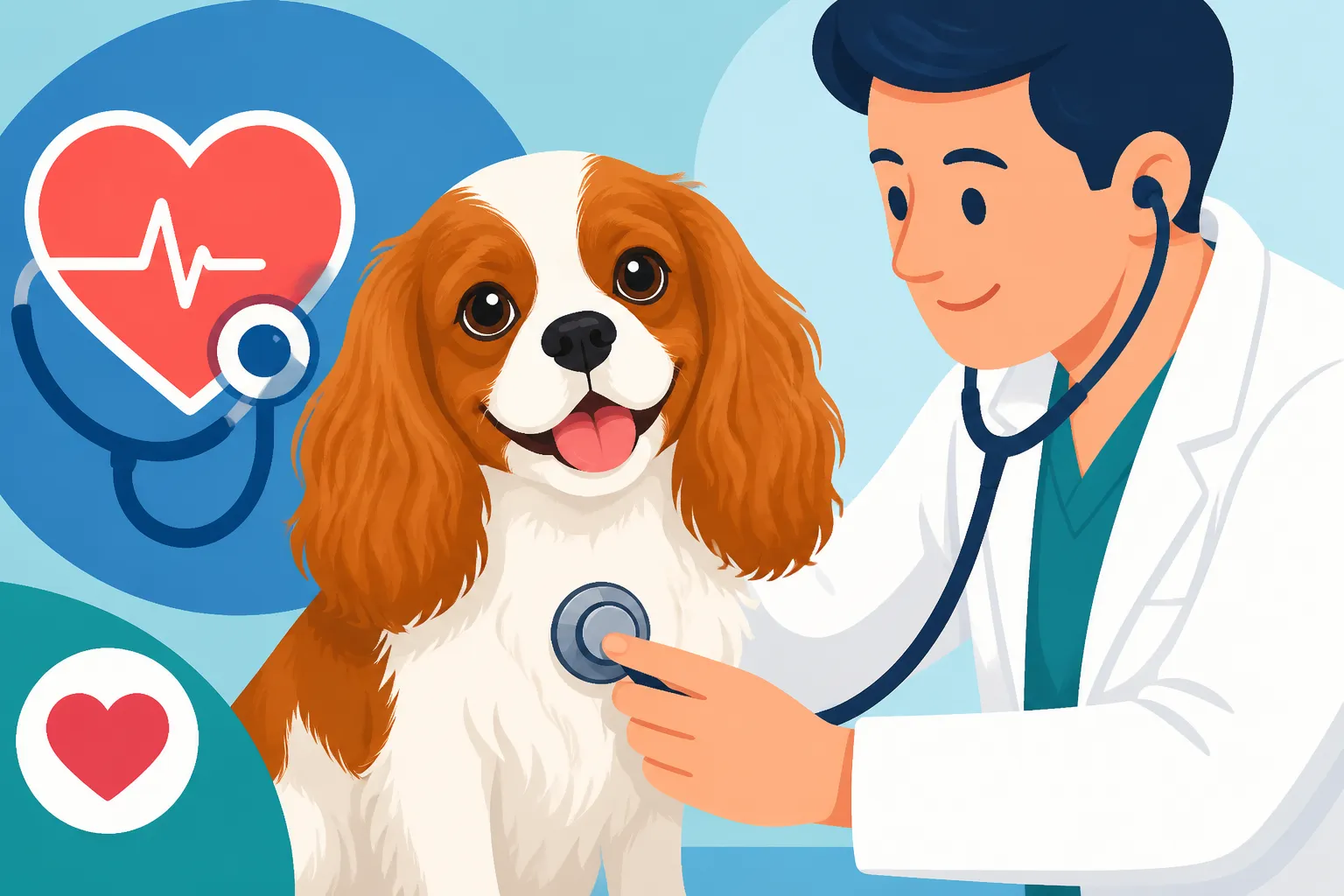
While your trusted general veterinarian is an invaluable partner in your Cavalier's overall health, when it comes to the intricate world of cardiology, a board-certified veterinary cardiologist offers a level of expertise and specialized equipment that goes far beyond what a general practice can provide. Your regular vet is adept at performing an initial auscultation, which is listening to the heart with a stethoscope, and can certainly detect a murmur. However, detecting a murmur is just the first step. The real diagnostic power lies in determining the cause of the murmur, its severity, and the extent of heart remodeling that has occurred.
A cardiologist has dedicated years to understanding the subtleties of canine heart conditions, including the specific genetic predispositions and progression patterns unique to breeds like Cavaliers. They possess specialized diagnostic tools like echocardiography (heart ultrasound) and advanced knowledge of cardiac medications and management protocols. Your general vet might hear a grade 2 murmur and suggest watchful waiting, but a cardiologist can perform an echo to definitively stage the disease, measure heart chamber sizes, assess valve function, and quantify blood flow abnormalities. This detailed information allows for a much more precise prognosis and, most importantly, guides the decision on when to start medication, which can significantly impact your Cavalier's quality of life and longevity. They can tell you exactly What a Heart Murmur Grade Means in a Cavalier with far greater accuracy.
What Happens During a Cavalier Cardiologist Exam
The thought of taking your beloved Cavalier to a specialist can feel daunting, but a cardiologist exam is typically a calm, non-invasive process focused on gathering as much information as possible about your dog's heart health. It’s designed to be thorough yet minimally stressful, allowing the specialist to get an accurate picture of what’s happening internally. Knowing what to expect can help ease your own anxieties and ensure you’re prepared to provide the best information to the veterinary team.
The Initial Consultation and History Taking
Every cardiologist exam begins with a comprehensive consultation where the specialist will take a detailed history of your Cavalier. This isn't just a quick chat; it's an in-depth conversation covering everything from your dog's daily routine, appetite, and energy levels to any subtle changes you might have observed. Have they been coughing more, especially at night or when excited? Do they tire more easily on walks or struggle with stairs? Are their breathing patterns normal when resting or sleeping? You might be asked to count your dog's resting respiratory rate at home, as an elevated rate can be an early indicator of fluid accumulation in the lungs.
The cardiologist will also review all previous veterinary records, including any notes from your regular vet regarding murmurs, changes in weight, or other health concerns. Be prepared to discuss your Cavalier's diet, medication history, and any supplements they receive. This holistic approach helps the specialist understand the full context of your dog's health and how any potential heart issues might be impacting their overall well-being. Your observations, even seemingly minor ones, can be crucial pieces of the diagnostic puzzle.
Physical Examination and Auscultation
Following the history, the cardiologist will perform a thorough physical examination. This is where their highly trained ears come into play. They will carefully auscultate (listen to) your Cavalier's heart with a high-quality stethoscope, not just once, but multiple times, listening for the presence, location, intensity, and quality of any heart murmurs. They can often determine if a murmur is indicative of MVD based on its characteristics and where it's loudest (typically over the mitral valve on the left side of the chest). The grading of a murmur, from 1 (very faint) to 6 (very loud and palpable), provides an initial indication of severity, though it doesn't directly correlate to the stage of the disease itself.
Beyond the heart, the cardiologist will also assess other vital signs. They'll check your Cavalier's pulse strength and rhythm, which can indicate how effectively the heart is pumping blood. They'll listen to lung sounds to detect any crackles or fluid accumulation that might suggest early congestive heart failure. Gum color and capillary refill time are also checked to gauge circulation. This comprehensive physical exam, combined with your detailed history, forms the groundwork for deciding which further diagnostic tests are necessary to precisely define your Cavalier's cardiac health.
Diagnostic Imaging: The Echocardiogram and X-rays
The true power of a cardiologist's diagnostic toolkit lies in advanced imaging, primarily the echocardiogram (echo) and chest X-rays. These tools provide a clear, real-time look inside your Cavalier's chest, offering information that simply cannot be gleaned from a stethoscope alone. An echocardiogram is essentially an ultrasound of the heart. It's completely non-invasive, painless, and usually performed with your Cavalier lying comfortably on their side, often without sedation. During an echo, the cardiologist uses sound waves to create moving images of the heart's chambers, valves, and surrounding structures.
This allows them to:
- Visualize the mitral valve in detail, assessing its thickness, prolapse, and the extent of the blood leakage (regurgitation).
- Measure the size of the heart chambers, especially the left atrium and ventricle, to determine if they are enlarged due to the increased workload.
- Evaluate the heart's pumping function and blood flow dynamics.
- Identify any other structural abnormalities or conditions.
An echo is the gold standard for accurately staging MVD and determining the optimal time to initiate treatment. In conjunction with the echo, chest X-rays are often taken. These provide a static image of the heart's overall size and shape within the chest cavity, and more importantly, they allow the cardiologist to assess the lungs for any signs of fluid accumulation (pulmonary edema), which is a hallmark of congestive heart failure. Together, What a Cavalier Echocardiogram Shows and Chest X-Rays in a Cavalier Heart Workup provide a complete picture of your Cavalier's cardiac status. Sometimes, a blood test called A Cavalier Heart Blood Test Called NT-proBNP is also utilized to assess the severity of heart stretch and stress.
Interpreting the Results and Next Steps
Receiving a diagnosis of heart disease in your Cavalier can be overwhelming, but understanding the results and the implications for their care is the first step toward effective management. The cardiologist will sit down with you to meticulously explain their findings, discuss the stage of your dog's disease, and outline a tailored treatment plan. This is a critical conversation, providing clarity and direction for your Cavalier’s future health.
Understanding Your Cavalier's Heart Disease Stage
The American College of Veterinary Internal Medicine (ACVIM) developed a widely accepted staging system for MVD, which helps guide treatment decisions. Your cardiologist will use this system to classify your Cavalier's condition:
| Stage | Description | Cardiologist Findings | Treatment Implications |
|---|---|---|---|
| A | At high risk for heart disease (e.g., all Cavaliers), but currently no structural changes. | Normal heart on echo; no murmur. | Regular monitoring, preventative care. |
| B1 | Has structural heart disease (MVD murmur), but no evidence of heart enlargement. | Murmur present; echo shows valve changes but no significant chamber dilation. | No medication yet; annual cardiologist re-checks. |
| B2 | Has structural heart disease (MVD murmur) with significant heart enlargement, but no clinical signs. | Murmur present; echo shows significant chamber dilation; no lung fluid. | Medication often recommended to delay heart failure. |
| C | Has or has had clinical signs of heart failure (e.g., coughing, breathing difficulty). | Murmur present; echo shows heart enlargement; X-rays show lung fluid. | Aggressive medication to manage heart failure symptoms. |
| D | End-stage heart failure; refractory to standard treatments. | Severe heart enlargement and fluid; poor response to multiple medications. | Advanced therapies, hospice care, focus on comfort. |
Knowing your Cavalier's stage is crucial because it dictates the course of action. For instance, a dog in Stage B1 typically doesn't need medication, but regular follow-ups are essential to catch progression. A Cavalier in Stage B2, however, often benefits greatly from starting medication like Pimobendan to delay the onset of congestive heart failure. The detailed measurements taken during the echocardiogram, particularly of the left atrium and ventricle, are used to precisely determine if your dog has progressed from B1 to B2. This proactive approach, based on specific measurements rather than just visible symptoms, is vital for long-term management. Learning How Cavalier Heart Disease Progresses Stage by Stage can help you understand this journey.
When and How Treatment Begins
The decision to start heart medication is a significant one and is always made in close consultation with your cardiologist, based on the ACVIM staging and your Cavalier's individual health profile. For Cavaliers diagnosed with Stage B2 MVD, treatment often begins with medications like Pimobendan. This drug works by both improving the heart's contractility and dilating blood vessels, making it easier for the heart to pump blood. Starting Pimobendan when a Cavalier is in B2 and asymptomatic has been shown to significantly delay the onset of clinical signs of congestive heart failure and extend lifespan. This proactive approach is a game-changer for many Cavaliers, often giving them more years of good quality life before symptoms arise.
Once a Cavalier progresses to Stage C, meaning they are experiencing clinical signs of heart failure such as coughing, exercise intolerance, or difficulty breathing, a combination of medications is typically prescribed. This often includes diuretics (like Furosemide) to remove excess fluid from the lungs and body, an ACE inhibitor (like Enalapril or Benazepril) to relax blood vessels and reduce the heart's workload, and often Pimobendan. The goal at this stage is to manage symptoms, improve comfort, and stabilize the patient. Your cardiologist will carefully titrate these medications to find the optimal dose for your Cavalier, adjusting as needed based on their response and regular re-evaluations. Understanding Medication for a Cavalier With Heart Disease in detail, including Pimobendan for a Cavalier With an Enlarged Heart, will empower you as an owner. It’s also important to know Starting Heart Medication Before a Cavalier Coughs as early intervention can make a huge difference. While navigating these medical decisions and costs can be challenging, having pet insurance from a reputable provider like Healthy Paws can significantly ease the financial burden associated with these ongoing treatments.
Planning for Ongoing Care and Future Exams
A diagnosis of MVD is not a one-and-done situation; it's a journey that requires ongoing commitment and consistent monitoring. Just like any chronic health condition in humans, managing a Cavalier's heart disease involves a partnership between you, your general vet, and your cardiologist. Proactive planning for follow-up appointments and understanding the financial aspects are key to providing your beloved companion with the best possible care throughout their life.
The Frequency of Follow-Up Exams
The frequency of follow-up cardiologist exams will depend entirely on your Cavalier's MVD stage and how they are responding to any prescribed medications. For a Cavalier in Stage B1, annual re-checks are generally recommended to monitor for progression to Stage B2. This allows the cardiologist to catch significant heart enlargement early and initiate medication before clinical signs appear. Once a Cavalier is in Stage B2 and on medication, or in Stage C with active heart failure, follow-up exams typically become more frequent, often every 3 to 6 months.
These follow-up appointments are crucial. During these visits, the cardiologist will perform another physical exam, listen to the heart and lungs, and often repeat an echocardiogram and chest X-rays. This helps them assess the effectiveness of the current treatment regimen, make any necessary adjustments to medication dosages, and monitor for further progression of the disease. Sticking rigidly to this schedule is paramount, as subtle changes can happen quickly, and early intervention can prevent a crisis. These routine checks are vital for ensuring your Cavalier remains as comfortable and healthy as possible for as long as possible.
Managing Costs and Supporting Your Cavalier's Heart Health
Let's be realistic: managing a Cavalier with heart disease can become a significant financial undertaking. Between specialist consultation fees, diagnostic tests like echocardiograms and X-rays, and the ongoing cost of multiple daily medications, the bills can add up quickly. It's a harsh reality that many owners face, and it's why thinking proactively about financial preparation is so important. Knowing What Cavalier Heart Disease Costs to Treat can prepare you. This is where pet insurance, such as plans offered by Healthy Paws, can be an absolute lifesaver. However, it's critical to enroll your Cavalier in a pet insurance policy before any murmur or cardiac symptoms are detected, as heart disease will almost certainly be considered a pre-existing condition if diagnosed prior to coverage.
Beyond insurance, there are other ways to support your Cavalier's heart health. Maintaining an ideal body weight is paramount; obesity puts extra strain on an already compromised heart. Work with your vet to ensure your Cavalier is on a balanced, appropriate diet, and discuss low-sodium options, especially as the disease progresses. While dietary changes alone won't cure MVD, they can play a supportive role. Gentle, regular exercise is generally encouraged for asymptomatic Cavaliers, but always follow your cardiologist's advice regarding activity levels. Every step you take to support their overall health contributes to their heart's well-being. Thinking ahead about Insuring a Cavalier Before the Murmur Arrives and understanding Why a Cavalier Murmur Becomes Pre-Existing are essential conversations to have.
The Breeder's Role and Early Screening
For prospective Cavalier owners, understanding the breed's heart health challenges extends beyond just managing a current pet; it goes right back to the source: responsible breeding. The efforts of ethical breeders are the first line of defense against the widespread impact of MVD. Their commitment to health testing and following established protocols is crucial in slowly working towards a healthier future for the breed, reducing the likelihood of early-onset, severe disease in puppies.
Why Reputable Breeders Prioritize Heart Health
Reputable Cavalier breeders are deeply invested in the health of their lines and understand the critical role genetics play in MVD. They adhere to stringent health testing protocols, which include regular, often annual, examinations by a board-certified veterinary cardiologist for all breeding stock. For Cavaliers, the "MVD Breeding Protocol" recommends that dogs not be bred until they are at least 2.5 years old, and ideally, only after they have reached 5 years of age and remained free of a heart murmur detectable by a cardiologist. This protocol is designed to minimize the risk of passing on the genes for early-onset MVD.
A breeder committed to this standard isn't just listening for a murmur with a stethoscope; they are obtaining official cardiologist clearances, which often involve echocardiograms, to ensure the structural integrity of their breeding dogs' hearts. They will be transparent about these clearances, providing documentation for both parents of a litter. This dedication reflects a long-term vision for the breed's health, aiming to produce puppies with the best possible genetic predisposition for a long, healthy life. Choosing a puppy from such a breeder significantly increases your chances of getting a Cavalier who will develop MVD later in life, if at all. Understanding The Cavalier MVD Breeding Protocol is a critical part of due diligence for any prospective owner. This also explains Why a Cavalier Should Not Be Bred Before Five.
What to Look for in a Puppy's Health Clearances
When you're looking for a Cavalier puppy, it's absolutely vital to ask for and carefully examine the health clearances of both parents, not just a verbal assurance. A reputable breeder will provide documentation of current heart exams by a board-certified veterinary cardiologist, showing that the parents were cleared of murmurs at the appropriate ages, ideally following the MVD breeding protocol. This documentation should be official, verifiable paperwork, not just a note from a general vet or a breeder's word. A general veterinarian's stethoscope screening is a good starting point, but it's not a substitute for a cardiologist's full evaluation, which often includes an echocardiogram.
Beware of breeders who claim their dogs are "healthy" but don't offer specific, verifiable cardiac clearances from a specialist. The presence of a murmur can be subtle, and a cardiologist's trained ear and advanced equipment are far more reliable. This diligence on your part, in reviewing Reading a Cavalier Puppy's Health Certificates, can save you immense heartache and significant financial strain down the road. It empowers you to make an informed decision and support ethical breeding practices that prioritize the health and longevity of these wonderful dogs.
Disclaimer
The information provided in this article is for general educational purposes only and is not intended to be a substitute for professional veterinary advice, diagnosis, or treatment. Always seek the advice of your veterinarian or other qualified animal health provider with any questions you may have regarding a medical condition. Never disregard professional veterinary advice or delay in seeking it because of something you have read in this article.