Pain Management for a Senior Cavalier
It's incredibly tough watching our beloved Cavaliers slow down as they age, especially when you suspect they might be hurting but can't quite pinpoint why. Many of us grapple with that terrible feeling of helplessness as our once-bouncy companions start to struggle with everyday movements or seem less joyful. This guide will walk you through how to recognize the subtle signs of pain in your senior Cavalier, explore the common culprits behind their discomfort, and detail the various effective strategies for managing their pain to ensure their golden years are as comfortable and happy as possible.
Recognizing Pain in Your Senior Cavalier
Cavaliers are famously stoic, often hiding their pain until it becomes severe. This makes it incredibly important for us, as their caretakers, to become keen observers of even the most subtle changes in their behavior and physical presentation. They can't tell us directly where it hurts, so we have to learn their language of discomfort.
Subtle Behavioral Changes to Watch For
Sometimes, the earliest signs of pain aren't a limp or a yelp, but rather a shift in personality or routine. Your Cavalier might become a little more withdrawn, perhaps sleeping more than usual or choosing to nap in secluded spots rather than right by your feet. You might notice a decreased enthusiasm for activities they once loved, like chasing a toy or greeting visitors at the door. They might seem less interested in food, or conversely, start eating more or less rapidly, perhaps chewing gingerly if their mouth hurts. A senior Cavalier might also start to avoid certain interactions, like being picked up, or they might become a bit grumpy or even snap when touched in a particular spot. These are all significant clues that something is amiss and shouldn't be dismissed as "just old age." Consider if your Cavalier is showing any of the behaviors discussed in Behavior Changes That Mean a Cavalier Hurts.
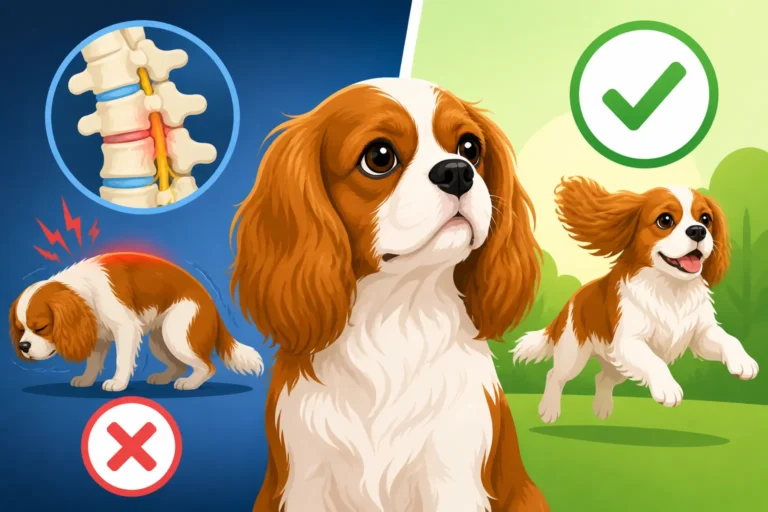
Another common subtle sign is a change in their sleeping position or patterns. A dog with neck or back pain, often associated with conditions like Syringomyelia, might try to sleep with their head elevated or find it hard to settle into a comfortable position. They might also shift frequently throughout the night. You may even notice them exhibiting what's often called "air scratching," where they scratch at their shoulder or neck area without actually making contact with their skin – a classic sign of neurological discomfort. These aren't just quirks; they are often direct indicators that their body is no longer comfortable in positions it once was.
Physical Signs That Indicate Discomfort
Beyond behavioral shifts, there are definite physical indicators of pain. Stiffness, especially after resting or first waking up, is a huge red flag. You might see them struggle to stand up from a lying position, taking a moment to "unfurl" themselves. Watch how they navigate stairs; a senior Cavalier in pain might hesitate or refuse to use them entirely, which could point to issues like A Cavalier That Refuses Stairs or hip and knee problems. Limping, favoring a limb, or a subtle head bob when walking are more obvious signs of musculoskeletal pain.
Look closely at their posture. Is their back arched, or are they holding their head lower than usual? Are they panting excessively when not hot or exercising, or are their eyes dilated? These can all be physiological responses to pain. Even something as simple as tremors or muscle fasciculations (twitching) can indicate nerve pain or general discomfort. When you're petting them, pay attention to any flinching, tensing, or vocalizations (like a low growl or yelp) when you touch a particular area. This could be a direct indication that they are experiencing pain in that specific spot.
Here’s a quick reference table for identifying potential pain indicators:
| Behavioral Sign | Physical Sign | Potential Pain Cause |
|---|---|---|
| Reduced activity/play | Stiffness, difficulty rising | Arthritis, joint pain, muscle soreness |
| Reluctance to jump/use stairs | Limping, favoring a limb | Arthritis, luxating patella, hip dysplasia |
| Changes in appetite | Chewing gingerly, drooling | Dental disease, oral pain |
| Hiding/seeking solitude | Arched back, lowered head posture | Back pain, abdominal discomfort, generalized pain |
| Restlessness, difficulty settling | Excessive panting (non-heat/exercise) | Chronic pain, anxiety secondary to pain |
| Aggression when touched | Muscle tension, flinching | Localized pain (e.g., neck, joint, back) |
| Air scratching | Head tilt, ear sensitivity | Syringomyelia, ear infection, neck pain |
| Increased vocalization (whining) | Trembling, shivering | Generalized discomfort, nerve pain |
Common Pain Conditions in Aging Cavaliers
Our Cavaliers, bless their cotton socks, are predisposed to a handful of conditions that often manifest as chronic pain as they enter their senior years. Understanding these common ailments is the first step in effective pain management. It's not just about treating the symptoms, but getting to the root cause.
Arthritis and Joint Pain
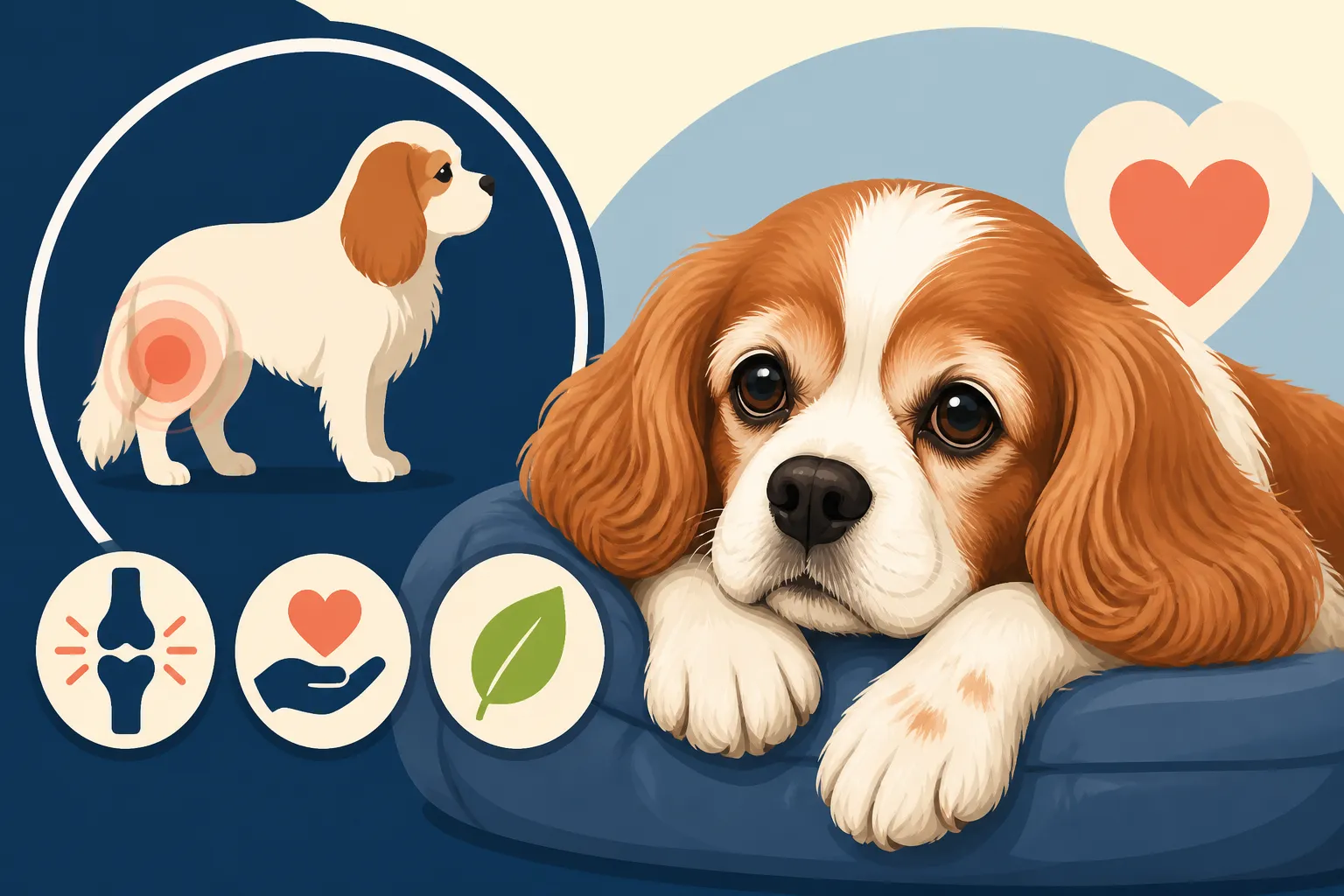
Arthritis, or osteoarthritis, is an unfortunate but very common companion for senior dogs, including our Cavaliers. Over years of use, the cartilage cushioning their joints begins to wear down, leading to bone-on-bone friction, inflammation, and pain. This can affect any joint but is most frequently seen in the hips, elbows, knees (patellar luxation), and spine. You might notice your Cavalier struggling more with steps, reluctant to jump onto the sofa, or taking longer to get up after a nap. This is exactly why checking for Cavalier Knees, Hips and Joint Problems becomes crucial as they age.
The inflammation and constant dull ache can make them irritable and unwilling to move, further exacerbating muscle loss and stiffness. This creates a vicious cycle where less movement leads to weaker muscles, which in turn puts more stress on the joints. Early arthritis in a Cavalier's elbows can make lying down uncomfortable, as can hip dysplasia from their younger years catching up with them. The pain isn't always sharp; sometimes it's a persistent, nagging discomfort that slowly erodes their quality of life. Regular veterinary check-ups can help identify these issues early, allowing for interventions that can significantly improve their comfort.
Neurological Pain from Syringomyelia and Other Issues
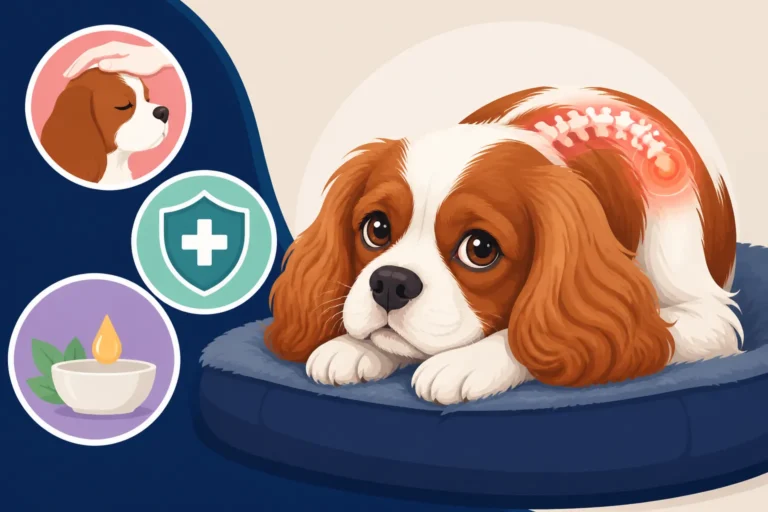
Perhaps one of the most heartbreaking and challenging pain conditions in Cavaliers is Syringomyelia (SM), a neurological disorder where a malformation of the skull (Chiari-like malformation) means the brain is too large for the skull, crowding the cerebellum. This often obstructs the flow of cerebrospinal fluid, leading to fluid-filled cavities (syrinxes) within the spinal cord, most commonly in the neck region. This can cause agonizing pain, manifesting as extreme sensitivity around the head, neck, and shoulders, phantom scratching (air scratching), and a reluctance to be touched or wear a collar. You can learn more about this complex condition in Syringomyelia and Chiari Malformation in Cavaliers.
The pain from SM can range from mild discomfort to severe, debilitating pain that impacts their ability to walk, eat, and sleep. It's not just the syrinxes themselves; the pressure on the brain and spinal cord can cause widespread nerve pain. Sometimes, a Cavalier that yelps when picked up might be experiencing pain from SM. Even if the signs are subtle, like a change in head carriage or sleep posture, it’s worth considering. Other neurological issues, such as intervertebral disc disease (IVDD) or nerve impingement from spinal arthritis, can also cause significant pain, manifesting as weakness, stumbling, or even paralysis in severe cases. Managing this kind of pain often requires a very specific approach, detailed further in Pain Relief for a Cavalier With Syringomyelia.
Dental Pain and Its Systemic Impact
Dental disease is often overlooked as a source of chronic pain, but it can be incredibly painful and widespread in its effects. Cavaliers are predisposed to dental issues due to their often crowded jaws and propensity for plaque and tartar buildup. Over time, this leads to gingivitis, periodontal disease, and potentially abscesses or loose teeth. Imagine living with a constant toothache! This can make eating dry kibble or even soft treats excruciating, leading to changes in appetite or a preference for softer foods. Cavalier Dental Disease in a Crowded Jaw is a very real problem for many older Cavaliers.
Beyond the immediate pain in their mouth, dental disease has systemic implications. The bacteria from infected gums can enter the bloodstream and travel to vital organs, including the heart, kidneys, and liver, exacerbating other health problems. For an older Cavalier, especially one already dealing with a heart murmur, this can be particularly concerning. Regular dental care, including professional cleanings under anesthesia, is not just about fresh breath; it's a critical component of pain management and overall health for senior Cavaliers. When a senior Cavalier needs Extractions in an Older Cavalier, the relief they experience can be profound, improving their appetite and overall demeanor.
Approaches to Managing Pain in Senior Cavaliers
Once pain is identified and its source pinpointed, a multi-modal approach is often the most effective strategy for managing pain in senior Cavaliers. This means combining different therapies to tackle pain from various angles, ensuring maximum comfort with minimal side effects.
Veterinary Medical Interventions
The first line of defense against chronic pain often involves pharmaceuticals prescribed by your veterinarian. Non-Steroidal Anti-Inflammatory Drugs (NSAIDs) are commonly used for arthritis and musculoskeletal pain, helping to reduce inflammation and consequently, pain. Brands like Rimadyl, Galliprant, and Deramaxx are frequently prescribed. However, NSAIDs require careful monitoring due to potential side effects on the liver, kidneys, and gastrointestinal tract, especially in older dogs who might have other underlying health conditions. Regular blood work is essential to ensure their safety.
For neurological pain, such as that caused by Syringomyelia, medications like Gabapentin for a Cavalier With Neck Pain or Amantadine are often prescribed. These work on different pain pathways, targeting nerve pain more directly. Sometimes, corticosteroids might be used for short periods to reduce severe inflammation, but their long-term use is typically avoided due to significant side effects. Additionally, many veterinarians might consider a course of anti-depressants or anti-anxiety medications if chronic pain has led to severe anxiety or behavioral issues. The key is working closely with your vet to find the right balance of medications that effectively manage pain while prioritizing your Cavalier's overall health and well-being.
Complementary Therapies and Home Modifications
Beyond traditional medication, there's a wealth of complementary therapies that can greatly enhance your senior Cavalier's comfort. Physical therapy and rehabilitation, often involving underwater treadmills, therapeutic exercises, and massage, can help strengthen supporting muscles, improve joint mobility, and reduce pain. Acupuncture, laser therapy, and chiropractic adjustments are also gaining recognition for their effectiveness in managing chronic pain in dogs. These therapies can be particularly beneficial for Cavaliers who may not tolerate higher doses of medication or who have specific areas of discomfort.
Making thoughtful modifications to your home environment can also dramatically reduce pain and improve your Cavalier's mobility. Consider ramps or pet stairs to help them access furniture or navigate steps, rather than forcing them to jump and strain painful joints. Non-slip rugs on hard floors can prevent slips and falls, which can be both painful and dangerous for an older dog. Providing an orthopedic bed offers superior support for aching joints and can help alleviate pressure points. Even simple changes like using a harness instead of collars for a Cavalier, especially if they have neck pain from SM, can make a huge difference in their daily comfort. Small adjustments can truly transform their quality of life.
Nutritional Support and Weight Management
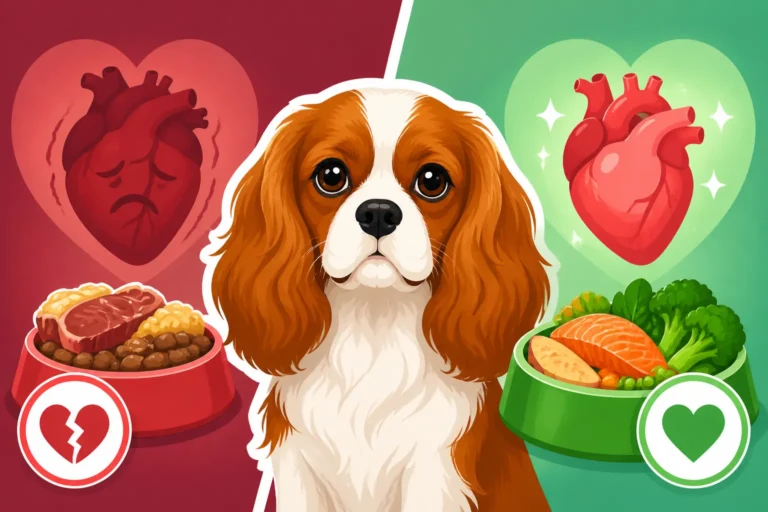
Diet plays a crucial role in managing pain, particularly for conditions like arthritis. Many senior dog foods are formulated with joint-supporting ingredients like glucosamine and chondroitin, as well as omega-3 fatty acids, which have anti-inflammatory properties. These supplements can also be added separately to their diet. Consulting with your vet or a veterinary nutritionist can help you choose the best diet for your Cavalier's specific needs, especially if they have concurrent conditions like heart disease which might require a low-sodium diet.
Perhaps even more critical than specific supplements is maintaining a healthy weight. Excess weight puts significant strain on already aching joints, exacerbating arthritis and making mobility more difficult. An overweight Cavalier struggles more, and this is particularly true for those with heart disease, where extra weight makes their heart work harder, as discussed in Why an Overweight Cavalier Fails Faster. Working with your vet to establish a weight loss plan, if needed, through controlled portions and appropriate exercise, can lead to a remarkable improvement in your Cavalier's comfort and mobility. Remember, calorie needs change as dogs age and their activity levels decrease, so adjusting their food intake is essential for maintaining an ideal body condition.
When to Seek Specialized Care
While your primary veterinarian is an invaluable partner in your Cavalier's care, there are times when seeking the expertise of a specialist can provide more advanced diagnostics and treatment options, particularly for complex or severe pain conditions.
Consulting with Specialists
For persistent or severe joint pain that doesn't respond adequately to initial treatments, a referral to a veterinary orthopedic specialist or a rehabilitation veterinarian might be in order. They can offer advanced imaging like MRI or CT scans, perform specialized joint injections, or discuss surgical options if appropriate. Similarly, if you suspect neurological pain, especially from conditions like Syringomyelia, a veterinary neurologist is the specialist to see. They have the expertise to interpret MRI scans, accurately diagnose the extent of neurological damage, and prescribe the most effective medications or recommend surgery if it’s a viable option.
Don't hesitate to ask your primary vet about referrals. These specialists often have access to treatments and diagnostic tools that aren't available in a general practice, and their focused expertise can make a significant difference in pinpointing the exact cause of pain and developing a highly targeted management plan. While specialist visits can be more costly, many owners find relief in pet insurance, with providers like Healthy Paws offering plans that can help cover these unexpected specialist costs, especially if enrolled before conditions become pre-existing. It’s a worthwhile investment in your senior Cavalier's comfort and longevity.
Proactive Pain Planning
Thinking ahead is one of the kindest things we can do for our aging Cavaliers. This involves not just reacting to pain as it arises, but proactively planning for their senior years, especially considering that Caring for a Cavalier Past Nine often comes with increased health needs. Discuss with your veterinarian what changes in health and behavior to anticipate as your Cavalier gets older, and establish a baseline early on. Regular check-ups, even if your dog seems perfectly fine, are critical.
Consider investing in pet insurance from a reputable provider like Healthy Paws when your Cavalier is still young, before any conditions like arthritis or heart murmurs become pre-existing. This foresight can literally save you thousands of dollars in specialist visits, diagnostics, and long-term medication, ensuring you can afford the best possible care without financial strain when your Cavalier truly needs it most. Having a plan in place, understanding what What Changes in a Cavalier After Eight usually entails, and having the resources to address potential issues means you can focus on providing love and comfort rather than worrying about the bills. This proactive approach ensures that when pain does inevitably arise, you're prepared to address it swiftly and effectively, maintaining your beloved Cavalier's quality of life for as long as possible.
Disclaimer
The information provided in this article is for general informational purposes only and is not a substitute for professional veterinary advice. Always consult with a qualified veterinarian regarding any medical condition or treatment for your Cavalier King Charles Spaniel.