The Episodic Falling DNA Test for Cavaliers
It can be absolutely terrifying to watch your sweet Cavalier suddenly stiffen, collapse, or appear to "cramp up" without losing consciousness. These episodes can be frightening, making you feel helpless and desperate for answers. This guide will walk you through understanding Episodic Falling Syndrome, what causes it, and most importantly, why the Episodic Falling DNA test is a vital tool for every Cavalier owner, helping you get to the bottom of these perplexing events and manage your beloved companion's health.
Understanding Episodic Falling Syndrome in Cavaliers
Episodic Falling Syndrome, often abbreviated as EFS, is one of those conditions that can send shivers down a Cavalier owner's spine. It's a neurological disorder unique to our Cavaliers, and it manifests in ways that can easily be mistaken for other, equally serious issues. But unlike a seizure, where a dog typically loses awareness, EFS episodes mean your Cavalier is still very much "present" even as their body is acting completely out of their control. It's a profoundly distressing experience for both dog and owner.
What Episodic Falling Looks Like
Imagine your lively Cavalier, full of joy and enthusiasm, playing fetch in the yard or greeting you with excited wiggles at the door. Suddenly, without warning, their muscles start to stiffen. Their legs might become rigid, their back arched, and they could even fall over. It's not a seizure in the traditional sense; they don't usually thrash or lose consciousness. Instead, it's more like a sustained muscle spasm or cramping that can last anywhere from a few seconds to several minutes. They might stumble, struggle to stand, or even collapse entirely, yet their eyes are often wide, aware, and sometimes filled with confusion or fear. They know what's happening but can't stop it.
The hallmark of EFS is that these episodes are often triggered by excitement, exercise, stress, or even intense emotion. A brisk walk, a boisterous play session with another dog, or the sheer joy of your arrival home can all set off an episode. Afterward, your Cavalier might appear completely normal, albeit a little tired or shaken. This "intermittent" nature makes it particularly frustrating to diagnose, as many owners describe it as their dog suddenly becoming "paralyzed" or "frozen" in action. Understanding the nuanced differences is key, especially when trying to discern it from other neurological events. For a deeper dive, you might find our article on Telling Episodic Falling From a Cavalier Seizure particularly helpful.
The Genetic Root of the Problem
Episodic Falling Syndrome isn't just a random occurrence; it has a clear genetic basis. It's caused by a mutation in a single gene, known as BCAN (brevican), which is crucial for brain development and function. Specifically, it's an autosomal recessive condition, which means a Cavalier must inherit two copies of the defective gene – one from each parent – to actually develop the syndrome. If they inherit only one copy, they won't show symptoms themselves, but they will be a "carrier" of the gene, meaning they can pass it on to their offspring. This is why responsible breeding practices are so incredibly vital in managing and eventually eradicating such conditions within the breed.
The reason it's so prevalent in Cavalier King Charles Spaniels is due to the breed's history and the unfortunate consequence of breeding from a limited gene pool. While specific numbers vary, it's estimated that a significant portion of the Cavalier population could be carriers or affected without proper testing. This genetic predisposition means that without intervention, the condition continues to be passed down through generations, impacting more and more Cavaliers. Knowing the genetic underpinnings helps us appreciate why testing is not just a diagnostic tool but a powerful weapon in the fight for healthier Cavaliers.
Why the DNA Test Is So Crucial for Cavalier Owners
When your Cavalier experiences an episode of falling or stiffening, your mind immediately jumps to the worst-case scenarios. Is it a heart problem? A brain issue? The anxiety is immense. That's where the Episodic Falling DNA test steps in, offering a clear path to understanding and providing invaluable information for both immediate care and future breeding decisions. It removes a layer of fear and uncertainty, allowing for more targeted and effective management.
Confirming a Diagnosis and Ruling Out Other Issues
One of the greatest benefits of the EFS DNA test is its ability to provide a definitive diagnosis. When your vet sees an episode, or you describe one, there's a long list of possibilities they might consider: seizures, heart problems like Mitral Valve Disease, inner ear issues, or even pain from conditions like Syringomyelia. Running a DNA test specifically for EFS can quickly confirm or rule out this particular genetic condition. This precision saves you from unnecessary and often costly diagnostic tests for other conditions, such as extensive cardiac workups, if EFS is the culprit.
For example, a Cavalier puppy might start showing signs of EFS as early as a few months old, though it can appear later. If you notice your young Cavalier stiffening after play, getting a DNA test can immediately tell you if EFS is the cause. This is critical because the management strategies for EFS are different from those for heart conditions or seizures. Knowing precisely what you're dealing with brings immense peace of mind. It allows you to focus on managing EFS symptoms, rather than chasing a diagnosis for something else entirely. If you're observing these symptoms, you might also want to read about The Age Episodic Falling Appears in a Cavalier to understand typical onset.
Informing Breeding Decisions and Preventing Future Cases
Beyond individual pet care, the EFS DNA test is an indispensable tool for responsible breeders. Because EFS is an autosomal recessive condition, even a Cavalier that carries one copy of the gene (a "carrier") will appear completely healthy. Without DNA testing, a breeder could unwittingly mate two carriers, resulting in 25% of their puppies being affected by EFS, 50% being carriers, and only 25% being clear. This is why a simple buccal swab can prevent a lifetime of struggle for future generations.
Breeders who are committed to the health of the Cavalier breed will routinely test their breeding stock for EFS. By only breeding "clear" dogs, or by carefully mating a "carrier" with a "clear" dog (which will only produce carriers and clear offspring, but never affected), they can ensure no affected puppies are born. This proactive approach is vital for the long-term health of the entire breed. It's a testament to how science can directly improve animal welfare. For more information on this, check out How Many Cavaliers Carry the Falling Gene and Whether Two Cavalier Carriers Should Be Bred. Responsible breeders understand that every choice they make impacts the genetic legacy of the breed.
How the Episodic Falling DNA Test Works
Getting a DNA test for your Cavalier might sound intimidating, but it's actually one of the simplest and least invasive diagnostic tools available. The process is straightforward, whether you're testing a puppy, an adult dog, or breeding stock. It's designed to be stress-free for your Cavalier and provides clear, actionable results.
The Simple Collection Process
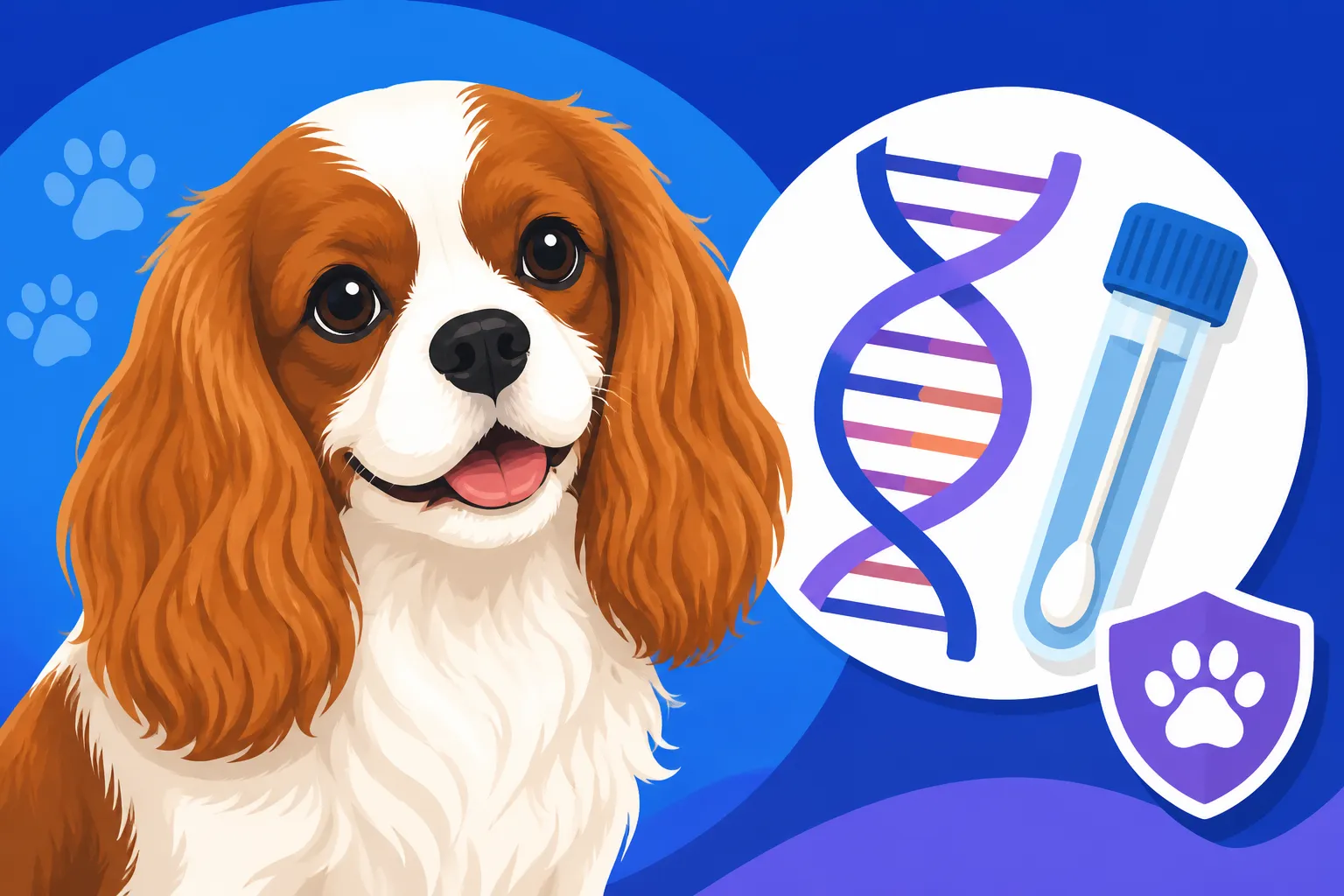
The beauty of DNA testing for EFS lies in its simplicity. Typically, the sample is collected using a buccal swab, which is essentially a fancy name for a sterile cotton swab. You or your veterinarian will gently rub the swab against the inside of your Cavalier's cheek for about 10-20 seconds. The goal is to collect cells from the inner cheek lining, which contain your dog's DNA. It's completely painless and can often be done right in your own home with a kit sent directly from the testing lab. Some owners find it easiest to do this when their dog is relaxed, perhaps even a bit sleepy, to ensure a good sample. It's much less invasive than a blood draw and causes no discomfort at all.
After collection, the swab is usually air-dried and then placed into a sterile envelope or tube provided by the lab. You then mail it back to the designated laboratory. The whole process, from receiving the kit to sending the sample, usually takes less than an hour of your time. This ease of collection means there's really no barrier to getting your Cavalier tested, making it an accessible and invaluable tool for proactive health management.
Interpreting the Test Results
Once the lab processes your Cavalier's DNA, you'll receive a report detailing their genetic status for EFS. The results will typically fall into one of three categories:
- Clear: This means your Cavalier has two normal copies of the BCAN gene and cannot develop Episodic Falling Syndrome. They also cannot pass the gene on to their offspring. This is the ideal result for any Cavalier.
- Carrier: Your Cavalier has one normal copy and one mutated copy of the BCAN gene. They will not develop EFS themselves, but they can pass the mutated gene on to approximately 50% of their offspring. While carriers don't show symptoms, they are still a crucial part of understanding the genetic landscape of the breed and making informed breeding decisions. It's important for owners of carriers to know this information, especially if their dog is intact.
- Affected: This means your Cavalier has two mutated copies of the BCAN gene, one from each parent. They will develop, or already show signs of, Episodic Falling Syndrome. This result confirms the diagnosis and allows you to focus on symptom management and quality of life.
Understanding these terms is essential. A "carrier" is not "affected," and will typically live a normal, symptom-free life. However, if two carriers are bred together, there is a 25% chance per puppy of being affected.
Here’s a quick summary table for clarity:
| Result Category | Genetic Makeup | Will Develop EFS? | Can Pass Gene On? | Breeding Recommendation |
|---|---|---|---|---|
| Clear | Two normal copies | No | No | Can be bred with any partner |
| Carrier | One normal, one mutated | No | Yes (to 50% of offspring) | Should only be bred with a "Clear" partner |
| Affected | Two mutated copies | Yes | Yes (to 100% of offspring) | Should not be used for breeding |
Choosing a Reputable Testing Laboratory
The accuracy of your Cavalier's DNA test depends heavily on the laboratory you choose. It's crucial to select a reputable facility that specializes in canine genetic testing and has a strong track record of reliability. You want to ensure their methods are scientifically sound and their results are consistently accurate. Thankfully, there are several well-established labs that cater to breed-specific genetic health panels.
Some of the most commonly recognized and trusted laboratories include Embark Veterinary, Optimal Selection (MyDogDNA), and Paw Print Genetics. These labs are widely used by responsible breeders and veterinarians due to their comprehensive testing panels and stringent quality control. When reviewing options, look for labs that provide clear instructions, offer support if you have questions, and provide detailed, easy-to-understand reports. Always verify that the lab specifically tests for the BCAN gene mutation linked to Episodic Falling Syndrome in Cavaliers. You can learn more about finding reliable testing options in our guide, Which Labs Run Cavalier Genetic Tests, and how to decipher your results in Reading a Cavalier DNA Panel Result. Ensuring you get reliable results is the first step towards informed care.
Living with an Episodic Falling Cavalier
Receiving an "affected" diagnosis for Episodic Falling Syndrome can feel overwhelming. It's natural to feel worried about your dog's future and how you'll manage their condition. While there's no cure, living with an EFS Cavalier is absolutely manageable, and many dogs lead full, happy lives with the right care and attention. It's all about understanding their triggers and creating a supportive environment.
Managing Triggers and Reducing Episodes
The cornerstone of managing EFS in your Cavalier is identifying and reducing the triggers that lead to episodes. As we discussed, excitement and intense activity are common culprits. This doesn't mean your Cavalier can't enjoy life; it means adjusting their lifestyle to minimize high-stress situations. For instance, instead of a high-energy game of fetch that pushes them to their physical limits, opt for calmer, shorter play sessions. If they get overly excited when guests arrive, try a controlled greeting where they are on a leash and can be calmly rewarded for quiet behavior, rather than letting them jump and get frenzied.
Think about managing their daily routine to create predictability and reduce sudden bursts of energy or stress. A consistent feeding schedule, regular but moderate exercise, and a quiet, safe space where they can retreat can all make a big difference. For dogs prone to episodes after vigorous activity, ensuring they have adequate rest and don't get overtired is key. It's a balance of letting them be a dog while protecting them from situations that might induce an episode. Our article on Managing a Cavalier With Episodic Falling delves into more practical tips, and you can also find insight into specific triggers by reading A Cavalier That Stiffens and Falls After Excitement. It's a learning curve, but one you and your Cavalier will navigate together.
Medication and Supportive Care
Currently, there is no specific medication that directly targets the genetic cause of Episodic Falling Syndrome. However, some veterinarians might prescribe medications that help relax muscles or reduce anxiety to potentially lessen the severity or frequency of episodes. These are typically off-label uses and are decided on a case-by-case basis depending on the individual Cavalier's symptoms and triggers. Your vet may explore options like benzodiazepines or even certain anti-depressants to help manage severe anxiety or excitement that leads to episodes. The primary focus, however, remains on environmental management and trigger avoidance.
Supportive care also plays a huge role. Ensuring your Cavalier has a comfortable, safe environment where they can recover quietly after an episode is crucial. Soft bedding, easy access to water, and a calm presence from you can help. If episodes are frequent or severe, working closely with a veterinary neurologist can provide tailored advice and help you explore any emerging treatments or management strategies. Remember that managing a chronic condition can incur ongoing veterinary costs, from specialist consultations to potential medications. This is where pet insurance, like a policy from Healthy Paws, can be a lifesaver, helping to cover a significant portion of these expenses and giving you peace of mind that you can afford the best care for your Cavalier without financial strain. It allows you to focus on your Cavalier's well-being without constantly worrying about the bill.
The Broader Impact on the Cavalier Breed
The Episodic Falling DNA test isn't just about the health of one individual Cavalier; it has a profound ripple effect on the entire breed. It's a powerful tool in the hands of responsible individuals who care deeply about the future of these wonderful dogs, helping to steer the breed towards a healthier future.
Ethical Breeding and Responsible Ownership
The widespread availability and use of the EFS DNA test are fundamental to ethical breeding practices in the Cavalier King Charles Spaniel. Responsible breeders understand their role as stewards of the breed, and that means taking every possible step to ensure they are producing healthy puppies. This includes DNA testing all breeding stock for EFS, alongside other crucial genetic conditions that affect Cavaliers. When you're looking for a puppy, always ask to see the EFS clearance certificates for both parents. A reputable breeder will not only provide them willingly but will also be able to explain what the results mean.
As owners, our responsibility also extends to being informed. Choosing a puppy from health-tested parents is a critical step in reducing the prevalence of genetic diseases. If you own an intact Cavalier that is a carrier for EFS, understanding the implications of breeding them is vital. Even if a carrier Cavalier never shows symptoms, as discussed in Whether a Carrier Cavalier Ever Shows Signs, their genetic contribution could still lead to affected puppies if bred irresponsibly. By embracing genetic testing, both breeders and owners contribute to a future where EFS becomes a rare condition rather than a common concern. You can find out more about the full panel of important tests in The DNA Tests Every Cavalier Should Have.
The Future of Genetic Testing in Cavaliers
The journey to eradicating genetic diseases in Cavaliers is ongoing, and the EFS DNA test is a prime example of how scientific advancements can make a real difference. Researchers continue to identify genetic markers for other inherited conditions, offering hope for even healthier generations of Cavaliers. Conditions like Syringomyelia and Mitral Valve Disease, while more complex, are also subjects of intense research, with genetic components slowly being uncovered.
The future likely holds more comprehensive genetic panels, allowing breeders and owners to screen for an even broader range of potential health issues with a single test. This ongoing research and the commitment of the Cavalier community to utilize these tools are what will ultimately improve the breed's overall health and lifespan. It's a collective effort, demonstrating that proactive genetic health management is not just a trend but a necessity for the well-being of our beloved companions. Discussions around these advancements and challenges are often part of the broader The Health Debate Around Breeding Cavaliers, highlighting the continuous efforts to ensure our Cavaliers live longer, healthier lives.
Disclaimer
Please remember that the information provided in this article is for educational and informational purposes only, and does not constitute veterinary advice. Always consult with a qualified veterinarian or veterinary specialist for any health concerns or before making any decisions about your pet's care.