Whether a Cavalier Breeder’s Heart Clearance Is Current
When you're searching for a Cavalier King Charles Spaniel puppy, it's easy to get overwhelmed by all the health claims breeders make. The term "heart cleared" gets thrown around a lot, but what does it really mean, and how can you be sure those clearances are truly current and valid? This guide will cut through the confusion, helping you understand precisely what to look for in a Cavalier breeder's heart clearance to protect your future puppy.
Understanding What "Current" Heart Clearance Really Means for Cavaliers
One of the most heartbreaking realities of owning a Cavalier King Charles Spaniel is their overwhelming predisposition to Mitral Valve Disease (MVD). It's not a question of if your Cavalier might develop MVD, but often when and how severely. Because of this, heart clearances are arguably the most critical health test for any breeding Cavalier. But not all clearances are created equal, and understanding what makes a clearance "current" is paramount.
Why Annual Clearances Are Non-Negotiable
For Cavaliers, MVD is a progressive disease, meaning it develops and worsens over time. A dog that is perfectly healthy with no detectable heart murmur at two years old could easily develop one by the age of three, or four, or five. This isn't a fault of the dog, but simply the genetic hand that the breed has been dealt. Therefore, a heart clearance from two years ago is, quite frankly, useless for a breeding dog today. Think of it like a human having an annual physical – just because you were healthy last year doesn't mean you skip your check-up this year, especially if you have a known genetic predisposition to certain conditions.
Reputable breeders follow a strict protocol, often referred to as the MVD breeding protocol, that dictates breeding dogs should be clear of a murmur by a board-certified cardiologist at a certain age, and then annually thereafter. This is crucial because it helps to reduce the risk of passing on early-onset MVD. Without regular, yearly checks, a breeder could unknowingly breed a dog that has recently developed a murmur, significantly increasing the chances of their puppies inheriting the disease earlier in life. You can learn more about The Cavalier MVD Breeding Protocol to understand the specific recommendations for breeding pairs. The sad truth is that Why Half of Cavaliers Have a Murmur by Five isn't just a statistic; it's a profound concern for every owner.
The Gold Standard: Board-Certified Cardiologist Exams
When a breeder says their dogs are "heart cleared," your first question should always be: "By whom?" A clearance from a general practice veterinarian, while valuable for a pet's routine health, simply isn't sufficient for breeding purposes in a breed so prone to MVD. General vets are skilled, but they don't have the specialized training and equipment of a board-certified veterinary cardiologist. A cardiologist has undergone years of additional, rigorous training specifically in heart disease, making them uniquely qualified to detect even the most subtle murmurs or early signs of MVD.
The gold standard for Cavalier heart clearances is an examination by a board-certified veterinary cardiologist, typically a Diplomate of the American College of Veterinary Internal Medicine (ACVIM) in cardiology. This exam involves careful auscultation (listening to the heart with a stethoscope) and, ideally, an echocardiogram, especially if any suspicion arises. The echocardiogram provides a detailed ultrasound image of the heart's structure and function, which is far more comprehensive than a stethoscope alone. This level of scrutiny is what you should expect. When you're asking about a breeder's clearances, make sure you're asking about the specifics of What a Cavalier Cardiologist Visit Involves and the distinct difference between Stethoscope Screening Against a Cavalier Heart Scan.
Interpreting the Dates and Signatures on a Certificate
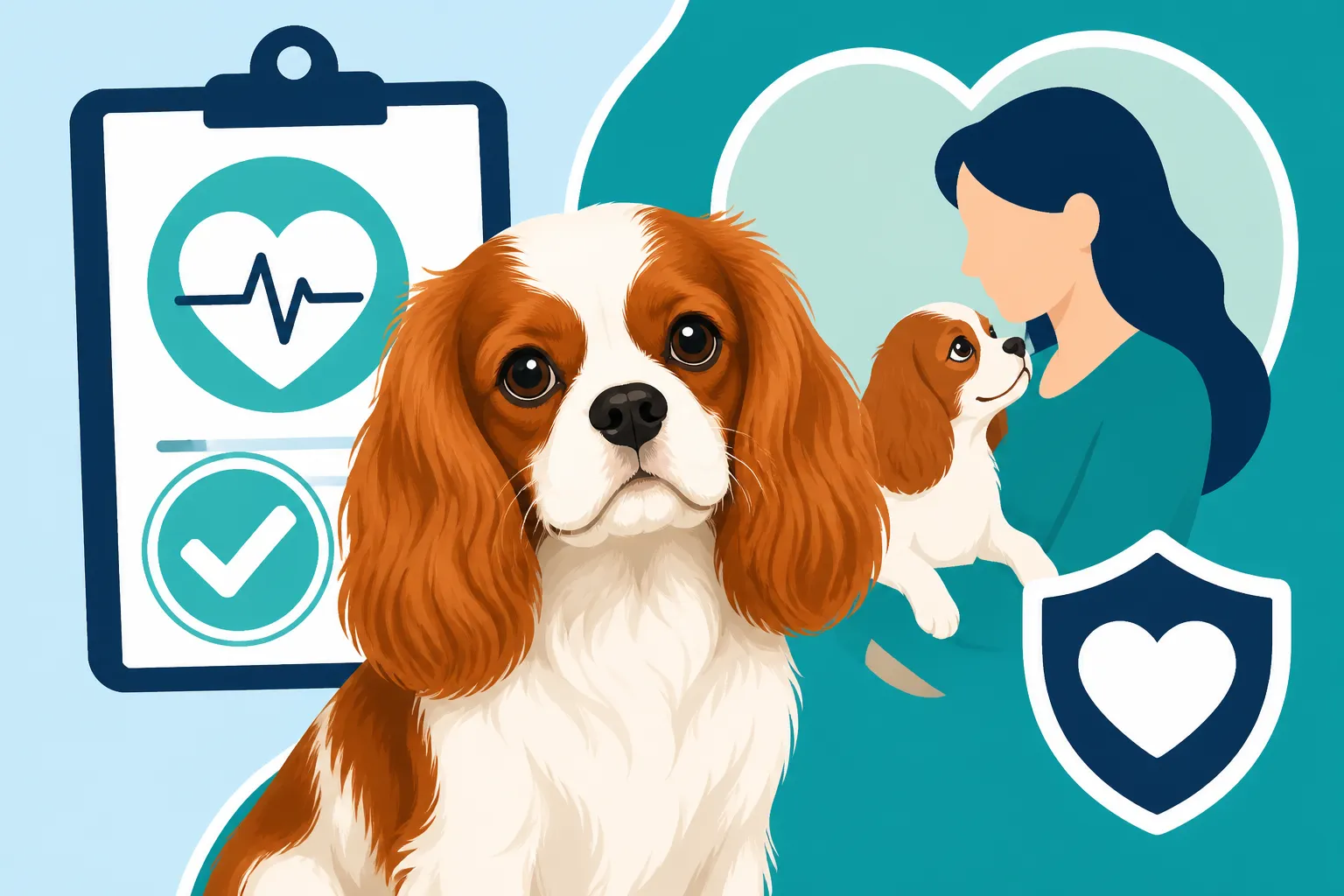
Once you've confirmed that the clearance is from a board-certified cardiologist, the next critical step is to scrutinize the document itself. A valid heart clearance certificate will clearly state the dog's full registered name, microchip or tattoo number, breed, and owner's name. Most importantly, it will include the date of the examination and the signature of the board-certified cardiologist. The general rule of thumb is that these clearances are only considered "current" for 12 months from the date of the exam. If the date on the certificate is more than 12 months old, it is not current, and you should politely request an updated one.
Don't settle for vague statements or assurances. You need to see the actual documentation. Breeders should be transparent and willing to provide copies of these certificates. If they offer a certificate signed by a general practitioner, or one that's clearly expired, it’s a significant red flag. Always look for the credentials of the signing veterinarian, often indicated by "D.A.C.V.I.M. (Cardiology)" after their name. This ensures that the professional who performed the evaluation meets the highest standards for cardiac health assessment.
Navigating the Documentation: What to Ask For and Look At
Finding a reputable Cavalier breeder who genuinely prioritizes health testing can feel like detective work. Beyond just asking "Are your dogs heart cleared?", you need to know exactly what documents to request and how to critically evaluate them. This involves understanding the specifics of MVD clearances, how to verify them through public databases, and recognizing common red flags.
Specifics of a Valid MVD Clearance
When reviewing a heart clearance, ensure it contains the following essential details:
- Dog's Full Name & Identification: The certificate should clearly list the registered name of the sire and dam (the parent dogs of your potential puppy), along with their microchip or tattoo number. This allows you to confirm you're looking at the correct dog's records.
- Date of Examination: As discussed, this is paramount. It must be within the last 12 months to be considered current.
- Examining Cardiologist's Information: The name and contact information of the board-certified cardiologist, including their ACVIM (Cardiology) designation.
- Findings: The certificate should explicitly state "no murmur detected" or "heart clear." If there are any notations about a murmur, however slight, the dog should not be bred under the MVD protocol.
- Sequential Clearances: For breeding Cavaliers, especially females who often breed later, ask to see a history of annual clearances. A breeder diligently following the protocol for The Heart Testing a Cavalier Breeder Must Do will have an unbroken chain of clear heart certificates for their breeding dogs.
A Cavalier needs to be at least 2.5 years old (and ideally 5 years old for males, according to advanced MVD protocols) before being bred, with annual clear heart checks leading up to that point. So, seeing a clearance from a one-year-old dog isn't enough; you need to see their clearances as adults. This goes hand-in-hand with Why Cavalier Breeders Wait Until Five to Breed, a crucial step in the MVD breeding protocol to ensure they are beyond the typical age of early murmur development.
Here's a quick reference table to help you discern valid heart clearances:
| Feature | Valid Heart Clearance | Questionable Heart Clearance |
|---|---|---|
| Examiner | Board-certified veterinary cardiologist (ACVIM) | General practice veterinarian, no specific credentials |
| Date of Exam | Within the last 12 months | Older than 12 months, or no date provided |
| Findings | Explicitly states "no murmur detected" or "heart clear" | Mentions a low-grade murmur, or vague "vet checked" |
| Dog ID | Registered name, microchip/tattoo matches parent dog | No clear identification, or generic kennel certificate |
| Documentation | Original certificate or high-quality, verifiable copy | Verbal assurance only, unreadable copy, altered document |
| Public Database Listing | Ideally listed on OFA's public database (not mandatory) | Not listed, or refusal to provide proof of submission |
Public Databases and Verifying Information
The Orthopedic Foundation for Animals (OFA) is a well-respected organization that maintains a public database of health clearances, including cardiac exams, for many breeds. While primarily known for hip and elbow certifications, OFA also records advanced cardiac certifications performed by ACVIM cardiologists.
To verify a heart clearance through OFA:
- Go to the OFA website (offa.org).
- Use the "Search for a Dog" tool.
- Enter the full registered name or part of the name of the sire or dam. You might also be able to search by registration number.
If a dog has an OFA heart certification, it will be listed, often with the date of the exam and the name of the cardiologist. This provides an excellent third-party verification. However, it's important to remember that not all breeders submit their clearances to OFA, even if they've had the exams done properly. If a breeder doesn't use OFA, they should still be able to provide you with the individual certificates from the cardiologist. In this case, you might politely ask if you can contact the cardiologist's office to verify the documentation, with the breeder's permission, of course. Transparency is key when you are Reading a Cavalier Puppy's Health Certificates.
Red Flags and Common Misunderstandings
There are several warning signs to watch out for when discussing heart clearances with a breeder:
- "Vet Checked" vs. "Cardiologist Cleared": This is perhaps the most common pitfall. A "vet check" is a general health exam; a "cardiologist clearance" is a specialized MVD screening. These are not interchangeable for breeding Cavaliers. If a breeder insists their "vet checked" dogs are fine, they're either misinformed or attempting to cut corners.
- Outdated Clearances: As emphasized, a clearance from anything older than 12 months is not current. Don't let a breeder tell you that because a dog was clear at two years old, it's still clear at four. MVD can develop rapidly.
- Vague Assurances: "All my dogs are healthy" or "We've never had heart problems" are not acceptable answers. You need verifiable documentation for the specific parents of your puppy.
- Focus on the Wrong Dogs: Some breeders will show you clearances for unrelated dogs in their kennel, or dogs from previous generations. While it's good to know about the overall health of their lines, your primary concern should be the immediate parents of the litter you're interested in. Their current health dictates much of your puppy's genetic predisposition.
- Reluctance or Evasiveness: If a breeder is hesitant, defensive, or simply refuses to provide documentation of current heart clearances from a board-certified cardiologist, walk away. This is non-negotiable for the Cavalier breed. You are trying to find a puppy with the best possible chance at a long, healthy life, and anything less than complete transparency regarding heart health is a major risk.
The Long-Term Impact of Diligent Heart Health Testing
Choosing a puppy from parents with meticulously documented, current heart clearances isn't just about peace of mind for you; it's a critical step in the ongoing effort to improve the health of the Cavalier King Charles Spaniel breed as a whole. Your decision has a ripple effect, supporting ethical breeding practices and potentially saving you from immense heartache and financial strain down the road.
Why Responsible Breeding Matters for Your Puppy's Future
When a breeder diligently follows the MVD breeding protocol, waiting until their Cavaliers are older and have received consistent, clear cardiologist exams, they are making a significant investment in the health of future generations. This responsible approach directly correlates to a reduced risk of your future puppy developing early-onset MVD. While no breeder can guarantee a puppy will never develop MVD—it's too pervasive in the breed—they can drastically reduce the likelihood of it appearing at an early, devastating age.
Think about the alternative: choosing a puppy from a breeder who skimps on heart testing. You might save a few dollars upfront, but the potential costs, both emotional and financial, are staggering. Treating MVD, especially when it progresses to congestive heart failure, involves a lifetime of medication, frequent vet visits, specialized diets, and potentially emergency care. Costs can quickly add up, often reaching thousands of dollars a year for medications like Pimobendan and diuretics. This is where pet insurance, like plans from Healthy Paws, can become an absolute lifeline, especially if you enroll your Cavalier before any murmurs are detected. You can learn more about Insuring a Cavalier Before the Murmur Arrives to understand the importance of early coverage. For a deeper dive into the financial realities, consider exploring What Cavalier Heart Disease Costs to Treat.
Ultimately, supporting breeders who are transparent and proactive about MVD testing helps to gradually improve the genetic health of the breed. Each puppy born from extensively health-tested parents contributes to a healthier future for Cavaliers everywhere. It’s about more than just your individual puppy; it’s about being part of the solution.
Beyond the Initial Clearance: Ongoing Care
Even with the best breeding practices, owning a Cavalier means understanding that MVD is a possibility at some point in their life. Your role as a responsible owner doesn't end when you bring your puppy home; it continues with proactive health management. Regular veterinary check-ups are vital, where your vet will listen carefully for any signs of a heart murmur.
As your Cavalier ages, these routine checks become even more important. Should your vet detect a murmur, the next step will almost certainly be a referral to a board-certified veterinary cardiologist for a definitive diagnosis and staging of the disease. These Annual Cardiologist Exams for a Cavalier become a crucial part of managing their health. Understanding How Cavalier Heart Disease Progresses Stage by Stage can help you prepare for the potential journey ahead, allowing you to recognize symptoms like coughing, reduced energy, or difficulty breathing, and seek timely veterinary intervention.
Early detection, even with the presence of a murmur, can significantly impact your Cavalier's quality of life and longevity. Medications can often manage the disease for years, and advanced therapies, while costly, are also becoming available. Pet insurance providers, such as Healthy Paws, can help mitigate the financial burden of these ongoing treatments, allowing you to focus on providing the best possible care for your beloved companion without the added stress of overwhelming bills. Remember, a Cavalier with MVD can still lead a wonderfully full and happy life with proper management, but that management starts with diligent monitoring and timely intervention.
Disclaimer
The information provided in this article is for general informational purposes only and does not constitute veterinary advice. Always consult with a qualified veterinarian or veterinary cardiologist for any health concerns or before making any decisions related to your pet's care.