Reading a Cavalier Puppy’s Health Certificates
Bringing a Cavalier King Charles Spaniel puppy home is a dream come true for many, filled with visions of cuddles and companionship. However, before that fluffy bundle arrives, you're often faced with a stack of paperwork, including health certificates that can feel like deciphering a foreign language. It's easy to feel overwhelmed, wondering if you're truly understanding what those documents mean for your new family member's future health. This guide is here to walk you through exactly how to read and understand a Cavalier puppy's health certificates, empowering you to make informed decisions and ensure your puppy has the best start possible.
Why Health Certificates Are So Crucial for Cavaliers
It's no secret that our beloved Cavalier King Charles Spaniels are prone to certain genetic health conditions. While their sweet temperaments and charming personalities capture our hearts, it's a harsh reality that some serious health issues are deeply embedded in the breed's lineage. This isn't about scaring anyone, but about being realistic and prepared. Understanding health certificates isn't just a formality; it's a critical step in safeguarding your puppy's well-being and your peace of mind.
The Legacy of Breed-Specific Health Challenges
Cavaliers, unfortunately, come with a predisposition to several significant health problems. The two big ones that immediately come to mind for many Cavalier owners are Mitral Valve Disease (MVD) and Syringomyelia (SM). MVD is a progressive heart condition that affects nearly all Cavaliers at some point in their lives, often appearing earlier and more aggressively than in other breeds. Syringomyelia, on the other hand, is a neurological condition where fluid-filled cavities develop within the spinal cord near the brain, often causing debilitating pain. But it doesn't stop there. Cavaliers can also be prone to conditions like Episodic Falling Syndrome (EFS), certain eye diseases, and patellar luxation.
When you're looking at a puppy, what the parents’ health status reveals about their own genetic makeup is absolutely vital. A puppy inherits half of its genes from each parent, so if the parents haven't been screened for these known breed issues, you're essentially buying a lottery ticket where the odds might not be in your favor. A responsible breeder understands this and utilizes specific health testing to minimize the risk of passing on these conditions. It's not about guaranteeing a puppy will never get sick – no living creature comes with that promise – but it is about making choices that drastically reduce the likelihood of severe, early-onset problems. This due diligence from the breeder can literally add years of healthier, happier life to your Cavalier.
Beyond the "Healthy Puppy" Checkup
Many people assume that a veterinarian's general health check for a puppy covers all bases. You might get a certificate from the breeder's vet saying the puppy had a "clean bill of health" before coming home. And while that initial check-up is important for basic things like checking for parasites, ensuring proper weight, and listening to the heart for obvious murmurs, it simply isn't enough for a Cavalier.
A general veterinary check is designed to catch immediate, obvious health concerns that a puppy might have at eight weeks old. It's crucial for things like ensuring the puppy is free of fleas, has clear eyes, and no obvious structural deformities. However, it does not, and cannot, assess genetic predispositions for complex conditions like MVD, SM, or EFS. For these, highly specialized testing by board-certified veterinary specialists is required. A general practitioner simply isn't equipped, nor are they expected, to perform the specialized cardiac auscultations, MRI scans, or DNA tests needed to truly clear parents of these conditions. Relying solely on a general vet check for a Cavalier puppy is a common misconception that can lead to heartbreak down the road. It's a bit like saying a car is fine because the tires are inflated, without checking the engine or transmission.
Deciphering the Standard Health Clearances
When a reputable Cavalier breeder provides health certificates, they're not just handing you random pieces of paper. These documents are the result of specific, often expensive, tests performed by specialists. Knowing what each type of certificate is and what it means is key to understanding your puppy's genetic heritage.
Cardiac Clearances: MVD and Beyond
The heart of a Cavalier is often its Achilles' heel. Mitral Valve Disease (MVD) is the most common cause of premature death in the breed. It's a progressive degeneration of the heart's mitral valve, leading to a murmur, then heart enlargement, and eventually congestive heart failure. Given its prevalence, cardiac health certificates are arguably the most critical documents you'll receive.
A proper cardiac certificate for a Cavalier should come from a board-certified veterinary cardiologist. This isn't your regular vet who just listened with a stethoscope; this is a specialist with advanced training and certification in veterinary cardiology. The certificate should clearly state that the dog has been examined by a cardiologist and is "clear" of a heart murmur, or at least free of a murmur associated with MVD at the time of examination. It should also specify the age of the dog at the time of the exam. For breeding purposes, the Cavalier King Charles Spaniel Club, USA (CKCSC, USA) and the Cavalier Health Foundation strongly recommend breeders adhere to specific protocols, often requiring annual cardiologist examinations for breeding dogs, with breeders advised not to breed any Cavalier before it reaches the age of five years, and ideally, only from lines with a history of late-onset MVD. This means you should see evidence of multiple annual clearances for the parents, ideally for several years running, especially as they approach breeding age.
The gold standard for cardiac evaluation goes beyond just a stethoscope. While listening for a murmur is the first step, a full cardiac workup often includes an echocardiogram, which is an ultrasound of the heart. This allows the cardiologist to visualize the heart's structure and function in detail. Organizations like the Orthopedic Foundation for Animals (OFA) maintain a public database where these clearances can be registered and verified. When you see an OFA number for cardiac health, it adds a layer of transparency and verification that is invaluable. You can learn more about The Heart Testing a Cavalier Breeder Must Do and the importance of Annual Cardiologist Exams for a Cavalier.
Neurological Clearances: Syringomyelia and Episodic Falling
Next up are the neurological concerns. Syringomyelia (SM) is another devastating condition that causes immense suffering in affected Cavaliers. It occurs when a Cavalier's skull is too small for its brain (Chiari-like malformation), causing the brain to be pushed back into the spinal canal. This disrupts the flow of cerebrospinal fluid, leading to the formation of fluid-filled cysts (syrinxes) within the spinal cord. The pain can range from mild discomfort to severe, debilitating pain, often manifesting as "phantom scratching" or a reluctance to be touched around the head and neck.
To properly screen for SM, dogs must undergo an MRI scan. This is a specialized imaging technique that shows the brain and spinal cord in detail. A certificate for SM clearance should state that the dog has been MRI-scanned and evaluated by a veterinary neurologist or a qualified radiologist. Similar to cardiac clearances, the results should indicate a clear or low-risk status. Ideally, breeding dogs should have an MRI scan that indicates they are free from Syringomyelia. Because SM can develop later in life, breeders often aim to breed from dogs that have been scanned at appropriate ages. You can dive deeper into Syringomyelia and Chiari Malformation in Cavaliers and the process of Getting a Cavalier Scanned for Syringomyelia.
Another neurological condition specific to Cavaliers is Episodic Falling Syndrome (EFS). Unlike SM, EFS is a genetic condition that can be identified with a simple DNA test. Affected dogs experience episodes of muscle rigidity and collapse, often triggered by excitement or exercise, but they remain conscious throughout the episode. This is not epilepsy. A certificate for EFS should show the results of a DNA test, indicating whether the dog is "clear," a "carrier," or "affected." Reputable breeders will only breed clear dogs to clear dogs, or clear dogs to carrier dogs, to ensure no affected puppies are produced. Breeding two carriers together is a recipe for disaster, as 25% of the litter would statistically be affected. For more on this, check out The Episodic Falling DNA Test for Cavaliers.
Eye and Patella Clearances
While MVD and SM often get the most attention due to their severity and prevalence, other conditions also require careful screening.
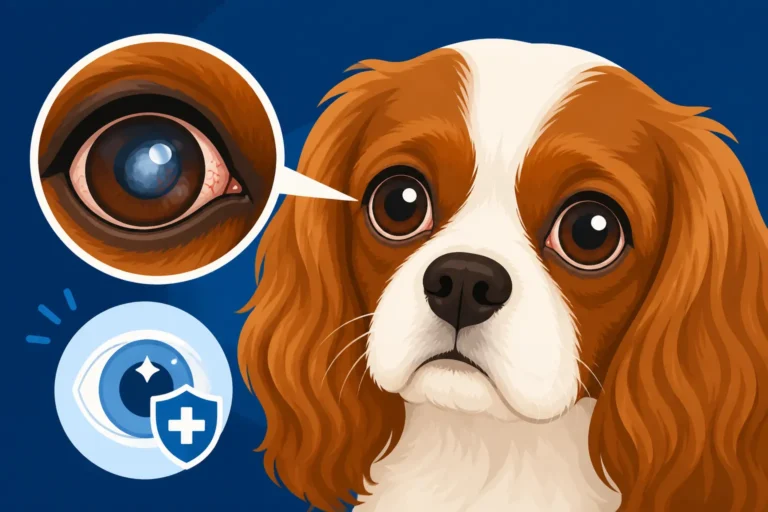
Eye Clearances: Cavaliers are prone to several eye conditions, including hereditary cataracts, retinal dysplasia, and dry eye syndrome. A comprehensive eye clearance involves an examination by a board-certified veterinary ophthalmologist. This specialist will perform a thorough eye exam, often using specialized equipment, to check for any hereditary eye diseases. The results are typically registered with organizations like the OFA (OFA Eye Certification) or historically, CERF (Canine Eye Registry Foundation). The certificate should state the date of the exam and that the dog is free of observable hereditary eye disease. These exams should ideally be done annually, as some conditions can develop or progress over time. Understanding Cavalier Eye Disease From Dry Eye to Cataracts is crucial for puppy owners.
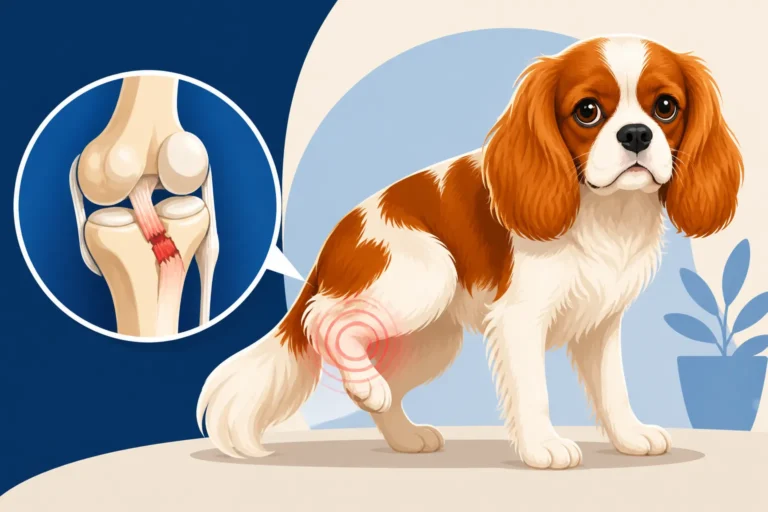
Patella Clearances: Patellar luxation, or "loose kneecaps," is a condition where the kneecap (patella) slips out of its normal groove. While common in many small breeds, Cavaliers can also be affected. It can range from mild and asymptomatic to severe, causing lameness and pain, and sometimes requiring surgery. A patella clearance is typically performed by a regular veterinarian or a board-certified orthopedic specialist, and the results are often registered with the OFA. The OFA will grade the patella based on the degree of luxation, from "normal" (grade 0) to severe (grade 4). You want to see "normal" or "grade 1" at most for breeding dogs. You can find more information about Cavalier Knees, Hips and Joint Problems and what to look for.
| Health Condition | Type of Test | Certifying Body (Example) | Ideal Age for Screening (Breeding Stock) | Desired Result (Breeding Stock) |
|---|---|---|---|---|
| Cardiac (MVD) | Cardiologist Exam (auscultation, echo) | OFA (Cardiologist) / ACVIM | Annually, starting at 12 months; breed after 5 years | No murmur / Clear |
| Syringomyelia (SM) | MRI Scan (brain & spinal cord) | OFA (Neurology) / ACVIM | Ideally at 2.5-5 years (one-time scan for breeding suitability) | Clear / Grade A |
| Episodic Falling (EFS) | DNA Test | OFA (DNA) / Reputable Genetic Labs | Any age (once in lifetime) | Clear |
| Eyes | Ophthalmologist Exam | OFA (Eye) / ACVO | Annually | Clear / Normal |
| Patella Luxation | Orthopedic Exam | OFA (Patella) / DVM | 12 months and older (one-time for breeding suitability) | Normal / Grade 0-1 |
Understanding the Details on the Certificates Themselves
Receiving a pile of official-looking documents is one thing; truly understanding what they say and how to verify their authenticity is another. It’s not enough to simply have a piece of paper; you need to know how to read the fine print and ensure the information is legitimate and relevant.
Verifying the Veterinarian and Certification Body
The first and most important detail to check on any health certificate is who performed the examination and who certified the results. For Cavaliers, you should always look for the involvement of board-certified veterinary specialists.
- For cardiac exams, this means a Diplomate of the American College of Veterinary Internal Medicine (Cardiology), often abbreviated as DACVIM (Cardiology).
- For neurological exams (especially for MRI interpretations), you're looking for a Diplomate of the American College of Veterinary Internal Medicine (Neurology), or DACVIM (Neurology), or a board-certified veterinary radiologist.
- For eye exams, it should be a Diplomate of the American College of Veterinary Ophthalmologists (ACVO), or DACVO.
A general practitioner vet signing off on these specialized clearances is a significant red flag. While your regular vet is wonderful for routine care, these breed-specific conditions require expert assessment. Look for the specialist's full name, clinic name, and their board certification credentials clearly printed on the certificate.
Many of these health clearances are registered with the Orthopedic Foundation for Animals (OFA). The OFA maintains a comprehensive public database where you can search for a specific dog by its registered name or registration number and view its health testing results. If a breeder provides OFA certificates, ask for the dog's registered name or OFA number so you can independently verify the results online. This transparency is a hallmark of a truly reputable breeder. You should also ensure that Whether a Cavalier Breeder's Heart Clearance Is Current is clearly verifiable.
Dates, Ages, and Repeat Screenings
The dates on the certificates are just as important as the results themselves. Health conditions can develop and progress over time, so a clearance from five years ago might not be relevant today, especially for breeding dogs.
- Age at Time of Screening: For conditions like MVD, the age at which a dog is screened is critical. Reputable breeders adhere to the MVD breeding protocol, which advises against breeding any Cavalier under the age of five years old, and recommends annual cardiologist screenings for breeding dogs from the age of one year. If a breeding dog has a "clear" heart certificate but was only one or two years old at the time of the exam, it doesn't give you a full picture of its heart health for later life, nor its potential to pass on early-onset MVD. A Cavalier can develop a murmur later, so a recent clearance on an older breeding dog is much more valuable. For a deeper understanding, check out The Cavalier MVD Breeding Protocol and Why a Cavalier Should Not Be Bred Before Five.
- Recency of Testing: For conditions that require annual re-certification, like eye exams (ACVO/OFA Eye) and cardiac auscultations by a cardiologist, the certificate should be current – ideally within the last 12 months. If you see a certificate dated two or three years ago for an annually-screened condition, it's outdated, and you don't know the current status.
- Permanent Clearances vs. Ongoing: Some clearances, like DNA tests for Episodic Falling Syndrome, are one-time tests as the genetic makeup doesn't change. However, conditions like MVD and certain eye issues require ongoing monitoring. A good health packet will include a history of clearances over time, not just a single snapshot.
Don't be shy about asking the breeder for the most recent certificates and understanding the frequency with which each parent is tested. This proactive approach helps protect your future puppy.
Interpreting the Results and Grades
Beyond who performed the test and when, you need to understand what the actual results mean. Each type of clearance will have its own grading or reporting system.
- Cardiac (MVD): The ideal result is "No Murmur Detected" by a board-certified cardiologist. If a murmur is detected, it might be graded (e.g., Grade 1-6), and an echocardiogram would determine the severity and cause. For breeding, only "clear" dogs (no murmur) should be used, especially following the MVD breeding protocol.
- Syringomyelia (SM): MRI reports will usually include a grade for Chiari-like malformation (CM) and a description of any syrinx formation. A common grading system for CM might be A, B, C, D, with A being normal and D being severe. Syrinxes are described by their size and location. For breeding, ideally, both parents would have "Grade A" (no CM) and no syrinxes, or at most, very mild CM with no syrinxes at a later age. This is complex, and a veterinary neurologist's interpretation is key.
- Episodic Falling Syndrome (EFS): DNA test results are typically straightforward: "Clear," "Carrier," or "Affected." For breeding, both parents should be clear, or one parent can be a carrier if the other is clear. Two carriers should never be bred together.
- Eye Clearances: An ACVO/OFA Eye certificate will typically state "Normal" or list any specific conditions found. You want to see "Normal" or "Free of inheritable eye disease."
- Patella Luxation: OFA Patella grades range from 0 (normal) to 4 (severe luxation). Breeding dogs should ideally be Grade 0 or 1. If a dog is Grade 2 or higher, it indicates a significant issue.
It’s completely normal to feel like you need a crash course in veterinary medicine to understand all this, but a good breeder will be happy to walk you through each certificate and explain what everything means in plain language. If they seem hesitant or annoyed by your questions, that’s a significant warning sign.
Red Flags and What to Do When Certificates Are Missing or Incomplete
It's an unfortunate truth that not all breeders prioritize health testing. When you're looking for a Cavalier puppy, encountering missing or incomplete health certificates is a major red flag that shouldn't be ignored. It's often where the dream of a healthy puppy can quickly turn into a nightmare of costly vet bills and heartbreaking diagnoses.
Common Excuses and Why They're Problematic
You might hear a variety of excuses from breeders who don't provide proper health clearances. Here are some of the most common ones and why they simply don't hold water for a Cavalier:
- "The parents are healthy, so we don't test." This is perhaps the most common and dangerous excuse. Many Cavalier health conditions, especially MVD and SM, can be silent in their early stages. A dog can look and act perfectly healthy, yet carry genetic predispositions or even have early stages of a condition that only specialized testing can detect. For instance, a Cavalier can have a stage 1 heart murmur that is only detectable by a cardiologist, or mild Chiari-like malformation without obvious symptoms of SM. Without testing, there's no way to know for sure, and you're relying on blind faith.
- "My vet said they looked fine." As discussed earlier, a general vet's check-up, while necessary for basic health, isn't a substitute for a board-certified specialist's evaluation for complex genetic conditions. A general vet isn't trained or equipped to perform a cardiac echo, interpret an MRI for SM, or conduct specialized eye exams. This excuse indicates a lack of understanding or a deliberate avoidance of proper testing.
- "Testing is too expensive/I can't afford it." Quality health testing is expensive. An MRI for SM can cost thousands of dollars. However, this is part of the cost of ethical breeding, especially for a breed with such known health issues. If a breeder can't afford to do the necessary health testing, they shouldn't be breeding. Period. Skimping on testing upfront almost always leads to much higher costs and suffering down the line for the puppy owner.
- "We've never had issues in our lines." While a family history might offer some comfort, genetic mutations can arise, and without proper, ongoing testing, a breeder can't truly guarantee this. Furthermore, "no issues" might simply mean they haven't been looking closely enough or diagnosing properly. Many owners only get specific diagnoses after their puppy is quite ill.
Any breeder offering these or similar excuses is likely not prioritizing the health and longevity of the breed or the well-being of their puppies.
The Risks of Undocumented Health
Choosing a puppy without verified health certificates for its parents is a gamble, and the stakes are incredibly high. The potential risks are both financial and emotional, and they can be devastating.
- Financial Burden: The treatment for severe Cavalier health conditions is incredibly expensive. Diagnosing Syringomyelia requires an MRI, which can run anywhere from $2,500 to $5,000 or more, depending on location and anesthesia. Long-term medication for MVD can cost hundreds of dollars a month, potentially for years. Surgeries for patellar luxation or other issues can also be thousands. These aren't small, unexpected vet bills; they are often ongoing, life-altering expenses. Without proper health clearances, you are significantly increasing your chances of facing these costs yourself. This is where investing in comprehensive pet insurance like Healthy Paws, ideally before any symptoms appear, can be a lifesaver.
- Emotional Toll: Beyond the money, dealing with a chronically ill or pain-ridden puppy is emotionally exhausting. Watching your beloved companion suffer, managing complex medication schedules, and facing difficult decisions about quality of life can take a massive toll on you and your family. The joy of puppyhood can quickly be overshadowed by worry and sadness. Many Cavalier owners speak of the heartbreak of discovering their young dog is already battling severe MVD or the constant management of SM pain.
It's a harsh reality that a "cheap" puppy without health clearances often ends up being the most expensive in the long run. Understanding What a Cavalier Costs a Year Before Any Heart Bills and the true cost when problems arise, as outlined in What Cavalier Heart Disease Costs to Treat can be sobering.
Proactive Steps for Puppy Buyers
So, what should you do to protect yourself and ensure you're getting a puppy from health-tested parents? Be proactive and assertive in your search.
- Ask for and Verify Certificates Early: From your very first inquiry, ask about health testing. A reputable breeder will openly share this information, usually on their website or upon request. Don't wait until you're about to pick up the puppy. Ask for the registered names of the parents so you can verify OFA clearances online. If they hesitate or refuse, walk away.
- Understand the MVD Breeding Protocol: Specifically inquire if the breeder adheres to the MVD breeding protocol (no breeding until five years old for the bitch, and clear annual cardiologist clearances for both parents). This is the single most important step a breeder can take to improve heart health in Cavaliers.
- Insist on a Written Health Guarantee: A reputable breeder will offer a written health guarantee, outlining what happens if a genetic condition (like MVD or SM) is diagnosed within a certain timeframe (e.g., the first year or two). While no guarantee can prevent illness, it shows the breeder stands behind the health of their puppies.
- Consider Pet Insurance from Day One: Even with impeccable health certificates, no dog is guaranteed perfect health for life. Enrolling your Cavalier puppy in a robust pet insurance plan like Healthy Paws as soon as you bring them home can provide an essential financial safety net for unexpected illnesses or accidents. Remember, once a condition is diagnosed, it becomes "pre-existing" and won't be covered by most policies. Learn why Insuring a Cavalier Before the Murmur Arrives is so vital. Many Cavalier owners regret not getting insurance earlier when they face significant medical bills for heart or neurological conditions.
The Broader Picture: Breeder Responsibility and Transparency
Ultimately, understanding health certificates is about recognizing and rewarding breeders who are dedicated to the long-term health and well-being of the Cavalier King Charles Spaniel breed. These breeders are not just selling puppies; they are stewards of the breed's future.
Why Reputable Breeders Prioritize Health Testing
Reputable breeders are truly passionate about their Cavaliers and commit significant time, effort, and financial resources to ensure their breeding program produces healthy, well-socialized puppies. Their reasons for prioritizing health testing go far beyond simply selling a puppy:
- Ethical Obligation: They feel a deep ethical responsibility to minimize the suffering caused by preventable genetic diseases. They understand that every puppy they produce will live for many years, and they want those years to be as healthy and happy as possible for both the dog and its family.
- Preservation of the Breed: They are committed to improving the breed's health over generations. By carefully selecting breeding stock based on health clearances and family longevity, they aim to reduce the prevalence of devastating conditions like MVD and SM within the breed as a whole. They understand that avoiding testing just pushes the problem onto future generations.
- Transparency and Trust: Good breeders are transparent. They welcome questions about health testing, readily share results, and often educate prospective puppy buyers on the importance of these screenings. This builds trust and shows they have nothing to hide. Companies like Healthy Paws often find that breeders who are diligent with health clearances produce dogs that have fewer costly medical issues, which is a win for everyone. This dedication is a clear indicator of Buying a Cavalier From a Health-Testing Breeder.
What a Comprehensive Health Packet Looks Like
When you pick up your Cavalier puppy, a truly comprehensive health packet from a reputable breeder will include much more than just a single vet check-up sheet. It will be a folder full of important documentation, typically including:
- Cardiac Clearances: Copies of recent (within 12 months) board-certified cardiologist exams for both parents, ideally showing multiple years of clear results, especially for dogs over five years old.
- Neurological Clearances: Copies of MRI reports for Syringomyelia for both parents, interpreted by a veterinary neurologist or radiologist. DNA test results for Episodic Falling Syndrome (EFS) for both parents, showing "Clear" status.
- Eye Clearances: Current (within 12 months) ACVO/OFA Eye exam certificates for both parents.
- Patella Clearances: OFA Patella certification for both parents, ideally showing "Normal" or Grade 0/1.
- DNA Panel Results: Many breeders also run a full DNA panel (through labs like Embark or Paw Print Genetics) for other known Cavalier genetic conditions, ensuring both parents are clear or safely bred as carriers.
- Pedigree: A multi-generation pedigree for the puppy, showing its lineage.
- Registration Papers: Documentation for AKC (American Kennel Club) or CKCSC, USA (Cavalier King Charles Spaniel Club, USA) registration.
- Microchip Information: Details for the puppy's microchip, including registration instructions.
- Vaccination Records: A detailed record of all vaccinations and deworming treatments the puppy has received.
- Veterinarian Health Check: A general health certificate from the breeder's veterinarian confirming the puppy was examined prior to sale and found to be in good general health.
- Written Health Guarantee/Contract: A signed contract outlining the terms of sale, health guarantees, and responsibilities of both the breeder and the buyer.
This wealth of information might seem like a lot, but each piece is a puzzle part that creates a complete picture of your puppy's background and predicted health. It's a testament to a breeder's commitment to raising healthy, well-bred Cavaliers and ensuring their future with you starts on the right foot.
Disclaimer
The information provided in this guide is for general informational purposes only and does not constitute veterinary advice. Always consult with a qualified veterinarian for any health concerns or before making any decisions about your pet's medical care. Breed-specific health recommendations can evolve, so staying informed and working closely with your vet and a reputable breeder is crucial.