Vaccinating a Cavalier Puppy
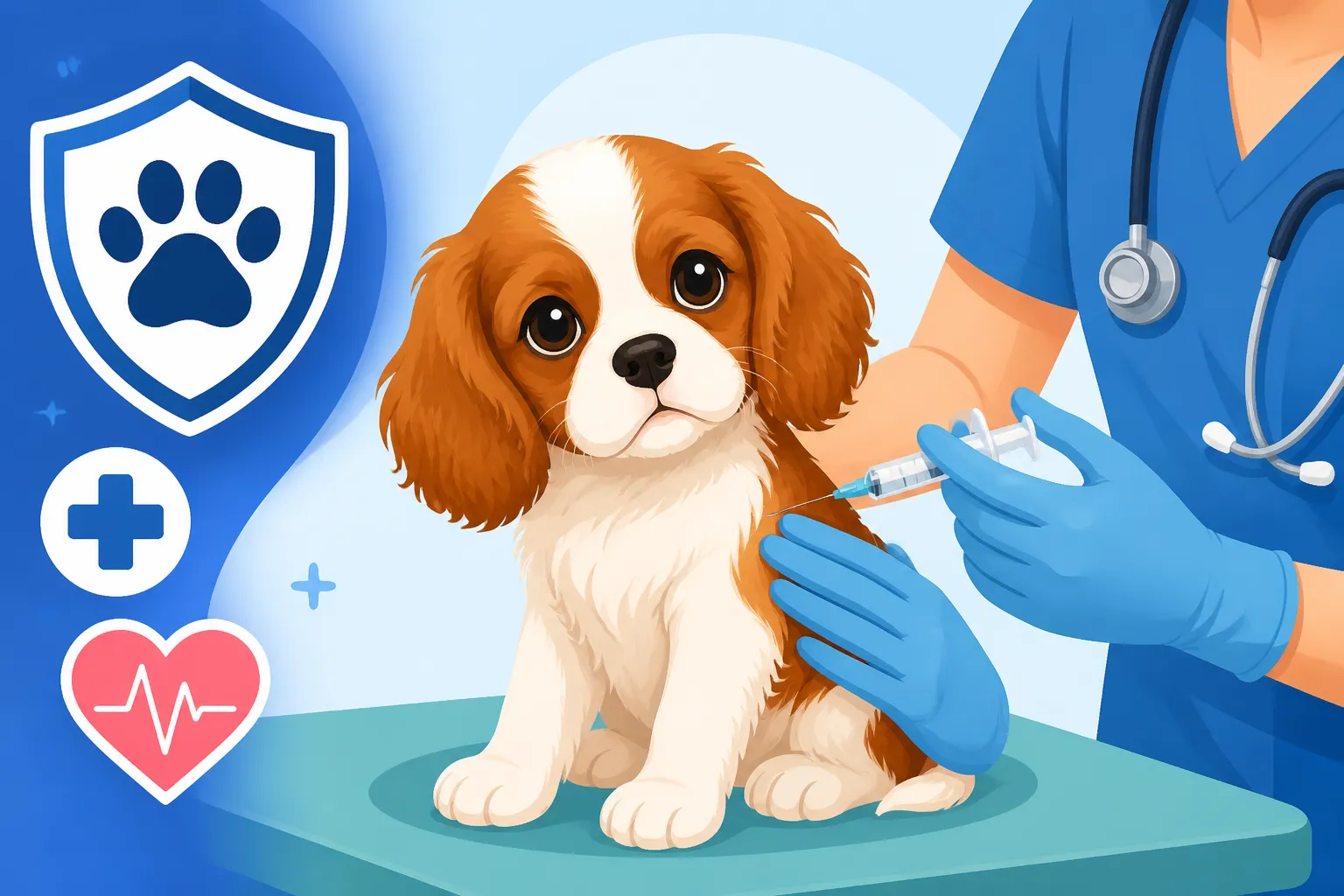
Bringing home a Cavalier puppy is such an exciting, joyful time, but it often comes with a heap of worries, especially when it comes to keeping your little one safe and healthy. The world of puppy vaccinations can feel overwhelming, with so many shots, schedules, and debates online. This guide is here to cut through the confusion, helping you understand exactly what vaccinations your Cavalier puppy needs, when they need them, and what to expect, so you can confidently give your new best friend the healthiest start possible.
Why Vaccinating Your Cavalier Puppy is So Crucial
As a new Cavalier parent, you're probably already showering your puppy with love and attention, wanting to protect them from every harm. Vaccinations are one of the most powerful tools we have to do just that. These tiny injections are mighty shields, preventing devastating and often fatal diseases that are sadly still present in our communities, even if we don't see them every day. Without proper vaccination, a playful romp in the park or even a quick sniff on the sidewalk could expose your vulnerable puppy to serious illness.
The Diseases We're Protecting Against
The "core" vaccines, the ones every single Cavalier puppy needs regardless of their lifestyle, protect against a quartet of highly contagious and dangerous diseases: Distemper, Adenovirus (often leading to hepatitis), Parvovirus, and Rabies. Distemper is a nasty viral disease that can attack multiple body systems, including the respiratory, gastrointestinal, and nervous systems, often with tragic outcomes. Parvovirus is another relentless foe, causing severe vomiting, diarrhea, and rapid dehydration, which can be particularly deadly for young puppies whose immune systems are still developing. Adenovirus can cause infectious hepatitis, affecting the liver and other organs. These are not just scary stories; they are real threats that can quickly overwhelm a small puppy like a Cavalier.
Beyond these core threats, there are "non-core" vaccines that your veterinarian might recommend based on your Cavalier's specific risks. These include protection against Leptospirosis, a bacterial disease often transmitted through contaminated water or urine from wildlife, and Lyme disease, carried by ticks. If you live in an area with high prevalence of these diseases, or if your Cavalier puppy will be spending time outdoors in wooded areas, visiting dog parks, or even just interacting with other dogs frequently, these non-core vaccines become incredibly important considerations. It’s always best to discuss your lifestyle with your vet to determine the most appropriate protection for your individual pup.
Understanding Maternal Antibodies and Immunity Gaps
When your Cavalier puppy was snuggled up with their mom, they received crucial protection through her milk in the form of maternal antibodies. These antibodies act like temporary bodyguards, warding off infections in the first few weeks of life. However, these natural defenses don't last forever, and they also interfere with puppy vaccinations. The challenge for vets and breeders is that the level of maternal antibodies varies from puppy to puppy and wanes at different rates. If you vaccinate too early while maternal antibodies are still high, the vaccine won't be effective. If you wait too long, there's a "window of susceptibility" – an immunity gap where the maternal antibodies have dropped off, but the puppy hasn't yet developed its own protection from the vaccine.
This delicate balance is precisely why a series of puppy vaccinations is necessary. Each shot in the series aims to catch the puppy after their maternal antibodies have worn off, but before they are exposed to a real-world pathogen. It's a game of timing, and it's why you can't just give one shot and be done with it. The repeated doses ensure that even if some early vaccines are "blocked" by lingering maternal antibodies, the later ones will still provide the crucial immunity your Cavalier needs. This phased approach, often starting around 6-8 weeks and continuing every 3-4 weeks until 16 weeks or older, is critical for establishing robust, long-lasting protection.
Core vs. Non-Core Vaccines for Cavaliers
When you sit down with your veterinarian to discuss your Cavalier puppy's vaccination plan, they'll likely talk about core and non-core vaccines. Understanding the difference is key to making informed decisions for your little one.
Core vaccines are considered essential for all dogs, regardless of their geographic location or lifestyle, due to the severe or fatal nature of the diseases they prevent, and their widespread prevalence. For Cavaliers, just like any other breed, these typically include Distemper, Adenovirus (Hepatitis), Parvovirus, and Rabies. These are the baseline defense every puppy needs to have a fighting chance in the world.
Non-core vaccines, on the other hand, are recommended based on an individual Cavalier's risk of exposure to certain diseases. This means considering your specific living situation, where you take your dog, and what other animals they interact with. For instance, if you live in a rural area, frequently hike, or your Cavalier drinks from puddles, a Leptospirosis vaccine might be strongly advised. Similarly, if you live in an area with a high tick population or plan to visit such regions, the Lyme disease vaccine could be very important. If your Cavalier will be attending puppy classes, boarding, or frequenting dog parks, kennel cough (Bordetella) might be a wise choice. It's a personalized approach, ensuring your Cavalier is protected against the most relevant threats without over-vaccinating unnecessarily.
Here's a quick overview:
| Vaccine Type | Disease Protected Against | Recommendation For Cavaliers | Common Transmission |
|---|---|---|---|
| Core | Distemper | Highly Recommended (Essential) | Airborne, direct contact |
| Core | Adenovirus (Hepatitis) | Highly Recommended (Essential) | Direct contact, contaminated objects |
| Core | Parvovirus | Highly Recommended (Essential) | Feces, contaminated environments |
| Core | Rabies | Legally Required (Essential) | Bite from infected animal |
| Non-Core | Leptospirosis | Recommended based on risk (e.g., rural, water exposure) | Contaminated water/soil, wildlife urine |
| Non-Core | Lyme Disease | Recommended based on risk (e.g., tick exposure, wooded areas) | Tick bites |
| Non-Core | Bordetella (Kennel Cough) | Recommended based on risk (e.g., boarding, dog parks) | Airborne, direct contact |
| Non-Core | Canine Influenza | Recommended based on risk (e.g., high-density dog environments) | Airborne, direct contact |
Deciphering the Cavalier Puppy Vaccination Schedule
Understanding the vaccination schedule can feel like learning a new language, but it's really about giving your Cavalier puppy layered protection over time. The goal is to provide immunity when they are most vulnerable and before they are fully exposed to the world. It’s a carefully timed sequence designed by veterinary science to maximize protection while minimizing risks.
The Standard Puppy Series Timeline
For most Cavalier puppies, the core vaccination series begins around 6-8 weeks of age. This first shot typically covers Distemper, Adenovirus, and Parvovirus (often referred to as DAPP, DHPP, or DHP-P). Then, like clockwork, your puppy will need booster shots every 3-4 weeks until they are about 16 weeks old. This means a minimum of three, sometimes four, rounds of these vaccinations. The reason for these multiple boosters, as we discussed, is to ensure that even if maternal antibodies neutralize an early vaccine dose, subsequent doses will successfully stimulate your puppy's own immune system to produce protective antibodies. Once the final booster in the series is given, usually at 16 weeks or older, your Cavalier is considered fully protected against these specific diseases. It's a huge milestone!
This staged approach is incredibly important for such a small breed, as rushing or delaying can leave them exposed. For more on what to expect during these crucial early weeks, you might find our guide on Reading a Cavalier Puppy's Health Certificates helpful, as it often details the initial vaccines given by the breeder. These early vet visits are also great opportunities to discuss other aspects of your puppy's health and development, building a strong relationship with your vet for years to come, perhaps even exploring topics like Routine Vet Bills for a Cavalier.
Rabies Vaccination: Timing and Legal Requirements
Rabies is a particularly serious concern because it's a fatal disease for both animals and humans, and its vaccination is mandated by law in almost every state and country. For your Cavalier puppy, the rabies vaccine is typically given as a single dose when they are between 12 and 16 weeks of age, though state laws can vary slightly on the precise timing. For instance, in some states like California, a puppy can receive their first rabies vaccine at 12 weeks, while in others, it might be closer to 16 weeks. It's usually given separately from the DAPP boosters to minimize the immune system's load, especially in a small breed like a Cavalier.
After the initial rabies vaccination, your Cavalier will need a booster one year later. Following that, most states allow for a 3-year rabies vaccine, which is fantastic for reducing the frequency of shots. However, local regulations can sometimes override this, so always check with your veterinarian or local animal control for the specific rules in your area. Failing to vaccinate your Cavalier against rabies could have dire consequences, not only for their health but also potential legal repercussions if they are involved in a bite incident.
Tailoring the Schedule to Your Cavalier's Lifestyle
While there's a standard protocol, a good vet will always tailor the vaccination schedule to your individual Cavalier's needs and your household's lifestyle. Are you a city dweller whose Cavalier mostly walks on sidewalks, or do you have a sprawling yard next to a nature preserve? Will your pup be a couch potato, or do you envision them as a therapy dog, visiting hospitals and nursing homes? These factors can significantly influence which non-core vaccines are necessary.
For example, if you plan to enroll your Cavalier in doggy daycare, attend group training classes, or board them when you travel, a Bordetella (kennel cough) vaccine will likely be required, and a canine influenza vaccine might be recommended. If you frequently visit areas known for ticks or stand water, your vet might suggest Leptospirosis and Lyme vaccines. It’s also wise to consider what you'll do after the vaccination series is complete. A vaccinated puppy can safely engage in vital early Socializing a Cavalier Puppy Gently, which is crucial for their development into a well-adjusted adult dog. Be open and honest with your vet about your lifestyle and future plans; it allows them to create the most effective and safest vaccination plan for your beloved Cavalier, ensuring they're protected against the threats they're most likely to encounter.
Navigating Vaccine Reactions and Side Effects
It's completely normal to feel a little anxious when your tiny Cavalier puppy gets their shots. You want to protect them, and the idea of them feeling unwell afterward is never pleasant. The good news is that most vaccine reactions in Cavaliers are mild and resolve quickly. However, being prepared and knowing what to look for can make all the difference, giving you peace of mind and ensuring you act swiftly if a more serious issue arises.
Mild and Expected Responses to Vaccinations
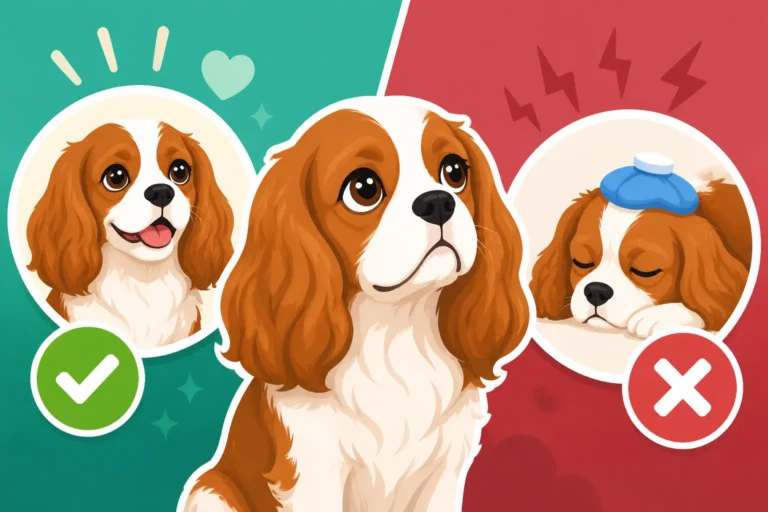
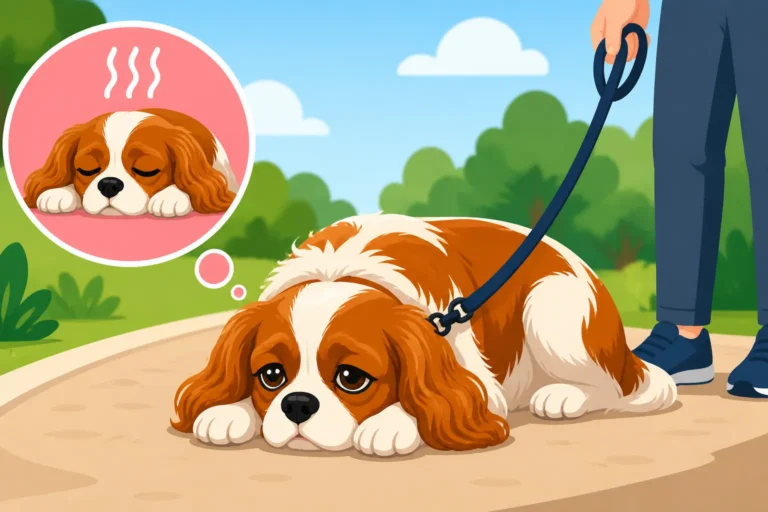
Just like humans, puppies can experience mild, temporary side effects after vaccination. These are usually a sign that their immune system is doing its job and building protection. The most common reactions include a bit of soreness, swelling, or a small lump at the injection site. Your Cavalier might also seem a little lethargic, sleepy, or have a slightly reduced appetite for a day or two. Some puppies might even experience a mild fever. These symptoms are generally no cause for alarm and typically resolve on their own within 24-48 hours.
Think of it as your puppy feeling a bit "under the weather" after fighting off a pretend infection. Keep them comfortable, ensure they have access to fresh water, and don't push them for strenuous play or long walks. A quiet evening at home with extra cuddles is often the best medicine. Remember that these minor inconveniences are a small price to pay for the robust protection against potentially fatal diseases.
Recognizing More Serious Allergic Reactions
While rare, more serious allergic reactions, known as anaphylaxis, can occur. These reactions typically happen very quickly, usually within minutes to a few hours of the vaccination. Symptoms can include severe facial swelling, hives, intense itching, vomiting, diarrhea, difficulty breathing, or even collapse. Due to their small size, Cavaliers can sometimes be more susceptible to showing signs rapidly. If you notice any of these more severe symptoms, it is crucial to seek immediate veterinary attention. Don't wait to see if it improves.
Another less common but potentially serious reaction can be a vaccine-site sarcoma, although this is more frequently associated with feline vaccines. In dogs, it's extremely rare but still something to be aware of if a lump at the injection site persists or grows over time. Always inform your vet if you notice anything unusual in the days and weeks following a vaccination.
Proactive Steps Before and After Vaccination
To minimize stress and monitor your Cavalier for reactions, it's helpful to schedule vaccinations for a time when you can be home to observe them. Avoid scheduling them right before a big trip or a busy day. After the shot, keep a close eye on your puppy for the next 24 hours. Check the injection site for swelling or tenderness, and pay attention to their energy levels, appetite, and any signs of discomfort.
It's also a good idea to bring a favorite toy or some high-value treats to the vet visit to create a positive association and distract your puppy during and immediately after the injection. Before any veterinary procedure, including vaccinations, your vet may recommend a general health check, which might involve blood work. Sometimes, a Cavalier's platelet count can read falsely low due to a breed-specific characteristic, so discussing Why a Cavalier's Platelet Count Reads Falsely Low with your vet can prevent unnecessary worry during pre-vaccine screenings. Always communicate any concerns you have with your vet, and don't hesitate to call them if you're worried about your puppy's post-vaccination behavior.
Beyond the Initial Shots: Long-Term Immunity and Health
Once your Cavalier puppy has completed their initial vaccination series, you've laid a fantastic foundation for their long-term health. But the journey of protecting their immunity doesn't stop there. As they grow into adulthood and senior years, different considerations come into play, from booster schedules to overall health management.
Considering Titers for Adult Cavaliers
As your Cavalier matures, you might hear about vaccine titers. A titer test measures the level of antibodies in your dog's blood for specific diseases (like Distemper, Adenovirus, and Parvovirus). A sufficiently high titer indicates that your dog still has protective immunity and may not need a booster shot at that time. This is a great option for owners who prefer to avoid unnecessary vaccinations, especially for older or sensitive dogs, or those with underlying health concerns.
Many veterinarians now offer titer testing as an alternative to automatic annual or triennial boosters for core vaccines. If your Cavalier shows adequate antibody levels, your vet might recommend waiting a year or more before re-testing or giving a booster. Rabies, however, is almost universally regulated by law and typically requires scheduled boosters regardless of titer levels. Discussing titer testing with your vet can help you create a personalized, scientifically backed vaccination strategy for your adult Cavalier, ensuring they remain protected without over-vaccinating. This can also be a point of discussion as you consider Caring for a Cavalier Past Nine, where minimizing unnecessary medical interventions becomes even more important.
The Importance of Post-Vaccination Socialization
After your Cavalier puppy has completed their initial vaccination series and your vet gives the green light, it's absolutely crucial to embark on a thoughtful and safe socialization program. The "immunity gap" phase, where they are protected by maternal antibodies but not yet fully vaccinated, means you have to be careful about where you take them. However, once those vaccines have taken full effect, typically a week or two after their final puppy shots, the window for critical socialization begins!
Don't let fears of disease hold your puppy back from vital experiences. Safe socialization means exposing your Cavalier to a wide variety of sights, sounds, people, and well-behaved, fully vaccinated dogs in a controlled, positive manner. This could be in puppy classes, carefully chosen friends' homes, or calm, low-traffic environments. Proper socialization during these formative months helps prevent behavioral issues down the road, ensuring your Cavalier grows into a confident, friendly, and well-adjusted companion. It’s an essential part of their development, just as important as their physical health.
The Role of Pet Insurance in Covering Health Surprises
No matter how diligent you are with vaccinations and preventative care, unexpected health issues can arise. This is where pet insurance can be a real lifesaver, especially for a breed like the Cavalier King Charles Spaniel, known for certain predispositions. Vaccinations help prevent many common diseases, but they can't protect against accidents, genetic conditions, or unforeseen illnesses. Considering Whether Pet Insurance Is Worth It for a Cavalier is a crucial financial decision for many owners.
Enrollment in a pet insurance plan, such as those offered by Healthy Paws, when your Cavalier is a young puppy and before any symptoms of illness appear, is ideal. This ensures that conditions that might develop later, such as heart murmurs (which are common in Cavaliers and often appear as they age), aren't classified as pre-existing conditions and are therefore covered. Many plans allow you to enroll your puppy as young as 8 weeks old. The sooner you get coverage, the more comprehensive it will be. Understanding The Age to Insure a Cavalier can save you significant money and stress down the line. It offers peace of mind that if your beloved Cavalier faces a serious illness or injury, you'll be able to focus on their recovery without the added burden of overwhelming veterinary bills. When setting up a policy, you'll need to think about factors like Choosing an Annual Limit for a Cavalier and Setting a Deductible Against Cavalier Heart Bills, which can impact your out-of-pocket costs.
Pet insurance doesn't just cover big emergencies; it can also help with specialist visits, diagnostics like X-rays or ultrasounds, and medications. While routine vaccinations and wellness exams are typically not covered by standard accident/illness policies, the coverage for unexpected illnesses or accidents can be invaluable throughout your Cavalier's life, especially given the breed's propensity for certain health challenges that could impact Cavalier Lifespan and What Cuts It Short. Knowing you have a safety net like Healthy Paws can allow you to make treatment decisions based on what's best for your Cavalier, not just what you can afford.
Disclaimer
The information provided in this article is for general informational purposes only and is not a substitute for professional veterinary advice. Always consult with a qualified veterinarian regarding any medical concerns or before making any decisions about your pet's health and treatment.