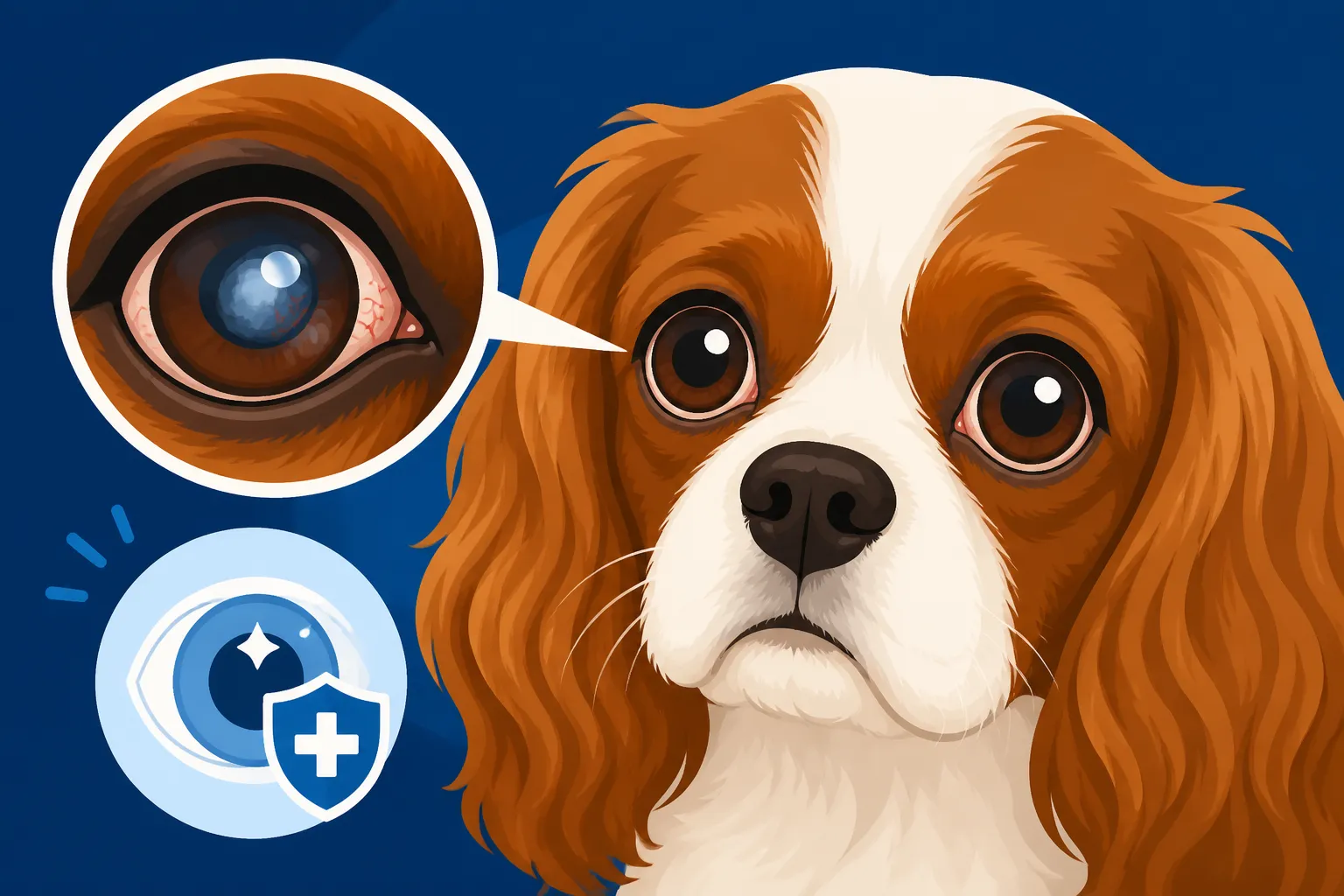
Corneal Ulcers on Prominent Cavalier Eyes
The sweet, soulful eyes of a Cavalier King Charles Spaniel are undoubtedly one of their most endearing features, but their prominent, often slightly bulging nature makes them incredibly vulnerable to injury and frustratingly common conditions like corneal ulcers. It’s a terrifying experience to see your beloved companion suddenly squinting, tearing, or even showing a cloudy film over their eye, leaving you wondering what happened and how quickly you need to act. This comprehensive guide is here to walk you through understanding, identifying, and effectively managing corneal ulcers in your Cavalier, offering peace of mind and actionable steps.
Understanding Cavalier Eye Anatomy and Vulnerabilities
Cavaliers possess a unique facial structure that, while contributing to their charming expression, also predisposes them to certain ocular health challenges. Their large, round, often somewhat protruding eyes, coupled with a relatively shallow orbit, mean they don't have the same level of protection as breeds with deeper-set eyes. This anatomical reality makes them more susceptible to external trauma and environmental irritants, laying the groundwork for conditions like corneal ulcers.
Why Prominent Eyes are a Risk Factor
Imagine your Cavalier, happy and bouncy, exploring the world around them. Their prominent eyes are often the first point of contact with anything that might be just a little too close. Whether it's a rogue twig in the park, a playful swat from another pet, or even just dust and debris on a windy day, their eyes are simply more exposed. This isn't just about accidental bumps; it also means their eyelids might not fully cover the eyeball during sleep, leading to a condition called lagophthalmos, which contributes to dryness and can break down the corneal surface over time. It's a frustrating design flaw for such a sweet-natured breed.
Moreover, the combination of those lovely long facial feathers and their low-to-the-ground sniffing can mean foreign bodies are more easily introduced to the eye. A simple walk through tall grass can lead to seeds, pollen, or other plant matter brushing against or even embedding in the cornea. It’s not about poor care, but rather a direct consequence of their adorable, yet delicate, physical traits. This constant exposure demands a vigilant approach to daily care and a keen eye for any changes.
The Cornea: A Delicate Shield
The cornea is the clear, outermost layer at the front of your dog's eye, essentially a transparent window that allows light to enter. It's incredibly sensitive and vital for vision, acting as the eye's primary protective barrier. When we talk about a corneal ulcer, we're talking about an erosion or open sore on this delicate surface. Think of it like a scrape or cut on your own skin, but on a part of the body that is constantly exposed and essential for sight.
Corneal ulcers can range in severity from superficial abrasions, which are like a scratch on the very top layer, to deep, complicated ulcers that penetrate further into the corneal tissue, sometimes even risking rupture of the eyeball itself. The depth and extent of the ulcer dictate the urgency and intensity of treatment. Because the cornea has no blood vessels, it relies on tears for nutrition and oxygen, which means healing can sometimes be slower than other tissues in the body. Understanding this delicate balance helps us appreciate why timely intervention is so crucial. If you've ever dealt with a painful eye injury yourself, you know the discomfort; imagine your Cavalier trying to communicate that same pain. This is why issues such as dry eye and other Cavalier Eye Disease From Dry Eye to Cataracts are so important to manage, as they can directly impact corneal health.
Recognizing the Signs of a Corneal Ulcer
Spotting a corneal ulcer early can make a significant difference in your Cavalier's recovery and comfort. These aren't conditions that tend to resolve on their own, and delay can lead to more serious complications. As a Cavalier owner, becoming intimately familiar with the subtle and not-so-subtle signs of eye discomfort is part of the journey.
Common Symptoms to Watch For
The most obvious sign of a corneal ulcer is usually pain. Your Cavalier will try to tell you something is wrong, often through clear behavioral changes. Look out for:
- Squinting or holding the eye shut: This is a classic indicator of pain. Your Cavalier might keep one eye partially or completely closed, especially in bright light. It's their natural instinct to protect the injured eye.
- Excessive tearing (epiphora): You might notice a watery discharge, often clear, streaming from the affected eye. This isn't necessarily a sign of infection, but rather the eye's attempt to flush out an irritant or soothe itself. However, if the discharge becomes thick, colored, or pus-like, it suggests a secondary bacterial infection.
- Redness of the eye: The white part of the eye (sclera) or the conjunctiva (the pink tissue around the eye) will often appear noticeably red and inflamed. This is the body's inflammatory response to injury.
- Cloudiness or visible lesion on the cornea: Depending on the ulcer's severity, you might see a hazy, bluish, or whitish film developing over the clear part of the eye. In some cases, you might even be able to spot the irregular surface of the ulcer itself, though this can be difficult without magnification.
- Rubbing or pawing at the eye/face: Your Cavalier might rub their face against furniture, carpets, or paw at their eye with their front foot in an attempt to alleviate the discomfort. This can unfortunately worsen the problem by further irritating the cornea or introducing bacteria.
- Sensitivity to light (photophobia): Your dog might avoid bright areas, preferring to rest in darker rooms, or turn their head away from direct light.
- Changes in behavior: A dog in pain might become more withdrawn, less playful, or even a bit grumpy. If your usually cheerful Cavalier is suddenly quiet or irritable, it's always worth checking for underlying discomfort, especially around their eyes.
It’s crucial to remember that eye problems can escalate rapidly. If you notice any of these signs, don't wait. A veterinary visit is needed, and often, the sooner, the better.
When to Seek Immediate Veterinary Attention
When it comes to eye issues in Cavaliers, "wait and see" is generally not a good strategy. Given their susceptibility and the delicate nature of the cornea, immediate veterinary attention is always warranted.
Consider it an emergency if you notice:
- Sudden, severe squinting or complete inability to open the eye.
- A visible, deep crater or "hole" on the surface of the eye.
- Any discharge that is thick, yellow, green, or looks like pus.
- A rapid onset of cloudiness that covers a large portion of the cornea.
- Your Cavalier is constantly pawing at their eye to the point of potentially causing more damage.
- Any changes in eye shape or size, or if the eye looks like it's bulging further out than usual.
These symptoms could indicate a deep ulcer, a perforating ulcer, or a severe infection, all of which require urgent treatment to preserve vision and even the eye itself. Your general practice vet is a great first stop, but don't hesitate to ask for a referral to a veterinary ophthalmologist if the problem seems complex or isn't improving with initial treatment. These specialists have advanced equipment and expertise for intricate eye conditions. Facing the potential cost of specialist care can be daunting, but with pet insurance like Healthy Paws, many owners find themselves better prepared for unexpected veterinary bills, allowing them to focus on their pet's health rather than the finances.
Diagnosing and Treating Corneal Ulcers in Cavaliers
Once you've noticed the concerning signs, getting a proper diagnosis is the first step toward effective treatment. Your vet will have specific tools and techniques to assess the severity of the ulcer and formulate a tailored plan for your Cavalier.
The Diagnostic Process
Diagnosing a corneal ulcer is typically a straightforward process for your veterinarian:
- Thorough Ophthalmic Exam: Your vet will start with a comprehensive examination of your Cavalier's eyes, often using an ophthalmoscope or a slit lamp to get a magnified view of the cornea and internal structures. They'll also check tear production, typically using a Schirmer Tear Test, especially since Managing Dry Eye in a Cavalier is crucial and often linked to corneal health.
- Fluorescein Stain Test: This is the gold standard for diagnosing corneal ulcers. A special orange dye, fluorescein, is applied to the eye. Healthy corneal tissue repels the dye, but if there's an ulcer (an area where the protective outer layer is missing), the dye will adhere to the exposed underlying corneal layers. When illuminated with a blue light, the ulcerated area will glow a vibrant green. This test quickly reveals the presence, size, and shape of the ulcer.
- Bacterial Culture (if needed): If the ulcer appears deep, infected, or isn't responding to initial treatment, your vet might take a sterile sample from the ulcer to culture for bacteria and determine which antibiotics will be most effective.
- Other Tests: Depending on the specifics, your vet might also measure intraocular pressure to rule out glaucoma or perform further checks if they suspect other underlying eye conditions or if the ulcer is atypical. This could include examining for Extra Eyelashes Rubbing a Cavalier's Eye which can cause chronic irritation.
This diagnostic phase is critical because it tells your vet exactly what they're dealing with, allowing for a precise and effective treatment plan.
Treatment Options for Corneal Ulcers
Treatment for corneal ulcers varies greatly depending on their depth, presence of infection, and underlying cause. It’s rarely a one-size-fits-all approach.
-
Medical Management for Superficial Ulcers:
- Topical Antibiotics: These are often prescribed to prevent or treat secondary bacterial infections, even if an infection isn't immediately obvious. Common choices include Neomycin, Polymyxin B, or Tobramycin.
- Pain Relief: Topical atropine drops might be used to dilate the pupil, which helps relieve painful ciliary muscle spasms. Oral pain relievers like NSAIDs (e.g., carprofen) can also be prescribed to keep your Cavalier comfortable.
- Lubricating Eye Drops/Ointments: These help keep the eye moist and support the healing process.
- Elizabethan Collar (E-collar): This is non-negotiable! An E-collar (cone of shame) prevents your Cavalier from rubbing or scratching their eye, which could worsen the ulcer or remove protective medications. It might be annoying for them, but it's vital for healing.
- Frequent Re-checks: Your vet will likely want to re-examine the eye every few days to monitor healing and adjust medications.
-
Treatment for Deep or Non-Healing Ulcers:
- Deeper Antibiotics: More potent or specific antibiotics might be used, often based on culture results.
- Serum or Plasma Drops: In some cases, your vet might use drops made from your dog's own blood serum or plasma. These contain growth factors and proteinase inhibitors that can help heal the ulcer and prevent further breakdown of the corneal tissue.
- Debridement/Grid Keratotomy: For ulcers that are superficial but fail to heal (indolent ulcers), your vet might gently debride the loose, unhealthy corneal tissue to encourage new, healthy cell growth. A grid keratotomy involves creating tiny superficial scratches on the corneal surface to stimulate healing. These procedures are usually done under local anesthesia or light sedation.
- Conjunctival Flap Surgery: For very deep or perforating ulcers, a veterinary ophthalmologist might perform surgery. This involves taking a small piece of conjunctival tissue (the pink tissue surrounding the eye) and suturing it over the ulcer. This provides blood supply, structural support, and helps the ulcer heal. It's a complex procedure, and if your Cavalier needs it, having robust pet insurance like Healthy Paws can be a tremendous financial relief for covering specialist surgical costs.
Table: Corneal Ulcer Severity and Typical Treatment Approaches
| Ulcer Severity | Description | Common Symptoms | Typical Treatment Protocol | Healing Time |
|---|---|---|---|---|
| Superficial Ulcer | Erosion of the outermost layer (epithelium) only. | Mild squinting, tearing, redness. | Topical antibiotics, pain relief, E-collar, frequent re-checks. | 3-7 days |
| Deep Ulcer | Extends into the middle layer (stroma), but not through. | Moderate to severe squinting, significant tearing, cloudiness, visible lesion. | Topical antibiotics (possibly stronger), atropine, pain relief, serum drops, E-collar, very frequent re-checks. | 1-3 weeks (can vary greatly) |
| Desmetocele | Extends almost to the deepest layer (Descemet's membrane); very thin. | Severe pain, prominent lesion, eye appears "dimpled," high risk of rupture. | Emergency surgery often required. Intensive topical medications, E-collar, 24/7 monitoring. | Urgent, immediate intervention. |
| Perforating Ulcer | The cornea has ruptured, with fluid leakage or iris prolapse. | Extreme pain, vision loss, collapse of the eyeball, visible iris. | Immediate emergency surgery. Intensive antibiotics, anti-inflammatories, E-collar. | Highly variable, vision outcome uncertain. |
| Indolent Ulcer | Superficial, but fails to heal due to basement membrane defect. | Persistent mild-moderate symptoms, despite appropriate treatment. | Debridement (e.g., grid keratotomy), topical medications, E-collar, potentially contact lens. | Weeks to months |
Following your vet's instructions precisely, including the frequency of medication administration, is paramount. Missing even a few doses can set back the healing process. For many Cavaliers, Prescription Eye Drops for a Cavalier Every Day can become a part of their routine, especially if they have chronic conditions that predispose them to ulcers.
Preventative Care and Long-Term Management
Preventing corneal ulcers in your Cavalier is always better than treating them. While you can't eliminate all risks, proactive care and thoughtful management can significantly reduce the chances of your precious pup experiencing this painful condition.
Everyday Eye Health Practices
Integrating simple eye care into your Cavalier's daily routine can make a big difference:
- Gentle Daily Wiping: Use a soft, damp cloth (or a sterile eye wipe designed for pets) to gently clean around your Cavalier's eyes, removing any crust, debris, or tear stains. This prevents irritation and buildup. Pay special attention to the corners, as Cavaliers are prone to tear staining, which can harbor bacteria if not kept clean. Regular Cavalier Eye and Face Cleaning is part of a good routine.
- Keep Facial Hair Trimmed: Long hair around the eyes can trap debris, rub against the cornea, or direct moisture onto the skin, leading to irritation or infection. While Cavaliers are known for their beautiful feathering, consider a very careful, professional trim around the eyes to minimize these risks. Always have a professional groomer or vet technician do this, as scissors near the eye can be dangerous.
- Monitor Outdoor Play: Be mindful of where your Cavalier plays. Areas with sharp bushes, tall grasses, or lots of dust increase the risk of eye injury. If they're romping in a risky area, always check their eyes afterward.
- Avoid Irritants: Protect your Cavalier from strong winds, sand, or chemical irritants (like cleaning products or aerosols). If you live in an area with particularly high pollen counts, or if your Cavalier has allergies, discuss strategies with your vet for minimizing eye irritation.
- Regular Veterinary Check-ups: Your regular vet visits are not just for vaccinations; they're also an opportunity for your vet to give your Cavalier a thorough physical exam, including checking their eyes. Discuss any concerns you have, even minor ones, during these visits.
Addressing Underlying Conditions
Sometimes, corneal ulcers aren't just random occurrences; they're a symptom of an underlying issue that needs to be managed:
- Dry Eye (Keratoconjunctivitis Sicca – KCS): Cavaliers are genetically predisposed to dry eye, a condition where the eyes don't produce enough tears. Chronic dryness can make the cornea more fragile and prone to ulceration. If your Cavalier is diagnosed with dry eye, lifelong treatment with prescription eye drops (like cyclosporine or tacrolimus) will be necessary to stimulate tear production and keep the eyes moist. Neglecting dry eye virtually guarantees ongoing corneal problems. This is why a proper diagnosis and management plan for A Cavalier Born Without Tears is so important.
- Eyelid Abnormalities: Conditions like entropion (eyelid rolling inward) or ectropion (eyelid rolling outward) can expose the cornea or cause eyelashes to rub against it. Your vet might recommend surgical correction for severe cases to prevent chronic irritation.
- Ectopic Cilia or Distichiasis: These are conditions where eyelashes grow in abnormal locations, causing them to rub against the cornea and create constant irritation or ulcers. They can sometimes be corrected with minor procedures.
- Allergies: Environmental allergies can lead to chronic eye irritation, redness, and rubbing, indirectly increasing the risk of corneal damage. Managing your Cavalier's allergies can involve medication, environmental controls, or even dietary changes.
Ensuring you have regular check-ups, even if your Cavalier seems fine, is part of being a responsible owner. A yearly Whether a Cavalier Needs a Yearly Eye Exam by your vet can catch many of these issues before they become severe.
Living with a Cavalier means embracing their unique needs, and their beautiful, expressive eyes are certainly one of them. While a corneal ulcer can be a frightening experience, armed with knowledge and a proactive approach, you can help protect their precious eyesight and ensure they continue to bring joy with every soulful glance.
Disclaimer
This article is intended for informational purposes only and does not constitute medical advice. Always consult with a qualified veterinarian or veterinary ophthalmologist for any health concerns or before making any decisions about your pet's medical care. Individual outcomes may vary.