Whether a Cavalier Needs a Yearly Eye Exam
As Cavalier King Charles Spaniel parents, we often find ourselves worrying about those big, beautiful, soulful eyes. They’re one of the breed's most defining features, but they're also unfortunately prone to a whole host of issues. This guide will dive deep into why regular eye examinations are so crucial for Cavaliers, what kind of conditions you should be aware of, and how often these precious peepers truly need a professional check-up to stay as healthy and bright as possible.
Understanding Cavalier Eye Vulnerabilities
It's no secret that Cavaliers face unique health challenges, and their eyes are certainly no exception. While all dogs can experience eye problems, our beloved Cavaliers seem to have a particular predisposition due to their breed-specific characteristics and genetics. Understanding these vulnerabilities is the first step in providing them with the best possible care.
Why Cavalier Eyes Need Special Attention
Cavalier King Charles Spaniels have those gorgeous, large, expressive eyes that just melt your heart. But that prominent, slightly protruded eye structure, while beautiful, also makes them more susceptible to injury and environmental irritants. Think about it: a dog with deeper-set eyes has a bit more natural protection. Our Cavaliers, with their shallower orbits and often somewhat flatter faces (though not as brachycephalic as, say, a Pug), don't have that same buffer. This means their eyes are more exposed to dust, debris, grass, and even accidental pokes from playful paws or household objects. This increased exposure can lead to everything from minor irritations to more serious corneal abrasions or ulcers. Beyond the physical structure, genetic predispositions play a massive role, meaning regular veterinary attention isn't just a good idea, it's often essential.
Their lovely long facial hair, or "feathering," can also sometimes be a double-edged sword. While it adds to their charm, if not kept meticulously clean and trimmed, it can harbor dirt, bacteria, and moisture, which can then irritate the eyes, leading to infections or blockages of tear ducts. This makes the daily cleaning and occasional trimming around the eyes a vital part of preventative care. Without diligent home care and professional check-ups, small issues can quickly escalate into chronic problems.
Common Eye Conditions Affecting Cavaliers
Cavaliers, sadly, are predisposed to several significant eye conditions that require vigilance and often, a veterinarian's keen eye for early detection. The list can feel a bit overwhelming, but knowing what to look for empowers you.
One of the most common and uncomfortable conditions is Dry Eye, or Keratoconjunctivitis Sicca (KCS). This isn't just a minor irritation; it's a serious condition where the tear glands don't produce enough tears to keep the eye lubricated. Symptoms often include thick, yellowish discharge, redness, squinting, and chronic irritation. Without adequate moisture, the cornea can become dry, inflamed, and ultimately damaged, potentially leading to vision impairment or even blindness. Early diagnosis and lifelong management with prescription eye drops are crucial. You can learn more about specific conditions in our detailed article on Cavalier Eye Disease From Dry Eye to Cataracts.
Another prevalent issue is Cavalier Cataracts and Retinal Disease. Cataracts involve the clouding of the eye's lens, leading to blurry vision and, if left untreated, blindness. While some cataracts can be age-related, Cavaliers can develop hereditary cataracts at a younger age. Retinal diseases, like Retinal Dysplasia, are malformations of the retina that can range from small, non-progressive folds to more severe detachment, causing significant vision loss. For this reason, many reputable breeders conduct yearly eye exams with a board-certified veterinary ophthalmologist to screen breeding dogs for these conditions, helping to reduce their prevalence in future generations. This diligence is important for anyone considering bringing a new puppy into their home.
Then there are conditions like Distichiasis and Ectopic Cilia, which involve extra eyelashes growing in abnormal places. These rogue lashes can rub against the surface of the eye, causing chronic irritation, pain, and corneal ulcers. It’s not uncommon for a Cavalier to have Extra Eyelashes Rubbing a Cavalier's Eye, and addressing this often involves minor surgical procedures to remove or freeze the offending lashes. Cherry Eye, where the gland of the third eyelid prolapses and appears as a red mass in the corner of the eye, is also seen in Cavaliers, though perhaps less frequently than some other brachycephalic breeds. All these conditions underscore the importance of regular professional examination, as some, like subtle extra eyelashes, are almost impossible for an owner to spot without specialized tools.
The Importance and Frequency of Regular Eye Examinations
So, with all these potential issues, the question naturally arises: how often do our Cavaliers really need their eyes checked? The simple answer is, it's not a "one-and-done" deal. Eye health is an ongoing journey, and the frequency of examinations can depend on several factors, including your Cavalier's age, medical history, and any symptoms they might be showing.
What a General Vet Exam Covers
When you take your Cavalier to your regular veterinarian for their annual check-up, a basic eye examination is almost always part of the routine. Your vet will typically perform a visual inspection, checking for obvious signs of redness, swelling, discharge, or cloudiness. They'll also look at the eyelids and surrounding tissues for any abnormalities like inward-turning lids (entropion) or outward-turning lids (ectropion), which can cause irritation.
Part of this general exam might include a Schirmer Tear Test if your vet suspects dry eye, especially if your Cavalier is showing symptoms like excessive blinking or thick eye discharge. This simple test involves placing a small strip of filter paper in the lower eyelid for a minute to measure tear production. It's a quick, non-invasive way to get a baseline reading. They might also use a fluorescein stain to check for corneal ulcers or abrasions, which will glow bright green under a special blue light if there's any damage. These basic checks are invaluable for catching many common issues early, and they’re generally part of your dog’s overall wellness visit. It's truly the foundation of proactive eye care for your furry friend.
When to Seek a Veterinary Ophthalmologist
While your general vet is fantastic for routine care, sometimes a specialist is needed. A board-certified veterinary ophthalmologist has advanced training and equipment specifically for diagnosing and treating eye conditions. You should definitely consider a referral to an ophthalmologist if your Cavalier is diagnosed with a specific hereditary eye disease, if your general vet observes something unusual they want a second opinion on, or if your Cavalier is a breeding animal. For instance, if your vet finds Retina Folds Found in a Cavalier Eye Exam, an ophthalmologist can provide a more definitive diagnosis and prognosis.
Specialist exams are particularly critical for breeding Cavaliers. The Canine Eye Registry Foundation (CERF), now often replaced by OFA Eye Certification, recommends annual examinations by a board-certified ophthalmologist for breeding dogs. This helps ensure that dogs with genetic eye diseases aren't passed on, thus improving the breed's overall health. This thorough screening can identify subtle hereditary conditions like Microphthalmia or Persistent Pupillary Membranes that might be missed in a general exam. If you're considering a Cavalier puppy, always ask the breeder for up-to-date eye clearances from an ophthalmologist for both parents. Insurers like Healthy Paws often highlight the importance of these preventative measures in their literature, as early diagnosis can prevent more costly interventions later.
How Often is "Yearly" Really Necessary?
For most adult Cavaliers, a yearly eye exam as part of their comprehensive annual veterinary check-up is the gold standard. This allows your vet to track any subtle changes over time and address potential problems before they become severe. For a young, healthy Cavalier with no history of eye issues, this annual check is usually sufficient.
However, the frequency might increase depending on specific circumstances. For puppies, a vet might check their eyes more frequently during their initial vaccination series to screen for congenital defects. As Cavaliers age, especially once they reach senior status around 8-9 years old, eye exams might become even more critical, perhaps even twice a year. This is because age-related conditions like cataracts and glaucoma become more common. For Cavaliers already diagnosed with a chronic eye condition like dry eye or glaucoma, your ophthalmologist will likely recommend more frequent follow-ups, perhaps every 3-6 months, to monitor progression and adjust medication. For example, if your Cavalier is diagnosed with Managing Dry Eye in a Cavalier, the vet will want to monitor their progress closely. Staying on top of these appointments is crucial for managing their comfort and preserving their vision.
What to Expect During a Comprehensive Eye Exam
Taking your Cavalier for an eye exam, especially a specialist one, can feel a bit daunting if you've never experienced it before. But knowing what to expect can ease some of that anxiety and help you feel more prepared to advocate for your furry companion's health.
The Examination Process
A comprehensive eye exam typically starts with a thorough history review. Your vet or ophthalmologist will ask about any symptoms you've noticed, how long they've been present, and your Cavalier's general health. They'll then proceed with a series of examinations using specialized tools.
First, they’ll perform a careful visual inspection of your Cavalier's eyes, eyelids, and surrounding facial structures, often with magnification. This allows them to spot subtle abnormalities like extra eyelashes or early signs of inflammation. Next, they might perform the Schirmer Tear Test we discussed earlier, if not already done, to measure tear production. This is often followed by a fluorescein stain to check for any corneal abrasions or ulcers, which are surprisingly common given the Cavalier's prominent eye structure. If your Cavalier has ever suffered from Corneal Ulcers on Prominent Cavalier Eyes, this test will be familiar to you.
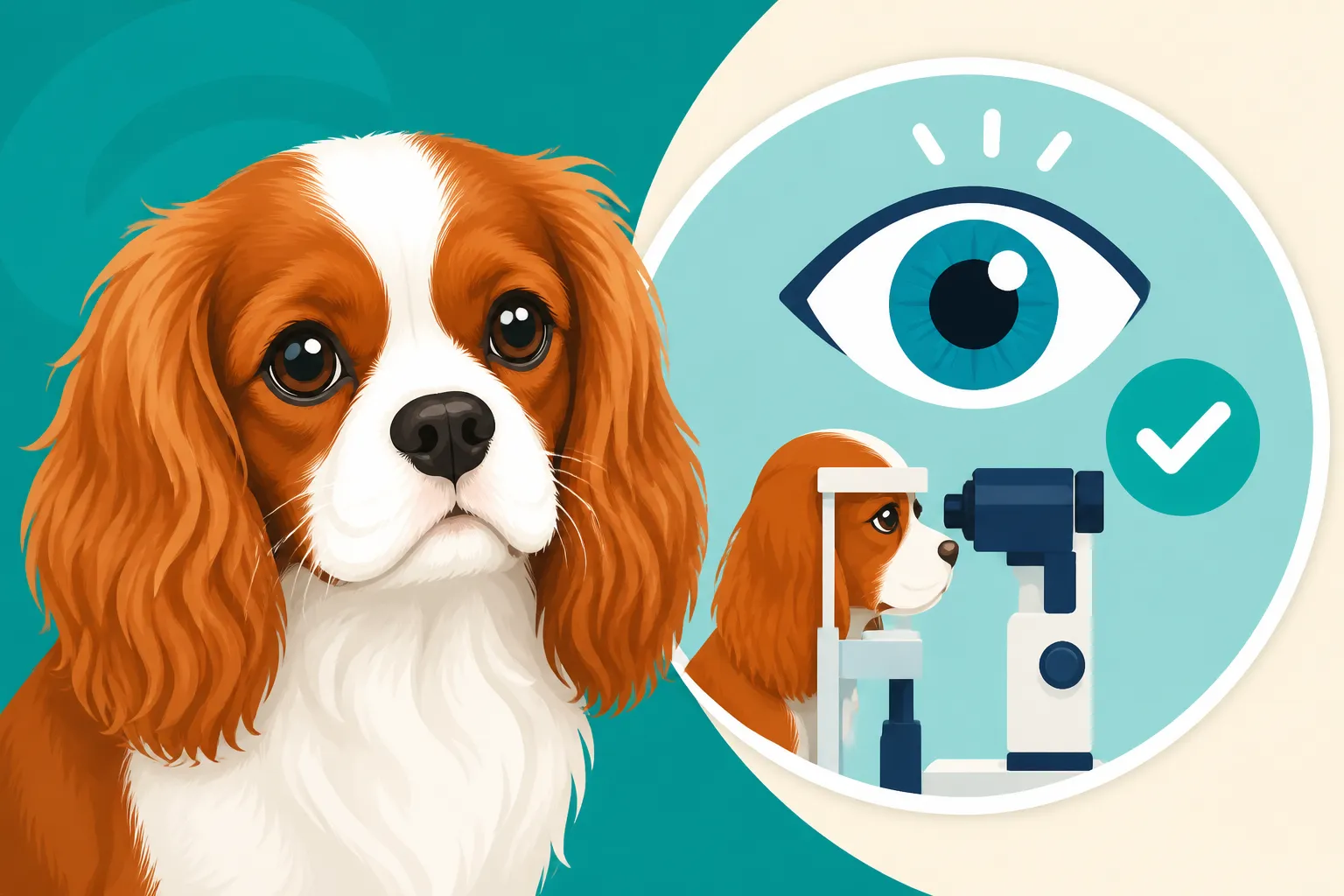
Another important tool is the ophthalmoscope, which allows the vet to look at the internal structures of the eye, including the retina and optic nerve. They might also use a slit lamp biomicroscope, which provides a magnified, three-dimensional view of the front of the eye (cornea, iris, lens), helping them detect very fine changes or abnormalities like early cataracts. Lastly, tonometry, which measures the pressure inside the eye, is often performed, especially in older Cavaliers or those showing signs of pain. This is vital for screening for glaucoma, a painful condition that can lead to blindness if not caught early. None of these tests are generally painful for your dog, though some may require a calming touch or a gentle restraint.
Early Detection and Proactive Management
The value of these regular, comprehensive eye exams cannot be overstated. For many eye conditions, especially those in Cavaliers, early detection is absolutely paramount. Catching issues like dry eye or glaucoma in their initial stages can mean the difference between simple management with drops and severe, irreversible vision loss or chronic pain. Think about it: a small corneal abrasion, if caught early, can be treated with topical antibiotics and heal quickly. If missed, it can progress to a deep ulcer or even rupture, requiring emergency surgery.
Moreover, certain genetic conditions might not show overt symptoms until they've progressed significantly. Regular screening allows for monitoring and, in some cases, prophylactic treatment or management strategies that slow progression. For instance, if your vet notices signs of early cataracts, they can track their development and discuss surgical options before vision is severely impaired. Being proactive also means being prepared for potential costs; setting up an emergency fund or considering comprehensive pet insurance like Healthy Paws when your Cavalier is young can make managing these conditions much less stressful if they arise. It’s about giving your beloved companion the best chance at a long, comfortable life with good vision.
Lifestyle Factors and Home Care for Eye Health
While professional eye exams are indispensable, what you do at home day-to-day plays a huge role in maintaining your Cavalier's eye health. It’s a team effort! First and foremost, regular gentle cleaning around your Cavalier's eyes is crucial. Cavaliers are prone to tear staining, especially lighter-colored ones, but more importantly, excess moisture and debris can accumulate around their prominent eyes, creating a breeding ground for bacteria. Use a soft, damp cloth or a vet-recommended eye wipe to gently clean the area, always wiping away from the eye. Be careful not to get any products in the eye itself unless specifically instructed by your vet. If you notice any crusting or discharge, clean it carefully, but also make a note to mention it to your vet, as it could be a symptom of an underlying issue.
Another important lifestyle factor is ensuring your Cavalier's facial hair is kept trimmed, especially the hair around their eyes. Long hair can poke their eyes, carry debris, and wick moisture, contributing to irritation and infections. A quick trim by you (if you're confident and have proper blunt-nosed scissors) or by your groomer can make a world of difference. Furthermore, protect your Cavalier from obvious irritants: avoid letting them stick their head out the car window at high speeds, which can dry out their eyes or introduce debris. If you have a Cavalier with A Cavalier Born Without Tears or a history of dry eye, using prescribed lubricants diligently is paramount. Good nutrition, plenty of fresh water, and avoiding allergens if your Cavalier has sensitivities can also contribute to overall eye health.
Beyond the Annual Check-Up: When to Be Concerned
Even with regular annual exams, it's vital for us as owners to be our Cavaliers' first line of defense. They can't tell us when their eyes hurt, so recognizing subtle changes and knowing when to seek immediate veterinary attention is incredibly important.
Recognizing the Warning Signs of Eye Problems
Your Cavalier's eyes should generally be clear, bright, and free of excessive discharge or redness. Their pupils should be equal in size and react to light. As a pet parent, you're uniquely positioned to notice when something is "off." Any deviation from this normal appearance warrants attention. Keep an eye out for signs like excessive blinking, squinting, or holding an eye shut – these are all indicators of pain or irritation. Increased tearing, especially if it seems watery or thick, or any colored discharge (yellow, green, or white) is also a red flag. A quick check during daily cuddles or grooming can reveal a lot.
Another significant sign to watch for is a change in the appearance of the eye itself. Look for redness in the white part of the eye, cloudiness or a bluish haze over the cornea, or a visible change in the color or clarity of the pupil. Swelling around the eye or eyelids, pawing at the face, or rubbing their head on furniture can all indicate discomfort. If your Cavalier seems to be bumping into things or showing signs of decreased vision, such as being hesitant to go down stairs or navigate familiar spaces, it's definitely time to call the vet. Early intervention for these symptoms, even if it's just a mild irritation, can prevent a minor problem from escalating.
Emergency Situations Requiring Immediate Vet Attention
While many eye issues can wait for a regular vet appointment, some situations are absolute emergencies and require immediate veterinary attention. Time is often of the essence in saving vision or preventing severe pain. If you notice a sudden, severe injury to the eye, such as a puncture wound, a deep scratch, or if something is embedded in the eye, do not attempt to treat it yourself. Get to an emergency vet right away.
Sudden blindness, where your Cavalier suddenly cannot see, is another critical emergency. This could be caused by trauma, glaucoma, sudden retinal detachment, or even a neurological event. Any sudden, extreme redness of the eye accompanied by pain (squinting, holding the eye shut) and a cloudy appearance could indicate acute glaucoma, which is incredibly painful and can lead to irreversible blindness within hours if not treated promptly. Furthermore, if you see the eye bulging or appearing to be out of its socket, this is a severe emergency requiring immediate care. In these cases, it's better to overreact and get your Cavalier checked than to wait and risk their vision or comfort. This is where having pet insurance like Healthy Paws can truly alleviate the financial stress during an emergency, allowing you to focus on your dog's care without hesitation.
Proactive Steps for Owners
Taking proactive steps is crucial for managing your Cavalier's long-term eye health. Beyond those regular vet visits, consider investing in pet insurance before any conditions develop. Many policies, including those from providers like Healthy Paws, consider pre-existing conditions if they are diagnosed before coverage begins. So, insuring your Cavalier when they are a puppy, when their eyes are typically healthy, can save you a significant amount if a hereditary condition like dry eye or cataracts develops later in life. You can read more about this in our article: Insuring a Cavalier Before the Murmur Arrives.
Also, be diligent about selecting your breeder. A reputable breeder will provide clear documentation of eye health clearances for both parents, usually from a board-certified veterinary ophthalmologist. This is one of the best ways to reduce the risk of your Cavalier inheriting serious eye diseases. Always ask to see the actual certificates, not just a verbal assurance. Remember, a healthy Cavalier is a happier Cavalier, and good eye health contributes significantly to their quality of life. Understanding The Heart Testing a Cavalier Breeder Must Do also gives you a good idea of the level of dedication a good breeder has towards health.
The following table summarizes some common Cavalier eye conditions and what to look out for:
| Condition | Common Symptoms | Potential Treatment |
|---|---|---|
| Dry Eye (KCS) | Thick, sticky discharge; red, irritated eyes; squinting | Lifelong prescription eye drops; artificial tears |
| Cataracts | Cloudy appearance in lens; vision loss; bumping into objects | Surgical removal; visual aids for advanced cases |
| Retinal Dysplasia | Varies (can be subtle to severe vision loss); detected by ophthalmologist | No specific treatment; manage vision impairment |
| Distichiasis/Ectopic Cilia | Chronic irritation; tearing; squinting; corneal ulcers | Surgical removal or cryosurgery of extra eyelashes |
| Corneal Ulcers | Squinting; pain; watery discharge; cloudiness; pawing at eye | Antibiotic eye drops; pain medication; possibly surgery |
| Glaucoma | Sudden, severe redness & pain; cloudy eye; dilated pupil; bulging eye | Emergency medical treatment; surgery (drainage, eye removal) |
| Cherry Eye | Red, fleshy mass protruding from inner corner of eye | Surgical repositioning of the gland |
Ultimately, for any Cavalier King Charles Spaniel, the answer to "Does my Cavalier need a yearly eye exam?" is a resounding yes. It's a fundamental part of their preventative care, safeguarding their vision and overall well-being throughout their lives. Being vigilant, understanding their predispositions, and working closely with your veterinarian are the best ways to ensure those beautiful eyes stay healthy and happy for as long as possible. Remember, a stitch in time saves nine, and that goes double for our precious Cavaliers' eyesight!
Disclaimer
This article is intended for informational purposes only and does not constitute veterinary advice. Always consult with a qualified veterinarian or veterinary ophthalmologist for any health concerns or before making any decisions about your Cavalier King Charles Spaniel's medical care.