Cavalier Eye Disease From Dry Eye to Cataracts
Few things are more heartbreaking than watching your beloved Cavalier King Charles Spaniel struggle with something that affects their quality of life, especially when it comes to their sight. The prominent, expressive eyes that draw us in are, unfortunately, also quite susceptible to a range of diseases, from persistent dry eye to serious cataracts and even conditions that can lead to blindness. This guide is here to walk you through the various eye diseases common in Cavaliers, help you understand the symptoms, the diagnostic process, and most importantly, the treatment and management options available, so you can keep those precious eyes as healthy and comfortable as possible.
Understanding the Cavalier's Unique Eye Structure
Cavaliers are undeniably adorable, and a huge part of their charm lies in those big, soulful eyes. But ironically, these very features that make them so appealing are also the root of many of their eye-related vulnerabilities. Their unique skull shape, coupled with certain breed characteristics, means their eyes are often more exposed and less protected than those of other breeds. It’s a sad reality that comes with their sweet looks, and as owners, it's crucial to understand these predispositions to be truly proactive in their care.
Prominent Eyes: Exposure and Vulnerability
Take a good look at your Cavalier. Notice how their eyes seem to bulge slightly, sitting rather prominently in their skull? This isn't just a cute trait; it means their eyeballs are more exposed to the elements and potential physical trauma. Imagine walking through a thorny bush or playing in tall grass – a Cavalier's eyes are more likely to get scratched or poked than a dog with deeper-set eyes. Even everyday dust, pollen, or a gust of wind can cause more irritation because their eyes don't have the same natural shield.
This exposure can lead to chronic irritation, redness, and a higher risk of developing conditions like conjunctivitis simply because foreign particles have an easier path to the eye's surface. Owners often find themselves wiping away more 'sleep' or discharge, which can be an early sign of persistent irritation. It's not just about aesthetics; it's about a physical vulnerability that demands a little extra vigilance in their daily care and play.
Shallow Eye Sockets: Lack of Protection
Beyond their prominent placement, Cavaliers also tend to have relatively shallow eye sockets. Think of it like a golf ball sitting on a tee compared to one nestled deep within a cup. There's simply less bone structure surrounding and protecting the eye. This anatomical quirk further exacerbates the issue of exposure, making them more susceptible to injury from even minor bumps or scrapes. A playful nip from another dog, a misjudged jump, or even running into furniture can, in rare but serious cases, lead to proptosis, where the eyeball actually pops out of its socket. While this sounds terrifying and is thankfully uncommon, it underscores just how delicate their ocular structure truly is.
This lack of deep housing means the eyelid also has less 'grip' on the eyeball, sometimes contributing to conditions where the eyelids roll in or out, further irritating the eye. It's a subtle but significant factor in their overall eye health, meaning even seemingly small incidents can have larger implications for a Cavalier.
Facial Anatomy: Tear Staining and Eye Irritation
The charming, slightly flattened face of the Cavalier, while not as extreme as some brachycephalic breeds, still plays a role in their eye health. Their short muzzles and sometimes less-defined tear ducts can contribute to issues like excessive tear production or, conversely, blockages that prevent tears from draining properly. When tears don't drain correctly, they spill over onto the fur around the eyes, leading to those unsightly reddish-brown streaks known as tear staining. While often primarily a cosmetic concern, persistent moisture can create a breeding ground for yeast and bacteria, leading to skin irritation and infections around the eye area.
Beyond drainage, the structure of the eyelids and eyelashes themselves can be problematic. Sometimes, extra eyelashes grow in abnormal places, or the eyelids themselves roll inward (entropion) or outward (ectropion), causing constant rubbing and irritation to the delicate surface of the eye. These seemingly minor anatomical quirks can lead to chronic discomfort and more serious conditions if left unaddressed. It really highlights how interconnected all these facial features are to healthy vision.
Dry Eye Syndrome in Cavaliers (Keratoconjunctivitis Sicca – KCS)
If you've spent any time researching Cavalier health, you've probably heard of dry eye, or Keratoconjunctivitis Sicca (KCS). It’s an incredibly common and often painful condition for our beloved Cavaliers, making it one of the most significant eye health challenges they face. Essentially, KCS means your dog isn't producing enough tears, or the quality of their tears is poor, leading to a perpetually dry, irritated eye. It’s a bit like having sand in your eyes all the time, but without the relief of tears to wash it away. For a Cavalier, this isn't just uncomfortable; it can severely impact their vision and overall well-being if not managed diligently. Many owners report their Cavaliers experiencing this chronic discomfort. You can learn more about this specific issue in detail by reading about Dry Eye and Curly Coat Syndrome in Cavaliers.
Recognizing the Signs: What to Look For
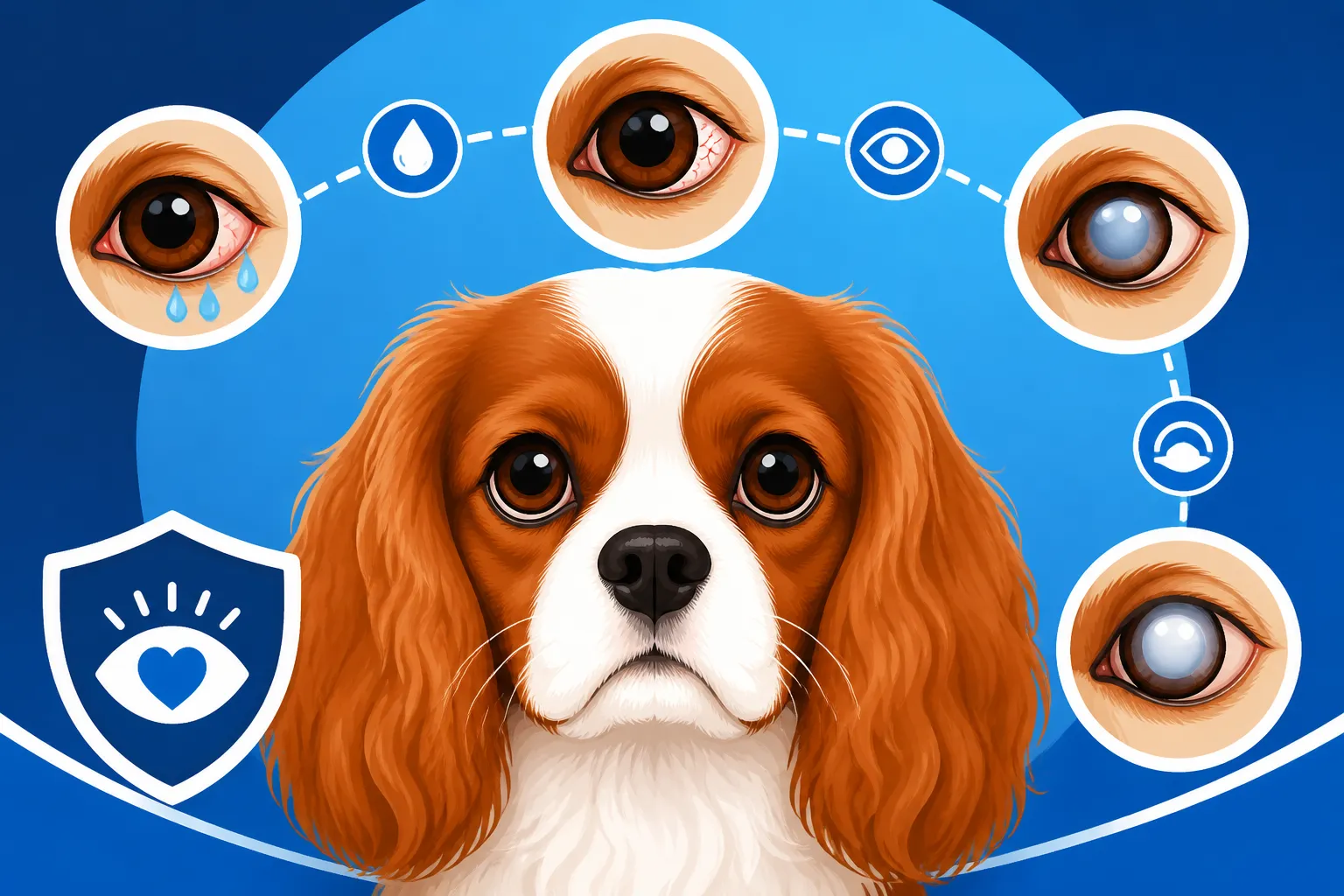
Spotting dry eye can be tricky at first because the symptoms might seem like general eye irritation. However, there are some tell-tale signs to watch out for. One of the most common indicators is a thick, stringy, yellowish-green discharge from the eye. This isn't just normal 'sleep'; it's often a sign that the eye is trying to compensate for the lack of lubricating tears by producing more mucus. You might also notice redness and inflammation of the conjunctiva (the pink tissue surrounding the eyeball), which can make the eyes look perpetually bloodshot and irritated.
Cavaliers with KCS will often blink excessively, squint, or rub their eyes with their paws or against furniture, desperately trying to find relief from the discomfort. Their eyes might appear dull, cloudy, or even develop a hazy film as the dryness progresses. If you notice any of these signs, especially if they persist or worsen, it’s vital to get your Cavalier to the vet sooner rather than later. Early intervention can make a significant difference in managing this chronic condition and preventing long-term damage.
Diagnosis and Testing: How Vets Confirm KCS
When you bring your Cavalier to the vet with suspected dry eye, the diagnostic process typically starts with a thorough ophthalmic exam. The gold standard for diagnosing KCS is a simple, non-invasive test called the Schirmer Tear Test (STT). This involves placing a small strip of filter paper just inside your dog's lower eyelid for one minute. The amount of tears absorbed by the paper is measured, indicating their tear production rate. A reading below a certain threshold (usually 15 mm/minute) confirms KCS.
Your vet may also perform a fluorescein stain test, which uses a special dye to check for corneal ulcers. Dry eyes are much more prone to developing these painful sores because the protective tear film isn't there to shield the cornea. If an ulcer is present, it will glow green under a blue light, indicating damage to the eye's surface. These diagnostic tools are quick and essential for pinpointing the problem and guiding the appropriate treatment plan. It’s always best to have a clear diagnosis rather than guessing, as treatments for other eye conditions can actually worsen KCS.
Treatment Options and Long-Term Management: Lifelong Commitment
Treating KCS in Cavaliers is rarely a one-time fix; it’s usually a lifelong commitment to daily medication and management. The primary goal is to stimulate tear production and reduce inflammation. The most common medications are topical immunosuppressants like cyclosporine (e.g., Optimmune) or tacrolimus, which are applied as eye drops or ointments once or twice daily. These drugs work by suppressing the immune system’s attack on the tear glands, allowing them to produce more tears. For many Cavaliers, these medications are incredibly effective, dramatically improving their comfort and eye health.
In addition to tear stimulators, artificial tear lubricants are often prescribed to provide immediate relief and help moisten the eye throughout the day. These can be particularly helpful during flare-ups or if tear production isn't fully restored. Anti-inflammatory drops might also be used initially to reduce severe redness and swelling. In very severe cases where medical management isn't enough, a surgical procedure called parotid duct transposition, which reroutes a salivary gland duct to the eye, might be considered, though this is quite rare. The ongoing cost of these medications can be significant, so having a pet insurance plan like Healthy Paws can be a real lifeline for managing these chronic conditions without breaking the bank. Owners often find they're refilling prescriptions monthly, and consistent application is key to preventing painful relapses and irreversible damage to the cornea.
Cataracts in Cavaliers: Clouding the World
Cataracts are a common eye condition that can affect many dog breeds, and unfortunately, Cavaliers are no exception. For owners, the sight of a cloudy, opaque lens developing in their dog's eye can be quite alarming. A cataract is essentially the clouding of the eye's natural lens, which normally focuses light onto the retina. When a cataract forms, it obstructs the passage of light, leading to blurred vision and, if severe enough, complete blindness. It’s important to understand that not all cloudiness in a senior dog's eye is a cataract; sometimes it’s a normal age-related change called nuclear sclerosis, which usually doesn’t significantly impair vision. However, distinguishing between the two requires a veterinary examination. If you've been noticing any changes in your Cavalier's vision, an eye exam is the first step. You can read more about this topic in depth by checking out Cavalier Cataracts and Retinal Disease.
Types of Cataracts: Juvenile vs. Senior Onset
Cataracts in Cavaliers can manifest at different stages of life, broadly categorized as juvenile or senior onset. Juvenile cataracts, often hereditary, can develop in puppies or young adult Cavaliers, sometimes as early as a few months old. These can progress rapidly and are particularly devastating because they affect a dog during what should be their most active years. This early onset often points to a genetic predisposition, underscoring the importance of responsible breeding practices and genetic screening for potential parent dogs. If you’re considering a Cavalier puppy, asking about the eye health history of the parents and grandparents is absolutely critical, as is reviewing Reading a Cavalier Puppy's Health Certificates thoroughly.
Senior onset cataracts, on the other hand, typically appear in older Cavaliers, much like they do in aging humans. These tend to progress more slowly and are often a natural part of the aging process. However, even in older dogs, cataracts can significantly diminish their quality of life, making it harder for them to navigate their environment. Sometimes, cataracts can also develop secondary to other diseases, such as diabetes, though diabetes is less common in Cavaliers compared to some other breeds. Understanding the type of cataract helps vets determine the best course of action and what to expect in terms of progression.
Symptoms and Progression: How Vision Changes
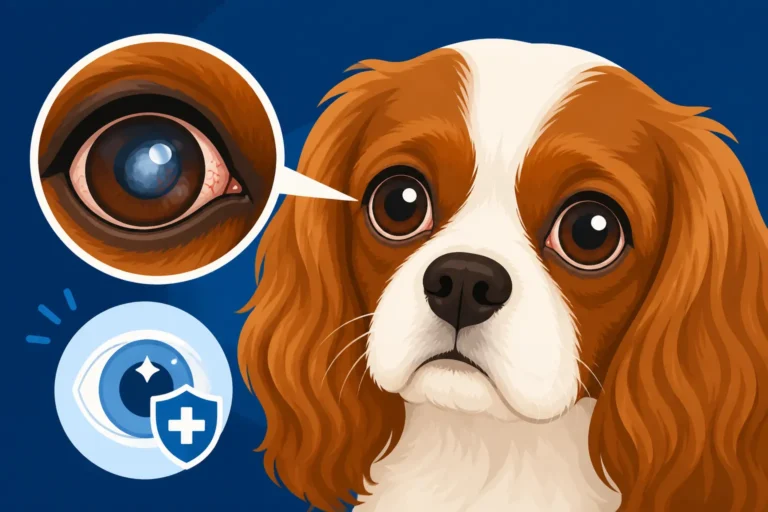
The signs of cataracts can be subtle initially and become more obvious as the condition progresses. The most noticeable symptom is the appearance of a grayish or whitish cloudiness in the pupil, which is normally black. This cloudiness might start as a small speck and gradually expand to cover the entire lens. As the cataract grows, you’ll likely observe changes in your Cavalier’s behavior related to their vision loss. They might become hesitant to jump on and off furniture, bump into objects, or seem disoriented in unfamiliar environments or dim lighting. Navigating stairs can become particularly challenging.
You might also notice them being more easily startled, especially if someone approaches them from their blind side. Their depth perception will be affected, making activities like catching a ball difficult. In advanced stages, complete blindness can occur, which is, of course, incredibly distressing for both dog and owner. The progression rate varies; some cataracts develop slowly over years, while others can mature rapidly in a matter of months. Regular veterinary eye exams, even if you don't suspect a problem, are vital for early detection, as discussed in Whether a Cavalier Needs a Yearly Eye Exam.
Surgical and Non-Surgical Approaches: What Can Be Done
When a Cavalier is diagnosed with cataracts, the treatment options depend on the severity, the age of the dog, and overall health. For significant vision impairment, cataract surgery is often the most effective solution. This procedure involves removing the clouded lens and, in many cases, replacing it with an artificial intraocular lens (IOL). Performed by a veterinary ophthalmologist, it’s a specialized surgery with a high success rate for restoring vision. However, it’s not without risks, and anesthesia is always a consideration, especially for Cavaliers who might have underlying heart conditions, as discussed in Anesthesia Risk in a Cavalier With a Murmur. Post-operative care involves meticulous administration of eye drops for several weeks, which requires dedication from the owner.
For Cavaliers where surgery isn't an option due to other health issues, cost, or if the cataracts are minor and not significantly impacting quality of life, non-surgical management focuses on supportive care. This might include anti-inflammatory eye drops to manage any secondary inflammation, though these won't resolve the cataract itself. Adapting your home environment to assist a visually impaired dog – like maintaining consistent furniture placement, using textured paths, and gentle verbal cues – can significantly improve their daily life. While heartbreaking, many dogs adapt remarkably well to vision loss with patient and thoughtful owners, especially when they have their familiar routines and surroundings. It's a conversation you'll have with your vet to weigh the pros and cons for your individual Cavalier.
Retinal Diseases Affecting Cavaliers: Progressive Vision Loss
Beyond the front structures of the eye, the retina, which is the light-sensitive tissue at the back of the eye, can also be affected by various conditions in Cavaliers. These retinal diseases are often hereditary and can lead to progressive, irreversible vision loss, eventually resulting in blindness. Unlike cataracts, which affect the lens and can often be surgically corrected, retinal diseases involve the nerve tissue itself, making treatment far more challenging. It’s a silent thief of sight, often progressing unnoticed until significant vision is already lost.
Progressive Retinal Atrophy (PRA): Understanding the Genetic Threat
Progressive Retinal Atrophy (PRA) is a group of inherited degenerative diseases that affect the photoreceptor cells (rods and cones) in the retina. In simple terms, these cells, which are responsible for detecting light and transmitting visual signals to the brain, gradually deteriorate. Different forms of PRA exist, with some affecting night vision first (rod degeneration), while others impact daylight vision. For Cavaliers, the most common form is generally believed to be an autosomal recessive trait, meaning a puppy must inherit a copy of the defective gene from both parents to be affected. If they inherit only one copy, they are carriers and won't show symptoms but can pass the gene to their offspring.
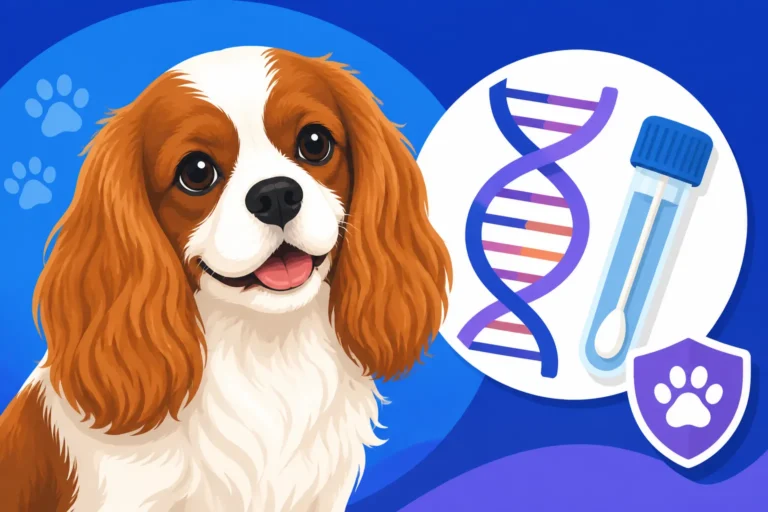
The insidious nature of PRA is that it often starts with subtle night blindness, which owners might not notice immediately. Your Cavalier might become more hesitant to go outside in the dark, bump into objects at dusk, or seem disoriented in dimly lit rooms. As the disease progresses, daytime vision also deteriorates, leading to complete blindness over months or years. Currently, there is no cure for PRA, but genetic testing is available for certain forms, allowing responsible breeders to screen their dogs and avoid breeding affected or carrier animals. This highlights the critical importance of The DNA Tests Every Cavalier Should Have for identifying genetic predispositions and helping to eradicate such devastating diseases from the breed.
Retinal Dysplasia/Folds: Developmental Anomalies
Retinal dysplasia refers to an abnormal development of the retina. This condition can range from mild "retinal folds" – small, harmless wrinkles in the retinal tissue that typically don't affect vision – to more severe forms that can cause significant vision impairment or even blindness. The severity depends on the extent and location of the abnormal development. Mild retinal folds are often found incidentally during a routine veterinary eye exam and may not require any intervention. They are often considered benign.
However, more extensive or "geographic" retinal dysplasia can involve larger areas of the retina, leading to distorted vision or blind spots. In its most severe form, complete retinal detachment can occur, resulting in total blindness. Retinal dysplasia is typically a congenital condition, meaning the puppy is born with it, and it can be inherited. While less common than PRA as a severe vision-threatening condition in Cavaliers, it's still something that veterinary ophthalmologists will screen for during comprehensive eye examinations, especially in young puppies. Breeding dogs should ideally be cleared of any significant forms of retinal dysplasia.
Living with Vision Loss: Adapting for your Cavalier
Receiving a diagnosis of a retinal disease like PRA can be devastating for an owner, knowing that their beloved Cavalier will inevitably lose their sight. However, it's important to remember that dogs are incredibly adaptable, and many blind Cavaliers lead full, happy lives with the right support from their families. The key is creating a safe, consistent, and predictable environment. Maintaining furniture in the same locations, using consistent verbal cues (e.g., "step up," "watch out"), and establishing a routine for walks and feeding can help them navigate their world with confidence.
Scent can become a powerful tool; you can use different essential oils (safely diluted and applied) or scented markers near doorways or hazards to help your dog orient themselves. Investing in a halo harness or a "bumper" device can protect their face and head from bumps as they learn to navigate. Importantly, don't pity your blind Cavalier; instead, empower them. Continue to engage them with scent games, familiar toys, and plenty of physical affection. Their sense of smell and hearing will become heightened, offering new ways for them to experience the world. It really takes a dedicated owner, but the bond often grows even stronger as you become their eyes. This level of care can become especially pertinent as you start Caring for a Cavalier Past Nine, when multiple health challenges might arise.
Eyelid and Eyelash Abnormalities: Structural Challenges
Beyond the internal structures of the eye, the eyelids and eyelashes themselves can present significant problems for Cavaliers. These aren't just cosmetic issues; structural abnormalities can cause constant irritation, pain, and even lead to more serious corneal damage if left unaddressed. It's easy to overlook these subtle issues until they cause chronic discomfort for your dog, but they are a frequent source of visits to the vet ophthalmologist.
Entropion and Ectropion: Inward and Outward Turning Eyelids
Entropion is a condition where a portion of the eyelid, usually the lower one, rolls inward towards the eye. This causes the eyelashes and the hair on the eyelid to constantly rub against the delicate surface of the cornea. Imagine having a persistent eyelash in your eye that you can't get out – it's incredibly painful and irritating. This constant friction can lead to chronic tearing, redness, conjunctivitis, and, most dangerously, corneal ulcers, which are open sores on the eye's surface. If left untreated, these ulcers can become infected, scar, or even rupture the eye, causing permanent vision loss.
Conversely, ectropion is when the eyelid rolls outward, exposing the conjunctiva (the pink lining of the eyelid) and the lower part of the eyeball. While less painful than entropion, it leaves the eye vulnerable to environmental irritants like dust, dirt, and wind, leading to chronic dryness, inflammation, and recurring infections. The exposed tissue can also dry out and become irritated. Both conditions can be inherited, and while ectropion is sometimes seen as a mild trait in some breeds, in Cavaliers, their prominent eyes can make either condition particularly problematic due to increased exposure. Surgical correction is often necessary to alleviate the discomfort and prevent further damage.
Distichiasis and Ectopic Cilia: Extra Eyelashes Causing Irritation
Cavaliers are particularly prone to developing abnormal eyelashes, specifically distichiasis and ectopic cilia. Distichiasis occurs when extra eyelashes grow from abnormal locations along the eyelid margin, often emerging from the oil glands (meibomian glands) instead of the normal lash line. These extra lashes can be soft and harmless, but many are stiff and rub against the cornea, causing irritation, tearing, squinting, and potential corneal damage, much like entropion. While some dogs might live their whole lives with distichia without issues, others experience significant discomfort. This specific problem is further detailed in Extra Eyelashes Rubbing a Cavalier's Eye.
Ectopic cilia are even more problematic. These are eyelashes that grow through the conjunctiva (the inner lining of the eyelid) and directly rub against the cornea. Because they emerge from inside the eyelid, they often go unnoticed until they cause severe pain and damage. Ectopic cilia are almost always irritating and can quickly lead to painful corneal ulcers. Both distichiasis and ectopic cilia require a thorough examination by a veterinary ophthalmologist, often using magnification, to accurately diagnose and plan treatment.
Surgical Correction: When It's Necessary
For most eyelid and eyelash abnormalities that cause discomfort or damage to the eye, surgical correction is the definitive treatment. For entropion and ectropion, ophthalmic surgeons perform a procedure to remove a small wedge of skin and muscle from the affected eyelid, tightening or repositioning it so it no longer rolls in or out. The goal is to restore the eyelid to its normal position, preventing irritation and protecting the eye.
Treating distichiasis and ectopic cilia typically involves surgically removing the abnormally growing hair follicles. This can be done through various techniques, including cryosurgery (freezing the follicle), electrocautery (using heat), or direct surgical excision. The choice of technique depends on the number and location of the abnormal lashes. These procedures aim to permanently destroy the problematic follicles to prevent regrowth. While the idea of eye surgery can be daunting, these interventions are usually highly successful in relieving pain and protecting your Cavalier's vision, dramatically improving their quality of life. The success rate is quite high, and the relief for the dog is usually immediate. Always be sure to discuss the necessity and potential complications of such surgeries with your vet and a board-certified veterinary ophthalmologist.
Corneal Ulcers and Injuries: Painful and Urgent
The cornea, the clear outer surface of the eye, is incredibly delicate yet constantly exposed. For Cavaliers, with their prominent eyes, corneal ulcers and injuries are a frequent and painful reality. A corneal ulcer is essentially an open sore on the surface of the eye, and it can range from a superficial abrasion to a deep, vision-threatening lesion. Because the cornea is packed with nerve endings, even a small ulcer can cause significant pain and distress for your Cavalier, making it an urgent medical concern.
Causes of Corneal Ulcers: From Trauma to Dry Eye
Corneal ulcers can stem from a variety of causes, and unfortunately, Cavaliers are predisposed to many of them. Direct trauma is a very common culprit – a scratch from a claw during play, running into a sharp object, or even a foreign body like a grass seed getting stuck under an eyelid. Their prominent eyes make them particularly vulnerable to such accidental injuries. Environmental irritants, like dust, smoke, or harsh chemicals, can also damage the corneal surface, making it susceptible to ulceration.
Beyond external trauma, underlying eye conditions are often significant contributors. Dry eye syndrome (KCS) is a major risk factor; without an adequate tear film to lubricate and protect the cornea, it becomes dry, fragile, and prone to breaking down. Eyelid abnormalities like entropion or abnormal eyelashes (distichiasis, ectopic cilia) cause constant rubbing against the cornea, leading to chronic irritation and ulcer formation. Even conditions like glaucoma, which causes increased pressure within the eye, can compromise corneal health. It's a complex interplay, and a vet will need to determine the root cause to prevent recurrence. This issue is directly covered in Corneal Ulcers on Prominent Cavalier Eyes.
Symptoms and Emergency Care: When to Rush to the Vet
Recognizing the signs of a corneal ulcer is crucial because prompt treatment can prevent more severe complications. The most obvious symptom is intense pain. Your Cavalier might hold their eye shut, squint excessively, blink rapidly, or rub their face with a paw. There will likely be excessive tearing (epiphora) and redness of the conjunctiva. The eye itself might appear cloudy, hazy, or have a visible defect on its surface, although this can be subtle. In some cases, you might even see a white or grayish spot, which indicates a deeper ulcer or an inflammatory response.
If you suspect your Cavalier has a corneal ulcer, it is an emergency. Do not attempt to treat it yourself with old eye drops, and absolutely do not delay a vet visit. Call your veterinarian immediately or head to an emergency animal hospital. Waiting can allow the ulcer to deepen, become infected, or even rupture the eye, potentially leading to irreversible vision loss. Early diagnosis and appropriate treatment are key to a successful outcome. The pain alone warrants immediate attention.
Treatment and Prevention: Healing and Protecting the Eye
Treatment for corneal ulcers primarily focuses on promoting healing, managing pain, and preventing infection. Your vet will first confirm the ulcer using a fluorescein stain and then assess its depth. For superficial ulcers, treatment typically involves topical antibiotic eye drops or ointments to prevent bacterial infection, atropine drops to relieve painful muscle spasms in the eye, and possibly oral pain medication. A "collar" or Elizabethan cone is almost always necessary to prevent your Cavalier from rubbing or scratching the eye, which can worsen the ulcer.
Deeper ulcers, or those that aren't healing properly (called indolent ulcers), may require more aggressive treatments, including specialized corneal surgery by a veterinary ophthalmologist. This might involve debridement (gently scraping away loose tissue), a grid keratotomy (creating small scratches to encourage healing), or even a conjunctival flap procedure where a piece of conjunctiva is surgically moved over the ulcer to provide blood supply and support healing. For prevention, addressing underlying causes like dry eye or abnormal eyelashes is paramount. Regular grooming and keeping the hair around the eyes trimmed can also reduce irritation. And of course, keeping your Cavalier's environment safe and free of sharp hazards will help minimize the risk of traumatic injuries.
Managing and Preventing Cavalier Eye Issues: Proactive Care
Knowing about all these potential eye problems can feel overwhelming, but the good news is that much can be done to manage and even prevent many of them. Proactive care, vigilance, and working closely with your veterinarian are your best tools in ensuring your Cavalier's eyes remain healthy and comfortable throughout their life. It's about building a routine of awareness and action, rather than waiting for a problem to arise.
Routine Eye Care at Home: Daily Checks and Cleaning
One of the most effective ways to stay on top of your Cavalier's eye health is to incorporate routine eye care into your daily grooming regimen. This doesn't need to be a complicated process, just a few minutes of attentive observation. Each day, take a moment to gently look at your Cavalier's eyes. Are they bright and clear? Is there any excessive redness, cloudiness, or discharge? Do they seem painful or squinty? Check for any foreign material, like debris or dried mucus, in the corners of their eyes.
You can gently wipe away any discharge with a soft, damp cloth or a veterinarian-approved eye wipe. Always wipe away from the eye, towards the nose, and use a fresh cloth for each eye to prevent cross-contamination. Keeping the hair around their eyes trimmed short can also help prevent irritation and keep the area cleaner. If you notice persistent tearing or tear staining, consistent cleaning can help prevent skin irritation and infection. Remember, early detection of subtle changes often makes treatment much simpler and more effective.
Regular Veterinary Eye Exams: Why They're Crucial
While your home checks are invaluable, they are no substitute for professional veterinary eye examinations. Just like humans need regular check-ups, your Cavalier needs their eyes assessed by a vet, ideally annually. During a routine check-up, your general practice veterinarian will perform a basic eye exam, looking for obvious issues and checking tear production with a Schirmer Tear Test. They can often catch early signs of conditions like dry eye or developing cataracts before they become severe.
For Cavaliers, especially those showing any signs of eye issues or those intended for breeding, referral to a board-certified veterinary ophthalmologist is highly recommended. These specialists have advanced training and equipment (like slit lamps and indirect ophthalmoscopes) to detect subtle abnormalities that a general vet might miss. An ophthalmologist can provide a comprehensive assessment, including screening for genetic conditions like PRA or subtle retinal folds. This specialized care is particularly important for breeds with known predispositions, such as Cavaliers. For breeders, annual cardiac screening, like Annual Cardiologist Exams for a Cavalier, is also important, and these specialist vets often work in the same referral clinics. These regular checks are an investment in your Cavalier’s long-term eye health and vision.
Choosing a Reputable Breeder: Genetic Screening and Certifications
When it comes to preventing inherited eye diseases, the most impactful step you can take is to choose a reputable, health-testing breeder. A responsible Cavalier breeder will be intimately familiar with the genetic health challenges of the breed and will actively work to minimize the risk of passing them on. This means performing comprehensive health screenings on their breeding dogs, not just for eye conditions, but also for other prevalent Cavalier issues like heart disease (The Heart Testing a Cavalier Breeder Must Do) and syringomyelia.
For eye health specifically, a reputable breeder will have their breeding Cavaliers examined by a board-certified veterinary ophthalmologist annually and will typically provide current certifications from organizations like the Orthopedic Foundation for Animals (OFA) or the Canine Eye Registration Foundation (CERF), now part of OFA's Eye Certification Registry. These certifications indicate that the parents have been screened for hereditary eye diseases and deemed free of observable conditions at the time of examination. They should also be able to discuss genetic DNA tests for conditions like PRA. Avoid breeders who claim their dogs are "vet checked" but can't provide specific health certifications or who breed dogs under the age of two for any reason, as many genetic conditions don't manifest until later. A transparent breeder will happily share these documents and explain their breeding protocols, ensuring you're bringing home the healthiest possible puppy.
Table of Common Cavalier Eye Conditions
To help summarize some of the key eye conditions we've discussed, here's a quick reference table. This is by no means exhaustive, but it covers the most common and significant issues Cavalier King Charles Spaniel owners may encounter.
| Condition | Description | Common Symptoms | Treatment Approach |
|---|---|---|---|
| Dry Eye (KCS) | Insufficient tear production, leading to dry, irritated eyes. | Thick, sticky discharge; redness; squinting; rubbing eyes. | Daily topical medications (cyclosporine/tacrolimus); artificial tears. |
| Cataracts | Clouding of the eye's lens, obstructing light and causing blurred vision. | Gray/white opacity in pupil; bumping into objects; hesitant movement. | Surgical removal with lens replacement (phacoemulsification); supportive care. |
| Progressive Retinal Atrophy (PRA) | Degeneration of retinal photoreceptor cells, leading to progressive blindness. | Night blindness initially; dilated pupils; gradual vision loss. | No cure; genetic testing for prevention; environmental adaptation. |
| Entropion/Ectropion | Eyelid rolls inward (entropion) or outward (ectropion), causing irritation. | Squinting; excessive tearing; redness; chronic infections; ulcers. | Surgical correction to reposition eyelid. |
| Distichiasis/Ectopic Cilia | Extra eyelashes growing in abnormal positions, rubbing the cornea. | Eye pain; redness; tearing; squinting; corneal ulcers. | Surgical removal or destruction of affected hair follicles. |
| Corneal Ulcers | Open sore on the surface of the eye, often very painful. | Severe pain; holding eye shut; tearing; redness; cloudy spot on eye. | Antibiotic drops; pain relief; protective collar; surgery for deep ulcers. |
Remember, this table is a summary. Each condition requires professional veterinary diagnosis and a tailored treatment plan.
Disclaimer
The information provided in this article is for general informational purposes only and is not intended as a substitute for professional veterinary advice, diagnosis, or treatment. Always seek the advice of your veterinarian or other qualified animal health provider with any questions you may have regarding a medical condition or the health and welfare of your pet. Never disregard professional veterinary advice or delay in seeking it because of something you have read in this article.