Dry Eye and Curly Coat Syndrome in Cavaliers
One of the hardest things about loving a Cavalier King Charles Spaniel is knowing how prone they are to certain health issues, and few are as relentlessly uncomfortable or heartbreaking as chronic eye and skin problems. If you've ever seen your sweet Cavalier constantly rubbing their face, blinking excessively, or sporting a dull, unhealthy coat despite your best efforts, you might be dealing with either dry eye syndrome or the more severe Curly Coat Syndrome. This guide is here to walk you through understanding, identifying, and managing these specific conditions, offering practical advice and a realistic look at what it means for your beloved companion.
Understanding Keratoconjunctivitis Sicca KCS in Cavaliers
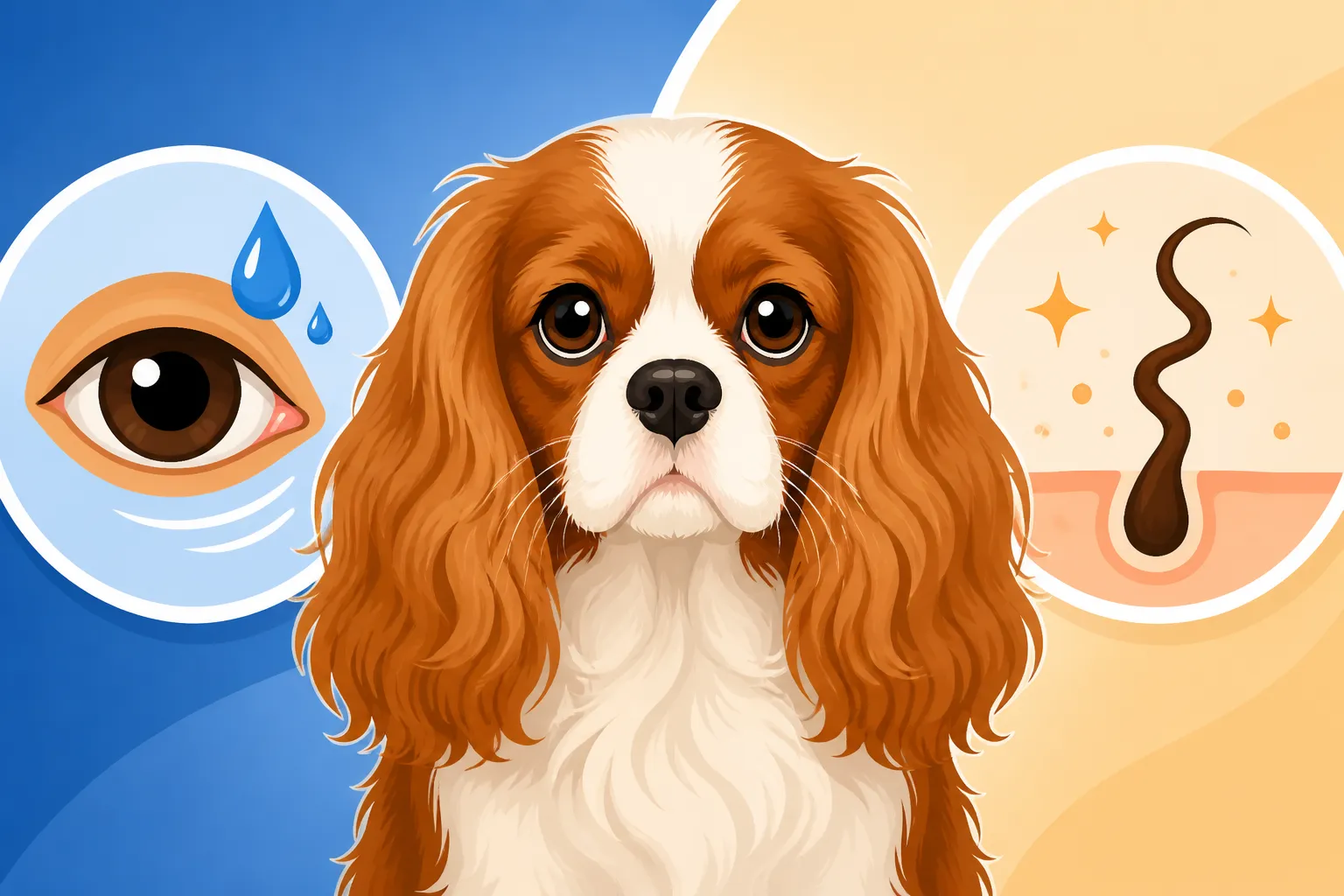
Keratoconjunctivitis Sicca, mercifully shortened to KCS or just "dry eye," is a common and chronic condition where a dog's eyes don't produce enough tears. For a Cavalier, this isn't just a minor irritation; it's a significant health concern that can lead to constant discomfort and, if left untreated, serious complications. Tears aren't just for crying; they're vital for lubricating the eye, flushing away irritants, and providing essential nutrients to the cornea. When that protective tear film is compromised, the eye is left vulnerable, much like a dry riverbed cracked in the sun.
What is KCS and How Does It Affect Cavaliers?
At its core, KCS in Cavaliers is often an immune-mediated disease. This means your dog's own immune system mistakenly attacks and destroys the tear-producing glands in their eyes. Sometimes, it can also stem from congenital defects, certain medications, or even other underlying systemic diseases, but the immune system attacking the tear glands is a frequent culprit in our beloved spaniels. The result is a persistent lack of adequate tear production, which can cause profound dryness, inflammation, and irritation to the cornea and conjunctiva – the clear front surface and the lining of the eye, respectively. Imagine constantly having sand in your eyes, and then imagine those eyes also lacking the natural lubrication to wash it away. That's a glimpse into your Cavalier's daily reality with KCS.
The impact isn't just discomfort; it's functional. Without proper lubrication, the cornea can become dry, dull, and prone to damage. You might notice a sticky, thick discharge, often yellowish or greenish, that isn't true pus from an infection but rather dried mucus and debris that tears would normally flush away. This discharge can build up, crusting around the eyes and making your Cavalier look perpetually unwell. Over time, the chronic irritation can lead to changes in the cornea itself, including pigmentation (dark spots), vascularization (blood vessels growing onto the cornea), and scarring, which can significantly impair vision. It's a progressive condition that requires vigilant, often lifelong, management to protect your dog's sight and comfort.
Common Symptoms and Early Warning Signs
Spotting the signs of KCS early can make a huge difference in managing the condition and preventing irreversible damage. Cavaliers are famously stoic, and sometimes their subtle cues of discomfort can be missed, so it’s important for owners to be extra observant. One of the earliest and most consistent signs is chronic redness in the eyes. This isn't just a fleeting flush; it's a persistent, irritated look that often accompanies the sensation of dryness. Your Cavalier might also blink more frequently or squint, trying to stimulate tear production or alleviate the gritty feeling.
Another hallmark symptom is that aforementioned thick, stringy discharge. It’s often mistaken for infection, but it’s actually a sign of the body trying to lubricate the eye with whatever non-tear secretions it can muster. This discharge can sometimes glue the eyelids together, especially after sleep. If you notice your Cavalier frequently rubbing their face with a paw or against furniture, it's a strong indicator of ocular discomfort. Some Cavaliers might develop a dull, cloudy appearance to their cornea, or even visible dark spots as pigment begins to deposit on the surface. Don't dismiss these symptoms as just "allergies" or "just how their eyes are." Any persistent change in your Cavalier's eyes warrants a visit to your vet. Being proactive can save them a lot of pain and potentially prevent serious vision problems down the line, so learning how to manage dry eye in a Cavalier is critical.
The Impact of Chronic Dry Eye
The long-term effects of unmanaged or poorly managed KCS can be quite severe, extending far beyond simple irritation. Chronic inflammation and dryness pave the way for secondary bacterial infections because the natural antimicrobial properties of tears are absent. This means more vet visits, more antibiotics, and more discomfort for your dog. The constant rubbing and dryness can also lead to painful corneal ulcers. These open sores on the eye's surface are not only excruciating but can quickly worsen, potentially perforating the eye and leading to blindness or even requiring surgical removal of the eye in extreme cases. We definitely want to avoid that outcome!
Furthermore, the body’s attempt to protect the perpetually irritated eye can result in corneal fibrosis and melanosis – basically, scarring and a darkening of the cornea due to pigment deposition. This dark pigmentation acts like a permanent shade over the eye, progressively blocking light and reducing your Cavalier's vision. Imagine trying to see the world through a pair of increasingly dirty sunglasses that you can never take off. In severe, advanced cases, Cavaliers can become partially or completely blind from the cumulative damage. The chronic pain also impacts their overall quality of life; a dog in constant discomfort is less likely to engage in play, enjoy walks, or even rest peacefully. This is why early diagnosis and consistent treatment are absolutely non-negotiable for any Cavalier showing signs of KCS.
Unraveling Curly Coat Syndrome CKCSID in Cavaliers
Now, if KCS sounds challenging, imagine that, but combined with severe skin and coat problems, and you have Curly Coat Syndrome, or Congenital Keratoconjunctivitis Sicca and Ichthyosiform Dermatosis (CKCSID). This is a much rarer, but infinitely more devastating, inherited condition in Cavaliers. It’s not just about a cute curly coat; it’s a systemic disorder that profoundly affects the skin, coat, and most severely, the eyes. Seeing a Cavalier puppy born with this condition is truly heartbreaking, as the signs are often apparent from a very young age.
More Than Just a "Curly Coat": The Systemic Impact
When we talk about Curly Coat Syndrome, it's crucial to understand that the "curly coat" is just one symptom, and certainly not the most serious one. This condition is a complex genetic disorder that impacts the normal development and function of the skin, nails, and various glands, including those responsible for tear production. It's a multisystemic disease, meaning it affects several different parts of the body simultaneously, often leading to a cascade of health issues that are incredibly difficult to manage. The "ichthyosiform dermatosis" part of its name refers to the fish-scale-like skin issues, which is a stark reminder of how severe the skin component truly is.
Affected puppies are born with a distinctively harsh, excessively curly, and often greasy coat that feels nothing like the silky, flowing hair typical of a healthy Cavalier. But beneath this unusual coat, their skin is incredibly fragile, dry, and prone to cracking, flaking, and severe inflammation. They often suffer from recurrent skin infections, a battle that never truly ends due to the compromised skin barrier. The condition can also affect their claws, causing them to be brittle, malformed, and prone to splitting. It’s a painful existence, where every movement can be uncomfortable and every patch of skin a potential source of infection. This goes far beyond the typical skin allergies in a Cavalier; it's a fundamental defect in their body's largest organ.
Unique Skin Issues Associated with CKCSID
The skin problems in Cavaliers with CKCSID are extensive and relentless. The most noticeable issue is the extreme dryness and scaling, often described as ichthyosis, making the skin appear thick, hardened, and rough, much like reptilian scales. This isn’t localized; it can affect the entire body. The skin's normal barrier function is severely impaired, leaving these dogs highly susceptible to secondary bacterial and yeast infections. You'll often see redness, pustules, and a strong, unpleasant odor dueating to these persistent infections. It’s a constant battle to keep the skin healthy, often requiring specialized shampoos, conditioners, and antibiotics.
Beyond the scaling and infections, the skin can be incredibly itchy, leading to obsessive scratching, which only exacerbates the problem, creating more wounds and further opportunities for infection. The condition also affects the sweat glands and sebaceous glands, leading to an imbalance in oil production, contributing to the greasy feel of the coat and the difficulty in keeping the skin moisturized. This constant discomfort and the arduous daily care routine take a heavy toll on both the dog and their owner. It's truly a devastating condition that requires immense dedication and financial resources for ongoing management. Pet insurance like Healthy Paws can be a lifesaver in these scenarios, covering a significant portion of the continuous veterinary care.
Severe Ocular Manifestations of CKCSID
While the skin and coat issues are prominent, it's the ocular component of CKCSID that often leads to the most severe suffering. Cavaliers with this syndrome invariably suffer from a congenital form of KCS, meaning they are born with the inability to produce tears, or at least sufficient quantities of them. This is not something that develops later in life; it’s present from birth and usually much more severe than typical KCS. This specific and intense lack of tears leaves their eyes incredibly vulnerable from day one.
The eyes of a CKCSID Cavalier are in a constant state of extreme dryness and irritation. They are highly prone to developing severe corneal ulcers, which can be deep and recurrent, putting their vision and eye integrity at grave risk. Because the problem is congenital, the eyes don't get even a short period of normal tear production, leading to rapid and severe changes like intense pigmentation and scarring from a very young age. This can lead to blindness much earlier and more certainly than in Cavaliers with later-onset KCS. The discharge is copious, thick, and sticky, often sealing the eyes shut, and the inflammation is profound. It’s truly a heartbreaking sight to witness, and sadly, often the most distressing aspect of the disease. Managing these severe ocular issues requires intensive, round-the-clock care, highlighting why a Cavalier born without tears has such a challenging prognosis.
The Genetic Link: Why These Conditions Target Cavaliers
The prevalence of both KCS and especially CKCSID in Cavalier King Charles Spaniels isn't a random occurrence; it's deeply rooted in their genetics. These conditions serve as stark reminders of the importance of responsible breeding practices and genetic health testing within the breed. Understanding the genetic underpinnings is crucial not just for breeders, but for any prospective Cavalier owner who wants to ensure they are bringing home the healthiest possible puppy.
The Specific Gene Mutation at Play
For Curly Coat Syndrome (CKCSID), the scientific community has pinpointed a specific genetic mutation as the cause. It's an autosomal recessive mutation of the FAM83G gene. What does "autosomal recessive" mean? It means a puppy must inherit two copies of the mutated gene – one from each parent – to be affected by the syndrome. If a puppy inherits only one copy, they are considered a "carrier" and will not show symptoms of CKCSID themselves, but they can pass the gene on to their offspring. This is a crucial distinction.
The discovery of this specific gene mutation has been a monumental step forward for the Cavalier breed. Before this, breeders could only react to affected puppies, often after a heartbreaking litter was born. Now, responsible breeders have the power to proactively test their breeding stock. This allows them to make informed decisions, ensuring that two carriers are never bred together, thus preventing the birth of puppies afflicted with this devastating condition. The science behind this is a true game-changer for improving the overall health of the breed, helping to end the cycle of suffering for these puppies.
Understanding Inheritance Patterns
Knowing the inheritance pattern for CKCSID is vital for breeders to eliminate this disease from their lines responsibly.
Here's a simple breakdown:
- Clear dogs: Have two normal copies of the gene. They cannot develop CKCSID and cannot pass the mutated gene to their offspring.
- Carrier dogs: Have one normal copy and one mutated copy of the gene. They do not show symptoms of CKCSID, but they can pass the mutated gene to approximately 50% of their offspring.
- Affected dogs: Have two mutated copies of the gene. They will develop CKCSID.
The risk comes when two carriers are bred together. In such a pairing, statistically, 25% of the puppies will be clear, 50% will be carriers, and 25% will be affected. This means a quarter of the litter will suffer from this painful, life-limiting condition. This is why the DNA test is so important – it allows breeders to avoid these high-risk pairings entirely. By breeding only clear dogs, or breeding a clear dog to a carrier, they can ensure no affected puppies are ever born. Breeding two carriers together, even if they appear healthy, is an irresponsible practice that perpetuates suffering within the breed.
The Importance of DNA Testing for Breeders
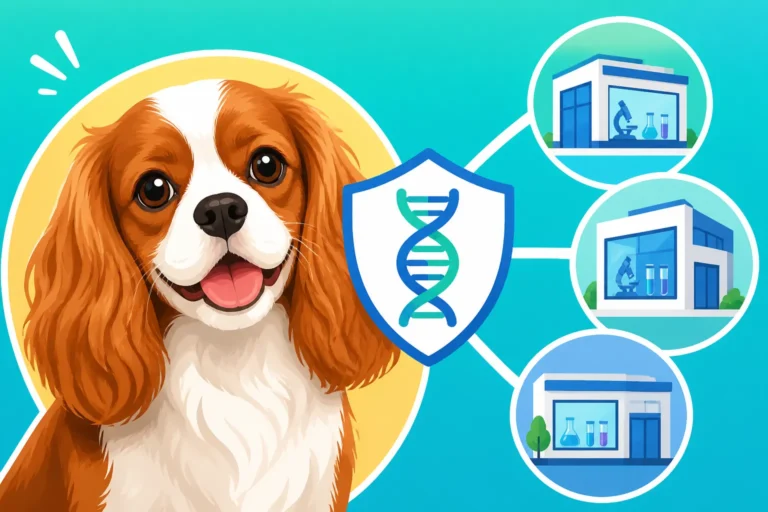
Given the genetic nature of CKCSID, DNA testing is the single most powerful tool breeders have to eradicate this syndrome. A simple cheek swab or blood sample can determine if a Cavalier is clear, a carrier, or affected. Reputable breeders will always conduct these genetic tests on their breeding stock before any mating takes place. This isn't an optional extra; it's a fundamental part of responsible breeding and is a crucial part of The DNA Tests Every Cavalier Should Have.
When you're looking for a Cavalier puppy, asking to see the DNA test results for both parents for CKCSID is absolutely non-negotiable. Don't just take a breeder's word for it; ask for official documentation from a reputable laboratory. Labs like Optigen, Animal Health Trust (AHT), or PennGen are some of the trusted names that run these Cavalier genetic tests. If a breeder is unable or unwilling to provide these results, it should be a major red flag. This transparency is a cornerstone of ethical breeding, demonstrating a commitment to the long-term health and well-being of the breed. By supporting breeders who actively test, you help drive the demand for healthier puppies and contribute to the elimination of devastating genetic conditions like Curly Coat Syndrome.
Diagnosing Dry Eye and Curly Coat Syndrome
Getting an accurate diagnosis is the first and most critical step in managing both KCS and CKCSID. For KCS, it allows for timely intervention to preserve vision and comfort. For CKCSID, it confirms the presence of the full syndrome, which profoundly affects the management strategy and prognosis. Never try to self-diagnose eye issues in your Cavalier; always seek professional veterinary advice.
The Schirmer Tear Test: A Key Diagnostic Tool
The gold standard for diagnosing KCS is a simple, quick, and relatively non-invasive test called the Schirmer Tear Test (STT). This test measures the amount of tear production over a specific period, usually one minute. It involves placing a standardized strip of filter paper, folded into a U-shape, inside the lower eyelid of each eye. The strip has a millimeter scale, and as tears are produced, they wet the paper, and the vet measures how far the moisture travels up the strip.
Normal tear production for a dog is typically above 15 mm/minute. If the results consistently fall below this threshold, especially below 10 mm/minute, it's a strong indicator of KCS. Readings below 5 mm/minute are considered severe. Your vet might perform the test on both eyes as KCS can affect one or both. It’s important that the test is done before any eye drops or ointments are applied, as these could artificially inflate the reading. This test provides a quantitative measure of tear deficiency, giving your vet concrete data to confirm the diagnosis and assess the severity of the dry eye. It's an indispensable part of any comprehensive eye workup for a Cavalier.
Comprehensive Eye Exams and Skin Biopsies
While the Schirmer Tear Test is excellent for KCS, a comprehensive eye exam is still essential to evaluate the overall health of the eye and identify any secondary issues. Your veterinarian will use an ophthalmoscope to look for signs of inflammation, corneal ulcers (often done with a fluorescein stain which highlights ulcers green), pigmentation, or blood vessel growth on the cornea. They will also assess the conjunctiva, eyelids, and other structures of the eye. Sometimes, a referral to a veterinary ophthalmologist, a specialist in eye care, might be recommended for a more in-depth evaluation, especially if the condition is complex or not responding to initial treatment. This also helps rule out other Cavalier eye disease from dry eye to cataracts.
For suspected CKCSID, the diagnosis is confirmed not only by the severe tear deficiency (as measured by STT) but also by the characteristic skin and coat abnormalities. In some cases, to definitively diagnose the ichthyosiform dermatosis component, a skin biopsy might be performed. This involves taking a small sample of skin under local anesthesia and sending it to a veterinary pathologist. The pathologist examines the tissue under a microscope, looking for specific changes characteristic of CKCSID, such as hyperkeratosis (thickening of the outer skin layer) and abnormal gland development. The combination of clinical signs, STT results, and potentially a skin biopsy, along with the genetic test, provides a complete diagnostic picture for this complex syndrome.
Differentiating KCS from Other Eye Issues
It's crucial for veterinarians to differentiate KCS from other eye conditions that can present with similar symptoms, particularly in a breed prone to various ocular problems like the Cavalier. For instance, conjunctivitis (inflammation of the conjunctiva) can also cause redness and discharge, but it doesn't typically involve a decrease in tear production. Allergic conjunctivitis, which can make a Cavalier's eyes itchy and red, is another common mimic. However, with allergies, the discharge is usually clear and watery, not thick and sticky like in KCS.
Another condition to consider is simple irritation from foreign bodies, dust, or even certain chemicals, which can cause temporary redness and discharge. Eyelid abnormalities, such as entropion (inward rolling of the eyelid) or ectropion (outward rolling), can also lead to chronic irritation and discharge. Even more seriously, issues like glaucoma can present with redness and discomfort. The key differentiating factor for KCS is the lack of tear production as measured by the Schirmer Tear Test. Without this specific test, misdiagnosis is possible, leading to ineffective treatment and continued discomfort for your Cavalier. Therefore, if your Cavalier has persistent eye issues, a full veterinary examination including an STT is absolutely essential.
Managing and Treating These Conditions
Managing KCS and CKCSID in Cavaliers is a commitment, often for the entire lifespan of your dog. There's no quick fix, but with consistent and dedicated care, you can significantly improve your Cavalier's comfort and quality of life. The treatment approaches differ slightly between KCS alone and the more severe CKCSID, reflecting the systemic nature of the latter.
Lifelong Medical Management for KCS
For KCS, the primary goal of treatment is to stimulate tear production and provide lubrication to the eyes. This usually involves a combination of medications, applied directly to the eyes, which will be a daily routine you'll quickly master.
The cornerstone of KCS treatment is typically a topical immunomodulating drug like cyclosporine (e.g., Optimmune, Cyclosporine Ophthalmic Ointment) or tacrolimus. These medications work by suppressing the immune system's attack on the tear glands, thereby stimulating them to produce more natural tears. They are highly effective for many Cavaliers and can often be reduced to a maintenance dose once tear production improves. It's usually a twice-daily application, every single day, for the rest of your Cavalier's life. Consistent application is key; missing doses can set back progress.
In addition to tear stimulants, artificial tears and lubricating gels or ointments are often prescribed. These help to supplement the natural tears, keeping the eye moist and comfortable, especially in the early stages or in cases where tear production doesn't fully normalize. These are often used several times a day to prevent the eye from drying out. Anti-inflammatory eye drops might also be used to reduce redness and irritation. If secondary bacterial infections are present, antibiotic eye drops will be added to the regimen. Managing dry eye in a Cavalier is a marathon, not a sprint, and it requires dedication. However, the relief it brings your dog makes every application worth it. Regular follow-up visits with your vet or ophthalmologist are essential to monitor progress and adjust medication as needed.
Addressing Skin and Coat Challenges in CKCSID
When dealing with CKCSID, the management extends beyond just the eyes to include the significant skin and coat issues. This is where the term "ichthyosiform dermatosis" truly comes into play, signifying the persistent dry, flaky, and often infected skin. The strategy here is multifaceted: hydration, infection control, and relief from discomfort.
Frequent, therapeutic bathing is often necessary, sometimes several times a week, using specialized medicated shampoos designed to moisturize, remove scales, and address bacterial or yeast overgrowth. Following the bath, rich conditioning treatments and topical emollients are crucial to help replenish the skin's moisture barrier and reduce dryness and cracking. Moisturizing sprays or leave-in conditioners can also be applied between baths. Oral antibiotics or antifungals may be prescribed for chronic or severe secondary skin infections. Your vet might also recommend dietary supplements, such as omega-3 fatty acids, which can support skin health.
The unusual, harsh "curly coat" of affected puppies can also be prone to matting and may require regular, gentle brushing and sometimes even professional grooming to keep it clean and comfortable. However, great care must be taken during grooming not to irritate the already fragile skin. Because the condition is lifelong, treatment is continuous, and finding a balance that keeps your Cavalier comfortable without overwhelming them or you is paramount. This intensive care can be expensive over time, making pet insurance, like a comprehensive plan from Healthy Paws, an invaluable resource for owners of Cavaliers with chronic conditions like CKCSID.
Supportive Care and Environmental Modifications
Beyond medications and direct treatments, supportive care and adjusting your Cavalier's environment can play a significant role in their comfort and well-being, whether they have KCS or CKCSID. For dry eye, maintaining a dust-free environment is important, as dust can further irritate already dry eyes. Using a humidifier in your home, especially during dry winter months or in arid climates, can add moisture to the air and help prevent tears from evaporating too quickly, offering some relief. Protecting their eyes from direct wind or strong sunlight might also be beneficial; doggy goggles are an option for some, though not all Cavaliers tolerate them.
For Cavaliers with CKCSID, due to their fragile skin, avoiding harsh chemicals in cleaning products, using soft bedding, and ensuring their environment is free from rough surfaces that could cause scrapes or cuts is crucial. Regular foot checks are also important due to potential nail abnormalities and skin issues on their paws. Both conditions benefit from a low-stress environment, as stress can sometimes exacerbate immune-mediated conditions. Providing a comfortable, calm space for your Cavalier can make a world of difference. Always remember that open communication with your veterinary team is key to tailoring these supportive measures to your specific Cavalier's needs.
Here's a quick comparison of the two conditions:
| Feature | Keratoconjunctivitis Sicca (KCS) | Curly Coat Syndrome (CKCSID) |
|---|---|---|
| Primary Affected Areas | Eyes (tear glands, cornea, conjunctiva) | Eyes (congenital KCS), Skin, Coat, Nails |
| Onset | Typically develops over time, often immune-mediated, can appear at any age. | Congenital (present at birth), signs often visible in puppyhood. |
| Genetic Basis | Can have a genetic predisposition in Cavaliers, but not always a single, identifiable mutation. | Autosomal recessive mutation of the FAM83G gene. Requires two copies of the mutated gene to be affected. |
| Eye Symptoms | Dryness, redness, thick discharge, blinking, squinting, corneal changes (pigment, ulcers). | Severe congenital dryness, redness, thick discharge, rapid corneal ulceration, pigmentation, and scarring leading to early vision impairment/blindness. Much more aggressive than KCS alone. |
| Skin/Coat Symptoms | Generally none, unless other concurrent issues. | Harsh, excessively curly, often greasy coat. Extreme dryness, scaling (ichthyosis), flaking, severe inflammation, recurrent infections, fragile skin, brittle/malformed nails. |
| Diagnosis | Schirmer Tear Test (STT) for tear production. Comprehensive eye exam. | Schirmer Tear Test (STT), comprehensive eye exam, visible characteristic skin/coat changes. Confirmed by genetic test; sometimes skin biopsy for dermatosis. |
| Treatment | Lifelong topical immunomodulators (cyclosporine/tacrolimus), artificial tears, antibiotics for infection. | Intensive lifelong topical eye medications (often more aggressive), artificial tears, frequent therapeutic bathing, topical emollients, oral antibiotics/antifungals for skin, dietary supplements, careful grooming. |
| Prognosis | Good with consistent management; vision can be maintained. | Guarded to poor. Severely affects quality of life due to constant pain/discomfort from eyes and skin. Often leads to early euthanasia due to inability to manage suffering. |
| Prevention | Responsible breeding (general health testing). | Genetic DNA testing of breeding dogs for the FAM83G mutation to avoid breeding two carriers. The DNA Test That Ends Cavalier Curly Coat is paramount. |
Living with a Cavalier with KCS or CKCSID
Embracing a Cavalier with KCS or CKCSID means accepting a commitment to their ongoing health and comfort. These conditions are chronic, and while treatment can significantly improve their quality of life, they will require continuous vigilance and care. It’s a journey that demands patience, dedication, and a strong partnership with your veterinary team.
Daily Care Routines and Owner Commitment
The daily routine for a Cavalier with KCS or CKCSID can be extensive, but it becomes second nature over time. For KCS, this involves consistent application of eye medications, often 2-3 times a day, every day. This means setting alarms, building a routine around mealtimes or walks, and ensuring you always have enough medication on hand. It also includes regular cleaning of any discharge around the eyes. If you travel, you'll need to ensure your pet sitter or boarding facility is capable and comfortable administering the medications precisely. This level of owner commitment is crucial for preventing flare-ups and maintaining tear production.
For CKCSID, the routine is even more intense. It combines the rigorous eye care with specialized skin and coat care. This might include frequent therapeutic baths, followed by moisturizing treatments, and daily checks for skin lesions or infections. Keeping the unique coat comfortable may also involve more frequent brushing or visits to a professional groomer who understands the condition. You'll become an expert at administering eye drops, checking for crusty eyes, and identifying subtle changes in their skin. This commitment can feel overwhelming at first, but seeing your Cavalier more comfortable and happy makes every effort worthwhile.
Preventing Secondary Infections and Complications
One of the biggest challenges with both KCS and CKCSID is the heightened risk of secondary infections and complications. The compromised tear film in KCS leaves the eye vulnerable to bacterial infections, while the impaired skin barrier in CKCSID makes skin infections a constant threat. Proactive prevention is key.
For KCS, diligent daily cleaning of the eyes helps reduce the build-up of debris that can harbor bacteria. Always use vet-approved eye wipes or a clean, damp cloth, wiping from the inner corner outwards. Following your vet’s medication schedule precisely is the best defense against corneal ulcers and infections. Any sign of increased redness, discharge, pain (like squinting), or cloudiness warrants an immediate call to your vet, as a corneal ulcer can develop rapidly and requires urgent attention. Knowing about Corneal Ulcers on Prominent Cavalier Eyes is truly important.
For CKCSID, the focus is on maintaining skin health. This means adhering to the bathing and moisturizing schedule to keep the skin barrier as intact as possible. Regular monitoring for redness, pustules, excessive scratching, or odor can help catch infections early before they become severe. Prompt treatment of any infection, whether ocular or dermatological, is vital to prevent it from spiraling out of control and causing further damage or discomfort. Consistent, preventative care, rather than reactive treatment, is the most effective approach to managing these conditions.
Quality of Life Considerations
Living with a Cavalier diagnosed with KCS or CKCSID inevitably brings up questions about their quality of life. While KCS is manageable and most Cavaliers can lead a good life with consistent treatment, CKCSID presents a much more challenging prognosis. The constant discomfort from both the severe eye disease and the widespread, painful skin condition often means a significantly reduced quality of life for affected puppies, despite the most dedicated care.
For KCS, if the condition is well-managed, your Cavalier can still enjoy their normal activities. Regular Annual Cardiologist Exams for a Cavalier are important for their heart health, but KCS itself shouldn't prevent them from enjoying short walks, playtime, and being their usual affectionate selves. The aim is to make them as comfortable as possible, reducing pain and preserving their vision.
For CKCSID, the decision-making process is much harder. The profound and unrelenting pain, the constant battle against infections, and the inability to escape discomfort can be truly heartbreaking. Sadly, many owners of severely affected CKCSID puppies, in consultation with their veterinarians, ultimately make the difficult decision to humanely euthanize to prevent prolonged suffering. This is an incredibly personal and agonizing decision, but one made out of deep love and compassion. While some dogs with milder forms may live longer, the prognosis for those severely affected by Curly Coat Syndrome in a Cavalier Puppy is often poor. It underscores the immense ethical responsibility of breeders to use genetic testing to prevent these tragic outcomes, and for owners to be prepared for the realities of such a severe condition.
Disclaimer
This article is intended for informational purposes only and does not constitute veterinary advice. Always consult with a qualified veterinarian for any health concerns or before making any decisions about your Cavalier King Charles Spaniel's care.