Surgery for Cavalier Syringomyelia
It’s a heartbreaking moment for any Cavalier parent: you notice your sweet dog is starting to air scratch, yelping when picked up, or showing a sudden reluctance to engage in their usual playful antics. These could be subtle, yet alarming, signs of syringomyelia (SM), a chronic and often painful neurological condition that is far too common in our beloved breed. When medication no longer provides adequate relief, or symptoms become severe, the daunting conversation about surgical intervention often arises. This guide aims to thoroughly explain what surgery for Cavalier syringomyelia entails, what to expect, and how to navigate this complex decision for your furry family member.
Understanding Syringomyelia and Why Surgery Becomes an Option
Syringomyelia, often linked to Chiari-like malformation (CM), is a progressive neurological disorder where the Cavalier’s skull is often too small for its brain, specifically the cerebellum. This overcrowding at the back of the skull can obstruct the flow of cerebrospinal fluid (CSF) around the brain and spinal cord. The pressure buildup can force CSF into the spinal cord itself, creating fluid-filled cavities called syrinxes. These syrinxes then expand and damage the delicate nerve tissue within the spinal cord, leading to the pain and neurological deficits we see in affected Cavaliers.
Initially, many Cavaliers with SM are managed with medication, which can be incredibly effective at controlling pain and inflammation, allowing them to lead comfortable lives for a long time. However, for some, the condition progresses. The syrinxes might grow, or the response to medication diminishes, leaving veterinarians and owners searching for a more definitive solution. That's when surgery, specifically for decompression, comes into serious consideration. It's a big step, and understanding the 'why' behind it is crucial for making informed choices.
When Medical Management Isn't Enough
The decision to move from medical management to surgery is never taken lightly. Many Cavaliers respond well to a combination of pain relievers, anti-inflammatory drugs, and medications that reduce CSF production. Gabapentin, pregabalin, and NSAIDs are common first-line treatments. However, there comes a point for some dogs where the pain isn't adequately controlled, even with escalating doses or a cocktail of different drugs.
You might notice your Cavalier's phantom scratching or air scratching becoming more frequent, or they might start showing signs of severe neck pain, sensitivity to touch, or even develop neurological deficits like weakness or ataxia (uncoordinated gait). For some Cavaliers, the medication side effects become intolerable, or the owners simply feel their dog's quality of life is declining despite their best efforts with medical therapy. This is the critical juncture where a board-certified veterinary neurologist will discuss the potential benefits of surgical intervention, aiming to provide a more lasting relief from the debilitating pain. It’s important to remember that Pain Relief for a Cavalier With Syringomyelia is an ongoing journey, and surgery might be the next logical step when conservative measures are exhausted.
The Role of Imaging in Surgical Decisions
Before any talk of surgery, an accurate diagnosis and a thorough understanding of the specific anatomical issues are paramount. This is where advanced imaging, primarily a magnetic resonance imaging (MRI) scan, comes in. An MRI is the gold standard for diagnosing syringomyelia and Chiari-like malformation, as it allows veterinary specialists to visualize the brain, spinal cord, and CSF flow in incredible detail.
The MRI will confirm the presence, size, and location of any syrinxes, as well as assess the severity of the Chiari-like malformation, including any cerebellar herniation. Neurologists will also look for signs of other concurrent conditions that might be contributing to the symptoms. Understanding What a Cavalier MRI Scan Costs and Shows is vital because these images guide the surgeon. They can identify if the compression is primarily bone, soft tissue, or a combination, which dictates the precise surgical approach. A comprehensive MRI helps the veterinary team determine if your Cavalier is a good candidate for surgery and what specific type of decompression will be most effective.
Understanding the Surgical Procedures for SM
When it comes to surgery for Cavalier syringomyelia, the primary goal is typically to alleviate the compression at the back of the skull that's disrupting CSF flow and causing the syrinx formation. This procedure is generally known as caudal occipital malformation syndrome (COMS) decompression surgery, often referred to as foramen magnum decompression (FMD). It's a delicate and intricate neurosurgical procedure that requires a highly skilled and experienced veterinary neurosurgeon. While the core idea is to create more space, the specific techniques can vary slightly depending on the individual Cavalier's anatomy and the extent of the compression.
Caudal Occipital Malformation Syndrome Decompression
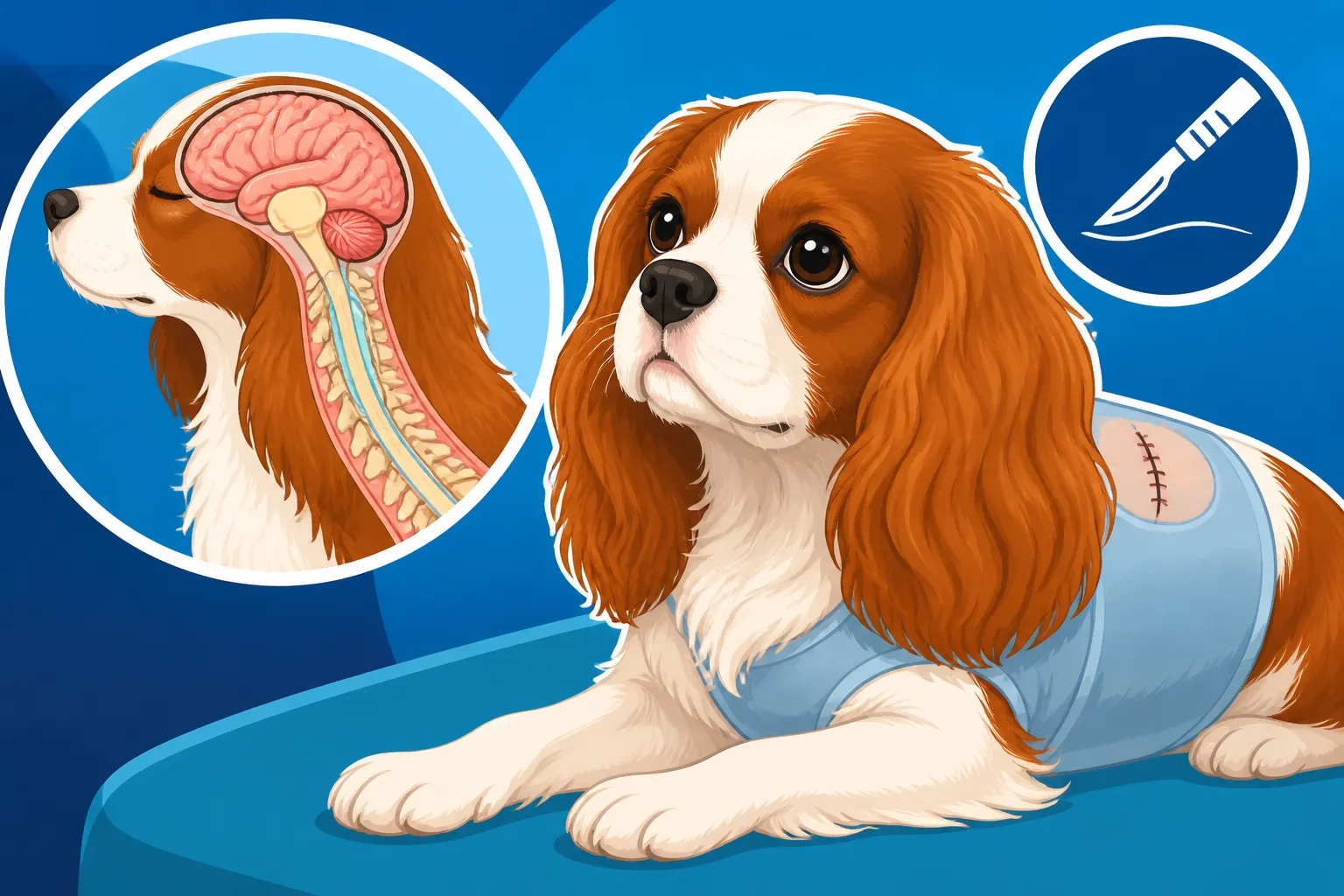
The most common surgical approach for SM in Cavaliers is caudal occipital malformation syndrome (COMS) decompression, sometimes called foramen magnum decompression (FMD). This involves carefully removing a small section of bone at the back of the skull (the occipital bone) and often the first cervical vertebra (atlas). The goal is to relieve pressure on the cerebellum and brainstem where they meet the spinal cord, thereby restoring normal cerebrospinal fluid flow.
During the procedure, the surgeon may also remove any constricting dura mater (the tough membrane surrounding the brain and spinal cord) and, in some cases, place a synthetic patch to enlarge the space further. This decompression aims to reduce the pressure gradient that drives CSF into the spinal cord to form syrinxes, or to prevent existing syrinxes from enlarging. It’s a bit like clearing a blocked pipe to allow water to flow freely again. For dogs that exhibit symptoms like A Cavalier That Yelps When Picked Up or other signs of severe pain, this surgery offers the best chance at significant, long-term relief.
Ventriculoperitoneal Shunt Placement
While COMS decompression is the most common, another surgical option for specific cases of syringomyelia involves the placement of a ventriculoperitoneal (VP) shunt. This procedure is usually reserved for Cavaliers where the syrinx is very large or is actively expanding despite decompression surgery, or in cases where there is hydrocephalus (excess fluid in the brain). A VP shunt is a thin, flexible tube that is surgically inserted into a ventricle of the brain and then tunneled under the skin to the abdominal cavity (peritoneum).
The shunt diverts excess cerebrospinal fluid from the brain to the abdomen, where it can be safely reabsorbed by the body. This reduces intracranial pressure and can help to decrease the size of syrinxes by lowering overall CSF pressure. Shunts are not without their own set of risks, including infection, blockage, or mechanical failure, but they can be a life-saving option for Cavaliers with severe hydrocephalus or intractable syrinx expansion. Your neurologist will carefully assess if a VP shunt is a more appropriate or complementary procedure for your Cavalier's unique situation.
Weighing the Benefits and Risks of Syringomyelia Surgery
Deciding on surgery for your Cavalier with syringomyelia is a monumental choice, filled with hope for relief but also understandable apprehension. It’s crucial to have a candid conversation with your veterinary neurologist about the potential upsides and the inherent risks. There are no guarantees in medicine, and neurosurgery, particularly in such a delicate area, carries its own set of considerations. Understanding both sides of the coin will help you make the best decision for your Cavalier and your family.
Potential Benefits of Surgical Intervention
The primary benefit of successful syringomyelia surgery is a significant reduction in pain and improvement in quality of life. Many owners report seeing a dramatic change in their dog's behavior post-surgery, with a return to more playful and comfortable living. Pain behaviors like Phantom Scratching in a Cavalier can decrease significantly or even disappear. By decompressing the craniocervical junction, the surgery aims to restore normal CSF flow, which can halt the progression of syrinx formation, and in some cases, even lead to a reduction in syrinx size.
For Cavaliers suffering from severe pain that is unresponsive to medication, surgery can offer a permanent solution to their discomfort. It can also improve neurological deficits such as weakness or gait abnormalities, allowing dogs to walk, run, and play more normally. While it’s not a cure, it’s often the best path to provide substantial relief and extend a comfortable life. Many pet insurance providers, such as Healthy Paws, recognize the critical nature of these conditions and offer coverage for such specialized procedures, which can significantly ease the financial burden.
Inherent Risks and Potential Complications
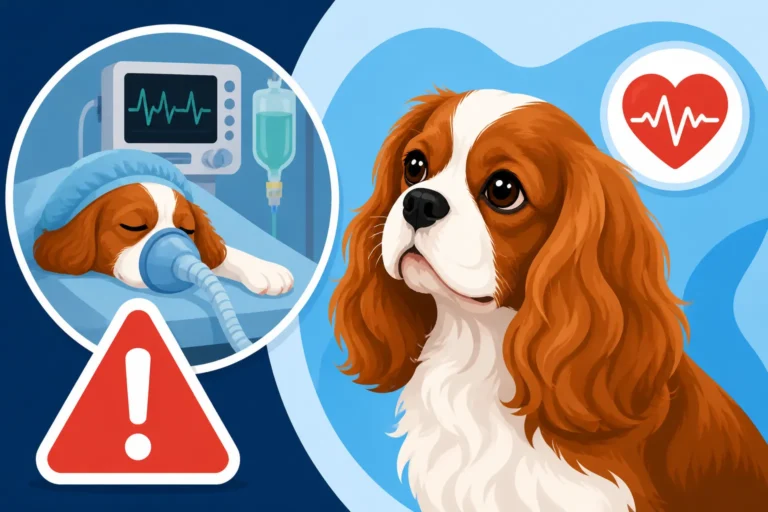
Despite the potential benefits, syringomyelia surgery is a major neurosurgical procedure with inherent risks. Anesthesia, while generally safe, always carries a small risk, especially for a breed like the Cavalier that may have other health concerns. Post-operative complications can include infection at the surgical site, hemorrhage, or seroma formation (a pocket of fluid). In some cases, damage to nerve tissue during surgery can lead to new or worsening neurological deficits, though this is rare with experienced surgeons.
A significant concern is the potential for syrinx recurrence or progression despite successful decompression. The underlying cause of CM in Cavaliers, which is the mismatched skull size, cannot be completely eliminated. Even if CSF flow is improved, the anatomical predisposition remains, and some dogs may require further medical management or even repeat surgery later in life. Furthermore, not all dogs respond to surgery equally; some may experience only partial relief, while a small percentage may not improve at all. It's also important to consider that Anesthesia Risk in a Cavalier With a Murmur can be a factor if your Cavalier also has early heart disease, requiring careful pre-surgical evaluation.
The Recovery Process After SM Surgery
The recovery period following syringomyelia surgery is a critical phase that demands careful attention, patience, and commitment from both owners and the veterinary team. It's not a quick fix, and your Cavalier will need dedicated post-operative care to ensure the best possible outcome. Understanding what to expect during this time, from immediate post-op care to weeks and months of rehabilitation, will help you prepare and support your dog effectively.
Immediate Post-Operative Care
Immediately after surgery, your Cavalier will be closely monitored in the veterinary hospital's intensive care unit. This initial period, usually 24-72 hours, focuses on pain management, monitoring vital signs, and ensuring neurological stability. They will likely receive intravenous fluids, powerful pain medications, and possibly anti-inflammatory drugs. The surgical site will be regularly checked for any signs of swelling, bleeding, or infection.
During this time, activity will be severely restricted. Your Cavalier will be kept in a quiet, comfortable space to minimize stress and prevent accidental injury to the delicate surgical site. The veterinary team will ensure they can eat, drink, and relieve themselves comfortably. They might seem a bit groggy or disoriented initially, which is normal. The focus is on gentle support and ensuring they remain comfortable as the initial healing begins. Your pet insurance, like Healthy Paws, can be incredibly helpful during this intensive and often costly initial recovery phase, covering the extensive hospitalization and monitoring needed.
Home Care and Restricted Activity
Once your Cavalier is stable enough to come home, the real work of home recovery begins. Strict activity restriction is paramount for several weeks, typically 6-8 weeks, to allow the surgical site to heal fully and prevent any undue stress on the delicate spinal structures. This means no jumping, no running, no stairs, and short, controlled leash walks only for bathroom breaks. A soft crate or a confined space in your home is often recommended to limit movement.
You'll need to continue administering prescribed pain medications and anti-inflammatory drugs, often on a strict schedule. Monitoring for any signs of worsening pain, changes in neurological status, or complications at the surgical site (like redness, swelling, or discharge) is crucial. Regular communication with your vet and neurologist is essential, as they will guide you through medication adjustments and activity progressions. Using a harness instead of a collar, such as a Freedom No-Pull Harness, is often recommended to avoid any pressure on the neck. Remember, consistency in care during this phase can significantly impact the long-term success of the surgery.
Rehabilitation and Physical Therapy
After the initial period of strict rest, your neurologist might recommend physical rehabilitation or physiotherapy. This can be incredibly beneficial for regaining strength, improving balance, and promoting optimal recovery. A certified canine rehabilitation therapist can design a tailored program that might include gentle range-of-motion exercises, therapeutic exercises, hydrotherapy (underwater treadmill), and massage.
Rehabilitation helps to prevent muscle atrophy, improve proprioception (awareness of body position), and encourage proper movement patterns. It's a gradual process, but it can make a huge difference in your Cavalier's overall recovery and return to normal function. These sessions might start once or twice a week and then taper off as your dog improves. Discussing these options with your neurologist and budgeting for potential rehabilitation costs, which can also be supported by comprehensive pet insurance plans, is an important part of the post-surgical plan.
Long-Term Management and Expectations Post-Surgery
Undergoing syringomyelia surgery is a significant event, and while it offers immense hope, it's not a magic bullet that completely eradicates the condition. Long-term management involves ongoing monitoring, potential continued medication, and a realistic understanding of what life looks like for your Cavalier post-surgery. It's about maintaining their comfort and quality of life for as long as possible.
Ongoing Monitoring and Follow-Up
Even after a successful recovery from surgery, regular follow-up appointments with your veterinary neurologist are crucial. These typically include physical and neurological examinations to assess your Cavalier's progress and detect any new or recurring issues early. Your neurologist might recommend repeat MRI scans, usually 6-12 months post-surgery, to evaluate the surgical site, confirm continued decompression, and assess the status of any syrinxes. This helps to determine if the syrinx has shrunk, remained stable, or, in some rare cases, progressed.
These follow-up scans are important to objectively evaluate the surgical outcome and guide any adjustments to long-term management strategies. It’s a bit like managing Living With a Cavalier That Has Syringomyelia even after surgery; there’s always an element of vigilance. Your vet may also recommend a Annual Cardiologist Exams for a Cavalier to monitor any concurrent heart issues, as many Cavaliers will face multiple health challenges throughout their lives. Keeping detailed records of your Cavalier's behavior, pain levels, and any changes you observe at home will be invaluable information for your veterinary team during these check-ups.
Managing Residual or Recurrent Symptoms
It's important to understand that while surgery significantly improves the condition for many Cavaliers, some may still experience residual pain or a recurrence of symptoms over time. This doesn't necessarily mean the surgery failed, but rather that the underlying anatomical predisposition to CM and SM is a complex, progressive condition. In these cases, your neurologist will likely re-evaluate your Cavalier's condition, potentially with another MRI, and then adjust their medical management plan.
This might involve restarting or modifying pain medications, anti-inflammatories, or CSF-reducing drugs. Sometimes, a combination of medications is necessary to keep symptoms under control. Lifestyle adjustments, such as using Harnesses Instead of Collars for a Cavalier to avoid neck pressure, providing soft bedding, and ensuring a calm environment, will continue to be important. For a small percentage of Cavaliers, a second surgical intervention might be considered if the syrinx is severely progressive and the benefits outweigh the risks. The journey with SM is often a marathon, not a sprint, and adaptable management is key.
Quality of Life After Surgery
The goal of surgery for syringomyelia is to significantly improve your Cavalier's quality of life, transforming them from a dog in chronic pain to one who can enjoy daily activities. For many, this goal is achieved. Owners report seeing their dogs running, playing, and interacting with their families in ways they couldn't before surgery. They may be able to engage in gentle activities like scent work or short, supervised walks.
However, it's also realistic to acknowledge that your Cavalier might still have some limitations, especially if the syrinx caused irreversible nerve damage before surgery. They might need ongoing medication, regular soft tissue treatments, or modified exercise routines. The key is finding a balance that maximizes their comfort and happiness. Celebrating the small victories and adapting to their needs will ensure they continue to live a fulfilling life as your cherished companion. Learning more about How Many Cavaliers Actually Have Syringomyelia and the varied severity can help set realistic expectations for outcomes.
Financial Considerations and Support for SM Surgery
The thought of surgery for your Cavalier's syringomyelia brings not only emotional stress but also significant financial concerns. Neurosurgery is a highly specialized field, and the costs associated with diagnosis, the procedure itself, and post-operative care can be substantial. Understanding these costs upfront and exploring available support options is crucial for Cavalier parents facing this challenging decision.
The Cost of Diagnosis and Surgery
The journey to SM surgery begins with diagnostics, most notably the MRI scan. The cost of a What a Cavalier MRI Scan Costs and Shows can range from $2,000 to $4,000, depending on your location and the veterinary facility. This often includes the neurologist's consultation fee, anesthesia for the scan, and the interpretation of the images. Once SM is confirmed and surgery is deemed necessary, the cost of the caudal occipital malformation syndrome (COMS) decompression surgery itself can be anywhere from $5,000 to $10,000 or even more, again varying by region and the complexity of the case. This typically covers the surgeon's fees, anesthesia, hospital stay, medications, and initial post-operative checks.
If a ventriculoperitoneal shunt is required, the costs can be similar or even higher due to the specialized nature of the equipment and procedure. These figures do not include the weeks or months of pre-surgical medical management, follow-up appointments, physical rehabilitation, or potential long-term medication costs. When you consider What Cavalier Decompression Surgery Runs from start to finish, it's a significant investment in your dog's health and well-being.
| Expense Category | Estimated Cost Range (USD) | Notes |
|---|---|---|
| Neurologist Consultation | $150 – $400 | Initial specialist evaluation. |
| MRI Scan (with anesthesia) | $2,000 – $4,000 | Essential for diagnosis and surgical planning. |
| COMS Decompression Surgery | $5,000 – $10,000+ | Main procedure, includes anesthesia, hospital stay, initial meds. |
| VP Shunt Surgery (if needed) | $6,000 – $12,000+ | Alternative or complementary procedure for severe cases. |
| Post-Operative Hospitalization | $300 – $800 per day | For 1-3 days post-surgery, included in some surgical packages. |
| Post-Operative Medications | $100 – $300 per month | Pain relievers, anti-inflammatories, etc., for initial recovery. |
| Physical Rehabilitation | $50 – $150 per session | Varies widely; multiple sessions may be needed. |
| Follow-up MRI (if needed) | $1,500 – $3,000 | To assess long-term surgical outcome. |
| Long-Term Medications | $50 – $200 per month | For managing residual symptoms; may be life-long. |
The Role of Pet Insurance and Financial Aid
This is where pet insurance can truly be a lifesaver. If you enrolled your Cavalier in a comprehensive pet insurance plan, like Healthy Paws, before any signs of syringomyelia appeared, the costs associated with diagnosis and surgery are often covered. Most reputable pet insurance providers will cover a significant percentage (e.g., 70-90%) of specialist veterinary bills once your deductible is met, including expensive neurosurgery. However, it’s critical to understand that if your Cavalier already had a diagnosis or symptoms of SM before you got insurance, it will be considered a pre-existing condition and will likely not be covered. This highlights the importance of getting pet insurance early in your Cavalier’s life.
For those without insurance or facing costs beyond their coverage, there are other options to explore. Many veterinary facilities offer payment plans, or you can look into third-party medical credit options like CareCredit. Additionally, various veterinary aid organizations and breed-specific rescues sometimes offer grants or financial assistance for Cavaliers in need of critical care. Organizations like the Cavalier King Charles Spaniel Club, USA, often have resources or funds dedicated to assisting owners with the high cost of managing breed-specific diseases. Don't hesitate to ask your veterinary neurologist's office for a social worker or financial counselor, as they often have a list of resources available to help.
Planning for the Unforeseen
Even with a detailed estimate, unexpected costs can arise. A longer-than-anticipated hospital stay, complications requiring additional procedures, or the need for a more intensive rehabilitation program can all add to the overall expense. It's wise to have an emergency fund or access to credit to cover these possibilities. Remember, the decision for surgery is not just about the upfront cost, but also the potential for long-term expenses related to medication, follow-up care, and special equipment to support your Cavalier's recovery and ongoing comfort. Having a robust plan, ideally with the backing of a good pet insurance policy such as one from Healthy Paws, allows you to focus on your Cavalier's health rather than solely on the bills.
Disclaimer
The information provided in this article is for informational purposes only and does not constitute medical advice. Always consult with a qualified veterinary professional for any health concerns or before making any decisions related to your Cavalier's medical care.