Loose Kneecaps in a Thirteen-Pound Cavalier
It's incredibly unsettling to notice your sweet Cavalier King Charles Spaniel suddenly develop a strange skip or hop in their gait, particularly when they're a smaller, delicate thirteen-pound pup. This peculiar movement can be a tell-tale sign of loose kneecaps, a common orthopedic issue in our beloved breed. This guide will walk you through understanding what's happening, how to recognize the symptoms, and the best ways to manage and treat this condition, ensuring your Cavalier can live their happiest, most comfortable life possible.
Understanding Patellar Luxation in Cavaliers
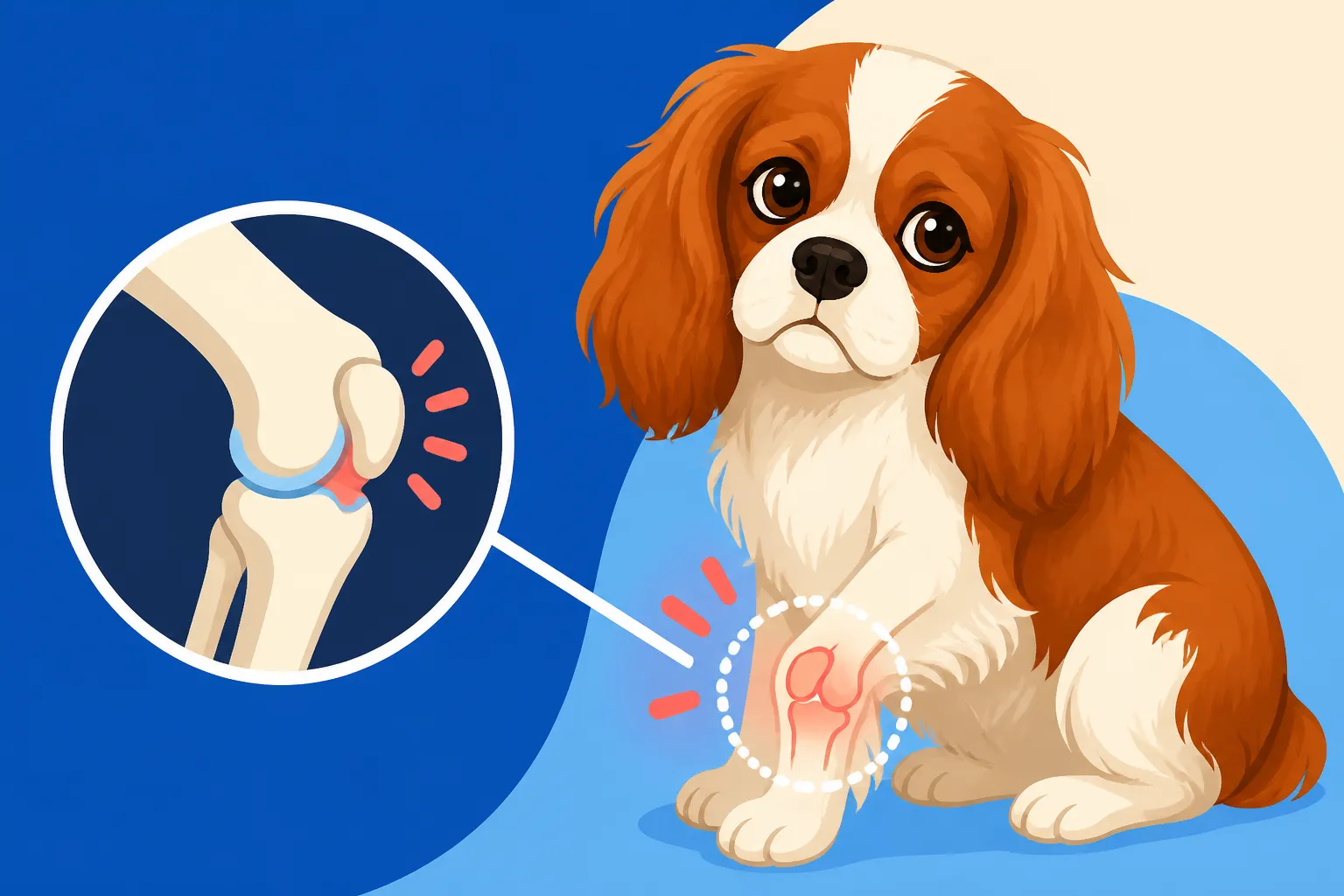
When we talk about "loose kneecaps," the official veterinary term is patellar luxation. It’s a condition where the patella, or kneecap, dislocates or slips out of its normal groove on the thigh bone (femur). While it can happen in any dog, it's particularly prevalent in small and toy breeds like our Cavaliers, often due to inherited structural abnormalities. Seeing your furry friend struggling with something like this can be heartbreaking, but understanding the mechanics behind it is the first step toward effective management.
The Anatomy of a Cavalier's Knee
To truly grasp patellar luxation, let's briefly look at the knee joint itself. It's a complex hinge joint that connects the femur (thigh bone) to the tibia (shin bone). The patella, a small, triangular bone, sits within the patellar groove at the end of the femur, held in place by ligaments and the quadriceps muscle. Think of the patella as a pulley system, helping the leg extend and flex smoothly. When everything is aligned, your Cavalier’s leg movement is fluid and effortless. However, any deviation in the shape of these bones or the tension of the surrounding soft tissues can cause the kneecap to shift.
In many Cavaliers, the issue stems from subtle developmental abnormalities. The patellar groove on the femur might be too shallow, or the attachment point of the patellar ligament on the tibia might be slightly off-center. These seemingly small deviations can have a big impact, making it easier for the patella to pop out of place. It’s like a train running on tracks that aren’t quite deep enough or perfectly straight – it’s bound to derail sometimes.
Why Cavaliers Are Prone to Luxating Patellas
Cavaliers, along with many other small breeds such as Chihuahuas, Pomeranians, and Yorkshire Terriers, are genetically predisposed to patellar luxation. This isn't just bad luck; it's often a result of selective breeding for smaller sizes and specific conformations over generations. The bones in their hind limbs, particularly the femur and tibia, can develop with slight rotational or angular deformities. These subtle twists and bows in the leg bones pull the patella out of its natural alignment, encouraging it to luxate, most commonly inward (medially).
The genetic component means that if a Cavalier's parents had luxating patellas, there's a higher chance their offspring will too. This is why reputable breeders prioritize screening their breeding stock. While a thirteen-pound Cavalier might seem small and delicate, this size often comes with certain musculoskeletal considerations. These structural predispositions mean that even a minor trauma or sudden movement can trigger a luxation, whereas in a dog with perfect knee anatomy, it might take a much more significant injury. It's a silent vulnerability that owners often don't discover until they see that first tell-tale hop.
Common Misconceptions About Loose Kneecaps
There are several common misunderstandings about patellar luxation that can cause unnecessary worry or, conversely, lead to overlooking serious signs. One prevalent misconception is that loose kneecaps only result from an injury. While trauma can certainly exacerbate or even cause a luxation in some cases, the reality for most Cavaliers is that it’s a congenital or developmental condition. It’s something they were born with a predisposition for, and it often simply manifests as they grow or with normal activity.
Another common belief is that if your dog isn't constantly yelping in pain, the condition isn't serious. This isn't always true. Many dogs with low-grade patellar luxation don't show overt signs of pain all the time. They might just skip occasionally, or favor a leg without making a fuss. The pain often comes from inflammation, cartilage damage over time, or the knee getting "stuck" out of place. It's not always a constant, agonizing experience, but it is an indication that something isn't right and needs attention to prevent future complications like arthritis. It’s important to remember that dogs are masters at hiding pain, so a lack of vocalization doesn't necessarily mean a lack of discomfort.
Identifying the Signs and Grades of Loose Kneecaps
Spotting patellar luxation can sometimes be tricky because the symptoms can vary greatly depending on the severity of the condition. You might initially dismiss a subtle skip as just a playful quirk, but paying close attention to your Cavalier's movement, especially a smaller dog like one weighing thirteen pounds, is crucial. Early detection can make a significant difference in management and outcome.
Recognizing the "Skip" or "Hop"
The most classic symptom of patellar luxation in a Cavalier is a sudden, momentary "skip" or "hop" in their gait. You'll be walking along, and all of a sudden, your dog will hold up one hind leg for a few steps, maybe shake it a bit, and then put it back down as if nothing happened. This happens because the kneecap has temporarily popped out of its groove. Once it slips back into place, they'll usually resume walking normally, and it might look like they just had an itch or stumbled. This can be especially noticeable after periods of rest or when they're first getting up.
Sometimes, the leg might stay lifted for a longer period, or your Cavalier might become reluctant to put weight on it. You might also notice a decreased range of motion in the affected leg, or a general stiffness, particularly in the morning. For a more subtle manifestation, watch them when they're playing or running. Does one leg seem to swing out differently? Do they hesitate before jumping onto the sofa? These can all be subtle indicators that their kneecap isn't staying where it should. Even a tiny, thirteen-pound Cavalier can have significant discomfort that manifests as a small change in their energetic personality.
The Four Grades of Patellar Luxation
Veterinarians classify patellar luxation into four grades, from least to most severe. This grading helps determine the appropriate course of action and predict potential future issues. Understanding these grades can help you communicate effectively with your vet and anticipate what might be involved in your Cavalier's care.
- Grade 1: The patella can be manually luxated by the veterinarian but immediately returns to its normal position when released. Your Cavalier might show very few clinical signs, perhaps an occasional skip, or none at all. This is often an incidental finding during a routine physical exam.
- Grade 2: The patella luxates spontaneously or can be manually luxated, but it doesn't always return to its normal position on its own. It might stay luxated for longer periods, causing more frequent skips or a limping gait. Your dog might learn to "kick" their leg out to pop the kneecap back into place.
- Grade 3: The patella is almost permanently luxated but can be manually returned to its normal position, though it will immediately re-luxate once released. Cavaliers with Grade 3 luxation often have a persistent crouched or bow-legged stance. They will frequently exhibit a pronounced limp.
- Grade 4: The patella is permanently luxated and cannot be manually returned to its normal position. This is the most severe grade, often involving significant skeletal deformities. Dogs with Grade 4 luxation are usually severely lame and may even walk with their hind legs turned inward, struggling significantly with normal movement.
Here's a quick summary table of the grades:
| Grade | Description | Clinical Signs | Prognosis (Without Surgery) |
|---|---|---|---|
| 1 | Patella can be manually luxated but returns immediately. | Occasional skip, no consistent lameness. | Good |
| 2 | Patella luxates spontaneously; stays out or returns. | Intermittent skipping, limping, may "kick" leg to reset. | Fair to Guarded |
| 3 | Patella mostly luxated; can be manually reduced but pops out again. | Persistent lameness, crouched or bow-legged stance. | Guarded |
| 4 | Patella permanently luxated; cannot be manually reduced. | Severe lameness, significant gait abnormalities, pain. | Poor |
For more detailed information on different severities, you might want to read our article on "The Four Grades of Cavalier Patellar Luxation".
When to Seek Veterinary Attention
If you notice any skipping, limping, reluctance to move, or an altered gait in your Cavalier, it's always best to seek veterinary attention promptly. Even if the symptoms are subtle or intermittent, it's much better to have it checked out sooner rather than later. What might seem like a minor issue could be an early sign of a condition that could worsen over time and potentially lead to more significant problems like arthritis or damage to other knee structures.
Don't wait for your Cavalier to show obvious signs of pain. As mentioned, dogs are incredibly stoic, and they often hide discomfort until it becomes severe. An early diagnosis allows for discussions about managing the condition, whether through conservative means or by planning for potential surgery, like a "Surgery for a Cavalier Kneecap". Catching it early can prevent secondary complications and ensure your beloved companion maintains their quality of life. The sooner you know, the sooner you can act.
Diagnosis and Veterinary Consultation
Once you suspect your Cavalier might have loose kneecaps, your next step is a visit to your veterinarian. This appointment is crucial for a proper diagnosis and for discussing the best course of action. It can feel daunting to hear about orthopedic issues, but a good vet will guide you through the process with clarity and empathy.
The Physical Exam and Palpation
The diagnostic process for patellar luxation typically begins with a thorough physical examination by your veterinarian. They will meticulously palpate your Cavalier’s knees, gently manipulating the patella to see if it can be luxated from its groove. This manual examination is incredibly important because it allows the vet to feel the kneecap slipping and to assess the stability of the joint. They'll also check for any associated pain, swelling, or crepitus (a grinding sensation) within the joint, which can indicate cartilage damage.
During this examination, your vet will also observe your Cavalier's gait. They might ask you to walk your dog back and forth, or even run them a little if the environment allows, to see the "skip" or lameness firsthand. They'll assess the overall conformation of the hind limbs, looking for any bowing or rotation of the tibia or femur, which often accompanies patellar luxation, especially in higher grades. This hands-on assessment is generally quite accurate for diagnosing the presence and grade of luxation.
Imaging: X-Rays and Beyond
While the physical exam is excellent for diagnosing the luxation itself, X-rays play a vital role in understanding the underlying skeletal deformities that contribute to the problem. X-rays won't necessarily show the kneecap moving out of place, but they will reveal the architecture of the bones. Your vet will look for abnormalities such as a shallow patellar groove on the femur, rotation of the tibia, or any other signs of malalignment in the leg bones. They might also assess for signs of "Early Arthritis in a Cavalier's Elbows" or other joints, as secondary arthritic changes can develop over time due to the abnormal joint mechanics.
X-rays are also essential for ruling out other orthopedic conditions that might present with similar symptoms, such as hip dysplasia or cruciate ligament injuries. For a thirteen-pound Cavalier, ensuring the overall skeletal health is paramount. In some complex cases, particularly if surgery is being considered, your vet might recommend advanced imaging techniques like CT scans. These scans provide even more detailed three-dimensional images of the bones and soft tissues, allowing for precise surgical planning. However, for most routine patellar luxation diagnoses, X-rays are usually sufficient to complement the physical examination.
Understanding Your Vet's Recommendations
After the examination and any necessary imaging, your veterinarian will discuss their findings and recommendations with you. This conversation can cover a lot, from the grade of luxation to the potential long-term outlook and various treatment options. Don't hesitate to ask questions; it's vital that you fully understand your Cavalier's condition and what each treatment path entails. Your vet might suggest conservative management for lower grades, especially if your dog isn't showing significant pain or lameness. This could involve activity restriction, anti-inflammatory medications, or weight management.
For higher grades (Grade 3 or 4), or for lower grades that cause persistent lameness or pain, surgery is often the recommended course of action. Your vet might refer you to a board-certified veterinary orthopedic surgeon for further consultation. Understanding the costs associated with these treatments is also important, and this is where a good pet insurance plan like one from Healthy Paws can truly make a difference, helping to cover unexpected surgical expenses and ongoing care. They can help you navigate the financial aspects so you can focus on your Cavalier's health.
Treatment Options for Patellar Luxation
Deciding on the best treatment for your Cavalier's luxating patella depends heavily on the grade of the condition, your dog's age, overall health, and how much it impacts their quality of life. It’s a very individual decision, made in close consultation with your veterinarian. The good news is that there are effective strategies to help your Cavalier, whether through conservative approaches or surgical intervention.
Conservative Management: When It Works
For Cavaliers with Grade 1 or even some mild Grade 2 luxations, especially if they are not showing consistent pain or lameness, conservative management might be the initial recommendation. The goal here is to minimize discomfort and prevent the condition from worsening. This typically involves several key strategies:
- Weight Management: Keeping your thirteen-pound Cavalier at a healthy, lean weight is perhaps one of the most critical aspects. Excess weight puts additional strain on the knee joints, increasing the likelihood of luxation and accelerating the development of arthritis. Even a pound or two can make a significant difference for a small dog. You might want to explore articles like "Why an Overweight Cavalier Fails Faster" to understand the broader impact of weight on their health.
- Controlled Exercise: While activity isn't entirely restricted, high-impact activities like jumping, quick stops, and sudden turns should be minimized. Leashed walks on even surfaces are generally preferred. This helps build muscle strength around the joint without overstressing it.
- Physical Therapy: Working with a certified canine rehabilitation therapist can be incredibly beneficial. They can design a program to strengthen the muscles surrounding the knee, improving joint stability without putting undue stress on the patella. This might involve specific exercises, hydrotherapy, or therapeutic massage.
- Anti-inflammatory Medications: Non-steroidal anti-inflammatory drugs (NSAIDs) can be prescribed during flare-ups of pain or inflammation. These help manage discomfort but don't address the underlying mechanical issue.
- Joint Supplements: Supplements containing glucosamine, chondroitin, and MSM can support joint health and help slow the progression of arthritis. While not a cure, they can provide beneficial building blocks for cartilage and reduce inflammation.
Conservative management is a long-term commitment and requires vigilance from the owner, but for appropriate cases, it can allow your Cavalier to live a full and comfortable life.
Surgical Interventions and Procedures
For Cavaliers with higher-grade luxations (Grade 3 or 4), or those with Grade 2 luxations that cause persistent lameness, pain, or significant impact on quality of life, surgical correction is often the most effective solution. The goal of surgery is to realign the patella and deepen the groove it sits in, creating a more stable knee joint. Several surgical techniques can be used, often in combination:
- Trochlear Wedge Recession (or Sulcoplasty): This procedure deepens the trochlear groove (the groove in the femur where the patella sits). The surgeon removes a wedge or block of bone from the groove, then replaces it after deepening the base, creating a more secure channel for the patella.
- Tibial Crest Transposition: The tibial crest is the bony prominence on the shin bone where the patellar ligament attaches. If the crest is positioned too far to one side, it pulls the patella out of alignment. In this procedure, the surgeon carefully cuts the tibial crest, moves it to a more appropriate position, and reattaches it with pins or wires, thereby correcting the pull on the patella.
- Soft Tissue Release or Tightening: Sometimes, the soft tissues (joint capsule and ligaments) on one side of the knee can be too tight, pulling the patella out of alignment, while those on the other side are too loose. The surgeon may release the tight tissues and/or tighten the loose ones to help balance the forces on the patella.
These procedures, especially when combined, have a high success rate in stabilizing the knee. While the prospect of surgery is always daunting, particularly for a small dog, it often provides significant pain relief and improved mobility. It’s a big decision, and understanding "Anesthesia Risk in a Cavalier With a Murmur" might be a concern for some Cavalier owners, so thorough pre-surgical screening is crucial. This is another area where having pet insurance from a provider like Healthy Paws can alleviate some of the financial burden, covering a substantial portion of the surgical costs.
Post-Operative Care and Recovery
Surgery is only half the battle; the recovery period is just as, if not more, critical for a successful outcome. Your Cavalier will require strict rest and careful management during this time, which typically lasts for several weeks. Immediately after surgery, pain management will be a priority, with prescribed medications to keep your dog comfortable. Your vet will also provide detailed instructions for wound care, which may include keeping the incision site clean and dry, and preventing your Cavalier from licking or chewing the sutures (often with an Elizabethan collar).
Activity restriction is paramount. For the first few weeks, your Cavalier will likely need to be confined to a small area or crate, with only short, leashed walks for potty breaks. Jumping, running, and playing are strictly forbidden. Gradually, over several weeks or months, a rehabilitation program will be introduced, often involving controlled exercises, passive range of motion stretches, and eventually more active physical therapy. This phased approach helps rebuild muscle strength and ensures the surgical repairs heal properly. Regular follow-up appointments with your vet or surgeon are essential to monitor progress and adjust the recovery plan. It’s a challenging time, but with patience and dedication, your thirteen-pound Cavalier can make a fantastic recovery.
Managing Life with a Cavalier with Loose Kneecaps
Living with a Cavalier who has patellar luxation, whether managed conservatively or surgically, means a commitment to ongoing care and attention to their well-being. It's about adapting their environment and routine to support their joint health and ensure they remain comfortable and happy. This often means small adjustments that make a big difference in their daily lives.
Weight Management and Exercise Modification
As we've touched upon, maintaining an ideal body weight is non-negotiable for a Cavalier with patellar luxation. Every extra pound puts undue stress on an already compromised joint, increasing pain and the risk of further damage, including accelerating the onset of arthritis. Your vet can help you determine the ideal weight range for your specific Cavalier, and it often involves careful portion control and choosing appropriate, low-calorie treats.
Exercise modification is equally important. While complete rest isn't usually recommended long-term, high-impact activities that involve sudden twists, jumps, or fast stops should be avoided. Think about short, consistent walks on soft, even surfaces rather than vigorous playtime at the dog park. Activities like swimming can be excellent as they provide non-weight-bearing exercise that strengthens muscles without stressing the joints. For a lively Cavalier, channeling their energy into gentle activities that support their joint health is key. It's about smart exercise, not no exercise.
Supportive Therapies and Supplements
Beyond primary treatment, a range of supportive therapies and supplements can significantly aid in managing patellar luxation and its associated issues, such as arthritis.
- Joint Supplements: Nutraceuticals containing ingredients like glucosamine, chondroitin sulfate, MSM, and Omega-3 fatty acids (fish oil) are commonly recommended. These ingredients are believed to support cartilage health, reduce inflammation, and improve joint lubrication. While they aren't a cure, they can help slow the progression of degenerative joint disease and improve comfort. Always choose high-quality supplements and discuss them with your vet.
- Physical Rehabilitation: A structured physical therapy program overseen by a certified canine rehabilitation therapist can work wonders. Techniques might include therapeutic exercises to strengthen specific muscle groups, hydrotherapy (underwater treadmill), massage, therapeutic ultrasound, or laser therapy. These therapies can improve range of motion, reduce pain, increase muscle mass, and enhance overall mobility, making a huge difference in your Cavalier’s comfort.
- Acupuncture: Some owners find success with acupuncture for pain management, especially if their Cavalier is experiencing chronic discomfort. While more alternative, many vets are now offering or recommending this as a complementary therapy.
Discuss all options with your vet to create a comprehensive management plan tailored to your Cavalier's specific needs.
Home Environment Adjustments
Making small adjustments around your home can also greatly benefit a Cavalier with loose kneecaps, minimizing strain and preventing further injury.
- Ramps or Pet Stairs: Investing in ramps or pet stairs for accessing furniture (beds, sofas) or getting into and out of the car can significantly reduce the impact on their knees from jumping. This is especially important for a smaller, thirteen-pound Cavalier, who might attempt big leaps.
- Non-Slip Surfaces: Slippery floors like hardwood, tile, or laminate can be treacherous for dogs with joint issues. Consider placing non-slip rugs, runners, or carpet tiles in high-traffic areas to provide better traction and prevent slips and falls that could cause further luxation or injury.
- Comfortable Bedding: Provide soft, orthopedic bedding that supports their joints. A supportive bed can help relieve pressure points and ensure they get adequate rest, which is crucial for overall recovery and comfort.
- Leashes and Harnesses: Use a well-fitting harness rather than a collar if your Cavalier tends to pull on the leash. This distributes pressure more evenly and prevents any sudden jerks that could affect their hind end and spine.
These small changes might seem minor, but collectively, they create a safer and more comfortable environment for your Cavalier, allowing them to navigate their world with less risk and more ease.
Prevention and Responsible Breeding
While you can't entirely prevent a genetic predisposition to patellar luxation, especially in a breed like the Cavalier, there are definitely steps that can be taken to minimize its occurrence and severity. This includes responsible breeding practices and vigilance in puppy care. It's about making informed choices that prioritize the health and longevity of these wonderful dogs.
Importance of Health Testing in Breeding
One of the most crucial preventive measures lies with responsible breeders. Reputable Cavalier breeders understand the genetic component of patellar luxation and prioritize health testing their breeding stock. This involves having breeding dogs examined by a qualified veterinarian or veterinary orthopedic specialist to screen for luxating patellas. The Orthopedic Foundation for Animals (OFA) maintains a public database of these health clearances. A breeder should be able to provide OFA clearances for patellas (and other genetic conditions like hearts and eyes) for both parent dogs.
A breeder who is genuinely committed to the health of their puppies will not breed dogs with significant or recurring patellar luxation, even if it's only Grade 1 or 2, as this can be passed on to offspring. They understand that breeding is about improving the health of the next generation, not just producing puppies. Asking to see the parent dogs' health certificates, including their OFA patella certifications, is a non-negotiable step when considering a puppy. For a wider perspective on genetic health, you might want to look into "The DNA Tests Every Cavalier Should Have".
Early Intervention and Puppy Care
Even with responsible breeding, it's not always possible to completely eradicate the risk. Therefore, early intervention and proper care during puppyhood can play a significant role. If you have a Cavalier puppy, it's wise to:
- Regular Vet Check-ups: Ensure your puppy has regular veterinary check-ups, where the vet will perform a thorough physical exam, including palpating the knees. Any signs of instability can be identified early.
- Controlled Exercise: Limit excessive, high-impact activities, especially jumping, during the crucial growth phase. While puppies need play, protecting their developing joints is important. For instance, consider the impact of "Why a Cavalier Puppy's Knees Can Take Jumping" and adjust play accordingly.
- Maintain Healthy Weight: Start good feeding habits early to ensure your puppy doesn't become overweight, even as a tiny thirteen-pound growing pup. Obesity in puppyhood can put undue stress on developing joints.
- Nutritional Support: Feed a high-quality puppy food appropriate for small breeds, ensuring they receive the right balance of nutrients for bone and joint development. Avoid over-supplementing calcium, as this can sometimes cause more harm than good.
Being proactive in these areas can help support healthy joint development and potentially reduce the severity or delay the onset of patellar luxation symptoms if a genetic predisposition exists.
Choosing a Reputable Breeder
When the time comes to add a Cavalier to your family, the most impactful step you can take in preventing patellar luxation is to choose a reputable breeder who prioritizes health. A responsible breeder will not only perform health clearances on their breeding dogs but will also be transparent about their dogs' health history and willing to discuss potential genetic issues in the breed. They will ask you many questions, as they care deeply about where their puppies go, and they will likely have a waiting list, as good health takes time and effort to produce.
Avoid breeders who cannot or will not provide OFA or equivalent health clearances for patellas (and hearts, eyes, hips, and DNA tests for conditions like Episodic Falling Syndrome and Dry Eye/Curly Coat Syndrome). Be wary of breeders who offer "bargain" prices, as cutting corners on health testing is a common way puppy mills or unscrupulous breeders reduce costs, leading to higher veterinary bills down the line. A strong indicator of a reliable breeder is their willingness to show you the parents' health documents, explain the grading system, and generally educate you on the breed's specific health considerations. This commitment to transparency and health is your best defense against many common Cavalier health problems.
Ultimately, understanding and addressing patellar luxation in your Cavalier, especially a petite thirteen-pound companion, is a journey that requires partnership with your vet, patience, and dedication. With the right care, most Cavaliers can enjoy full, active lives, despite this common challenge. Remember that pet insurance like Healthy Paws can also offer peace of mind when it comes to covering the significant costs associated with diagnosis, surgery, and ongoing management of such conditions.
Disclaimer
The information provided in this guide is intended for educational purposes only and should not be considered a substitute for professional veterinary advice. Always consult with a qualified veterinarian regarding any health concerns or before making any decisions about your pet's medical care.