Anesthesia for a Cavalier With Heart Disease
The thought of your sweet Cavalier King Charles Spaniel needing anesthesia can be incredibly stressful, and it's even more so when you know they're living with heart disease. Many of us have been there, facing tough decisions about necessary procedures while constantly worrying about their delicate hearts. This guide is here to walk you through everything you need to know about anesthesia for a Cavalier with heart disease, from the crucial pre-op preparations to diligent post-operative care, helping you feel more prepared and less overwhelmed.
Understanding Anesthesia Risks in Cavaliers with Heart Disease
When your beloved Cavalier needs a procedure that requires anesthesia, the anxiety can be palpable, especially when you know their little heart already has a murmur or a confirmed diagnosis of Mitral Valve Disease (MVD). It's a heavy burden, and it's completely natural to feel a knot in your stomach at the thought. The truth is, while anesthesia always carries some level of risk for any animal, those risks are undeniably amplified for our Cavaliers who are battling heart disease.
Why Cavaliers Are Prone to Heart Disease
Let's be frank: Cavaliers are genetically predisposed to Mitral Valve Disease (MVD), making it almost an expected part of their lifespan rather than a rare anomaly. It's heartbreaking but true that a significant percentage of Cavaliers will develop a heart murmur, often by middle age, and for many, this progresses into full-blown heart failure. This disease involves the mitral valve, one of the heart's crucial "doors," thickening and failing to close properly, leading to blood leaking back into the left atrium with each heartbeat. Over time, this leakage causes the heart to work harder, eventually leading to enlargement and diminished function. Understanding this inherent vulnerability is the first step in appreciating why anesthesia requires such careful consideration. The prevalence of this condition means that many Cavalier owners will, unfortunately, face this exact dilemma at some point in their dog's life.
As the heart disease progresses, the heart's ability to pump blood efficiently can be compromised. This can mean a heart that's already enlarged, struggling with increased pressure, or even experiencing early signs of fluid buildup. Each stage of heart disease brings its own set of challenges, and a heart that is working overtime just to keep up with daily life will find the added stress of anesthesia much more difficult to manage. For instance, a Cavalier in the later stages, where symptoms like coughing or exercise intolerance are evident, will present a much higher anesthetic risk than one with a very early, asymptomatic murmur. This isn't to scare you, but to highlight why a thorough assessment is absolutely non-negotiable before any procedure.
General Anesthesia Concerns for Any Dog
Before we even get to the specifics of heart disease, it's worth remembering that general anesthesia carries inherent risks for any dog, regardless of breed or health status. These can range from mild issues like nausea or disorientation upon waking to more serious complications such as adverse drug reactions, significant drops in blood pressure, or respiratory distress. Anesthesia temporarily suppresses normal bodily functions, affecting breathing, heart rate, and temperature regulation.
Veterinarians meticulously calculate drug dosages based on weight, age, and overall health to minimize these risks. However, every animal reacts uniquely, and what might be a routine procedure for one dog could present unexpected challenges for another. Factors like age, overall fitness, and the type of procedure itself all play a role in the general risk profile. It’s a delicate balance, and that's why modern veterinary practices invest heavily in advanced monitoring equipment and trained staff to navigate these potential pitfalls.
Specific Challenges with MVD and Anesthesia
Now, let's layer heart disease onto those general concerns. For a Cavalier with Mitral Valve Disease, the challenges become more pronounced. Anesthesia can directly impact cardiovascular function. Many anesthetic agents can cause vasodilation, leading to a drop in blood pressure, which a healthy heart can usually compensate for. However, a heart already compromised by MVD might struggle to maintain adequate blood flow, potentially leading to reduced oxygen delivery to vital organs.
Furthermore, managing fluid balance becomes incredibly tricky. Cavaliers with MVD might be more prone to fluid overload, especially if their heart isn't efficiently pumping blood forward. This could exacerbate congestion or lead to pulmonary edema (fluid in the lungs), a serious complication. Certain anesthetic drugs can also suppress heart function directly, further complicating matters. Prolonged recovery times can also be a concern, as the body struggles to clear medications while dealing with an already burdened cardiovascular system. Your vet will need to choose drugs very carefully, often opting for those with minimal cardiovascular depression, and adjust protocols based on your Cavalier's specific heart condition, aiming for the safest possible journey through the procedure.
Pre-Anesthetic Workup: Your Cavalier's Best Defense
You wouldn't want to fly without a pilot checking the engine, right? The same goes for your Cavalier and anesthesia, especially with a heart condition. The pre-anesthetic workup isn't just a formality; it's the absolute cornerstone of minimizing risk and ensuring the safest possible outcome. This phase is where your veterinary team gathers all the critical information needed to tailor an anesthetic plan specifically for your dog's unique needs. Skipping steps here is simply not an option.
Comprehensive Cardiac Assessment
For a Cavalier with known or suspected heart disease, a comprehensive cardiac assessment is paramount. This isn't just a quick listen with a stethoscope; it involves a detailed evaluation, ideally by a board-certified veterinary cardiologist. These specialists can delve much deeper into the nuances of your Cavalier's heart health. A critical part of this is an echocardiogram, which is essentially an ultrasound of the heart. This non-invasive test allows the cardiologist to visualize the heart's structure, assess the severity of valve leakage, measure chamber sizes, and evaluate overall heart function. It shows things like chamber enlargement, the specific function of the mitral valve, and how efficiently blood is moving through the heart. You can learn more about What a Cavalier Echocardiogram Shows in detail.
Beyond the echo, chest X-rays are usually performed. These images are vital for assessing lung health and detecting any signs of pulmonary edema or fluid accumulation around the lungs, which can be a red flag for impending heart failure. They also provide information on the size and shape of the heart. A blood test called NT-proBNP might also be recommended. This test measures a hormone released when heart muscle cells are stretched or damaged, providing another piece of the puzzle regarding heart stress. Together, these tests give your veterinary team an invaluable roadmap of your Cavalier's cardiac status, allowing them to anticipate potential issues and make informed decisions about anesthetic drug choices and fluid management. Understanding What a Cavalier Cardiologist Visit Involves is crucial for any owner preparing for such an assessment.
Bloodwork and Other Diagnostic Tests
While the cardiac assessment focuses solely on the heart, a full pre-anesthetic blood panel is equally essential for evaluating your Cavalier's overall health. This typically includes a Complete Blood Count (CBC) and a biochemistry profile. The CBC checks for anemia, infection, and clotting abnormalities, all of which can impact anesthetic safety. Anemia, for instance, reduces the blood's oxygen-carrying capacity, making anesthesia riskier.
The biochemistry profile provides insights into organ function, particularly the kidneys and liver. These organs are crucial for metabolizing and eliminating anesthetic drugs from the body. If kidney or liver function is compromised, certain drugs might linger longer or accumulate to toxic levels, leading to complications. For example, some drugs are primarily cleared by the kidneys, so if your Cavalier has even mild kidney insufficiency, the dosage or choice of drug might need to be altered. A urinalysis may also be performed to further evaluate kidney function and check for other issues like urinary tract infections. All these tests paint a complete picture of your Cavalier's internal health, helping the veterinary team select the safest drug protocol and monitor for potential adverse reactions. For an older Cavalier, this Pre-Surgery Testing for an Older Cavalier becomes even more critical due to age-related changes in organ function.
Discussing the Anesthetic Protocol with Your Vet
This is your opportunity to become an active participant in your Cavalier's care. Never hesitate to sit down with your veterinarian and discuss the proposed anesthetic protocol in detail. Ask about the specific drugs they plan to use for sedation, induction, and maintenance of anesthesia. Different drugs have different effects on the cardiovascular system, and your vet should be able to explain their choices based on your Cavalier's cardiac assessment. For instance, they might opt for drugs that have minimal depressive effects on the heart or are more rapidly reversible.
Inquire about the level of monitoring your Cavalier will receive during the procedure. Will a dedicated technician be solely focused on monitoring anesthesia? What kind of equipment will be used (e.g., ECG, blood pressure monitor, pulse oximeter, capnography)? It's also vital to ask about their emergency plan in case of complications. Will IV fluids be administered? This is almost always a good idea for heart patients, but the type and rate of fluids need careful consideration to avoid fluid overload. Feeling informed and comfortable with the plan goes a long way in easing your own anxiety, and a good veterinary team will appreciate your engagement. The more you understand, the better you can advocate for your beloved companion.
During and After Anesthesia: Vigilance and Care
The actual procedure might be the shortest part of the journey, but the care doesn't stop once your Cavalier is "under." What happens during and immediately after anesthesia is just as crucial, particularly for a dog with heart disease. This phase demands continuous vigilance from the veterinary team and careful attention from you once your Cavalier is home.
Anesthetic Monitoring Protocols
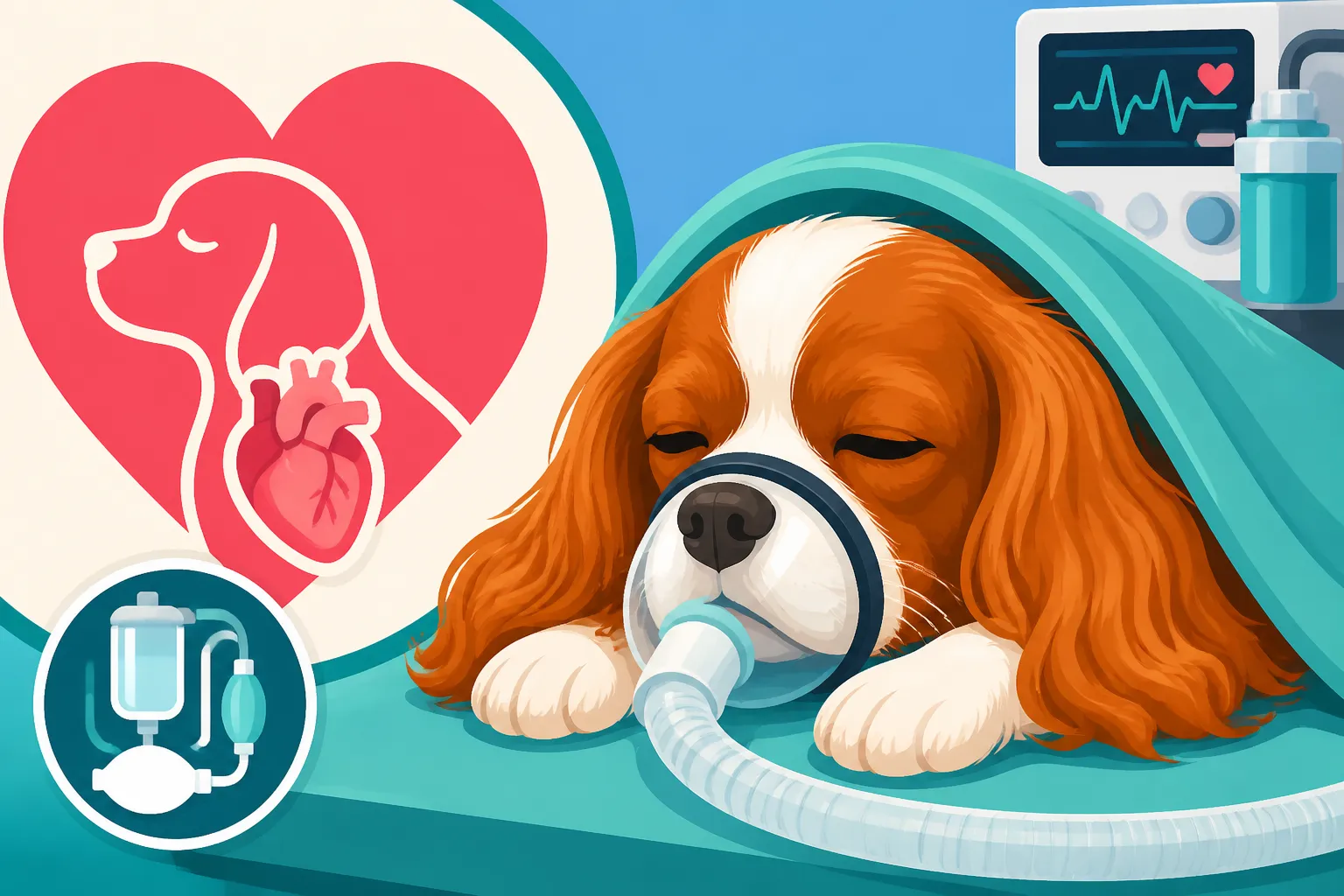
During the procedure, your Cavalier will be under the watchful eyes of the veterinary team, typically a veterinarian and a veterinary technician dedicated to monitoring anesthesia. For a Cavalier with heart disease, this monitoring needs to be particularly rigorous and multi-faceted. Standard monitoring includes an electrocardiogram (ECG) to track heart rhythm and rate, which is especially important for MVD patients who might be prone to arrhythmias. Blood pressure monitoring is critical, often done continuously, to ensure adequate perfusion to vital organs and to detect any dangerous drops. A pulse oximeter measures oxygen saturation in the blood, ensuring your Cavalier is receiving enough oxygen.
Capnography, which measures carbon dioxide levels in exhaled breath, provides real-time information about ventilation and circulation. Body temperature is also closely monitored and maintained, as hypothermia can slow drug metabolism and affect heart function. Advanced monitoring might also include direct arterial blood pressure measurement or even central venous pressure, depending on the complexity of the case and the facilities available. The goal is to catch any subtle changes immediately and intervene promptly, making the procedure as safe as possible for a dog with a compromised heart. Remember to discuss these monitoring protocols with your vet, especially if you have an older Cavalier or one with a pronounced murmur. This advanced level of care is a key factor in mitigating Anesthesia Risk in a Cavalier With a Murmur.
Post-Anesthetic Recovery and Management
The recovery period is often just as critical as the procedure itself, especially for heart patients. Immediately after anesthesia, your Cavalier will be moved to a quiet, warm recovery area where monitoring continues. They might still be groggy and disoriented, and the veterinary team will focus on maintaining their body temperature, monitoring vital signs, and managing any pain. For a Cavalier with MVD, this means careful observation for any signs of worsening heart failure, such as increased breathing effort, coughing, or pale gums. The effects of anesthetic drugs need to wear off safely, and the heart needs to adjust back to its normal workload without the stress of surgery.
Fluid management remains paramount during this period. If too much fluid was given or if the heart struggles post-op, fluid overload could occur. Conversely, dehydration could lead to dangerously low blood pressure. The recovery area should be calm and quiet, allowing for a stress-free emergence from anesthesia. Some clinics even offer an oxygen cage for the initial recovery phase, which can be immensely helpful for Cavaliers whose respiratory systems might be under strain. Your vet might also prescribe specific pain relief or anti-inflammatory medications for the recovery period, carefully chosen to be safe for a cardiac patient.
At-Home Care and Follow-Up
Once your Cavalier is discharged, your role in their recovery becomes central. It's vital to follow all discharge instructions precisely. This will likely include restricting activity, ensuring they get plenty of rest, and carefully administering any prescribed medications. These medications might include their regular heart medications, plus any new pain relief or antibiotics. It’s important to stick to the schedule, even if your dog seems to be recovering quickly. You can find detailed information on Medication for a Cavalier With Heart Disease if your dog is already on a regimen.
Monitoring your Cavalier at home is also crucial. Keep a close eye on their breathing rate, especially when they are resting or sleeping. An elevated resting breath rate can be an early indicator of fluid buildup in the lungs. Learn how to accurately count your Cavalier's resting breaths. Pay attention to their appetite, water intake, and energy levels. Any sudden changes, excessive coughing, lethargy, or difficulty breathing should warrant an immediate call to your veterinarian. Don't hesitate to reach out if you have any concerns, no matter how small they seem. A scheduled follow-up appointment will also be essential to check on their healing and reassess their cardiac status after the stress of anesthesia.
Making the Difficult Decision: Is Anesthesia Worth the Risk?
This is perhaps the toughest question any Cavalier owner with a heart patient faces. It's a deeply personal decision, fraught with emotion and often significant financial implications. You want what's best for your furry family member, but sometimes "best" isn't a clear-cut path.
Weighing the Benefits Against the Risks
When considering anesthesia for your Cavalier with heart disease, it really boils down to a risk-benefit analysis. Is the procedure truly necessary for their quality of life or survival, or is it an elective procedure that could potentially wait or be managed differently? Life-saving surgeries, such as those for a ruptured spleen, gastric torsion, or emergency wound repair, often leave little room for debate – the risk of not performing the surgery far outweighs the anesthetic risk. In these dire situations, your veterinary team will do everything possible to mitigate the anesthetic risks.
However, many procedures, like routine dental cleanings, tumor removals, or even some diagnostic tests, fall into a gray area. A dental cleaning, for instance, is incredibly important for overall health, as severe Cavalier Dental Disease in a Crowded Jaw can lead to systemic infections that further strain the heart. But if your Cavalier is in advanced heart failure, the immediate anesthetic risk might outweigh the benefit of a cleaning right now. In such cases, your vet might suggest alternative strategies, like palliative care for teeth or delaying until heart disease is better managed.
Here's a simplified table to help visualize the decision-making process:
| Procedure Type | Urgency & Necessity | Considerations for MVD Cavalier |
|---|---|---|
| Emergency Surgery | High: Life-threatening condition | Anesthesia is critical for survival. Focus on aggressive monitoring and cardiac support during and after. |
| Urgent Surgery | Moderate-High: Significantly impacts quality of life | Assess current cardiac stability. May require optimization of heart medications before surgery. |
| Routine Dental | Moderate: Important for overall health; can lead to systemic infection | Crucial assessment of heart health. May delay if heart is unstable. Consider non-anesthetic dental cleaning for minor cases (with vet approval). The age a Cavalier needs its first dental should be discussed early. |
| Elective Procedures | Low: Primarily for convenience or minor aesthetic issues | Generally deferred or avoided if heart disease is moderate to severe. Only consider if cardiac health is extremely stable. |
Ultimately, this discussion needs to happen openly and honestly with your primary veterinarian and, ideally, your cardiologist. They can provide the most accurate assessment of your Cavalier's current cardiac stability and help you weigh these complex factors.
Financial Considerations and Pet Insurance
Let's be realistic: specialized cardiac care and advanced anesthetic monitoring come with a price tag. These procedures, especially with a board-certified cardiologist and anesthetist, can quickly add up. You might be looking at hundreds, if not thousands, of dollars for the pre-anesthetic workup, the procedure itself, and post-operative care. This financial burden can add another layer of stress to an already difficult situation.
This is where pet insurance can be a literal lifesaesaver. If you had the foresight to enroll your Cavalier in a good pet insurance plan before their heart murmur or MVD was diagnosed, you might find yourself in a much better position. Companies like Healthy Paws, for example, are known for their comprehensive coverage, but typically, they won't cover pre-existing conditions. So, if your Cavalier's murmur was noted before you had coverage, it would likely be excluded. However, for those who enrolled early, a good policy can significantly offset the costs of diagnostic tests, specialist consultations, and emergency procedures. Researching Whether Pet Insurance Is Worth It for a Cavalier is a wise move for any new puppy owner.
Even if you don't have insurance, or if the MVD is a pre-existing condition, it's worth discussing payment plans or veterinary credit options with your clinic. Some owners also start an emergency fund specifically for these kinds of unexpected health challenges. The financial aspect is a genuine concern, and acknowledging it openly can help you prepare for what might lie ahead. While Healthy Paws may not cover everything if MVD is pre-existing, it's worth understanding your policy's specifics.
Consulting with Your Veterinary Team
The most important step you can take is to engage in a thorough, transparent conversation with your entire veterinary team. This includes your general practice veterinarian, and if your Cavalier has a heart condition, certainly a board-certified veterinary cardiologist. Don't be afraid to ask every question that comes to mind, no matter how trivial it may seem. You are your Cavalier's advocate, and understanding every aspect of the plan is crucial.
Ask about the experience level of the staff performing and monitoring the anesthesia. Discuss alternatives to general anesthesia if they exist for the particular procedure your Cavalier needs. Get a clear understanding of the prognosis with and without the procedure. If you feel uncertain, or if the answers don't fully alleviate your concerns, consider seeking a second opinion from another specialist. A good veterinary professional will always support your desire to be fully informed and confident in the decisions made for your beloved pet. After all, their well-being is everyone's top priority, and navigating the complexities of anesthesia for a Cavalier with heart disease requires a team effort.
Disclaimer
This article is for general informational purposes only and does not constitute professional advice. Laws, prices and regulations vary by location and change over time. Consult a qualified professional for guidance on your specific situation.