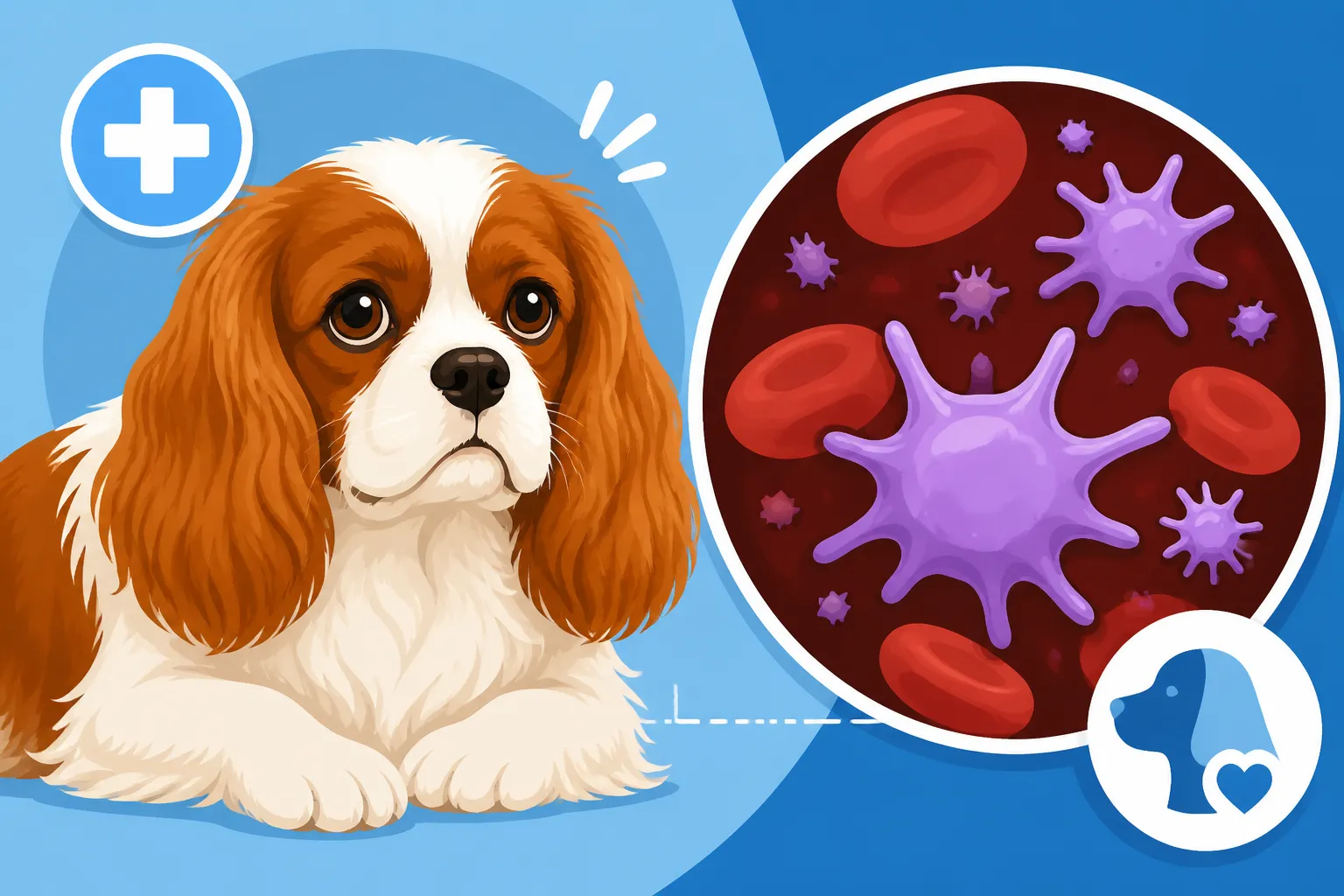
Whether Big Platelets Mean a Cavalier Is Ill
It's incredibly unsettling when you take your beloved Cavalier King Charles Spaniel to the vet, perhaps for a routine check-up or because you've noticed a tiny change, only to receive blood test results that seem alarming. One common area of confusion and worry for Cavalier owners revolves around platelet counts, specifically when the report flags "big platelets" or a seemingly low total number. This guide is here to shed light on why your Cavalier might have big platelets and whether it's truly a cause for concern, helping you navigate those confusing lab reports with confidence.
Understanding Platelets in Cavalier King Charles Spaniels
When we talk about platelets, also known as thrombocytes, we're discussing tiny, irregularly shaped cell fragments that circulate in your dog's blood. They're absolutely vital for maintaining good health, but in Cavaliers, they often come with a unique twist that can throw off standard interpretations.
What Platelets Do for Your Cavalier
Think of platelets as the body's emergency response team for cuts and injuries. Their primary job is to stop bleeding. When a blood vessel is damaged, platelets rush to the site, stick together to form a plug, and help initiate the process of blood clotting. This is what prevents excessive blood loss from even minor scrapes and bruises. Without enough functional platelets, your Cavalier would be at a much higher risk of bleeding problems, both externally and internally. They also play a role in maintaining the integrity of blood vessels, even without an obvious injury. So, healthy, active platelets are a non-negotiable part of your dog's well-being.
The Unique "Macroplatelet" Phenomenon in Cavaliers
Here's where it gets interesting for us Cavalier owners. Many Cavalier King Charles Spaniels have a benign, inherited condition called hereditary macrothrombocytopenia. Don't let the long name scare you; it simply means "inherited large platelets with a low platelet count." This isn't a disease in the traditional sense; it's a normal, quirky genetic trait for our beloved breed.
What happens is that the platelets in a Cavalier with this condition are significantly larger than those found in most other dog breeds. We call these "macroplatelets." Because they are so large, the automated machines used in most veterinary clinics to count blood cells often misidentify them or fail to count them accurately. The machine might count them as red blood cells because of their size, or it might just give up, leading to a reported platelet count that appears artificially low. This can be incredibly frustrating and nerve-wracking for owners who are trying to understand their pet's health, and even for veterinarians who aren't intimately familiar with Cavalier-specific traits. You might find yourself staring at a report wondering if your dog is dangerously close to bleeding out, when in reality, they're perfectly fine. It's one of those breed-specific nuances that makes owning a Cavalier so unique and sometimes a bit more complex in terms of routine vet care.
Why a Cavalier's Platelet Count Reads Falsely Low
The automated blood count machines that vets rely on are incredibly sophisticated, but they're not perfect, especially when a breed throws them a curveball like macroplatelets. This often leads to a false alarm on your Cavalier's blood test results.
How Lab Machines "Misinterpret" Cavalier Platelets
Imagine a machine designed to count apples in a basket. It’s calibrated to identify and count apples within a specific size range. Now, imagine a few of those "apples" are actually the size of small pumpkins. The machine might miss them entirely because they don't fit its "apple" definition, or it might count them as something else entirely. That's essentially what happens with a Cavalier's macroplatelets.
Standard automated hematology analyzers, like the ones used in most veterinary practices, work by passing blood cells through a tiny aperture and detecting changes in electrical impedance or light scattering. They classify cells based on size and complexity. When a Cavalier's large platelets come through, the machine often struggles. They're too big to be registered as typical platelets. Sometimes, they're incorrectly categorized as red blood cells, leading to an underestimation of the true platelet count. Other times, the machine simply doesn't register them as platelets at all, resulting in a reported platelet count that is significantly (and misleadingly) low. This is precisely why a Cavalier's platelet count reads falsely low, creating unnecessary stress for owners and potentially leading to further, unneeded diagnostics if the vet isn't aware of this breed-specific trait.
The Difference Between a Machine Count and a Manual Review
Given the limitations of automated analyzers with Cavalier platelets, the gold standard for accurately assessing platelet numbers and morphology in our little spaniels is a manual blood smear review. This involves a trained human eye, typically a veterinarian or a clinical pathologist, examining a thin layer of your Cavalier's blood under a microscope.
During a manual review, the professional can directly visualize the platelets. They'll confirm that the platelets are indeed large (macroplatelets) and, crucially, they'll estimate the actual number of platelets present. What often happens is that even if the automated count was low, the manual review reveals an adequate number of these larger, perfectly functional platelets. They can also look for other abnormalities in cell shape or the presence of other types of cells that might indicate a true underlying problem. A manual review can quickly differentiate between a benign breed-specific anomaly and a genuine health concern requiring further investigation. It’s an extra step that can save a lot of worry and ensure your Cavalier receives the correct assessment of their health. When you're discussing your Cavalier's health, especially with a new vet or if you're exploring options like pet insurance from providers such as Healthy Paws, it's always wise to highlight this unique characteristic.
Addressing the Concern: Does This Mean My Cavalier is Ill?
This is the million-dollar question that plagues many Cavalier owners when they first encounter these blood test results. The good news, in most cases, is a resounding "no."
When Large Platelets Are Normal for a Cavalier
For the vast majority of Cavalier King Charles Spaniels, the presence of large platelets (macroplatelets) and an artificially low automated platelet count is simply a normal, inherited, and completely benign finding. It does not indicate illness, a bleeding disorder, or any increased health risk. These Cavaliers typically have perfectly normal clotting function because, while the number might seem low on paper, the larger platelets are fully functional and capable of doing the job of multiple smaller platelets. Think of it this way: instead of having many small patrol cars, they have fewer, but much larger, robust emergency vehicles that cover more ground.
If your Cavalier is otherwise healthy, active, shows no signs of abnormal bleeding (like unexplained bruising, nosebleeds, or blood in urine/stool), and a manual blood smear confirms the presence of these large, adequate platelets, then there's generally no need to worry. This is simply a unique physiological trait of the breed, much like their beautiful long ears or their gentle disposition. Many veterinarians who are familiar with the breed often add a note to the dog's file to remind themselves and future practitioners about this common finding, avoiding repeat concerns during routine check-ups.
When to Be Concerned About Platelet Issues
While macrothrombocytopenia in Cavaliers is usually harmless, it's absolutely crucial to distinguish it from true, pathological causes of low platelets (thrombocytopenia) that do indicate a serious health problem. You should be concerned and seek immediate veterinary attention if your Cavalier exhibits any of the following clinical signs, regardless of their blood test results:
- Excessive bruising: Finding large, unexplained bruises on their skin.
- Petechiae: Tiny, pinprick-sized red or purple spots on their gums, belly, or inner ear flaps, which indicate bleeding under the skin.
- Prolonged bleeding: Bleeding that doesn't stop easily from a minor cut, or bleeding from the gums after chewing.
- Nosebleeds: Frequent or severe bleeding from the nose.
- Blood in urine or stool: Any visible blood, which could indicate internal bleeding.
- Lethargy or weakness: Unusual tiredness, reluctance to play, or general weakness.
- Pale gums: A sign of anemia, which can be linked to blood loss.
If these clinical signs are present, even with a history of macroplatelets, it warrants a thorough investigation. True thrombocytopenia can be caused by various serious conditions, including immune-mediated diseases where the body attacks its own platelets, certain types of cancer, tick-borne illnesses (like Ehrlichiosis or Anaplasmosis), bone marrow disorders, or severe infections. In these cases, your vet will perform additional diagnostics beyond just a blood smear, such as further blood tests (e.g., coagulation profiles, specific disease panels), urinalysis, or even imaging, to identify the underlying cause and begin appropriate treatment. Understanding the progression of diseases, like How Cavalier Heart Disease Progresses Stage by Stage, can help owners recognize general signs of illness, though platelet issues are distinct.
What to Do If Your Cavalier's Blood Test Shows "Big Platelets"
Navigating a potentially confusing blood test result can be daunting, but with the right information and approach, you can ensure your Cavalier gets the appropriate care without unnecessary stress.
Discussing Results with Your Veterinarian
The very first step is always to have an open and thorough discussion with your veterinarian. If your Cavalier's blood work comes back with a low platelet count or a note about large platelets, politely bring up the topic of hereditary macrothrombocytopenia, which is common in the breed. It's possible your vet is already well-aware of this, especially if they have many Cavaliers as patients. However, not all vets are equally familiar with every breed-specific quirk, particularly if they are new to your dog or the breed.
Don't hesitate to ask if a manual blood smear has been performed or if one can be done. This simple, often inexpensive step is key to confirming if the automated machine's reading is a false alarm due to the characteristic large platelets. A good vet will appreciate your informed questions and will be happy to explain the findings in detail. They should be able to reassure you if it's a benign finding, or clearly outline why they might suspect something more serious if clinical signs warrant it. This open communication is essential, especially as your Cavalier ages and undergoes routine care, like the Annual Cardiologist Exams for a Cavalier.
Further Diagnostic Steps If Needed
If your Cavalier is otherwise acting completely normal, healthy, and happy, and a manual blood smear confirms an adequate number of functional macroplatelets, then usually no further diagnostic steps are needed. The case is closed!
However, if your Cavalier is showing any of the clinical signs of bleeding or illness discussed earlier (e.g., bruising, lethargy, nosebleeds), or if the manual blood smear suggests genuine low platelet numbers or other cell abnormalities, then your vet will likely recommend further diagnostics. These might include:
- Coagulation Profile: A series of tests that assess the overall clotting ability of your dog's blood.
- Specific Disease Testing: Blood tests to rule out infectious diseases (like tick-borne illnesses) or autoimmune conditions.
- Bone Marrow Aspiration/Biopsy: In rare cases, if severe, unexplained thrombocytopenia persists, a bone marrow sample might be needed to investigate the source of blood cell production.
- Imaging (X-rays, Ultrasound): To look for internal bleeding or underlying conditions affecting organs.
The key here is to avoid jumping to invasive or costly tests based solely on a misleading automated platelet count. By starting with a manual smear and then correlating findings with your Cavalier's overall health and symptoms, you can avoid unnecessary panic and expenses. Knowing what to expect from tests like Chest X-Rays in a Cavalier Heart Workup can also prepare you for general diagnostic processes.
Long-Term Monitoring and Awareness
Once you understand that your Cavalier's large platelets are likely a normal breed characteristic, it becomes part of their unique health profile. It's a good idea to keep a copy of their blood test results, particularly the manual smear report, and include it in their health records. This way, if you ever move, switch vets, or need emergency care for a different issue, you can quickly inform new veterinary professionals about this benign condition. This can prevent future misunderstandings or unnecessary treatments.
Ongoing awareness simply means continuing to observe your Cavalier for any new or unusual clinical signs. Regular veterinary check-ups are still vital for monitoring their overall health, catching issues like Mitral Valve Disease in the Cavalier King Charles Spaniel early, and ensuring they live a long, happy life. When considering the long-term costs of pet ownership, from routine vet bills for a Cavalier to managing potential chronic conditions, pet insurance can be a huge help. Companies like Healthy Paws offer various plans that can cover unexpected illnesses and accidents, providing a financial safety net for your beloved companion throughout their life, even for routine check-ups where these platelet discussions might arise. Being prepared is always the best approach for a Cavalier owner.
| Feature | Automated Blood Count (Machine) | Manual Blood Smear Review (Human) |
|---|---|---|
| Method | Electronic detection of cell size/volume | Visual examination of blood cells under a microscope |
| Accuracy for Cavaliers | Often inaccurate for platelets; may report falsely low counts | Highly accurate for platelets in Cavaliers; confirms macroplatelets |
| Information Provided | Total cell counts (RBC, WBC, Platelets), hemoglobin, hematocrit | Cell morphology (size, shape, color), estimation of cell numbers, presence of parasites/abnormal cells |
| Typical Use | Initial screening, quick results | Confirmatory test for abnormal automated results, detailed cell analysis |
| Cost | Included in routine blood panel | May be an additional charge, often minimal |
| Decision Making | Requires careful interpretation in Cavaliers; can be misleading | Provides definitive information for diagnosis and treatment planning |
Disclaimer
The information provided in this article is intended for general knowledge and informational purposes only, and does not constitute veterinary advice. Always consult with a qualified veterinarian for any health concerns or before making any decisions about your Cavalier King Charles Spaniel's medical care.