Whether Cavaliers Snore and Why
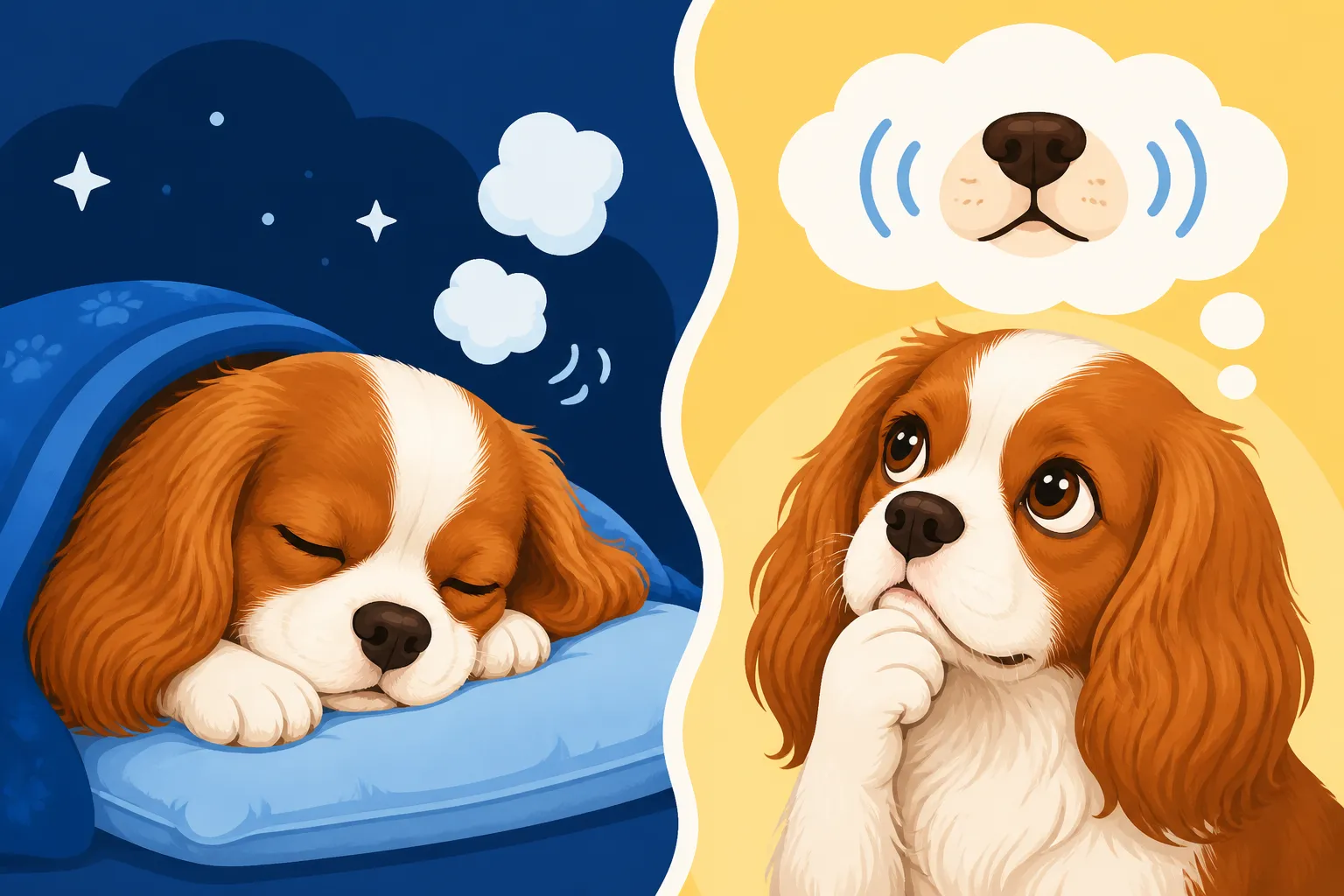
It's a common, often endearing, sound emanating from our beloved Cavaliers as they drift off to sleep – that soft little snuffle or contented rumble. But sometimes that cute snuffle turns into a louder, more concerning rumble, or even a startling snort that jolts them awake. Many Cavalier owners find themselves wondering if their furry friend's snoring is normal or if it signals something more serious, and this guide is here to help you understand the nuances of Cavalier snoring.
Why Cavaliers Are Prone to Snoring
Cavalier King Charles Spaniels, with their charmingly sweet faces and slightly shorter muzzles, often come with an predisposition to snoring. While not considered a true brachycephalic breed in the same league as a Pug or Bulldog, their facial structure does play a significant role in how they breathe, especially during sleep. This unique anatomy means their airways can be a little more 'crowded' than a dog with a longer, more open nasal passage, leading to those characteristic bedtime noises.
Understanding Their Unique Airway Anatomy
The structure of a Cavalier's head, while adorable, isn't always ideal for silent slumber. Their relatively shorter muzzle means that the soft tissues in their throat have less space. Specifically, an elongated soft palate is a common culprit. This is the soft, fleshy part at the back of the roof of their mouth. If it's too long, it can partially block the entrance to the trachea (windpipe) when they relax during sleep, vibrating and causing that distinct snoring sound. Imagine trying to breathe through a slightly pinched straw – that's a bit like what's happening. Another anatomical factor can be stenotic nares, which are simply nostrils that are too narrow, restricting the initial intake of air. While not as common in Cavaliers as in extreme brachycephalic breeds, it can still contribute to noisy breathing.
Think about a hot summer day after your Cavalier has been out for a short walk. You might notice them breathing a bit heavier, perhaps even with a slight snort or wheeze. This is often due to their anatomy struggling slightly more to cool down when external temperatures are high. It's a prime example of how their natural structure can make them work a little harder for their air, a subject we discuss in more detail when asking Whether a Cavalier Struggles in Heat. This inherent trait isn't necessarily a problem, but it sets the stage for snoring.
How Weight and Lifestyle Influence Snoring
Just like with people, a Cavalier's weight can dramatically impact their breathing patterns and, subsequently, their snoring. Even a few extra pounds on a small dog like a Cavalier can lead to an accumulation of fat in the neck and throat area. This excess tissue further narrows the airway, exacerbating any existing anatomical predispositions and making snoring much worse. It's like adding extra padding around that already pinched straw – it makes breathing even more difficult.
Consider a Cavalier like Bentley, a delightful Blenheim who, over the years, found himself enjoying one too many table scraps. As he crept from his ideal 16 pounds to a portly 20, his gentle nighttime snuffles transformed into earth-shaking snores that could be heard from down the hall. His owners initially found it amusing, but then noticed he was more restless at night and tired during the day. This is a classic scenario where Cavalier Weight Gain and What It Costs the Heart becomes a serious concern, not just for snoring but for overall health. A healthy weight can significantly alleviate snoring, and it's one of the easiest changes an owner can make.
Furthermore, environmental factors can play a role. If your home has dry air, especially during winter months when heating is on, it can dry out your Cavalier's nasal passages and throat, leading to increased irritation and snoring. Allergens in the environment, such as dust, pollen, or certain cleaning products, can also inflame the airways, making breathing more labored. Imagine how congested you feel during allergy season – your Cavalier can experience similar discomfort, contributing to their nocturnal noise.
When Snoring Becomes a Concern for Your Cavalier
While some level of snoring can be normal and even endearing in a Cavalier, there are definite red flags that signal it's time to pay closer attention and consult your veterinarian. Differentiating between a benign snuffle and a worrying wheeze is crucial for your dog's well-being. It’s not about stopping every little noise, but about recognizing when those noises point to something deeper.
Recognizing Warning Signs and Symptoms
The most significant warning sign is a change in your Cavalier's snoring pattern. If the snoring suddenly becomes much louder, more frequent, or starts to include gasping, choking, or snorting sounds, it's definitely time to take notice. Does your Cavalier wake up abruptly with a loud snort, seemingly struggling for air? This indicates a more serious obstruction. Another crucial sign is restless sleep. If your dog is constantly shifting, changing positions, or seems unable to get comfortable due to their breathing, they aren't getting the restorative sleep they need.
Beyond just the sound, observe their behavior and energy levels. If your Cavalier, who once loved long strolls in the park, now tires on short walks, or seems to have less energy throughout the day, their breathing issues might be impacting their oxygen intake. A good indicator of a problem is also observing their gums. If they appear bluish or purplish, especially during a severe snoring episode or after exertion, it suggests a lack of oxygen and warrants immediate veterinary attention. These visual cues can be far more telling than just the volume of the snore itself.
| Snoring Type | Description | Signs to Watch For | Action Required |
|---|---|---|---|
| Normal Snoring | Soft, rhythmic, consistent, occasional quiet snuffle. | Dog seems rested, no gasping, normal energy. | Keep an eye, ensure healthy weight. |
| Concerning Snoring | Loud, erratic, includes gasping, choking, snorting, or pauses in breathing. | Restless sleep, sudden awakenings, reduced exercise tolerance, blue gums. | Consult a veterinarian promptly. |
Potential Underlying Health Issues
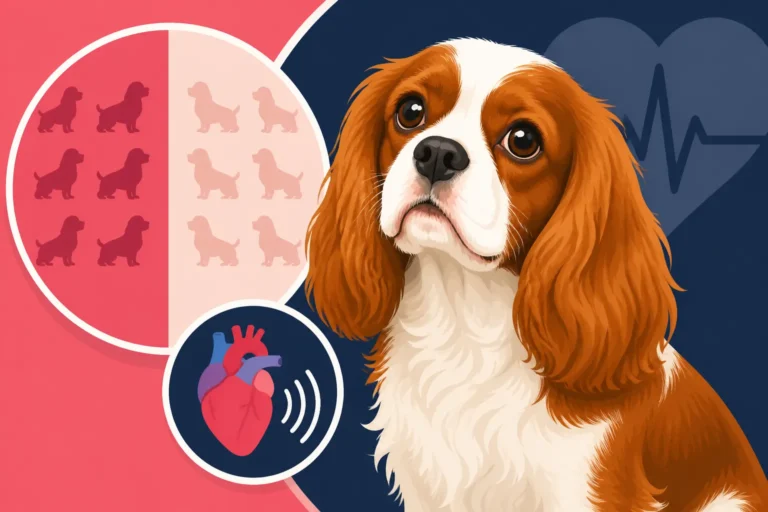
Persistent or severe snoring, especially when accompanied by other symptoms, can point to several underlying health conditions. One of the most common issues in Cavaliers is a progressively worsening heart condition, specifically Mitral Valve Disease (MVD). As the heart begins to fail, fluid can build up in the lungs, leading to a cough that often sounds like a soft honk or gagging, but can also manifest as troubled, noisy breathing, especially when lying down. This is why annual check-ups, including listening to the heart, are so vital, as discussed in Annual Cardiologist Exams for a Cavalier.
Other culprits might include allergies, which can cause inflammation and swelling in the nasal passages and throat, contributing to noisy breathing. Hypothyroidism, while less common, can lead to weight gain and muscle weakness, including in the throat, which might worsen snoring. Even dental disease, if severe, can cause inflammation and discomfort that indirectly affects breathing, though it's less direct than other causes. It's a stark reminder that what seems like a simple snore can have complex roots.
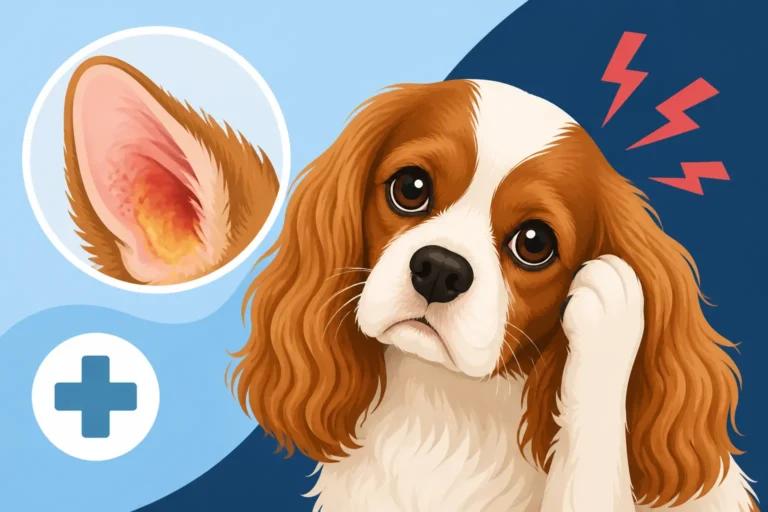
Then there's the possibility of tracheal collapse, a condition where the rings of the trachea (windpipe) weaken and flatten, making it difficult for air to pass through. While more commonly associated with a distinct "goose honk" cough, severe tracheal collapse can also contribute to snoring, especially if the dog is overweight or excited. Learning more about Cavalier Tracheal Collapse can help you understand this specific condition. Finally, it's worth noting that sometimes snoring-like sounds can actually be related to neurological issues, like Syringomyelia. A Cavalier with neck pain might sleep in unusual positions to alleviate discomfort, which could affect breathing. It's important to distinguish between actual snoring and other painful sounds; for instance, understanding how to differentiate Syringomyelia Against Ear Pain in a Cavalier is key.
What You Can Do About Your Cavalier's Snoring
If your Cavalier's snoring is starting to worry you, or if you've noticed any of the warning signs, the good news is that there are steps you can take. Addressing the issue proactively can significantly improve your dog's quality of life and potentially prevent more serious health complications down the line. It starts with observation, moves to lifestyle changes, and then involves professional veterinary care.
When to Seek Veterinary Advice
The moment you notice any of the concerning symptoms – gasping, choking, restless sleep, changes in energy, or blue gums – it's crucial to contact your veterinarian. Don't wait. Even if it's just a sudden, significant increase in snoring volume or frequency, a vet visit is warranted. Your vet will perform a thorough physical examination, listen to your Cavalier's heart and lungs, and assess their overall condition. They'll also ask you detailed questions about the snoring, when it started, and any accompanying symptoms. This initial consultation is vital for establishing a baseline and deciding on the next steps.
Sometimes, the vet might recommend further diagnostic tests. These could include chest X-rays to check for fluid in the lungs (a sign of heart failure) or to assess the trachea, blood tests to rule out metabolic conditions like hypothyroidism, or even an endoscopic examination of the airways to directly visualize any obstructions like an elongated soft palate. In some cases, a referral to a veterinary cardiologist for an echocardiogram might be necessary, especially if a heart murmur is present. Understanding What a Cavalier Echocardiogram Shows can prepare you for this possibility.
Remember, early diagnosis is key. For conditions like heart disease, catching it early means your vet can start Medication for a Cavalier With Heart Disease sooner, potentially extending their quality of life. Don't underestimate the expertise of your vet, and if they recommend specialized testing, it's for a good reason. The cost of these diagnostics can be daunting, but having pet insurance like Healthy Paws can often alleviate some of that financial stress, allowing you to focus on getting your Cavalier the best care.
Home Management and Lifestyle Adjustments
For mild snoring without concerning symptoms, or in conjunction with veterinary treatment for more severe cases, several home management strategies can make a difference. The first and often most impactful step is weight management. If your Cavalier is overweight, working with your vet on a controlled diet and exercise plan can reduce excess tissue around the airway, making breathing easier. Even a slight reduction in weight can lead to a noticeable improvement in snoring. This involves careful portion control and choosing appropriate low-calorie treats, as even a small treat can add up quickly for a Cavalier.
Adjusting their sleeping environment can also help. Many Cavaliers snore less if their head is slightly elevated, so consider a specialized orthopedic bed or even a small pillow. Sometimes, simply changing their sleeping position can help – a dog sleeping on its side might snore less than one on its back. If dry air is a factor, especially in heated homes during winter, running a humidifier in the room where your Cavalier sleeps can add moisture to the air and reduce irritation in their nasal passages.
Regular grooming, especially around the face, can also play a small role. Keeping the hair around their nose and mouth trimmed can ensure no loose hairs are obstructing airflow. If environmental allergies are suspected, regular cleaning of their bedding, vacuuming, and using air purifiers can reduce allergens in the home. Finally, ensuring your Cavalier has a consistent, calm routine before bedtime can also contribute to more relaxed breathing. A stressed or overly excited dog might breathe more shallowly or erratically, making snoring worse.
Related Health Issues That Mimic Snoring or Worsen It
Sometimes, what sounds like snoring is actually a symptom of a different health issue, or certain conditions can significantly exacerbate a Cavalier's natural tendency to snore. It's important for Cavalier owners to be aware of these interconnected health concerns to provide comprehensive care.
Respiratory Conditions Beyond the Snore
Beyond the common causes of snoring, Cavaliers can experience other respiratory issues that either sound similar or contribute to noisy breathing. Chronic bronchitis, an inflammation of the airways, can lead to a persistent cough, wheezing, and sometimes a congested sound that might be confused with snoring. Similarly, while less common in Cavaliers than in extremely brachycephalic breeds, laryngeal paralysis, where the laryngeal cartilages fail to open properly during inhalation, can cause a harsh, raspy sound, especially with exertion, which might be mistaken for a severe snore.
Another issue that can cause noisy breathing, particularly when excited or pulling on a collar, is a collapsing trachea. As mentioned earlier, this condition can lead to a distinct "goose-honk" cough, but if the collapse is mild or intermittent, it might manifest as a snort or wheeze during sleep. This is why we often recommend harnesses over collars for Cavaliers, to avoid putting pressure on the trachea. A harness, like those from brands such as Ruffwear or Puppia, distributes pressure more evenly, making it easier on their delicate necks and airways. You can learn more about this by reading about Harnesses Instead of Collars for a Cavalier.
Fluid accumulation in the lungs due to heart failure is a critical concern, and its sounds can be varied. Initially, it might present as a soft cough or increased respiratory effort, but as it progresses, breathing can become labored, wet, and certainly noisy, especially when the dog is resting. This is a severe condition that requires immediate veterinary attention. Your vet might discuss specific medications like diuretics for a Cavalier in heart failure, and understanding Diuretics for a Cavalier in Heart Failure can help you prepare.
Neurological Factors and Sleeping Positions
Occasionally, what appears to be snoring might be connected to neurological conditions that affect a Cavalier's comfort or ability to find a comfortable sleeping position. Syringomyelia (SM), a painful neurological condition common in Cavaliers where fluid-filled cavities develop within the spinal cord near the brain, can cause chronic neck and head pain. Dogs suffering from SM might adopt unusual sleeping positions to alleviate pain, such as sleeping with their head elevated or on their chest, which can inadvertently affect their breathing and lead to noisy sleep.
If your Cavalier suddenly starts sleeping in a new, unusual position, especially if accompanied by signs of discomfort like yelping when picked up, restlessness, or sensitivity around the neck, it's worth exploring the possibility of pain. These behaviors are often the first subtle indicators that something more serious than just snoring is going on. A Cavalier that yelps when picked up, for instance, could be experiencing significant neck pain. An MRI scan can diagnose SM, but it’s a significant financial undertaking, so knowing about Paying for a Cavalier Syringomyelia Workup is crucial for owners considering this diagnostic step.
Even if not directly causing snoring, discomfort from SM can disrupt sleep patterns, leading to more agitated rest where breathing might become more erratic and noisy. It's a complex interplay between comfort, anatomy, and potential underlying health issues, making a holistic approach to understanding your Cavalier's snoring absolutely essential. Always keep an eye out for any changes in your Cavalier's behavior and habits, as they often communicate discomfort in subtle ways before overt symptoms appear.
Disclaimer
The information provided in this article is for general informational purposes only and is not a substitute for professional veterinary advice. Always consult with a qualified veterinarian for any health concerns or before making any decisions related to your pet's health and treatment.