Cavalier Weight Gain and What It Costs the Heart
It's a truth universally acknowledged in the Cavalier community: these sweet, charming dogs are masters of the puppy-dog eyes, and they often come with an uncanny ability to pack on the pounds. This isn't just about aesthetics; that extra weight can be a silent, insidious burden, especially when our beloved Cavaliers are already so predisposed to serious health conditions like Mitral Valve Disease (MVD). This guide is here to walk you through why Cavaliers gain weight so easily, the very real dangers it poses to their precious hearts, and practical, empathetic strategies to keep them at a healthy weight, protecting their long-term health and happiness.
Why Cavaliers are Prone to Weight Gain
Anyone who has shared their home with a Cavalier King Charles Spaniel knows their charm is irresistible. They are built for snuggling, for companionship, and for stealing hearts – often along with a dropped crumb or two. But this wonderful temperament, combined with certain breed characteristics, makes them particularly susceptible to weight gain.
Their Charming, Begging Nature
Let's be honest, those big, soulful eyes are designed to melt even the strongest resolve. Cavaliers are notorious for their begging prowess. They seem to sense when you're preparing food, when you've just finished a meal, or even when you're simply reaching for the snack cupboard. It's incredibly difficult to resist their pleas, and many of us, myself included, have fallen victim to slipping them an extra treat or a morsel from our plate. These small, seemingly harmless gestures add up quickly, especially for a dog whose ideal weight is often in the 13-18 pound range. A single chip or a tiny piece of cheese might be negligible for a larger breed, but for a Cavalier, it can represent a significant percentage of their daily caloric intake. This isn't a moral failing on our part; it's simply a testament to their adorable persistence and our deep desire to please them.
Beyond the begging, Cavaliers generally aren't the high-energy, go-all-day types like some working breeds. While they enjoy their walks and playtime, they are equally content to curl up on the sofa for hours, making them perfect lap warmers. This lower baseline activity level means their caloric needs are naturally lower than a dog that runs miles daily. If their food intake doesn't reflect this more relaxed lifestyle, weight gain becomes almost inevitable. It’s a delicate balance to strike between providing enjoyment and maintaining a healthy caloric equilibrium.
Metabolic Slowdown and Genetic Predisposition
It's not just about treats and couch potato tendencies; there's a biological component at play too. Many smaller breeds, including Cavaliers, can have a slightly slower metabolic rate compared to their larger counterparts. This means they simply don't burn calories as efficiently, making them more prone to storing excess energy as fat. It’s a bit unfair, really, that their bodies are wired this way, but it's a reality we, as Cavalier guardians, need to acknowledge and manage proactively.
Furthermore, like many purebred dogs, Cavaliers come with certain genetic predispositions. While their most famous genetic challenge is heart disease, they can also have a genetic inclination towards weight gain. Just as certain lines might be more prone to Episodic Falling Syndrome in a Cavalier] or Syringomyelia and Chiari Malformation in Cavaliers], others might find it harder to maintain a lean physique. When a Cavalier is spayed or neutered, this can further exacerbate the issue. Altering a dog's hormones often leads to a measurable drop in their metabolic rate. Owners report that their once active, lean dog seems to start putting on weight even with no change in diet or exercise after their spay or neuter surgery. This metabolic shift means their caloric needs decrease even more, and adjusting their food intake downwards becomes absolutely essential to prevent unwelcome weight creep.
The Direct Link Between Weight and Mitral Valve Disease
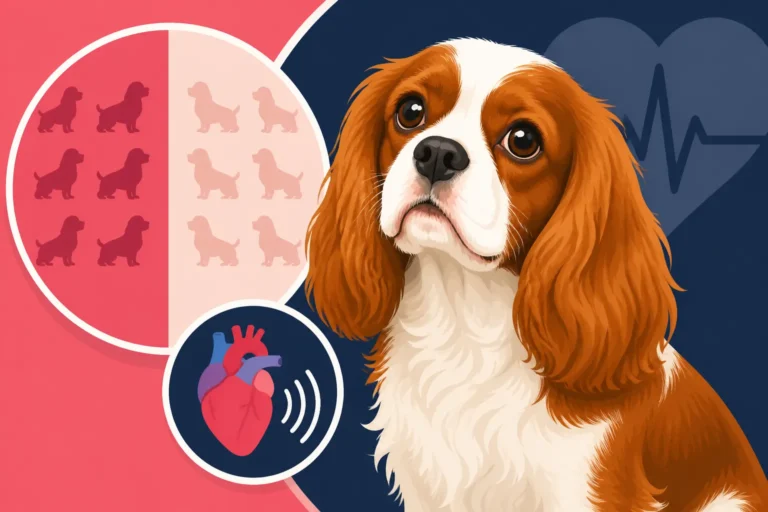
The biggest shadow hanging over our Cavaliers' health is undoubtedly Mitral Valve Disease (MVD). It's a progressive, age-related heart condition that affects the vast majority of the breed. While we can't completely prevent it, managing factors that exacerbate it, like weight, is absolutely critical. The connection between excess weight and MVD isn't just theoretical; it's a profound and tangible threat to their quality of life and lifespan.
Increased Strain on an Already Vulnerable Heart
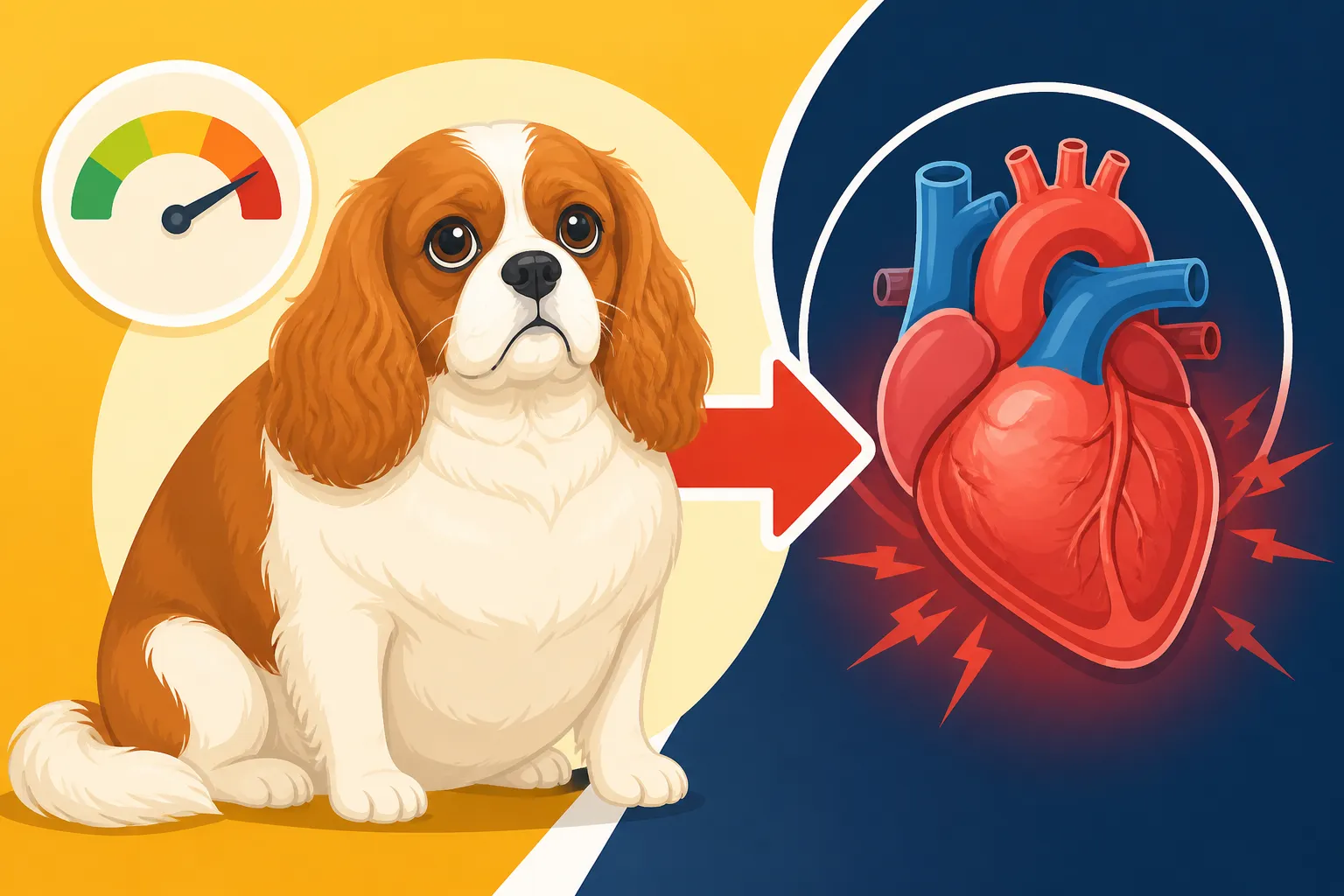
Imagine your Cavalier's heart. It's already working hard, and if it has MVD, the mitral valve is likely becoming thicker and leaking blood backward with each beat. Now, add the burden of excess weight. Every extra pound on your Cavalier means their heart has to pump more blood to nourish a larger body mass. This translates to an increased workload, more pressure, and more stress on an already compromised cardiovascular system. The heart, already struggling with an inefficient valve, now has to push harder against resistance. This constant overexertion can accelerate the progression of MVD, leading to an earlier onset of symptoms or a more rapid decline once the disease takes hold.
Excess weight can also contribute to higher blood pressure, which is another significant stressor for the heart. High blood pressure forces the heart to work even harder to circulate blood, further taxing the already weakening mitral valve and the surrounding heart muscle. This vicious cycle can lead to faster heart enlargement, which is a key marker of MVD progression, as described in How Cavalier Heart Disease Progresses Stage by Stage]. An enlarged heart is less efficient, eventually leading to heart failure. We want to do everything we can to lighten that load, not add to it.
Inflammation and Systemic Health Risks
Obesity is far more than just carrying around extra fat; it's a chronic, low-grade inflammatory state within the body. Adipose tissue, or fat, isn't just inert storage; it's metabolically active, releasing inflammatory chemicals that can circulate throughout the body. This systemic inflammation can significantly worsen existing health conditions and predispose your Cavalier to new ones, including exacerbating MVD. Chronic inflammation can contribute to the thickening and degeneration of the mitral valve itself, speeding up the disease process.
Beyond heart implications, an overweight Cavalier is at higher risk for a cascade of other serious health issues. They are more prone to developing diabetes, which carries its own set of complications. Their joints, already potentially vulnerable to conditions like Cavalier Knees, Hips and Joint Problems], suffer immense strain from carrying extra weight, leading to accelerated arthritis and pain. Even their breathing can be affected; excess fat around the chest and neck can restrict lung function and make it harder for them to breathe, especially during exercise or in warmer weather. This can be particularly concerning for a breed that can also be prone to other respiratory issues like tracheal collapse. Managing their weight, therefore, isn't just about their heart, but about protecting their entire physical well-being.
Recognizing Weight Gain in Your Cavalier
Sometimes, weight gain can creep up on us and our Cavaliers without us even realizing it. Their beautiful, flowing coats can cleverly mask a few extra pounds, making it harder to spot changes. That's why it's so important to have objective ways to assess their body condition regularly, rather than relying solely on the number on the scale or simply how they look from afar.
The Rib Test and Body Condition Scoring
One of the most effective and easiest ways to monitor your Cavalier's weight at home is the "rib test." While their luxurious feathering might make it seem difficult, you can definitely feel for your Cavalier's ribs. With your Cavalier standing, gently place your palms on their sides, just behind their shoulder blades. Using your fingertips, run your hands along their rib cage. You should be able to feel their individual ribs fairly easily, much like feeling the knuckles on your hand, but they shouldn't protrude or feel sharp. There should be a thin, soft layer of muscle and fat covering them. If you have to press hard to feel the ribs, or if you can't feel them at all, it's a strong indicator that your Cavalier is carrying too much weight. This hands-on approach is often more revealing than a visual inspection alone, as discussed in more detail in Feeling a Cavalier's Ribs Under Feathering].
For a more structured assessment, veterinarians use a Body Condition Score (BCS) system, often on a scale of 1 to 9 (with 5 being ideal). While a vet is best for a precise score, you can understand the principles at home. A BCS of 1-3 indicates underweight, 4-5 is ideal, and 6-9 indicates overweight to obese. An ideal Cavalier will have a noticeable waist when viewed from above (an "hourglass" figure, if you will) and an abdominal tuck when viewed from the side (their belly should rise up from their rib cage, not sag).
Body Condition Score (BCS) at a Glance
| BCS | Appearance | Ribs | Waist & Abdomen | Implication |
|---|---|---|---|---|
| 1-3 | Severely thin to thin | Easily visible, no fat cover | Pronounced tuck, severe hourglass | Underweight, health risk |
| 4 | Lean | Easily palpable, minimal fat cover | Clearly visible waist & tuck | Borderline ideal |
| 5 | Ideal | Easily palpable with slight fat cover | Well-proportioned waist & distinct abdominal tuck | Healthy Weight |
| 6 | Overweight | Palpable with difficulty, slight excess fat | Noticeable waist but not prominent, slight abdominal tuck | Early weight gain, monitor |
| 7-9 | Overweight to Obese | Difficult to impossible to feel, heavy fat cover | No waist, abdomen flat or sagging | Overweight/Obese, health risk |
This table provides a quick guide, but remember that a Cavalier’s specific frame can influence how they appear. The goal is health, not a supermodel physique.
Subtle Signs Beyond the Scale
Weight gain isn't always obvious just by looking. Sometimes, the first clues are behavioral changes. An overweight Cavalier might become less enthusiastic about walks or playtime, choosing to lie down more often. You might notice them tiring more easily on their usual routes, or even being reluctant to engage in activities they once loved. If your Cavalier starts to lag behind on short walks or seems winded after a gentle game of fetch, it’s a big red flag, similar to observations noted in A Cavalier That Tires on Short Walks].
Physically, you might observe heavier breathing, even when at rest, especially if the extra weight is exacerbating any underlying heart issues. They might struggle with stairs, jumping onto furniture, or even grooming themselves properly. While many Cavaliers are known for their loving, gentle nature, sometimes discomfort from carrying extra weight can lead to subtle changes in temperament, making them less tolerant or more withdrawn. Never underestimate how much a few extra pounds on a small dog like a Cavalier can impact their daily comfort and overall well-being. A 2-pound gain on a 15-pound Cavalier is a much larger percentage of their body weight than a 2-pound gain on a 70-pound Labrador, and the health implications are amplified.
Strategies for Healthy Weight Management
Once you've identified that your Cavalier is carrying a few too many pounds, the good news is that weight management is entirely within your control. It requires consistency, patience, and a bit of discipline – not just for your Cavalier, but for you as their loving owner.
Calorie Control and Appropriate Diet Choices
The cornerstone of weight management is calorie control. You need to know how many calories your Cavalier actually needs to maintain their ideal weight, and then reduce that amount safely for weight loss. A good starting point is to consult your veterinarian, as they can help calculate a target daily calorie intake based on your dog's ideal weight and current activity level. Many commercial dog food bags provide feeding guidelines, but these are often generalized and can lead to overfeeding, especially for less active dogs or those prone to weight gain. Don't be afraid to ask for specific advice, even if your vet suggests a prescription weight-loss diet initially.
Once you have a target, accurate portion control is paramount. Eyeballing amounts can lead to significant discrepancies over time. Investing in a simple kitchen scale to weigh out your Cavalier's kibble at each meal is a game-changer. This ensures they are consistently receiving the correct amount, eliminating guesswork and accidental overfeeding, as detailed in Weighing a Cavalier's Ration on a Kitchen Scale]. Choosing a high-quality, nutritionally balanced dog food specifically formulated for small breeds or weight management can also make a difference. These foods often have a higher fiber content to help your dog feel full and are typically lower in calories per serving. If your Cavalier already has a heart murmur or is showing signs of MVD, your vet might recommend a low-sodium diet, which can help reduce fluid retention and ease the burden on their heart.
Smart Snacking and Exercise Routines
Treats are often a huge contributor to weight gain, precisely because they're so hard to resist giving. But treats don't have to be calorie bombs. Many vegetables make excellent, low-calorie, and healthy snacks. Think small pieces of raw carrots, green beans, or even apple slices (without seeds!). These can be excellent alternatives to processed dog biscuits or fatty human foods. When you do use commercial treats, opt for very small, low-calorie options, and always factor them into your Cavalier's total daily caloric allowance. If you're using treats for training, break them into tiny, pea-sized pieces to maximize the reward while minimizing calorie intake.
Consistent, moderate exercise is the other half of the weight management equation. For a Cavalier, "moderate" typically means a couple of enjoyable, brisk walks totaling 30-60 minutes a day, alongside some indoor playtime. It's crucial not to overexert them, especially if they are already overweight or have a diagnosed heart murmur. The goal is gentle activity that burns calories and builds muscle without putting undue stress on their system. Light activities like chasing a toy in the living room, short games of fetch in the yard, or exploring new scents on a leash are perfect. Always monitor your Cavalier for signs of fatigue or heavy panting, and adjust exercise levels as needed. For more information on safe exercise with heart conditions, check out Whether Exercise Is Safe for a Cavalier With MVD]. Puzzle toys that dispense kibble can also be a fantastic way to make mealtime more engaging and burn a few extra calories by making them "work" for their food.
Working with Your Vet and Ongoing Monitoring
Embarking on a weight management journey for your Cavalier isn't something you have to do alone. Your veterinarian is your most valuable partner in this process, offering professional guidance, monitoring progress, and ruling out any underlying medical causes for weight gain.
Regular Check-ups and Professional Guidance
Regular veterinary check-ups are absolutely essential. Your vet can perform a thorough physical examination, accurately assess your Cavalier's Body Condition Score (BCS), and weigh them on a calibrated scale. These objective measurements provide a clear baseline and allow for consistent tracking of progress. If your Cavalier is struggling to lose weight despite your best efforts, your vet can help investigate potential underlying medical conditions. While less common in Cavaliers compared to some other breeds, conditions like hypothyroidism could contribute to weight gain and a slowed metabolism. Your vet can run blood tests to rule these out, ensuring that your weight management plan is addressing all factors.
Moreover, your vet can help you formulate a personalized weight loss plan, including specific calorie targets, recommended food types, and appropriate exercise guidelines. They can guide you through the process, offering encouragement and making adjustments as needed. For particularly challenging cases, they might even refer you to a board-certified veterinary nutritionist who can create a highly tailored diet plan. This collaborative approach ensures that your Cavalier's weight loss is safe, effective, and sustainable, all while considering their individual health profile and any existing conditions like MVD.
The Role of Pet Insurance in Managing Health Costs
The reality of pet ownership, especially with a breed like the Cavalier that has known predispositions to significant health issues, is that veterinary care can be costly. Weight gain, and the conditions it exacerbates, can lead to substantial bills over time, from diagnostic tests to ongoing medications. This is where pet insurance can be an absolute lifesaver. Companies like Healthy Paws offer comprehensive plans that can help alleviate the financial burden of unexpected illnesses or chronic conditions. It’s a smart move to enroll your Cavalier in a pet insurance policy as early as possible, ideally when they are a puppy, before any health issues manifest.
The reason for early enrollment is critical: most pet insurance policies have "waiting periods" and consider conditions that arise before or during these periods, or before you sign up, as "pre-existing conditions." If your Cavalier develops a heart murmur or other obesity-related issues before you have insurance, or before your waiting period ends, those conditions might not be covered. Imagine the relief of knowing that if your Cavalier's MVD progresses and they need specialized cardiac care, diagnostics like echocardiograms (see What a Cavalier Echocardiogram Shows]), or expensive long-term medications such as pimobendan (explored in Pimobendan for a Cavalier With an Enlarged Heart]), a portion of those costs could be covered. Investing in a good insurance plan like one from Healthy Paws can provide immense peace of mind, allowing you to focus on your Cavalier's health rather than worrying about the bill.
Preventing Weight Gain from the Start
The old adage "an ounce of prevention is worth a pound of cure" couldn't be more true when it comes to Cavalier weight. Establishing healthy habits from puppyhood can set your Cavalier up for a long, healthy life, minimizing the risks associated with excess weight.
Establishing Healthy Habits in Puppyhood
When you bring a Cavalier puppy home, it's an exciting time, and it's also the perfect opportunity to lay the groundwork for lifelong healthy habits. Right from the start, establish a consistent feeding schedule with portion-controlled meals. Avoid the temptation to free-feed, where food is left out all day. This practice often leads to overeating and makes it harder to monitor appetite, which can be an early indicator of health issues. Instead, offer two to three meals a day and pick up any uneaten food after 15-20 minutes. This teaches your puppy a routine and helps them understand that food isn't an unlimited resource.
Beyond meal times, educate every member of the household, especially children, about appropriate treats and table scraps. Make it clear that human food is often too rich, too high in sodium, or even toxic for dogs, and should not be given. Teach everyone to use only designated, healthy dog treats in moderation. Puppyhood is also the time to introduce varied and regular exercise. While you need to be mindful of their developing joints and not overdo it (especially for breeds prone to joint issues), encouraging active play and consistent walks helps build a strong, lean body and establishes a healthy relationship with physical activity. Building these habits early significantly reduces the likelihood of battling weight issues later in their The Nine to Fourteen Year Cavalier Lifespan].
Understanding Breed-Specific Nutritional Needs
Cavaliers, as small breed dogs, have specific nutritional requirements. They generally thrive on high-quality dog foods formulated for small breeds, which often feature smaller kibble sizes suitable for their mouths and sometimes a slightly higher calorie density to support their higher metabolic rates (though this needs careful monitoring to avoid overfeeding). It's crucial to select a food with quality ingredients that supports overall health, including heart health. While the direct impact of diet on slowing MVD is still debated (you can read more about this in Whether Diet Slows a Cavalier's Heart Disease]), a nutrient-rich, balanced diet is always beneficial.
Perhaps even more important is understanding what to avoid. High-fat, high-sodium human foods are particularly detrimental for Cavaliers, especially those with a genetic predisposition to MVD. Processed meats, salty snacks, and rich sauces can quickly lead to weight gain and put unnecessary strain on their heart and kidneys. Stick to their balanced dog food and veterinarian-approved treats. If you're ever in doubt about a specific food or dietary approach, always consult your vet. They can provide guidance on brands and formulations that best suit your Cavalier's age, activity level, and health status, helping them live their longest, happiest, and healthiest life.
Disclaimer
This article is intended for informational purposes only and does not constitute veterinary advice. Always consult with a qualified veterinarian for any health concerns or before making any decisions about your pet's health or treatment plan.