Why a Cavalier Should Not Be Bred Before Five
It’s a heartbreaking reality that many Cavalier King Charles Spaniels face serious health conditions, often appearing much later in life, long after they've been considered "old enough" to breed. This critical issue means that puppies from young parents might inherit predispositions to diseases that weren't even detectable in their parents at the time of breeding. This guide will delve deep into why waiting until a Cavalier is at least five years old before breeding is not just a recommendation, but an absolute necessity for the health and well-being of this beloved breed.
The Deceptive Nature of Cavalier Heart Disease Onset
When we talk about Cavalier health, one condition looms largest: Mitral Valve Disease (MVD). This isn't just a minor ailment; it's the leading cause of death in our beloved Cavaliers, often leading to congestive heart failure. The frustrating part, and what makes early breeding so problematic, is its insidious, often silent, onset.
The Silent Progression of MVD
Imagine bringing home a sweet Cavalier puppy, full of life, only to find out years later that they've inherited a genetic time bomb from their parents. That's the tragic reality for many. Mitral Valve Disease often begins as a subtle, almost imperceptible weakening of the heart valve. It can take years for a veterinarian, even a specialist, to detect a murmur, let alone discern its severity. For many Cavaliers, a heart murmur might not even be audible until they are three, four, or even five years old, and by then, they might have already produced several litters if bred young. This delay in clinical manifestation is precisely why breeding younger dogs is such a gamble. A seemingly healthy two-year-old Cavalier might be carrying the genetic blueprint for severe MVD, unknowingly passing it on to their puppies. To understand the gravity, it's worth learning about Mitral Valve Disease in the Cavalier King Charles Spaniel.
Why Early Murmurs Are Not Always Reliable Indicators
A general practice veterinarian might use a stethoscope to listen to a dog's heart, and if no murmur is detected, they might give a provisional "clearance" for breeding. However, this is simply not enough for a breed as susceptible to MVD as the Cavalier. A grade 1 or 2 murmur, if heard early, can sometimes be dismissed as "innocent" or benign, especially by vets not intimately familiar with the nuances of Cavalier hearts. But for our Cavaliers, even a faint murmur can be the first whisper of progressive MVD. What's more, a young dog with no audible murmur might still be on the path to developing severe MVD later in life. The gold standard for detecting heart disease in Cavaliers is not just a stethoscope; it's an echocardiogram performed by a board-certified veterinary cardiologist. A normal stethoscope screening, especially on a young dog, can be misleading. This is why understanding What a Heart Murmur Grade Means in a Cavalier is so important, and why relying on early, basic checks is a disservice to the breed.
The Critical Importance of Age-Based Heart Clearances
Reputable breeders follow strict protocols, often known as the "Cavalier MVD Breeding Protocol," which advocates for breeding dogs only after they have reached a certain age and passed specific cardiac examinations. The most widely accepted protocol recommends that Cavaliers should not be bred until they are at least five years old and have been examined annually by a board-certified veterinary cardiologist, remaining murmur-free until that point. This significantly reduces the risk of passing on early-onset MVD. Without this stringent age requirement, breeders are essentially playing roulette with the health of future generations. If a Cavalier passes away young due to heart failure, it's often too late to prevent their offspring from suffering the same fate. This highlights why following The Cavalier MVD Breeding Protocol is non-negotiable for anyone serious about the breed's future.
Unveiling Syringomyelia and Other Late-Onset Conditions
Beyond heart health, Cavaliers are also tragically predisposed to neurological conditions, most notably Syringomyelia (SM), a painful and debilitating disorder. Like MVD, SM often doesn't present itself fully until a Cavalier is older, making early breeding a massive risk.
The Gradual Development of Syringomyelia Symptoms
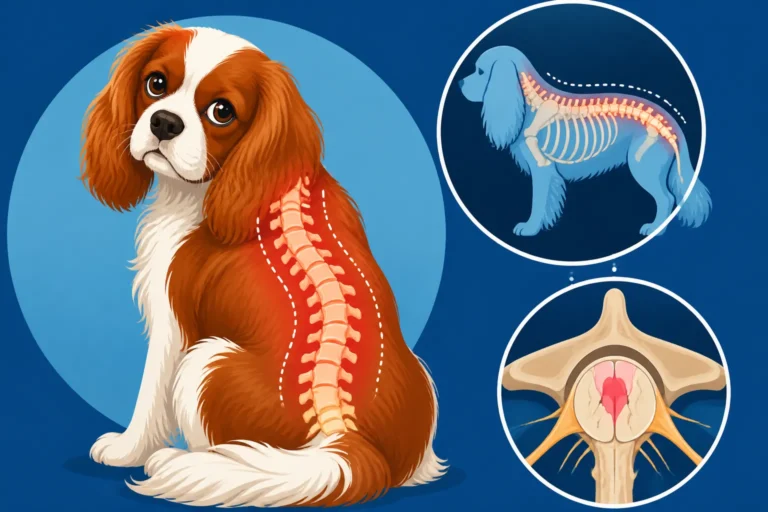
Syringomyelia is a condition where fluid-filled cavities (syrinxes) form within the spinal cord, often due to a structural defect in the skull (Chiari-like malformation, or CM) that crowds the brainstem and obstructs cerebrospinal fluid flow. The signs of SM can be incredibly subtle at first—a dog might "air scratch," appear sensitive to touch around the neck, or yelp unexpectedly. These symptoms can worsen over time, leading to severe pain, weakness, and neurological deficits. Crucially, the presence of syrinxes and their associated pain often isn't evident until a Cavalier is two, three, or even four years old, sometimes even later. A young dog that appears perfectly healthy could be carrying the genes for SM, and an MRI scan performed too early might not reveal the full extent of the condition. Puppy buyers are often unaware of the potential for these hidden health issues, which can lead to significant pain for the dog and substantial costs for treatment down the line. To fully grasp this, you should learn about Syringomyelia and Chiari Malformation in Cavaliers.
Beyond SM: Eye and Orthopedic Health Considerations
While MVD and SM are the most prominent, Cavaliers can also be prone to other health issues that might not manifest in their youth. Certain eye conditions, such as cataracts or retinal dysplasia, can develop or progress with age, impacting vision. Similarly, orthopedic problems like patellar luxation or hip dysplasia might not be fully evident in a growing puppy or young adult, but can become more pronounced as they mature and put more strain on their joints. Breeding from dogs without a full assessment of these conditions at an appropriate age means potentially perpetuating these problems. A truly responsible breeder will wait until their breeding dogs are fully mature and have received comprehensive health clearances for all known breed-specific issues, including those that might require specialist evaluation. This kind of thoroughness is a crucial part of knowing The Heart Testing a Cavalier Breeder Must Do and other essential screenings.
The Ethical Imperative of Comprehensive Health Screening
The decision to breed a Cavalier carries immense ethical weight. It’s not simply about producing cute puppies; it's about ensuring those puppies have the best possible chance at a long, healthy, and pain-free life. This responsibility necessitates a comprehensive screening protocol that includes not just heart checks but also MRI scans for SM, eye examinations by an ophthalmologist, and orthopedic evaluations. These screenings cannot be rushed. The timing is crucial because many genetic conditions require the dog to reach physical and genetic maturity for accurate assessment. For example, some hip and elbow evaluations are only valid after a dog is two years old. By waiting until five years of age for breeding, breeders significantly increase the likelihood that their breeding dogs are genuinely clear of serious hereditary conditions, or at least that the conditions they do carry are known and factored into responsible breeding decisions. This dedication ensures that new owners aren't blindsided by unexpected health crises. It’s a testament to a breeder's commitment to the breed, ensuring that the puppies they bring into the world are as healthy as possible. Without proper screening, the financial and emotional toll on new families can be immense.
Understanding the Cavalier MVD Breeding Protocol and its Rationale
The MVD breeding protocol for Cavaliers isn't just a suggestion; it's a meticulously developed guideline based on years of research and the breed's specific health challenges. Ignoring it is akin to playing Russian roulette with the health of an entire lineage.
What the Protocol Recommends and Why
The core of the MVD breeding protocol, championed by dedicated Cavalier health organizations, recommends that no Cavalier should be bred until they are at least five years old, and have been certified clear of a heart murmur by a board-certified veterinary cardiologist at each annual check-up up to that age. This "five-year-clear" rule is absolutely paramount. Why five years? Because studies have shown that MVD typically manifests and progresses with age. A significant percentage of Cavaliers will develop a murmur by age five, and nearly all will by age ten. By waiting until five, a breeder can be reasonably confident that the potential breeding dog has a slower-onset form of the disease, reducing the likelihood of passing on genes for early and aggressive MVD to their offspring. This responsible approach significantly contributes to extending the overall Cavalier Lifespan and What Cuts It Short.
The Risks of Deviating from Established Guidelines
When breeders decide to breed Cavaliers younger than the recommended age, they take on enormous risks, not just for their own reputation, but for the entire breed. A two-year-old Cavalier might seem healthy, but statistically, it's far too early to assess their MVD status accurately. If such a dog is bred and later develops severe MVD at three or four years old, it means they've already passed on those problematic genes. This perpetuates the cycle of early-onset MVD within the breed, making it harder for responsible breeders to improve genetic health. It also means that puppy buyers, believing they are getting a healthy dog, end up with a pet that requires extensive and costly medical care much earlier in life. This disregard for the protocol contributes directly to the high prevalence of heart disease in the breed and the heartbreak experienced by many Cavalier families. It's a key reason why Why Half of Cavaliers Have a Murmur by Five is such a startling statistic.
The Long-Term Vision for Breed Health
The MVD breeding protocol, alongside other health screenings for conditions like Syringomyelia (which often requires Getting a Cavalier Scanned for Syringomyelia), represents a long-term vision. It's about slowly, deliberately, and ethically working to reduce the incidence and severity of these devastating diseases. Each generation of Cavaliers bred according to these strict guidelines helps push back the average age of MVD onset and reduces the prevalence of SM. It requires patience, investment, and a deep commitment to the future of the breed, rather than simply maximizing litter production. Responsible breeders understand that healthy puppies are worth the wait and the extra effort. They are the guardians of the breed, making choices today that will impact Cavalier health for decades to come, ensuring our Cavaliers can truly live up to their affectionate, companionable nature without being weighed down by preventable health issues.
The Wider Implications of Breeding Immature Cavaliers
The age at which a Cavalier is bred impacts more than just specific health markers like MVD or SM. It extends to their overall maturity, temperament, and even the emotional and financial well-being of the families who welcome their puppies.
Temperament, Maturity, and Parental Contribution
A Cavalier, like any dog, isn't just a collection of genes; they are a complex individual whose temperament and behavior fully develop over time. Breeding a young Cavalier means evaluating their temperament before it has completely matured. A dog under five years old might still be developing their personality, confidence, and coping mechanisms. Responsible breeders want to ensure their breeding dogs have sound, stable temperaments – a hallmark of the Cavalier breed. This includes assessing how they interact with other dogs, strangers, and children, and how they handle new situations. These traits are often not fully solidified until a dog is well into its adult years.
For instance, a young female Cavalier might not have fully developed her maternal instincts or learned to cope with the stresses of pregnancy and raising a litter, potentially impacting her puppies' early socialization. An adult Cavalier, whose temperament is well-established, can provide a better blueprint for the puppies' future dispositions. They've had more life experience, more training, and more time to show their true character. Choosing parents with proven, stable temperaments, assessed over a longer period, contributes significantly to producing well-adjusted, confident puppies that truly embody the loving and gentle nature Cavaliers are known for. This deep dive into a dog's personality and genetic makeup also involves crucial checks like The DNA Tests Every Cavalier Should Have for other inherited conditions.
The Financial and Emotional Burden on Puppy Owners
Purchasing a puppy from a breeder who has cut corners on health testing or bred too young can lead to immense financial and emotional strain. Imagine falling head over heels for your new Cavalier, only to receive a devastating diagnosis of early-onset heart disease or severe Syringomyelia when they are just a few years old. The cost of managing these chronic conditions can quickly run into thousands of dollars annually, covering medications, specialist visits, and potentially emergency care. For example, treating advanced MVD can involve daily medications like pimobendan and diuretics, specialist cardiology appointments, and regular diagnostic tests. Similarly, managing SM might require ongoing pain medication, hydrotherapy, or even costly surgery.
Many families simply aren't prepared for these expenses, especially for a young dog. While pet insurance can be a lifesaver, it’s critical to enroll your puppy before any symptoms or murmurs appear, as pre-existing conditions are typically not covered. This is why a brand like Healthy Paws is so important; getting a policy early, ideally when your puppy is eight weeks old, can provide a financial safety net against these potential issues that arise from irresponsible breeding practices. Healthy Paws and similar insurers can help cover the costs of these expensive treatments, but only if the policy is in place before the diagnosis. The emotional toll of watching your beloved companion suffer, combined with the financial stress, can be overwhelming. This is a critical point to consider when looking into Insuring a Cavalier Before the Murmur Arrives.
The Role of Responsible Breeding in Safeguarding the Breed's Future
Ultimately, the decision to wait until five years of age for breeding is a cornerstone of responsible breeding practices for Cavaliers. It’s a clear indicator of a breeder's commitment to the long-term health and integrity of the breed, rather than simply a quick profit. Responsible breeders prioritize the health of their dogs and the puppies they produce above all else. They invest heavily in extensive health testing, often incurring significant costs for Annual Cardiologist Exams for a Cavalier and MRI scans, and patiently wait for their dogs to reach the appropriate age for breeding.
This dedication ensures that the puppies they place in homes have the best possible chance at a full and healthy life, free from the burden of early-onset genetic diseases. Such breeders are transparent about their health clearances, willing to discuss their testing protocols, and often have waiting lists because discerning buyers recognize the value in their ethical approach. Their actions safeguard the future of the Cavalier King Charles Spaniel, ensuring that this cherished breed continues to bring joy to families for generations to come, as healthy and happy companions. It is crucial for prospective owners to ask critical questions about these practices, because healthy parents lead to healthier puppies and a happier lifespan for your new family member.
| Breeding Age | MVD Screening Reliability (Echocardiogram) | SM Screening Reliability (MRI Scan) | General Temperament Assessment | Risk of Inherited Early-Onset Disease |
|---|---|---|---|---|
| 1-2 Years | Low to Moderate | Low | Immature | Very High |
| 2-4 Years | Moderate to High | Moderate | Developing | High |
| 5+ Years | High (with annual clearances) | High (with clear MRI) | Fully Mature | Significantly Lower |
Disclaimer
The information provided in this article is for educational purposes only and should not be considered a substitute for professional veterinary advice. Always consult with a qualified veterinarian or veterinary specialist for any health concerns or before making any decisions about your pet's health or breeding.