Cavalier Lifespan and What Cuts It Short
It’s a heartbreaking reality that many of us face as Cavalier King Charles Spaniel parents: the worry that our beloved companions might not be with us for as long as we hope. Cavaliers, despite their joyful and affectionate nature, are unfortunately predisposed to several significant health challenges that can shorten their lives. This comprehensive guide will walk you through the typical lifespan of a Cavalier, identify the most common health issues that impact their longevity, and provide practical advice on how to maximize your cherished dog's years with you.
Understanding the Typical Cavalier Lifespan
Bringing a Cavalier into your home means preparing for a journey that, for many, feels far too short. It’s a sad truth that this sweet breed often faces health hurdles that can lead to earlier goodbyes.
Average Lifespan Expectations
When you look up the average lifespan for a Cavalier King Charles Spaniel, you'll commonly find figures ranging from 9 to 14 years. While that upper end sounds wonderful, the reality for many Cavalier families is often closer to the lower or middle of that spectrum. This average can feel particularly disheartening when you compare it to other toy breeds, many of whom routinely live into their mid-to-late teens, sometimes even pushing 18 or 19 years old.
The span of those numbers, from 9 to 14, really highlights the variability within the breed. A Cavalier living to 14 years old has likely dodged some of the major genetic bullets or benefited from exceptional early intervention and management of chronic conditions. Conversely, a Cavalier who only makes it to 9 years old might have succumbed to an aggressive form of one of the breed's prevalent diseases, or perhaps multiple conditions叠加ed over time. It's a spectrum, and understanding where your dog might fall on it means understanding the health factors at play.
Why Cavaliers Die Younger Than Other Toy Breeds
The primary reason Cavaliers often have a shorter lifespan than many other small breeds boils down to genetics and the unfortunate prevalence of certain inherited conditions. The breed's health history is deeply intertwined with a limited gene pool and an emphasis on certain aesthetic traits that inadvertently led to the proliferation of serious health issues. The most significant culprit, by far, is early-onset Mitral Valve Disease in the Cavalier King Charles Spaniel. This progressive heart condition affects a staggering number of Cavaliers, often manifesting at a much younger age than in other breeds.
Beyond heart disease, neurological issues like Syringomyelia and Chiari Malformation in Cavaliers also play a significant role. These conditions can cause chronic pain and neurological deficits, severely impacting a dog's quality of life and, in severe cases, requiring difficult decisions. Other concerns, such as certain cancers, kidney disease, and even complex joint issues can also contribute to a reduced lifespan. It's a multi-faceted problem, where several health challenges can stack up, making it harder for a Cavalier to live a full, long life.
The Hope for Reaching Fifteen
While the statistics can feel daunting, it’s absolutely possible for a Cavalier to live a long, fulfilling life, even reaching the ripe old age of 15 or beyond. This isn't just wishful thinking; it happens. The key factors that contribute to such longevity often include impeccable genetics from health-tested parents, outstanding preventative care from puppyhood, a healthy diet, consistent exercise, and prompt, expert veterinary intervention when health issues do arise.
A Cavalier that reaches 15 years old is typically one who has come from a responsible breeder committed to the Cavalier MVD Breeding Protocol and other health screening practices. They’ve likely avoided the severe early onset forms of MVD or SM, or their conditions have been expertly managed from the very first sign. These long-lived Cavaliers are a testament to what's possible with careful choices, diligent care, and a bit of good fortune. They often maintain a good quality of life into their senior years, enjoying their families and showing us that while the odds might be stacked, they are not insurmountable.
The Shadow of Mitral Valve Disease (MVD)
Mitral Valve Disease is, without a doubt, the single greatest health concern for Cavalier King Charles Spaniels, tragically cutting short countless lives. It’s a pervasive issue that every Cavalier owner must understand.
MVD as the Leading Cause of Death
It's a stark, heartbreaking fact: Mitral Valve Disease (MVD) is the leading cause of death for Cavalier King Charles Spaniels. While heart disease can affect many breeds, Cavaliers are uniquely susceptible to an early-onset and rapidly progressive form of MVD. This isn't just a slight predisposition; it's a genetic curse that touches almost every Cavalier to some degree in their lifetime. By the age of five, an alarming number of Cavaliers will have developed a heart murmur, and by ten, nearly all will. This rapid onset and progression mean that many Cavaliers don't succumb to old age in the traditional sense, but rather to the complications of congestive heart failure.
The disease process involves the mitral valve, one of the heart's essential valves, gradually degenerating and failing to close properly. This allows blood to leak backward into the left atrium with each heartbeat, putting immense strain on the heart. Over time, the heart tries to compensate by enlarging, but this only exacerbates the problem, eventually leading to fluid buildup in the lungs and abdomen, known as congestive heart failure. This is often the point where quality of life drastically declines, and the difficult conversations about end-stage care begin.
How Cavalier Heart Disease Progresses Stage by Stage
Understanding that MVD is a progressive disease is crucial, as it helps owners anticipate changes and work with their vet to manage the condition. Veterinary cardiologists typically classify MVD into several stages, from A to D. Stage A refers to a Cavalier who is at high risk for MVD but shows no current heart disease (e.g., a young Cavalier from a line with MVD). Stage B1 is when a murmur is detected, but there's no evidence of heart enlargement. This is where most Cavaliers start their journey.
As the disease progresses, it moves to Stage B2, characterized by a heart murmur and detectable heart enlargement on an echocardiogram. This is often the critical point where medication, like pimobendan, may be recommended to delay the onset of congestive heart failure symptoms. Finally, Stages C and D represent congestive heart failure, where the dog shows clinical signs like coughing, difficulty breathing, or exercise intolerance due to fluid accumulation. Stage D is refractory heart failure, where the condition no longer responds to standard treatments. Each stage demands different management strategies, making regular Annual Cardiologist Exams for a Cavalier incredibly important.
The Importance of Early Detection and Management
Given the prevalence and progressive nature of MVD, early detection and proactive management are absolutely paramount in extending a Cavalier's lifespan and improving their quality of life. Regular veterinary check-ups are non-negotiable, and your vet should be listening carefully for a heart murmur at every visit. If a murmur is detected, a referral to a veterinary cardiologist for an echocardiogram is essential to accurately diagnose the severity of the MVD and determine the precise stage.
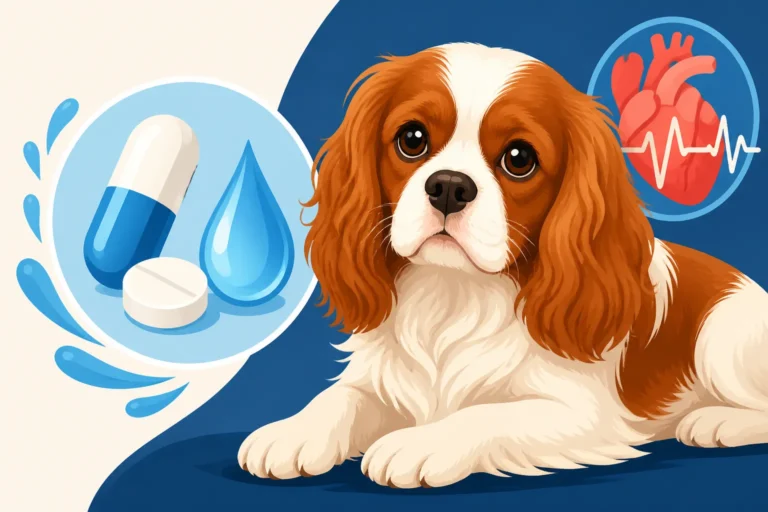
Once diagnosed, the right Medication for a Cavalier With Heart Disease can make a profound difference. Drugs like pimobendan have been proven to significantly delay the onset of clinical signs of heart failure and extend life in Cavaliers with enlarged hearts (Stage B2). Diuretics and ACE inhibitors become vital once a Cavalier enters heart failure (Stage C/D) to manage fluid buildup. Beyond medication, careful monitoring of your Cavalier's resting respiratory rate at home can be an early indicator of worsening heart function. Early intervention allows you to stay ahead of the disease, hopefully granting you and your beloved Cavalier more precious years together. It's an investment, both emotionally and financially, but for many, it's worth every effort. Pet insurance providers like Healthy Paws can often help with the ongoing costs of these crucial treatments if you enroll your Cavalier before any heart murmur is detected, making long-term management more accessible.
Navigating Syringomyelia (SM) and Chiari-like Malformation (CM)
Beyond the heart, neurological conditions, particularly Syringomyelia (SM) often coupled with Chiari-like Malformation (CM), pose another significant threat to a Cavalier's well-being and longevity. These conditions can cause chronic pain and profoundly impact their quality of life.
Understanding the Condition
Chiari-like Malformation (CM) is a structural defect in the skull of many Cavaliers where the back of the skull (occipital bone) is too small or misshapen to properly accommodate the cerebellum, the part of the brain responsible for balance and coordination. This structural issue often causes the cerebellum to be pushed into or through the foramen magnum, the opening at the base of the skull where the brainstem connects to the spinal cord. This crowding can obstruct the normal flow of cerebrospinal fluid (CSF).
When the CSF flow is disrupted, it can lead to the formation of fluid-filled cavities or cysts (syrinxes) within the spinal cord itself, particularly in the neck region. This secondary condition is called Syringomyelia (SM). Imagine a balloon forming inside your spinal cord, pressing on nerves and causing damage. That's essentially what happens with a syrinx. Not every Cavalier with CM develops SM, and the severity of SM can vary greatly, from mild, asymptomatic syrinxes to large, painful ones that cause severe neurological deficits.
Symptoms and Impact on Quality of Life
The symptoms of Syringomyelia are incredibly varied and often insidious, making early recognition challenging for owners. One of the most classic, yet sometimes misinterpreted, signs is "air scratching" or phantom scratching, where the Cavalier scratches vigorously at its shoulder, neck, or ear area without actually making contact with their skin. This is believed to be a neuropathic sensation, a type of nerve pain, rather than an itch. Other common signs include sensitivity around the head, neck, or shoulders, yelping or crying out when picked up, reluctance to jump or use stairs, or a change in temperament, becoming withdrawn or aggressive due to pain.
In more advanced cases, a Cavalier might develop weakness, ataxia (uncoordinated gait), or even scoliosis (spinal curvature) as the syrinx expands and damages the spinal cord. The constant, chronic pain associated with SM can severely diminish a Cavalier's quality of life, making everyday activities a struggle and leading to depression or anxiety. It can also complicate other health issues, as a dog in pain is less able to cope with existing heart disease or other ailments.
Diagnosis and Management Strategies
Diagnosing Syringomyelia definitively requires a specialized imaging technique: magnetic resonance imaging (MRI) of the brain and cervical spine. This scan allows veterinarians to visualize the extent of the Chiari-like Malformation and the presence, size, and location of any syrinxes. It's a significant financial commitment, which is why having pet insurance like Healthy Paws, especially if enrolled when your Cavalier is young and symptom-free, can be invaluable for covering the costs of such diagnostic procedures.
Once diagnosed, management of SM is typically lifelong and focused on alleviating pain and slowing progression. Medical management often includes pain relief medications such as gabapentin, NSAIDs, or corticosteroids. For some Cavaliers, drugs that reduce CSF production may also be used. For severe cases that don't respond to medication, surgical intervention, such as foramen magnum decompression surgery, may be an option. This surgery aims to relieve the pressure on the brainstem and improve CSF flow, potentially preventing further syrinx development. However, surgery carries its own risks and is not a guaranteed cure, often requiring ongoing medical management afterward.
Other Significant Health Concerns Affecting Longevity
While MVD and SM are the most talked-about threats, Cavaliers are prone to a range of other health issues that can also significantly impact their lifespan and well-being. A holistic understanding of these conditions is vital for responsible ownership.
Cancer Types Seen in Cavaliers
Like many purebred dogs, Cavaliers are susceptible to various forms of cancer, which can tragically shorten their lives. While MVD may be the most common cause of death, cancer still claims a significant number of Cavaliers, particularly as they age. Some of the more frequently observed cancers in the breed include mast cell tumors, which can appear on or under the skin, and sometimes internally. These tumors can be aggressive and require prompt veterinary attention, often involving surgery, chemotherapy, or radiation.
Lymphoma, a cancer of the lymphatic system, is another concern, manifesting as enlarged lymph nodes, lethargy, and weight loss. Early diagnosis through biopsies and staging is crucial for determining prognosis and treatment options. Hemangiosarcoma, a highly aggressive cancer of the blood vessel lining, can affect organs like the spleen, heart, or liver, often presenting with sudden collapse due to internal bleeding. While less common than in some larger breeds, it's still a devastating diagnosis. Regular vet checks, feeling for new lumps or bumps, and being aware of changes in appetite or energy levels are all part of the vigilance needed to detect these silent killers early.
Cavalier Knees, Hips and Joint Problems
Joint health is another area where Cavaliers can face challenges, leading to chronic pain and reduced mobility that can diminish their quality of life. Patellar luxation, or "loose kneecaps," is particularly common in smaller breeds, including Cavaliers. This condition occurs when the kneecap slips out of its normal groove, causing limping, skipping, or difficulty putting weight on the affected leg. Depending on the grade of luxation, it can range from a minor inconvenience to a severely painful condition requiring surgical correction. Without treatment, it can lead to early arthritis.
Hip dysplasia, while often associated with larger breeds, can also affect Cavaliers. This inherited condition involves a malformation of the hip joint, leading to a loose fit between the thigh bone and the hip socket. Over time, this causes wear and tear, leading to painful arthritis. Symptoms can include lameness, difficulty rising, or reluctance to exercise. Early diagnosis through X-rays allows for management strategies such as weight control, physical therapy, and anti-inflammatory medications. Severe cases may warrant surgery. These joint issues, though not always directly fatal, can significantly impact a Cavalier's mobility and happiness, making proactive management of Cavalier Knees, Hips and Joint Problems essential.
Eye and Ear Health Issues
While perhaps not as life-threatening as MVD or SM, chronic or severe eye and ear conditions can drastically affect a Cavalier's quality of life and, if left untreated, can lead to more serious complications. Cavalier Eye Disease From Dry Eye to Cataracts is a notable concern. Dry Eye Syndrome (Keratoconjunctivitis Sicca or KCS) is prevalent, where the eyes don't produce enough tears, leading to dryness, irritation, pain, and potentially corneal ulcers and blindness if unmanaged. This requires lifelong daily eye drops. Cataracts can also develop, often as a part of the aging process, but sometimes earlier due to genetics, impairing vision.
Ear infections are another frequent issue for Cavaliers, largely due to their beautiful, long, dropped ears. These ears create a warm, moist environment that is a perfect breeding ground for bacteria and yeast. Cavalier Ear Infections and Why They Recur can be a frustrating cycle for owners and painful for dogs. Chronic infections, if not properly managed, can lead to severe pain, hearing loss, and even ear drum damage. Regular cleaning and vigilance for signs like head shaking, scratching, or odor are crucial. While these conditions may not directly shorten a lifespan, they can certainly make life less comfortable and happy for a Cavalier.
The Role of Genetics and Responsible Breeding
The single most impactful factor in a Cavalier's potential lifespan often comes down to their genetics. This is why choosing a reputable, health-focused breeder is not just a preference, but a critical responsibility.
The Cavalier MVD Breeding Protocol
The prevalence of MVD in Cavaliers is so widespread that the breed community has developed specific guidelines for responsible breeding, known as the Cavalier MVD Breeding Protocol. This protocol recommends that Cavaliers should not be bred until they are at least 2.5 years old, and ideally 5 years old, and have had annual heart examinations by a board-certified veterinary cardiologist, showing no signs of a murmur. The logic behind waiting until age 5 is that it significantly increases the likelihood that a breeding dog will pass on genes for later-onset MVD, thereby improving the health of future generations.
Breeders who adhere to this protocol are making a substantial commitment. It means waiting longer to breed their dogs, incurring significant costs for annual specialist heart exams, and potentially reducing the number of litters produced. This dedication, however, is what truly makes a difference in the fight against early-onset MVD. When researching a puppy, always ask to see the parents' and even grandparents' heart clearances, ensuring they were certified clear by a cardiologist at an advanced age. This is your best defense against inadvertently supporting the proliferation of this devastating disease.
The DNA Tests Every Cavalier Should Have
Beyond heart screenings, responsible breeders should also perform DNA testing for several other inherited conditions that affect Cavaliers. These genetic tests are relatively simple, often requiring just a cheek swab, but provide invaluable information about a dog's genetic health. One crucial test is for Episodic Falling Syndrome, a neurological condition unique to Cavaliers that causes muscle stiffness and collapse, often triggered by excitement or stress. While not typically life-threatening, it can be distressing and debilitating. Knowing a dog's status (clear, carrier, or affected) helps breeders make informed decisions to avoid producing affected puppies.
Another important DNA test is for Dry Eye and Curly Coat Syndrome (CKCSID), a severe, debilitating condition that affects the eyes and skin. Puppies born with this syndrome suffer from extremely dry eyes and rough, curly coats, and often have problems with their paw pads and teeth. Sadly, affected puppies rarely live beyond a few years due to the severity of their symptoms. These The DNA Tests Every Cavalier Should Have empower breeders to select breeding pairs that will not produce puppies affected by these specific genetic diseases. Always ask to see proof of these DNA clearances for both parents of a potential puppy.
Why a Cavalier Breeder Should Show You Heart Papers
When you're considering bringing a Cavalier puppy into your life, the breeder's transparency regarding health clearances is non-negotiable. Any reputable breeder who is truly committed to the health of the breed will be eager and proud to share verifiable documentation of their dogs' health screenings. This isn't just about general vet check-ups; it's about specific, specialized examinations. For heart health, you need to see official reports from a board-certified veterinary cardiologist, detailing the results of an auscultation (listening for a murmur) and, ideally, an echocardiogram (ultrasound of the heart) for breeding dogs over 2.5 years old.
These papers should clearly state the dog's name, age at examination, microchip number, and the cardiologist's findings, including whether a murmur was present and if the heart was enlarged. Furthermore, for conditions like Syringomyelia, a breeder should be able to provide MRI reports. For DNA-tested conditions, you should see results from reputable labs like Embark, Optimal Selection, or Animal Health Trust. If a breeder is evasive, makes excuses, or only offers generic "vet checked" claims without specific documentation, consider it a major red flag. This transparency is crucial because it’s the best indicator that the breeder is actively working to mitigate the genetic diseases that can shorten a Cavalier's life and contribute to significant financial burdens, even with pet insurance from providers like Healthy Paws.
Everyday Care and Lifestyle Choices for a Longer Life
Beyond genetics, the day-to-day care and lifestyle you provide for your Cavalier play a monumental role in their health, happiness, and ultimately, how many precious years you get to spend together. Small, consistent efforts make a huge difference.
Keeping a Cavalier at a Weight Its Heart Can Carry
One of the most profound, yet often overlooked, ways to extend your Cavalier's lifespan and improve their quality of life, especially in the face of MVD, is rigorous weight management. Cavaliers are notoriously prone to weight gain, and those adorable, pleading eyes can make it hard to resist an extra treat. However, every extra pound puts undue strain on their joints, and more critically, on their heart. An overweight Cavalier's heart has to work much harder to pump blood throughout the body, accelerating the progression of MVD and making symptoms of heart failure appear earlier and more severely.
It’s crucial to know what a healthy weight looks like for your individual Cavalier, which can vary slightly depending on their build, but generally falls between 13-18 pounds. You should be able to easily feel their ribs without pressing hard, and they should have a discernible waist when viewed from above. Discuss your Cavalier's ideal weight with your vet and stick to a strict portion-controlled diet, measuring their food accurately rather than free-feeding. Opt for low-calorie treats and factor them into their daily caloric intake. This simple, consistent discipline in Keeping a Cavalier at a Weight Its Heart Can Carry can buy them significant time and comfort.
Nutrition and Exercise for a Healthy Heart
A balanced and appropriate diet, coupled with regular, moderate exercise, forms the cornerstone of a long and healthy life for your Cavalier. When it comes to nutrition, a high-quality commercial dog food that meets AAFCO standards is typically sufficient. As your Cavalier ages or if MVD progresses, your vet or cardiologist might recommend a low-sodium prescription diet to help manage fluid retention, especially in later stages of heart failure. Always consult your vet before making significant dietary changes. Avoid feeding excessive human foods, particularly those high in salt, fat, or ingredients toxic to dogs.
Exercise should be consistent but appropriate for their age and health status. Cavaliers love walks, and two moderate walks a day are generally ideal for an adult, healthy Cavalier. However, if your Cavalier has a heart murmur or other health conditions, their exercise tolerance might be reduced. Watch for signs of fatigue, heavy panting, or coughing during or after exercise. Never overexert a Cavalier, especially in warm weather. Short, frequent play sessions in the house or yard can also contribute to their fitness without putting too much strain on their little hearts. Regular, gentle activity helps maintain muscle mass, supports cardiovascular health, and keeps their minds sharp.
Routine Veterinary Care Beyond Annual Shots
While vaccinations and yearly check-ups are fundamental, truly proactive veterinary care for a Cavalier goes much deeper. Given their breed-specific predispositions, consistent monitoring and early intervention are key. This means not just hearing a murmur at an annual visit, but actively referring to a cardiologist if a new murmur is detected or an existing one changes. It means discussing their breathing patterns, energy levels, and any subtle behavioral shifts with your vet, as these can be early indicators of underlying issues like MVD or SM.
Dental health is another critical, often underestimated, component of overall longevity. Cavaliers are prone to Cavalier Dental Disease in a Crowded Jaw due to their small mouths. Plaque and tartar buildup can lead to gingivitis, painful extractions, and in severe cases, bacterial infections that can spread to the bloodstream and impact vital organs, including the heart. Regular at-home dental care (daily brushing, if possible) combined with professional dental cleanings under anesthesia when recommended by your vet are crucial. Many pet insurance plans, like those offered by Healthy Paws, provide wellness add-ons that can help cover the costs of these routine but vital preventative care measures.
When to Seek Specialized Veterinary Care
Recognizing when your Cavalier needs more than just a general vet check-up, and instead requires the expertise of a specialist, is a critical part of ensuring their best possible outcome. Delaying specialist care can have profound implications for their health and lifespan.
Recognizing Warning Signs for Cardiology Referrals
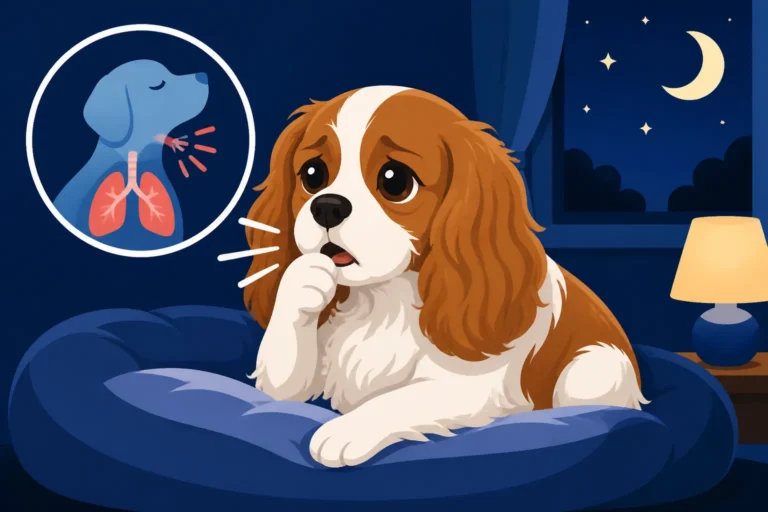
As a Cavalier owner, you become attuned to your dog's subtle behaviors, and sometimes, those subtle changes are precisely what should prompt a cardiology referral. While a heart murmur detected by your regular vet is the most common reason for a referral, there are other warning signs that should raise concern, even if a murmur hasn't been definitively diagnosed. Persistent coughing, especially at night or after exercise, can be a symptom of fluid in the lungs. A decrease in exercise tolerance, where your Cavalier tires easily on walks they once enjoyed, is another red flag.
Other signs include unexplained weight loss or weight gain, difficulty breathing, a distended abdomen (which could indicate fluid buildup), or a general decrease in energy and enthusiasm. Sometimes, it's simply a feeling that something "isn't quite right." If your vet detects a new heart murmur or an existing one changes in intensity, a referral to a board-certified veterinary cardiologist is imperative. They possess the specialized equipment (like echocardiogram machines) and expertise to accurately diagnose the stage of MVD and recommend the most effective treatment plan, helping your Cavalier live longer with How Long a Cavalier Lives After Diagnosis.
Neurological Symptoms That Warrant a Specialist
Just as with cardiac issues, certain neurological symptoms in a Cavalier should immediately trigger a discussion with your vet about a referral to a veterinary neurologist. The hallmark signs of Syringomyelia, such as phantom scratching or "air scratching," where your dog scratches vigorously at their neck or shoulder but doesn't make contact, are major indicators. Pain responses like yelping when picked up, sensitivity around the neck or head, or even changes in their posture (such as sleeping with their head elevated) can all point to an underlying neurological issue.
Other concerning signs include unexplained weakness in a limb, a wobbly or uncoordinated gait (ataxia), dragging a paw, or any sudden changes in temperament that can't be explained by other factors, especially if they involve increased irritability or withdrawal due to pain. While your regular vet can perform an initial assessment, only a neurologist has the expertise to interpret complex imaging like MRIs and develop a comprehensive management plan for conditions like SM. Early neurological assessment can mean the difference between effective pain management and prolonged suffering, directly impacting your Cavalier's quality of life.
The Value of a Veterinary Internal Medicine Specialist
Beyond cardiology and neurology, a veterinary internal medicine specialist can be an invaluable resource for Cavaliers facing complex, multi-systemic, or undiagnosed health issues. These specialists are like the "detectives" of veterinary medicine, equipped to handle cases that don't fit neatly into one category or that involve multiple co-existing conditions. For a breed like the Cavalier, often grappling with overlapping health problems, an internist can provide a holistic approach to care.
For example, if your Cavalier is experiencing chronic digestive issues, unexplained anemia, kidney problems, or endocrine disorders that your general vet is struggling to manage, an internal medicine specialist can offer advanced diagnostics and treatment options. They can coordinate care between different specialists (e.g., cardiologist and neurologist) and help create a cohesive treatment plan when a Cavalier has both heart disease and Syringomyelia. Their broad expertise and access to advanced diagnostic tools, like endoscopy or complex laboratory testing, can be crucial in preserving your Cavalier's health and extending their time with you, especially for long-term management where pet insurance can be a huge relief.
Preparing for the Senior Years and End-of-Life Decisions
Watching our Cavaliers age is a bittersweet experience. While we cherish every gray hair, the senior years often bring new challenges and require thoughtful planning, including facing difficult end-of-life decisions.
What Changes in a Cavalier After Eight
As Cavaliers move past the age of eight, they officially enter their senior years, and it's common to start noticing significant changes in their physical and cognitive abilities. Their once boundless energy might give way to more naps and slower movements. Joint stiffness and arthritis can become more apparent, making jumping, climbing stairs, or even getting up from a lying position more challenging. Vision and hearing might start to decline, leading to some disorientation or a tendency to startle more easily.
Cognitively, some Cavaliers may begin to show signs of Canine Cognitive Dysfunction (CCD), similar to dementia in humans. This can manifest as confusion, altered sleep-wake cycles (pacing at night), changes in interaction with family members, or house-soiling accidents. Their immune systems might also weaken, making them more susceptible to infections or slower to recover from illness. Understanding What Changes in a Cavalier After Eight allows you to proactively adjust their environment, routine, and care to support their comfort and well-being as they gracefully age.
Pain Management for a Senior Cavalier
Managing pain effectively is paramount for maintaining a good quality of life in a senior Cavalier. Chronic pain, whether from arthritis, Syringomyelia, or other age-related conditions, can significantly impact their happiness and mobility. It's important to recognize subtle signs of pain, which can be different from acute pain. These might include reluctance to play, lameness, difficulty getting up, changes in appetite, increased panting, or even irritability.
Your vet can recommend a multi-modal approach to pain management. This often includes NSAIDs (non-steroidal anti-inflammatory drugs) for joint pain, gabapentin for neuropathic pain (like that from SM), and other adjunctive therapies. Physical therapy, therapeutic massage, cold laser therapy, and acupuncture can also be incredibly beneficial. Environmental modifications, such as providing orthopedic beds, non-slip rugs, and ramps or stairs for accessing furniture, can also greatly improve their comfort. The goal is to keep them as comfortable and mobile as possible, allowing them to enjoy their golden years without suffering.
Hospice Care for a Cavalier in Heart Failure
When MVD progresses to its final stages, and congestive heart failure becomes difficult to manage, the focus often shifts to hospice care. This is a compassionate approach aimed at maximizing comfort and quality of life for a terminally ill Cavalier, ensuring their remaining time is as peaceful and pain-free as possible. Hospice care acknowledges that a cure is no longer possible and instead concentrates on managing symptoms like coughing, breathing difficulties, and pain, while supporting the human-animal bond.
This often involves a combination of medications to keep fluid off the lungs, manage pain, and maintain appetite. It also includes practical support for the family, such as guidance on monitoring their dog's comfort at home, nutritional advice, and emotional support. A veterinary hospice provider can help assess your Cavalier's quality of life regularly and guide you through the difficult decisions, including when it might be time for humane euthanasia. This sensitive approach ensures that your beloved companion is surrounded by love and dignity in their final days.
Summary of Cavalier Health Challenges and Impact on Lifespan
To help consolidate the information, here's a table summarizing the major health challenges Cavaliers face and their typical impact on longevity.
| Health Condition | Primary Impact on Lifespan | Key Symptoms to Watch For | Management/Prevention |
|---|---|---|---|
| Mitral Valve Disease (MVD) | Leading cause of premature death | Coughing, exercise intolerance, lethargy, difficulty breathing, murmur | Regular cardiology exams, medication (Pimobendan, diuretics), weight control, low-sodium diet |
| Syringomyelia (SM) | Reduces quality of life, can necessitate euthanasia if severe | Phantom scratching, neck pain, yelping, weakness, altered gait | MRI diagnosis, pain medication (Gabapentin), sometimes surgery, harness over collar |
| Cancer (various types) | Significant cause of premature death | Lumps/bumps, weight loss, lethargy, loss of appetite, vomiting | Regular vet checks, prompt diagnosis (biopsy), surgery, chemo, radiation |
| Patellar Luxation | Reduces mobility, can lead to early arthritis | Limping, skipping on a leg, pain, difficulty jumping | Weight management, physical therapy, surgery (if severe) |
| Hip Dysplasia | Reduces mobility, leads to early arthritis | Lameness, difficulty rising, reluctance to exercise, pain | Weight management, anti-inflammatories, physical therapy, surgery |
| Dry Eye Syndrome (KCS) | Chronic discomfort, risk of vision loss | Red, irritated eyes, thick discharge, squinting | Lifelong daily eye drops, regular vet checks |
| Chronic Ear Infections | Chronic discomfort, pain, potential hearing loss | Head shaking, ear scratching, odor, discharge, redness | Regular ear cleaning, veterinary treatment for infections, allergy management |
| Obesity | Exacerbates MVD, joint issues | Visible fat rolls, inability to feel ribs, lack of waistline | Strict portion control, low-calorie treats, regular moderate exercise |
Disclaimer
The information provided in this article is for general informational purposes only and is not intended as a substitute for professional veterinary advice. Always seek the advice of your veterinarian or other qualified animal health provider with any questions you may have regarding a medical condition or the health and welfare of your pet.