Keeping a Cavalier at a Weight Its Heart Can Carry
One of the most heart-wrenching realities for Cavalier King Charles Spaniel owners is the breed's predisposition to certain health issues, especially heart disease. It's a tough truth, but maintaining your Cavalier at a healthy weight isn't just about them looking good; it's a critical component in safeguarding their heart and extending their joyful, devoted lives with you. This comprehensive guide will walk you through everything you need to know about keeping your beloved Cavalier at an optimal weight, specifically focusing on how it directly impacts their long-term cardiac health.
Why Weight Management is Crucial for Your Cavalier's Heart
It's easy to spoil our Cavaliers with extra treats and slightly larger portions; their sweet, pleading eyes are almost impossible to resist! But every extra pound on a Cavalier's small frame puts a disproportionate strain on their delicate systems, especially their hearts. For a breed already facing significant cardiac challenges, managing their weight is not just good practice, it's absolutely essential.
The Link Between Weight and Mitral Valve Disease (MVD)
Cavaliers are famously prone to Mitral Valve Disease (MVD), a progressive heart condition that affects nearly all Cavaliers as they age. Think of your Cavalier's heart like a small, intricate pump. The mitral valve is a tiny door inside that pump, responsible for ensuring blood flows in one direction. In Cavaliers with MVD, this valve starts to leak, making the heart work harder. While MVD itself isn't directly caused by weight, excess weight significantly exacerbates its progression and symptoms.
Imagine trying to run a marathon while carrying a heavy backpack. Your heart would have to pump much harder to supply blood to your muscles. It's similar for a Cavalier. When they carry extra weight, their heart has to work harder just to perform daily functions, circulating blood through a larger body mass. This increased workload can accelerate the wear and tear on an already compromised mitral valve and push the heart into failure faster. Many owners ask, Why Half of Cavaliers Have a Murmur by Five, and while genetics are the primary factor, lifestyle choices like diet and weight management play a supporting, yet critical, role in how quickly that murmur might progress to more serious disease.
How Extra Pounds Stress the Cardiovascular System
Beyond the direct impact on the mitral valve, being overweight or obese affects the entire cardiovascular system. The heart isn't just one organ; it's part of a complex network of blood vessels, and all of it is affected by body weight. When a Cavalier is overweight, their body develops more fat tissue. This fat tissue isn't just inert padding; it's metabolically active, requiring its own blood supply. This means the heart has to build more capillaries and pump blood through an even more extensive network of vessels.
This constant, elevated workload can lead to high blood pressure, which further strains the heart and blood vessels. The heart muscle itself can become enlarged and less efficient over time as it struggles to keep up. It's a vicious cycle where excess weight leads to increased demand, which in turn leads to cardiac strain and further decline in function. This is particularly relevant when considering the overall Cavalier Lifespan and What Cuts It Short; heart disease is often the primary culprit, and weight plays a significant role in how quickly it can shorten those precious years.
The Silent Threat of Inflammation and Other Complications
Beyond the mechanical stress on the heart, excess body fat in dogs, just like in humans, contributes to chronic low-grade inflammation throughout the body. This systemic inflammation can damage cells and tissues, including those of the cardiovascular system. It can also contribute to other health issues that indirectly impact heart health, such as diabetes and joint problems. A Cavalier struggling with arthritis due to extra weight might be less inclined to exercise, leading to further weight gain and worsening heart condition.
Overweight dogs are also more susceptible to conditions like tracheal collapse, which can mimic or worsen respiratory symptoms associated with heart failure, like coughing. Imagine your Cavalier already has a slightly enlarged heart pushing on its airways, and then adding extra fat around the neck and chest, making breathing even more labored. This isn't a scenario any Cavalier owner wants to face. It's a silent threat that can undermine all your best efforts to keep your dog healthy and comfortable.
Understanding Your Cavalier's Ideal Weight and Body Condition Score
So, how do you know if your Cavalier is at a healthy weight? It's not always as simple as looking at a number on a scale, especially with their beautiful, flowing feathering that can mask a few extra pounds. Understanding the breed standard and learning how to assess their body condition at home are key tools in your weight management arsenal.
What the Breed Standard Says (and What That Really Means)
The official breed standard for the Cavalier King Charles Spaniel typically describes them as a small, sturdy dog, well-balanced in appearance. Weight is usually cited as being between 13 to 18 pounds. However, this is a guideline, not a strict rule. Just like people, Cavaliers come in a range of sizes within the breed. A lean, athletic male Cavalier might be perfectly healthy at 16 pounds, while a smaller-boned female could be overweight at the same figure. Conversely, a larger-boned male might carry 19 pounds without being truly overweight, provided that weight is muscle and not fat.
What the standard really emphasizes is balance and proportion. A healthy Cavalier should look agile and have a distinct waist. The weight range is there to give you an idea of the spectrum, but your individual dog's build and muscle mass will always influence their ideal weight. It's not about forcing every Cavalier into a narrow weight bracket; it's about ensuring your dog is healthy and nimble for their specific body type.
Learning to Assess Your Dog's Body Condition at Home
This is where the Body Condition Score (BCS) comes in handy – it's a much more accurate way to tell if your Cavalier is at a healthy weight than just the number on the scale. The BCS is usually a 9-point scale, where 1 is emaciated, 5 is ideal, and 9 is morbidly obese. You can easily do a quick check at home without any fancy equipment.
Here's how to assess your Cavalier's BCS:
- Ribs: Gently feel along your Cavalier's sides. You should be able to easily feel their ribs without pressing hard, but they shouldn't be visibly sticking out. If you can't feel them at all, or have to press firmly, they're likely carrying too much weight. If they're extremely prominent and visible, they might be underweight. Think of it like feeling the knuckles on your hand – you can feel them, but they aren't sharp.
- Waist: Look down at your Cavalier from above. They should have a noticeable waistline that tucks in slightly behind their ribs. If they look like a straight cylinder, or worse, bulge out, they're overweight.
- Abdominal Tuck: Look at your Cavalier from the side. Their belly should tuck up slightly from their chest to their hind legs, rather than hanging low or being flat. A prominent tuck is good; a sagging belly is a sign of excess fat.
It can be tricky to Feeling a Cavalier's Ribs Under Feathering because of their abundant coats, but trust your fingertips over your eyes for this check. Regularly checking these three points will give you a good indication of whether your Cavalier is in that ideal BCS 4 or 5 range.
The Importance of Regular Vet Check-ups for Weight Monitoring
While at-home BCS checks are great for ongoing monitoring, nothing beats a regular veterinary check-up. Your vet has trained hands and eyes, access to precise scales, and can give you an objective assessment of your Cavalier's weight and overall health. They can confirm your BCS assessment, discuss any underlying health issues that might affect weight, and help you set realistic weight goals.
During these visits, don't just rely on the scale. Ask your vet for their BCS assessment. A vet can also help identify if weight gain is a symptom of another issue, like a thyroid problem, though this is less common than simple overfeeding. These routine check-ups are also the perfect time to discuss your Cavalier's diet, exercise routine, and any concerns you might have about their energy levels or appetite. Remember, early intervention is key, especially for a breed prone to progressive conditions like MVD.
| Body Condition Score | Appearance (Visual) | Palpation (Feel) | Implication |
|---|---|---|---|
| 1 (Emaciated) | Ribs, vertebrae, pelvic bones easily visible | No palpable fat; severe muscle loss | Severely underweight, immediate vet attention needed |
| 2 (Very Thin) | Ribs, vertebrae, pelvic bones easily visible | Minimal palpable fat; obvious waist/abdominal tuck | Underweight, diet review needed |
| 3 (Thin) | Ribs easily palpable, possibly visible; obvious tuck | Minimal fat covering ribs; definite waist/tuck | Lean, approaching ideal, monitor |
| 4 (Ideal) | Ribs easily palpable, not visible; definite tuck | Slight fat covering ribs; defined waist/tuck | Optimal weight and condition |
| 5 (Ideal) | Ribs easily palpable, not visible; minimal tuck | Thin fat covering ribs; waist apparent but not extreme | Optimal weight and condition |
| 6 (Overweight) | Ribs palpable with slight difficulty; waist less apparent | Moderate fat covering ribs; waist is present | Slightly overweight, adjust diet/exercise |
| 7 (Heavy) | Ribs difficult to feel; waist absent or bulging | Thick fat covering ribs; no waist, abdominal distention | Overweight, significant adjustments needed |
| 8 (Obese) | Ribs not palpable; abdominal distention | Very thick fat layer; no waist, heavy fat deposits | Obese, vet guidance crucial |
| 9 (Severely Obese) | Massive fat deposits, pronounced abdominal distention | Extremely thick fat layer, very difficult to palpate bones | Severely obese, high health risk, urgent vet care |
Crafting a Balanced Diet for Your Cavalier
When it comes to feeding your Cavalier, it's not just about filling their bowl. Every decision, from the type of food to the portion size and even the treats, plays a role in their weight and, by extension, their heart health. It's a journey, not a sprint, and small, consistent choices make a huge difference.
Choosing the Right Food Type and Quality
There are so many dog food options out there, it can feel overwhelming! From kibble to wet food, raw, and fresh-cooked, the choices are endless. For Cavaliers, the most important thing is to choose a high-quality, complete, and balanced food that is appropriate for their life stage (puppy, adult, senior) and activity level. Look for foods with clearly named meat as the first ingredient, and avoid those with excessive fillers, artificial colors, or preservatives.
For many owners, a high-quality kibble is a convenient and nutritious option. Brands often have specific small-breed formulas, which can be beneficial as the kibble size is appropriate for their smaller mouths, and the nutrient density is often tailored to their higher metabolism per pound. If you're considering fresh-cooked options, services like Ollie can provide pre-portioned, human-grade meals that take the guesswork out of balanced nutrition. Just remember that even "healthy" foods can lead to weight gain if overfed. Always read the nutritional labels carefully, and if you're unsure, your veterinarian is your best resource for recommending suitable brands or types of food for your specific Cavalier.
Portion Control: The Golden Rule for Cavaliers
This is arguably the most critical aspect of weight management for Cavaliers, and often the hardest for us owners. It's so easy to pour "a little extra" or misjudge a scoop. Remember that Cavaliers, especially as they get older and their metabolism naturally slows, are incredibly efficient at turning calories into fat. What might seem like a small amount of extra food to us can quickly add up to significant weight gain for a fifteen-pound dog.
The feeding guidelines on pet food bags are just that – guidelines. They are often calculated for intact, active dogs and may need to be adjusted down for a spayed or neutered Cavalier, or one with a more sedentary lifestyle. Here's a powerful tip: Invest in a digital kitchen scale. Seriously, this is a game-changer. Instead of relying on imprecise measuring cups, which can vary wildly, use the scale to Weighing a Cavalier's Ration on a Kitchen Scale to the exact gram or ounce recommended by your vet or the food manufacturer. This ensures consistent portioning every single day. Divide their daily allowance into two meals to help regulate blood sugar and prevent them from feeling too hungry. This small change alone can prevent a lot of unintentional overfeeding.
Smart Snacking: Healthy Treats That Won't Pack on Pounds
Treats are a wonderful way to bond with your Cavalier, aid in training, and just show them some love. But they are also a major hidden source of calories. If your Cavalier is struggling with their weight, or even if they're not, it's time to get smart about treats. Many commercially available treats are surprisingly high in calories, sugar, and fat.
Instead of traditional dog biscuits, consider these healthier alternatives:
- Vegetables: Small pieces of carrots, green beans, cucumber, or apple (seeds removed) can be fantastic low-calorie, high-fiber treats. Most Cavaliers adore them!
- Small, training-specific treats: Look for tiny, soft treats designed for training. Brands like Zuke's Mini Naturals are popular for their small size and lower calorie count per piece. You can find many options on sites like Chewy or Amazon.
- Frozen treats: A dollop of plain, unsweetened Greek yogurt (check ingredients to ensure no xylitol!) or a small piece of frozen banana can be a refreshing, low-calorie treat, especially in warmer weather.
- Kibble allowance: Take a portion of your Cavalier's daily kibble allowance and use that throughout the day as treats. This means they aren't getting extra calories, just their regular meal spread out in a more engaging way.
Remember to always factor treats into your Cavalier's daily caloric intake. If you're using treats frequently, reduce their meal portions slightly to compensate. This is especially vital when trying to manage a Calorie Needs for an Eighteen-Pound Cavalier who might already be on the edge of being overweight.
Exercise: More Than Just Walks in the Park
Exercise isn't just about burning calories; it's vital for muscle mass, joint health, mental stimulation, and overall well-being. For a Cavalier, whose cheerful demeanor often belies a deep-seated athleticism, finding the right balance of activity is key to a healthy weight and a happy life.
Tailoring Activity Levels to Your Cavalier's Age and Health
Cavaliers are adaptable dogs, capable of enjoying both leisurely strolls and more energetic play sessions. The key is to tailor their exercise routine to their individual needs, age, and any existing health conditions. A young, healthy Cavalier puppy might have bursts of zoomies followed by long naps, while a senior Cavalier with a heart murmur will need a much gentler approach.
For most adult Cavaliers without significant health issues, two shorter walks a day (20-30 minutes each) coupled with some playtime in the yard or indoors is a good starting point. This helps keep their muscles strong, burns calories, and provides mental enrichment. However, always be observant. If your Cavalier is panting excessively, lagging behind, or showing signs of discomfort, it’s time to slow down or shorten the session. It's often asked Whether Exercise Is Safe for a Cavalier With MVD, and the answer is usually yes, but with careful monitoring and guidance from your vet or cardiologist. Low-impact activities are often preferred to avoid putting excessive strain on their hearts or joints.
Creative Ways to Keep Your Cavalier Active Indoors
Sometimes, outdoor exercise isn't an option due to weather, your schedule, or your Cavalier's health. But that doesn't mean you can't keep them active! Indoor play can be just as stimulating and calorie-burning.
- Fetch or Chase: A soft ball or toy can be tossed down a hallway, encouraging short bursts of running and retrieving. Just be mindful of slippery floors and objects they might run into.
- Hide and Seek: Hide treats (healthy, low-calorie ones!) or toys around the house and encourage your Cavalier to find them. This engages their strong sense of smell and provides mental and physical activity.
- Indoor Agility: Create a mini obstacle course using household items. Weave through your legs, jump over a broomstick laid low on the floor, or crawl under a blanket. Always keep it safe and low-impact.
- Tug-of-War: A gentle game of tug can be a great energy burner and a wonderful bonding experience, but always ensure your Cavalier knows the "drop it" command.
- Stair Walks (with caution): If your Cavalier is healthy and has good knees, walking them up and down a flight of stairs a few times can be a good workout. However, avoid this if they have any joint issues or advanced heart disease.
Balancing Exercise with Potential Health Concerns (e.g., MVD, SM)
This is a critical point for Cavaliers. Their propensity for conditions like Mitral Valve Disease (MVD) and Syringomyelia (SM) means exercise needs to be approached thoughtfully. An overly strenuous routine can be detrimental.
- For MVD: If your Cavalier has a heart murmur, especially one that has progressed, intense, sustained exercise is generally discouraged. Short, frequent walks are better than one long, exhausting one. Monitor their breathing (count their resting breaths) and energy levels closely. Avoid exercise during the hottest parts of the day. Your vet or cardiologist will give you specific recommendations based on their heart stage. They might suggest that intense play is not suitable, but gentle, regular activity is still beneficial.
- For Syringomyelia (SM): Cavaliers with SM experience neck and spine pain, and certain movements can exacerbate it. Avoid activities that involve jumping, twisting, or putting pressure on their neck (like pulling on a collar). A harness is always preferable to a collar. Low-impact activities like gentle walking on soft surfaces are best. Always watch for signs of discomfort such as yelping when picked up, or reluctance to move. When managing a Cavalier with SM, it's about comfort and gentle movement, not high-intensity calorie burning.
Always, always consult with your vet or a veterinary cardiologist/neurologist when designing an exercise plan for a Cavalier with known health conditions. Their guidance is invaluable in ensuring you provide beneficial activity without causing harm.
Overcoming Common Weight Management Challenges
Let's be real: managing a Cavalier's weight isn't always easy. They are master manipulators with those big, soulful eyes, and sometimes our own routines or multi-pet households throw a wrench in our best intentions. But with a bit of strategy and consistency, you can navigate these common hurdles.
The Begging Game: How to Resist Those Adorable Eyes
Ah, the Cavalier "begging game." It's an art form, really. They position themselves perfectly, stare intently, maybe let out a little sigh or paw at your leg. It's designed to melt your heart and get them that extra morsel. And it works! But succumbing to those adorable eyes is a fast track to an overweight Cavalier and all the health problems that come with it.
The key is consistency and firm boundaries. Everyone in the household needs to be on the same page.
- No Human Food (mostly): The easiest rule is "no human food." Period. Our food is often too high in fat, salt, and calories for a small dog. If you absolutely must share a tiny piece of something, make it a dog-safe, low-calorie option like a sliver of plain cooked chicken breast or a green bean, and only offer it in their bowl as part of their meal, not from your plate.
- Ignore the Begging: This is tough, but effective. Do not make eye contact, do not speak to them, do not touch them when they are begging. Turn your back if you need to. As soon as they lie down or move away, then you can offer praise or attention. They will learn that begging gets them nothing, while calm behavior does.
- Redirect: When they start to beg, redirect their attention to a puzzle toy filled with a portion of their kibble, or offer a healthy, pre-approved chew. This gives them something appropriate to focus on.
- Feeding Schedule: Stick to a strict feeding schedule. Knowing when their next meal is coming can sometimes help reduce intense begging.
Remember, you're not being mean by refusing them extra food; you're being responsible and loving. You're helping them live a longer, healthier life, free from the complications of obesity.
Managing Multiple Dogs with Different Dietary Needs
This challenge is real for many multi-pet households. If you have one Cavalier who needs to lose weight and another who is perfectly trim, or perhaps a larger dog who eats a different type of food, mealtimes can become a free-for-all if not managed carefully. Your overweight Cavalier will inevitably try to sneak a mouthful of the other dog's food, and often succeed.
Here are strategies to manage this:
- Separate Feeding Areas: This is the most effective solution. Feed each dog in a separate room, crate, or even in different corners of the yard, under supervision. Don't let them finish until you've confirmed both have eaten only their own food.
- Elevated Bowls for Larger Dogs: If you have a larger dog, an elevated feeder can make it harder for a small Cavalier to reach their food.
- Puzzle Feeders/Slow Feeders: For the dog who needs to eat slower or for mental enrichment, these bowls can extend mealtime, giving other dogs time to finish their own food.
- Pick Up Bowls Immediately: As soon as a dog is done eating, pick up their bowl. Don't leave food down for free-feeding, especially if you have an overweight Cavalier. This also helps with Why a Bowl Left Down Makes a Cavalier Fat.
- Supervision: Always supervise mealtimes until you are confident each dog is eating only their allocated portion.
It takes a bit more effort, but managing dietary needs separately is crucial for the health of all your pets.
When Weight Loss Stalls: Troubleshooting and Vet Intervention
You've been diligently measuring food, offering healthy treats, and increasing exercise, but the scale just isn't budging. It's incredibly frustrating, and it happens more often than you think! Don't get discouraged; it's time to troubleshoot.
- Re-evaluate Calories: Are you absolutely sure about your portion sizes? Go back to the kitchen scale. Double-check all treats, chews, and even remnants picked up on walks. Even tiny amounts add up. For example, Why Every Scrap Shows on a Fifteen-Pound Cavalier means you need to be meticulous.
- Increase Exercise (Safely): Can you add a few more minutes to walks, or an extra play session? If your Cavalier is healthy enough, gradually increasing activity can restart metabolism.
- Check for Hidden Calories: Are family members (especially children or guests) sneaking treats? Are you using high-calorie pill pockets for medication?
- Underlying Health Issues: If you're truly stumped, it's time for another vet visit. Very rarely, an underlying medical condition like hypothyroidism or Cushing's disease can cause stubborn weight gain. Your vet can run diagnostic tests to rule these out.
- Prescription Weight Loss Diets: For persistent weight issues, your vet might recommend a prescription weight-loss diet. These foods are specially formulated to be lower in calories but still provide complete nutrition, often with higher fiber to help your dog feel full. They are usually only available through veterinary clinics.
Don't hesitate to lean on your vet for support. They want your Cavalier to be healthy just as much as you do and can provide a tailored plan or further investigations if needed.
Special Considerations for Cavaliers with Diagnosed Heart Conditions
When your Cavalier receives a diagnosis of heart disease, especially MVD, weight management takes on an even more critical dimension. It's no longer just about prevention; it's about supportive care to slow progression and improve quality of life. The strategies become more nuanced, often requiring close collaboration with a veterinary cardiologist.
Sodium Restriction and Prescription Diets
For Cavaliers diagnosed with heart disease, particularly as it progresses to the stages where the heart starts to enlarge or show signs of failure, managing sodium intake becomes paramount. High sodium levels can contribute to fluid retention, which puts even more strain on an already struggling heart. Think of it like a leaky bucket; the more water you pour in, the faster it overflows.
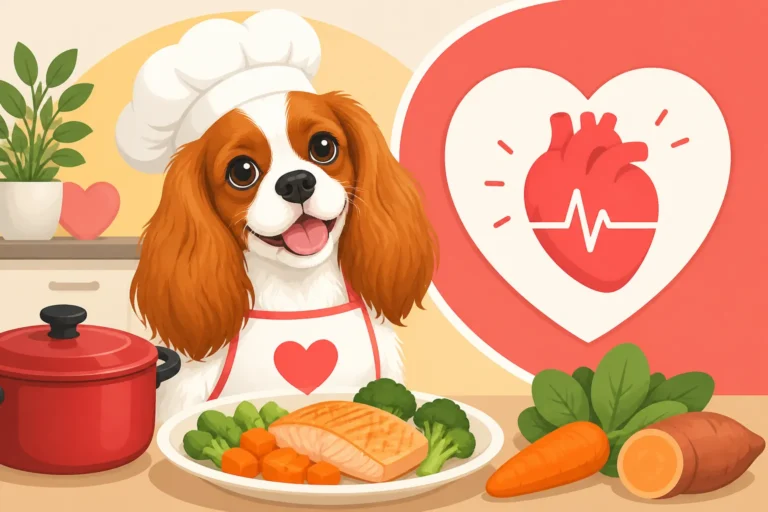
Your veterinary cardiologist may recommend a low-sodium diet. These diets are specifically formulated to reduce the sodium load while still providing all essential nutrients. You can often find prescription cardiac diets from major pet food manufacturers. For instance, you might find options for Low-Sodium Feeding for a Cavalier Heart Patient through your vet or on pet supply sites like Chewy that offer prescription foods with vet approval.
It's not just about the food itself, though. You'll need to be hyper-vigilant about treats. Many commercial dog treats are surprisingly high in sodium. Plain vegetables, unsalted rice cakes, or specially formulated low-sodium treats are better choices. Always read labels. If you're home-cooking, it's vital to work with your vet or a veterinary nutritionist to ensure the diet is nutritionally complete and appropriately low in sodium, as cooking for a cardiac patient is complex.
Monitoring for Muscle Loss vs. Fat Loss
When a Cavalier with heart disease starts to lose weight, it's crucial to differentiate between healthy fat loss and concerning muscle wasting, also known as cachexia. Cachexia is a serious issue that can occur in advanced heart disease, where the body starts to break down muscle tissue due to the metabolic stress of the illness. This isn't healthy weight loss.
If your Cavalier is losing weight, regularly assess their body condition score, but pay particular attention to their muscle mass. Look and feel along their spine, over their hips, and in their hindquarters. Are these areas becoming bonier? Is their topline becoming less filled out? If you notice significant muscle loss, even if their overall weight is decreasing, it's a red flag.
Your vet will likely recommend regular weigh-ins and body condition scoring. They might also suggest specific diets higher in protein to help preserve muscle mass, even if total calories need to be managed. Sometimes, medications for heart disease can also affect appetite or metabolism, so open communication with your veterinary team is essential. For older Cavaliers, this becomes even more important, as they might already be prone to Caring for a Cavalier Past Nine and dealing with multiple age-related changes.
Working with Your Cardiologist on Nutritional Plans
Once your Cavalier has a heart diagnosis, your primary veterinarian and a board-certified veterinary cardiologist will become your key partners in their care. Nutrition is a cornerstone of this care, and they are best equipped to provide specific, tailored advice.
A cardiologist can:
- Assess the Stage of MVD: The stage of your Cavalier's MVD (A, B1, B2, C, D) will dictate specific dietary recommendations, especially regarding sodium levels.
- Recommend Specific Diets: They can guide you towards appropriate prescription diets or help you evaluate commercial options.
- Monitor Progress: Through regular check-ups, echos, and blood tests (like NT-proBNP), they can monitor your Cavalier's heart health and adjust the nutritional plan as needed.
- Address Concurrent Conditions: They can help integrate dietary changes with any other health issues your Cavalier might have.
Never make drastic dietary changes for a Cavalier with heart disease without consulting your veterinary team. What might seem like a healthy change can sometimes be detrimental if not balanced correctly with their medical needs. They can also advise on Whether Diet Slows a Cavalier's Heart Disease and what role supplements might play. It's a team effort, and your proactive involvement in their nutritional care is one of the greatest gifts you can give your beloved companion.
Disclaimer
This article is for general informational purposes only and does not constitute professional advice. Laws, prices and regulations vary by location and change over time. Consult a qualified professional for guidance on your specific situation.