Whether a Cavalier Is Good for Allergy Sufferers
It's a tough situation when you dream of welcoming a sweet, affectionate Cavalier King Charles Spaniel into your home, but someone in the family battles dog allergies. The thought of bringing a furry friend home, only for it to trigger sneezing, itching, and watery eyes, can be truly disheartening. This guide is here to help you navigate the complexities of dog allergies and understand whether a Cavalier could still be a part of your life, offering practical steps and realistic expectations.
Understanding Dog Allergies: What's Really Going On?
Before we dive specifically into Cavaliers, let's clear up some common misconceptions about dog allergies. Many people mistakenly believe that dog hair is the primary culprit, leading them to seek out "non-shedding" breeds. While hair does play a role, it's not the full story. Understanding what truly triggers allergic reactions is the first step toward finding a solution.
It's Not (Just) the Hair
When someone in your household experiences an allergic reaction to dogs, it's rarely just the hair itself causing the problem. The real culprits are typically proteins found in a dog's dander (dead skin flakes), saliva, and urine. These microscopic allergens are sticky and lightweight, easily becoming airborne and settling on surfaces throughout your home. When your dog sheds hair, those hairs carry dander and dried saliva with them, dispersing the allergens far and wide. This is why even a dog with minimal shedding can still trigger allergies, and conversely, a dog that sheds a lot might not bother everyone equally. It's truly about the specific proteins, not just the visible hair.
Consider a scenario where you've just spent an hour cuddling a seemingly "non-shedding" poodle mix. You might leave their home feeling fine, but then experience symptoms hours later. This delay can make it difficult to pinpoint the exact trigger. The allergens, unseen and potent, have clung to your clothes and hair, only to be released once you're back in your own, previously allergen-free, environment. It’s a frustrating dance of invisible particles.
Why "Hypoallergenic" Breeds Aren't a Magic Bullet
The term "hypoallergenic" is often thrown around in the dog world, but it's important to understand what it truly means – and what it doesn't. A truly "non-allergenic" dog simply doesn't exist. All dogs produce dander, saliva, and urine, and thus, all dogs produce allergens. Breeds marketed as "hypoallergenic" like Poodles, Portuguese Water Dogs, or Bichon Frise, are generally those that shed very little hair. Because they shed less, they release fewer dander-laden hairs into the environment. This reduces the amount of allergens floating around, but it doesn't eliminate them.
For someone with very mild allergies, a low-shedding breed might make a significant difference, allowing them to live comfortably with a canine companion. However, for individuals with moderate to severe allergies, even a "hypoallergenic" dog can still cause symptoms. It's a spectrum, not a black-and-white situation. You might visit a friend with a "hypoallergenic" breed and feel okay, only to discover that prolonged exposure in your own home still leads to discomfort. It's always best to be realistic about expectations, rather than setting yourself up for disappointment by believing in a mythical allergy-free dog.
The Cavalier King Charles Spaniel and Allergy Triggers
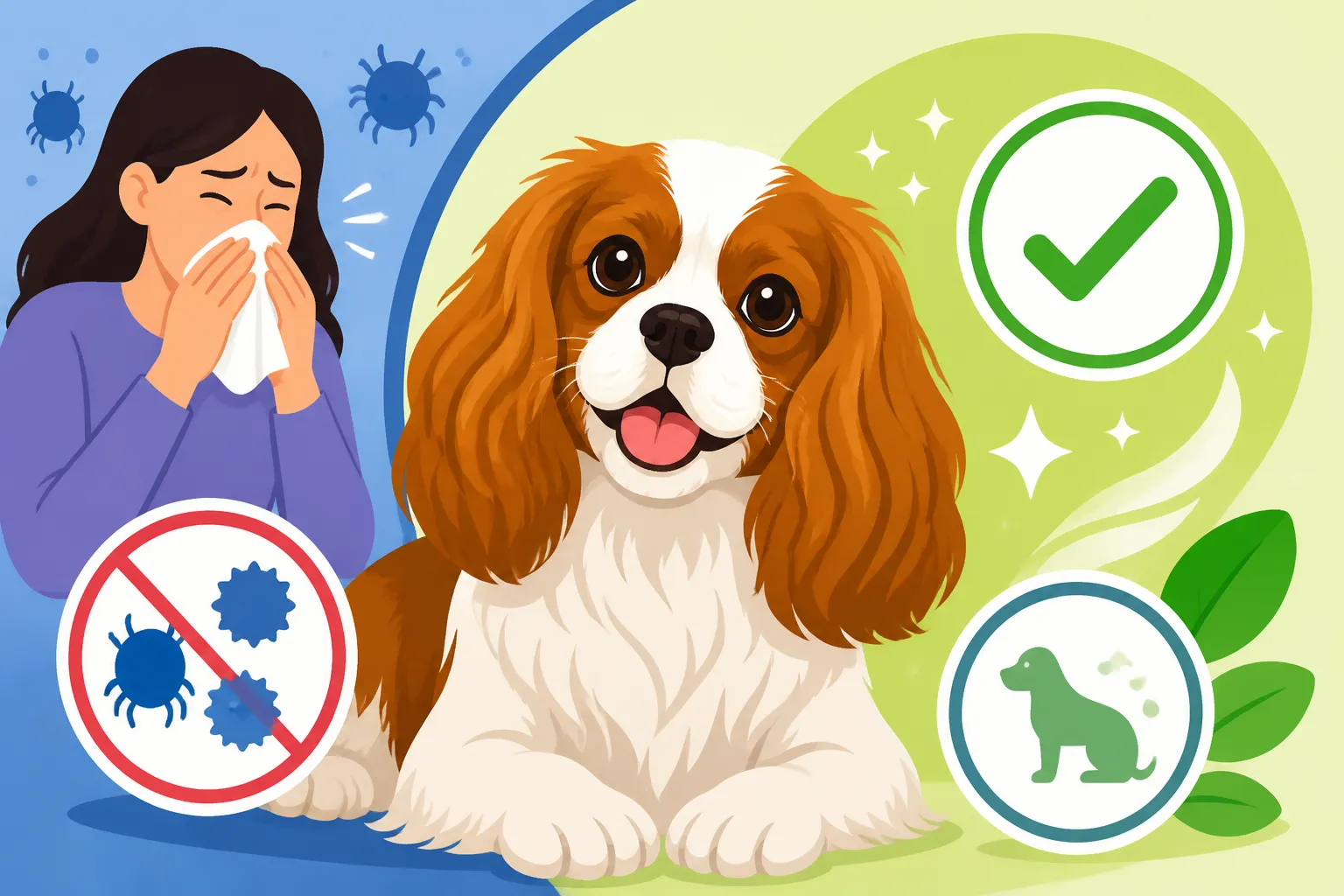
Now, let's get down to our beloved Cavaliers. Where do they stand in the allergy landscape? Unfortunately, Cavaliers are generally not considered a good choice for people with dog allergies. Their beautiful, silky coats, while delightful to touch, are part of the challenge.
The Cavalier Coat: Shedding and Dander
Cavaliers have a single coat, meaning they lack the dense undercoat found in many double-coated breeds. This often leads people to assume they shed less, but that's not necessarily true. Cavaliers do shed, and it's typically a moderate amount throughout the year, with seasonal increases. Their long, fine hair, especially on their ears, chest, legs, and tail, can easily collect and disperse dander. Every time they shake, lie on furniture, or brush against you, those tiny skin flakes and dried saliva particles are released into the air and onto surfaces. Cavalier Shedding on Dark Furniture is a common complaint among owners, illustrating just how much hair (and thus dander) can be left behind.
Managing this shedding and dander is a constant effort. Regular grooming is absolutely essential, not just for the dog's comfort and appearance, but also for minimizing allergen exposure. Imagine your Cavalier snuggling on the sofa, then jumping off, leaving a cloud of invisible allergens that will linger in the air long after they've moved on. This accumulation of dander throughout the home is what often overwhelms allergy sufferers, even those with mild sensitivities.
Saliva and Skin in Cavaliers
Beyond the coat and dander, Cavalier King Charles Spaniels also produce saliva and, like all dogs, can have skin issues that exacerbate allergy problems. Saliva, which contains allergenic proteins, can be transferred to their fur when they groom themselves, lick their paws, or even just drool a little. When they interact with you – giving enthusiastic licks to your hands or face – those proteins are directly transferred, potentially triggering an immediate reaction. Their affectionate nature, while one of their most endearing qualities, can sometimes be a challenge for allergy sufferers.
Furthermore, Cavaliers can be prone to certain skin conditions that might inadvertently increase dander production or make allergy management harder. For example, Skin Allergies in a Cavalier can lead to increased scratching, flaking, and inflammation, all of which would release more dander into the environment. Similarly, frequent Cavalier Ear Infections and Why They Recur can lead to localized inflammation, discharge, and irritation, which, while not a direct allergen source, can contribute to the overall particulate matter and irritants in the dog's immediate vicinity. Addressing any underlying skin or ear issues can be a small step in reducing the overall allergen load they carry.
Managing Allergies While Living With a Cavalier
So, if Cavaliers aren't inherently "hypoallergenic," does that mean an allergy sufferer can never have one? Not necessarily, but it means you'll need to be incredibly diligent and proactive with management strategies. It requires a consistent, multi-pronged approach to minimize exposure to allergens in your home environment.
Grooming as Your First Line of Defense
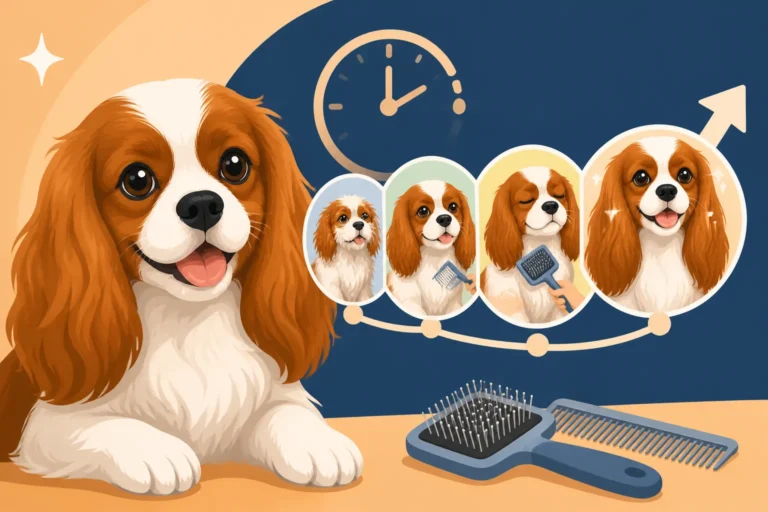
Regular and thorough grooming is your absolute best friend when it comes to managing dog allergies. This isn't just about making your Cavalier look pretty; it's about physically removing allergens from their coat before they spread throughout your home.
Here’s a breakdown of essential grooming practices:
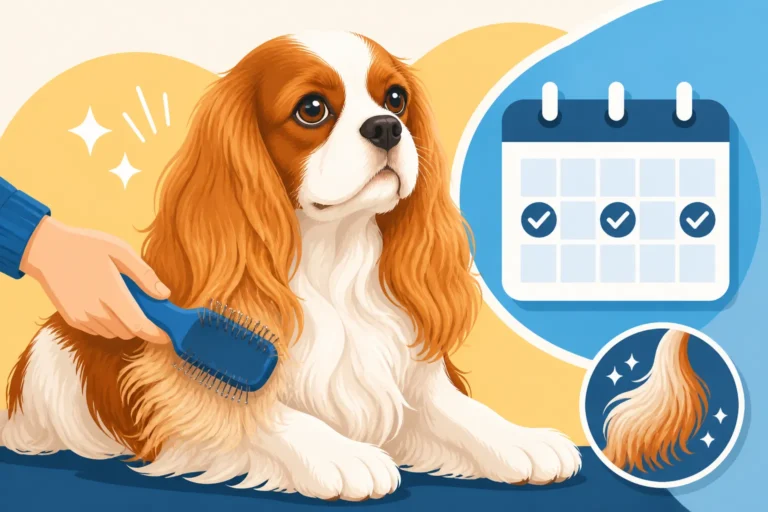
- Frequent Brushing: You should be brushing your Cavalier at least Brushing a Cavalier's Feathering Three Times a Week, ideally daily if allergies are a concern. Use a good quality slicker brush and a metal comb to get deep into their coat and remove loose hair and dander. Doing this outdoors or in an easily cleaned space (like a bathroom) can help contain the allergens. Don't forget their long feathering on ears, legs, and tail, as these areas are prime collectors of dander. You can find excellent brushes and combs on platforms like Chewy or Amazon.
- Regular Bathing: Bathing your Cavalier every 1-2 weeks can significantly reduce dander and airborne allergens. Use a mild, moisturizing dog shampoo – look for formulas designed for sensitive skin, as healthy skin means less flaking. Ensure you rinse thoroughly to avoid skin irritation. Learn how to master Bathing a Cavalier Between Grooming Appointments to make it a pleasant experience for your pup.
- Professional Grooming: Consider professional grooming every 6-8 weeks, in addition to your home care. Professional groomers have specialized tools and drying equipment that can help remove even more loose hair and dander. Discuss your allergy concerns with them so they can take extra steps to minimize shedding during the groom. While at home, use a high-quality Shampoo for a Cavalier's Silky Coat to keep their fur healthy and reduce shedding.
| Grooming Task | Frequency (Allergy Focus) | Benefit |
|---|---|---|
| Brushing | Daily to Every Other Day | Removes loose hair and dander, distributes skin oils, prevents mats |
| Bathing | Every 1-2 Weeks | Washes away dander and allergens from the coat |
| Ear Cleaning | Weekly | Prevents ear infections which can lead to scratching and increased dander |
| Nail Trimming | Every 2-4 Weeks | Prevents discomfort, which could lead to excessive licking/chewing and dander |
| Professional Grooming | Every 6-8 Weeks | Thorough cleaning, de-shedding, and expert coat care |
Environmental Control at Home
Even with immaculate grooming, some allergens will still escape into your environment. Therefore, controlling allergen levels within your home is critical. Think of it as creating a fortress against microscopic invaders.
- Designated Dog-Free Zones: The most impactful step is to establish at least one "dog-free" zone in your home, ideally the allergy sufferer's bedroom. Keep this room strictly off-limits to your Cavalier. Use high-efficiency particulate air (HEPA) filters in this room and vacuum regularly with a HEPA-filtered vacuum. This creates a sanctuary where the allergy sufferer can retreat and get some relief.
- High-Quality Filtration: Invest in a good air purifier with a HEPA filter for your main living areas. Run it constantly to capture airborne allergens. Change your furnace and air conditioning filters frequently (every 1-3 months) with high-efficiency pleated filters (MERV 11-13) to trap allergens circulating through your HVAC system.
- Thorough Cleaning: Vacuum carpets and upholstered furniture frequently, again using a HEPA-filtered vacuum. Consider replacing carpets with hard flooring (wood, tile, laminate) if possible, as carpets are notorious traps for allergens. Wash dog beds, blankets, and your own bedding in hot water weekly to kill dust mites and remove dander. Microfiber cloths can be very effective for dusting and wiping down hard surfaces, as they trap particles rather than just pushing them around.
- Wash Hands Regularly: Encourage the allergy sufferer to wash their hands immediately after petting or interacting with the Cavalier. This simple act can prevent the transfer of allergens to their face and eyes.
Dietary Considerations and Supplements
A healthy dog often means a healthier coat and skin, which can, in turn, reduce dander and shedding. While diet won't eliminate allergies, it can certainly contribute to a shinier, less flaky coat.
- High-Quality Food: Feed your Cavalier a high-quality, balanced diet rich in essential fatty acids. Some commercial dog foods, like those offered by Ollie, focus on fresh, human-grade ingredients that can support skin and coat health. A diet with good protein sources and healthy fats can minimize dry skin, which contributes to dander.
- Omega Fatty Acid Supplements: Many owners find success supplementing their dog's diet with omega-3 and omega-6 fatty acids, often in the form of fish oil. These supplements can promote skin hydration and a healthy, lustrous coat, potentially reducing flaking and shedding. Always discuss any supplements with your veterinarian before adding them to your dog's routine. While there's a different discussion around Whether Diet Slows a Cavalier's Heart Disease, ensuring overall health through good nutrition can only benefit your dog's skin and coat.
- Hydration: Ensure your Cavalier always has access to fresh, clean water. Good hydration from within also contributes to healthy skin.
What to Do Before Bringing a Cavalier Home (Trial Period)
Bringing a new dog into your home is a big commitment, and it's even bigger when allergies are a factor. Rushing into a decision can lead to heartbreak for both your family and the dog if it doesn't work out. Taking proactive steps before adoption is crucial.
Spending Time With Cavaliers
The best way to gauge an allergic reaction to a Cavalier is through direct, prolonged exposure. Short visits to a friend's house might not be enough to trigger a full reaction. Allergic responses can be cumulative, meaning symptoms worsen with increased exposure over time.
- Visit Breeders or Rescues: Spend time at a reputable Cavalier breeder's home or a rescue organization that houses Cavaliers. This allows the allergy sufferer to be in an environment with multiple Cavaliers, increasing allergen exposure. See if you can spend an hour or two playing with the dogs, and note any symptoms that develop immediately or several hours later.
- "Borrow" a Cavalier (If Possible): If a trusted friend or family member has a Cavalier, and you can arrange a temporary, supervised "sleepover" for a few days, this would be the ultimate test. It simulates actual living conditions and allows for prolonged exposure. This isn't always feasible, but if you have the opportunity, it’s invaluable. Observe not just sneezing or itching, but also any skin rashes or asthma symptoms.
- Test on Different Cavaliers: Reactions can sometimes vary slightly from one dog to another, even within the same breed, due to individual differences in protein levels. If possible, test exposure to a few different Cavaliers to get a broader sense of your family's reaction.
Allergy Testing and Consultations
While spending time with dogs is the practical test, professional medical advice should always be part of your decision-making process.
- Human Allergy Testing: The allergy sufferer should consult an allergist for formal testing. Skin prick tests or blood tests can identify specific dog allergens. This can provide a clearer picture of the severity of the allergy. An allergist can also discuss medication options, such as antihistamines, nasal sprays, or even allergy shots (immunotherapy), which could potentially help manage symptoms if you decide to proceed with getting a Cavalier.
- Discuss Management with a Veterinarian: Once you have a clearer understanding of your family's allergies, talk to your veterinarian about the best practices for minimizing allergens from the dog's side. They can offer advice on diet, supplements, and grooming products that promote skin health and reduce shedding. They can also advise on Daily Ear Checks on a Cavalier and other routine care that keeps your pup healthy and less likely to have issues that could increase dander.
- Realistic Expectations: Be prepared for the possibility that even with all precautions, a Cavalier might still trigger significant allergies. It’s crucial to have a backup plan, which could involve rehoming the dog if symptoms become unmanageable. This is why thorough testing and exposure are so important upfront. Remember, the goal is a happy, healthy home for everyone, including your potential Cavalier.
Disclaimer
This article is for general informational purposes only and does not constitute professional advice. Laws, prices and regulations vary by location and change over time. Consult a qualified professional for guidance on your specific situation.