Stretching a Cavalier’s Groom to Ten Weeks
It’s a familiar scenario for many Cavalier King Charles Spaniel owners: your sweet pup comes home from the groomer looking absolutely pristine, smelling amazing, and feeling like a cloud. You vow to keep that silky coat tangle-free, but then life happens, weeks fly by, and suddenly you’re facing a bill for de-matting because you tried to stretch that professional groom just a little too far. It's totally understandable to want to extend the time between salon visits – both for your wallet and your busy schedule – and while it requires a significant commitment, it’s absolutely possible to stretch a Cavalier's groom to ten weeks with diligent home care. This guide will walk you through exactly what that commitment entails and how to achieve it successfully.
Understanding Your Cavalier's Coat and Why It Matters
Before we dive into the nitty-gritty of home grooming, it’s crucial to understand the unique characteristics of your Cavalier’s coat. This isn't just fluffy hair; it's a finely tuned, single coat designed for a specific purpose, and recognizing its traits is the first step to successful maintenance.
The Silky, Single Coat of a Cavalier
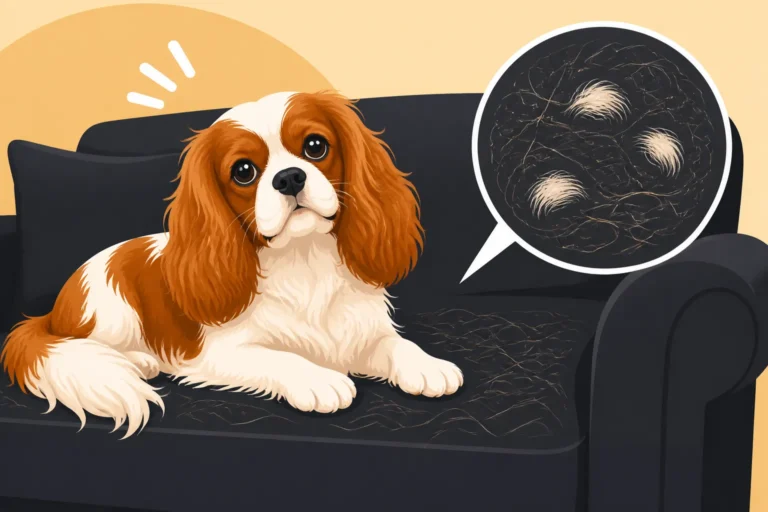
Cavaliers are renowned for their beautiful, flowing, silky coats. Unlike many breeds, they typically have a single coat, meaning they lack the dense, woolly undercoat found in double-coated breeds like Golden Retrievers or Huskies. This single coat is a blessing and a curse. On the one hand, it means less heavy shedding than some breeds, and that signature silky texture is truly lovely to touch. However, it also means that their long, fine hair is incredibly prone to matting and tangling.
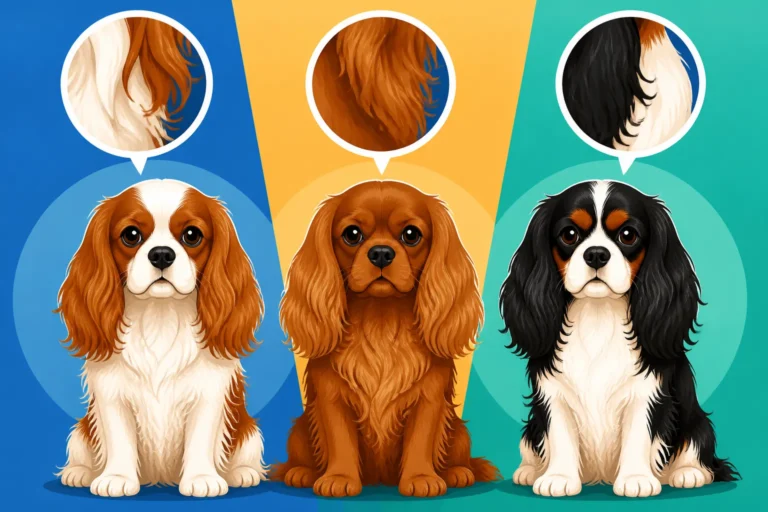
Imagine a fine silk thread versus a sturdy wool fiber. The silk is beautiful but can knot easily if not cared for gently. That's your Cavalier's coat. Some Cavaliers are blessed with a "true" silky coat that resists matting slightly better, while others have a softer, more cottony texture that seems to attract tangles just by existing. This cottony type can be particularly challenging, often feeling like it mats up the moment you look away. Regardless of the exact texture, the sheer length and fineness of the feathering on their ears, chest, legs, and tail are prime targets for knots, especially where friction occurs.
The Areas Prone to Matting
Mats don't just appear randomly; they tend to form in specific areas where hair rubs together, gets wet frequently, or experiences friction from movement or collars. Knowing these hot spots is key to preventative grooming.
The most notorious matting zones on a Cavalier are often behind and under their ears. Their long, floppy ears are beautiful, but they constantly rub against their neck and shoulders, creating friction that quickly turns into felted mats if not addressed daily. These mats can pull on the delicate skin, causing discomfort and even skin infections if left untended. Similarly, the armpits and groin areas are high-friction zones where legs move against the body. If your Cavalier loves to play or run, you’ll find these spots are constantly challenged. The long feathering on their legs and chest also collects debris, twigs, and even just dust, which then acts as a binder for tangles. Even a simple collar or harness can create a matting ring around the neck and chest if not removed regularly for brushing. These mats start as small tangles but can quickly tighten into painful, solid masses that are impossible to brush out without causing distress to your dog.
The Daily Commitment to Extend Your Grooming Schedule
Successfully stretching your Cavalier's professional groom to ten weeks isn't about magic; it's about a consistent, daily commitment to home care. Think of it as a daily spa routine for your dog, broken into manageable chunks. This isn't a "brush once a week" endeavor; it truly means hands-on coat care every single day.
Daily Brushing and Combing – Your First Line of Defense
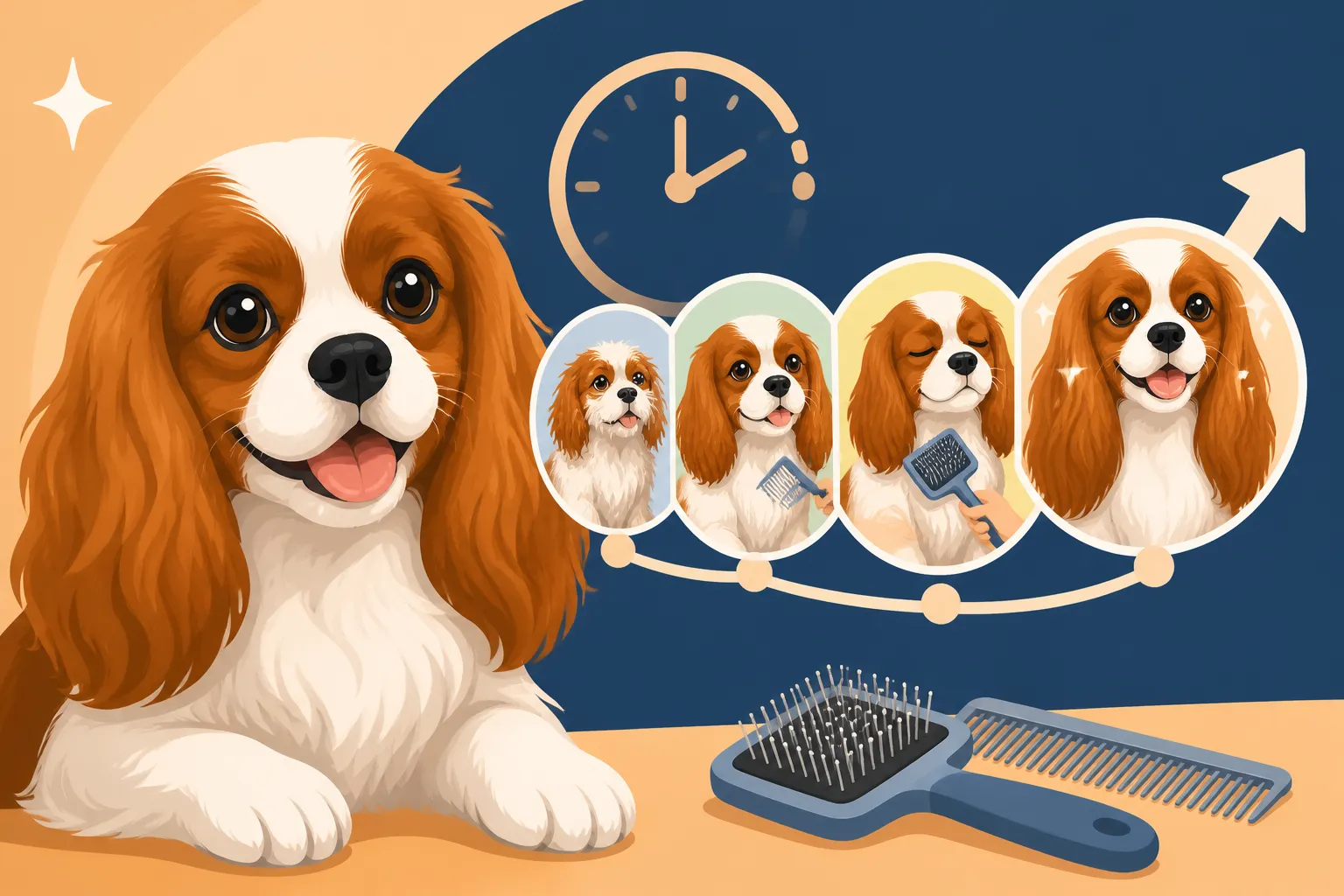
This is the cornerstone of extending your grooming interval. Every single day, without fail, you need to commit about 10-15 minutes to thoroughly brushing and combing your Cavalier. This isn't just a surface sweep; it requires a systematic approach to ensure you're getting down to the skin and preventing hidden mats.
Start by gently misting the coat with a detangling spray. This helps lubricate the hair and prevent breakage. Then, use a technique called "line brushing." This involves parting your Cavalier's hair in small sections, similar to how a human stylist might section hair before cutting or coloring. Begin at the bottom of a leg or the edge of an ear, and use a slicker brush to brush downwards, working from the skin out. Once you've brushed a section, move the parted hair up slightly and repeat. You are essentially brushing the coat in horizontal layers. After brushing with a slicker, follow up with a metal greyhound comb. The comb is your mat detector; if the comb can glide smoothly from root to tip through the section you just brushed, you’re good. If it snags, you’ve found a tangle that needs further attention with the slicker brush or your fingers. Pay particular attention to all those mat-prone areas we discussed: behind the ears, armpits, groin, and under the collar. Consistency is key here; a small mat caught early is easily brushed out, but a mat left for days will become a tight, painful felt. You can find excellent quality slicker brushes and metal combs on Chewy or Amazon.
Targeted Spot Checks and Preventative Care
Beyond the full-body brush, daily spot checks are incredibly important. This means taking a few extra moments to specifically inspect and address areas that are notorious for trouble. After walks, especially if your Cavalier has been exploring tall grass or muddy patches, check their paws and the feathering on their legs for burrs, twigs, or mud. These seemingly innocent bits of nature can quickly become the core of a large mat.
Regular ear cleaning is another vital part of this routine. Cavaliers have long, heavy drop ears that can trap moisture and debris, leading to infections. Gently lift their ear leather and check the inner ear for redness, discharge, or any unpleasant odor. Use a vet-approved ear cleaner and a cotton ball (never cotton swabs, which can push debris further in!) to wipe the visible parts of the ear. This not only keeps infections at bay but also prevents hair around the ear canal from matting. For more details on this, you might find our guide Cavalier Ear Care Under a Heavy Drop Ear helpful. Don't forget their eyes and face too; Cavaliers can be prone to tear staining, and a daily gentle wipe with a damp cloth can keep the fur around their eyes clean and prevent crusting that can lead to irritation and mats.
The Role of Snoods and Protective Gear
Sometimes, the simplest solutions are the most effective. For a Cavalier, a snood can be a game-changer in preventing mats, especially around their long, feathered ears. A snood is essentially a fabric tube that goes over your dog's head and neck, keeping their ears tucked safely inside. When your Cavalier eats, drinks, or plays outdoors, a snood prevents their ears from dragging in their food bowl, getting wet, or picking up burrs and mud. This significantly reduces the chances of those dreaded ear mats.
Similarly, consider the type of collar and harness your Cavalier wears. A flat, wide nylon collar can cause more friction and matting than a rounded leather one or a soft, well-fitting harness. If you're going for ten weeks between grooms, using a harness for walks and removing it when indoors can prevent matting under their armpits and around their chest. Just remember to brush under where the harness sits every single day, as this is a prime friction area.
Essential Tools and Products for Home Grooming
To successfully maintain your Cavalier's coat for ten weeks between professional grooms, you absolutely need the right arsenal of tools. Skimping here will only lead to frustration for both you and your dog, and ultimately, more expensive de-matting at the groomer.
Must-Have Brushes and Combs
This is where your investment should be. You'll need more than just one brush.
- Slicker Brush: This is your primary tool for detangling and removing loose hair. Look for one with fine, angled wire pins that have protective tips. It's excellent for working through tangles gently without pulling too much. Use it with a light hand, always brushing away from the skin, not into it. A good quality slicker brush is indispensable for Brushing a Cavalier's Feathering Three Times a Week.
- Metal Greyhound Comb: This comb is non-negotiable. It has two sets of teeth – one wider, one finer – and is essential for finding and working out smaller tangles that the slicker brush might miss. After brushing a section with the slicker, run the metal comb through it. If the comb glides smoothly, the section is tangle-free. If it snags, go back with the slicker or your fingers to gently tease out the knot. This is the ultimate mat detector.
- Pin Brush: While not as critical as the slicker and metal comb for mat prevention, a pin brush (with rounded pins) is great for general brushing and smoothing out the coat, especially after you've detangled with the other tools. It's often gentler for daily maintenance on a coat that's already relatively free of mats.
You can often find these essential tools in grooming kits or individually on platforms like Chewy or Amazon. To learn more about selecting the right tools, check out The Combs That Reach Cavalier Feathering.
Shampoos, Conditioners, and Detangling Sprays
Bathing your Cavalier at home between professional grooms is almost certainly a necessity if you're aiming for a ten-week stretch. Regular bathing helps to remove dirt, dander, and loose hair that can contribute to matting.
- Shampoo: Choose a mild, pH-balanced dog shampoo specifically formulated for silky or long-haired breeds. Avoid harsh shampoos that can strip natural oils, as this can make the coat more prone to static and tangles. You might even consider a tearless formula for their face.
- Conditioner: This is your secret weapon against matting. After shampooing, always follow up with a good quality dog conditioner. Leave it on for a few minutes to deeply moisturize the coat, making it smoother, less prone to tangles, and easier to brush. A well-conditioned coat is much more resilient.
- Detangling Spray: As mentioned earlier, a good detangling spray is invaluable. Use it before every brushing session to prevent hair breakage and help knots slide out more easily. Some sprays also have anti-static properties, which is a bonus, especially in drier climates or during winter.
When bathing, ensure you thoroughly rinse all shampoo and conditioner out, as residue can irritate the skin and make the coat feel sticky, attracting more dirt and tangles. After bathing, gently towel dry, and then use a cool setting on a blow dryer while brushing to ensure the coat dries straight and mat-free. Our article Bathing a Cavalier Between Grooming Appointments offers more insights into this process.
Nail Trimmers and Ear Cleaners
While not directly related to coat matting, these tools are vital for your Cavalier's overall comfort and health, which in turn makes grooming sessions more pleasant. Long nails can be painful and affect your dog's gait, and neglected ears can lead to serious infections. Keeping these areas maintained means your dog is more comfortable during their brushing sessions and less likely to associate grooming with discomfort. Consider exploring our guide on Cavalier Ear Care Under a Heavy Drop Ear for specific advice on maintaining healthy ears.
Realistic Expectations and When to Call the Professional
Trying to extend your Cavalier’s groom is a commendable goal, but it's important to set realistic expectations and know when to admit defeat and call in the professionals. Home grooming is a partnership, and sometimes, even with the best intentions, you might need extra help.
Recognizing When You're Losing the Battle
Even with daily dedication, there might come a point where you feel you're losing the battle against mats. This isn't a failure on your part, but simply an acknowledgment of the reality of managing a Cavalier's coat. Signs that it's time to book an earlier appointment with your groomer include:
- Felted Mats: These are dense, flat mats that lie close to the skin. They often feel like a solid piece of felt or carpet. You won't be able to get a comb through these, and trying to pull them out will be painful for your dog.
- Skin Irritation: If you notice redness, hot spots, or flakiness under mats, it's a clear sign of skin distress. Mats can prevent air circulation, trapping moisture and creating a breeding ground for bacteria or fungus.
- Your Cavalier's Distress: If your dog starts to associate grooming with pain, flinches away when you try to brush, or becomes aggressive during grooming sessions, it's a sign that the mats are becoming too much for them (and you) to handle at home. Trying to force the issue can damage your bond.
- Overwhelm: Honestly, if you feel completely overwhelmed by the amount of matting or the sheer time commitment, it’s okay to reach out for help. Grooming shouldn't be a source of constant stress.
The Importance of Professional Maintenance
Even if you successfully stretch your grooms to ten weeks, a professional groomer offers services that are hard to replicate at home. They have specialized tools, high-velocity dryers, and the expertise to handle stubborn tangles safely and efficiently. A groomer can perform a thorough de-shedding, trim the hair between paw pads (preventing slips and debris collection), provide a sanitary trim, and meticulously clean ears and express anal glands if needed. They also provide an objective assessment of your Cavalier's skin and coat health, sometimes spotting issues you might have missed.
Think of it as having a car serviced. You can do oil changes and tire rotations at home, but every so often, you take it to a professional for a more in-depth check and specialized maintenance. The same goes for your Cavalier's coat. Even if you're aiming for a ten-week interval, consider booking a "bath and tidy" session around the five-week mark if your home routine is proving challenging. This can help reset the clock and keep the coat manageable for the remaining weeks. For more on what professional grooming entails, you can read What a Cavalier Grooming Appointment Covers.
Communication with Your Groomer
If you're making a conscious effort to extend the time between professional grooms, open communication with your groomer is paramount. Let them know your goal. A good groomer will appreciate your efforts at home and can offer advice tailored to your Cavalier's specific coat type and lifestyle. They can also explain what "tidy-up" services they offer that might be beneficial between full grooms.
For example, you might ask for a "face, feet, and sanitary" trim rather than a full body clip. This can help keep the most challenging areas clean and prevent discomfort without changing the overall length of the coat. Be honest about your home grooming routine; don't pretend you've been brushing daily if you haven't. They are there to help, not to judge. Ultimately, the goal is your Cavalier’s comfort and health, and a professional groomer is an invaluable partner in achieving that, whether your appointments are every six weeks or every ten.
Here's a quick comparison of what you're signing up for:
| Feature/Task | Standard 6-8 Week Professional Groom | Extended 10-Week Groom with Home Care |
|---|---|---|
| Professional Grooms | Frequent, full-service grooms | Less frequent, potentially just tidy-ups |
| Home Brushing | 2-3 times per week, general | DAILY, thorough line brushing |
| Mat Prevention | Primary: Professional de-matting | Primary: Daily home brushing & combing |
| Bathing Frequency | Done by groomer | 1-2 home baths between pro grooms |
| Detangling Spray Use | As needed at home | Daily before brushing |
| Ear Checks/Cleaning | Often done by groomer | Daily visual, weekly cleaning at home |
| Nail Trims | Done by groomer | Home trims between pro grooms |
| Snoods/Protective Gear | Optional | Highly recommended for ears/feathering |
| Risk of Matting | Lower due to frequency | Higher, demands high diligence |
| Cost Implications | More frequent groomer fees | Lower groomer fees, higher product cost |
Disclaimer
This article is for general informational purposes only and does not constitute professional advice. Laws, prices and regulations vary by location and change over time. Consult a qualified professional for guidance on your specific situation.