A Cavalier That Begs at the Table
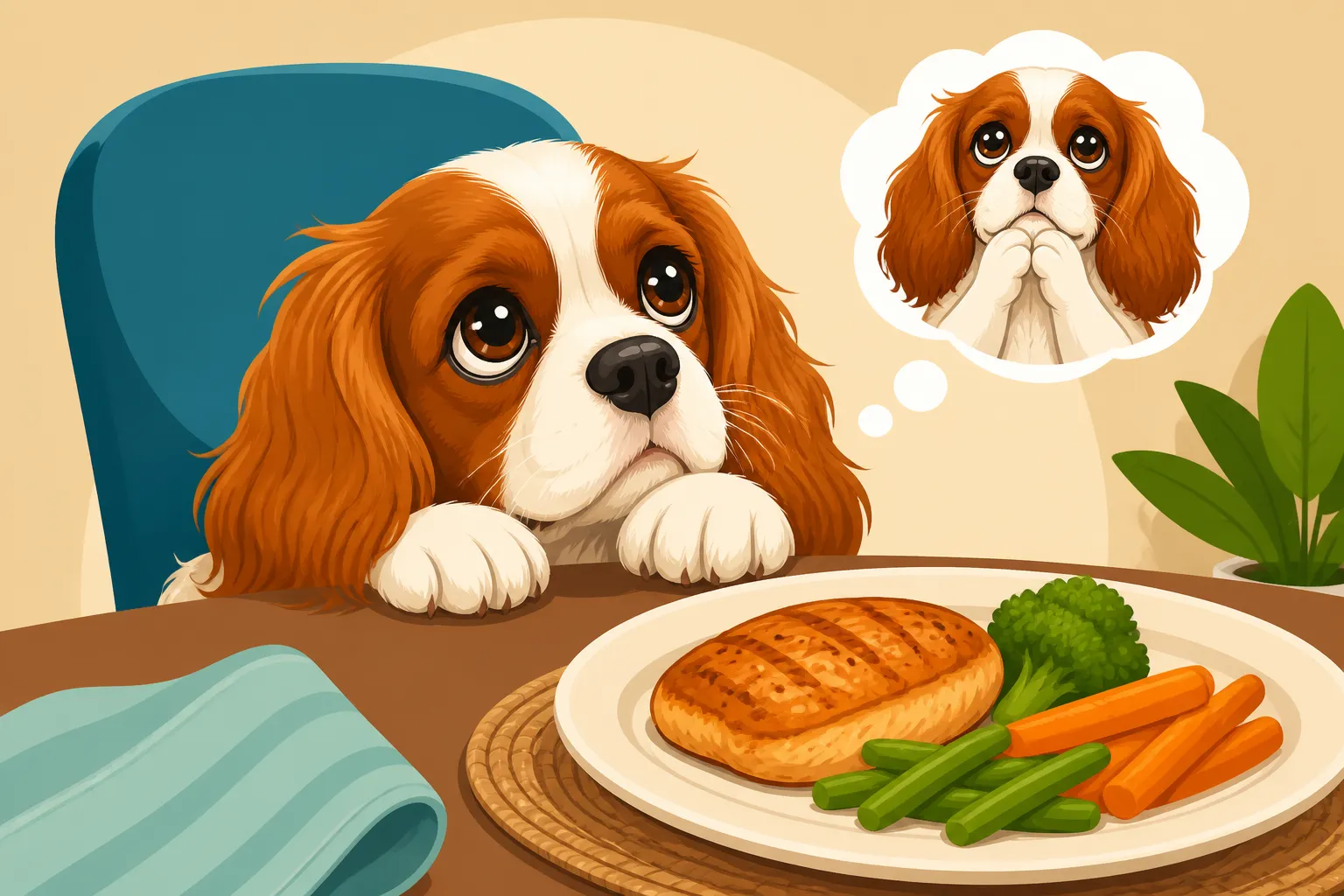
Oh, the infamous Cavalier "dinner table stare," the little sigh, the paw on your knee, the adorable, heartbreaking gaze that promises eternal devotion if only you'd drop just one tiny morsel! If you're a Cavalier owner, you know this struggle all too well. It feels like you're under constant psychological warfare from a furry expert in emotional manipulation. This guide is here to help you understand why your sweet Cavalier turns into a master beggar at mealtimes and, more importantly, how you can gently but firmly redirect this behavior for a more peaceful dining experience for everyone.
Understanding Why Your Cavalier Begs
It’s easy to feel guilty when your Cavalier looks at you with those big, soulful eyes, especially when you’re enjoying a delicious meal. But understanding the root causes of their begging behavior is the first step toward changing it. It’s rarely about them starving; it’s a complex mix of instinct, learned behavior, and their inherent desire to be close to you.
The Cavalier's Innate Food Drive
Cavaliers, by nature, are often incredibly food-motivated. They were originally bred as companion dogs, meant to bring comfort and warmth to laps in stately homes, and food was often a part of that bond. They weren't typically working dogs out in the fields, needing to curb their appetites to focus on a task; instead, they were pampered members of the household, often enjoying the same luxuries as their human companions. This historical context might not directly explain every instance of begging today, but it does speak to a breed predisposed to enjoying the comforts of life, and food is a huge comfort!
Think about it: many Cavaliers live for their next meal or treat. It's not uncommon for them to hover around the kitchen, anticipating every dropped crumb. This isn't a flaw; it's just part of their charming personality. They connect food with happiness, attention, and security. So, when you're sitting down to eat, their brains naturally light up with the prospect of shared joy and, hopefully, shared sustenance. It's an endearing trait when they're patiently waiting for their own dinner, but it becomes a nuisance when they demand yours.
Learned Behavior and Human Reinforcement
Here’s the tough truth: much of your Cavalier’s begging is a behavior we have inadvertently taught and reinforced. Every single time a piece of food, no matter how small, has fallen from the table and been consumed by your eager pup, or every time you've offered a "just this once" scrap from your plate, you've strengthened the begging habit. Even a quick pat or a "no, stop that" can be seen as attention, which is a powerful motivator for a Cavalier. They are brilliant at figuring out what actions get a reaction from their beloved humans.
Consider this scenario: You're eating dinner, and your Cavalier comes over and rests their head on your lap, sighing dramatically. You, feeling a pang of sympathy, absentmindedly reach down to stroke their head. In your Cavalier's mind, they've just successfully executed a begging maneuver that earned them positive attention. They don't necessarily differentiate between "good" attention and "bad" attention; any acknowledgment can serve as a reward. They learn that proximity to the table + sad eyes + occasional reward = good strategy. This is why breaking the habit requires a united front from everyone in the household, ensuring that begging never, ever pays off.
Breaking the Begging Habit: Practical Strategies
Now that we understand why they do it, let's talk about how to stop it. This isn't about being mean to your Cavalier; it's about setting clear boundaries that ultimately lead to a happier, healthier, and better-behaved companion. Consistency is your most powerful tool.
Consistency is Key: No More Table Scraps
This is the golden rule, the non-negotiable cornerstone of ending table begging: Absolutely no food from the human table, ever. And by "ever," I mean ever. Not a tiny piece of crust, not a speck of cheese, not a dropped crumb, and certainly not a little bite from your plate. It doesn't matter if it's "just this once" or "it's healthy, anyway." Your Cavalier doesn't understand exceptions; they only understand outcomes. If they get food from the table even 1% of the time, they will continue to beg 100% of the time, hoping for that rare payout.
This means every single person who interacts with your Cavalier during mealtime must be on board. If Aunt Carol slips them a piece of chicken under the table, or your child drops a noodle and doesn't pick it up, your hard work is undone. It's like trying to fill a bucket with a hole in it. Have a family meeting. Explain the plan clearly: your Cavalier gets their food from their bowl, and human food stays with humans. This commitment will feel tough at first, especially with those pleading eyes, but it's essential for long-term success.
Redirection and Positive Reinforcement Away from the Table
Instead of punishing begging, which can confuse or distress your sensitive Cavalier, focus on redirecting them to an acceptable alternative behavior and then rewarding that. The goal is to teach them that good things happen when they are calm and settled away from your eating area. This is where the "place" command or simply teaching them to settle on their bed comes in handy.
Before you even sit down to eat, ask your Cavalier to go to their designated "place" – perhaps a comfy bed in the living room, a crate in another part of the kitchen, or even a different room altogether. Provide them with a high-value, long-lasting chew or a puzzle toy to keep them occupied. Brands like Chewy and Amazon offer a fantastic selection of enrichment toys, from Kongs you can stuff with peanut butter to more complex treat-dispensing gadgets. The idea is that they associate your mealtime with a positive, engaging activity of their own, rather than a frustrating period of watching you eat. When they stay calmly in their place, even if they occasionally glance your way, remember to praise them quietly or give them a small, approved treat after your meal is done and they are away from the table.
Managing Mealtime Environment
Sometimes, the simplest solution is to remove the opportunity to beg altogether. This isn't always feasible, but it can be incredibly effective, especially in the early stages of breaking the habit. If your Cavalier simply can't resist the allure of the dinner table, create a physical barrier.
Consider using a baby gate to block off the kitchen or dining area during your meals. This prevents them from physically getting to the table and practicing the begging behaviors. Another strategy is to feed your Cavalier their own dinner at the same time you're eating. If they are busy with their own meal, they are less likely to be focused on yours. For some Cavaliers, crating them with a safe chew toy during your meal can also provide a quiet, comfortable space where they learn to relax while you eat. This isn't a punishment; it's creating a clear routine and expectation that during human meal times, they have their own activity. This consistent routine will help them learn what to expect and reduce their anxiety about missing out.
Nutritional Considerations and Healthy Alternatives
Sometimes, begging can stem from genuine hunger, or at least a feeling of not being quite satisfied. It's worth reviewing your Cavalier's diet and ensuring they are getting adequate nutrition. When it comes to treats, there are plenty of healthy options that can satisfy their urge to chew or snack without adding unnecessary calories or encouraging bad habits.
Ensuring Your Cavalier is Adequately Fed
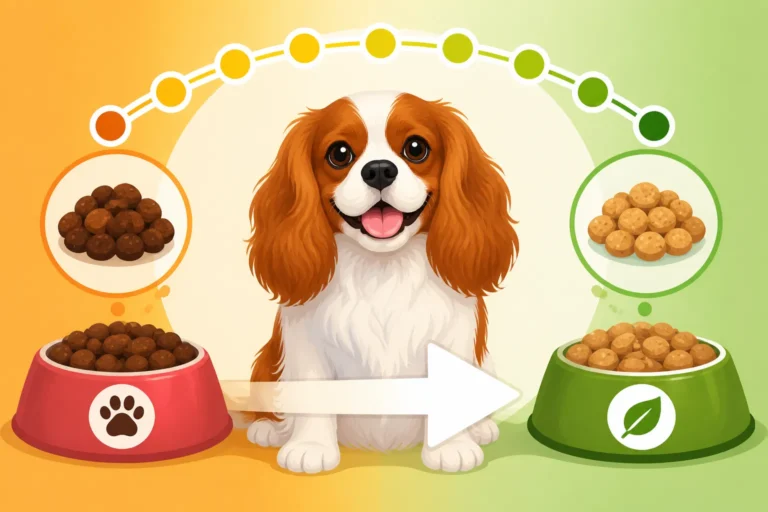
It's crucial to ensure your Cavalier is receiving the right amount of food for their age, activity level, and ideal weight. Cavaliers are prone to weight gain, and even a few extra pounds can put a strain on their delicate hearts. Why a Bowl Left Down Makes a Cavalier Fat This means free-feeding, where food is left out all day, often isn't the best approach for a Cavalier. Instead, feed them two measured meals a day.
Pay close attention to the feeding guidelines on your dog food bag, but remember these are just starting points. A very active Cavalier might need a bit more, while a couch potato might need less. The best way to be precise is to use a kitchen scale to weigh your Cavalier's daily ration rather than relying on measuring cups, which can be inaccurate. If you're concerned about whether your Cavalier is getting enough or the right kind of nutrition, a vet consultation is always a good idea. Brands like Ollie offer fresh, portioned meals that can help owners ensure their Cavalier is getting precisely what they need without overfeeding. You can find many high-quality kibble options on sites like Chewy as well, often with detailed nutritional breakdowns.
Healthy Treats and Chews
While we want to eliminate table scraps, we don't want to eliminate treats entirely! Treats are excellent for training and positive reinforcement. The trick is to choose healthy, low-calorie options and to give them away from the table as part of a structured reward system, not as a response to begging.
Consider options like small pieces of cooked carrot, green beans, or blueberries. Many Cavaliers adore these as much as traditional dog treats. Just be sure to introduce new foods slowly and in small quantities to avoid upset stomachs. For longer-lasting satisfaction, dental chews or natural chews (like bully sticks, always supervised) can be great. However, even these add calories, so account for them in your Cavalier's daily intake. Low-Calorie Treats for a Cavalier That Gains Easily You can find a wide variety of healthy, low-calorie treat options on online retailers like Amazon, but always double-check the ingredient list to ensure they are appropriate for your Cavalier's needs, especially if they have any dietary sensitivities or health conditions. Remember, the key is mindful treating, always as a reward for good behavior, never as a handout for begging.
Addressing Underlying Behavioral Aspects
Begging isn't just about food; it's often deeply intertwined with a Cavalier's strong bond with their human family and their need for attention. Addressing these behavioral nuances can further cement good mealtime manners.
Understanding Attention-Seeking Behavior
Cavaliers are famously affectionate and thrive on being close to their people. They are often called "Velcro dogs" for a reason – they love to be in your orbit, ideally on your lap or right by your side. Why Cavaliers Are Called Velcro Dogs This inherent desire for companionship means that any attention, even negative attention like a stern "no" or a push away, can inadvertently reinforce begging behavior. For a Cavalier, some attention is often better than no attention at all.
When your Cavalier begs, they're not just hoping for food; they're also asking for your engagement. If you consistently ignore the begging entirely – no eye contact, no talking, no touching – the behavior will eventually lose its power. It's tough, especially when they're being so darn cute, but acting like they're invisible during begging attempts teaches them that begging does not work. As soon as they move away from the table or settle down quietly, then you can offer calm praise or attention. This teaches them that calm, non-begging behavior gets them what they want – your loving attention.
Training Commands for Mealtime Manners
Formalizing good behavior through training can be incredibly effective. Teaching your Cavalier a "place" command or "go to your bed" is invaluable for peaceful mealtimes. This isn't just about diverting them; it's about giving them a specific, positive action to perform instead of begging.
Start by teaching these commands in a low-distraction environment, away from mealtime. Use positive reinforcement, luring them to their mat or bed and rewarding them lavishly for staying there for increasing periods. Once they consistently understand the command, gradually introduce it during meal preparation, then when you're setting the table, and finally, when you sit down to eat. Remember, patience is key. Your Cavalier is eager to please, but old habits die hard. A great way to ensure success is to keep training sessions short and fun, using those healthy, low-calorie treats we talked about. This structured approach helps your Cavalier understand their role during meal times and fosters a more harmonious household.
Here’s a quick summary of the do's and don'ts for breaking the table begging habit:
| Action | Do | Don't |
|---|---|---|
| Table Scraps | Feed only their own food in their bowl. | Give any human food from the table, no matter how small or "healthy." |
| Attention | Reward calm behavior away from the table. Give attention after your meal. | Make eye contact, talk to, or push away a begging Cavalier. |
| Redirection | Provide a puzzle toy or chew in their designated 'place' before you eat. | Wait for them to beg before trying to redirect them. |
| Environment | Use baby gates or crates to separate them during meals if necessary. | Let them roam freely around the table, allowing them to practice begging. |
| Consistency | Ensure everyone in the household follows the rules, every time. | Allow exceptions for visitors or different family members. |
| Nutrition | Weigh their food to ensure adequate, but not excessive, portions. | Free-feed or guess at portion sizes, which can lead to overfeeding. |
| Treats | Offer healthy, low-calorie treats as rewards for good behavior. | Use treats to pacify begging or as a substitute for affection. |
| Training | Teach and practice "place" or "go to bed" commands in advance. | Expect them to know what to do without consistent training. |
Remember, teaching your Cavalier not to beg at the table is a process that requires patience, consistency, and a unified approach from everyone in the home. But the reward – a calm, well-mannered companion who respects mealtime boundaries – is well worth the effort.
Disclaimer
This article is for general informational purposes only and does not constitute professional advice. Laws, prices and regulations vary by location and change over time. Consult a qualified professional for guidance on your specific situation.