Why a Cavalier Has No Undercoat
It’s easy to look at a Cavalier King Charles Spaniel’s beautiful, flowing coat and assume it's like many other long-haired breeds, layered for warmth and shedding dramatically. But many owners are surprised to learn that their beloved Cavalier doesn't actually possess an undercoat, leading to unique grooming challenges and considerations. This guide will delve into what this single-layered coat means for your Cavalier's care, shedding, and overall well-being.
The Unique Nature of the Cavalier's Single Coat
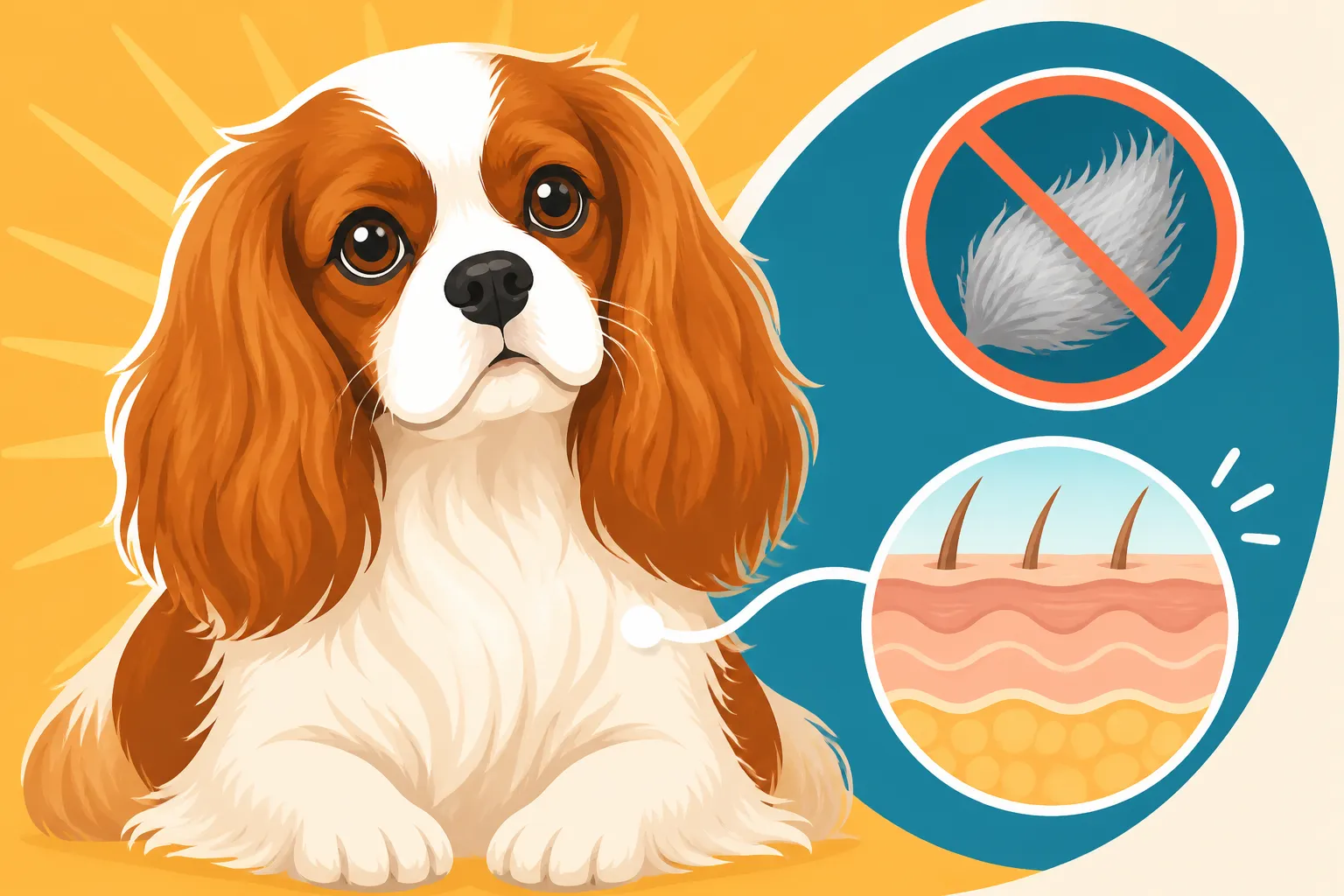
When you run your hands through a Cavalier King Charles Spaniel’s silky fur, you're experiencing a hallmark of their breed: a single coat. Unlike many other breeds with double coats that feature a dense, fluffy underlayer beneath coarser guard hairs, Cavaliers are streamlined with just one type of hair. This fundamental difference shapes almost every aspect of their grooming and comfort.
What Defines a Single-Layered Coat?
A single coat, as the name suggests, is comprised of a single layer of hair. These hairs are typically finer, silkier, and longer than the guard hairs found in double-coated breeds, and they lack the insulating, woolly underlayer. For a Cavalier, this means their coat is generally smooth, soft, and flows beautifully, often forming lovely "feathering" on their ears, chest, legs, and tail. This lack of an undercoat contributes to their elegant appearance but also means they don't have the natural insulation that many double-coated dogs rely on for temperature regulation.
Think of it like comparing a finely woven silk scarf to a thick wool blanket. Both are fabrics, but their structure and function are entirely different. The Cavalier's coat is designed for beauty and touch, not for harsh weather protection. This also means that while they do shed, it's a different kind of shedding compared to breeds that "blow their coat" seasonally, releasing vast quantities of undercoat. Instead, Cavaliers tend to shed individual hairs continuously, much like human hair.
The Historical Evolution of the Cavalier's Coat Type
The Cavalier King Charles Spaniel's coat type isn't an accident; it's a direct result of their historical role and selective breeding. These dogs were developed primarily as companion animals for royalty and nobility, cherished for their affectionate temperaments and their ability to warm laps. They were bred to be house dogs, not working dogs that needed protection from the elements in fields or forests.
Their ancestors, the toy spaniels of the British court, were prized for their delicate features and soft, luxurious coats. There was no practical need for a thick, insulating undercoat for a dog that spent its days indoors, often nestled on silk pillows or in the arms of aristocratic ladies. Breeders focused on enhancing the silky texture, length, and flowing appearance that we recognize today. The breed standard consistently emphasizes a long, silky coat with feathering, explicitly stating it should be free from curl, which would suggest a coarser, denser hair type. This historical context helps us understand why The Court Spaniels the Cavalier Descends From had these characteristics and how they were maintained through generations of selective breeding focused on companionship and aesthetics rather than utility.
Grooming Realities with a Single Coat
While the absence of a dense undercoat might sound like less work, it simply means different work. Cavalier coats require consistent attention to prevent matting and keep them healthy and beautiful. Owners often underestimate the dedication needed to maintain that signature silky look.
Managing Mats and Tangled Feathering
The Cavalier's long, silky single coat, especially its abundant feathering on the ears, chest, legs, and tail, is highly prone to tangles and mats. Without a denser undercoat to provide some structure, these fine hairs can easily intertwine, particularly in areas of friction or where they get wet and dry repeatedly. Just a few days of neglect can turn a beautiful plumed ear into a matted mess, creating discomfort for your dog and a challenge for you. Areas like behind the ears, in the armpits, and along the groin are notorious mat magnets. Even under their collar or harness, hair can become compacted and knotted.
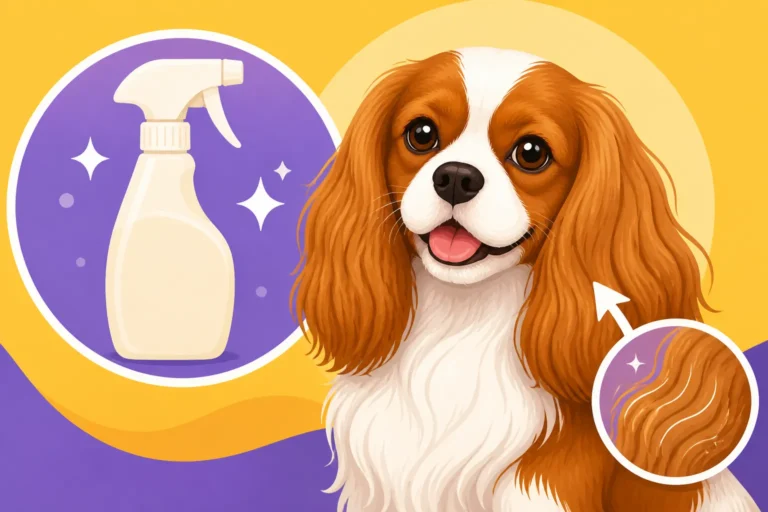
Regular, thorough brushing is not just a recommendation; it's an absolute necessity. Aim for at least three times a week, though daily brushing is ideal for Cavaliers with very long feathering or those prone to tangles. You'll need specific tools, too. A good quality pin brush can help gently work through the longer feathering, but a metal comb with both fine and wide teeth is indispensable for finding and carefully teasing out smaller knots. Always brush in sections, working from the ends of the hair inwards, making sure to reach the skin. Never pull on a mat; instead, use your fingers to gently separate the hair, perhaps with the aid of a detangling spray. It’s a dedicated process, but preventing mats is far easier and less painful than trying to remove them. Many owners find our guide on Brushing a Cavalier's Feathering Three Times a Week incredibly helpful for getting started. When you encounter a particularly stubborn mat, knowing how to approach Mats Behind a Cavalier's Ear Leather or other sensitive spots is crucial. Sometimes, a tiny bit of cornstarch can help loosen a very tight mat if carefully worked in before combing.
Understanding Cavalier Shedding Patterns
It's a common misconception that dogs without an undercoat don't shed. This simply isn't true! Cavaliers absolutely shed, but their shedding pattern differs from double-coated breeds. Instead of "blowing" a coat twice a year, where large clumps of undercoat are shed, Cavaliers tend to shed individual hairs throughout the year, with perhaps a slight increase during seasonal changes. This means you won't typically find massive tufts of fur around your home, but rather a more consistent scattering of fine hairs.
Managing this type of shedding primarily involves regular brushing, which helps to remove loose hairs before they fall onto your furniture or clothes. The right brushes, such as a soft slicker brush or a good pin brush, can gather these loose hairs effectively. While a Cavalier isn't considered a non-shedding or hypoallergenic breed, their type of shedding is often more manageable for some households compared to the dramatic seasonal shedding of double-coated dogs. You can find more detailed information on what to expect in our article What a Cavalier Sheds Without an Undercoat. Vacuuming regularly and using lint rollers will become part of your routine. Many owners find specific grooming gloves that collect loose hair quite effective during petting sessions. Even with regular brushing, you'll still notice a subtle scattering of hair, especially on soft furnishings.
Bathing, Drying, and Skin Health Considerations
Bathing a Cavalier with its single, silky coat requires a delicate touch. The goal is to keep the coat clean and soft without stripping its natural oils or causing further tangles. How you approach the bath and, more importantly, the drying process, can make a huge difference in their coat's health and appearance.
Proper Bathing to Preserve Coat Luster
When it comes to bathing your Cavalier, think gentle. Their single coat can be prone to dryness if harsh shampoos are used, leading to dullness and even skin irritation. Opt for a high-quality dog shampoo that is specifically formulated for sensitive skin or long, silky coats. Some owners prefer brands found on Chewy or Amazon that are known for their gentle, moisturizing properties. Before getting your Cavalier wet, it’s absolutely critical to thoroughly brush out any tangles or mats. Water will only tighten mats, making them nearly impossible to remove without cutting.
During the bath, use lukewarm water and apply shampoo gently, working it into the coat from the neck down, paying special attention to the feathered areas. Avoid vigorous scrubbing, which can create tangles. Rinse thoroughly, ensuring all shampoo residue is removed, as leftover product can irritate the skin and make the coat feel sticky. A good conditioner designed for long-haired dogs can then be applied, left on for a few minutes, and rinsed out completely. This helps to hydrate the coat and make it more manageable for drying and subsequent brushing. For more specific techniques on how to ensure a smooth bathing experience, refer to Bathing a Cavalier Without Flattening the Coat.
Ensuring Thorough Drying to Prevent Issues
The drying process for a Cavalier is just as important, if not more so, than the bath itself. Because their fine, long hair lacks an undercoat to help wick away moisture, it can stay damp for a surprisingly long time. Air-drying might seem convenient, but it can lead to several problems: it encourages matting as the hair dries tangled, it can chill your Cavalier, and it creates a breeding ground for yeast or bacteria on the skin, especially in the ears and between paw pads.
After bathing, gently squeeze excess water from the coat and blot it with a soft towel – avoid rubbing aggressively. Then, it's time for the blow dryer. Use a dog-specific forced air dryer if you have one, or a human hair dryer on a cool or low-heat setting. Never use high heat, as it can burn their delicate skin. While drying, continuously brush the coat in sections with a pin brush or slicker brush. This technique helps to straighten the hair, prevent tangles, and ensures every part of the coat and skin dries completely. Pay particular attention to the ears and feathering, lifting the hair to ensure air circulates to the roots. Properly drying the coat will leave it soft, shiny, and mat-free. Our article Drying Cavalier Feathering Properly offers even more in-depth advice on this crucial step.
Environmental Factors and the Cavalier Coat
The single-layered coat of a Cavalier, while beautiful, doesn't offer the same level of protection against environmental extremes as a double coat. This makes them more susceptible to both cold and heat, and their skin can be more exposed to irritants.
Adapting to Temperature Changes
Without an insulating undercoat, Cavaliers are more sensitive to both cold and heat. In colder climates or during winter months, their fine coat offers minimal protection against chilly temperatures. A brisk walk in freezing weather can quickly become uncomfortable, or even dangerous, without proper attire. Many Cavalier owners find that sweaters or dog coats are essential to keep their pups warm during outdoor excursions when temperatures drop. Even indoors, if your home tends to be on the cooler side, your Cavalier might appreciate a cozy blanket or a warm spot to snuggle.
Conversely, their coat also doesn't provide much protection from intense heat. While they don't have a thick undercoat to shed, their long, fine hair can still trap heat if they're overexerted or in direct sunlight for too long. They are prone to overheating, especially considering their brachycephalic tendencies (though less pronounced than some other breeds). Always ensure they have access to shade and fresh water, and avoid strenuous exercise during the hottest parts of the day. A cooling mat can be a lifesaver in warmer weather. It's truly important to understand Whether a Cavalier Struggles in Heat so you can take preventative measures. Their body temperature regulation is something owners need to actively manage.
Protecting Sensitive Cavalier Skin
The single coat means that a Cavalier's skin is often more exposed and potentially more vulnerable to environmental irritants, allergens, and UV radiation than the skin of a double-coated dog. Without that dense secondary layer, harsh sun, wind, or contact with certain plants can directly affect their skin. This sensitivity can manifest as dryness, redness, or even allergic reactions.
Regular skin checks are vital. When you're brushing your Cavalier, take the opportunity to visually inspect their skin for any signs of irritation, bumps, rashes, or dry patches. This is especially important in areas with less hair or where moisture might accumulate, such as under their ears or in their armpits. If your Cavalier spends time outdoors, consider applying a dog-safe sunscreen to areas with sparse hair, like the bridge of their nose or ear tips, especially if they have lighter coloring. Managing potential allergens, both environmental and dietary, can also play a significant role in maintaining healthy skin. If you notice persistent skin issues, a veterinary visit is always recommended to rule out underlying conditions or allergies.
Holistic Approaches to Cavalier Coat Care
Beyond brushing and bathing, a Cavalier's coat health is deeply intertwined with their overall well-being. A holistic approach, encompassing diet and professional care, can make a significant difference in maintaining that characteristic silky sheen.
The Role of Quality Nutrition
You know the saying, "you are what you eat"? Well, the same goes for your Cavalier's coat! A healthy, shiny coat and supple skin are often direct reflections of a high-quality, balanced diet. What your Cavalier eats provides the building blocks for healthy hair growth and skin cell turnover. A diet rich in essential fatty acids, particularly Omega-3 and Omega-6, can do wonders for a dry, dull coat. These healthy fats help keep the skin hydrated, reduce inflammation, and contribute to a lustrous, soft coat. Many premium dog foods, including some offered by brands like Ollie, incorporate these beneficial ingredients. If your current food doesn't provide enough, your vet might recommend supplements like fish oil.
Protein is also crucial, as hair is primarily made of protein. Ensuring your Cavalier receives adequate, digestible protein in their diet will support strong, healthy hair follicles. Conversely, a diet lacking in these key nutrients can lead to a dry, brittle coat, excessive shedding (even for a single-coated breed), and flaky skin. Always ensure your Cavalier is eating a balanced diet appropriate for their age, activity level, and any specific health needs, like Keeping a Cavalier at a Weight Its Heart Can Carry. Discussing nutritional needs with your veterinarian can help tailor the best diet for your individual dog, ensuring their coat, and their whole body, thrives. Sometimes, a change in diet alone can transform a lackluster coat.
When Professional Grooming Becomes Essential
While regular home grooming is non-negotiable for a Cavalier, there are times when professional grooming becomes not just helpful, but truly essential. If despite your best efforts, your Cavalier develops severe matting, a professional groomer has the tools and expertise to remove them safely and with minimal discomfort. Attempting to cut out tight mats at home can easily lead to "clipper burn" or accidental nicks to your dog's skin, which can be thin and delicate under matted fur. A professional groomer also knows how to properly thin out feathering without cutting it short, which helps prevent future tangles. They are also adept at giving your Cavalier a sanitary trim, which is important for hygiene but can be tricky to do at home.
Beyond emergencies, regular professional grooming every 6-8 weeks can be a fantastic way to maintain your Cavalier's coat health. They can provide a thorough bath and dry, paying attention to details like paw pads and ear cleaning that might be harder for you to manage. A good groomer who understands the Cavalier breed standard will know how to tidy up the coat while preserving its natural length and feathering, rather than giving a generic "all-over clip" that can damage the coat's texture. When searching for someone, ask about Finding a Groomer Who Knows Cavalier Coats and what a standard appointment involves, as outlined in What a Cavalier Grooming Appointment Covers. While a full trim might not always be needed, a tidy-up makes a huge difference, making your daily grooming routine much easier. You can browse pet supply stores like Chewy or Amazon for professional-grade grooming tools to use between salon visits, such as The Combs That Reach Cavalier Feathering.
Single Coat vs. Double Coat: A Quick Comparison
Understanding the differences between coat types can help owners better prepare for their Cavalier's specific grooming needs.
| Feature | Single Coat (Cavalier King Charles Spaniel) | Double Coat (e.g., Golden Retriever, Husky) |
|---|---|---|
| Layers | One (topcoat only) | Two (dense undercoat + coarser guard hairs) |
| Texture | Typically fine, silky, soft | Undercoat soft/woolly; guard hairs coarser, weather-resistant |
| Insulation | Minimal; less protection from heat/cold | Excellent; traps air for warmth, provides heat reflection |
| Shedding | Continuous, individual hairs; may increase seasonally | Seasonal "blowing" of undercoat, heavy shedding periods |
| Matting Risk | High, especially in feathering due to fineness | Moderate, undercoat can mat if not brushed out |
| Grooming Focus | Detangling, preserving feathering, skin health, maintaining shine | Removing dead undercoat, preventing matting, overall cleanliness |
| Drying Time | Can be surprisingly long for fine hair | Can be very long due to dense undercoat |
This table highlights that while a single coat may seem simpler, it presents its own set of care requirements.
Disclaimer
This article is for general informational purposes only and does not constitute professional advice. Laws, prices and regulations vary by location and change over time. Consult a qualified professional for guidance on your specific situation.