Finding a Groomer Who Knows Cavalier Coats
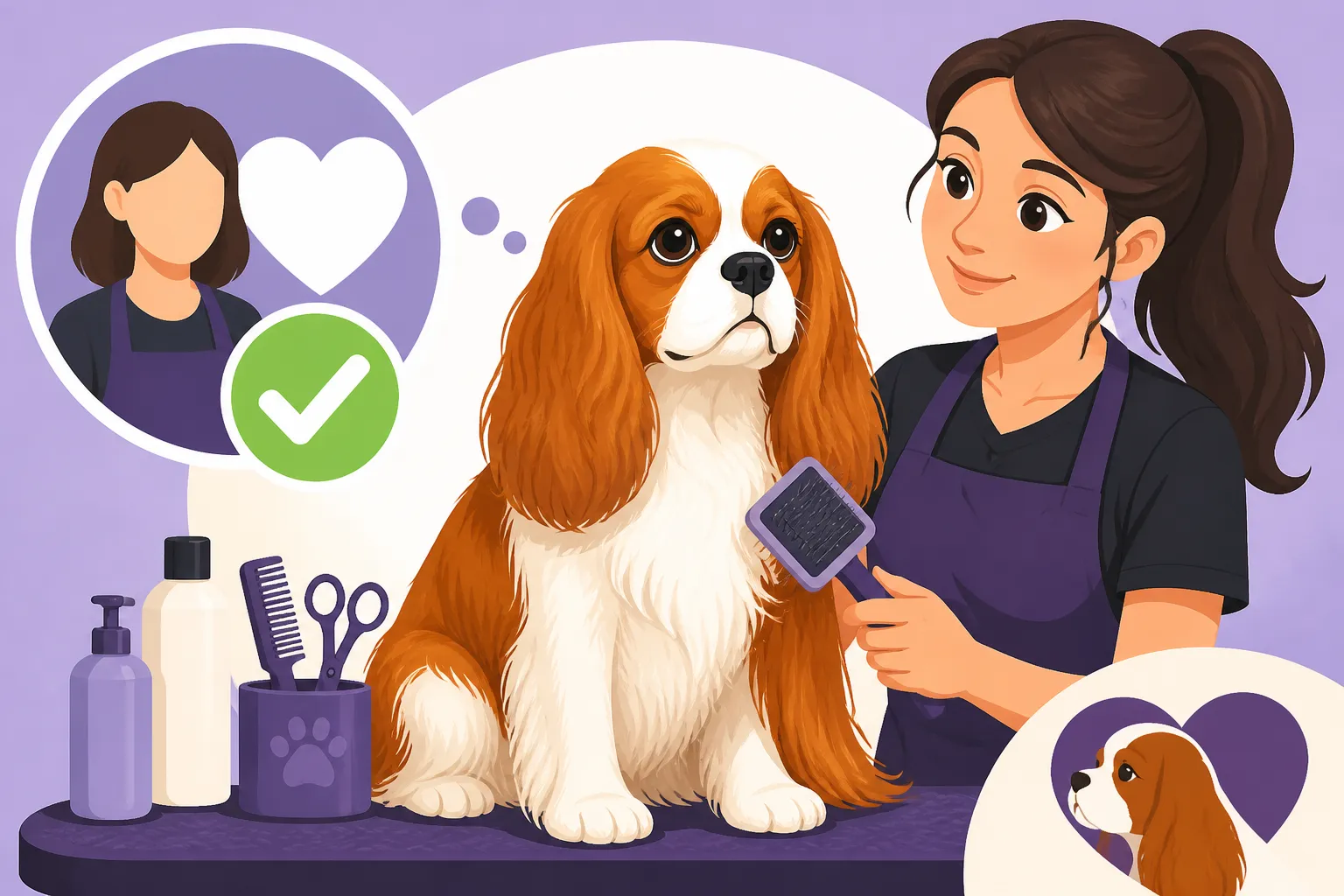
It's a familiar scenario for so many Cavalier King Charles Spaniel owners: you envision your beautiful, silky-coated companion returning from the groomer looking like a show dog, only for them to come back looking… well, a little less regal, or even worse, completely shorn. Finding a groomer who truly understands the unique needs of a Cavalier's coat isn't just about aesthetics; it's about preserving their distinctive look, ensuring their comfort, and preventing damage to their delicate feathering. This guide will walk you through exactly what to look for, what questions to ask, and how to spot the signs of a groomer who knows their Cavaliers from their Cockapoos.
Understanding the Unique Cavalier Coat
Before you can effectively communicate with a groomer, it helps to understand what makes a Cavalier's coat so special and, frankly, a bit challenging. This isn't just another long-haired dog; there are specific characteristics that set them apart.
The Single Layer Secret
Unlike many breeds, especially those originating in colder climates, Cavaliers possess a single coat, meaning they lack the dense, insulating undercoat found in breeds like Golden Retrievers or Huskies. This is a crucial distinction. A single coat is typically softer, silkier, and lies flatter. It's often described as a "wash and wear" coat by those who don't fully grasp the reality of the feathering.
This single layer means their grooming needs are entirely different. You can't "deshed" a Cavalier in the same way you would a double-coated dog. Their shedding is usually lighter and consists of individual hairs, not big clumps of undercoat. More importantly, aggressive raking or attempting to strip an imagined undercoat can severely damage their delicate outer layer, leading to breakage, frizz, and an altered texture that can take a very long time to grow back. A groomer who doesn't understand Why a Cavalier Has No Undercoat might apply techniques utterly unsuitable for your dog, much to your future dismay.
Feathering: The Glory and the Challenge
Ah, the feathering! This is the hallmark of a Cavalier: the long, silken hair on their ears, chest, belly, legs, and tail. When well-maintained, it flows beautifully, giving them that elegant, aristocratic look. However, this beauty comes with its own set of challenges.
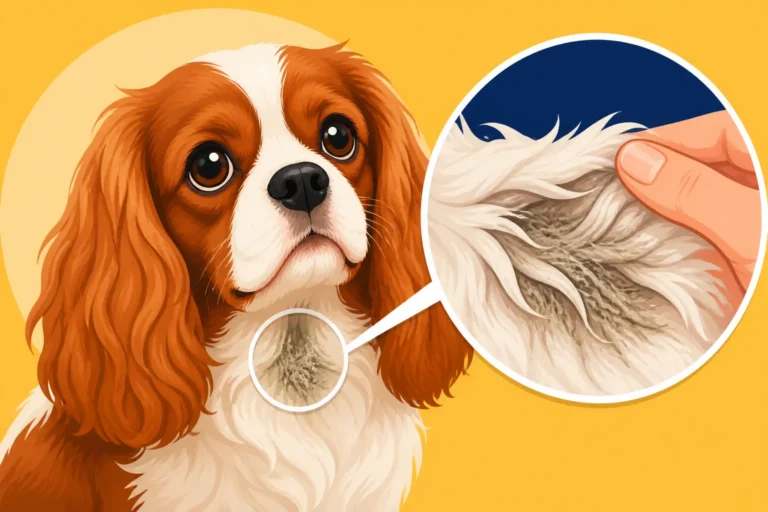
Cavalier feathering is highly prone to matting. The fine texture, combined with their active lifestyles (sniffing every blade of grass, romping in the yard, getting cuddles), means that tangles can form quickly. The areas behind the ears, in the armpits, and on the hocks are notorious for developing stubborn mats. If left unchecked, these can become tight, painful, and even lead to skin irritation or infection. Imagine trying to walk around with knots pulling at your skin all day – that's what a matted Cavalier experiences. Knowing Where a Cavalier Coat Mats First is a critical piece of information for both owners and groomers.
The Breed Standard's View on Grooming
While most Cavalier owners aren't showing their dogs in the ring, understanding the breed standard provides valuable insight into what the "ideal" Cavalier coat looks like and, by extension, how it should be maintained. The standard explicitly states that no trimming, clipping, or artificial alteration is permitted, except for tidying the hair between the pads of the feet. This means a true-to-standard Cavalier groom is about enhancing the natural beauty, not reshaping it with clippers.
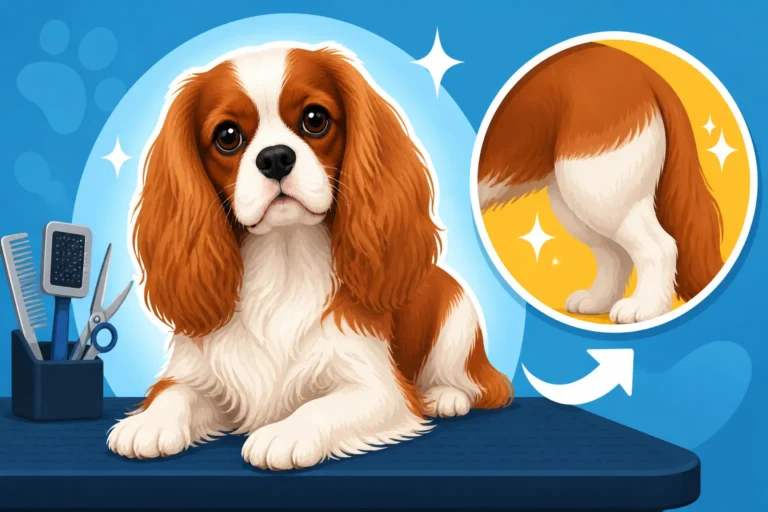
A groomer who respects the breed standard won't suggest shaving down your Cavalier "for summer" or giving them a trendy short cut unless there's a serious medical reason, such as severe matting. They understand that the goal is to keep the coat healthy, clean, and flowing naturally, without altering its length or texture significantly. They know The Cavalier Feet the Standard Says Not to Trim (other than for tidiness) and respect the natural lines of the dog.
What to Look For in a Cavalier-Savvy Groomer
You're not just looking for "a groomer." You're looking for the groomer for your Cavalier. This requires a bit more discernment than simply picking the closest or cheapest option.
Experience with Drop-Eared, Long-Coated Breeds
This is perhaps the most crucial criterion. A groomer who has extensive experience with other long-coated, drop-eared breeds like Cocker Spaniels, English Toy Spaniels, or even certain long-haired Dachshunds, will have a better grasp of a Cavalier's coat type. They'll understand the unique challenges posed by ears that dip into water bowls and food, or the delicate feathering that tangles easily.
Ask about their experience specifically with Cavaliers or similar breeds. A groomer who primarily works with Poodles or short-coated breeds might be fantastic at those, but they may not possess the specialized techniques needed for a Cavalier. You want someone who knows how to line brush properly, who understands the difference between a pin brush and a slicker for this particular coat, and who won't automatically reach for clippers on the feathering. They should be familiar with the common matting points and have strategies for gently working them out, rather than simply resorting to shaving.
A Gentle Hand and Patience
Cavaliers are renowned for their sweet, gentle temperaments. They thrive on affection and positive reinforcement. They are not typically dogs that respond well to rough handling or a rushed, impatient grooming session. In fact, a bad experience can make future grooming a source of immense stress for your dog.
Look for a groomer who demonstrates genuine patience and a calm demeanor. During your initial consultation, observe how they interact with other dogs, and how they speak. Do they seem rushed? Are they forceful? A groomer who takes their time, uses a soothing voice, and allows for breaks is invaluable. This is especially true if your Cavalier is a puppy still getting used to the process, or an older dog with potential joint issues. Remember, a Cavalier's sweet nature means they might tolerate discomfort rather than express it aggressively, but it doesn't mean they aren't stressed or in pain. If your Cavalier typically A Cavalier That Yelps When Picked Up, for instance, a groomer needs to be especially mindful of tender spots.
Understanding Cavalier Health Concerns
A truly excellent Cavalier groomer goes beyond just the coat; they understand the breed's common health issues and how these might impact the grooming process. Cavaliers are prone to conditions like Mitral Valve Disease (MVD), Syringomyelia (SM), and patellar luxation.
- Heart Issues: If your Cavalier has a heart murmur, stress can exacerbate it. A calm grooming environment and gentle handling are paramount.
- Syringomyelia: Dogs with SM can experience neck and back pain. They might find certain positions uncomfortable or painful. A groomer should be aware of this and avoid putting pressure on their neck or twisting their body. They might also notice subtle signs of discomfort you haven't yet, which could prompt a vet visit.
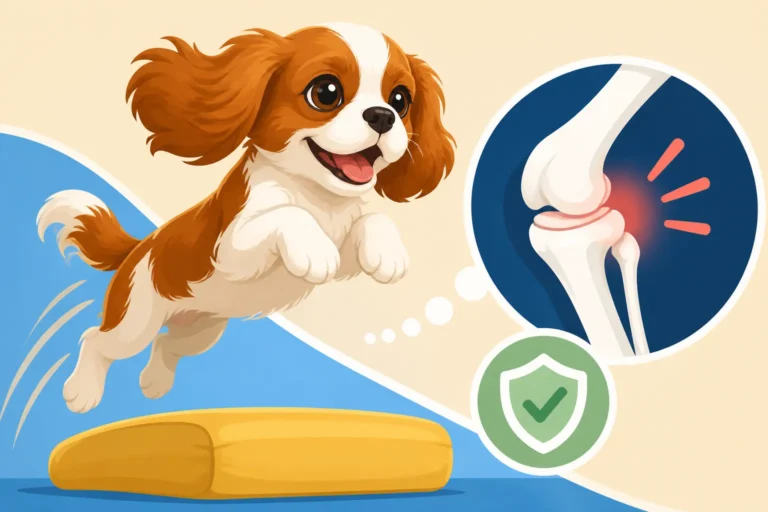
- Joint Problems: Patellar luxation or arthritis means your dog might struggle to stand for long periods or tolerate having their legs stretched. A groomer who understands this will offer breaks, use supportive mats, or even groom the dog on the floor if necessary.
Having a groomer who is knowledgeable about these conditions and willing to adjust their approach accordingly demonstrates a deep level of care and professionalism. It's not just a groom; it's a wellness check bundled in with a spa day.
Questions to Ask Potential Groomers
Don't be shy about asking questions! This is an interview for someone who will be handling your beloved pet, often for several hours. A good groomer will welcome your questions and be happy to explain their methods.
Inquiring About Their Approach to Feathering
This is where the rubber meets the road. Directly ask how they handle Cavalier feathering.
- "Do you typically clip the feathering on a Cavalier, or do you prefer to hand-scissor and tidy it?"
- "What's your philosophy on keeping the length of the ears and tail?"
- "What do you do if a Cavalier's ear feathering is excessively long and dragging?"
A correct answer should revolve around preserving the natural length and texture, using scissors for tidying only, rather than clippers for shortening. For instance, they might explain that they would lightly scissor around the paws to keep them neat but preserve the foot feathering, precisely because they know whether a groomer should not scissor a Cavalier's feet in the traditional way. If they immediately suggest a "summer cut" that involves clipping the body or feathering short, and your dog isn't severely matted, that's a signal to proceed with caution. The aim is to clean and tidy, not to transform into another breed.
Discussing Dematting Techniques
Mats are a common issue, and how a groomer tackles them speaks volumes.
- "How do you approach dematting a Cavalier? What tools and products do you use?"
- "At what point would you decide that a mat needs to be shaved out rather than brushed?"
You want to hear about gentle, humane methods. A groomer should use detangling sprays, wide-toothed combs, and patience. They should explain that aggressive brushing of a mat is painful and traumatic. They should also be upfront about when a mat is too tight or extensive to safely brush out, necessitating a shave. It's far kinder to shave a painful mat than to subject a dog to hours of painful pulling. They should also be able to explain how they might use a specific detangling spray from a brand available on platforms like Chewy or Amazon, paired with careful sectioning, when Working a Mat Out of Cavalier Feathering.
Addressing Specific Cavalier Needs
Cavaliers have certain anatomical features that require special attention.
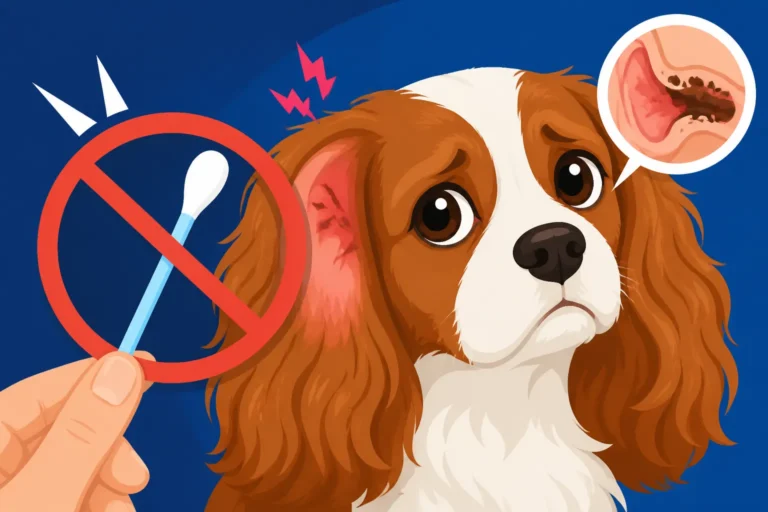
- Ears: "How do you clean a Cavalier's drop ears? Do you pluck hair from the ear canal?" A knowledgeable groomer will clean the visible part of the ear and perhaps lightly trim around the opening but typically won't pluck hair unless specifically instructed by a vet due to recurrent infections. They should know Cavalier Ear Care Under a Heavy Drop Ear is crucial, and what a healthy ear canal looks like.
- Eyes/Face: "How do you handle tear staining and cleaning around their prominent eyes?" They should use gentle, pet-safe wipes or solutions, being very careful around the eyes, which can be prone to dryness or irritation in Cavaliers. Cavalier Eye and Face Cleaning requires a delicate touch.
- Paws: "How do you trim the nails and the hair between the paw pads?" Nails should be kept short, and the hair between the pads trimmed flush to prevent slipping or collecting debris.
Red Flags and Green Lights: What to Watch For
Beyond the questions, pay attention to practical signs that signal whether a groomer is a good fit.
Avoid the "Shave Down" Trap
This is arguably the biggest red flag for a Cavalier owner. Unless your Cavalier is severely matted to the skin or has a specific medical condition (like extensive skin allergies or a major surgery site), a groomer should not recommend a full shave down.
When a Matted Cavalier Has to Be Shaved, it's understandable. It's the most humane option. But a groomer who defaults to shaving simply for convenience, or because they don't know how to handle the coat, is not the right fit. A shaved Cavalier coat can grow back incorrectly, becoming fluffy, coarse, and prone to even worse matting. It also removes the natural protection their coat offers against both heat and cold. A true Cavalier groomer respects the coat's integrity.
Open Communication and Transparency
A good groomer is a good communicator. They should:
- Listen to your concerns: Did you mention a sensitive spot on your dog's back? A good groomer will make a note and handle that area with extra care.
- Explain their process: They should be able to walk you through what they plan to do before they start, and what they did afterward.
- Be transparent about issues: If they found a skin tag, a new lump, or a particularly stubborn mat, they should tell you when you pick up your dog. This kind of observation can be invaluable for your dog's health.
- Provide advice for home care: A truly caring groomer might even suggest tools or techniques for home maintenance, perhaps recommending a specific brush type or detangling spray you can find easily on platforms like Amazon to keep the feathering smooth between visits.
Cleanliness and Safety of the Facility
When you visit the grooming salon, observe the environment.
- Cleanliness: Is the facility generally clean and well-maintained? This indicates professionalism and care. Dirty kennels or grooming tables are a definite no.
- Safety: Are dogs supervised? Are drying cages appropriate? Is there proper ventilation? Is the waiting area separate from the grooming area to reduce stress?
- Comfort: Is the temperature comfortable? Is there calming music? These little touches can make a big difference for a sensitive Cavalier.
- Dog-Friendly Tools: Are their tools clean and well-maintained? Are they using appropriate shampoos and conditioners for sensitive skin? Many groomers use professional-grade products, but asking never hurts.
Here's a quick comparison of different types of grooming services you might encounter:
| Feature | Full-Service Salon Groomer | Mobile Groomer | Vet-Affiliated Groomer |
|---|---|---|---|
| Convenience | Requires drop-off and pick-up | Comes to your home; very convenient | Requires drop-off and pick-up; usually during vet hours |
| Environment | Can be busy, more dogs, louder | One-on-one attention, quiet, less stressful | Often quieter than typical salon; medical oversight |
| Cost | Mid-range | Often higher due to convenience and personalized service | Can be higher; may require vet exam prior |
| Suitability for Cavaliers | Varies widely by individual groomer's experience | Excellent for anxious or older Cavaliers; focused attention | Ideal for Cavaliers with significant health issues or anxiety requiring sedation |
| Health Oversight | Limited; may note issues but not treat | Limited; may note issues but not treat | Direct access to veterinary staff for immediate concerns |
Building a Relationship with Your Cavalier's Groomer
Finding the right groomer is just the first step. Nurturing that relationship is key to consistent, high-quality care for your Cavalier throughout their life.
Regular Appointments and Maintenance
Cavalier coats, particularly the feathering, thrive on regularity. Skipping appointments can lead to severe matting, making the groomer's job harder and potentially causing discomfort for your dog. Most Cavaliers do well with professional grooming every 6-8 weeks, with some needing more frequent tidying around the ears and feet. Understanding Cavalier Grooming Costs Every Six to Eight Weeks helps you budget for this essential care.
Regularity means the groomer gets to know your dog's coat, temperament, and any developing quirks or health concerns. They can catch minor matting before it becomes a major problem, saving your Cavalier from potentially painful dematting or shaving. It also reinforces positive associations with grooming, making each visit less stressful.
At-Home Care as a Partnership
A professional groomer is a partner in your Cavalier's coat health, but they can't do it all. What you do at home between appointments is vital. This includes:
- Regular Brushing: Aim for at least Brushing a Cavalier's Feathering Three Times a Week to prevent mats, especially behind the ears, in the armpits, and on the hocks. A good quality pin brush and metal comb, perhaps from Chewy or Amazon, are your best friends here.
- Ear Checks: Daily checks of their drop ears, wiping away debris, and sniffing for signs of infection.
- Eye Cleaning: Gently wiping away tear stains or crusts to prevent irritation.
- Paw Pad Trims: Keeping the hair between their paw pads short to prevent slipping and debris collection.
When you maintain their coat at home, the professional groomer's job becomes easier and more pleasant for your Cavalier. They can focus on the deeper clean, the perfect trim, and overall coat health, rather than spending hours painfully trying to salvage a neglected coat. It's a team effort!
Advocating for Your Cavalier
Ultimately, you are your Cavalier's voice. If something feels off, or you're not happy with the grooming, speak up. A good groomer values feedback and wants you to be satisfied. If your Cavalier seems unduly stressed or in pain after a groom, investigate. Could it be a new health issue or perhaps a sign that the groomer's approach isn't quite right for your dog? This is especially important as your Cavalier ages, as their physical tolerance for standing or being handled might change, potentially requiring a groomer who is skilled at Grooming an Older Cavalier That Cannot Stand Long.
Finding the right groomer might take a little effort and a few trial runs, but it's an investment in your Cavalier's comfort, health, and their characteristic beauty. When you find that perfect match, you'll know it – your Cavalier will come home looking and feeling fabulous, ready to snuggle up, and you'll have peace of mind knowing they're in excellent hands.
Disclaimer
This article is for general informational purposes only and does not constitute professional advice. Laws, prices and regulations vary by location and change over time. Consult a qualified professional for guidance on your specific situation.