Cavalier Grooming Costs Every Six to Eight Weeks
Bringing a Cavalier King Charles Spaniel into your life is an absolute joy, but it also comes with the responsibility of maintaining their gorgeous, silky coats. Many new owners quickly realize that keeping their Cavalier looking pristine isn't just about occasional baths; it involves a consistent grooming routine that can lead to unexpected costs if you're not prepared. This comprehensive guide will walk you through everything you need to know about budgeting for your Cavalier's grooming, whether you opt for professional services every six to eight weeks or tackle most of the care at home.
Understanding Cavalier Grooming Needs
Cavaliers are renowned for their stunning, flowing coats, but this beauty comes with its own set of care requirements. It’s not just about aesthetics; proper grooming is absolutely vital for your Cavalier's health and comfort.
The Cavalier Coat Type and Why It's Unique
Unlike many other breeds, Cavaliers possess a single coat, meaning they lack an undercoat. This gives them that beautiful, soft, silky texture that's often described as "wash and wear," implying low maintenance. However, this is a common misconception that can quickly lead to problems. While they don't have the dense undercoat of a double-coated breed that requires intense de-shedding, their long, fine hair is incredibly prone to matting.
The real stars of the Cavalier coat are the "featherings" – the longer hair found on their ears, chest, legs, and tail. These magnificent fringes are what give the breed its elegant appearance, but they are also the most susceptible to tangles and knots. Think about your own fine hair; it tangles easily, right? The same applies to your Cavalier. Without regular attention, these feathery sections can quickly become a matted mess, trapping dirt, moisture, and even parasites, leading to skin irritation and discomfort for your beloved companion.
Common Grooming Challenges for Cavaliers
Owning a Cavalier means embracing their unique characteristics, and sometimes, those characteristics present grooming challenges. Their adorable long, drop ears are often the first place problems arise. Because these ears are long and hairy, they frequently dip into food and water bowls, becoming damp and sticky. This creates a perfect breeding ground for bacteria and yeast, often leading to stubborn ear infections. A simple solution like a snood during meal times can help immensely in prevention, but diligent daily checks and cleaning are still paramount.
Beyond the ears, those glorious featherings are magnet for mats. Areas like the armpits, behind the ears, and the groin often get overlooked during quick brushes, allowing small tangles to spiral into painful, tight mats. These mats pull at the skin, making your dog uncomfortable and potentially causing skin infections if left untreated. Many owners are surprised by how quickly a small knot can become a big, painful problem if not addressed immediately.
Another common concern is tear staining around their prominent, expressive eyes. While often more of an aesthetic issue, excessive staining can indicate underlying problems or simply require diligent daily cleaning to keep the area clear and healthy. Lastly, their somewhat crowded jaws make them prone to dental disease. While not a "grooming" task in the traditional sense, dental care is a critical part of their overall hygiene that often gets neglected, leading to expensive veterinary bills down the line.
The Importance of Regular Grooming
Consistent grooming for your Cavalier isn't just about looking good for the dog park; it's a foundational pillar of their overall health and wellbeing. Neglecting their coat can have serious health implications. Mats, as mentioned, can pull at the skin, leading to painful sores, hotspots, and secondary bacterial or yeast infections that require veterinary intervention. Imagine trying to move with a tight knot of hair constantly tugging at your skin – it's incredibly uncomfortable.
Furthermore, regular grooming allows you to closely inspect your Cavalier's skin, ears, eyes, and paws. This routine check-up can help you spot potential issues early, such as lumps, bumps, parasites like fleas or ticks, unusual discharge, or signs of irritation that might otherwise go unnoticed. Early detection often means easier and less costly treatment. For instance, catching an ear infection in its nascent stage might just require some medicated drops, whereas a chronic, severe infection could lead to deafness or require surgery.
Ultimately, maintaining a well-groomed coat contributes significantly to your Cavalier's quality of life. A clean, tangle-free coat allows them to move freely, regulates their body temperature more effectively, and prevents the discomfort and pain associated with neglect. It’s an investment in their happiness and health, ensuring your sweet companion remains comfortable and vibrant.
The True Cost of Professional Grooming
For many Cavalier owners, professional grooming is a regular necessity, providing expert care that keeps their dogs looking and feeling their best. However, understanding what goes into those costs can help you budget effectively.
Standard Grooming Package Breakdown
When you take your Cavalier to a professional groomer, they typically offer a "full-service" or "standard" grooming package. This usually includes a thorough bath using professional-grade shampoos and conditioners designed for sensitive skin and silky coats, a complete blow-dry, and a meticulous brush-out. This brush-out isn't just a quick once-over; it involves carefully working through their feathering to remove any emerging tangles and loose hair.
Beyond the coat care, a standard package will also cover essential hygiene tasks. This includes a nail trim, where the groomer uses professional clippers or a dremel to ensure nails are kept at a healthy length, preventing discomfort and potential paw problems. Ear cleaning is another crucial component, where the groomer will gently clean your Cavalier's ears, removing wax and debris. Lastly, a "sanitary trim" is usually performed, which involves carefully trimming the hair around their private areas and paw pads to maintain cleanliness and prevent matting.
The price for such a comprehensive service for a Cavalier typically ranges anywhere from $60 to $100 or even more, depending on various factors we'll discuss later. A basic package at a larger chain like PetSmart or Petco might fall on the lower end, while an independent, high-end salon could easily be at the higher end. Some groomers might offer a "mini-groom" or "tidy-up" between full sessions, which might include a bath, brush, and sanitary trim for a lower cost, perhaps $40-$60.
Frequency of Professional Grooming
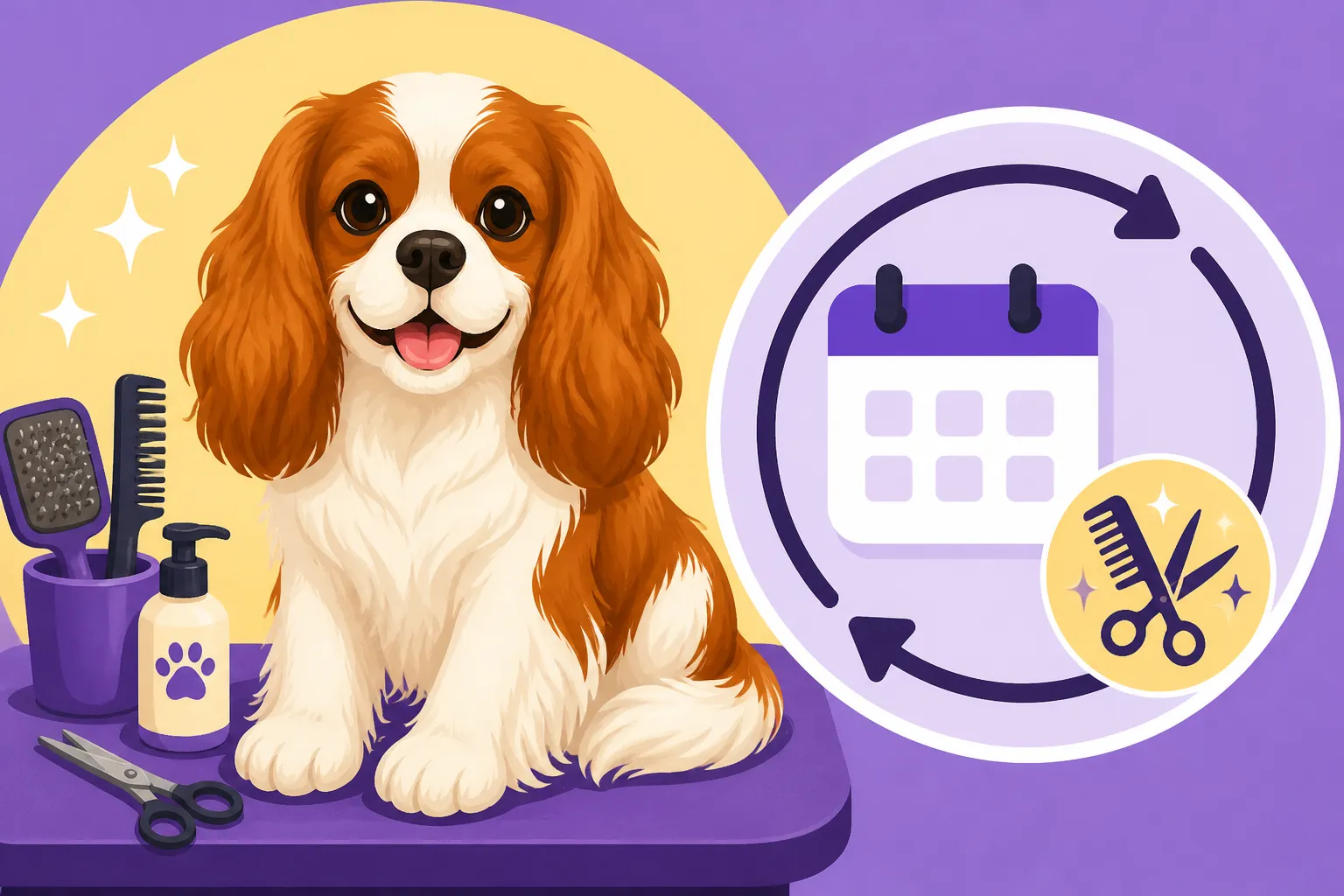
For a Cavalier King Charles Spaniel, the consensus among professional groomers and experienced owners is that a full professional groom every six to eight weeks is ideal. This frequency is not arbitrary; it's carefully calculated to maintain the health and condition of their coat and prevent major issues from developing.
Why every six to eight weeks? Their beautiful long feathering grows steadily. If you wait much longer than this, say ten to twelve weeks, you significantly increase the risk of severe matting, especially in high-friction areas like the armpits and behind the ears. When mats become severe, the grooming process becomes more arduous, more painful for your dog, and consequently, more expensive for you. A groomer might need to charge extra for de-matting services or, in extreme cases, recommend shaving the dog down entirely, which is an additional cost and can temporarily change the appearance of their lovely coat. Regularity is truly key to keeping both your Cavalier and your wallet happy.
Add-on Services and Their Prices
While a standard groom covers the essentials, many groomers offer a menu of add-on services that can enhance your Cavalier's pampering session—and add to the final bill. These aren't always necessary but can be beneficial depending on your dog's specific needs.
For instance, some groomers offer "de-shedding" treatments. While Cavaliers don't have a thick undercoat like a Husky or Golden Retriever, they do shed, and this treatment can help remove loose hair, reducing the amount you find around your home. This might add $10-$25 to your bill. Anal gland expression is another common add-on, typically costing $15-$25. This is a sensitive procedure, and while some dogs need it regularly, it's often best left to a vet if there are concerns, as improper expression can cause injury.
Superficial teeth brushing is also frequently offered, ranging from $10-$20. While a nice touch, it's important to understand that this is purely cosmetic and does not replace regular veterinary dental cleanings or diligent home brushing to address Cavalier Dental Disease in a Crowded Jaw. If your Cavalier has sensitive skin or allergies, you might opt for medicated or hypo-allergenic shampoos and conditioners, which could be an extra $5-$15. Finally, if you request specific styling, like a slight trim to their ear feathering or feet (though the breed standard suggests against trimming their natural feet), this might also incur an extra charge, falling under "special handling" or "custom trim" fees.
DIY Grooming: Saving Money, Investing Time
Taking on some or all of your Cavalier's grooming at home can be a fantastic way to save money and deepen your bond with your dog. However, it requires an investment of time, patience, and the right tools.
Essential Home Grooming Tools and Their Costs
Before you dive into home grooming, you'll need to equip yourself with the right arsenal of tools. Trying to get by with human brushes or inadequate clippers will only lead to frustration for both you and your Cavalier.
Here’s a breakdown of the essentials:
- Slicker Brush: Indispensable for removing tangles and loose hair from the main body and feathering. Look for a good quality brush, often in the $15-$30 range.
- Metal Comb: A fine-toothed metal comb is crucial for getting right down to the skin and ensuring no mats are missed, especially behind the ears and in the armpits. A sturdy one costs $10-$25.
- Nail Clippers or Grinder: You'll need either a scissor-style clipper or a Dremel-style grinder to keep nails short. Many owners prefer grinders as they offer more control and reduce the risk of cutting the quick. Expect to pay $10-$20 for clippers, or $30-$50 for a good quality grinder.
- Dog Shampoo and Conditioner: Never use human products, as they can irritate your dog's skin. Invest in a gentle, moisturizing dog shampoo and a conditioner to keep their silky coat smooth. A good set can cost $20-$40.
- Ear Cleaner: A vet-recommended ear cleaning solution is vital for those long, floppy ears. This can range from $10-$20 per bottle.
- Detangling Spray: A detangling spray can make brushing much easier, especially for tough knots in the feathering. $10-$20.
- Blunt-nosed Scissors: For carefully trimming hair between paw pads or for sanitary trims. Ensure they are blunt-nosed for safety. $10-$15.
The initial investment for these quality tools might seem like a bit much, potentially adding up to $100-$200. However, consider that one professional grooming session can cost $60-$100. Over the lifespan of your Cavalier, these tools will pay for themselves many times over, offering significant long-term savings. Brands like Chris Christensen are renowned for their high-quality grooming tools, while options from Chewy also provide excellent value and variety.
Daily and Weekly Home Grooming Routine
A consistent home grooming routine is the cornerstone of preventing major issues and reducing the need for extensive professional intervention. It's about proactive care rather than reactive problem-solving.
Daily Routine (5-10 minutes):
The most critical daily task is brushing. Specifically, focus on those high-friction areas where mats love to form: behind the ears, in the armpits, and on the long feathering of the legs and tail. Using your slicker brush first to gently work through larger areas, then following up with your metal comb, ensures you're catching any small tangles before they escalate. Think of it as a quick check and tidy-up. If you can get into the habit of Brushing a Cavalier's Feathering Three Times a Week, or even daily, you'll be amazed at how much easier it is to maintain their coat. This routine also doubles as a bonding opportunity and a chance to perform a quick health check.
Weekly Routine (15-30 minutes):
Once a week, dedicate a bit more time to a deeper grooming session. This should include:
- Full Body Brush and Comb: Go through their entire coat meticulously with both the slicker brush and metal comb, making sure to get down to the skin. This helps remove shed hair and identify any hidden knots.
- Ear Check and Cleaning: Lift those beautiful drop ears and inspect the inner ear for redness, discharge, or any unusual odor—all signs of a potential infection. Use your vet-approved ear cleaner to gently clean the visible parts of the ear canal. For more detailed advice, consult our guide on Cavalier Ear Care Under a Heavy Drop Ear.
- Nail Trim: If you're comfortable, trim your Cavalier's nails or use a grinder. Even if you rely on a professional for this, doing it weekly ensures they don't get too long and cause discomfort.
- Paw Pad and Sanitary Trim: Use blunt-nosed scissors to carefully trim any excess hair between their paw pads and around their sanitary areas. This helps prevent debris accumulation and keeps them clean.
- Eye Area Cleaning: Gently wipe around your Cavalier's eyes to remove any crust or tear stains.
Establishing these routines from puppyhood will help your Cavalier become accustomed to handling and make grooming a much more pleasant experience for everyone involved.
The Learning Curve and Potential Pitfalls
While DIY grooming offers significant advantages, it's not without its challenges, especially when you're first starting out. There's definitely a learning curve involved, and patience is your most important tool.
One of the biggest pitfalls is the risk of injury. When trimming nails, for example, cutting too far back can hit the "quick," a sensitive blood vessel and nerve, causing pain and bleeding. This can be traumatic for both you and your dog, making future nail trims a battle. Similarly, improper use of clippers or scissors for sanitary trims can lead to nicks and cuts. Even brushing too aggressively, especially when encountering mats, can cause skin irritation or brush burn. It’s crucial to learn proper techniques, perhaps by watching online tutorials or even having a professional groomer demonstrate the basics.
Your Cavalier's temperament during home grooming can also be a significant hurdle. Some dogs tolerate it beautifully, while others might be anxious, squirmy, or even resistant. Introducing grooming slowly, with plenty of positive reinforcement, treats, and praise, is key. If your dog becomes overly stressed or reactive, it might be a sign that some tasks are best left to a professional, at least until they build more confidence.
Knowing when to call in the professionals is also a vital part of responsible DIY grooming. If you encounter a mat that you simply cannot work out gently, if your dog shows signs of pain or extreme stress during a procedure, or if you suspect a health issue like a recurring ear infection, it's time to seek expert help. Sometimes, even the most dedicated home groomer will need a professional to tackle specific issues or provide a thorough "reset" for the coat.
Specialized Grooming Considerations & Costs
Sometimes, your Cavalier might need more than a standard groom. Certain conditions or neglected areas can lead to specialized needs, and these often come with additional costs.
Dealing with Mats and Tangles
Mats are the bane of any long-haired dog owner's existence, and Cavaliers are particularly susceptible. A small tangle, if left unchecked, can quickly become a tight, painful mat that pulls at the skin, restricting movement and potentially leading to serious skin issues.
When you bring a matted Cavalier to a professional groomer, you'll almost certainly face additional charges. De-matting is an incredibly time-consuming and labor-intensive process. Groomers often charge an hourly rate for de-matting, which can range from $15 to $30 per 15 minutes, on top of the standard grooming fee. This is because it requires specialized tools, extreme care to avoid hurting the dog, and a great deal of patience. If the mats are severe and extensive, the groomer may determine that de-matting would be too painful or stressful for the dog, or even inhumane. In such cases, the only ethical and practical solution is to shave the dog down. This involves using clippers to carefully remove the matted coat, often leaving the dog with a very short "puppy cut" or even bald patches. While this relieves the dog of pain, it still incurs a shaving fee (often equivalent to a full groom or more due to the difficulty) and means your Cavalier will lose their characteristic feathering until it grows back. Our article on When a Matted Cavalier Has to Be Shaved goes into more detail on this topic. Prevention through consistent daily brushing, especially in areas like Mats in a Cavalier's Armpits and Groin, is truly the best strategy to avoid these painful and costly situations.
Ear Care Beyond Basic Cleaning
Those beautiful, floppy Cavalier ears are a magnet for trouble. Beyond routine cleaning, Cavaliers are particularly prone to ear infections, which can escalate into more serious and costly conditions if not addressed promptly.
If your Cavalier develops an ear infection, basic cleaning won't cut it. You'll need a veterinary visit, which typically includes an examination, ear cytology (checking for yeast or bacteria), and prescription ear drops or oral medication. A single vet visit for an ear infection can cost anywhere from $75 to $200, not including the cost of medication (which might be another $30-$70). If the infection is recurrent or chronic, it can lead to more complex issues like "glue ear" (otitis media with effusion), where thick mucus builds up in the middle ear, sometimes requiring specialized diagnostics like video otoscopy or even surgery under anesthesia, which can run into hundreds or even thousands of dollars.
To help mitigate these recurring costs, preventative measures are crucial. Daily ear checks and routine cleaning are paramount. Many owners also find that using snoods, fabric tubes that cover the ears, during meal times or walks can prevent their Cavalier's ears from dragging in food, water, or mud, significantly reducing the chances of infection. For comprehensive advice on managing and preventing these issues, check out our guide on Cavalier Ear Care Under a Heavy Drop Ear.
Dental Health and Its Grooming Implications
While professional groomers might offer a quick brush of your Cavalier's teeth, this is largely cosmetic and cannot prevent or address significant dental disease. Dental health in Cavaliers is a serious concern due to their crowded jaws, which make them prone to plaque and tartar buildup.
When plaque hardens into tartar, it cannot be removed by brushing alone. This leads to gingivitis, periodontal disease, and potentially painful tooth loss or even systemic health issues if bacteria from the mouth enters the bloodstream (which can impact the heart, kidneys, and liver). At this point, your Cavalier will require a professional dental cleaning under general anesthesia at your veterinarian's office.
The cost of a veterinary dental cleaning can vary widely based on your location and the severity of the dental disease. A routine cleaning, which includes scaling, polishing, and a fluoride treatment, might cost anywhere from $300 to $800. However, if your Cavalier needs extractions due to advanced periodontal disease or fractured teeth, the costs can quickly climb. Each extraction can add $50 to $200 or more to the bill, meaning a dog needing multiple extractions could incur a bill of $1,000 to $2,500 or even higher. This is a significant expense that many owners underestimate. Our article on Dental Cleanings a Cavalier Will Need provides more context on this vital aspect of Cavalier care.
To prevent such high costs, daily home dental care is crucial. Brushing your Cavalier's teeth with dog-specific toothpaste, offering appropriate dental chews, and considering dental water additives can significantly reduce plaque buildup and extend the time between professional cleanings. Brands like Virbac offer effective dental care products that can be found at pet supply stores or online at retailers like Chewy.
Factors Influencing Grooming Prices
It's not just the services themselves that dictate the cost of your Cavalier's groom. Several external factors can cause prices to fluctuate, making it essential to understand what you're paying for.
Geographic Location and Local Market Rates
Just like real estate or a cup of coffee, the cost of professional grooming varies significantly based on where you live. Groomers in bustling metropolitan areas or regions with a higher cost of living, such as New York City or coastal California, will inevitably charge more than those in rural towns or areas with lower overheads. This is simply a reflection of differing operational costs, rent, wages, and consumer demand.
For example, a standard full groom for a Cavalier in a smaller town in the Midwest might cost $60-$75, whereas the exact same service at a reputable salon in a major city could easily run you $90-$120, or even more for a highly sought-after groomer. It's always a good idea to research average grooming prices in your specific local area to set realistic expectations. Don't be afraid to call a few different salons to compare their rates and service offerings. This will give you a baseline and help you understand the local market for What a Groomer Charges for a Cavalier.
Groomer Experience and Reputation
The skill, experience, and reputation of your chosen groomer can also heavily influence the price. Just like any service industry, you often get what you pay for.
- Experienced and Certified Groomers: A groomer with years of experience, specialized certifications (e.g., National Certified Master Groomer), or specific breed knowledge (like expertise in Cavalier coats) will generally charge more. Their expertise means they can handle challenging coats, anxious dogs, and produce consistently high-quality results. They often understand specific breed standards and can groom your Cavalier to look its absolute best without compromising its natural coat.
- Independent Salons vs. Chain Stores: Independent grooming salons often have more flexibility in their pricing, and their rates can reflect the individual groomer's skill and the salon's ambiance. Larger pet store chains (like Petco or PetSmart) might have more standardized, often lower, pricing due to their corporate structure and sometimes use less experienced staff. While convenient and often more affordable, ensure the groomer handling your Cavalier is familiar with their specific coat type and temperament.
- Specialty Services: If a groomer specializes in hand-scissoring or other intricate techniques, or if they offer specialized spa treatments, their prices will be higher to reflect that niche service.
Choosing a groomer isn't just about price; it's about trust and comfort. A highly reputable groomer who understands your Cavalier's needs can be worth the extra expense for the peace of mind and excellent results they provide.
Dog's Temperament and Coat Condition
Your Cavalier's individual personality and the condition of their coat play a massive role in how much a grooming session will cost. These factors directly impact the time and effort a groomer must expend.
- Temperament: An easy-going Cavalier who calmly stands for their bath and brush will take less time and effort than one who is anxious, squirmy, or even prone to nipping. Groomers often have to allocate extra time and employ special handling techniques for "difficult" dogs, and this can lead to additional charges, sometimes called a "temperament fee" or "special handling fee." This fee reflects the increased risk to the groomer and the extra time spent to ensure the dog's safety and comfort. It's not punitive but reflective of the added work involved.
- Coat Condition: This is perhaps the most significant variable. A Cavalier with a well-maintained, tangle-free coat will have a straightforward grooming session. However, if your dog arrives with significant matting, excessive shedding (even without an undercoat, Cavaliers shed), or an extremely dirty coat, the groomer will need to spend considerably more time on brushing, de-matting, and potentially multiple shampoo applications. As discussed earlier, de-matting often incurs hourly surcharges. In severe cases where shaving is necessary, that too will cost more than a standard groom. The best way to keep these costs down is consistent home grooming, as preventative care is always cheaper than corrective care.
Budgeting for a Cavalier's Lifetime Grooming
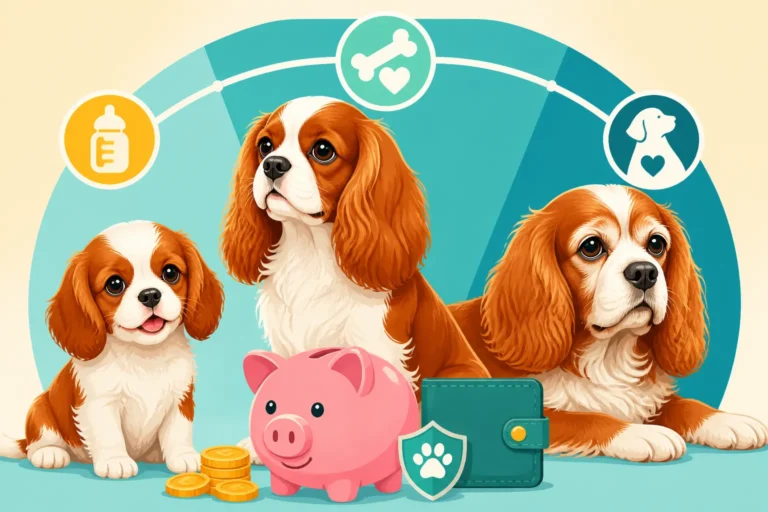
Understanding the sporadic costs is one thing, but planning for your Cavalier's grooming needs over their entire life requires a long-term perspective. These costs will change as they transition from puppyhood to their senior years.
First-Year Puppy Grooming Costs
The first year with your Cavalier puppy is a time of many firsts, and grooming is no exception. Initially, your focus will be on introducing them positively to handling and basic tools.
- Initial Tool Purchases: As mentioned in the DIY section, expect an upfront investment of around $100-$200 for essential brushes, combs, clippers, shampoo, and ear cleaner. These are one-time costs that will last for years.
- Puppy Intro Grooms: Many professional groomers offer special "puppy packages" or "introductory grooms" that are often less expensive, typically ranging from $40-$70. These sessions are shorter and focus on positive exposure to the grooming environment, including the bath, blow dryer sounds, and gentle brushing. The goal is to create a positive experience, not a perfect show groom. You might opt for 2-3 of these sessions between 3 and 6 months of age to get your puppy comfortable.
- Home Supplies Replenishment: You'll likely need to replenish shampoo, conditioner, and ear cleaner periodically throughout the year, adding another $50-$100 to your costs.
Overall, budgeting for the first year, including initial tool purchases and a few introductory professional grooms, could realistically be in the range of $250-$450. This might seem like a lot, but it's an investment in setting your Cavalier up for a lifetime of comfortable grooming.
Adult Cavalier Annual Grooming Budget
Once your Cavalier matures and is accustomed to grooming, your annual budget will primarily revolve around regular professional appointments and ongoing home care.
For most Cavaliers, a full professional groom every 6-8 weeks is ideal. Let's assume an average cost of $75 per groom. Over a year, this translates to 6-8 professional sessions:
- 6 Grooms/year: $75 x 6 = $450
- 8 Grooms/year: $75 x 8 = $600
So, professional grooming alone will likely cost you anywhere from $450 to $600 annually. This doesn't include any potential add-on services or de-matting fees if home care slips.
On top of this, you'll have ongoing costs for your home grooming supplies. Replenishing shampoos, conditioners, ear cleaner, and perhaps replacing a worn-out brush or comb will likely add another $50-$100 per year. If you buy higher-end products or treat yourself to new tools, this could be more.
Therefore, for a healthy, well-maintained adult Cavalier, you should budget approximately $500-$700 per year for grooming. This figure highlights how quickly costs can add up, and why it's a crucial part of calculating What a Cavalier Costs a Year Before Any Heart Bills. Proper budgeting helps ensure your furry friend receives the consistent care they need without breaking the bank.
Senior Cavalier Grooming Needs and Expenses
As your Cavalier ages, their grooming needs, and consequently the expenses, can subtly shift. Senior Cavaliers often become more sensitive, experience joint pain, or develop health conditions that make grooming more challenging. Our guide on Caring for a Cavalier Past Nine goes into detail about these changes.
- Increased Sensitivity and Patience: Older Cavaliers might have arthritis, especially in their hips or back, making standing for long periods on a grooming table uncomfortable. This means groomers might need to take more breaks, use softer surfaces, or even groom in stages. This extended time and specialized care can sometimes lead to "senior dog" or "special handling" fees, adding an extra $10-$30 per session. It's vital for groomers to be gentle, understanding, and patient with older dogs. For some tips on adapting grooming for older dogs, check out Grooming an Older Cavalier That Cannot Stand Long.
- Skin and Coat Changes: Senior Cavaliers can sometimes develop drier skin, thinning coats, or even skin tags and benign lumps that require careful handling. They might also be more prone to mats if their activity levels decrease and regular brushing becomes less consistent. This could necessitate more frequent professional visits or specialized shampoos and conditioners for sensitive, aging skin.
- Dental Issues: Dental disease often worsens with age, making regular professional cleanings even more critical. These veterinary procedures, as discussed, can be significant costs, often increasing in complexity (and price) as the dog gets older.
- Veterinary Involvement: If an older Cavalier develops skin infections, ear problems, or other health issues linked to grooming, these will require veterinary intervention, adding to the overall cost.
While the base grooming cost might not drastically increase, the potential for special handling fees, more frequent visits, and higher veterinary bills related to age-associated grooming challenges means you should budget on the higher end, perhaps $600-$900 annually, for a senior Cavalier's grooming and related health maintenance.
Tips for Reducing Grooming Expenses
Grooming costs can add up, but there are several smart strategies you can employ to keep your Cavalier looking great without emptying your wallet.
Consistent Home Care is Key
This cannot be stressed enough: the single most effective way to reduce your Cavalier's grooming expenses is diligent, consistent home care. Preventative maintenance is always cheaper, and less stressful, than corrective measures.
- Daily Brushing: Make it a non-negotiable part of your routine. Five to ten minutes each day, focusing on the feathering and high-friction areas (armpits, behind ears, groin), can prevent almost all matting. If your Cavalier doesn't arrive at the groomer with mats, you won't pay de-matting fees. Use the right tools – a slicker brush and a metal comb like the ones available from Chewy or specialized brands. A good metal comb, as detailed in The Combs That Reach Cavalier Feathering, is essential to get through those tricky areas.
- Regular Ear Checks and Cleaning: Prevent ear infections by regularly inspecting and cleaning your Cavalier's ears. This simple act can save you hundreds of dollars in vet bills for ear infection treatments.
- Nail Trims: Learn to trim your Cavalier's nails at home. Long nails can cause discomfort, lead to paw problems, and even change your dog's gait. If you're nervous, ask your vet or groomer for a demonstration.
- Bathing at Home: While professional baths are thorough, you can certainly bathe your Cavalier at home between professional grooms to keep them clean and fresh. Use a good quality dog shampoo and conditioner.
By investing a little time each day, you'll not only save money but also enhance your bond with your Cavalier and keep them much more comfortable between professional visits.
Finding the Right Groomer for Your Budget
Not all groomers are created equal, nor are their prices. Shopping around and being strategic can help you find quality care that fits your budget.
- Compare Prices: Don't just pick the first groomer you find. Call a few different salons in your area, inquire about their Cavalier grooming packages, and compare what's included and the price.
- Ask About Packages and Loyalty Programs: Some groomers offer discounts for regular clients or package deals if you pre-book multiple sessions.
- Consider Mobile Groomers: While often slightly more expensive per session due to the convenience they offer, mobile groomers come to your home. This can reduce stress for anxious dogs, save you travel time and gas, and sometimes their individualized attention makes it worth the slight premium.
- Grooming Schools: If there's a reputable grooming school in your area, they often offer services at a reduced rate. These grooms are performed by students but are supervised by experienced instructors, providing a budget-friendly option for quality care.
- Self-Wash Stations: Some pet stores or specialized facilities offer self-wash stations where you can bathe your dog using their tubs, shampoos, and dryers for a flat fee (e.g., $15-$25). This can be a great way to handle baths between professional grooms without making a mess at home.
The goal isn't necessarily to find the cheapest groomer, but rather one who provides excellent care for a fair price, and ideally, someone who is familiar with the nuances of a Cavalier's coat.
Exploring Pet Insurance for Related Costs
While pet insurance typically doesn't cover routine grooming services, it can be an invaluable financial safety net for health issues that might arise from, or be related to, grooming challenges. Think of conditions like severe skin infections from matting, chronic ear infections, or even dental disease that requires extensive extractions.
Many pet insurance providers, such as Healthy Paws, offer comprehensive plans that cover accidents and illnesses. If your Cavalier develops a severe ear infection that requires multiple vet visits, diagnostic tests, and expensive medications, or a serious skin infection that needs prescription treatments, your pet insurance could significantly reduce your out-of-pocket costs. This is particularly relevant as Cavaliers are prone to chronic ear issues due to their drop ears.
It's crucial to enroll your Cavalier in pet insurance before any symptoms of these conditions appear, as most policies will consider existing conditions (like an already diagnosed ear infection or heart murmur) as "pre-existing" and exclude them from coverage. Our article Insuring a Cavalier Before the Murmur Arrives highlights the importance of early enrollment. While the monthly premiums add to your overall pet ownership costs, the potential savings on unexpected veterinary bills related to grooming-preventable or grooming-exacerbated conditions can be substantial over your Cavalier's lifetime. Always read the policy details carefully to understand what is and isn't covered.
Disclaimer
The information provided in this article is for general informational purposes only and does not constitute professional veterinary advice. Always consult with a qualified veterinarian or professional groomer for any specific health or grooming concerns regarding your Cavalier King Charles Spaniel. Prices mentioned are estimates and can vary significantly based on location, service provider, and individual circumstances.