Cavalier Ear Care Under a Heavy Drop Ear
Anyone who shares their life with a Cavalier King Charles Spaniel knows the joy and companionship they bring. But alongside that sweet disposition and silky coat often comes a familiar, frustrating challenge: persistent ear problems. Their beautiful, long drop ears, while undeniably charming, unfortunately create a perfect breeding ground for all sorts of issues. This guide will dive deep into understanding why Cavalier ears are so prone to trouble and, more importantly, equip you with the knowledge and practical steps to keep your beloved companion's ears healthy, clean, and comfortable.
Understanding the Cavalier's Unique Ear Anatomy and Why It Matters
Our sweet Cavaliers, with their melting eyes and affectionate nature, are blessed with those luxuriously long, feathery ears that just scream "regal." But what makes them so endearing also makes them susceptible to a host of ear woes. It's not just a superficial aesthetic; their ear structure directly impacts their health.
The Anatomy of a Cavalier's Drop Ear
Imagine your Cavalier's ear, not just the visible flap, but the entire structure. The visible part, called the pinna, is long and heavy, covered in dense feathering. Unlike a dog with upright ears that allow for ample airflow, a Cavalier's ear flap hangs down, covering the opening of the ear canal. This creates a kind of protective barrier, which sounds nice in theory, but in practice, it seals off the ear canal from fresh air and light. Think of it like a warm, dark, humid cave – an ideal environment for microorganisms to thrive.
Beneath the pinna, the ear canal itself is a complex, L-shaped tube. It starts vertically, then makes a sharp turn horizontally before reaching the eardrum. This winding path means that any debris, moisture, or foreign bodies that get in have a hard time getting out. For a Cavalier, this anatomy is a genetic predisposition that we, as owners, need to work with, not against. Regular checks and proactive cleaning become non-negotiable parts of their care.
How Drop Ears Create a Problematic Environment
The heavy drop ears of a Cavalier, combined with their dense feathering, act like a natural incubator. Air circulation is dramatically reduced. This means that moisture from baths, swimming, or even just humidity in the air gets trapped inside the ear canal. This moist, warm, and dark environment is exactly what yeast and bacteria love. They flourish in these conditions, leading to overgrowth and infection.
Furthermore, the long ear leather can sometimes rub against the ear canal opening, causing irritation and inflammation even before an infection takes hold. This constant slight friction can compromise the skin's natural barrier, making it easier for opportunistic pathogens to invade. It's a subtle but significant factor in why our Cavaliers can seem to develop ear problems out of nowhere, even with seemingly diligent care. Understanding this constant battle against trapped moisture is key to successful long-term ear health for your Cavalier.
Common Ear Problems Exacerbated by Anatomy
Given this unique anatomy, certain ear problems become almost synonymous with the Cavalier breed. Otitis externa, or inflammation of the external ear canal, is by far the most common. This can be caused by yeast, bacteria, or a combination of both. You'll recognize it by symptoms like redness, swelling, discharge, and that tell-tale foul smell. Why a Cavalier's Drop Ears Trap Infection delves deeper into the mechanisms at play.
Beyond simple infections, the lack of airflow and buildup of wax and debris can lead to more severe issues. "Glue ear," or primary secretory otitis media (PSOM), is a particularly nasty condition where thick mucus fills the middle ear, often without an obvious external infection. This can be incredibly painful and impact hearing. Ear mites, while less common with good hygiene, can also find a happy home in the protected environment of a Cavalier's ear. Even something as innocent as excessive ear hair can exacerbate problems by trapping more debris and moisture, further sealing off the canal.
Recognizing the Early Signs of Cavalier Ear Trouble
One of the biggest advantages you have as a Cavalier owner is your close bond with your dog. You know their quirks, their normal behaviors, and when something is just "off." Being observant about their ears can make all the difference in catching problems early, before they escalate into painful, chronic conditions.
Behavioral Cues to Watch For
Our Cavaliers are masters of subtle communication. When their ears start bothering them, they might not scream, but they'll certainly give you clues. The most obvious sign is often excessive scratching at the ears or shaking of the head. It might start subtly, just a quick shake after a nap, but if it becomes frequent or intense, it's a red flag. You might notice them rubbing their head against furniture or the carpet, trying to relieve the itch or discomfort.
Sometimes, they might become sensitive when you touch their head or ears. A dog who usually loves a good ear rub might pull away, yelp, or even snap if the pain is severe. Changes in their posture, like tilting their head to one side, can also indicate a problem. They might seem more withdrawn, less playful, or generally "down" if they're in discomfort. Any deviation from their normal happy-go-lucky self warrants a closer look at their ears.
Visual and Olfactory Indicators of Infection
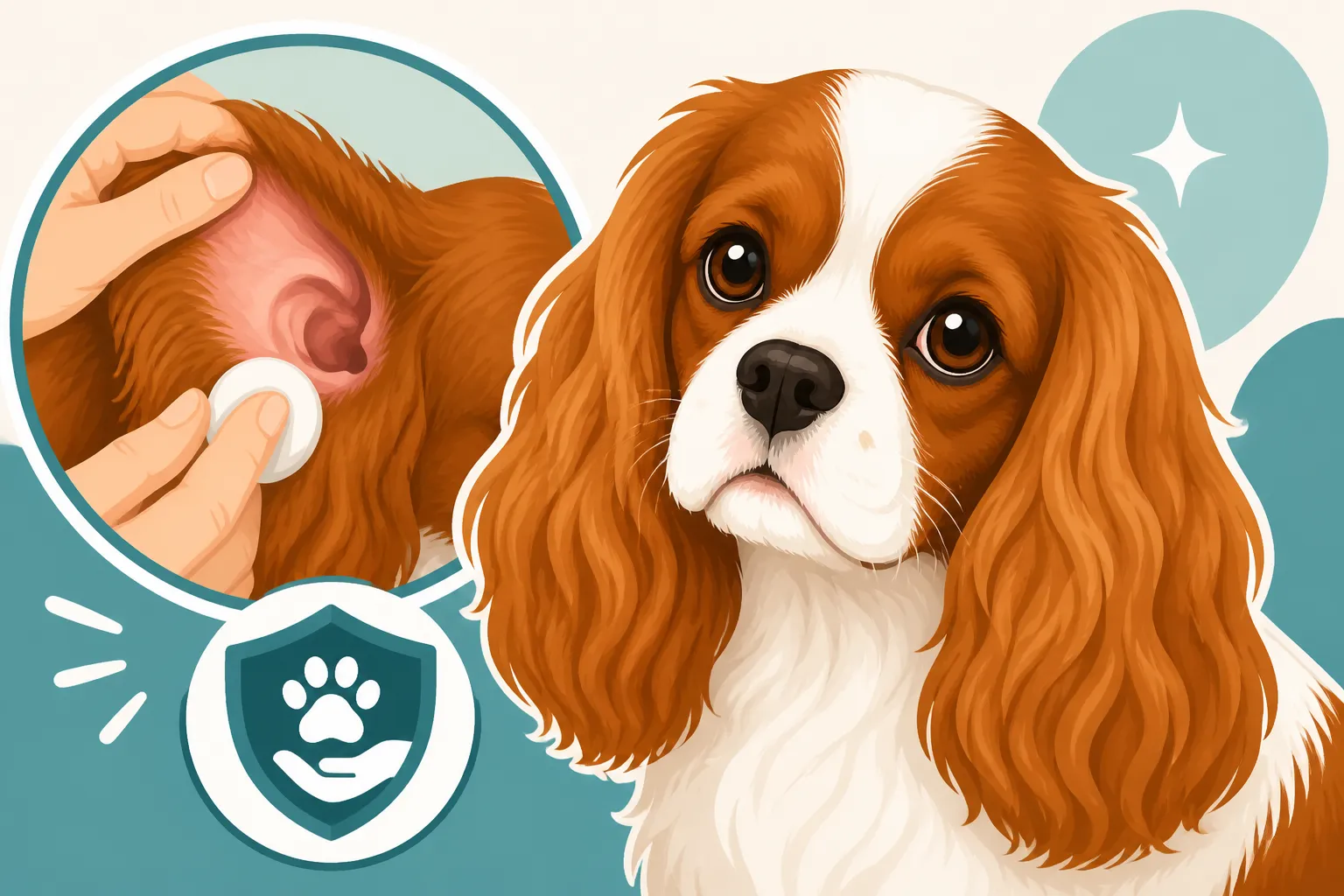
Beyond behavior, your senses are your best diagnostic tools. Take a moment to gently lift your Cavalier's ear flap and peek inside. A healthy ear canal should be pale pink, clean, and relatively free of odor. If you see redness, swelling, or crusting around the ear opening, that's a sign of inflammation. You might also notice discharge – it could be brownish-black and waxy, yellow, or even pus-like and green. The color and consistency can sometimes give your vet clues about the type of infection.
And then there's the smell. Oh, that tell-tale smell! A healthy ear has little to no odor. An infected ear, particularly with a yeast infection, can have a strong, sweet, or musty smell, often described as smelling like stale bread or corn chips. Bacterial infections might produce a more pungent, foul odor. The Smell That Means a Cavalier Ear Infection goes into more detail about these distinct scents. Trust your nose; if it smells "off," there's likely an underlying issue.
When a Seemingly Minor Issue Isn't
It's easy to dismiss a little head shake or a bit of ear wax as "just a dog thing." But with Cavaliers, what seems minor can quickly become a much bigger problem. A small amount of redness or a slight increase in scratching can be the very first sign of an impending infection that, if left untreated, will become deeply entrenched and painful. Ear infections, especially bacterial ones, can migrate deeper into the ear canal and even affect the middle or inner ear, leading to balance issues, hearing loss, or more complex neurological symptoms.
Even if you only notice a bit more debris than usual, it's worth increasing your cleaning frequency and observing closely. Ignoring these early warnings means a longer, more expensive, and more uncomfortable road to recovery for your Cavalier. It's always better to be proactive and consult your vet if you're unsure, rather than waiting for your dog to be in severe pain. Regular, mindful observation during Daily Ear Checks on a Cavalier is truly your best defense.
The Essential Daily and Weekly Ear Care Routine for Cavaliers
Establishing a consistent ear care routine is probably the single most impactful thing you can do to prevent painful ear infections and maintain your Cavalier's comfort. It's not about being obsessive, but about being proactive and consistent, fitting it naturally into your week.
Daily Ear Flap Checks and Gentle Cleaning
Every single day, take a minute to gently lift your Cavalier's ear flaps. Look at the inside of the flap and the opening of the ear canal. Are there any new scratches from them itching? Is the skin red? Do you see any unusual discharge or debris? Does it smell normal? This quick visual and olfactory check takes mere seconds but can catch a problem before it takes root. If you notice any superficial dirt or gunk on the visible part of the ear flap, a soft, damp cloth can wipe it away.
It's also a good habit to gently wipe the visible folds and crevices of the pinna with a soft cotton pad moistened with a gentle ear cleaner. This isn't about deep cleaning the canal, but about removing surface grime and maintaining hygiene in the areas that are most exposed to the elements and can trap dirt. Make it a positive experience with praise and a small treat so your Cavalier associates ear checks with pleasant interactions.
Weekly Deep Cleaning with the Right Products
Once a week, or more frequently if your vet recommends it due to previous issues, it's time for a more thorough cleaning of the ear canal. This is where a good quality ear cleaner comes in. You want one that is formulated for dogs, pH-balanced, and ideally contains drying agents or ingredients that discourage yeast and bacterial growth. Many vets recommend cleaners with a gentle acidifying agent like boric acid or salicylic acid, or a ceruminolytic to help break down wax.
To perform the cleaning:
- Gather your supplies: chosen ear cleaner, cotton balls, and a towel.
- Hold your Cavalier gently but firmly.
- Lift the ear flap and hold it up.
- Carefully insert the nozzle of the ear cleaner into the ear canal, but not too deeply. You're aiming to fill the canal with the solution.
- Gently squeeze the bottle to release a generous amount of cleaner.
- Massage the base of the ear for 20-30 seconds. You should hear a squishing sound as the liquid works its way through the canal. This helps loosen debris.
- Allow your Cavalier to shake their head. Stand back and let them! This is a crucial step as it helps dislodge and bring up the loosened gunk.
- Use a cotton ball or soft cloth to wipe away any cleaner and debris that comes to the surface. Never use cotton swabs deep inside the ear canal, as this can push debris further in or damage the eardrum.
Repeat the process on the other ear. The key is to be consistent and gentle. Many good quality cleaners are available from reputable pet suppliers like Chewy or Amazon. Ear Cleaner Worth Using on a Cavalier can provide more guidance on product choices.
Tools and Supplies Every Cavalier Owner Needs
To maintain a stellar ear care routine, having the right tools on hand makes all the difference. Beyond a good ear cleaner and plenty of cotton balls or soft cloths, consider investing in a few other items. A snood, for instance, is a fabric tube that slips over your Cavalier's head, keeping their long ears out of their food and water bowls. This simple accessory can significantly reduce the amount of moisture and food debris that gets into their ears, especially at mealtime. You can find a variety of snoods on Amazon.
Good quality grooming scissors with blunt tips are also useful for carefully trimming any excessive hair that grows just inside the ear canal opening. This hair can trap moisture and debris, further impeding airflow. If you're unsure about this, ask your professional groomer or vet to demonstrate, or to perform the trim for you. Additionally, having a bright penlight can help you get a clearer view inside the ear canal during your daily checks, allowing you to spot subtle changes or abnormalities more easily.
Choosing the Right Ear Cleaners and Prevention Products
With a dizzying array of ear cleaning products on the market, it can feel overwhelming to pick the right one for your Cavalier. However, making an informed choice is crucial to effective prevention and care.
What to Look For in a Quality Ear Cleaner
A quality ear cleaner for a Cavalier should be gentle yet effective. Look for products specifically formulated for dogs, as human ear cleaners can be too harsh or contain ingredients that are unsafe for pets. The best cleaners often have a slightly acidic pH, which helps to create an environment less hospitable to yeast and bacteria. Ingredients like boric acid, salicylic acid, or malic acid are commonly found for their antiseptic and drying properties. Aloe vera or other soothing agents can also be beneficial, especially if your Cavalier's ears tend to be sensitive.
Some cleaners focus on breaking down wax (ceruminolytics), while others prioritize drying or antiseptic action. For a Cavalier prone to moisture-related issues, a cleaner with good drying properties is usually a smart choice. If your dog frequently gets waxy ears, a ceruminolytic can be very helpful. Read reviews and, ideally, ask your veterinarian for their recommendation. They often have professional-grade products or can guide you to over-the-counter options that they trust. Remember, consistency in use is often more important than the specific brand, as long as it's a good quality product.
Ingredients to Avoid and Why
Just as important as knowing what to look for is knowing what to avoid. Steer clear of any ear cleaners containing alcohol, hydrogen peroxide, or witch hazel. While these might seem like good disinfectants, they can be highly irritating to the delicate skin of a dog's ear canal, causing dryness, inflammation, and even pain. Alcohol, in particular, can cause a burning sensation, making your Cavalier resist future ear cleanings.
Similarly, avoid scented products with artificial fragrances. These perfumes can be irritants and may mask underlying odors that could signal an infection. Your dog's nose is much more sensitive than yours, and strong scents can be unpleasant for them. Stick to mild, unscented, or naturally scented (e.g., with a hint of tea tree oil, though even natural essential oils should be used with caution and vet approval) formulations. Always check the ingredient list carefully, especially if your Cavalier has known sensitivities or allergies.
Prevention Strategies Beyond Cleaning (e.g., drying, diet)
While regular cleaning is paramount, prevention for Cavaliers extends beyond just swabbing and squirting. Thorough drying of the ears after baths or swimming is critical. Use a soft towel to gently blot and dry the visible parts of the ear, and consider using a low-heat hairdryer held at a safe distance to help dry the ear canal after a bath, particularly if your dog is prone to moisture-related issues.
Diet can also play a significant role. Food allergies or sensitivities can manifest as skin and ear problems, leading to inflammation that makes the ears more susceptible to infection. If your Cavalier suffers from recurrent ear infections, discussing a dietary change with your vet might be worthwhile. This could involve trying a limited ingredient diet or a hydrolyzed protein diet under veterinary guidance. Companies like Ollie, known for their fresh, real food options, might offer tailored meal plans that could reduce inflammatory responses, though always consult your vet before making significant dietary changes. Ensuring your Cavalier stays at a healthy weight also supports overall health, reducing systemic inflammation that can contribute to ear issues.
| Ear Problem Type | Common Signs | First Steps for Owners | When to See the Vet |
|---|---|---|---|
| Yeast Infection | Musty/sweet smell, dark brown/waxy discharge, itching, redness | Gentle cleaning with anti-fungal ear cleaner, keep ears dry | If symptoms don't improve in 2-3 days, or if severe pain |
| Bacterial Infection | Foul odor, yellow/green discharge, severe pain, swelling, head tilt | Gentle cleaning, do not self-treat with antibiotics | Immediately. Requires prescription antibiotics. |
| Ear Mites | Dark, crusty "coffee grounds" discharge, intense itching, head shaking | Gentle cleaning to remove debris, consult vet for treatment | Immediately. Requires specific anti-mite medication. |
| Allergies | Recurrent infections, generalized itching, paw licking, skin redness | Identify and eliminate allergens (food/environmental), vet for diagnosis | If recurrent, persistent, or other allergy symptoms appear |
| Foreign Body | Sudden, intense head shaking, pawing at ear, pain (often one-sided) | Gentle visual check only, do not try to remove deeply | Immediately. Can cause severe damage if pushed deeper. |
| Aural Hematoma | Swelling/fluid-filled lump on ear flap (looks like a pillow) | Keep dog from shaking head (e.g., Elizabethan collar) | Immediately. Requires veterinary intervention (drainage/surgery). |
| "Glue Ear" (PSOM) | Head tilt, pain (especially when mouth open/chewing), muffled hearing, neurological signs | Keep external ear clean | Immediately. Requires specialized diagnosis (MRI) and treatment. |
Navigating Common Cavalier Ear Infections and Their Treatment
Despite your best efforts, your Cavalier might still experience an ear infection. It's not a failure on your part; sometimes, their anatomy and sensitivities are just that challenging. Knowing what to expect and how to react is key to effective treatment.
Yeast Infections: Identification and Treatment
Yeast infections are incredibly common in Cavaliers dueating their moist, warm ear canals. The culprit is often Malassezia pachydermatis, a yeast that naturally lives on dog skin but can overgrow in favorable conditions. You'll usually notice a distinct sweet or musty odor, often described as smelling like corn chips or stale bread. The discharge is typically dark brown and waxy, and the ear might appear red and itchy. Yeast Under a Cavalier's Ear Flap is a common area for this to start.
Treatment for yeast infections often involves topical antifungal ear drops prescribed by your veterinarian. These drops contain ingredients like miconazole or clotrimazole, which effectively kill the yeast. Your vet might also recommend a specific ear cleaner to use before applying the drops, helping to clear out debris so the medication can work more effectively. It's absolutely crucial to follow your vet's instructions precisely regarding dosage and duration, even if the ear seems to improve quickly. Stopping treatment too early can lead to a relapse and more resistant infections.
Bacterial Infections: When to See the Vet
Bacterial ear infections are often more serious and can be very painful for your Cavalier. They can be caused by various bacteria, including Staphylococcus or Pseudomonas. Signs often include a foul, pungent odor, yellow or green pus-like discharge, severe redness and swelling, and intense pain to the touch. Your Cavalier might hold their head tilted, or cry out when they shake their head.
If you suspect a bacterial infection, it's vital to see your veterinarian immediately. They will likely take a swab from the ear to examine under a microscope (cytology) to identify the type of bacteria and rule out yeast. In some cases, a culture and sensitivity test might be done to determine the exact bacteria and which antibiotics will be most effective. Treatment almost always involves prescription antibiotic ear drops, and sometimes oral antibiotics, particularly if the infection is deep or severe. Never try to treat a bacterial infection with over-the-counter products, as you could worsen the problem or cause antibiotic resistance.
The Role of Underlying Allergies in Recurrent Infections
For many Cavaliers, recurrent ear infections aren't just random occurrences; they are often a symptom of an underlying allergy. Whether it's environmental allergens (pollen, dust mites) or food allergies, these sensitivities cause inflammation throughout the body, including the skin lining the ear canal. This inflammation makes the ear canal itchier, redder, and more susceptible to yeast and bacterial overgrowth. It's a vicious cycle: the allergy causes inflammation, which leads to infection, which causes more inflammation.
If your Cavalier is constantly battling ear infections, your vet will likely want to investigate potential allergies. This might involve blood tests, skin testing, or dietary trials to pinpoint the allergen. Managing the underlying allergy is paramount to breaking the cycle of recurrent infections. This could mean allergy medications, immunotherapy, or a strict hypoallergenic diet. Whether Cavalier Ear Infections Are Allergic is a common question, and for many, the answer is a resounding yes. Addressing the root cause is the path to long-term ear health and comfort for your beloved Cavalier.
Addressing Advanced Ear Issues: From Hematomas to "Glue Ear"
Sometimes, ear problems can go beyond simple infections, requiring more intensive medical or even surgical intervention. Being aware of these more advanced conditions can help you act swiftly if they arise.
Understanding Aural Hematomas and Their Management
An aural hematoma is a blood blister that forms on the ear flap itself, usually as a result of trauma from excessive head shaking or scratching. When your Cavalier shakes their head violently due to an itchy ear, the tiny blood vessels in the ear flap can rupture, and blood collects between the cartilage and skin, causing a soft, fluid-filled swelling that can grow quite large, resembling a pillow on their ear. This can be very uncomfortable and even disfigure the ear if left untreated.
Treatment for an aural hematoma almost always requires veterinary intervention. Options include draining the hematoma and injecting steroids, or more commonly, surgical repair. During surgery, the vet drains the blood and places sutures through the ear flap to hold the skin and cartilage together while it heals, preventing the space from refilling with blood. Post-surgery, your Cavalier will likely wear an Elizabethan collar to prevent further self-trauma, and you'll need to keep the ear clean as it heals. It's essential to also address the underlying cause of the head shaking – usually an ear infection – to prevent recurrence.
"Glue Ear" and Its Serious Implications for Cavaliers
"Glue ear," medically known as Primary Secretory Otitis Media (PSOM), is a particularly insidious condition seen in Cavaliers. It involves the accumulation of thick, tenacious mucus (the "glue") in the middle ear, behind an intact eardrum. Unlike external ear infections, there's often no visible discharge from the outer ear, making it difficult to diagnose. The cause is thought to be related to the Cavalier's unique head structure and Eustachian tube dysfunction.
PSOM can cause significant pain, head tilt, neurological signs, and even deafness. Cavaliers with glue ear might yelp when chewing or yawning, seem to have difficulty opening their mouths, or scratch incessantly at an otherwise "clean" ear. Diagnosis often requires specialized imaging like an MRI or CT scan to confirm the presence of fluid behind the eardrum. Glue Ear in a Cavalier and How It Is Found provides detailed insight into this often-missed condition. Treatment usually involves myringotomy (a small incision in the eardrum to drain the fluid) under general anesthesia, often combined with long-term medication to reduce inflammation and mucus production.
Surgical Interventions for Chronic Ear Disease
For some Cavaliers, especially those with severe, chronic ear infections that don't respond to medical management, surgical interventions might become necessary. Persistent inflammation can lead to irreversible changes in the ear canal, such as calcification (hardening) of the cartilage, narrowing of the canal, or the formation of polyps, making it impossible for medication to reach the infection.
One common surgical procedure for chronic ear disease is a Total Ear Canal Ablation (TECA) with Bulla Osteotomy. This is a radical surgery where the entire diseased ear canal is removed, and the middle ear is cleaned out. While it sounds extreme, for a dog suffering from constant, excruciating pain and infection, it can provide immense relief and a dramatically improved quality of life. It does result in permanent deafness in the affected ear, but for dogs who have been battling chronic infection, their hearing is often already compromised. This is a last resort, usually performed by a veterinary specialist, and always after careful consideration of the dog's individual situation and prognosis.
Proactive Measures and Lifestyle Adjustments for Long-Term Ear Health
While some ear issues are almost inevitable for Cavaliers, there's a lot you can do as an owner to minimize risks and support their long-term ear health. It's about a holistic approach that goes beyond just cleaning.
Dietary Considerations and Their Impact on Ear Health
As mentioned earlier, diet plays a huge role in overall health, and ear health is no exception. Food allergies or intolerances can trigger systemic inflammation that makes your Cavalier's ears perpetually itchy and prone to infection. Common allergens include chicken, beef, dairy, and wheat. If you suspect your Cavalier has food sensitivities, a strict elimination diet, guided by your veterinarian, is the gold standard for diagnosis. This involves feeding a novel protein or hydrolyzed protein diet for several weeks, then reintroducing ingredients one by one.
Beyond allergies, a balanced, high-quality diet provides the necessary nutrients for a healthy immune system and skin barrier, both of which are crucial for ear defense. Some owners explore fresh food options, like those offered by Ollie, as they can sometimes reduce inflammatory responses in sensitive dogs compared to highly processed kibble. Supplements such as omega-3 fatty acids (fish oil) can also have anti-inflammatory benefits that may improve skin and ear health. Always consult your vet before adding supplements or making significant dietary changes.
Grooming Practices to Support Ear Hygiene
Your Cavalier's glorious feathering isn't just for show; it's also a major factor in ear hygiene. Regular grooming of the ear feathers is essential. The long hair on the ear flaps can easily get matted, trapping dirt, debris, and moisture against the ear. Brushing these feathers daily helps prevent mats and allows for better air circulation around the ear opening. Brushing a Cavalier's Feathering Three Times a Week is a good guideline for overall coat care, and the ears are no exception.
Additionally, gently trimming the hair around the ear canal opening and on the underside of the ear flap can significantly improve airflow and reduce the amount of trapped moisture. If you're comfortable, you can use blunt-tipped scissors for this, being extremely careful not to cut the skin. Many owners prefer to have a professional groomer handle this delicate task. They can also perform a "sanitary trim" that includes the hair on the underside of the ear and around the ear canal, which is a great way to keep things tidy and airy.
Environmental Factors and How to Minimize Risk
Your Cavalier's environment also contributes to their ear health. Pay attention to humidity levels in your home, especially during warmer months. High humidity can contribute to moisture buildup in the ears. If your home is very humid, a dehumidifier might be beneficial for both your comfort and your dog's ear health.
If your Cavalier loves to swim, or if they often play in wet grass, be extra vigilant about drying their ears immediately afterward. Use a soft towel to absorb as much moisture as possible from the outer ear and canal entrance. Some vets even recommend a post-swim ear cleaner with drying agents. During allergy season, keeping windows closed and using air purifiers might reduce environmental allergens that could trigger ear inflammation. The goal is always to reduce moisture and irritants that create that perfect environment for ear infections.
Working with Your Vet: When to Seek Professional Help
Even with the most diligent home care, a Cavalier's ears can sometimes present challenges that require professional veterinary attention. Knowing when to escalate your concerns to your vet is crucial for your dog's well-being.
Preparing for a Vet Visit for Ear Issues
When you notice signs of ear trouble that don't resolve with your regular cleaning routine, or if your Cavalier is showing signs of pain or severe discomfort, it's time to call the vet. To make the most of your appointment, come prepared. Make notes about:
- When symptoms started: Was it sudden or gradual?
- Specific signs you've observed: Scratching, head shaking, odor, discharge (color, consistency).
- Your current ear care routine: What products do you use? How often do you clean?
- Recent changes: New foods, new environments, swimming, recent grooming.
- Any previous ear issues: How were they treated? Did they resolve completely?
This information helps your vet quickly narrow down potential causes and decide on the best diagnostic approach. Try not to clean the ear vigorously just before the appointment, as this can wash away valuable diagnostic clues (like yeast or bacteria that would be seen on a swab).
Understanding Diagnostic Tests
When you visit the vet for ear issues, they will perform a thorough examination. This usually includes:
- Visual inspection: Looking at the outer ear and pinna.
- Otoscopic exam: Using an otoscope (a lighted tool) to look down into the ear canal and assess the eardrum. This helps them identify foreign bodies, tumors, severe inflammation, or damage to the eardrum.
- Cytology: Taking a swab of discharge from the ear, rolling it onto a slide, and examining it under a microscope. This is invaluable for identifying the presence of yeast, bacteria, or mites, and helps guide initial treatment.
- Culture and Sensitivity: If the infection is severe, chronic, or not responding to initial treatment, your vet might send a swab to a lab for culture. This identifies the specific type of bacteria and determines which antibiotics will be most effective against it.
In cases of chronic or recurrent infections, your vet might recommend further diagnostics like sedated ear flushes, X-rays, or even advanced imaging like MRI or CT scans to look for issues in the middle or inner ear, or to rule out conditions like "glue ear" or tumors.
Following Through with Treatment Plans
Receiving a diagnosis and a prescription is only half the battle. Successfully treating an ear infection in a Cavalier requires strict adherence to your vet's treatment plan. This means administering prescribed ear drops or oral medications exactly as directed, for the full duration. It's incredibly tempting to stop medication once your Cavalier seems better, but this is a common mistake that leads to incomplete eradication of the infection and often results in a quick relapse, sometimes with more resistant pathogens. Getting Drops Into a Cavalier's Ear Canal can be challenging, but consistency is key.
If you struggle to administer medication, don't hesitate to call your vet for advice or a demonstration. They can offer tips on technique or suggest alternative formulations. Follow-up appointments are also vital, as your vet will want to recheck the ear to ensure the infection has completely cleared and to address any underlying causes. Long-term management often involves ongoing preventative cleaning, dietary adjustments, and allergy management to keep those delicate Cavalier ears healthy and happy for years to come.
Disclaimer
This article is for general informational purposes only and does not constitute professional advice. Laws, prices and regulations vary by location and change over time. Consult a qualified professional for guidance on your specific situation.