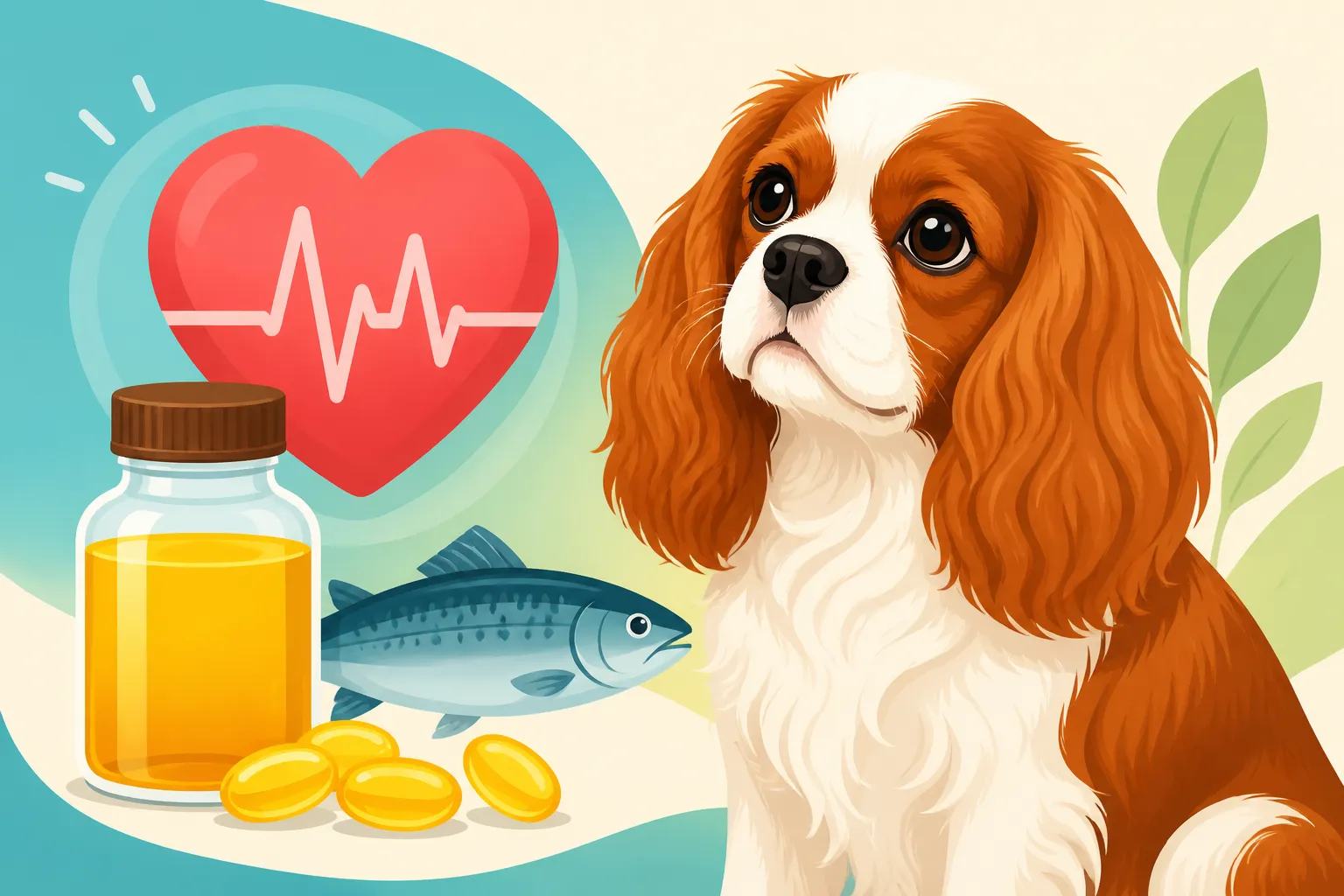
Fish Oil for a Cavalier With Heart Disease
Discovering your beloved Cavalier has heart disease can feel like a punch to the gut, leaving you desperate for ways to support their health and comfort. It's a heavy burden, knowing the breed's predisposition to conditions like Mitral Valve Disease, and navigating their care can feel overwhelming. This guide is here to walk you through how fish oil, specifically its omega-3 fatty acids, can be a valuable addition to your Cavalier's heart health regimen.
Understanding Heart Disease in Cavaliers and the Role of Diet
The moment you hear the words "heart murmur" or "heart disease" from your vet, it can send a wave of panic through you. For Cavalier King Charles Spaniel owners, this news is heartbreakingly common, but it also lights a fire to explore every possible avenue for support. While medication and regular veterinary care are paramount, the role of diet in supporting a compromised heart is often underestimated, yet critically important.
The Reality of Mitral Valve Disease in Our Beloved Cavaliers
Let's be real: for many Cavalier owners, Mitral Valve Disease in the Cavalier King Charles Spaniel isn't just a clinical term; it's a looming shadow. This isn't some rare, obscure condition. It's the leading cause of death in our precious Cavaliers, often starting subtly with a soft murmur that can eventually progress to heart failure. You might worry every time your dog coughs or seems a little less energetic than usual, wondering if it's "the beginning." This isn't an exaggeration of your feelings; it's a genuine, palpable concern that many of us live with.
The disease involves the mitral valve, a crucial part of the heart that ensures blood flows in one direction. When this valve degenerates, it stops closing properly, allowing blood to leak backward. This leakage forces the heart to work harder, eventually leading to enlargement and, sadly, heart failure. Understanding How Cavalier Heart Disease Progresses Stage by Stage can help you recognize the signs and appreciate why proactive care, including dietary support, is so vital at every stage. It’s about doing everything within our power to give them the best quality of life possible.
Why Diet Matters When Their Heart Is Compromised
It's natural to focus on the vet visits and the prescription bottles when managing heart disease. After all, those are concrete steps. But what often gets overlooked is the profound impact of daily nutrition. Think of it this way: their body is already under immense stress trying to keep up with a failing heart. The right diet can either ease that burden or, unfortunately, exacerbate it.
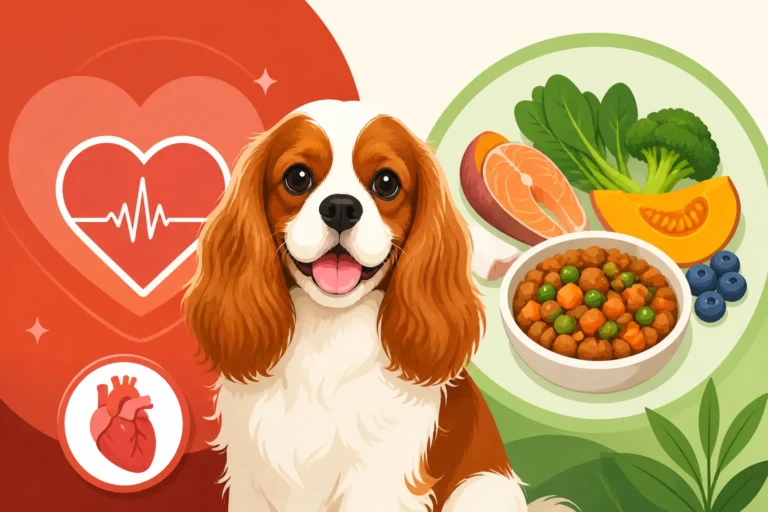
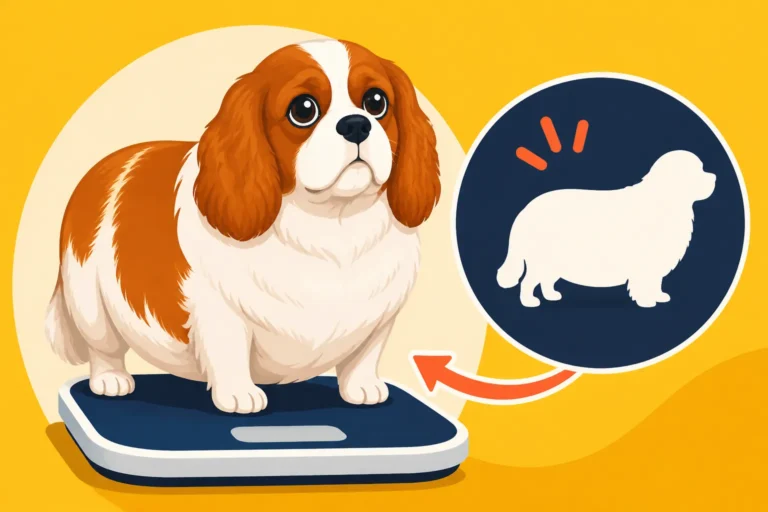
For a Cavalier with heart disease, diet isn't just about weight management (though that's huge; Why an Overweight Cavalier Fails Faster is a crucial read). It's about providing specific nutrients that can reduce inflammation, support cardiac muscle function, and help the body cope with the systemic effects of heart failure. A carefully considered diet, alongside prescribed Medication for a Cavalier With Heart Disease, creates a holistic approach to their well-being, giving them the best chance to thrive for as long as possible. This is why many owners pour over every ingredient list, seeking every edge they can.
The Science Behind Fish Oil for Canine Heart Health
Among the many dietary supplements discussed for heart health, fish oil consistently rises to the top, and for good reason. It's not just a fad; there's real scientific backing for its benefits, especially when it comes to a condition like Mitral Valve Disease in Cavaliers. But what exactly makes it so effective, and how does it specifically target the heart? Let's dive into the powerful components that make fish oil a superstar.
Omega-3 Fatty Acids: EPA and DHA – The Powerhouses in Fish Oil
When we talk about fish oil, we're really talking about omega-3 fatty acids, specifically eicosapentaenoic acid (EPA) and docosahexaenoic acid (DHA). These are "essential" fatty acids, meaning your Cavalier's body can't produce them on its own; they must be obtained through diet. While plant-based omega-3s (like ALA from flaxseed) exist, dogs aren't very efficient at converting ALA into the more beneficial EPA and DHA, making direct supplementation from marine sources like fish oil superior for cardiovascular benefits.
EPA and DHA play a critical role throughout the body, but their impact on the heart is particularly noteworthy. They are integral components of cell membranes, influencing their fluidity and function. For a heart that's already working overtime, these fatty acids can help maintain the integrity of cardiac cells and support their communication. This isn't a quick fix, but a foundational support that works at a cellular level, contributing to overall cardiac resilience. Many pet owners find a trusted supplier through platforms like Chewy, where a variety of reputable fish oil brands are readily available, often with detailed ingredient lists and reviews.
Anti-Inflammatory and Cardioprotective Effects
One of the most significant benefits of fish oil for Cavaliers with heart disease lies in its potent anti-inflammatory properties. Chronic inflammation is a hallmark of many diseases, and heart failure is no exception. Inflammation can damage heart tissue, contribute to remodeling (undesirable changes in heart structure), and worsen the overall condition. EPA and DHA actively work to reduce this inflammatory response, essentially calming the cellular storm within the heart and surrounding tissues.
Beyond inflammation, omega-3s have direct cardioprotective effects. They can help reduce oxidative stress, improve endothelial function (the health of blood vessel linings), and even have a mild antiarrhythmic effect, potentially stabilizing the heart's rhythm. While fish oil alone won't cure MVD, it provides crucial support that can help slow progression and improve the quality of life. This means your Cavalier might experience less discomfort and maintain better energy levels for longer. This is exactly why the question Whether Diet Slows a Cavalier's Heart Disease is so often asked, and fish oil is a key part of the answer.
Choosing and Administering Fish Oil for Your Cavalier
So, you're convinced fish oil could be beneficial – excellent! But standing in the pet store aisle or scrolling through online options, you might suddenly feel overwhelmed. There are so many brands, concentrations, and forms. How do you choose the right one for your precious Cavalier, and just as importantly, how do you make sure you're giving it safely and effectively? It’s not as simple as grabbing the first bottle you see.
Quality and Purity: What to Look For in a Supplement
The quality of fish oil can vary dramatically, and for a Cavalier with a sensitive system and a compromised heart, purity is non-negotiable. You’re not just looking for "fish oil"; you're looking for high-quality, purified fish oil. Here's what to keep in mind:
- Source: Look for fish oil derived from small, cold-water fish like anchovies, sardines, or mackerel. These fish have shorter lifespans and are less likely to accumulate heavy metals like mercury compared to larger, longer-lived fish.
- Purity Testing: This is HUGE. Reputable brands will proudly display evidence of third-party testing for contaminants such as heavy metals (mercury, lead), PCBs, and dioxins. A certificate of analysis (COA) should be available, either directly on the product website or by request. Without this, you can't be sure what else is in that bottle.
- Form: Fish oil typically comes in triglyceride form or ethyl ester form. The triglyceride form is generally considered more bioavailable (meaning your dog's body can absorb and utilize it better).
- Freshness: Omega-3s are fragile and can oxidize (go rancid) when exposed to air, light, or heat. Rancid fish oil is not only ineffective but can actually be harmful. Look for oils packaged in dark bottles, stored in a cool place, and consider brands that add natural antioxidants like Vitamin E. Avoid anything with a strong, "fishy" odor beyond a mild, fresh scent.
- Concentration: Check the EPA and DHA content per capsule or serving size, not just the total fish oil amount. This is what truly matters for therapeutic benefits.
Companies like Ollie, known for their fresh dog food delivery, also often offer high-quality supplements, or you can find reputable brands on large marketplaces like Amazon, but always do your due diligence and check for third-party testing claims.
Dosage and Safe Administration
This is perhaps the most critical point: always consult your veterinarian or a veterinary cardiologist before starting any new supplement, especially fish oil, for a Cavalier with heart disease. They will guide you on the appropriate dosage based on your dog's specific weight, the severity of their heart condition, and any other medications they are taking. There isn't a single "right" dose for all Cavaliers, and too much can lead to problems. Your vet may even recommend A Cavalier Heart Blood Test Called NT-proBNP to get a baseline before any dietary changes.
Once your vet gives the green light and a specific dosage, introduce fish oil gradually. Start with a quarter or half of the recommended dose for a few days to a week, then slowly increase. This helps your Cavalier's digestive system adjust and minimizes potential stomach upset. You can typically give fish oil with meals, which can also aid absorption and reduce gastrointestinal side effects. For dogs that are picky about pills or liquids, you might need to get creative. Many owners learn tips for Getting Pills Into a Cavalier at Mealtime that can also apply to softgel capsules.
Here's a quick comparison of what to prioritize and what to avoid when selecting fish oil:
| Feature | Prioritize | Avoid |
|---|---|---|
| Source Fish | Small, cold-water fish (sardines, anchovies) | Large, long-lived predatory fish |
| Purity | Third-party tested for heavy metals/toxins | No mention of testing or vague claims |
| Form | Triglyceride form | Ethyl ester form (unless budget is primary) |
| Freshness | Dark bottles, sealed, natural antioxidants | Clear bottles, strong rancid smell, no antioxidants |
| Concentration | Clearly stated EPA & DHA per serving | Only total fish oil amount listed |
| Certification | IFOS or other independent quality seals | No external certifications |
Potential Side Effects and Considerations
While fish oil is generally safe, it's not without potential side effects, particularly if given in too high a dose or if the quality is poor. The most common issues are mild gastrointestinal upset:
- Diarrhea or Loose Stools: This is often the first sign of too high a dose or too rapid an introduction.
- Vomiting: Similar to diarrhea, this can occur with an overdose or a sensitive stomach.
- Fishy Breath or Body Odor: Some Cavaliers might develop a slight fishy smell, especially after burping. This is usually harmless but something to be aware of.
More serious, but less common, concerns include interference with blood clotting (fish oil can thin the blood, so caution is needed if your dog is on blood thinners or facing surgery) and potential weight gain if the caloric intake isn't factored into their overall diet. This is another reason why veterinary guidance is so important. Your vet can weigh the benefits against any risks, especially for a Cavalier already managing a serious health condition.
Integrating Fish Oil into a Comprehensive Heart Care Plan
Thinking of fish oil as a standalone miracle cure is a mistake. While powerful, it's just one piece of a much larger, intricate puzzle when it comes to supporting your Cavalier with heart disease. A truly effective care plan is multi-faceted, involving consistent veterinary oversight, other nutritional considerations, and a commitment to understanding their evolving needs.
Beyond Fish Oil: Other Nutritional Support
Your Cavalier's heart needs more than just omega-3s. A holistic approach to their diet means considering other elements that can impact cardiac function and overall well-being. For example, managing sodium intake is incredibly important for heart patients. Just like in humans, excessive sodium can lead to fluid retention and put extra strain on the heart. Many vets will recommend Low-Sodium Feeding for a Cavalier Heart Patient as their disease progresses.
Antioxidants, such as Vitamin E (which often pairs with fish oil to prevent rancidity), Vitamin C, and coenzyme Q10, can also play a role in reducing oxidative stress, which damages cells. While research on specific supplements for dogs with MVD is always evolving, the general principle is to provide a balanced, high-quality diet that supports their immune system and organ function without adding unnecessary stress. You might discuss specific cardiac-supportive dog foods with your vet, or even look into fresh, balanced meal options from companies like Ollie, ensuring they meet the specific dietary needs for a heart patient.
Regular Veterinary Oversight and Monitoring
I cannot stress this enough: diet and supplements are adjuncts to professional veterinary care, not replacements. Regular check-ups with your primary vet and, ideally, an annual or bi-annual visit to a veterinary cardiologist, are absolutely non-negotiable. These professionals are equipped to monitor the progression of the disease through tools like echocardiograms to see What a Cavalier Echocardiogram Shows and assess heart size, and chest X-rays to check for fluid in the lungs.
Your vet will also guide you on when to start or adjust Medication for a Cavalier With Heart Disease, interpret changes in their symptoms (like a new cough or reduced exercise tolerance), and make informed decisions about their overall care plan. It's a team effort, and you are a crucial member of that team, observing your Cavalier daily and communicating any changes. This proactive approach ensures you're doing everything you can to help your sweet companion, especially as they enter their senior years and you're focusing on Caring for a Cavalier Past Nine. Remember, Annual Cardiologist Exams for a Cavalier are the bedrock of effective management.
Disclaimer
This article is for general informational purposes only and does not constitute professional advice. Laws, prices and regulations vary by location and change over time. Consult a qualified professional for guidance on your specific situation.