A Cavalier That Rolls in the Grass After a Bath
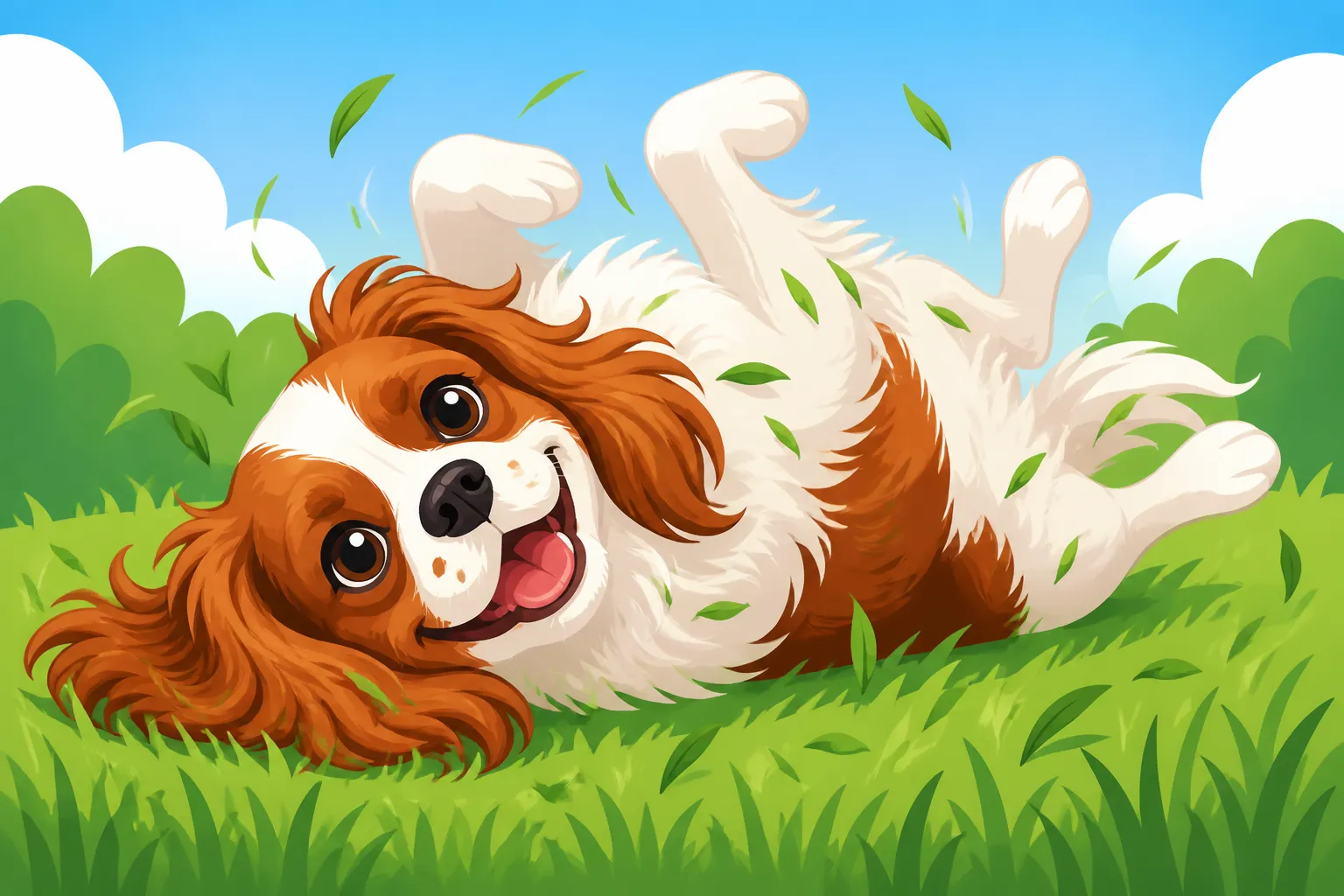
You’ve just wrestled your adorable Cavalier King Charles Spaniel into the tub, endured the shaking, the splashing, and the dramatic sighs, and finally, after much scrubbing and rinsing, they emerge smelling fresh, fluffy, and looking like a brand-new dog. You proudly carry them outside for their post-bath potty break, anticipating a glorious trot back inside to dry off properly, only for them to immediately drop, flatten, and enthusiastically roll in the nearest patch of grass, undoing all your hard work in a matter of seconds. It's a classic Cavalier move, frustrating as heck, but oh-so-typical of their quirky charm. This guide will dive deep into why your Cavalier can't resist that roll, the potential risks involved, and most importantly, how you can minimize the mayhem and keep your freshly bathed pup looking (and smelling) clean for more than five minutes.
The Irresistible Urge: Why Cavaliers Love Rolling in Grass After a Bath
It's a phenomenon that puzzles and exasperates many dog owners, particularly those of us with long-haired breeds like Cavaliers. You'd think after a luxurious bath, they'd want to preserve that clean feeling, but nope! The call of the wild, or at least the lawn, is far too strong. Understanding why they do this can help us approach the behavior with a little more patience and a lot less frustration.
Scent Over Everything: Reclaiming Their "Doggy" Aroma
Let's be real: most dog shampoos, while delightful to our human noses, smell utterly alien to a dog. They're designed to make our pets smell clean to us, often with floral, fruity, or "fresh linen" notes. To your Cavalier, however, this strong, artificial scent is completely overwhelming. Imagine being doused in perfume against your will – you'd probably want to rub it off too!
Dogs communicate and experience the world primarily through scent. Their natural body odor, even if faint to us, is an integral part of their identity and how they interact with their environment and other dogs. When you bathe your Cavalier, you're stripping away their natural oils and replacing their comforting, familiar scent with something strange. Rolling in grass, dirt, or even something a little more… organic (ew, I know!), is their way of rapidly re-establishing their own scent profile. It's like they're saying, "Nope, not a lavender field! I'm a dog, and this is my smell!" They're literally trying to put their own scent back on or, even better, layer on the exciting scents of the outdoor world. That patch of grass probably smells like squirrels, neighborhood dogs, and a thousand other fascinating things that are far more interesting than oatmeal shampoo.
The Sensory Experience: It Just Feels Good!
Beyond the scent aspect, there's a strong tactile component to the post-bath roll. Think about it: after being wet, sudsy, scrubbed, and then towel-dried (often vigorously), your Cavalier's coat and skin might feel a bit off-kilter. The grass offers a wonderful, textured surface for them to rub against, providing a satisfying scratch and a chance to truly dry off those hard-to-reach spots.
The action of rolling is also just pure joy for many dogs. It's an expression of exuberance and freedom. They've just been confined and handled during the bath, and now they're released into the open air. That sudden burst of energy often manifests as a wild, happy roll. It’s their equivalent of shaking out their hair and stretching after a long, intense session. The soft blades of grass can feel lovely on their sensitive skin, especially after a warm bath. It’s an all-encompassing sensory experience – the smell, the feel, the sheer physical release – that your Cavalier finds utterly irresistible.
Getting the "Wet Dog" Feeling Off: A Natural Drying Method
While we might reach for a blow dryer or extra towels, a dog's instinct is often to shake and rub to get dry. The thick feathering of a Cavalier's coat, especially around their ears, chest, and legs, can hold onto moisture for a surprisingly long time. Even if you've done a thorough job with towel-drying, there might still be dampness deep within their coat.
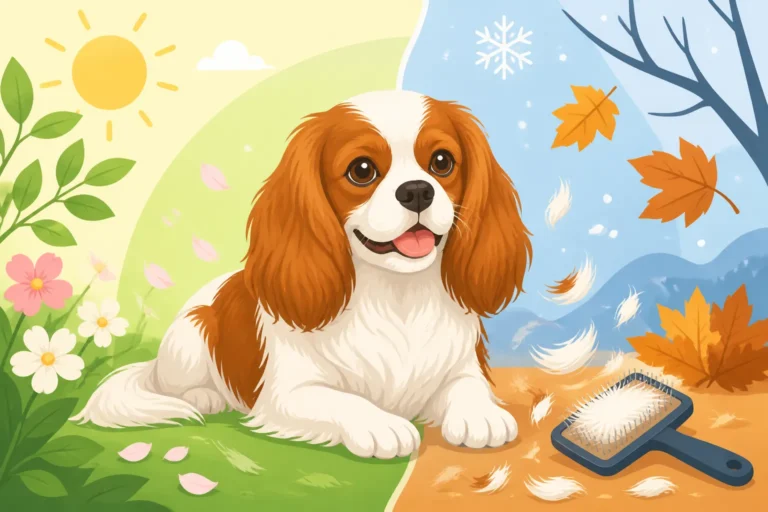
Rolling in the grass helps to wick away this moisture and fluff up their fur. The friction against the grass blades aids in air circulation, which helps them dry faster. It's a natural, if messy, drying technique they've inherited from their wild ancestors. They're not doing it to spite you; they're just being dogs, trying to get comfortable and dry in the most natural way they know how. If you've ever battled to properly Drying Cavalier Feathering Properly, you know how long it can take! They're just trying to speed up the process.
The Hidden Hazards of a Post-Bath Grass Roll
While a dog rolling in the grass is a picture of canine bliss, for us Cavalier owners, it also conjures images of matted fur, hitchhiking parasites, and all sorts of other unwelcome guests. It's not just about getting dirty again; there are genuine health and grooming concerns that make this behavior problematic.
Dirt, Debris, and Dreaded Mats
The most obvious downside is, of course, the dirt. A freshly washed, often lighter-colored Cavalier coat is a magnet for every speck of dust, leaf fragment, and twig in your yard. Their long, silky feathering, which makes them so beautiful, also acts like a natural broom, sweeping up everything in its path.
This isn't just cosmetic; it can lead to tangles and mats, especially in common rolling spots like behind the ears, armpits, and groin. If these aren't brushed out promptly, they can tighten, pull at the skin, and become incredibly painful. A small mat can quickly turn into a large, dense wad of fur that requires professional attention, sometimes even shaving. You might find yourself reaching for the detangling spray and metal comb sooner than you'd like, potentially undoing all the good work of your How Often a Cavalier Needs Brushing routine. Burrs and sticky seeds are particularly notorious for getting hopelessly tangled in Cavalier feathering, and trying to remove them without causing discomfort can be a real challenge.
Parasites and Pests: Uninvited Guests
This is perhaps the most concerning risk. Your lovely, freshly bathed Cavalier is now rubbing themselves all over an outdoor surface that is home to all sorts of creepy crawlies. Fleas, ticks, and mites can easily hitch a ride onto their warm, damp fur. Even if your Cavalier is on year-round parasite prevention, an immediate exposure can still mean bringing these pests into your home.
Ticks are a particular worry, especially if you live in an area with tall grasses or wooded edges. They can transmit serious diseases, and finding them quickly after they've attached is crucial. Rolling in the grass gives them ample opportunity to latch on undetected. Beyond insects, there's also the potential for contact with microscopic organisms or fungal spores from the soil, which could lead to skin irritations or infections.
Allergens and Skin Irritations: Itchy Business
Just like people, dogs can have allergies to pollen, grasses, and other environmental factors. Rolling around in a patch of fresh grass, especially during peak allergy season, is like deliberately rolling in an allergen minefield. For a Cavalier already prone to sensitive skin or seasonal allergies, this can trigger intense itching, redness, or even hot spots – painful, raw patches of skin caused by excessive licking and scratching.
Furthermore, if your lawn has been treated with pesticides, herbicides, or fertilizers, rolling in it can expose your Cavalier to potentially harmful chemicals. While most lawn care products advise pet owners to keep pets off the grass for a certain period after application, it's easy to forget or for your dog to find a spot that hasn't fully dried. Always be aware of what's on your lawn, especially if you have a dog that loves to roll!
Strategies to Keep Your Cavalier Clean (and Off the Grass)
Okay, so we understand why they do it and what the risks are. Now for the million-dollar question: how do we prevent this adorable but destructive post-bath ritual? It takes a combination of proactive measures, smart timing, and a bit of training.
The Immediate After-Bath Protocol: Towel Dry, Then Leash!
The absolute best defense against the post-bath roll is to prevent it from happening in the first place. This means controlling the environment from the moment your Cavalier steps out of the tub.
First, invest in super absorbent dog towels or even a dedicated chamois-style pet towel. After the rinse, squeeze as much water out of their coat as possible by hand, then towel-dry them vigorously while still in the bathroom or in an enclosed area where they can't escape. Focus on their chest, belly, and legs, and especially their long ears, which can hold a lot of water. If you're comfortable with it and your Cavalier tolerates it, a cool or low-heat dog-specific blow dryer can work wonders for drying them more thoroughly. Just make sure it's not too hot and always keep it moving.
Once they're as dry as you can get them, the next crucial step is immediate leashing. Do not, I repeat, do not let them out into the yard unsupervised. Attach their harness (I always recommend a harness over a collar for Cavaliers to protect their delicate necks) and take them out on a short leash directly to their designated potty spot. Stand there, supervise, and as soon as they've done their business, bring them straight back inside. This might feel like a hassle, but it's far less work than re-bathing or dealing with burrs. It's a quick, business-only trip.
Designated Drying Zones and Distractions
If your Cavalier absolutely must spend a little more time outside after their bath, create a "clean zone" for them. This could be a paved patio, a deck, or a small, fenced area with gravel or artificial turf. The key is to remove the tempting, scent-rich grass.
Once inside, don't let them free-roam immediately. Continue drying in a safe, clean space. You can use a towel or a low-heat dryer, or even just confine them to a small, tiled room or bathroom with a comfy, clean dog bed. This helps prevent them from immediately finding the rug or your clean duvet to rub on. A bit of light playtime with a favorite toy can also serve as a distraction and help them burn off some of that post-bath energy in a controlled manner. Offer a high-value chew toy or an Ollie treat that will keep them happily occupied while they finish drying. This shifts their focus from rolling to rewarding activity.
Training and Management: Changing Habits
While it's deeply ingrained, you can try to redirect the rolling behavior through consistent training. The moment your Cavalier drops to roll, a firm but gentle "No!" or "Leave it!" followed by redirecting them to a different activity (like walking calmly on the leash or coming inside) can help. When they comply, reward them immediately with praise or a small, healthy treat.
Consider using a snood or ear covers when they go outside after a bath. These can keep their long ear feathering from getting soaking wet or covered in debris, which is often the first place they collect dirt. You can find many options on Amazon or Chewy. While it won't prevent the full-body roll, it can certainly help keep one of the most problematic areas cleaner.
Beyond the Bath: Maintaining a Clean Cavalier Coat
The post-bath roll is just one battle in the ongoing war against dirt and mats for a Cavalier owner. Their beautiful, silky coats require regular attention to stay clean, healthy, and tangle-free, regardless of bath-time antics.
Regular Brushing is Non-Negotiable
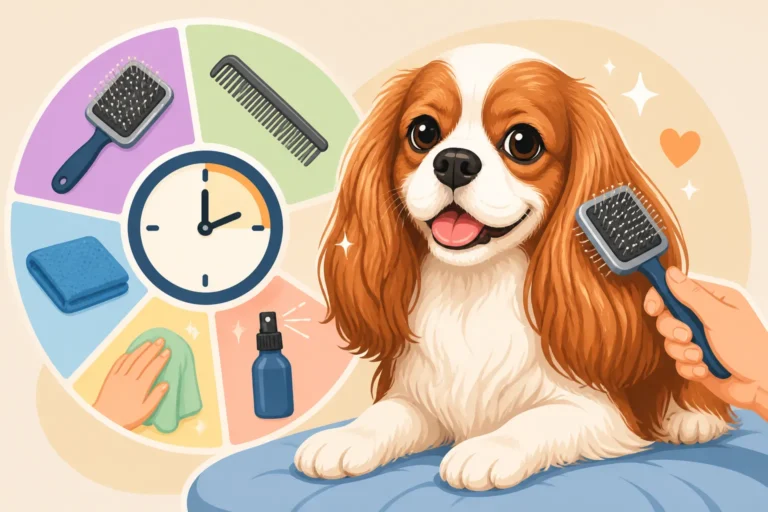
A Cavalier's coat, with its single layer and profuse feathering, is prone to tangles and mats if not brushed regularly. Even if your pup manages to avoid the post-bath grass roll, daily or every-other-day brushing is absolutely essential. This not only removes loose hair and dirt but also helps distribute natural oils, keeping their coat healthy and shiny.
Pay particular attention to areas where mats commonly form: behind the ears, in the armpits, on the belly, and the "pantaloons" on their hind legs. A good slicker brush and a metal comb are your best friends here. For specific tools, check out what’s available on Chewy. Regular brushing also gives you an opportunity to check for any burrs, ticks, or skin irritations that might have occurred during outdoor adventures, even if they didn't involve a bath. Dedicating The Five Minutes a Day a Cavalier Coat Takes can save you hours of detangling later.
Ear Care: A Top Priority
Cavaliers are famous for their long, luxurious drop ears, and while they're undeniably adorable, they also create a warm, dark, and often moist environment that's perfect for trapping dirt, debris, and fostering ear infections. Rolling in the grass after a bath can easily introduce moisture and foreign bodies deep into the ear canal.
Make ear cleaning a regular part of your grooming routine, especially after baths or any outdoor excursions. Use a veterinarian-approved ear cleaner and cotton balls (never cotton swabs, which can push debris further in). Gently clean the visible parts of the ear and the entrance to the ear canal. If you notice any redness, foul odor, or excessive scratching, it's time for a vet visit. Learning Cavalier Ear Care Under a Heavy Drop Ear is crucial for preventing chronic issues. A good quality ear cleaner, often available on Amazon, can make a huge difference.
Paw and Foot Feathering Checks
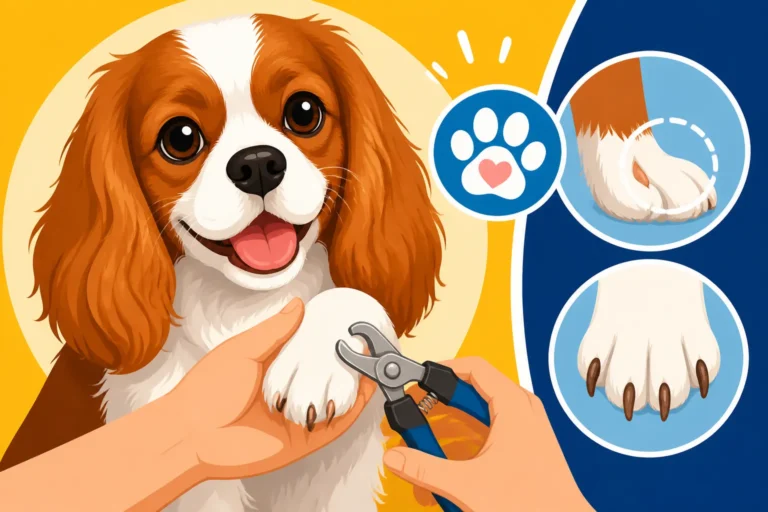
Their cute, furry paws are another area that collects a lot of debris. After any outdoor activity, including that post-bath potty break, quickly check their paw pads and the feathering between their toes. Grass seeds, small stones, and burrs can get lodged here, causing irritation, limping, or even infections if not removed.
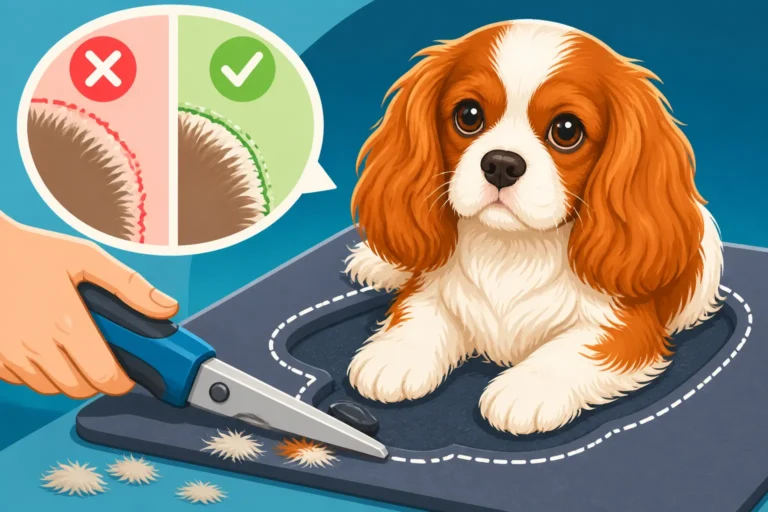
A quick wipe down of their paws with a damp cloth before they come fully inside can save your floors and prevent dirt from being tracked through the house. Many groomers will offer to trim the hair between your Cavalier's pads, which can help reduce the amount of debris they pick up and provide better traction.
Ultimately, your Cavalier rolling in the grass after a bath is a perfectly natural, albeit inconvenient, dog behavior. With a little understanding, some strategic planning, and consistent grooming habits, you can keep your beloved pup clean, comfortable, and healthy, ready for all the cuddles (and less of the mud) you could wish for.
| Reason for Rolling | Potential Hazards | Mitigation Strategy |
|---|---|---|
| Reclaiming natural scent | Dirt, debris, bad odors | Thorough drying inside, immediate leash potty break |
| Sensory enjoyment / Itching | Mats, skin irritation, hot spots, allergies | Use calming shampoos (Shampoo for a Cavalier's Silky Coat), quick drying, distraction with toys/treats |
| Natural drying method | Parasites (fleas, ticks), pesticides, chemicals, fungus | Use dog-specific blow dryer (low/cool heat), confined drying area (patio/deck), check lawn for treatments |
| Post-bath excitement | Tracking dirt indoors, re-dirtying coat | Leash for potty break, gentle redirection, reward for calm behavior |
| Long, silky feathering | Burrs, stickers, tangles, grass seeds | Regular How Often a Cavalier Needs Brushing, snoods for ears |
Disclaimer
This article is for general informational purposes only and does not constitute professional advice. Laws, prices and regulations vary by location and change over time. Consult a qualified professional for guidance on your specific situation.