Wiping a Cavalier’s Face After Meals
One of the enduring joys of sharing your life with a Cavalier King Charles Spaniel is their boundless affection and often, their enthusiastic approach to mealtime. But let's be honest, that adorable enthusiasm often leaves their beautiful, silky faces a glorious, slobbery mess. From bits of kibble stuck in their chin feathering to gravy smeared across their sweet expressions, keeping a Cavalier's face pristine after they've chowed down can feel like a losing battle. This guide is all about tackling that post-meal mayhem, helping you understand why it happens and, most importantly, how to keep your beloved companion clean, comfortable, and healthy.
Why Your Cavalier's Face Gets So Messy After Eating
It's not just a quirk; there are very real, anatomical reasons why Cavaliers seem to attract every last crumb and drop of moisture to their faces during meals. It's part of their charm, yes, but it also means we, as their devoted caregivers, need to be extra diligent.
The Cavalier's Unique Facial Anatomy
Let's take a moment to appreciate the Cavalier's distinctive features, because they are key to understanding the mess. Their adorable, slightly shorter muzzle, coupled with those prominent, soulful eyes, creates a perfect storm for food accumulation. Unlike some breeds with longer, drier snouts, a Cavalier's face is a bit more compact, meaning their mouth is closer to all those wonderful facial furnishings. When they plunge their nose into a bowl, it's almost impossible for them not to get food on their chin and cheeks.
Then there are those glorious, long, silky ears. We adore them, don't we? But those ear leathers and their luxurious feathering are like sponges, soaking up any liquid or grabbing onto any morsel of food that dares to come close to the bowl. It's a constant battle to keep them out of the food and water, leading to damp, sticky, or even crusty ear fringes. Add to this their naturally loose flews (the lips) and the slight predisposition to slobber that comes with their more relaxed facial structure, and you have a recipe for a truly "well-fed" appearance post-meal.
The Impact of Food Type and Consistency
The type of food you offer your Cavalier also plays a significant role in the level of mess. Think about it: a dry kibble might leave some crumbs, but it’s generally less sticky than, say, a wet, pate-style food or a raw diet. Wet foods, especially those with gravies or oils, have a cling factor that dry kibble just can't match. These sticky textures adhere readily to the fine hairs around your Cavalier's mouth and chin, creating a more substantial clean-up job.
Even with kibble, if your Cavalier is an enthusiastic eater who "digs" into their bowl, small particles can become lodged in their muzzle fur. Water, too, becomes a vehicle for mess, as their chin and ear feathering dip in, only to drip water (and whatever else was on their face) across your floor or furniture. Owners who feed homemade meals or fresh, delivered food, like those offered by Ollie, often find the moist, soft consistency means a more thorough face wipe is absolutely essential after every meal, as the food loves to stick to those delicate whiskers and chin hairs.
The Importance of Post-Meal Face Cleaning for Cavaliers
Beyond just aesthetics, regularly cleaning your Cavalier's face after meals is a crucial part of their overall health and well-being. Neglecting this simple step can lead to a host of issues, from cosmetic staining to uncomfortable skin problems that can become quite persistent. It’s not just about looking pretty; it's about keeping them genuinely healthy and happy.
Preventing Stains and Discoloration
One of the most immediate and visible consequences of not wiping your Cavalier's face is staining. This is particularly noticeable on lighter-colored Cavaliers, such as Blenheims or Tricolors, where food residue, combined with natural moisture from tears and saliva, can lead to unsightly reddish-brown discoloration around the muzzle and eyes. These stains, often referred to as "tear stains" even when related to food, can become deeply embedded in the fur over time, making them incredibly difficult to remove once established.
The tannins and dyes in certain foods, mixed with the natural yeast and bacteria present on the skin, create this rust-colored effect. It’s not just around the eyes; the fur on their chin and chest, where they might rest their messy muzzle, can also become stained. Preventing these stains requires consistent action, as once the hair is dyed, the only true way to get rid of it is to let the stained fur grow out and be trimmed away. Regular, gentle cleaning breaks down these residues before they have a chance to set in and visibly alter your Cavalier's beautiful coat. You can explore more about this connection in our article on Whether Diet Causes Cavalier Tear Staining.
Avoiding Skin Irritations and Infections
Perhaps even more important than preventing stains is the role of face cleaning in preventing skin irritations and infections. When food particles and moisture are allowed to linger on the skin and in the fur, particularly in the delicate folds around the muzzle or the warm, damp areas beneath the ear leathers, they create an ideal breeding ground for bacteria and yeast. This humid, nutrient-rich environment is exactly what these microorganisms love, leading to conditions like dermatitis, hot spots, or yeast infections.
Imagine having sticky, smelly food residue constantly clinging to your face – it would be incredibly uncomfortable! For a Cavalier, this discomfort can manifest as itching, redness, inflammation, and even hair loss in affected areas. These irritations can be quite painful and, if left unchecked, might require veterinary intervention, including medicated shampoos or oral antibiotics. Pay close attention to any changes in the skin around their muzzle and under their chin; early detection through consistent cleaning can prevent a minor irritation from escalating into a serious problem. For broader ear health, consider our guide on The Smell That Means a Cavalier Ear Infection.
Maintaining Overall Hygiene and Comfort
Beyond the specific concerns of staining and infection, regular face wiping simply contributes to your Cavalier's overall hygiene and comfort. A clean face means a fresh-smelling dog, free from the lingering odor of their last meal. No one wants their sweet, cuddly Cavalier to smell like stale kibble or wet dog food, especially when they're snuggling up on your lap or sharing your bed.
Moreover, a clean face is a comfortable face. Imagine food bits caught in whiskers or dried crust around their eyes. This can be irritating, causing them to rub their face on furniture or carpet, which can further exacerbate skin problems or even cause injury. This simple act of cleaning also prevents the transfer of food debris to your home environment – your sofa, your clothes, your pristine white carpet. It's a small routine that makes a big difference in the daily life of both you and your Cavalier, ensuring they remain the clean, cuddly companion you adore. Proper attention to grooming, even simple daily tasks, is vital, as discussed in Brushing a Cavalier's Feathering Three Times a Week.
Step-by-Step Guide to Wiping Your Cavalier's Face After Meals
Making post-meal face cleaning a seamless part of your daily routine doesn't have to be a chore. With the right tools and a gentle approach, you can turn it into a positive interaction that both you and your Cavalier look forward to. Consistency is key, and starting early can make all the difference in how readily your dog accepts this necessary grooming step.
Gathering Your Cleaning Supplies
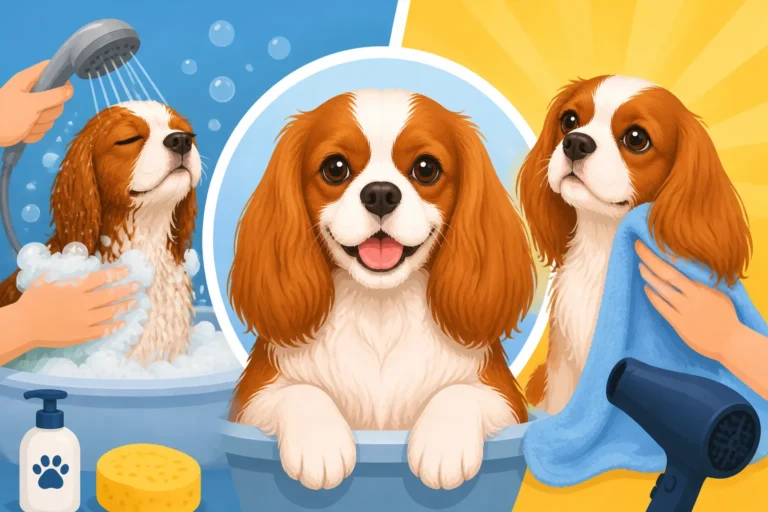
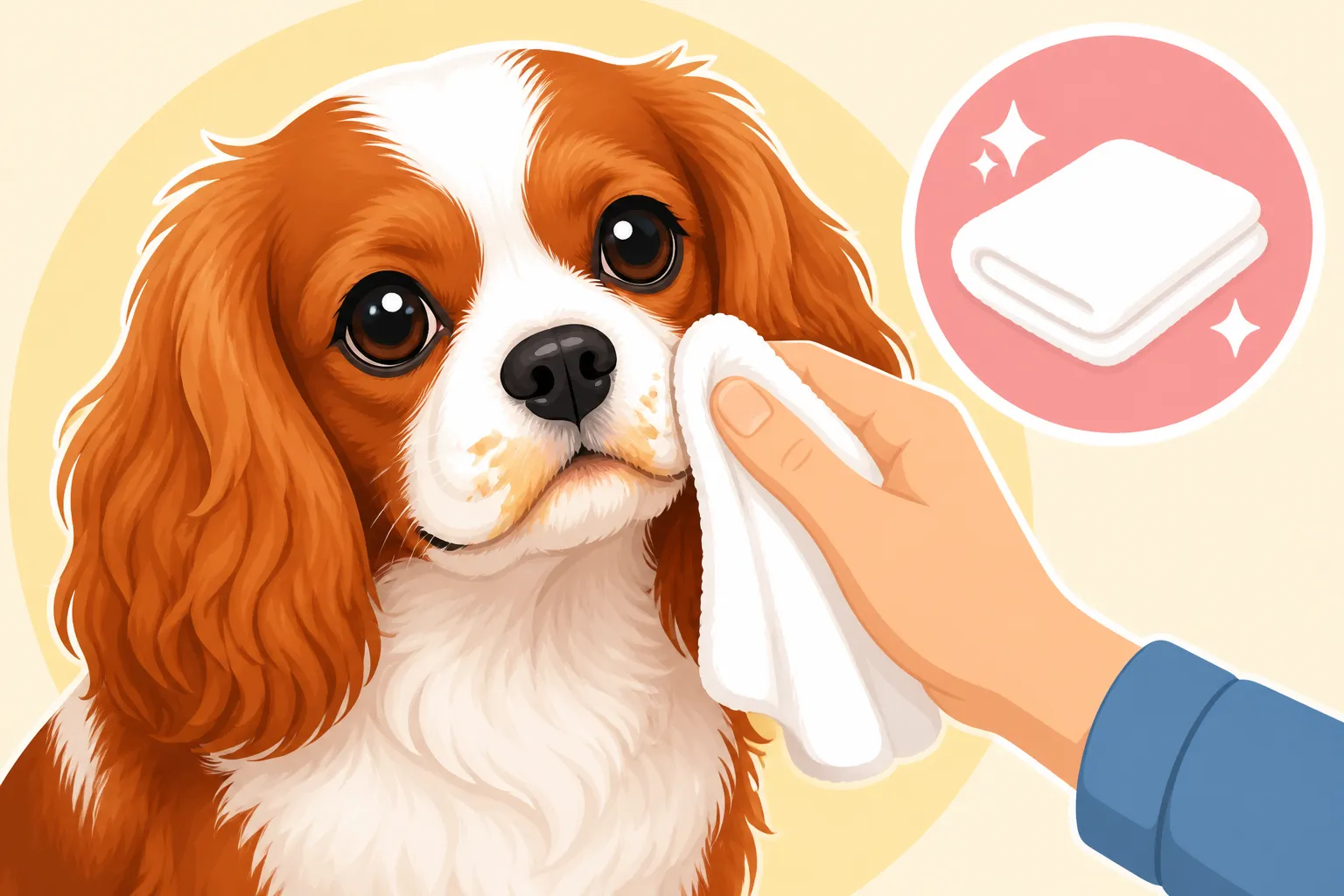
Before you even call your Cavalier over, have everything you need within arm's reach. This makes the process quicker and less stressful for everyone involved. The most basic and often most effective tool is simply a soft, clean cloth or a cotton pad dampened with warm water. For everyday, non-stained messes, this is usually perfectly adequate. The warmth of the water helps loosen any dried-on food particles without irritating their sensitive skin.
However, if your Cavalier is prone to tear staining or has a particularly sticky meal, you might want to level up your supplies. There are many pet-safe facial wipes available that are specifically formulated to be gentle around the eyes and mouth, often containing ingredients that help break down stains and neutralize odors. Brands you might find on Chewy or Amazon often offer these, and many come in convenient tubs perfect for keeping next to their feeding station. Some owners also opt for a dedicated pet-specific facial cleanser, which can be applied with a damp cloth for a deeper clean. Just be sure to always choose products labeled as "tearless" and "pet-safe," avoiding human wipes or cleansers that can contain harsh chemicals or fragrances. Our guide on Cavalier Eye and Face Cleaning offers more insight into these specialized products.
The Gentle Cleaning Technique
Once you have your supplies, approach your Cavalier calmly and with a reassuring voice. If they’re excited after their meal, let them settle for a moment before you begin. Hold their head gently but firmly, using one hand to support their chin or forehead, and your other hand to do the cleaning. Start by wiping around their muzzle and chin, paying close attention to any visible food bits or stickiness. Use a clean section of your cloth or a fresh wipe for each area.
Next, gently wipe around their eyes. For most Cavaliers, tear staining is a common issue, and regular cleaning after meals can help manage it. Wipe from the inner corner of the eye outwards, being careful not to touch the eyeball itself. Then, don't forget those beautiful, feathered ears! The fur around their mouth and at the ends of their ear leathers often collects the most food. Gently hold the ear leather up and clean any residue from the fur beneath and around it. After cleaning, it's a good idea to gently pat the area dry with a separate clean, soft cloth. This prevents excess moisture from sitting on the skin, which, as we discussed, can lead to irritation or yeast issues.
Making it a Positive Routine
The key to long-term success with post-meal face cleaning is making it a positive, even enjoyable, experience for your Cavalier. Start when they are a puppy, if possible, introducing the routine as just another normal part of their day. Always use a calm, soothing voice, and offer plenty of praise throughout the process. A small, high-value treat immediately after cleaning can work wonders in creating a positive association. Think of something really delicious, like a tiny piece of cooked chicken, or a small, healthy treat from a brand like Ollie.
If your Cavalier is initially resistant, don't force it. Instead, start with very short sessions – just a quick wipe of the chin – and gradually increase the duration and areas cleaned as they become more comfortable. You can also incorporate the act of showing them the wipe or cloth, then rewarding them, even before any wiping happens. Over time, they'll learn that a clean face means a happy parent and a tasty reward, making the process much smoother. Remember, patience and positive reinforcement build trust and cooperation, turning a necessary chore into a bonding moment.
Advanced Tips and Preventative Measures
While wiping your Cavalier's face after meals is a crucial step, there are also preventative measures you can take and advanced considerations to keep in mind. Thinking proactively about how your Cavalier eats, and integrating thorough grooming, can significantly reduce the amount of mess and the potential for related health issues.
Choosing the Right Bowls and Feeding Methods
Sometimes, the problem isn't just what your Cavalier eats, but how they eat it. The design of their food and water bowls can make a huge difference in how messy they get. For instance, a wide, flat bowl might seem like a good idea, but it allows their long ear feathering to easily dip into the food. Consider using bowls with higher sides or, even better, a "Cavalier bowl" or a "spaniel bowl." These are typically designed with a smaller diameter at the top and flare out at the bottom, helping to keep those beautiful ears out of the food.
Another excellent preventative tool is a snood. If you've never heard of one, it's essentially a fabric tube that you slip over your Cavalier's head, covering their ears and keeping them neatly tucked away while they eat or drink. Many Cavalier owners swear by them! These can be particularly effective for Cavaliers with very long feathering or those who are incredibly enthusiastic eaters. Slow feeder bowls, which have obstacles inside to make dogs eat more slowly, can also help reduce mess by preventing frantic gobbling that slings food everywhere. Elevating their bowls slightly can sometimes improve their posture, reducing the amount of food that falls out of their mouth and onto their chin. For more on this, check out Snoods That Keep Cavalier Ears Out of Dinner.
Incorporating Regular Grooming
Beyond the quick post-meal wipe, regular, thorough grooming plays a vital role in keeping your Cavalier's face clean and healthy. Daily brushing isn't just for their body coat; it's essential for the feathering around their face, ears, and chin. Loose hairs and minor tangles can trap food particles, so a quick brush through these areas each day helps keep them clear. Our guide on Brushing a Cavalier's Feathering Three Times a Week emphasizes the importance of consistent brushing for their overall coat health.
Professional groomers can also be a valuable resource. They can often provide a "sanitary trim" or lightly tidy up the longer hairs around the muzzle and chin, making it less likely for food to cling. Discuss your Cavalier's specific needs with your groomer; they understand the breed's coat and can offer tailored advice and services that complement your at-home care routine. This routine maintenance, both at home and professionally, ensures that even if a little food does get stuck, it has fewer places to hide and is easier to remove. Additionally, don't forget the importance of good dental hygiene, as issues like Cavalier Dental Disease in a Crowded Jaw can also contribute to a messy mouth and bad breath.
Addressing Persistent Staining or Irritation
Despite your best efforts with cleaning and preventative measures, some Cavaliers might still experience persistent staining or even recurring skin irritation around their faces. If you notice that the staining isn't improving, or if your Cavalier's skin is red, inflamed, smelly, or losing hair, it's time to consult your veterinarian. These could be signs of underlying issues that require medical attention.
Sometimes, persistent staining can be linked to excessive tearing, which might indicate conditions like blocked tear ducts or even a mild eye irritation, such as those discussed in Managing Dry Eye in a Cavalier. Your vet can rule out medical causes and suggest specific treatments, which might include medicated wipes, topical solutions, or even dietary changes designed to reduce yeast overgrowth. Remember, while a little mess is part of the Cavalier charm, ongoing problems with staining or skin health are signals that your furry friend needs a closer look from a professional. Your vet can help you find the best long-term solution to keep your Cavalier's adorable face healthy and clean.
| Cleaning Method | Pros | Cons | Best For |
|---|---|---|---|
| Warm Water & Soft Cloth | Gentle, readily available, inexpensive | May not tackle tough, dried-on stains; requires frequent washing of cloths | Daily gentle cleaning, sensitive skin |
| Pet-Safe Facial Wipes | Convenient, pre-moistened, good for travel | Can be more expensive; some brands may cause mild irritation in sensitive dogs | Quick clean-ups, on-the-go messes, managing light staining |
| Pet-Specific Facial Cleanser | Formulated for dog skin/fur; targets stains/odor | Requires more steps (apply, wipe, rinse if needed); higher cost | Targeted stain removal, deeper periodic cleaning, persistent odor issues |
| Snoods (Preventative) | Keeps ears completely out of food/water | Not a cleaning tool; some dogs may dislike wearing them | Preventing initial mess, long-eared dogs, reducing overall mealtime splash |
Disclaimer
This article is for general informational purposes only and does not constitute professional advice. Laws, prices and regulations vary by location and change over time. Consult a qualified professional for guidance on your specific situation.