Feeding and Grooming a Cavalier Past Ten
As our beloved Cavalier King Charles Spaniels transition into their golden years, typically past the age of ten, their needs shift dramatically. The vibrant, playful pup you once knew might now be moving a little slower, perhaps struggling with stiff joints or a less robust appetite, and their once-easy grooming routine can become a real challenge. This comprehensive guide is here to walk you through the essential adjustments needed for feeding and grooming your senior Cavalier, ensuring their comfort, health, and happiness in their later life.
Understanding the Aging Cavalier's Needs
Bringing a Cavalier into your life means committing to their entire journey, and those senior years, while sometimes challenging, are incredibly precious. It’s a time when their physical and mental well-being demands a more nuanced approach, one that recognizes their changing body and potential health concerns. Ignoring these shifts can lead to discomfort, stress, and a decline in their quality of life. Understanding what’s happening beneath that soft, silky coat is the first step to providing exceptional senior care.
Physical Changes in Senior Cavaliers
Just like us, Cavaliers experience a range of physical changes as they age. What was once easy might now be a struggle, and their overall energy levels will naturally decrease. It's not about them being "lazy"; it's a physiological reality. You might notice them sleeping more, having less enthusiasm for long walks, or hesitating before jumping onto the sofa, a feat they once managed with ease. This reduced activity directly impacts their muscle mass and metabolic rate. They might start to lose some of their youthful muscle tone, particularly over their hindquarters, even if their weight stays the same or increases due to a slower metabolism.
Joint stiffness, often a precursor or symptom of arthritis, is incredibly common in senior Cavaliers. That little skip they used to do might turn into a careful, deliberate walk. Getting up from a lying position can take more effort, sometimes accompanied by a groan or a slow stretch. Their spine might show signs of stiffness, and their once-flexible neck could become sensitive, especially if conditions like syringomyelia are progressing. Dental health can also deteriorate, with older Cavaliers often suffering from significant plaque buildup, gum disease, and even tooth loss, which makes eating uncomfortable and can impact their overall health. Recognizing these subtle (and sometimes not-so-subtle) changes is key to adapting their daily care. Many of these changes are a natural part of What Changes in a Cavalier After Eight.
Health Concerns and Their Impact on Care
Beyond the general aging process, Cavaliers are prone to certain breed-specific health issues that can become more pronounced as they get older. Mitral Valve Disease (MVD) is perhaps the most prevalent. Many Cavaliers will develop a heart murmur in middle age, and by their senior years, this can progress to congestive heart failure. This means their heart is less efficient, potentially leading to fluid buildup in the lungs, coughing (especially at night), and reduced stamina. Mitral Valve Disease in the Cavalier King Charles Spaniel covers this in depth. A Cavalier with advanced MVD might tire easily during grooming or struggle with the stress of a vet visit.
Conditions like syringomyelia (SM), a neurological disorder where fluid-filled cavities form in the spinal cord near the brain, can also worsen with age, causing chronic pain, phantom scratching, and extreme sensitivity to touch, especially around the neck and shoulders. This makes handling and grooming incredibly difficult and potentially painful. Arthritis, as mentioned, can make movement painful, and cognitive dysfunction syndrome, akin to canine dementia, can lead to confusion, altered sleep patterns, and changes in behavior, including increased anxiety during routine care. Their eyesight and hearing might also decline, making them more easily startled or disoriented. All these factors combine to necessitate a truly empathetic and gentle approach to their daily routines.
Tailoring Nutrition for the Golden Years
Feeding a senior Cavalier isn't just about giving them "senior" dog food; it's about understanding their evolving metabolic rate, potential dietary restrictions due to health conditions, and even changes in their ability to chew and digest food. What worked perfectly for them in their prime might now be detrimental to their health and comfort.
Adjusting Calorie Intake for a Slower Metabolism
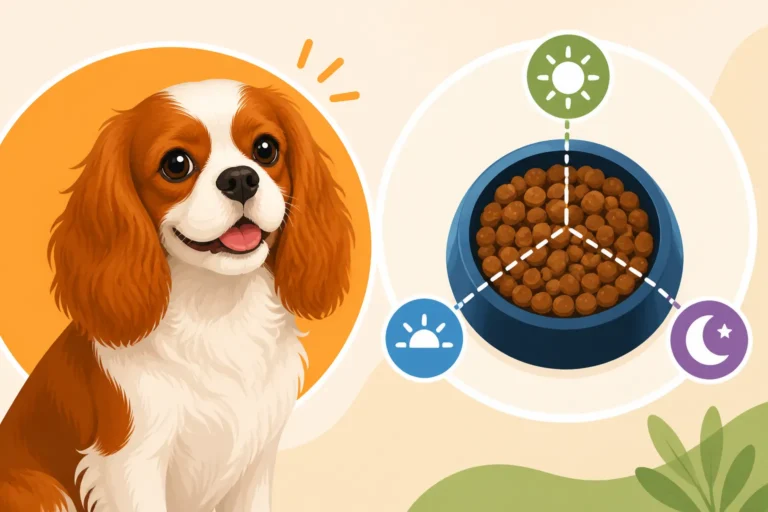
One of the most common mistakes owners make with senior dogs is continuing to feed them the same amount of food they ate as a younger, more active adult. As Cavaliers age, their metabolism naturally slows down, and their activity levels decrease. This creates a perfect storm for weight gain. An extra pound or two on a fifteen-pound Cavalier is equivalent to a human gaining twenty or thirty pounds – it puts immense strain on their heart and joints. An overweight senior Cavalier will struggle more with mobility, and any existing heart condition will be exacerbated. Why an Overweight Cavalier Fails Faster dives into this.
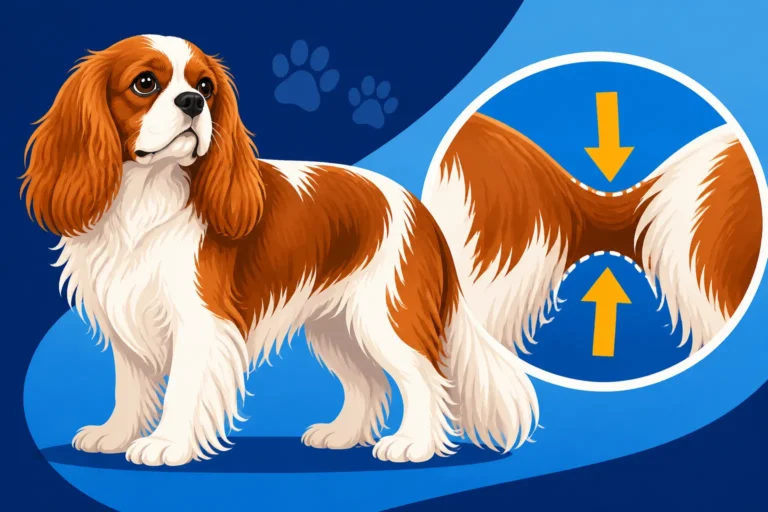
Therefore, reducing calorie intake is often necessary. This doesn't mean simply feeding less of the same food, which could lead to nutritional deficiencies. Instead, look for senior-specific formulas that are typically lower in calories but still packed with essential nutrients, or work with your vet to calculate a precise daily caloric need based on their current weight, activity level, and health status. Monitoring their weight regularly, feeling for their ribs (they should be palpable but not visible beneath their feathering), and adjusting their food portion size accordingly is crucial. Remember, keeping them at a lean, healthy weight can significantly improve their comfort and extend their healthy years.
Choosing the Right Food Type and Texture
Beyond calories, the type and texture of food become increasingly important. Many senior Cavaliers develop dental issues, from plaque and tartar buildup to painful gum disease and even missing teeth. Dry, hard kibble can become difficult, if not impossible, to chew comfortably, leading to a decreased appetite or pain during meals.
Consider transitioning to a softer diet. This could mean:
- Wet food: Commercial wet dog food is soft, palatable, and often easier to digest. Many brands offer senior-specific wet formulas.
- Soaked kibble: If your Cavalier still prefers their dry food, you can soften it by adding warm water or low-sodium broth and letting it sit for 10-15 minutes before serving.
- Fresh or gently cooked food: Services like Ollie offer fresh, human-grade food delivered to your door, portioned specifically for your dog. These diets are often softer and highly palatable, which can be a godsend for picky senior eaters or those with dental pain.
- Smaller kibble size: If a dry diet is still preferred, ensure the kibble pieces are small enough for their often crowded, smaller mouths.
It's also worth noting that some older Cavaliers might experience gastrointestinal sensitivities they didn't have before. Look for easily digestible ingredients and avoid sudden changes in diet. When switching foods, do it gradually over 7-10 days to prevent stomach upset. An Old Cavalier That Struggles With Dry Kibble offers more tips for this transition.
Here's a quick comparison of common senior food types:
| Food Type | Pros | Cons | Best For |
|---|---|---|---|
| Dry Kibble | Cost-effective, convenient, helps clean teeth (if still able to chew) | Can be hard to chew with dental issues, lower moisture content | Seniors with good dental health, owners on a budget |
| Wet Food | Highly palatable, high moisture, easy to chew, softer texture | More expensive, less dental benefit, shorter shelf life once opened | Seniors with dental issues, picky eaters, needing increased hydration |
| Fresh Food | Highly palatable, easily digestible, minimal processing, soft | Most expensive, requires refrigeration, shorter shelf life | Seniors with advanced dental issues, digestive sensitivities, picky eaters |
| Soaked Kibble | Combines benefits of dry food with softer texture, cost-effective | Still requires some chewing, can become soggy if left out | Seniors transitioning off dry food, mild dental discomfort |
Supplements and Special Diets for Senior Health
As Cavaliers age, their bodies might need a little extra help, and certain supplements or prescription diets can make a significant difference, especially when dealing with common senior ailments.
- Joint Support: Supplements containing glucosamine, chondroitin, and MSM can help support joint cartilage and reduce inflammation, offering relief for arthritic Cavaliers. Omega-3 fatty acids (fish oil) also have anti-inflammatory properties that benefit joints, skin, and coat. You can find many reputable brands on platforms like Chewy or Amazon. Diets Aimed at an Old Cavalier's Knees delves into dietary approaches for joint health.
- Heart Health: For Cavaliers with MVD, your vet might recommend a low-sodium diet to help manage fluid retention and reduce the workload on their heart. Prescription cardiac diets are specifically formulated for this purpose. Even if not on a prescription diet, checking the sodium content of commercial foods and treats is wise. Supplements like taurine and L-carnitine are sometimes suggested, but always discuss these with your cardiologist first.
- Cognitive Support: For Cavaliers showing signs of cognitive decline, supplements containing antioxidants, B vitamins, and medium-chain triglycerides (MCTs) can help support brain function. Some prescription diets are also formulated with ingredients specifically for cognitive health.
- Probiotics: An aging gut can become less efficient. Probiotic supplements can help maintain a healthy balance of gut flora, improving digestion and nutrient absorption.
Always consult your veterinarian before starting any new supplements or changing to a specialized diet. They can guide you on the most appropriate choices for your Cavalier's specific health profile and potential interactions with any medications they might be taking.
Gentle Grooming for a Less Agile Body
Grooming a senior Cavalier needs to become an act of gentle care and observation rather than a brisk routine. Their bodies are more fragile, their skin can be thinner, and they might have painful areas you’re not even aware of. The goal is to keep them clean, comfortable, and mat-free without causing stress or discomfort.
Adapting Brushing Routines
The Cavalier's beautiful, silky coat is prone to matting, and this doesn't change with age. In fact, senior Cavaliers might mat more easily because they're less active, lie down for longer periods, and might not groom themselves as meticulously. However, their tolerance for long brushing sessions might diminish, especially if they have arthritis, a sore neck (possibly due to Syringomyelia and Chiari Malformation in Cavaliers), or general fatigue.
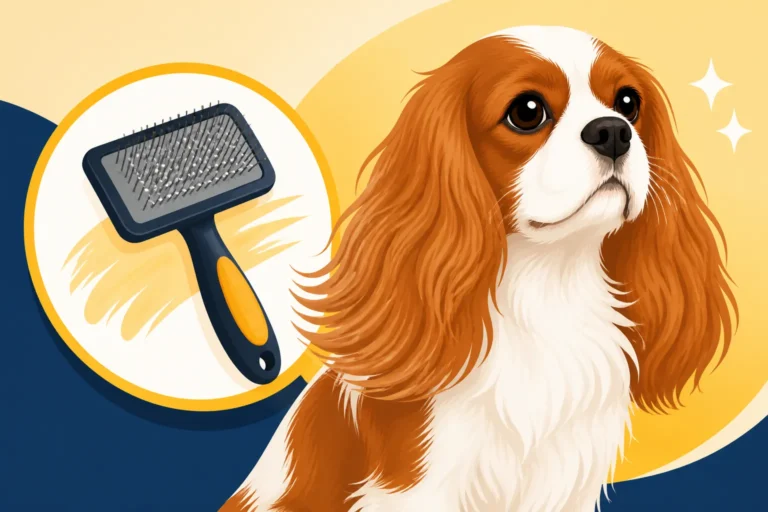
- Shorter, More Frequent Sessions: Instead of one long weekly session, aim for shorter, daily or every-other-day brushing. Five to ten minutes of gentle attention can prevent mats from forming and is much less taxing for your dog.
- Softer Brushes: While a slicker brush is great for working out tangles, a softer pin brush or even a rubber curry brush might be more comfortable for sensitive skin and joints. Always use a metal comb for the finishing check, but be extra gentle.
- Support and Comfort: Groom your Cavalier on a non-slip surface at a comfortable height for both of you. A raised grooming table with a non-slip mat can save your back and prevent your dog from having to stand on a hard, cold floor. If standing is difficult, let them lie down on a soft blanket while you work on accessible areas.
- Focus on Problem Areas: Pay close attention to areas where mats commonly form: behind the ears, in the armpits, under the collar, and on their long feathering on legs and tail. These spots mat fastest and can become very painful if left unattended.
- Use Detangling Spray: A good quality detangling spray applied lightly can make brushing easier, reducing pulling and discomfort. Brands available on Amazon or Chewy often have senior-friendly options.
Remember, the goal is comfort and cleanliness. If your Cavalier shows any signs of pain or distress – yelping, growling, flinching, or trying to nip – stop immediately and reassess. It might be a sign of an underlying issue that needs veterinary attention. Keeping an Old Cavalier's Coat Comfortable elaborates on this delicate balance.
Bathing a Senior Cavalier
Bathing a senior Cavalier requires extra care to ensure their safety and minimize stress. They might be unsteady on their feet, struggle to stand for extended periods, or become anxious in new situations.
- Non-Slip Surfaces: This is paramount. Place a rubber bath mat in the tub or shower to prevent slips and falls. A slip can cause serious injury to fragile senior joints.
- Warm Water and Gentle Flow: Use lukewarm water – not too hot, not too cold – and a gentle showerhead setting if possible. Avoid powerful jets that can be startling.
- Support and Stability: If your Cavalier struggles to stand, consider having a second person gently support them. Talk to them soothingly throughout the process.
- Gentle Shampoos: Use a mild, moisturizing, tearless shampoo specifically formulated for dogs. Avoid harsh chemicals or strong fragrances that could irritate their sensitive skin or respiratory system. Some senior dogs develop drier skin, so a hydrating shampoo can be beneficial.
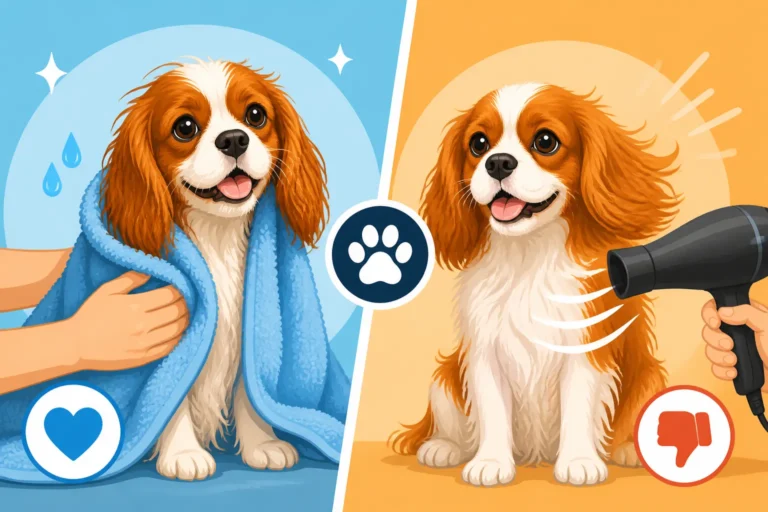
- Thorough but Gentle Drying: Blot their coat gently with a soft, absorbent towel. If using a hairdryer, ensure it's on a low heat setting and held far enough away to avoid burning their skin. Many senior Cavaliers are sensitive to loud noises, so a quiet pet dryer or even just air drying (in a warm room, with extra toweling) might be preferable. Ensure they are completely dry, especially their long ears and feathering, to prevent skin infections and mats. Grooming an Older Cavalier That Cannot Stand Long discusses specific positioning for comfort.
Dealing with Matting in Older Cavaliers
Mats are more than just an aesthetic issue; they can pull on the skin, cause irritation, hide skin infections, and make your dog incredibly uncomfortable. For a senior Cavalier, severe matting can significantly impact their quality of life.
- Prevention is Key: As discussed, shorter, more frequent brushing sessions are the best defense. Regular use of a detangling spray can also help.
- Gentle Removal: For small, minor mats, try to work them out gently with your fingers, a wide-toothed comb, and detangling spray. Start from the ends of the hair and work your way towards the skin. Never pull harshly.
- When to Trim or Clip: For larger, tighter mats that cannot be painlessly brushed out, it's often kinder to carefully trim them out with blunt-nosed scissors or a small clipper. Always place a comb between the mat and the skin before cutting to avoid accidental nicks. If you're unsure or the mat is close to the skin, it’s always best to seek professional help from a groomer or vet.
- Professional Intervention: Sometimes, especially if a senior Cavalier has extensive matting, a professional groomer may recommend a full shave down. While this changes their appearance, it's often the most humane option for severely matted dogs, providing immediate relief from pain and discomfort. Their coat will grow back, and you can then establish a new, easier maintenance routine. Remember to discuss any health concerns (like MVD or SM) with the groomer beforehand so they can adapt their techniques.
Specialized Care for Ears, Eyes, and Nails
Beyond their glorious coat, certain areas of your senior Cavalier's body require specific attention, often more so than when they were younger. Neglecting these spots can lead to discomfort, infections, or even permanent damage.
Maintaining Ear Health
Cavaliers are renowned for their long, silky drop ears, which, while beautiful, are a perfect breeding ground for ear infections. As they age, their immune system might weaken, and wax production can sometimes increase, making them even more susceptible.
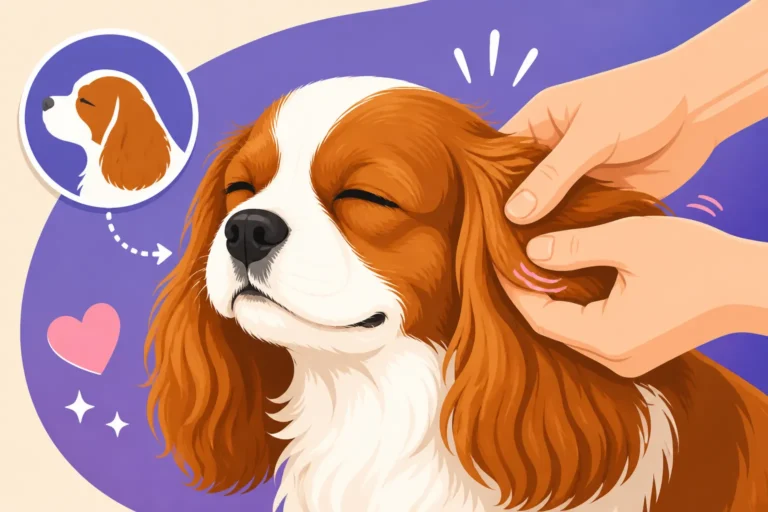
- Daily Checks: Make it a habit to lift your Cavalier's ear flaps daily. Look for redness, swelling, discharge (waxy, black, or yellowish), or any unusual odors. A healthy Cavalier ear should be clean, pale pink, and free of strong smells.
- Gentle Cleaning: If you notice a buildup of wax or dirt, use a veterinarian-approved ear cleaner. Apply a few drops into the ear canal, gently massage the base of the ear for about 30 seconds to break up debris, then use a soft cotton ball or gauze pad to wipe out any visible dirt from the outer ear flap. Never use cotton swabs inside the ear canal, as this can push debris further in and damage the eardrum.
- Address Issues Promptly: If you suspect an ear infection (shaking head, scratching at ears, pain when touched, strong odor), contact your vet immediately. Ear infections can be very painful and, if left untreated, can lead to chronic issues or even hearing loss.
- Keep Them Dry: After baths or swimming, ensure your Cavalier's ears are thoroughly dried to prevent moisture buildup. Snoods can also be helpful during meal times to keep those beautiful ears out of food and water, reducing the chance of them getting dirty or wet.
Addressing Eye Changes
Cavaliers have large, expressive eyes that are prone to certain conditions, some of which can worsen with age.
- Tear Staining: This is common, especially in Blenheim and Ruby Cavaliers. While often cosmetic, excessive tear staining can indicate blockages in tear ducts or irritation. Gently wipe the area around their eyes daily with a soft, damp cloth or a vet-approved eye wipe to prevent buildup and irritation.
- Dry Eye: Some Cavaliers suffer from Keratoconjunctivitis Sicca (KCS), or "dry eye," where they don't produce enough tears. This can cause chronic irritation, redness, and discharge. It's often diagnosed in middle age but can persist or worsen in senior years. Your vet might prescribe daily eye drops to manage this.
- Vision Impairment: Older Cavaliers, like older humans, can develop cataracts or general vision loss. Be mindful of this when arranging furniture, walking them, or approaching them from behind, as they might be more easily startled. Keep their environment consistent to help them navigate.
- Regular Vet Checks: Include eye checks as part of your senior Cavalier's regular veterinary examinations. Any new redness, discharge, squinting, or cloudiness should be brought to your vet's attention. Cavalier Eye Disease From Dry Eye to Cataracts explains various eye conditions.
Nail and Paw Care
Overgrown nails can be a significant source of discomfort for any dog, but especially for a senior Cavalier with existing joint pain. Long nails force their toes to splay, putting pressure on their joints and making walking painful.
- Regular Trimming: Aim to trim your Cavalier's nails every 3-4 weeks, or as needed. If you hear their nails clicking on the floor as they walk, they're too long. If you're uncomfortable doing this yourself, your vet or a professional groomer can do it for you. Be careful not to cut into the quick, which is painful and will bleed.
- Paw Pad Inspection: Regularly check their paw pads for cracks, cuts, foreign objects (like grass seeds), or excessive hair growth between the pads. Long hair between the pads can collect debris, cause slipping on smooth floors, and contribute to matting or yeast infections. Carefully trim this hair flush with the pads using blunt-nosed scissors.
- Moisturize Pads: Older dogs can develop drier, tougher paw pads. Consider using a pet-safe paw balm to keep them moisturized and prevent cracking, especially in extreme weather.
Dental Care Becomes Even More Critical
Dental disease is one of the most common health problems in senior dogs, and Cavaliers are particularly susceptible due to their crowded, small jaws. Neglecting their teeth can lead to far more serious health issues than bad breath alone. Cavalier Dental Disease in a Crowded Jaw covers the breed's specific challenges.
The Importance of Regular Dental Checks
By the time a Cavalier reaches ten years old, if they haven't had consistent dental care, they are very likely to have significant plaque, tartar, and gum disease (periodontal disease). This isn't just about bad breath; bacteria from infected gums can enter the bloodstream and travel to vital organs like the heart, kidneys, and liver, exacerbating existing conditions like MVD. Indeed, Whether Dental Disease Reaches a Cavalier's Heart is a serious concern for Cavaliers.
Regular veterinary dental checks are paramount. During their annual check-up, your vet will examine their teeth and gums. If they recommend a professional dental cleaning under anesthesia, it's vital to take it seriously, even if your Cavalier is older or has a heart murmur. The benefits of a clean, healthy mouth often outweigh the risks of anesthesia, especially with modern protocols.
At-Home Dental Care for Sensitive Senior Mouths
While professional cleanings are essential, daily at-home care plays a huge role in slowing down plaque and tartar buildup. For a senior Cavalier with a sensitive mouth, you'll need to be extra gentle.
- Soft Toothbrushes: Use a soft-bristled toothbrush designed for pets, or even a finger brush. You can find these on Chewy or Amazon.
- Enzymatic Toothpaste: Always use an enzymatic pet toothpaste; never human toothpaste, as it contains ingredients toxic to dogs. Pet toothpastes come in appealing flavors like poultry or peanut butter.
- Gentle Brushing Technique: Start slowly, especially if your Cavalier isn't used to it. Lift their lip gently and focus on the outside surfaces of their teeth, where plaque tends to accumulate most. Work up to a minute or two per side, if possible.
- Dental Wipes: If brushing is too stressful or painful, dental wipes can be a good alternative for wiping plaque off the tooth surfaces.
- Water Additives: Dental water additives can help reduce bacteria in the mouth and improve breath, though they are not a substitute for brushing or professional cleanings.
The key is consistency and making it a positive, low-stress experience. If your Cavalier shows any pain, stop and consult your vet. They might need a professional cleaning before you can comfortably resume at-home care.
Anesthesia Concerns and Alternatives
Many owners worry about putting an older Cavalier with a heart murmur or other health issues under anesthesia for a dental cleaning. This is a very valid concern. However, modern veterinary anesthesia protocols have made it much safer, especially for senior pets.
- Pre-Anesthetic Bloodwork: Your vet will almost certainly recommend comprehensive blood tests before anesthesia to assess liver and kidney function, red blood cell count, and other vital parameters. This helps them tailor the anesthetic protocol to your dog's specific needs. Pre-Surgery Testing for an Older Cavalier is crucial.
- Cardiac Evaluation: If your Cavalier has a known heart murmur or MVD, a cardiac evaluation (which might include a chest X-ray and an echocardiogram) might be recommended to assess their heart function and anesthetic risk. An experienced vet or cardiologist can advise on the safest options. Anesthesia for a Cavalier With Heart Disease is a dedicated topic.
- Intravenous (IV) Fluids: During anesthesia, IV fluids are typically administered to help maintain blood pressure and support organ function.
- Monitoring: Your Cavalier will be closely monitored by trained staff throughout the procedure, tracking heart rate, breathing, blood pressure, and oxygen levels.
- Pain Management: Appropriate pain relief will be given before, during, and after the procedure.
While no anesthesia is without risk, the chronic pain and systemic health issues caused by severe dental disease often pose a greater long-term risk to a senior Cavalier's health than a properly managed anesthetic procedure. Discuss all your concerns thoroughly with your vet, and they can help you make an informed decision for your unique situation.
Creating a Comfortable and Accessible Grooming Environment
The grooming experience for a senior Cavalier extends beyond just the tools and techniques; it encompasses the entire environment. A calm, safe, and comfortable space can make a world of difference, reducing stress and making the process more manageable for both of you.
Setting Up a Safe Grooming Space
Think about where you usually groom your Cavalier. Is it on a cold, hard floor? A slippery bathroom counter? For an older dog, these spots can be intimidating and even dangerous.
- Non-Slip Surfaces: This is the golden rule. Whether you use a raised grooming table, a kitchen counter, or the floor, lay down a non-slip bath mat or a thick, rubber-backed rug. This provides traction and prevents slips and falls, which can be devastating for a dog with fragile joints.
- Appropriate Height: If you're able to groom standing up, a raised grooming table or a sturdy kitchen counter can save your back and allow you to work more precisely. Ensure the surface is stable and at a comfortable height for you, so you're not bending over excessively, which can make you tense. If using a raised surface, always have your hand on your Cavalier or use a grooming arm with a gentle loop to keep them safely in place, never unattended.
- Calming Atmosphere: Senior dogs can be more sensitive to noise and sudden movements. Choose a quiet time of day, perhaps with soft music playing. Keep distractions to a minimum. A familiar, cozy blanket on the grooming surface can provide comfort. Offering calm praise and even a small, low-calorie, vet-approved treat can create positive associations.
- Warmth: Ensure the room is a comfortable temperature, especially after bathing. Older dogs can struggle to regulate their body temperature as effectively as younger dogs.
Tools and Products for Senior Grooming
Just as you adapt your technique, consider adapting your grooming arsenal to suit your senior Cavalier's needs.
- Softer Brushes and Combs: As mentioned earlier, a softer pin brush or a gentle rubber curry brush might be more comfortable than a stiff slicker brush. A wide-toothed metal comb is still essential for checking for mats, but use it with extra care.
- Gentle Shampoos and Conditioners: Opt for pH-balanced, moisturizing, and fragrance-free shampoos. Some brands offer senior-specific formulas with skin-soothing ingredients. A conditioner can help keep their coat soft and manageable, reducing static and preventing tangles.
- Detangling Sprays: These are invaluable for making brushing easier and reducing pulling.
- Soft Towels: Have several soft, absorbent towels ready for bathing. Microfiber towels can be particularly effective at wicking away moisture gently.
- Quiet Dryers: If using a blow dryer, a quiet model designed for pets is ideal. Otherwise, rely on towel drying and air drying in a warm, draft-free room.
- Non-Slip Mats for Bathing: Absolutely crucial for safety in the tub. You can find these easily on Amazon or at pet supply stores like Chewy.
When to Enlist Professional Grooming Help
Sometimes, despite your best efforts, professional help is the kindest and safest option for your senior Cavalier. There's no shame in admitting you need assistance; it's a sign of a responsible and caring owner.
- Physical Limitations: If your Cavalier struggles to stand, has severe arthritis, or experiences significant pain with handling, a professional groomer who specializes in senior or special-needs dogs can be invaluable. They have hydraulic tables that can be lowered for easy access, specialized equipment, and experience with gentle handling techniques.
- Severe Matting: If your Cavalier becomes severely matted, especially if the mats are close to the skin or widespread, attempting to remove them yourself can be very painful and risky. A professional groomer has the tools and expertise to safely and efficiently remove mats, often opting for a clip-down that provides immediate relief.
- Anxiety or Fear: Some senior Cavaliers develop anxiety around grooming, especially if their vision or hearing is declining, or if they associate it with pain. A skilled groomer can work patiently, using positive reinforcement and adapting the process to minimize stress.
- Time Constraints or Lack of Confidence: If you simply don't have the time, physical ability, or confidence to perform thorough grooming for your senior dog, a professional groomer ensures they remain clean and comfortable.
- Specific Health Concerns: Always inform the groomer about any health conditions your Cavalier has, such as MVD, SM, joint pain, or cognitive decline. This allows them to adjust their techniques, duration of the groom, and any necessary breaks. Many groomers are trained to recognize signs of discomfort and will prioritize your dog's well-being.
Observing and Responding to Changes
Caring for a senior Cavalier is an ongoing conversation between you, your dog, and your veterinarian. Their needs are fluid, and what works one month might need adjusting the next. Your keen observation skills are one of the most powerful tools you have to ensure their comfort and health.
Recognizing Signs of Discomfort During Care
During grooming, feeding, or even just daily interactions, pay close attention to your Cavalier's body language. Subtle cues can speak volumes about their comfort levels.
- Pain Signals: These can include flinching, yelping, growling, snapping (even if they've never done it before), stiffening, trembling, tucking their tail, or trying to move away. Pain is a common culprit for behavioral changes in senior dogs. A Cavalier that yelps when picked up might have a sore back or neck.
- Irritability or Withdrawl: An otherwise sweet-natured Cavalier might become irritable, less tolerant of handling, or withdrawn if they are in pain or feeling unwell. They might seek solitude more often or show less enthusiasm for activities they once loved. A Once-Cheerful Cavalier That Turns Withdrawn highlights this.
- Loss of Balance or Unsteadiness: During bathing or standing for grooming, watch for any wobbling, difficulty balancing, or a reluctance to put weight on a limb. This could indicate joint pain, weakness, or a neurological issue.
- Changes in Appetite: A sudden decrease in appetite, or reluctance to eat certain foods, could indicate dental pain, nausea, or an underlying health issue.
- Respiratory Distress: Keep an eye out for increased panting, coughing (especially at rest or at night), or a general struggle to breathe during or after any activity, including grooming. This could be a sign of worsening MVD. Coughing at Night in a Cavalier is a common symptom.
Trust your instincts. If something feels "off" with your senior Cavalier, it probably is. They often hide pain until it's significant, so even subtle changes are worth noting.
Communicating with Your Vet
Your veterinarian is your most important partner in navigating your Cavalier's senior years. Open and honest communication is essential.
- Regular Check-ups: Ensure your senior Cavalier has annual (or even semi-annual, as recommended by your vet) comprehensive wellness exams. These appointments allow your vet to thoroughly assess their overall health, catch potential issues early, and adjust care plans.
- Report All Changes: Don't hesitate to call your vet if you notice any significant changes in your Cavalier's behavior, appetite, mobility, or any signs of discomfort. Even seemingly minor issues can be clues to underlying health problems. Keep a log of symptoms if they're intermittent.
- Discuss Medications and Supplements: Review all medications and supplements your Cavalier is taking at each visit. Dosages might need adjusting, or new treatments might become appropriate. For instance, Pain Management for a Senior Cavalier often involves specific medications.
- Ask for Referrals: If your vet identifies a complex issue like advanced MVD, severe arthritis, or suspected neurological problems, they might recommend a referral to a specialist (e.g., a veterinary cardiologist, orthopedist, or neurologist). These specialists have advanced training and equipment to provide the best possible care.
- Be Proactive: Don't wait until your Cavalier is clearly suffering. Being proactive with preventive care, early intervention, and symptom management can significantly improve their quality of life as they age. Caring for a Cavalier Past Nine isn't just about managing problems, but maintaining joy.
The golden years with your Cavalier are a precious gift, filled with quiet companionship and unconditional love. By adapting their feeding and grooming routines with patience, empathy, and a keen eye for their changing needs, you can help them live out their senior years in comfort and dignity.
Disclaimer
This article is for general informational purposes only and does not constitute professional advice. Laws, prices and regulations vary by location and change over time. Consult a qualified professional for guidance on your specific situation.