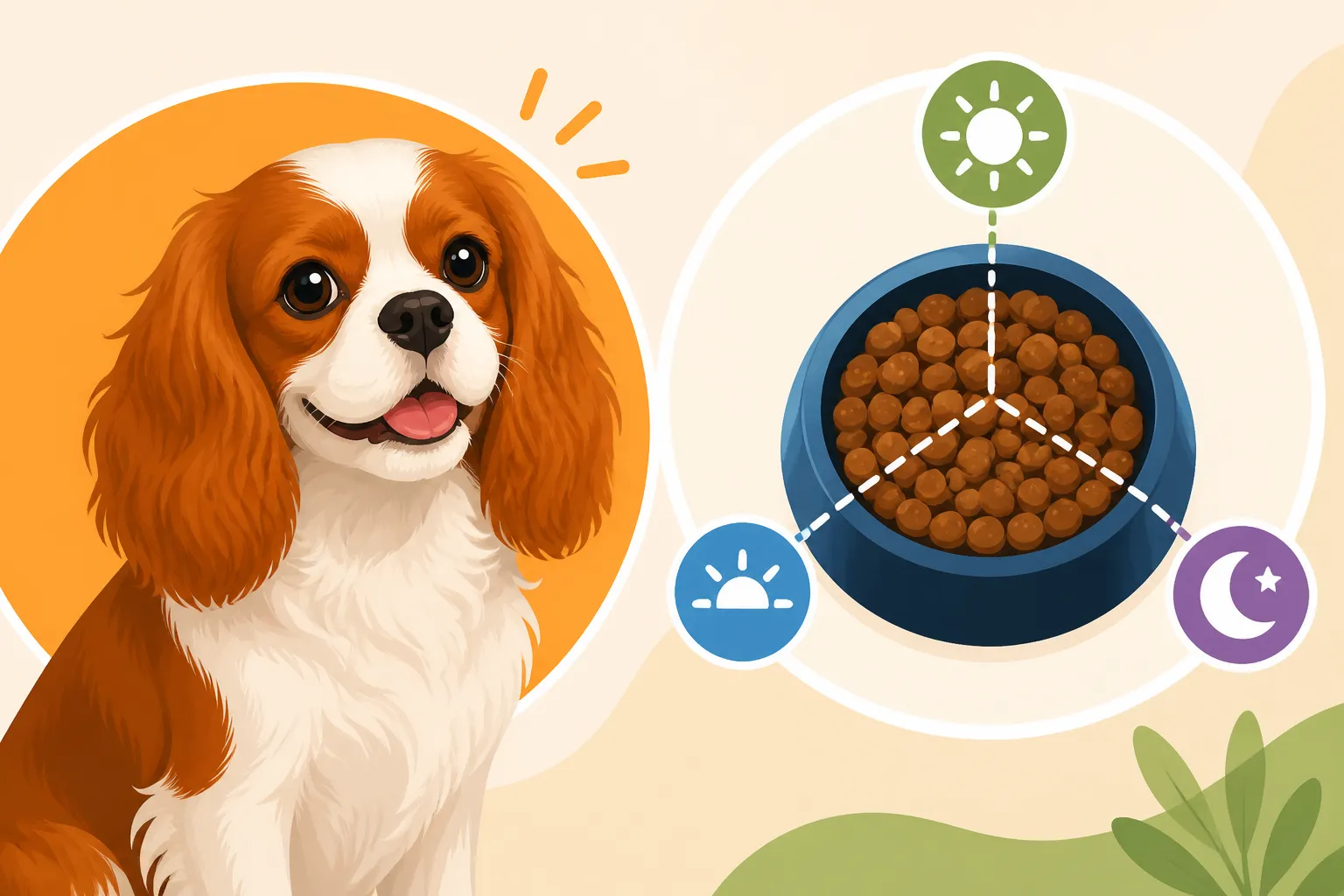
How Much to Feed an Adult Cavalier Daily
One of the most common worries for Cavalier King Charles Spaniel owners is figuring out exactly how much to feed their adorable, ever-hungry companion each day. It’s a struggle many of us face, trying to balance their eager appetites with their tendency to pack on pounds, which can have real consequences for their health. This guide will help you understand the daily dietary needs of your adult Cavalier, ensuring they get the right nutrition without overdoing it.
Understanding Your Cavalier's Calorie Needs
It's easy to look at your sweet Cavalier and think, "Just one more treat won't hurt," or "They seem hungry, let's add a bit more kibble." But for a small breed like the Cavalier, even a few extra calories a day can quickly lead to unhealthy weight gain, putting unnecessary strain on their joints and, most critically, their heart. Their daily calorie requirements aren't a one-size-fits-all number; they depend on several crucial factors that are unique to your individual dog.
Factors Influencing Calorie Requirements
Think about your Cavalier's daily life. Are they a couch potato who enjoys short, leisurely strolls, or are they an energetic dynamo who loves long walks and playtime in the park? Their activity level is perhaps the biggest determinant of their caloric needs. A highly active Cavalier running agility courses or going on extended hikes will burn significantly more calories than one whose main exercise involves moving from the sofa to the food bowl. It’s vital to assess this honestly. What might seem like a lot of activity for a human could still be quite moderate for a dog, especially a small one. Remember that every dog is an individual, and even within the breed, activity levels can vary widely.
Beyond activity, age plays a huge role. A young, adult Cavalier, typically between one and seven years old, might have a more robust metabolism than a senior dog. As Cavaliers age, their metabolism often slows down, and their activity naturally decreases. An older Cavalier might need fewer calories to maintain a healthy weight, and providing the same amount of food they ate in their prime can quickly lead to weight gain. Similarly, whether your Cavalier is spayed or neutered also impacts their metabolism. Spaying or neutering can reduce a dog's metabolic rate, meaning they might require about 20-30% fewer calories to prevent weight gain compared to their intact counterparts. This is a common pitfall for owners, as they continue feeding the same amount post-surgery, leading to gradual weight creep.
Calculating a Starting Point for Daily Calories
To get a good baseline for your Cavalier's daily calories, you can start with a general guideline based on their ideal body weight. Most adult Cavaliers, when at a healthy weight, fall somewhere between 13 to 18 pounds. However, this isn't about their current weight if they're already overweight, but rather what they should weigh. A common formula vets use is around 25-30 calories per pound of ideal body weight for an average, moderately active adult dog. So, for a Cavalier aiming for 15 pounds, that's roughly 375-450 calories per day. This is a starting point, not a strict rule, and it needs to be adjusted based on the factors we just discussed.
For instance, a less active, spayed senior Cavalier might need closer to the lower end, perhaps 20-25 calories per pound. Conversely, a very active, intact young adult might need 30-35 calories per pound. It's a delicate balance, and something you’ll need to fine-tune. Always read the feeding guidelines on your dog food bag, but treat them as just that: guidelines. They often cater to a wider range of breeds and activity levels, and may even err on the side of overfeeding for marketing purposes. You'll likely find that the recommended amount on the bag is a bit more than your individual Cavalier truly needs to stay lean.
The Importance of Accurate Portions and Regular Weigh-Ins
It's astonishing how quickly a few extra kibbles here and there can add up, especially for a small dog like a Cavalier. Many owners eyeball portions, or use a standard measuring cup meant for baking, not pet food, which can be surprisingly inaccurate. The slight difference between a loosely filled cup and a tightly packed one can mean a significant calorie difference over weeks and months. This seemingly small error is one of the most common reasons why Cavaliers gradually gain weight. Cavalier Weight Gain and What It Costs the Heart is a serious topic, and consistent overfeeding is a primary contributor.
Weighing Food for Precision
The most accurate way to ensure your Cavalier is getting the correct amount of food is to weigh it using a kitchen scale. Dog food is much like human food in that volume measurements can be inconsistent. A cup of one kibble might weigh more or less than a cup of another, due to differences in density and kibble size. By weighing your Cavalier's daily ration in grams or ounces, you eliminate this variability entirely. This ensures that every meal provides precisely the caloric intake you've calculated. For example, if your chosen kibble states 350 calories per cup, but your cup actually holds 4 ounces, and the label gives calories per ounce, you'll want to be sure you're using the right metric for accuracy.
This might sound like an extra step, but once you get into the habit, it takes mere seconds. Many owners pre-portion their dog's food for the day or week into small containers or baggies, making meal times quick and foolproof. This method helps to avoid the "Why a Bowl Left Down Makes a Cavalier Fat" scenario, as free-feeding makes it impossible to track intake and regulate portions effectively.
Monitoring Your Cavalier's Weight and Body Condition
Regularly monitoring your Cavalier’s weight is non-negotiable for their long-term health. Aim to weigh your dog at least once a month, ideally on the same scale. Small changes are easier to address than significant weight gain. Many vet clinics are happy for you to pop in just to use their scale. Beyond the number on the scale, it's crucial to assess their body condition score by physically feeling their ribs and waistline. You should be able to easily feel their ribs beneath a thin layer of fat without pressing hard. From above, you should see a clear waistline, and from the side, their abdomen should tuck up slightly rather than hanging low. Feeling a Cavalier's Ribs Under Feathering can be tricky with their long coats, so a hands-on approach is key.
Here’s a simple table to help you gauge your Cavalier’s body condition:
| Score | Appearance | Ribs | Waist/Tuck-Up |
|---|---|---|---|
| 1 | Emaciated | Ribs, spine, pelvis visible from distance | Severe abdominal tuck, severe waist |
| 2 | Very Thin | Ribs easily visible, no fat on them, some muscle loss | Marked abdominal tuck, marked waist |
| 3 | Ideal | Ribs easily palpable, minimal fat covering | Well-proportioned waist behind ribs, slight abdominal tuck |
| 4 | Overweight | Ribs palpable with slight difficulty, thick fat covering | Waist visible but not prominent, slight to no abdominal tuck |
| 5 | Obese | Ribs difficult to palpate under heavy fat covering | No waist, abdominal distention |
If you notice your Cavalier is starting to creep up the scale or their ribs are harder to feel, it's time to gently adjust their daily food intake downwards. Even a reduction of 10-20% can make a difference over a few weeks. Conversely, if they seem too lean, you might need to slightly increase their calories.
Choosing the Right Food and How to Transition
Selecting the right food for your Cavalier can feel overwhelming with the sheer number of options available today. From kibble to fresh food, grain-free to limited ingredient, the choices are vast. The best food will support their overall health and energy levels without contributing to excess weight.
What to Look for in a Quality Dog Food
When scrutinizing dog food labels, prioritize those with high-quality protein as the first ingredient. This could be deboned chicken, lamb, beef, or fish. Protein is essential for maintaining muscle mass, which is particularly important for a breed prone to joint issues. Avoid foods with vague meat by-products as primary ingredients or excessive fillers like corn, wheat, and soy, which offer little nutritional value and can contribute to weight gain. Look for easily digestible carbohydrates like sweet potatoes, peas, or brown rice. Healthy fats, such as omega-3 and omega-6 fatty acids, are crucial for their skin, coat, and cognitive function. Many brands specify formulations for small breeds, which typically feature smaller kibble sizes that are easier for Cavaliers to chew.
For those considering fresh food options, companies like Ollie provide pre-portioned, human-grade meals tailored to your dog's specific needs, which can be an excellent way to control calories and ensure high-quality ingredients. If you prefer traditional kibble, Chewy offers a vast selection of reputable brands, often with detailed ingredient lists and customer reviews to help you make an informed choice. When choosing treats, remember they count toward daily calories! Opt for small, low-calorie options or even healthy human snacks like small pieces of carrot or apple. Amazon also has a wide variety of interactive toys that can dispense treats slowly, making them last longer and providing mental stimulation.
Gradually Transitioning to New Food
If you decide to switch your Cavalier's food, whether due to a change in life stage, health needs, or simply finding a better quality option, do it gradually. A sudden change can upset their digestive system, leading to tummy troubles like vomiting or diarrhea. Over a period of 7-10 days, slowly introduce the new food by mixing it with their current food.
Here’s a typical transition schedule:
- Days 1-2: 75% old food, 25% new food
- Days 3-4: 50% old food, 50% new food
- Days 5-6: 25% old food, 75% new food
- Days 7-10: 100% new food
Observe your Cavalier closely during this period for any signs of digestive upset. If they show sensitivity, slow down the transition even further. Some sensitive dogs might need a two-week transition or even longer. Your vet can also offer advice on specific dietary changes.
Adjusting Meals for Health Concerns and Life Stages
A Cavalier's dietary needs aren't static; they evolve throughout their life and can be significantly impacted by health conditions. Being proactive about adjusting their diet can make a huge difference in their quality of life, especially as they age.
Feeding a Senior Cavalier
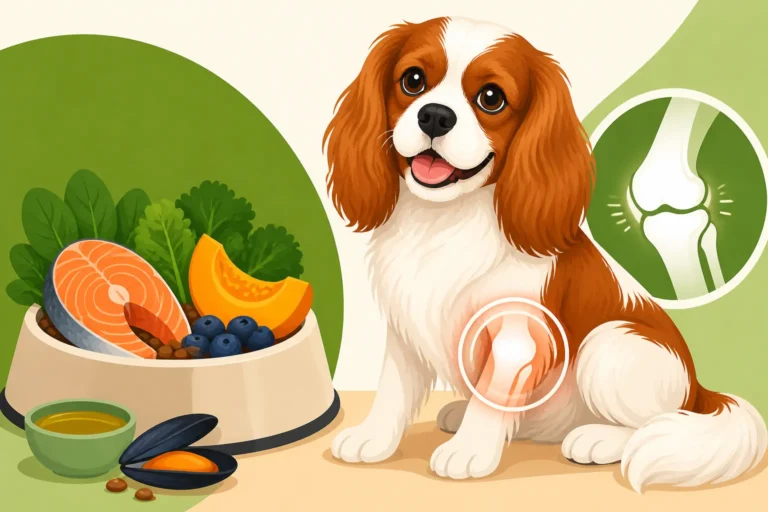
As Cavaliers move into their senior years, typically around 8-9 years old, their dietary requirements shift considerably. Their metabolism slows down, and their activity levels often decrease, meaning they generally need fewer calories to maintain a healthy weight. Continuing to feed the same amount of food they ate as a vibrant youngster can quickly lead to weight gain, exacerbating any existing joint issues or putting extra strain on their heart. Many senior dog foods are formulated with fewer calories, higher fiber content to promote satiety, and often contain joint-supporting supplements like glucosamine and chondroitin. Diets Aimed at an Old Cavalier's Knees are specifically designed to support their aging bodies.
Dental health can also become a concern for older Cavaliers, as Cavalier Dental Disease in a Crowded Jaw is common. If chewing hard kibble becomes difficult, you might need to soften their food with warm water or switch to a wet food formulation. Regular dental check-ups are essential to catch issues early. Furthermore, older Cavaliers might struggle with appetite fluctuations. Sometimes, dividing their daily ration into smaller, more frequent meals can encourage consistent eating.
Dietary Considerations for Heart Disease
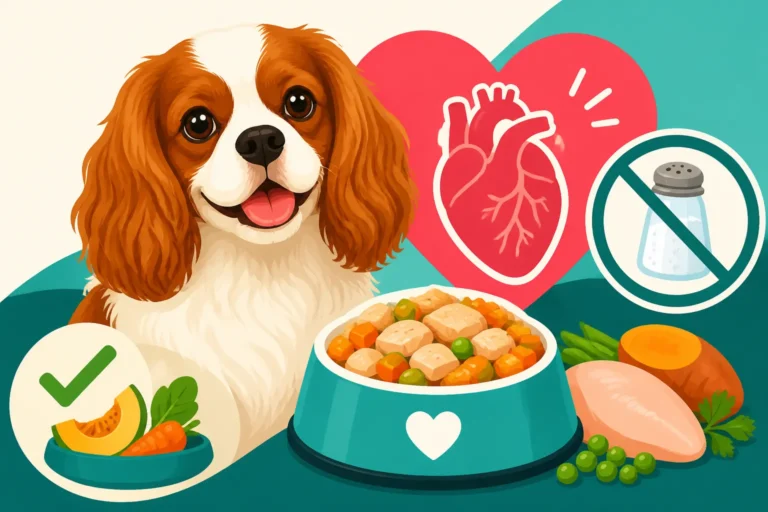
Unfortunately, many Cavaliers will eventually face Mitral Valve Disease (MVD), a common heart condition in the breed. Mitral Valve Disease in the Cavalier King Charles Spaniel often necessitates careful dietary management, especially as the disease progresses. While diet cannot cure MVD, it can play a supportive role in managing symptoms and potentially slowing progression. The most critical dietary adjustment for Cavaliers with heart disease is often a reduction in sodium (salt). Excess sodium can lead to fluid retention, which puts extra strain on an already struggling heart. Your vet might recommend a prescription cardiac diet, which is specifically formulated with controlled sodium levels and other beneficial nutrients. Low-Sodium Feeding for a Cavalier Heart Patient is paramount in these cases.
It's important to discuss any dietary changes with your veterinary cardiologist, as the specific recommendations will depend on the stage of your Cavalier's heart disease. They might also recommend supplements like fish oil, which contains omega-3 fatty acids, or taurine, depending on your dog's individual needs. Treats, too, need to be low in sodium. Always check labels, even for seemingly healthy treats. If your Cavalier is on medication, you'll need to find clever ways of Getting Pills Into a Cavalier at Mealtime without adding too many extra calories or high-sodium components.
Maintaining an ideal weight is perhaps the single most important thing you can do for a Cavalier with heart disease. Every extra pound means more work for their heart. Consistent weight management through careful portion control and monitoring is crucial for prolonging their quality of life. Whether Diet Slows a Cavalier's Heart Disease is a question many owners have, and while it's not a cure, it's a powerful tool in their management plan.
Remember, consistent monitoring and adjustment are key. Your Cavalier's needs aren't fixed; they're a living, breathing, beautiful work in progress, and their diet should reflect that.
Disclaimer
This article is for general informational purposes only and does not constitute professional advice. Laws, prices and regulations vary by location and change over time. Consult a qualified professional for guidance on your specific situation.