Feeding a Cavalier Two Meals a Day
One of the most common worries I hear from new Cavalier parents (and even seasoned ones!) is about feeding. It feels like there’s so much conflicting advice out there, and you just want to do right by your furry companion. Specifically, many wonder if sticking to the traditional "breakfast and dinner" routine is truly the best approach for these little loves. This guide will walk you through exactly why a two-meal-a-day schedule is often ideal for your Cavalier King Charles Spaniel, how to implement it effectively, and what common traps to avoid to ensure your beloved dog thrives.
The Rationale Behind a Twice-Daily Feeding Schedule for Your Cavalier
When you bring a Cavalier into your life, you quickly realize they're not just any dog; they're a special breed with particular needs. While larger breeds might handle one large meal a day, our smaller, more delicate Cavaliers generally flourish on a more frequent, smaller meal schedule. This isn't just about tradition; there's solid physiological reasoning behind it.
Why Small Breeds Benefit from Multiple Meals
Cavaliers, being a smaller toy breed, have a faster metabolism than their giant counterparts. Think of it like this: a high-performance sports car burns fuel quicker than a large truck. Our little Cavaliers are constantly zipping around, even if it's just from the sofa to your lap, and their bodies process food at a more accelerated rate. Giving them their daily food allowance in two separate sittings helps keep their energy levels consistent throughout the day, preventing those "hangry" dips that can lead to lethargy or even irritability. It also allows their digestive system to work more efficiently, processing smaller loads of food without being overwhelmed, which is crucial for nutrient absorption.
Moreover, smaller dogs tend to have smaller stomachs. Trying to cram a whole day's worth of calories into one meal can lead to discomfort, a feeling of being overly full, and even regurgitation. By splitting the meal, we're mimicking a more natural grazing pattern, ensuring they get sufficient nourishment without the digestive strain. It's about respecting their physiology and setting them up for comfort and health.
Maintaining Stable Blood Sugar Levels
One significant benefit of twice-daily feeding for a Cavalier is its role in maintaining stable blood sugar levels. Just like humans, dogs can experience fluctuations in blood sugar, especially smaller breeds who burn through their energy reserves faster. A long stretch between meals can cause their blood sugar to drop too low, leading to symptoms like weakness, tremors, or even a sudden collapse in extreme cases, a condition sometimes seen as hypoglycemia, particularly in very young puppies or those with certain health issues.
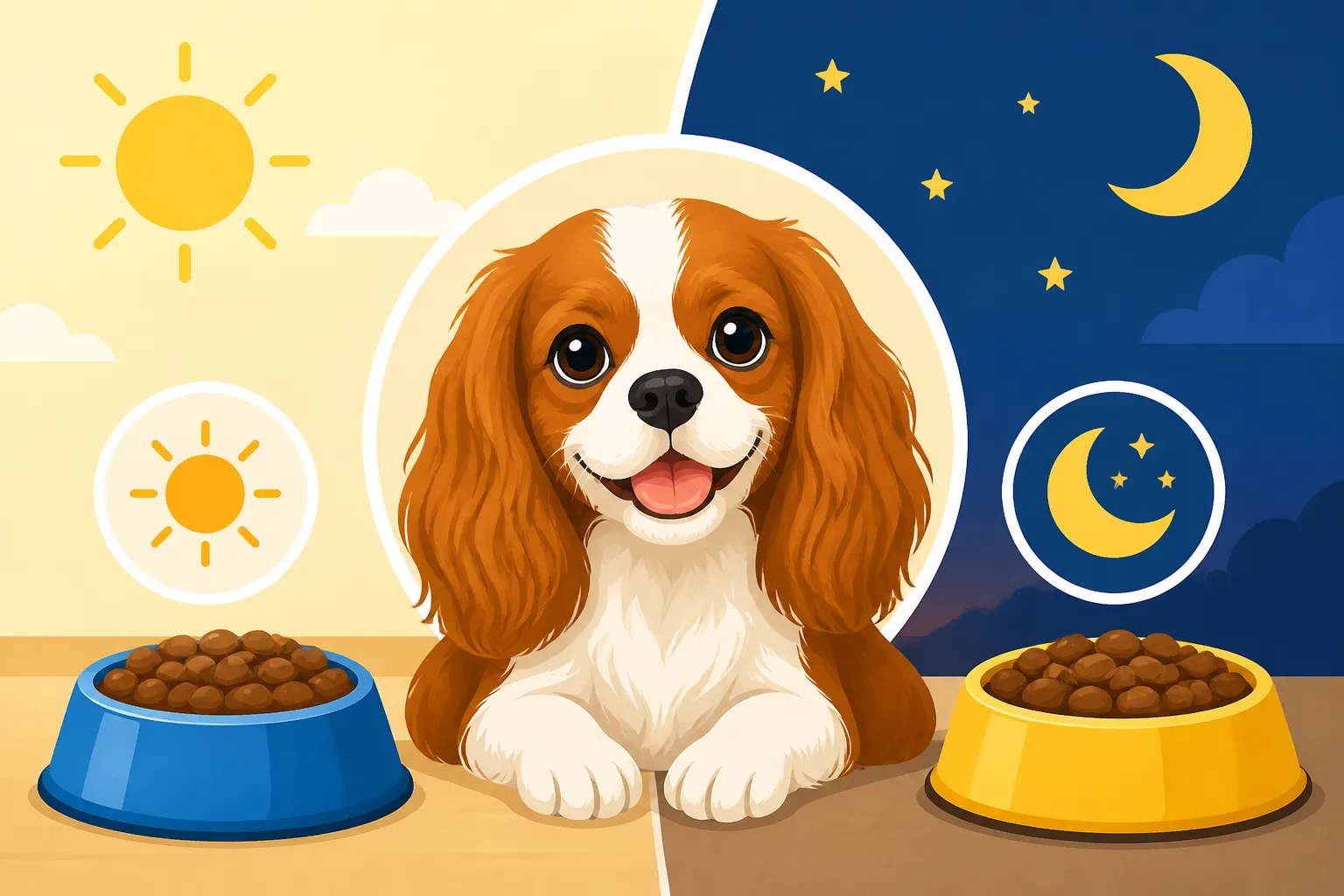
By providing two meals, usually 8-12 hours apart, you ensure a steady influx of nutrients, which helps prevent these drastic drops. This steady supply of glucose, derived from their food, fuels their brain and muscles consistently. It’s like keeping a slow, steady fire going rather than letting it burn out and trying to relight it with a huge log. For a Cavalier, whose gentle nature often means they might not outwardly show discomfort until it’s quite advanced, preventing these internal imbalances is a huge win for their overall well-being and consistent temperament.
Supporting Digestive Health and Preventing Bloat
While bloat (gastric dilatation-volvulus) is more commonly associated with deep-chested large breeds, it's still a concern for any dog, and digestive upset can plague any breed. For Cavaliers, feeding two smaller meals aids in digestion and reduces the risk of gulping down too much air or food too quickly. When a dog eats a large meal rapidly, they can ingest a significant amount of air, leading to gas and discomfort. This can also put stress on the digestive tract as it tries to process a large volume of food all at once.
Splitting the meals into two manageable portions helps them eat at a more relaxed pace. This can lead to better nutrient absorption and fewer episodes of indigestion, gas, or stomach upset. It also provides a regular rhythm for their digestive system, helping to establish predictable bowel movements and overall gut health. As a lifestyle blogger, I often hear from owners frustrated by intermittent stomach issues; simply adjusting to a consistent two-meal schedule can sometimes make a world of difference for a sensitive Cavalier tummy.
Establishing a Consistent Two-Meal Routine
Once you understand why two meals a day is best, the next step is to figure out how to make it work seamlessly in your daily life. Consistency is truly the golden rule here. Dogs thrive on routine, and your Cavalier is no exception. A predictable feeding schedule helps them feel secure, manages their hunger, and even aids in house training.
Determining the Right Portion Size
This is where many owners get a little lost, and it's completely understandable. The back of the dog food bag gives you a daily total, but splitting it correctly and adjusting it for your individual Cavalier is key. First, find your dog’s ideal weight. For most Cavaliers, this falls between 13 and 18 pounds, though there’s certainly variation. A good starting point is to weigh their food for the day and then divide it equally for breakfast and dinner. You want to make sure you're not overdoing it, as Cavalier Weight Gain and What It Costs the Heart is a real concern.
For example, if the bag recommends 1 cup total per day for a dog of your Cavalier’s target weight, you'd offer 1/2 cup in the morning and 1/2 cup in the evening. However, this is just a starting point. Activity level, age, and individual metabolism play huge roles. A young, active Cavalier might need slightly more than an older, more sedentary one. How Much to Feed an Adult Cavalier Daily can offer further guidance on tailoring this. Look at your Cavalier’s body condition – you should be able to feel their ribs without seeing them prominently, and they should have a discernible waist. If they're gaining weight, gently reduce the total daily amount; if they're looking a little too lean, slightly increase it. Using a kitchen scale to measure food accurately is far more reliable than relying on measuring cups, which can vary wildly depending on kibble density. You can easily find affordable kitchen scales on platforms like Amazon.
Ideal Timing for Morning and Evening Meals
The timing of your Cavalier's meals is crucial for creating a healthy routine. Most experts recommend spacing meals roughly 8 to 12 hours apart. This means if your Cavalier eats breakfast at 7 AM, dinner could be between 3 PM and 7 PM. The exact times aren't as important as the consistency. Try to stick to the same feeding times every single day, including weekends. This helps regulate their metabolism and digestive system, and it even helps with potty training, as a predictable eating schedule often leads to a predictable potty schedule.
Consider your own daily routine when setting these times. If you leave for work early, an early breakfast might be necessary. If you work late, make sure dinner isn't pushed back too far, leaving your Cavalier hungry for too long. If you're a creature of habit, your Cavalier will quickly learn their meal cues and anticipate them with joyful wiggles! For a dog prone to "hunger pukes" (vomiting bile due to an empty stomach), a small, late-night snack can sometimes bridge the gap if dinner is very early, but generally, two balanced meals suffice.
Choosing the Right Food Type and Delivery Method
Beyond when and how much, what you feed your Cavalier, and how they eat it, also plays a big role in their health. High-quality dog food, whether kibble, wet, or fresh-prepared, is the foundation. Many owners opt for a balanced kibble designed for small breeds, as the kibble size is appropriate for a Cavalier's Cavalier Teeth Crowded in a Short Jaw. Brands like Purina Pro Plan or Royal Canin often have specific small breed formulas. Some owners choose fresh-prepared options, like those from Ollie, which come portioned for your dog's specific needs.
The delivery method can also impact their eating habits. A simple stainless steel bowl works well, but for Cavaliers who tend to eat too fast, a slow-feeder bowl can be a game-changer. These bowls have obstacles that force your dog to eat around them, slowing down their ingestion and reducing the amount of air they swallow. This is especially helpful if your Cavalier tends to inhale their food in seconds flat! Another option for mental enrichment is a puzzle feeder or Kong, which can turn mealtime into a fun activity, engaging their brains and making them "work" for their food, even if it's just their regular kibble. You can find a wide variety of these on Chewy or Amazon.
Common Pitfalls and How to Avoid Them
Even with the best intentions, it's easy to fall into common feeding traps. As a lifestyle blogger who's talked to countless Cavalier owners, I've seen these issues crop up time and again. Understanding these pitfalls is the first step to ensuring your Cavalier remains healthy and happy.
Overfeeding and Weight Management
This is perhaps the biggest and most pervasive issue. Cavaliers are masters of the soulful gaze and the "I haven't eaten in days!" routine, even if they just finished their breakfast. Their endearing nature makes it incredibly hard to resist those pleading eyes. However, Why a Cavalier Gains Weight So Easily is a critical concern, and extra pounds put an immense strain on their delicate hearts, already prone to Mitral Valve Disease in the Cavalier King Charles Spaniel. Many owners inadvertently overfeed by:
- Eyeballing portions: A "cup" can vary dramatically depending on the scoop and how packed it is. Always measure precisely, ideally by weight.
- Too many treats: Treats are wonderful for training and bonding, but their calories add up quickly. If you're giving a lot of treats, reduce their main meal portions accordingly. Opt for low-calorie options or use tiny pieces of their regular kibble as rewards.
- Table scraps: While a tiny, unseasoned bit of cooked chicken might seem harmless, human food is often high in fat, salt, and calories not suitable for dogs. It can disrupt their balanced diet and lead to weight gain or digestive upset.
Remember, a lean Cavalier is a healthier Cavalier. Regular check-ins with your vet about their weight and body condition score are invaluable. They can help you determine Calorie Needs for an Eighteen-Pound Cavalier if your dog is on the larger side or needs to shed a few pounds.
Dealing with a Finicky Eater
Some Cavaliers can be incredibly enthusiastic about food, while others turn their nose up at perfectly good meals. A finicky eater can be frustrating, especially when you're trying to establish a routine. Before you assume pickiness, it's vital to rule out any underlying health issues. A sudden change in appetite or complete refusal of food warrants a vet visit. It could be dental pain, an upset stomach, or something more serious.
Once health issues are ruled out, consider these approaches:
- Consistency: Stick to the same food for a while. Constantly changing foods to "entice" them can inadvertently create a picky eater, as they learn that holding out will get them something new.
- Limited time: Put the food down for 15-20 minutes. If they don't eat it, pick it up until the next mealtime. Don't offer alternatives or treats during this time. A healthy dog won't starve themselves, and this teaches them that mealtime is when food is available.
- Avoid free-feeding: This leads perfectly to our next point, but free-feeding can make a dog less enthusiastic about specific meal times, as they know food is always available.
- Enhance appeal: Sometimes, adding a little warm water to kibble to soften it and release aromas, or mixing in a tablespoon of low-sodium broth, can make it more appealing. For a Cavalier that needs a bit more encouragement, you might consider toppers from reputable brands you can find on Chewy.
The Dangers of Free-Feeding
Free-feeding, or leaving a bowl of food out all day for your Cavalier to graze on, might seem convenient, but it comes with several drawbacks, especially for our Cavaliers. As I've discussed in Why a Bowl Left Down Makes a Cavalier Fat, it's a primary culprit in weight gain. If food is always available, it's easy for your Cavalier to overeat, particularly if they're food-motivated.
Beyond weight, free-feeding can mask health problems. A sudden lack of appetite is often one of the first signs a dog isn't feeling well. If food is always in the bowl, you might not notice for hours, or even a full day, that your Cavalier hasn't touched their meal. With a structured two-meal schedule, you immediately know if they're refusing food, allowing for quicker intervention if something is wrong.
Furthermore, free-feeding can hinder house training (as potty times become unpredictable), attract pests, and make it harder to administer medications hidden in food if your dog is a picky eater. It also removes the valuable routine and predictability that makes a dog feel secure and understood. Sticking to a consistent two-meal schedule truly fosters a healthier, more connected relationship between you and your Cavalier.
Adapting the Two-Meal Schedule for Life Stages and Special Needs
While two meals a day is generally the sweet spot for adult Cavaliers, life isn't static. Puppies have different demands, seniors require adjustments, and certain health conditions necessitate a tweaked approach. Being flexible and knowing when to adapt is part of being a responsible Cavalier owner.
Growing Puppies and Transitioning to Adult Meals
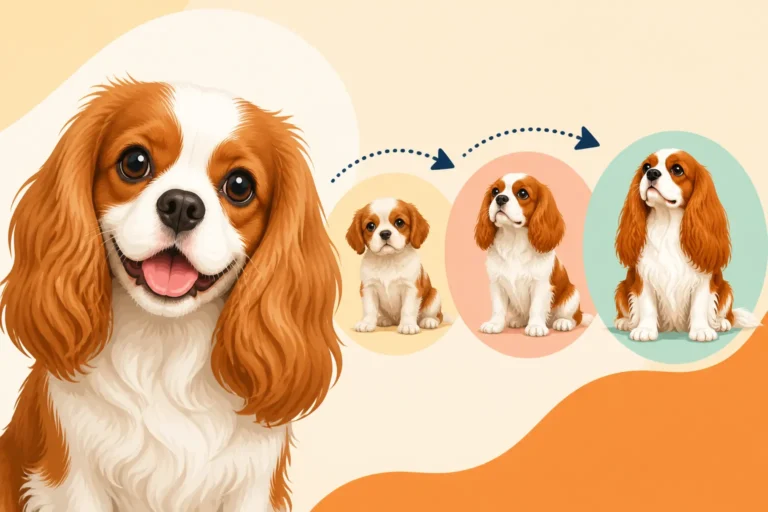
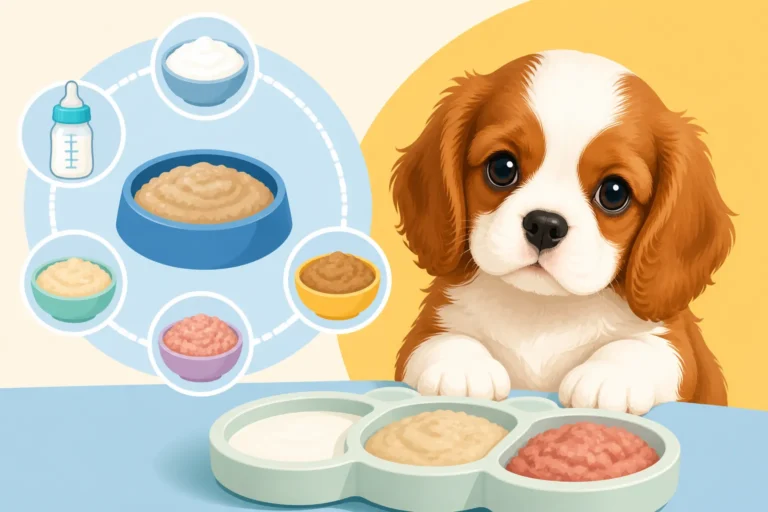
Cavalier puppies are bundles of energy with rapidly developing bodies, so their nutritional needs are higher and more frequent than adults. For very young puppies, especially those under 4-6 months, feeding three to four small meals a day is often recommended. This ensures they get enough calories and nutrients to support their rapid growth and maintain stable blood sugar. Think of a tiny puppy's stomach – it can't hold much! A feeding schedule might look like breakfast, lunch, late afternoon, and dinner.
As your Cavalier puppy grows, typically around 6-12 months, you can gradually transition them to the two-meal-a-day schedule. This transition should be slow and gentle. For instance, you might gradually combine the two middle meals into one larger portion, eventually eliminating one of the sittings. Always use a high-quality puppy food specifically formulated for small breeds, as it contains the right balance of nutrients for their delicate growth. The Ration a Cavalier Puppy Needs at Each Age can provide a more detailed breakdown of these early stages.
Senior Cavaliers and Changing Nutritional Needs
As your Cavalier enters their golden years (typically around 8-10 years old), their activity levels often decrease, and their metabolism might slow down. This can mean their calorie needs also decrease, making Feeding a Senior Cavalier Less Food a consideration. Continuing with two meals a day is still generally ideal, but you might need to slightly reduce the overall daily portion to prevent unwanted weight gain, which can exacerbate issues like Early Arthritis in a Cavalier's Elbows or Cavalier Knees, Hips and Joint Problems.
Senior Cavaliers can also develop dental problems, making chewing dry kibble painful. If this is the case, you might need to soften their kibble with warm water or switch to a wet food or fresh-prepared diet. Their thirst can also change, so ensuring constant access to fresh water is paramount. Some senior dogs might also benefit from diets tailored for older dogs, which often contain joint support supplements and lower calorie counts. Your vet can provide specific recommendations for Diets Aimed at an Old Cavalier's Knees or other age-related concerns.
Managing Health Conditions with a Controlled Diet
A two-meal-a-day schedule is particularly beneficial when managing certain health conditions in Cavaliers, as it allows for precise portion control and medication timing.
- Heart Disease: For Cavaliers with Mitral Valve Disease in the Cavalier King Charles Spaniel, especially in later stages, a low-sodium diet might be recommended. Splitting meals makes it easier to track sodium intake and prevents the digestive system from being overloaded. If your Cavalier is on heart medications like Pimobendan or diuretics, these often need to be given with or without food at specific times, making a fixed feeding schedule invaluable. You can read more about Prescription Cardiac Diets for a Cavalier to understand what your vet might recommend.
- Diabetes: If your Cavalier is diabetic, consistent meal times are absolutely critical for managing blood sugar and insulin administration. Two meals a day, strictly timed, helps stabilize glucose levels and ensures insulin doses are effective.
- Digestive Sensitivities: For Cavaliers prone to sensitive stomachs or conditions like pancreatitis, smaller, more frequent meals can be easier to digest than one large meal. This reduces the workload on their digestive organs and can minimize episodes of upset.
Always work closely with your veterinarian if your Cavalier has any health conditions. They can provide specific dietary recommendations and help you tailor a feeding plan that perfectly complements their medical treatment, ensuring their health and comfort.
| Meal Time | Typical Schedule | Benefits for Cavalier | Important Considerations |
|---|---|---|---|
| Morning Meal | 6:00 AM – 8:00 AM | Replenishes energy after overnight fast, kickstarts metabolism, aids in house training predictability. | Adjust based on owner's schedule; ensure consistent timing every day. |
| Evening Meal | 4:00 PM – 7:00 PM | Sustains energy through the evening, prevents late-night hunger, supports stable blood sugar. | Allow 2-3 hours before bedtime for digestion; avoid feeding too close to vigorous activity. |
| Puppy (Under 6 mos.) | 3-4 smaller meals | Supports rapid growth and high metabolism, prevents hypoglycemia, easier on small stomachs. | Gradually reduce to 2 meals as they age; consult vet for specific puppy needs. |
| Senior (Over 8-10 yrs.) | 2 meals, adjusted portions | Prevents weight gain with slowing metabolism, easier on potentially sensitive teeth/gums, medication timing. | May require softened food or specific senior diets; monitor weight closely. |
Disclaimer
This article is for general informational purposes only and does not constitute professional advice. Laws, prices and regulations vary by location and change over time. Consult a qualified professional for guidance on your specific situation.