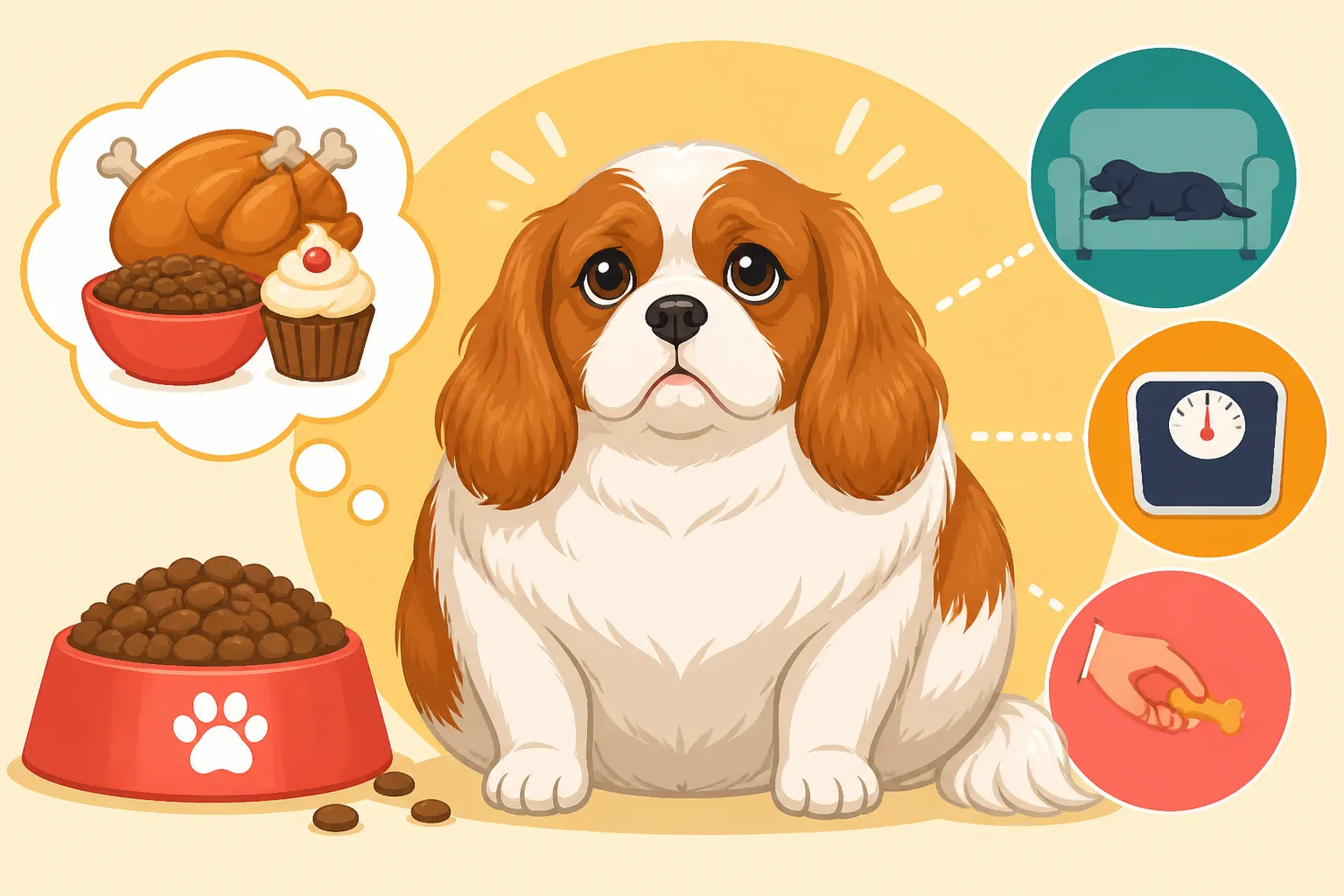
Why a Cavalier Gains Weight So Easily
It’s a common frustration among Cavalier King Charles Spaniel owners: your sweet, little companion seems to gain weight just by looking at a treat! We often feel guilty, wondering if we’re doing something wrong, and it’s true that Cavaliers are particularly prone to packing on the pounds. This guide is here to shed light on exactly why your Cavalier gains weight so easily and, more importantly, how you can proactively manage their diet and lifestyle to keep them healthy and happy for years to come.
The Cavalier's Natural Predisposition to Weight Gain
Understanding the inherent traits of our beloved Cavaliers is the first step toward managing their waistlines. These aren't high-energy working dogs, and their genetic makeup, combined with their adorable, pleading eyes, can be a recipe for unintentional weight gain.
Small Stature, Big Appetite
When you have a small dog like a Cavalier, every single calorie counts in a way it might not for a larger breed. A few extra kibbles, a tiny piece of cheese, or even just one too many "small" treats can quickly add up to a significant percentage of their daily caloric needs. Imagine if a human ate an extra slice of pizza every day – for a Cavalier, that extra bite of a cracker is a much bigger deal relative to their body size. Their tiny frames simply don't have the same capacity to absorb excess calories without storing them as fat.
Beyond just their size, Cavaliers often possess a surprisingly robust appetite for their stature. While they might be known as lapdogs, they still carry the genetic echoes of their spaniel ancestors, who were often keen on foraging and highly motivated by food. This means they are often very enthusiastic eaters and will rarely turn down an offer of food, making it easy for owners to inadvertently overfeed them. That sweet, hopeful gaze can be incredibly hard to resist when they appear to be utterly starving, even if they just ate.
Metabolic Rate and Activity Levels
Cavaliers, by their very nature, are not typically marathon runners or high-intensity athletes. They are bred to be companion dogs, excelling at cuddling on the sofa, following you from room to room, and enjoying leisurely strolls around the neighborhood. While they do enjoy play and walks, their energy requirements are generally moderate compared to many other breeds. This means their bodies are naturally inclined to burn fewer calories at rest and during typical daily activities.
Couple this moderate activity level with a generally slower metabolic rate that often accompanies smaller, less active breeds, and you have a perfect storm for weight gain. Their bodies are incredibly efficient at holding onto calories. If the calories coming in consistently exceed the calories being burned through their naturally lower activity levels and slower metabolism, weight gain is almost inevitable. It’s not about them being lazy; it's simply how their physiology is designed, making precise calorie management absolutely crucial.
Common Dietary Pitfalls for Cavaliers
Even the most well-meaning Cavalier owner can fall into common traps when it comes to feeding, especially given how easy it is to misjudge portion sizes for such a small dog.
Overfeeding and Portion Control Challenges
One of the biggest culprits behind Cavalier weight gain is simply overfeeding. It's not usually intentional, but rather a subtle creep of portion sizes over time. Dry kibble bags often list a broad range for "small dogs," and the amount recommended for a 15-pound dog is vastly different from a 10-pound one. Even small measuring cups can lead to errors if not leveled precisely. For a dog that might only need 200-300 calories a day, an extra tablespoon of kibble here or there can quickly add 20-30 calories, leading to steady weight gain over weeks and months. The challenge intensifies because most owners eyeball portions rather than using a kitchen scale for precise measurement.
We also have to contend with the "empty bowl" phenomenon. Many Cavaliers are such efficient eaters that their bowl is licked clean within moments, leading owners to believe they might still be hungry. This can prompt us to add a little more, or feed more frequently than necessary. The truth is, their small stomachs fill quickly, and their quick eating often has more to do with enthusiasm than genuine hunger for more food. This human tendency to "top up" a seemingly empty bowl or give a little extra because they seem so happy about it, is a significant factor in unwanted weight gain.
High-Calorie Treats and Table Scraps
Those tiny commercial dog treats, while adorable, can be deceptively high in calories. A single biscuit designed for a medium dog, when given to a 15-pound Cavalier, can be equivalent to a human eating a donut! Even smaller "training treats" can add up quickly if you're using them frequently throughout the day. It’s crucial to read the calorie counts on treat packaging and factor them into your Cavalier's daily intake.
Then there are the dreaded table scraps. A tiny piece of chicken, a lick of ice cream, a crust of toast – these morsels seem insignificant to us, but they are often packed with fat, sugar, and calories that can derail a Cavalier's diet. Not only do they contribute to weight gain, but they can also upset their sensitive stomachs or even lead to more serious conditions like Pancreatitis in a Cavalier. Your Cavalier views these offerings as the ultimate reward, and it trains them to beg, making it even harder to resist. We want to show our love, but feeding inappropriate human food is a misguided kindness that ultimately harms their health.
Lifestyle Factors Contributing to Weight Gain
Beyond diet, how your Cavalier lives their daily life plays a huge role in their propensity to gain weight. Their genetic disposition as companion animals means they are often quite content with a less active lifestyle, which can be a double-edged sword.
Insufficient Exercise and Sedentary Lifestyles
Cavaliers are perfectly content to be couch potatoes if given the opportunity, and who can blame them? Their soft, silky coats and affectionate nature make them ideal snuggle buddies. Owners, enjoying their presence, might easily fall into the trap of thinking their Cavalier doesn't need much exercise. A quick potter in the yard or a short walk around the block might seem sufficient, but often, it's simply not enough to burn off the calories they consume, especially if their diet isn't strictly controlled.
The problem compounds when a Cavalier lives a largely sedentary life. If they spend most of their day napping while their human works, and then only get a minimal burst of activity in the evening, their energy expenditure remains low. This isn't necessarily about needing intense, hour-long hikes, but rather consistent, moderate activity. Two shorter walks a day, plus some active indoor play, are often closer to what they truly need to maintain a healthy weight and muscle tone. Without this consistent activity, their bodies prioritize storing energy rather than burning it, inevitably leading to weight gain over time.
Age and Hormonal Changes
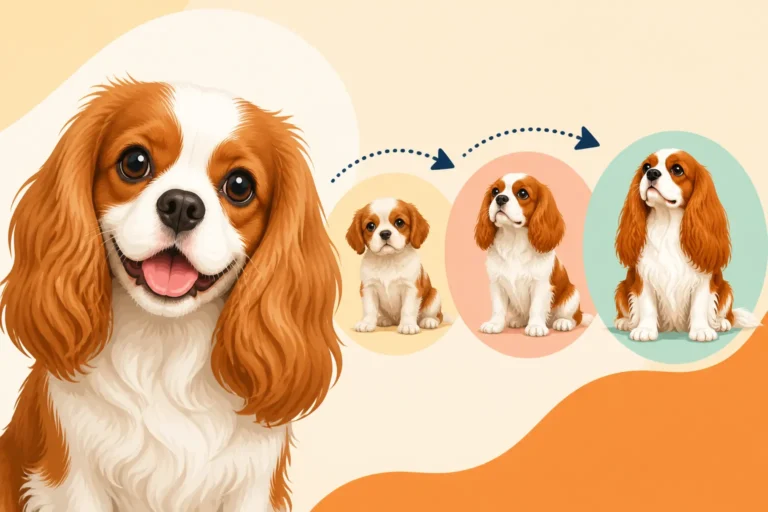
Just like with humans, a Cavalier's metabolism tends to slow down as they age. A vibrant, playful puppy burns through calories with ease, but by the time they reach their senior years, often around eight or nine, their energy needs decrease significantly. If their diet isn't adjusted to reflect this slower metabolism and potentially reduced activity level, weight gain is almost a certainty. We often keep feeding them the same amount they ate as a younger adult, not realizing their body simply doesn't require as much fuel anymore. For guidance on adjustments, you might want to look into Caring for a Cavalier Past Nine.
Hormonal changes, particularly those that occur after spaying or neutering, also play a substantial role. Removing these reproductive organs can lead to a drop in metabolic rate, meaning the dog burns fewer calories at rest. Studies have shown that spayed and neutered dogs are more prone to weight gain if their diet and exercise aren't adjusted post-surgery. Many owners don't realize this metabolic shift, continuing to feed the same portions, and are then surprised when their Cavalier starts to get chunky. It's a critical period where proactive dietary changes are necessary to prevent long-term weight issues.
Health Implications of Excess Weight
The adorable rolls and squishy tummies of an overweight Cavalier might seem charming, but the health consequences are far from it. For a breed already prone to several serious conditions, excess weight can be incredibly detrimental.
Exacerbating Heart Disease
One of the most critical reasons to keep a Cavalier at a healthy weight is their overwhelming predisposition to Mitral Valve Disease (MVD). Excess weight places an immense strain on the heart, forcing it to work harder to pump blood throughout a larger body mass. This added workload can significantly accelerate the progression of MVD, leading to earlier onset of symptoms and a faster decline. An overweight Cavalier might experience coughing, fatigue, and difficulty breathing much sooner than a lean one, shortening their quality of life and overall Cavalier Lifespan and What Cuts It Short.
The problem creates a vicious cycle: an overweight Cavalier is less inclined to exercise due to the strain on their body, which in turn leads to less calorie burning and further weight gain. This perpetuates the strain on their heart and can worsen conditions like congestive heart failure. The vet will often stress how much Why an Overweight Cavalier Fails Faster when carrying extra pounds. Maintaining an ideal weight is one of the most impactful things an owner can do to support their Cavalier's heart health and potentially prolong their life.
Joint Problems and Mobility Issues
Cavaliers, like many small breeds, can be susceptible to joint issues, including luxating patellas (loose kneecaps) and hip dysplasia. Even a few extra pounds can dramatically increase the stress on these delicate joints. Imagine carrying a backpack filled with bricks all day – that’s what an overweight Cavalier's joints experience with every step. This constant strain can accelerate the degeneration of cartilage, lead to inflammation, and significantly worsen pain associated with conditions like arthritis.
Beyond just pain, excess weight severely impacts a Cavalier's mobility. They might struggle to jump onto the sofa, climb stairs, or even walk for extended periods. This reduction in activity further contributes to weight gain, creating a downward spiral. A dog unable to move comfortably loses its zest for life, affecting their mental well-being as much as their physical health. Keeping them lean helps protect their joints, maintains flexibility, and ensures they can enjoy their walks and playtime well into their senior years. This is a crucial consideration given how common Cavalier Knees, Hips and Joint Problems are in the breed.
Other Health Risks
Beyond heart and joint issues, excess weight in Cavaliers opens the door to a host of other health problems. Overweight dogs are significantly more prone to developing Type 2 diabetes, a condition that requires lifelong management with insulin injections and specialized diets. They also have a higher risk of Pancreatitis in a Cavalier, a painful and potentially life-threatening inflammation of the pancreas, often triggered by fatty foods.
Furthermore, an overweight Cavalier can experience breathing difficulties, especially if they are already prone to brachycephalic airway issues (though less severe than some other flat-faced breeds, Cavaliers still have somewhat shortened muzzles). The extra fat around their neck and chest can restrict airflow, making them more prone to heatstroke and respiratory distress. If your Cavalier ever needs surgery, being overweight also increases the Anesthesia Risk in a Cavalier With a Murmur and prolongs recovery times. Simply put, maintaining an ideal body condition is a fundamental pillar of preventative healthcare for these precious dogs.
Practical Strategies for Weight Management
It might feel overwhelming, but managing your Cavalier's weight doesn't have to be a battle. With a few practical adjustments and consistent effort, you can set them up for a healthier, happier life.
Accurate Portioning and Calorie Counting
The absolute cornerstone of weight management is precise portion control. Forget eyeballing; invest in a digital kitchen scale and weigh out your Cavalier's food at every meal. Manufacturers often provide calorie counts per cup or gram, allowing you to calculate their exact caloric intake. Consult your veterinarian for an accurate daily calorie target, as this can vary based on their age, activity level, and whether they need to lose, maintain, or gain weight. This precise measurement helps ensure you're not inadvertently overfeeding. You'd be surprised how much variation there can be in a "scoop" of kibble!
Consider exploring different food options as well. While traditional kibble is perfectly fine, some owners find success with fresh, pre-portioned meals. Brands like Ollie, for instance, offer customized meal plans based on your dog's specific needs, delivering precisely portioned food directly to your door. This can take the guesswork out of calorie counting and ensures your Cavalier receives a balanced diet without excess. Remember, all calories count, whether from their main meal or from treats, so accurate accounting is key to achieving and maintaining a healthy What an Overweight Cavalier Weighs.
Smart Treat Choices and Alternatives
Giving treats is part of the joy of dog ownership, but we need to be smart about it for Cavaliers. Instead of high-calorie biscuits, opt for low-calorie, healthy alternatives. Small pieces of raw carrot, green beans, apple slices (without seeds), or cucumber can be fantastic, guilt-free treats. Always introduce new foods slowly and in small amounts to avoid an upset stomach. You can find many ideas for Low-Calorie Treats for a Cavalier That Gains Easily that won't pack on the pounds.
Beyond food, remember that treats don't always have to be edible. Your Cavalier cherishes your attention and praise more than anything. Use lavish verbal praise, a favorite squeaky toy, a short game of fetch, or a gentle belly rub as a reward. Interactive puzzle toys, which dispense a small amount of their regular kibble, can also extend mealtime and provide mental stimulation without adding extra calories. Online retailers like Chewy and Amazon offer a wide selection of these healthier treat options and enrichment toys. By shifting focus from high-calorie food rewards to healthier options and non-food rewards, you can satisfy their desire for interaction without sabotaging their diet.
Consistent Exercise Routines
Even though Cavaliers aren't extreme athletes, consistent, daily exercise is vital for calorie burning, muscle maintenance, and mental well-being. Aim for at least two walks a day, ideally for 20-30 minutes each, adjusting the length and intensity based on your Cavalier's age, health, and current fitness level. A brisk pace that gets their heart rate up is ideal, but always listen to your dog and avoid overexertion, especially in warm weather. For specific considerations, check out Walk Length for a Cavalier With a Murmur.
Supplement walks with active play sessions indoors or in a secure yard. Games like fetch, tug (gently, to protect their neck), or even just chasing a feather wand can get them moving. Think about incorporating short training sessions into your day, as mental activity also burns calories. Consistency is far more important than intensity. A daily routine of moderate activity helps build muscle, which burns more calories at rest than fat, and keeps their metabolism ticking along. Remember, a tired Cavalier is often a well-behaved Cavalier, and exercise contributes significantly to their overall happiness.
When to Seek Veterinary Guidance
You're not alone in this journey. Your veterinarian is your best partner in managing your Cavalier's weight and addressing any underlying health concerns.
Recognizing Weight Gain and Body Condition Scoring
It can be tough to objectively assess your own dog's weight, especially with a Cavalier's beautiful, flowing feathering that can hide a lot. This is where learning to "body condition score" comes in handy. You should be able to easily feel, but not necessarily see, your Cavalier's ribs when you gently run your hands along their sides. They should have a noticeable waist when viewed from above, and a tuck-up in their abdomen when viewed from the side. If you have to press hard to feel the ribs or can't feel them at all, or if they lack a discernible waist, they are likely overweight.
Your vet will use a standardized body condition scoring chart, typically on a scale of 1 to 9 (with 5 being ideal). During your annual check-ups, they'll weigh your Cavalier, assess their body condition, and discuss any changes. Don't be shy about asking them to demonstrate how to feel for the ribs or how to check for a waist. Learning these simple tactile cues can empower you to regularly monitor your Cavalier's condition at home and catch weight creep before it becomes a significant problem. Read more about Feeling a Cavalier's Ribs Under Feathering.
Developing a Weight Loss Plan
If your Cavalier is identified as overweight or obese, your veterinarian is the best resource for developing a safe and effective weight loss plan. They can calculate a precise caloric intake based on your dog's ideal weight and current condition, recommend a specific diet, and rule out any underlying medical conditions (like hypothyroidism, though rare in Cavaliers) that might contribute to weight gain. Sometimes, a prescription weight-loss diet, specifically formulated to be lower in calories but still providing all essential nutrients, is the most effective approach. Prescription Cardiac Diets for a Cavalier may also be lower in calories and sodium, benefiting both their waistline and heart.
A good weight loss plan is gradual, aiming for a steady and healthy reduction of about 1-2% of body weight per week. Your vet will advise on regular weigh-ins and follow-up appointments to monitor progress and make adjustments as needed. This isn't just about cutting calories; it's about providing a balanced, nutritious diet that satisfies their hunger while promoting fat loss. Remember, this is a partnership with your vet, and their expertise is invaluable in navigating your Cavalier towards a healthier weight and preventing the many health complications associated with obesity.
| Body Condition Score (BCS) | Description | Appearance |
|---|---|---|
| 1-3 (Underweight) | Ribs, spine, pelvic bones easily visible/felt. | No fat on ribs, severe waist/abdominal tuck, muscle loss. |
| 4-5 (Ideal) | Ribs easily felt, not visible. | Observable waist, abdominal tuck, well-proportioned. |
| 6-7 (Overweight) | Ribs felt with difficulty, often covered by fat. | Waist barely discernible or absent, abdomen slightly rounded. |
| 8-9 (Obese) | Ribs covered by thick layer of fat, cannot feel. | No waist, abdominal distention, heavy fat deposits over spine and tail base. |
Disclaimer
This article is for general informational purposes only and does not constitute professional advice. Laws, prices and regulations vary by location and change over time. Consult a qualified professional for guidance on your specific situation.