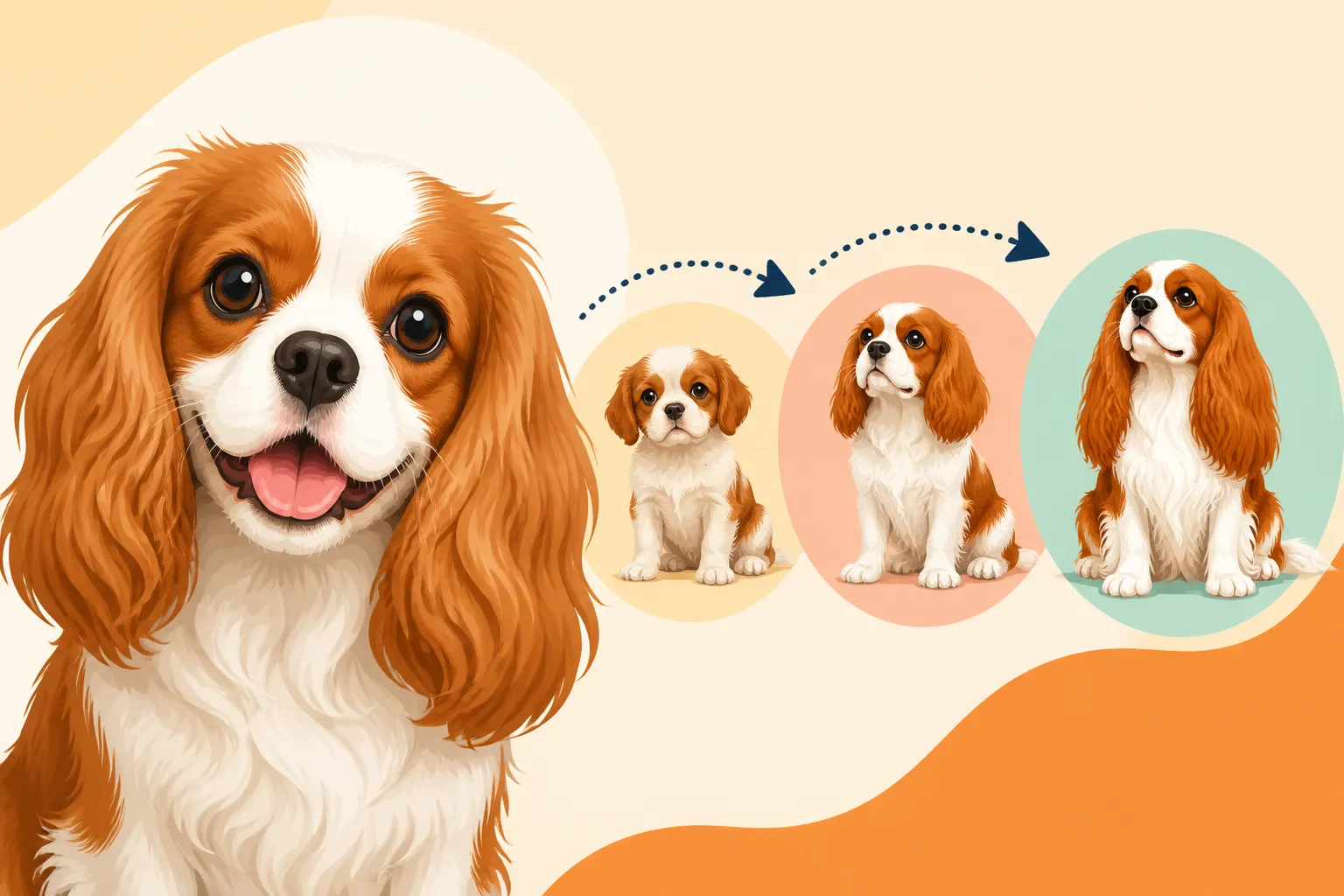
How Long a Cavalier Coat Takes to Come In
One of the most common worries Cavalier King Charles Spaniel owners face is when their beloved dog's beautiful, silky coat just isn't what it used to be. Perhaps a mat got out of hand and needed to be shaved, or a surgical procedure required a patch of hair to be removed, leaving an unsightly bald spot. The frustration of seeing that iconic feathering diminished, or the concern over when it will return to its former glory, is completely understandable. This guide will walk you through everything you need to know about how long it takes for a Cavalier's coat to grow back, the factors that influence its regrowth, and how you can support your dog in getting back that magnificent mane.
Understanding the Cavalier Coat Growth Cycle
Before we dive into how long it takes for hair to grow back, it's really helpful to understand the natural rhythm of your Cavalier's coat. Unlike some breeds with complex double coats, Cavaliers boast a luxurious, single coat, which simplifies things a bit, but still has its own unique characteristics.
The Phases of Hair Growth
Every single strand of hair on your Cavalier's body goes through a predictable cycle, just like human hair. There are three main phases: anagen, catagen, and telogen. The duration of each phase determines how long the hair grows and how much shedding occurs.
During the anagen phase, the hair follicle is actively growing. This is the period when your Cavalier's beautiful long feathering on their ears, tail, and legs really takes off. The length of this phase is crucial for achieving that classic Cavalier look. A healthy Cavalier typically has a long anagen phase, allowing for considerable hair growth.
Next comes the catagen phase, which is a transitional period. In this phase, hair growth slows down, and the follicle prepares to "rest." It's a relatively short period, acting as a bridge between active growth and dormancy. The hair isn't actively growing longer, but it's not yet falling out.
Finally, we have the telogen phase, which is the resting phase. During this time, the hair follicle is completely inactive, and the hair simply sits in place. Eventually, the old hair will be shed, making way for a new hair to begin its journey in the anagen phase. Understanding these phases helps explain why some areas of your Cavalier's coat might grow faster or slower than others, depending on where each hair strand is in its individual cycle.
Why a Cavalier Has a Single Coat
Many breeds have a dense undercoat for insulation and a coarser topcoat for protection, but not our Cavaliers! They possess what's known as a single coat, characterized by long, silky guard hairs and a lack of a dense, fluffy underlayer. This is why their feathering is so fine and hangs beautifully. Why a Cavalier Has No Undercoat can give you more insights into this unique aspect of their genetics.
This single coat also means that when a section of hair is cut or shaved, you don't have an undercoat to "fill in" the gaps. What you see is exactly what you get, and the regrowth process involves those same long, silky hairs. The texture is usually consistent across the body, though the length varies, with the longest feathering on the ears, chest, legs, and tail. This distinctive coat is a hallmark of the breed and requires specific care to keep it looking its best.
Factors Influencing Coat Regrowth Speed
So, your Cavalier has a patch missing, or perhaps a full-body clip that's grown out a bit wonky. How quickly can you expect that beautiful coat to come back? The truth is, it’s not a one-size-fits-all answer. Several factors play a significant role in determining the speed and quality of hair regrowth.
Age of Your Cavalier
Just like us, a Cavalier's body changes as they age, and their coat is no exception. A young, healthy Cavalier puppy or adult in their prime (say, between one and six years old) generally has a more robust metabolism and active cell regeneration, meaning their hair tends to grow back faster. Their anagen phase is typically longer and more vigorous.
However, as your Cavalier enters their senior years, usually around eight years old and beyond, you might notice that their hair growth slows down. Caring for a Cavalier Past Nine often involves observing these subtle changes. The follicles might not be as active, and the overall vitality of the coat can diminish. This means a shaved patch on a ten-year-old Cavalier might take considerably longer to fill in compared to the same patch on a two-year-old. The hair might also grow back with a slightly different texture, perhaps a bit thinner or even wavier, particularly in areas that were shaved closely.
Nutrition and Overall Health
What goes into your Cavalier directly impacts what comes out, and that includes their coat! A healthy, balanced diet rich in essential fatty acids, vitamins, and minerals is absolutely fundamental for optimal hair growth and a shiny, strong coat. If your Cavalier isn't getting adequate nutrition, their body will prioritize essential functions over luxurious feathering.
Consider a diet that provides high-quality protein, which is the building block of hair, and omega-3 and omega-6 fatty acids, known for promoting skin health and a glossy coat. Brands like Ollie that offer fresh, human-grade food can provide excellent nutrition for supporting overall vitality, including coat health. If your Cavalier is on a more traditional kibble, look for formulas that specifically mention skin and coat support. Poor nutrition can lead to dull, brittle hair, slow growth, and even excessive shedding. Conversely, a well-nourished Cavalier is more likely to regrow hair quickly and with good quality.
Beyond diet, underlying health conditions can drastically affect coat regrowth. Any illness, chronic stress, hormonal imbalances (like hypothyroidism), or even significant parasitic burdens can divert the body's resources, leading to slower or even patchy hair growth. For example, a Cavalier battling recurrent ear infections might experience changes in the hair growth around their ears due to inflammation and stress. Cavalier Ear Infections and Why They Recur can shed light on such issues. If you notice unusually slow regrowth, or if the texture seems off, a vet visit is always a good idea to rule out any health concerns.
Reason for Clipping or Shaving
The reason your Cavalier's coat was removed also plays a huge role in how it grows back.
- Mat Removal: If a small mat was carefully scissored out, the surrounding hair might quickly camouflage the area, and the patch will likely grow back normally in texture. However, if severe matting required a large section or even a full body shave-down, the hair might come back softer, fluffier, or even coarser in texture. This is often because the guard hairs (the longer, silkier ones) were completely removed, and the underlying softer hairs are stimulated, sometimes altering the texture temporarily or even permanently. This is a common frustration for owners who get their matted Cavalier shaved.
- Surgical Shave: Hair shaved for surgery (e.g., for a spay or a lump removal) typically grows back without a significant change in texture. The shaving is usually done cleanly, and the skin beneath is healthy. However, the exact rate depends on the individual dog's general health and age. The shaved patch from an abdominal surgery on a young dog might be barely noticeable in a few months, while on an older dog, it could be a persistent fuzzy spot for much longer.
- "Puppy Cut" or Full Body Clip: Some owners opt for a full-body clip, often called a "puppy cut" or a "summer cut." While this can keep a Cavalier cooler and reduce grooming needs, it almost always alters the texture of the coat. The fine, silky feathering might be replaced by a softer, more cotton-like fur that is prone to matting more easily and actually feels warmer due to its density. Whether a Cavalier Coat Grows Back After Clipping goes into more detail about this. This texture change is a primary reason why many Cavalier enthusiasts advise against full-body clipping unless medically necessary, as it can take a very long time, if ever, for the original silky texture to fully return.
Encouraging Healthy Coat Regrowth and Maintenance
Watching your Cavalier's coat grow back can feel like an eternity, but there are definitely steps you can take to encourage healthy, strong regrowth and maintain their beautiful mane in the meantime.
Nutritional Support and Supplements
A top-notch diet is your first line of defense and offense when it comes to coat health. Ensure your Cavalier is eating a high-quality, balanced dog food. As mentioned, look for ingredients like real meat as the first component, and avoid excessive fillers. For an added boost, consider supplements rich in omega fatty acids. Fish oil supplements, often derived from salmon or krill, are fantastic for skin and coat health. They can contribute to a shinier coat, reduced shedding, and potentially faster, healthier regrowth. You can find many reputable options on platforms like Chewy or Amazon.
Always discuss any new supplements with your vet, especially if your Cavalier has existing health conditions or is on medication. For example, a Cavalier with heart disease might need careful consideration of certain ingredients. Whether Diet Slows a Cavalier's Heart Disease or Whether Heart Supplements Help a Cavalier might be helpful reads to discuss with your vet. Beyond specific supplements, ensure your Cavalier is properly hydrated. Water is crucial for all bodily functions, including skin and hair health.
Gentle Grooming and Brushing Techniques
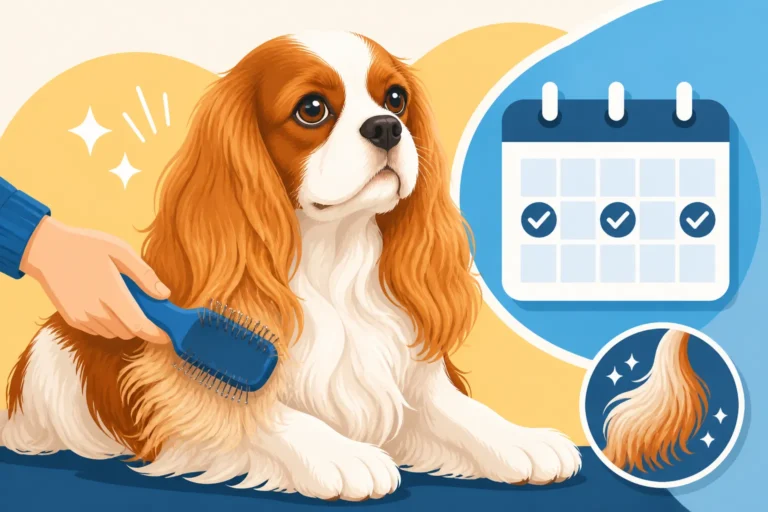
While you might be eager for that hair to grow back, don't overdo it with harsh grooming. Gentle handling is key. For areas that are regrowing, avoid vigorous brushing that could irritate the skin or pull out delicate new hairs. Instead, use a soft slicker brush or a wide-toothed comb to carefully untangle any forming mats. Brushing a Cavalier's Feathering Three Times a Week outlines good techniques.
Once the new hair has grown a bit, regular brushing is essential to stimulate circulation to the skin, distribute natural oils, and prevent matting. Mats are a Cavalier owner's nemesis, and if they get too severe, they might lead to another necessary shave-down, putting you back at square one. Focus on areas prone to tangles, like behind the ears, in the armpits, and on the feathering of the legs and tail. Tools like a pin brush and a metal comb (easily found on Amazon) are indispensable for a Cavalier coat.
Protecting the Growing Coat
As the coat grows back, it can sometimes be a bit fragile or prone to damage. Think about protecting it. If your Cavalier rolls in the mud frequently, or has long ears that constantly drag in their food and water, consider using a snood during meal times and walks. This isn't just for fashion; snoods protect the delicate ear feathering from getting wet, dirty, and tangled, which can lead to matting and breakage.
Similarly, if your Cavalier is prone to scratching (perhaps due to allergies or discomfort), addressing the underlying cause is crucial to prevent them from damaging their newly growing hair. Constant scratching can break hair strands and even create bald spots, slowing down the overall regrowth process. For very sparse or slow-growing areas, protect them from excessive sun exposure or harsh elements, much like you would delicate skin.
Managing Expectations for Coat Regrowth
It's natural to want your Cavalier's coat to magically reappear overnight, but patience is truly a virtue here. Understanding realistic timelines and potential changes can help you manage your expectations and avoid frustration.
Realistic Timelines for Regrowth
Generally, dog hair grows at an average rate of about half an inch per month. For a Cavalier's longer feathering, this means it can take several months, or even a full year or more, for a significantly shaved area to fully return to its original length and lushness.
- Short Patches (e.g., surgical shave): A small, localized patch shaved for a vet procedure might start to be less noticeable within 2-4 months, but to blend completely with the surrounding longer hair could take 6-12 months.
- Full Body Clip (e.g., "puppy cut"): If your Cavalier had a full body clip, expect the body hair to reach a decent shorter length within 4-6 months. However, the ear, tail, and leg feathering – which are designed to grow much longer – will take significantly longer, often 12-18 months, to regain their full glory. And remember, the texture may not be exactly the same. How Long a Cavalier Coat Takes to Come In is a common search for owners facing this.
Keep in mind that factors like age and health, as discussed earlier, can lengthen these timelines. A senior Cavalier might see even slower progress.
Potential Changes in Coat Texture
One of the most common frustrations for Cavalier owners is when the coat grows back with a different texture, especially after a full shave-down or severe matting. You might find that the beautiful, silky, flat-lying coat that once defined your Cavalier is replaced by something softer, fluffier, wavier, or even slightly coarser.
This phenomenon is often attributed to the removal of the longer guard hairs. When these are shaved off, the softer, finer undercoat (or what would be the very fine under-layer in a single-coated dog) is stimulated to grow, and it can sometimes come in with a different density and texture. Whether a Spayed Cavalier's Feathering Turns Fluffy touches on similar texture changes that can occur. While sometimes this change is temporary and the coat eventually reverts to its original feel, for many Cavaliers, particularly after multiple clips or in older age, the altered texture can be permanent. This is a key reason why many breeders and seasoned Cavalier owners advise against shaving the coat unless absolutely medically necessary.
Patience is Key
Ultimately, regrowing a Cavalier's coat requires a healthy dose of patience. There's no magic potion to make it grow faster than its natural genetic predisposition and biological processes allow. Focus on providing excellent nutrition, maintaining a consistent and gentle grooming routine, and addressing any underlying health issues. Take progress photos if you like, to see the subtle changes over weeks and months. Your Cavalier's comfort and health are paramount, and while their signature coat is beautiful, a happy, healthy dog is always the most important thing. Rest assured that with proper care and time, your Cavalier will eventually sport a coat they can be proud of once again.
| Factor | Impact on Coat Regrowth Speed | Notes |
|---|---|---|
| Age | Young = Faster; Senior = Slower | Younger dogs have more active follicles. |
| Nutrition | Good = Faster; Poor = Slower | Quality protein & omegas are crucial. |
| Overall Health | Healthy = Faster; Ill = Slower | Illness, hormones, stress can divert resources. |
| Reason for Hair Removal | Varies by impact on follicles | Matting/full clips can alter texture, surgical shaves usually don't. |
| Grooming Practices | Gentle = Faster; Harsh = Slower | Rough brushing can damage new growth or irritate skin. |
Disclaimer
This article is for general informational purposes only and does not constitute professional advice. Laws, prices and regulations vary by location and change over time. Consult a qualified professional for guidance on your specific situation.