Whether a Spayed Cavalier’s Feathering Turns Fluffy
It's a common and often disheartening phenomenon many Cavalier King Charles Spaniel owners face: after spaying, that beautiful, flowing, silky coat can transform into something entirely different. You’re not imagining it if your sweet Cavalier's once-sleek feathering suddenly feels fluffier, looks duller, and seems to gather mats like magnets. This guide dives deep into why this "spay coat" happens and, more importantly, how you can manage these changes to keep your beloved companion comfortable and looking their best.
Understanding the "Spay Coat" Phenomenon in Cavaliers
When your Cavalier is spayed, it's a major surgical procedure that removes their ovaries and uterus, effectively eliminating the production of key hormones like estrogen. While this is done for health benefits – preventing unwanted pregnancies and reducing the risk of certain cancers – it also dramatically alters their hormonal balance. These hormones play a huge role in the health and growth cycle of a dog's coat, dictating everything from its texture to its shedding patterns.
Think of it like this: naturally, a dog's hair grows, rests, and then sheds in a cycle. Hormones act as the conductors of this intricate orchestra. When those hormones, particularly estrogen, are significantly reduced, the signals to the hair follicles get disrupted. Instead of the fine, silken strands characteristic of a Cavalier's coat, the body might start producing a different kind of hair – often a softer, thicker, and sometimes even more cotton-like texture. This isn't just a Cavalier thing; many breeds with long, silky coats, such as Cocker Spaniels and Golden Retrievers, can experience similar changes. It's not a sign of poor health (though a healthy diet certainly helps), but rather a direct physiological response to the change in endocrine function. Some individual Cavaliers might be more genetically predisposed to this coat change than others, experiencing a more pronounced shift. It's definitely something worth discussing with your veterinarian before the procedure, so you're prepared for potential changes, especially if your Cavalier already has a dense coat.
Recognizing the Signs of a "Spay Coat" on Your Cavalier
The signs of a "spay coat" typically become noticeable a few months after the spay surgery, once the hormonal shifts have had time to fully impact the hair growth cycle. You might first notice that the luxurious feathering on their ears, legs, chest, and tail, which used to flow so beautifully, now seems to stand out more. It can lose its characteristic sheen and silkiness, becoming duller, coarser, or even feel like fine wool.
Imagine trying to run your fingers through their coat and instead of them gliding effortlessly, you encounter a denser, almost matted resistance. This new texture can be incredibly frustrating to groom because it's much more prone to tangling and matting than the original silky coat. The hair might also appear thicker overall, losing the natural lie and flow that's so distinctive of the breed. For instance, the long fringe on their ears might develop a fluffy undercoat that never used to be there, causing the ear leather itself to feel heavy and the hair to clump together. The feathering on their hind legs, which once looked like delicate trousers, can become a dense, shapeless mass. It's a noticeable shift from the standard Cavalier coat, which should feel soft and silken to the touch, often described as having no true undercoat. If you're observing this, rest assured you're not alone in seeing your Cavalier's appearance subtly, or sometimes not so subtly, change.
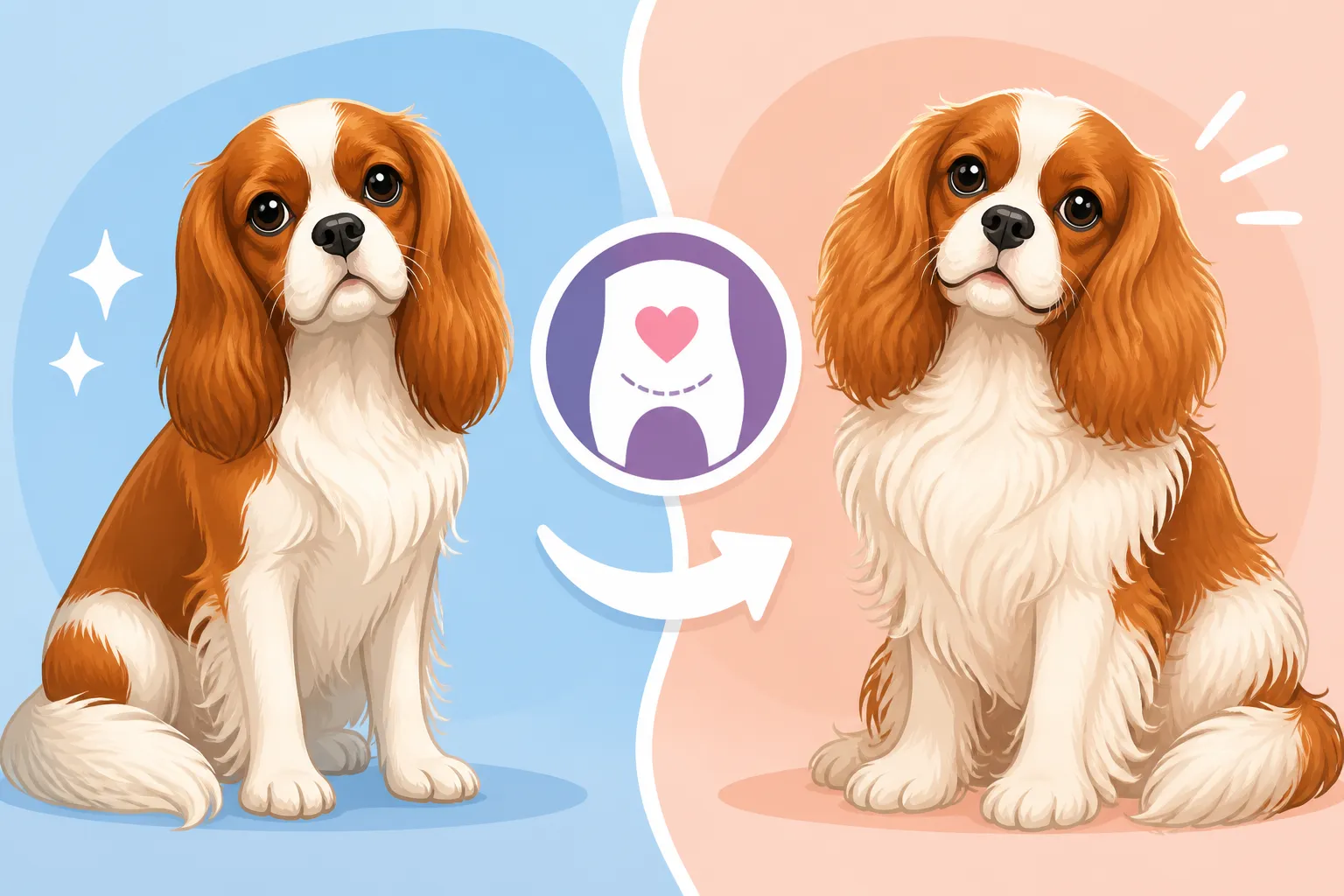
Here’s a quick comparison of what you might observe before and after spaying:
| Characteristic | Pre-Spay Coat | Post-Spay Coat (Potential "Spay Coat") |
|---|---|---|
| Texture | Silky, soft, flowing | Fluffy, woolly, coarser, cotton-like |
| Appearance | Glossy, lies flat | Duller, stands out, can appear disheveled |
| Density | Moderate, no true undercoat | Thicker, denser, sometimes develops a "cottony" undercoat |
| Matting | Minimal, easy to brush out | Increased frequency, tangles quickly, harder to remove |
| Shedding | Seasonal, fine hair | Can be similar, but texture changes are more prominent |
Managing a Cavalier's Fluffy Coat After Spaying
Once the "spay coat" appears, your grooming routine will likely need some serious adjustments. The biggest challenge you'll face is increased matting. That soft, dense texture loves to tangle, especially in high-friction areas like behind the ears, in the armpits, and around the ruff and tail. This means brushing needs to become a much more frequent, if not daily, affair. You can't just run a quick comb through and be done; you'll need to work in sections.
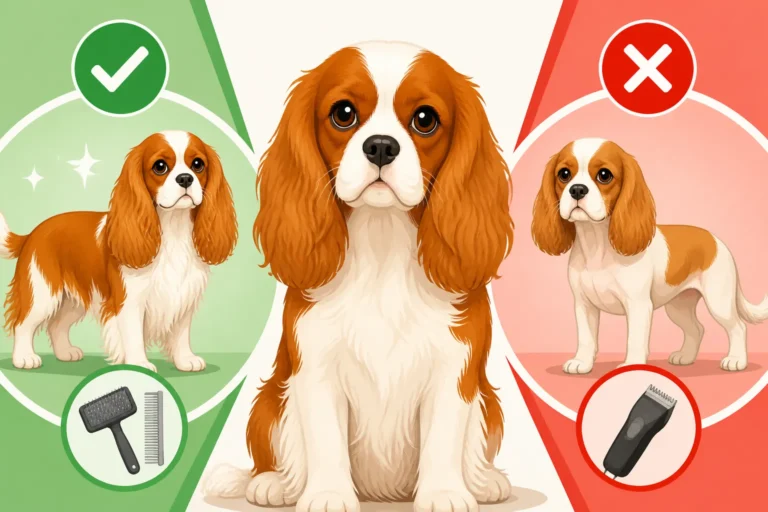
Investing in the right tools is crucial. A good quality slicker brush and a sturdy metal comb are your best friends here. A detangling spray can also be immensely helpful to work through snags without causing discomfort. Many owners find effective grooming tools on sites like Chewy or Amazon, where reviews often highlight brushes suitable for dense or easily matted coats. When you brush, make sure to get right down to the skin to prevent mats from forming at the root, which can be very painful for your Cavalier. Don't just skim the surface. Remember, even a small mat can quickly grow into a larger, more painful one, especially in areas like Mats Behind a Cavalier's Ear Leather or Mats in a Cavalier's Armpits and Groin.
Bathing also requires a careful approach. While you might not want to bathe your Cavalier too frequently, when you do, use a good quality moisturizing shampoo and a conditioner specifically designed for long coats. Ensure you rinse thoroughly to avoid leaving any residue that can weigh down the coat or contribute to matting. Drying is equally important; towel dry as much as possible, then use a low-heat blow dryer while continuously brushing to help the coat lie flat and prevent it from drying into a matted mess. Trying to allow a dense, fluffy coat to air dry can be a recipe for disaster, as it often results in the hair clumping and matting. For a comprehensive look at bathing, check out Bathing a Cavalier Without Flattening the Coat.
When it comes to professional grooming, clear communication with your groomer is key. Explain the coat changes you've observed since spaying. A skilled groomer can often tidy up the coat without resorting to a full shave, which many Cavalier owners prefer to avoid because it alters the breed's classic look and Whether a Cavalier Coat Grows Back After Clipping can be a concern. They might suggest light trimming to thin out the fluffier areas, particularly on the legs and tummy, to reduce matting while maintaining the overall shape. Regular appointments, perhaps every six to eight weeks, will be far more beneficial than infrequent visits when mats have become severe. Consider the Cavalier Grooming Costs Every Six to Eight Weeks when budgeting for this new reality. While no diet will miraculously restore the pre-spay coat texture, providing your Cavalier with a high-quality, nutrient-rich diet can support overall skin and coat health, helping the existing coat remain as healthy and manageable as possible. Services like Ollie, which focus on fresh, balanced meals, can contribute to a lustrous coat and overall vitality, even if they don't directly reverse the hormonal effects. Supplements like fish oil or omega fatty acids can also be beneficial, helping to promote healthier skin and a shinier coat.
When to Consider Professional Help and Other Causes
While the "spay coat" is a common and often normal hormonal response, it's always wise to rule out other potential causes for significant coat changes, especially if the coat becomes extremely dull, brittle, patchy, or if your Cavalier is showing other symptoms. Sometimes, a coat change can be indicative of an underlying health issue beyond simple hormonal shifts post-spay.
One of the most common medical conditions that can affect a dog's coat is hypothyroidism, an underactive thyroid gland. This can lead to a dry, brittle, thinning coat, often accompanied by lethargy, weight gain, and intolerance to cold. If you suspect something more than just a "spay coat" is going on, a visit to your veterinarian for a thorough check-up, including bloodwork, is essential. They can run tests to evaluate thyroid function and rule out other dermatological conditions or allergies that might be contributing to poor coat quality. Skin Allergies in a Cavalier can certainly impact coat health, leading to itching and secondary infections that further damage the hair.
When you do take your Cavalier to the vet, be prepared to describe all the changes you've observed, not just in their coat but in their general behavior, appetite, and energy levels. While some fluffiness is expected, excessive matting that causes pain, or skin irritation underneath the dense coat, should always be addressed by a professional. Don't hesitate to reach out to a professional groomer who specializes in Cavaliers or long-haired breeds. They often have specific techniques and tools that can make a huge difference in managing a challenging coat. A groomer who understands What a Cavalier Groomer Should and Should Not Cut can help you maintain your dog's dignity and comfort. It's about finding that balance between managing the practicalities of the coat and ensuring your Cavalier feels good. Ultimately, while a spay coat can be a cosmetic nuisance, it’s primarily a management challenge, but always be vigilant for other signs that might point to a deeper health concern.
Disclaimer
This article is for general informational purposes only and does not constitute professional advice. Laws, prices and regulations vary by location and change over time. Consult a qualified professional for guidance on your specific situation.