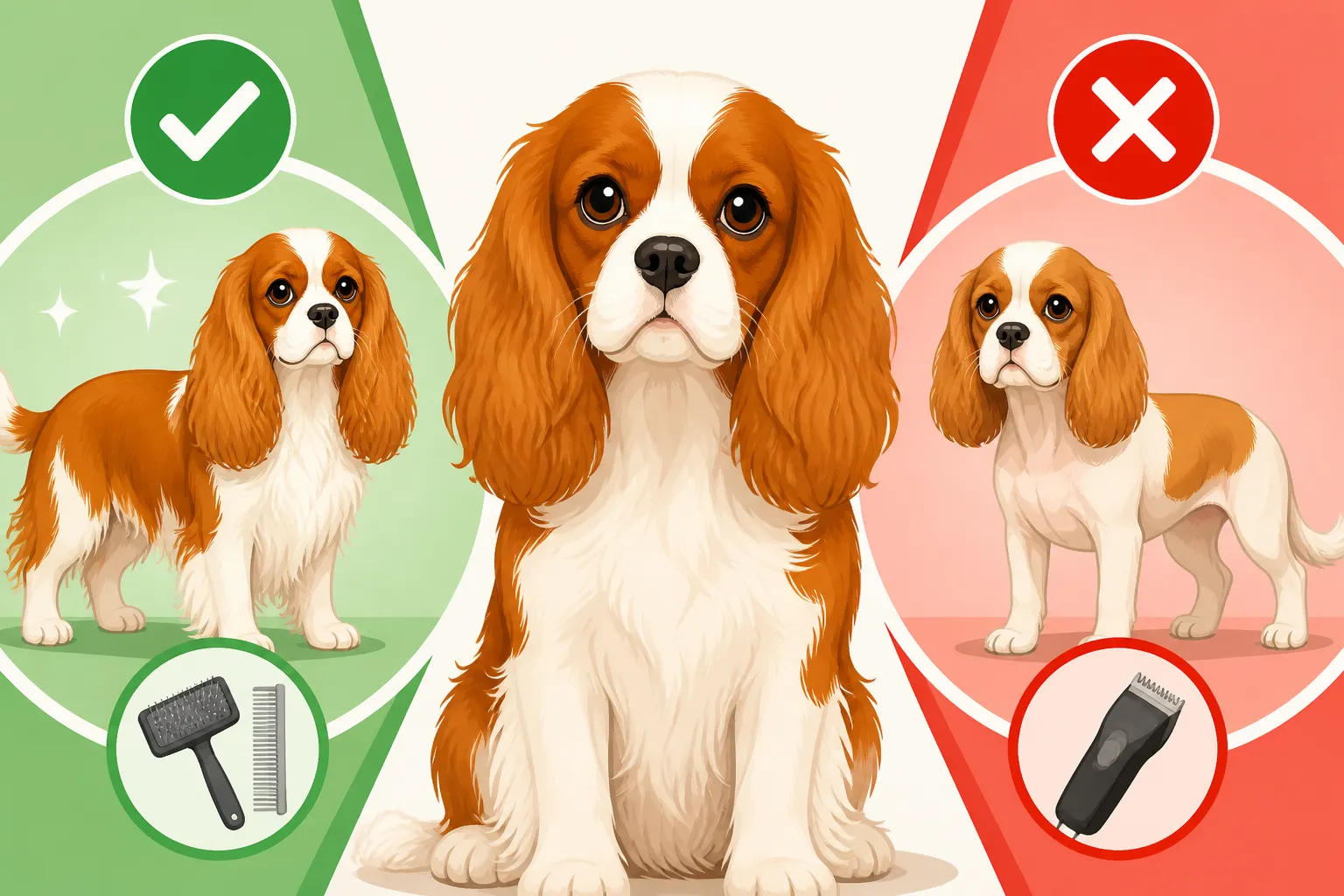
What a Cavalier Groomer Should and Should Not Cut
One of the trickiest parts of owning a Cavalier King Charles Spaniel is navigating the world of grooming, especially when it comes to what a professional groomer should, and absolutely should not, cut. Many new owners feel a genuine sense of panic or confusion about how to keep their beloved dog looking beautiful without irreversibly altering their signature silky coat, and that anxiety is totally valid. This comprehensive guide is here to demystify the grooming process, helping you understand the Cavalier's unique coat needs and empowering you to give clear, confident instructions to your groomer.
Understanding the Cavalier's Unique Coat
Before we even talk about scissors or clippers, it’s crucial to understand the very nature of a Cavalier King Charles Spaniel's coat. This isn't just about aesthetics; it's about their health, comfort, and the integrity of the breed's distinct characteristics. Knowing what you're working with will make all the difference when communicating with your groomer.
The Single Layer vs. Double Coat Myth
Many dog breeds, especially those developed for working in harsh climates, boast a double coat. This typically means a soft, dense undercoat for insulation and a coarser, protective outer coat. Think of a Husky, a Golden Retriever, or a German Shepherd – they blow coat twice a year, leaving tumbleweeds of fluff everywhere, but their double coat offers incredible protection from heat and cold.
Cavaliers, however, are a single-coated breed. Their coat is naturally long, silky, and flowing, without that dense undercoat. This means they don't "blow coat" in the same way, though they certainly do shed year-round. This single layer is why their coat texture is so distinctive and why it reacts very differently to being clipped or shaved compared to a double coat. When you shave a double-coated dog, the undercoat often grows back faster and thicker, sometimes "ruining" the outer coat. With a Cavalier, shaving can lead to a similar, yet distinct, problem: the coat can grow back fuzzy, woolly, or simply not as soft and silky as it once was, and it may lose its natural luster. It's a permanent change for many dogs, and something most Cavalier owners strive to avoid.
The Purpose of Cavalier Feathering
That beautiful, flowing hair that grows longer on your Cavalier's ears, chest, legs, and tail is called "feathering." It’s not just for show; it's a defining characteristic of the breed and served a practical purpose in their spaniel ancestry. The long ear feathering, for instance, helps protect their delicate ears, while the feathering on their legs and chest offers some protection from undergrowth if they were flushing birds (though most Cavaliers now flush only sofa cushions!). This feathering is what gives them their elegant, aristocratic look, harking back to their royal court spaniel ancestors.
The length and silkiness of the feathering varies slightly from dog to dog, and you might even notice some differences in texture or length depending on your Cavalier's color, but the fundamental characteristic remains. For example, Whether feathering differs between Cavalier colors is a fascinating topic, but regardless of color, the feathering defines the breed's silhouette. It requires regular attention at home, specifically thorough brushing, to prevent mats and keep it looking its best. The goal of professional grooming, ideally, should be to enhance and maintain this natural beauty, not to remove it.
Why 'Clipping' a Cavalier is a Sensitive Topic
The debate over clipping a Cavalier's body coat is perhaps one of the most passionate discussions among owners. On one side, you have those who believe that a Cavalier should never be clipped or shaved unless medically necessary, citing the potential irreversible damage to the coat's texture and natural protective qualities. They argue it detracts from the breed's intended appearance and can lead to a "cottony" or "woolly" coat that is more prone to matting and less aesthetically pleasing. Many breeders and show enthusiasts firmly hold this view, striving to preserve the breed's classic look.
On the other side, some owners opt for a shorter clip for practical reasons, especially in warmer climates or if their dog is particularly prone to matting or struggles with regular brushing. They prioritize their dog's comfort and ease of maintenance, sometimes feeling that a shorter clip improves their dog's quality of life. However, it's important to understand that once a Cavalier's coat is clipped short, it almost invariably changes the texture, often losing its silky feel and becoming denser or coarser. While it might simplify daily upkeep for the owner, it’s a decision that should be made with a full understanding of these potential permanent changes. This is why clear communication with your groomer is paramount, ensuring they understand your expectations and the specific needs of a Cavalier's single coat.
What a Professional Groomer Should Trim (and Why)
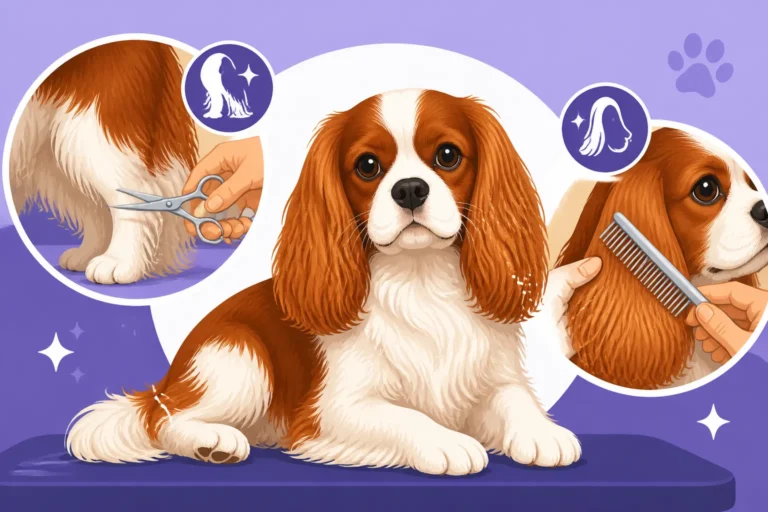
While the general rule for a Cavalier's body is "leave it natural," there are absolutely areas where thoughtful, strategic trimming by a professional groomer is not only acceptable but highly recommended. These targeted trims focus on hygiene, comfort, and neatness without compromising the breed's signature look.
Sanitary Trim: Keeping Things Clean
The sanitary trim is perhaps the most important and least controversial trim for any Cavalier. This involves carefully trimming the hair around your dog's anus and genitals. Why is it so important? Well, Cavaliers have long feathering around their hindquarters, and this hair can easily become soiled with feces or urine.
Neglecting a sanitary trim can lead to a whole host of problems. Fecal matter can become trapped in the long hair, creating a matted, smelly mess that is not only unpleasant but also unhygienic for your dog and your home. It can also lead to skin irritation, bacterial infections, and a general lack of cleanliness that no one wants. A groomer will use clippers with a very short blade (but always with a guard, for safety) to gently clear this area, ensuring your Cavalier stays clean and comfortable. This trim isn't about altering the breed's appearance; it's purely for health and hygiene. For instance, A sanitary trim on a Cavalier is essential for preventing discomfort and maintaining cleanliness.
Paw Pad Trimming: Traction and Comfort
Another crucial area for trimming is the hair growing between your Cavalier's paw pads. This hair can grow quite long, extending beyond the pads themselves, and cause several issues if left untrimmed.
Firstly, excessively long paw pad hair reduces traction, making your Cavalier more prone to slipping and sliding on smooth floors. This can be particularly concerning for older Cavaliers or those with joint issues like Loose Kneecaps in a Thirteen-Pound Cavalier. Secondly, this hair can pick up dirt, debris, burrs, tiny rocks, and even ice balls in winter, bringing them into your home and causing discomfort or irritation to your dog's paws. Thirdly, and perhaps most importantly, the hair between the pads is a prime spot for mats to form. These mats can pull painfully on the skin, making walking uncomfortable and potentially leading to sores or infections. A good groomer will carefully trim this hair flush with the paw pads, ensuring your Cavalier has good grip and preventing foreign objects from getting trapped. Hair between a Cavalier's pads is a spot easily overlooked by owners but is a routine part of a professional groom.
Foot Feathering: The "Neat and Tidy" Look (with Caution)
The feathering around your Cavalier's feet, often called "grinch feet" by some, can also get quite long. While the breed standard often suggests leaving these natural, many owners and groomers opt for a slight tidy-up to maintain a neater appearance. This is where caution is key. The aim here is not to radically cut the foot feathering or give your Cavalier "poodle feet." Instead, it's about lightly trimming stray hairs that extend too far beyond the natural outline of the foot, giving a more refined and tidy look without sacrificing the characteristic feathery appearance.
This kind of trim should be minimal, just enough to shape the foot nicely and keep it from collecting too much outdoor debris. If done correctly, it enhances the overall groomed look of your Cavalier without altering its fundamental breed characteristics. It's about refinement, not removal. When discussing this with your groomer, you might specify "tidy up the feet but keep them natural" or even "just enough to keep them from looking shaggy." This careful approach ensures that Whether to trim a Cavalier's foot feathering is a decision based on neatness and comfort, not a radical style change.
Ear Tips: Preventing Drag and Damage
Cavalier King Charles Spaniels are famous for their long, luxurious ear feathering – it's truly one of their most distinguishing and beautiful features. Generally, this feathering should be left completely natural. However, in some cases, particularly with dogs whose ear feathering grows exceptionally long or is prone to getting constantly wet, soiled with food, or matted, a very minimal trim of the very tips might be considered.
This is a niche exception and should be approached with extreme caution and discussed thoroughly with your groomer. The goal here is not to shorten the ear leather or cut the main bulk of the feathering, but perhaps just to trim the very ends of the longest strands that repeatedly dip into the food bowl or water dish, becoming matted and dirty. Such a trim would be barely noticeable and solely for hygienic reasons, aimed at preventing constant tangles and potential ear infections, which Cavaliers are already prone to due to their drop ears. For more on managing those lovely ears, check out Cavalier Ear Care Under a Heavy Drop Ear. Any more extensive cutting of the ear feathering is generally discouraged, as it takes away from the breed's iconic look and can take a very long time to grow back.
What a Professional Groomer Should Not Cut (and Why It's Harmful)
This is where the strong opinions and passionate advice for Cavalier grooming really come into play. While there are a few exceptions, the vast majority of Cavalier owners and breed enthusiasts agree that certain areas of your dog's coat should generally be left untouched by clippers or extensive scissoring. Doing so can have lasting, undesirable effects on the coat's health, texture, and appearance.
The Body Coat: Preserving Texture and Protection
The main body coat of your Cavalier King Charles Spaniel – from their back, sides, and even much of their chest and belly – should, in almost all circumstances, be left completely natural. This means no shaving, no "puppy cuts" that involve extensive clipping of the body, and no short summer cuts.
When a Cavalier's silky, single coat is clipped short with an electric clipper, several things can happen that are often undesirable and, in many cases, irreversible. First, the texture changes. That soft, flowing, silky feel can be replaced by a coarser, sometimes woolly, or even "cottony" texture. This new texture can be more prone to matting and often loses its natural luster. Second, the coat's natural protective qualities can be compromised. A Cavalier's coat provides a degree of insulation against both heat and cold. While it might seem counterintuitive, shaving a dog with a single coat can actually make them more susceptible to sunburn in the summer and can hinder their ability to regulate their body temperature effectively. Third, Whether a Cavalier Coat Grows Back After Clipping is a common concern, and the answer is usually "yes, but differently." It rarely grows back exactly as it was before, often resulting in the aforementioned texture change. This is why a full body clip is largely frowned upon by breed experts, as it fundamentally alters the characteristic coat that defines the Cavalier.
Full Ear Feathering: The Breed's Signature Look
The long, flowing ear feathering is arguably one of the most recognizable and cherished features of the Cavalier King Charles Spaniel. It frames their sweet face, adding to their gentle and regal expression. For this reason, the full ear feathering, beyond perhaps the very minimal tip trimming discussed earlier, should almost never be cut significantly.
Cutting the ear feathering extensively, whether by clipping or heavy scissoring, fundamentally changes the Cavalier's appearance. It can make their head look disproportionate, remove the soft lines around their face, and eliminate a hallmark of the breed. Furthermore, these long feathers take a considerable amount of time to grow back to their full length and luxuriousness, often several months, if not more, and sometimes the new growth comes in with a different texture. This is why when a groomer is tidying up a Cavalier, they should focus on light maintenance, like carefully brushing out tangles or perhaps very subtly shaping stray hairs, but never cutting the bulk of the feathering. For those who want to keep their Cavalier looking pristine, understanding the nuances of how to groom them, especially concerning the ear feathering, is key to maintaining their distinctive charm. We've talked about light trimming for hygiene, but for anything more, like Tidying a Cavalier's Hocks and Ear Fringe, it's always about preserving, not removing.
Tail Feathering: A Natural Plume
Just like their ear and leg feathering, a Cavalier's tail is adorned with a beautiful, natural plume of silky hair. The tail is meant to be carried happily, often wagging, with its generous feathering flowing gracefully. This feathering is another defining characteristic of the breed, contributing to their overall balanced and elegant appearance.
Consequently, a professional groomer should not cut the tail feathering of a Cavalier. Chopping or clipping the tail feathering results in an unnatural, blunt look that severely detracts from the breed's standard. It removes the natural curve and flow of the tail, making it look much less refined. While stray, unruly hairs on the very tip might occasionally be tidied, the bulk of the tail's plume should be left completely intact. This ensures that the Cavalier's tail remains a natural, expressive part of their body, contributing to their joyful and charming demeanor, rather than appearing shorn or awkwardly cut. To maintain this, regular brushing at home is key to preventing mats in the tail.
Exceptions to the "Do Not Cut" Rule
While the general guidelines for Cavalier grooming lean heavily towards preserving the natural coat, there are certainly specific situations where cutting or clipping becomes a necessary and even humane choice. These exceptions are usually driven by health, comfort, or extreme circumstances, overriding purely aesthetic concerns.
Severe Matting: When Shaving is Necessary
This is perhaps the most common and unavoidable reason a Cavalier might need to be extensively clipped or even shaved. Mats are dense tangles of hair that can become incredibly tight and pull painfully on the dog's skin. They often form in areas of high friction, like behind the ears, in the armpits, in the groin, or under the collar. Mats in a Cavalier's Armpits and Groin are particularly common and challenging spots. If left untreated, mats can lead to skin irritation, hot spots, bacterial infections, restricted movement, and significant pain for your dog.
When matting becomes severe – meaning the mats are tight against the skin, extensive, or cover large areas of the body – brushing them out can be excruciating and inhumane. In such cases, a professional groomer will often advise that the only kind and safe option is to carefully shave the dog underneath the mats. This is not about style; it's about welfare. The groomer uses a short blade to get beneath the matted hair, essentially freeing the skin from the painful tug. While the coat may grow back with a changed texture (as discussed previously), the immediate relief for the dog is paramount. It’s a tough decision for any owner, but understanding that it's sometimes the only humane choice is vital. For more on this, consider reading When a Matted Cavalier Has to Be Shaved.
Medical Reasons: Veterinary-Directed Clipping
There are many scenarios where a veterinarian will require a part of or even a large section of your Cavalier's coat to be clipped for medical purposes. These situations always take precedence over grooming aesthetics.
Common medical reasons for clipping include:
- Surgery: Before any surgical procedure, the area of incision must be sterile, and this requires shaving the fur. This could be for a routine spay/neuter, or more complex surgeries like those for Mitral Valve Repair Surgery for a Cavalier or addressing Loose Kneecaps in a Thirteen-Pound Cavalier.
- Wound Care: If your Cavalier has a wound, hot spot, or skin infection, the hair around the affected area will need to be clipped to allow for proper cleaning, topical medication application, and airflow for healing.
- Diagnostic Tests: Sometimes, to perform an ultrasound, take an X-ray, or collect a skin biopsy, a vet will need to clip the fur to get a clear view or accurate reading.
- IV Placement: When your Cavalier needs intravenous fluids or medication, a small patch of fur on a leg will be shaved to allow for a clean, sterile insertion of the IV catheter.
In these instances, the vet's instructions are paramount. While you might worry about the coat growing back, your dog's health and well-being come first.
Senior Cavaliers and Comfort Clipping
As Cavaliers age, their needs often change, and sometimes this includes their grooming requirements. A senior Cavalier might develop health issues that make traditional grooming, especially the extensive brushing needed for a long coat, uncomfortable or even painful. For example, a dog with arthritis, neck pain (perhaps from Syringomyelia and Chiari Malformation in Cavaliers), or heart conditions that make standing for long periods difficult, might find brushing or elaborate grooming sessions very stressful.
In these cases, a shorter, more manageable clip can significantly improve a senior Cavalier's quality of life. A "comfort clip" or a slightly shorter, practical cut can reduce matting, make cleaning easier, and minimize the time and stress associated with grooming. The focus shifts from maintaining a show-ring standard to ensuring the dog's comfort and ease of care. This decision should be made in consultation with your veterinarian and an empathetic groomer who understands the needs of older dogs. It's a compassionate choice when health and comfort outweigh the desire for a pristine, full coat. Grooming an Older Cavalier That Cannot Stand Long highlights the importance of adapting care for elderly dogs.
Communicating with Your Cavalier Groomer
Effective communication with your groomer is paramount, especially when it comes to a breed with specific coat considerations like the Cavalier King Charles Spaniel. A good groomer isn't just skilled with scissors; they're also excellent listeners who understand your concerns and can translate them into appropriate action. Don't be afraid to speak up and be clear about your expectations.
Finding a Cavalier-Knowledgeable Groomer
One of the best steps you can take is to seek out a groomer who has specific experience with Cavaliers or other long-coated companion breeds. Not all groomers are equally familiar with every breed's coat type and standard. A groomer who routinely works with Poodles might have a very different approach than one who specializes in breeds like Cavaliers.
When you're looking for a groomer, don't hesitate to ask questions:
- "Do you have experience grooming Cavalier King Charles Spaniels?"
- "How do you typically approach a Cavalier's coat? Do you usually clip the body, or just tidy the feathering?"
- "Are you familiar with the breed's coat texture and how it responds to clipping?"
- "Can you provide references from other Cavalier owners?"
Finding a groomer who understands that a Cavalier's coat is distinct from, say, a Bichon or a Poodle, will give you immense peace of mind. A knowledgeable groomer will already be aware of the "do not cut" areas and will prioritize maintaining the natural silky texture. This is why Finding a Groomer Who Knows Cavalier Coats is such a crucial step in ensuring your Cavalier is groomed correctly.
Clear Instructions and Visual Aids
Never assume your groomer knows exactly what you want, even if they are experienced with Cavaliers. Every owner has slightly different preferences, and every dog's coat is unique. Be as explicit as possible with your instructions.
When you drop off your Cavalier, take a few minutes to discuss:
- What you don't want cut: Specifically state, "Please do not clip or shave his body coat," or "Please leave his ear and tail feathering long."
- What you do want trimmed: "Sanitary trim, please," "Tidy up his paw pads," "Just a very light trim on the stray hairs around his feet, not shortened."
- Any areas of concern: Point out any mats you've found, or sensitive spots on your dog.
Bringing a photo of your Cavalier (or another Cavalier) with the desired look can be incredibly helpful. Visuals often communicate far more effectively than words alone. For example, you might bring a picture of your dog looking their best and say, "I want to maintain this look, just cleaner and tidier." You can find grooming aids and supplies, from brushes to gentle shampoos, on platforms like Chewy or Amazon, which can help you maintain your dog's coat between professional grooms.
Discussing Health Concerns Before Grooming
Your Cavalier's health status is incredibly important information to share with your groomer. Grooming can be a physically demanding process, requiring standing, turning, and sometimes even lifting. If your dog has any health conditions, it could impact how the groomer handles them and how long the session can comfortably last.
Key health concerns to discuss include:
- Heart Murmurs or Heart Disease: Cavaliers are notoriously prone to Mitral Valve Disease in the Cavalier King Charles Spaniel. Even if your dog only has a mild murmur, the groomer needs to know. They might adjust the grooming table height, take more frequent breaks, or avoid putting pressure on the chest. They'll also be aware that stress can exacerbate heart conditions. For dogs with more advanced heart disease, a shorter grooming session is always preferred. Anesthesia for a Cavalier With Heart Disease is also a consideration for certain grooming procedures like dental work, so any existing heart issues are vital for awareness.
- Orthopedic Issues: If your Cavalier has bad knees (Loose Kneecaps in a Thirteen-Pound Cavalier), hip dysplasia, or back pain, they may struggle to stand for extended periods or tolerate certain positions. The groomer can adjust accordingly, perhaps using a sling, taking more breaks, or working on the floor.
- Syringomyelia or Neck Pain: Cavaliers with Syringomyelia and Chiari Malformation in Cavaliers may experience extreme pain from neck manipulation or pressure. The groomer absolutely needs to be aware of this to avoid exacerbating their condition.
- Anxiety or Fear: If your Cavalier is prone to anxiety or fear during grooming, discuss this with the groomer. They might use calming techniques, slower movements, or schedule your dog for a quieter time in the salon.
Being transparent about these issues ensures your groomer can provide the safest, most comfortable experience possible for your beloved Cavalier.
Maintaining Your Cavalier's Coat at Home
While professional grooming is essential for certain tasks, the day-to-day health and beauty of your Cavalier's coat largely depend on the care you provide at home. Consistent home grooming can reduce the frequency of professional appointments and minimize the need for drastic measures like shaving due to matting.
Daily Brushing for Mat Prevention
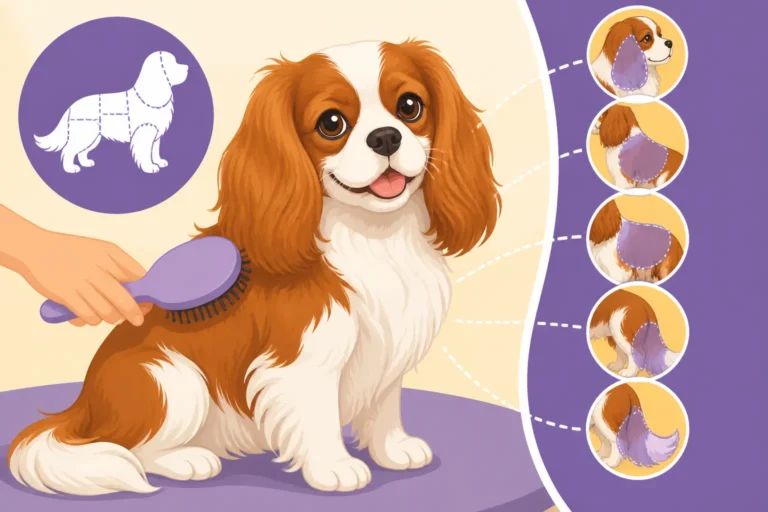
This is the golden rule for Cavalier owners: regular brushing, ideally daily or at least three times a week. Their long, silky coat, especially the abundant feathering, is highly prone to tangles and mats. Brushing a Cavalier's Feathering Three Times a Week is not just a recommendation; it's a necessity.
Focus on "high friction" areas where mats tend to form quickly:
- Behind the ears: This area mats easily due to movement and rubbing.
- Armpits and groin: These are notorious spots for tight, painful mats because of constant motion. Mats in a Cavalier's Armpits and Groin are tricky to remove once they set in.
- Under the collar/harness: Friction from neckwear can create mats.
- Tail feathering and hocks: These longer areas can collect debris and tangle.
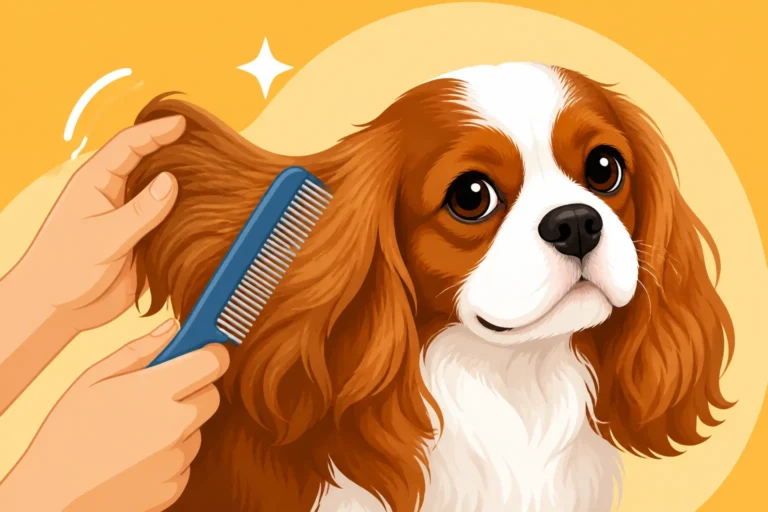
Use appropriate tools: a good quality slicker brush for gently detangling and removing loose hair, and a metal comb for checking for smaller tangles and working through feathering. Always brush in sections, working through the coat layer by layer, starting from the tips and working your way to the skin. If you find a small tangle, use a detangling spray and gently tease it apart with your fingers or the comb, rather than pulling. Regular brushing not only prevents mats but also distributes natural oils, keeping the coat shiny and healthy.
Regular Bathing and Drying
How often you bathe your Cavalier depends on their lifestyle, but generally, every 3-4 weeks is a good baseline, or as needed if they get particularly dirty. The key is using a gentle, dog-specific shampoo and conditioner, rinsing thoroughly, and most importantly, drying properly.
When bathing:
- Pre-brush: Always brush your Cavalier before a bath to remove any existing tangles. Water tightens mats, making them nearly impossible to remove post-bath.
- Use lukewarm water: Ensure the water isn't too hot or cold.
- Lather gently: Work the shampoo into the coat, but avoid harsh scrubbing motions that can create new tangles.
- Rinse thoroughly: Any shampoo residue left in the coat can cause skin irritation and make the coat feel sticky or dull.
Drying is critical for a Cavalier. Never air dry a Cavalier with long feathering, as this is a recipe for severe matting. Use towels to blot excess water, then use a low-heat pet dryer (or a human hair dryer on a cool setting) while brushing the coat to ensure it dries completely straight and tangle-free. This technique helps maintain the silky texture and prevents the coat from becoming fluffy or frizzy. Bathing a Cavalier Without Flattening the Coat is an art form that preserves their natural volume and silkiness. You can find high-quality pet shampoos and dryers on Amazon.
Inspecting for Tangles and Hot Spots
Beyond the regular brushing, make it a habit to perform a quick "pat down" and visual inspection of your Cavalier a few times a week, especially after walks or playtime. This helps you catch small tangles before they escalate into serious mats, and identify any skin issues.
Pay particular attention to:
- Behind the ears: These delicate spots are highly prone to matting.
- Inside the front and back legs: Friction here can cause mats.
- Under the chin and around the collar area: Again, friction is the culprit.
- Around the genitals and anus: Essential for hygiene, as discussed with sanitary trims.
- Their prominent eyes: Check for any crust or discharge, as Cavalier Eye Disease From Dry Eye to Cataracts is a common concern.
Gently run your fingers through their feathering. If you feel any lumps or bumps, investigate further. It could be a small mat, a burr, a skin tag, or even something more serious like a hot spot or cyst. Early detection of mats means you can often brush them out with a little detangling spray and patience, avoiding the need for a professional shave. Consistent vigilance at home is the best defense against grooming emergencies and ensures your Cavalier remains comfortable and beautiful. If you ever need specialty grooming products, whether it's detangling spray or a specific type of brush, online retailers like Chewy are a great resource for a wide selection. Even dog-specific subscription meal services like Ollie focus on overall health which can reflect in coat quality.
| Area of Coat | Should Be Trimmed? | Reason | Groomer's Approach |
|---|---|---|---|
| Body Coat (Back, Sides) | Generally NO | Preserves natural silky texture, insulation, protects from sun. Clipping can change texture permanently. | Avoids clippers unless for medical necessity or extreme matting. |
| Sanitary Area (Hindquarters) | YES | Essential for hygiene, prevents fecal matter from clinging, reduces risk of irritation/infection. | Uses clippers with a guard for a clean, short trim. |
| Paw Pads (Hair between pads) | YES | Improves traction, prevents debris/mats from accumulating, enhances comfort. | Carefully clips hair flush with the paw pads. |
| Foot Feathering (around feet) | Minimal Tidy-up | For neatness and to prevent collecting debris, without altering natural outline. | Scissoring stray hairs to shape, not shorten significantly. |
| Ear Feathering (full length) | Generally NO | Defines breed's iconic look, takes a long time to regrow, maintains elegance. | Focuses on brushing out tangles, may trim very tips for hygiene only. |
| Tail Feathering | Generally NO | Maintains natural plume and graceful appearance, a key breed characteristic. | Leaves plume intact, may tidy very end if scraggly. |
| Medical/Emergency Clipping | YES (as needed) | For surgeries, wound care, severe matting, or diagnostic tests. | Follows vet's instructions, prioritizes dog's health and comfort. |
| Senior Comfort Clip | YES (if needed) | Improves comfort for older dogs with mobility/health issues, reduces stress of grooming. | Discusses with owner/vet, aims for practical, shorter cut without harsh shaving. |
Disclaimer
This article is for general informational purposes only and does not constitute professional advice. Laws, prices and regulations vary by location and change over time. Consult a qualified professional for guidance on your specific situation.