A Sanitary Trim on a Cavalier
Oh, the glamorous life of a Cavalier parent! We adore those flowing, silken coats, those adorable feathered ears, and those sweet, expressive eyes. But let's be real for a moment: all that beautiful feathering around the rear can sometimes become a magnet for… well, less-than-pleasant things. If you've ever had to deal with a "cling-on" situation after a potty break, or a perpetually damp patch that just won't seem to stay clean, you know the struggle. This comprehensive guide is here to walk you through the often-overlooked but utterly essential practice of a sanitary trim for your Cavalier, helping you keep your furry friend clean, comfortable, and hygienic without sacrificing their signature charm.
Understanding What a Sanitary Trim Actually Means for Your Cavalier
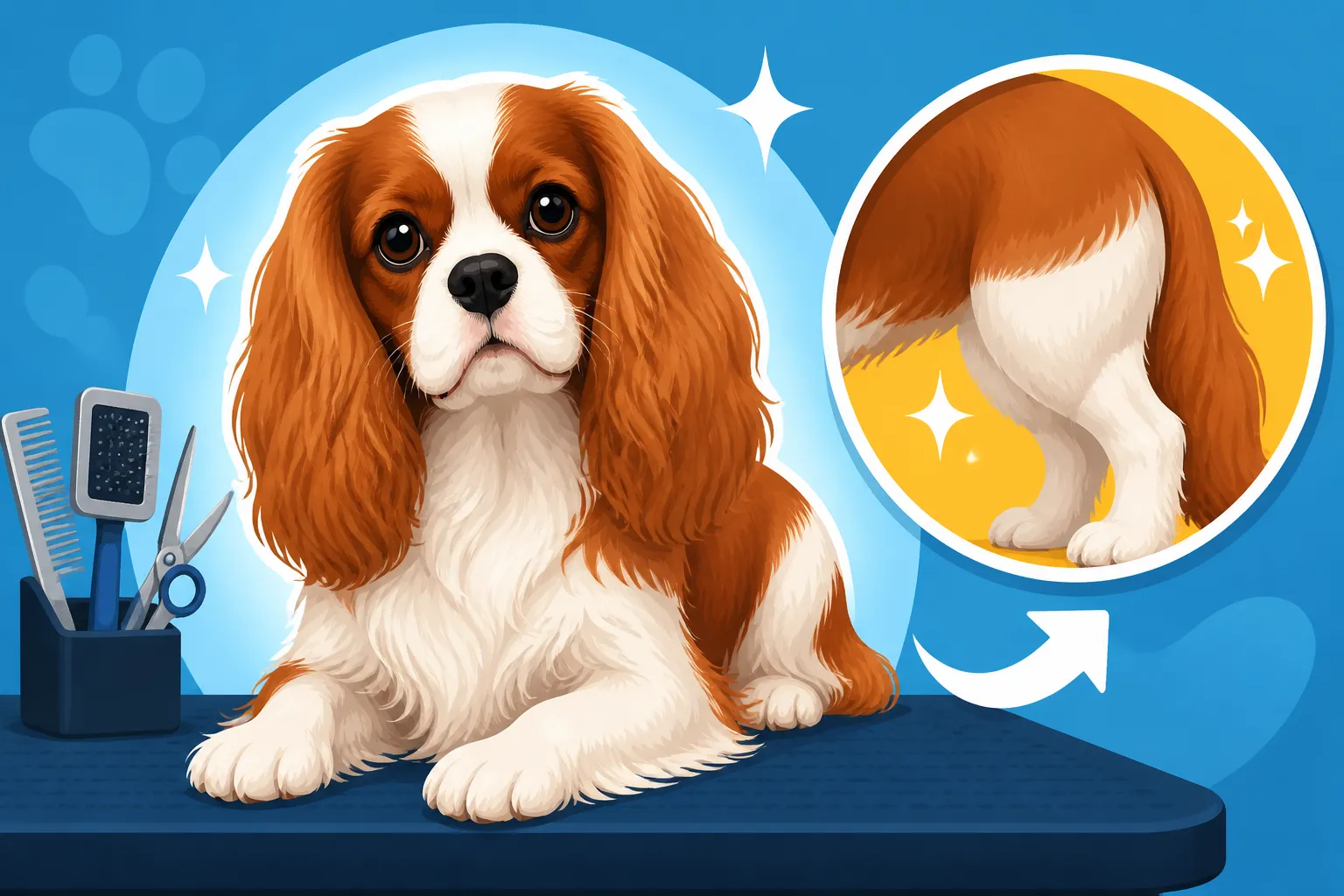
When we talk about a "sanitary trim" for a Cavalier King Charles Spaniel, we're not talking about shaving off their beautiful feathering or giving them a drastic haircut. Instead, it's a very specific, strategic tidying of the hair around their private areas to maintain cleanliness and prevent common issues. Think of it as a little personal grooming detail that makes a huge difference in day-to-day life for both you and your dog.
Defining the "Sanitary Zone" on a Cavalier
The "sanitary zone" on a Cavalier encompasses several key areas where hair tends to grow long, dense, and can cause problems. This includes the hair directly around the anus, the hair surrounding the vulva in females or the sheath in males, and often the inner thighs and belly area where urine can splash and cling. Our Cavaliers have that gorgeous, long, silky hair that is a hallmark of the breed, but this very feature can become a liability when it comes to keeping things neat after bathroom breaks. Imagine a tiny mop collecting everything in its path – that's what we're trying to avoid! It's a proactive step to prevent mess and discomfort.
Why This Specific Trim is So Crucial for Their Comfort
Cavaliers, with their relatively low-slung bodies and generous feathering, are particularly prone to accumulating waste in their rear-end hair. Without a sanitary trim, fecal matter can easily get caught in the long hair around the anus, leading to uncomfortable matting, skin irritation, and even infections. For females, urine can stain and irritate the hair and skin around the vulva. In males, the same can happen around the sheath. This isn't just about aesthetics; it’s about preventing actual health problems and ensuring your Cavalier feels clean and happy. A dog with a perpetually dirty or matted rear can experience significant discomfort, itching, and even pain if the mats pull on the skin. It can also lead to an unpleasant odor, which nobody wants in a beloved house pet!
The Undeniable Benefits of a Regular Sanitary Trim
Beyond just preventing gross messes, a consistent sanitary trim offers a host of tangible benefits for your Cavalier's overall health and well-being. It's an act of care that contributes significantly to their comfort and hygiene.
Enhancing Hygiene and Preventing "Dingleberries"
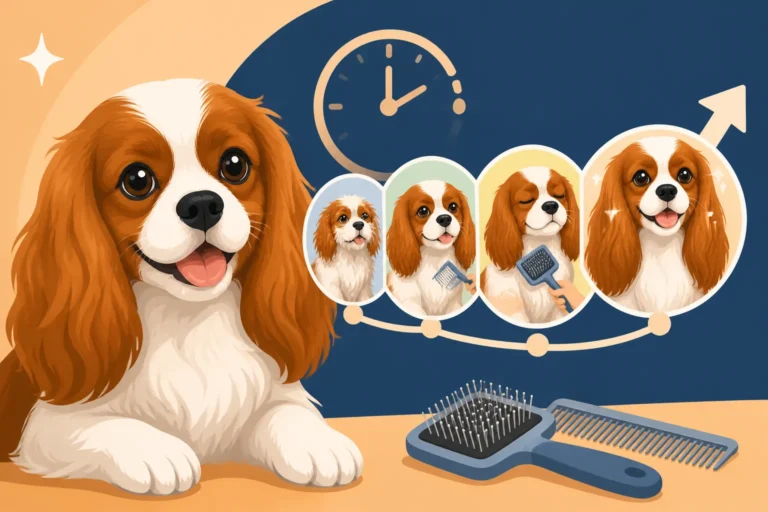
Let's get straight to the point: the number one benefit is hygiene. Long hair around the anus is a prime target for collecting fecal matter, often referred to quite charmingly as "dags" or "dingleberries." These aren't just unsightly; they can pull on the skin, cause irritation, and act as a breeding ground for bacteria. When soft stool or diarrhea occurs, the problem is compounded exponentially. A clean, short sanitary area means there's less surface area for anything to stick, making post-potty clean-ups much easier. You won't have to worry about your Cavalier tracking remnants through the house or sitting on their own mess, leading to a much cleaner home environment for everyone. Think of it as creating a clear runway for everything to pass cleanly. For managing that beautiful coat overall, a regular routine of Brushing a Cavalier's Feathering Three Times a Week can also help reduce the chances of deep matting that might extend to the sanitary area.
Reducing Matting and Skin Irritation
Cavalier coats are famous for their silkiness, which also means they're prone to matting, especially in high-friction areas or places that get wet and dirty frequently. The hair around the genitals and under the tail can quickly form tight, painful mats if not kept clean and trimmed. These mats can pull on the delicate skin, causing pain, redness, and open sores. Once mats form, they are incredibly difficult to remove without causing further discomfort or requiring a professional groomer to shave them out entirely. By keeping these areas neatly trimmed, you significantly reduce the risk of mat formation, which in turn prevents skin irritation, hot spots, and potential infections. This also ties into how easily Mats in a Cavalier's Armpits and Groin can form, showing how sensitive these areas are to tangles.
Making Bathing and Grooming Easier for Both of You
Imagine trying to thoroughly clean a tangled, dirty area during a bath versus a neatly trimmed one. A sanitary trim makes bath time significantly easier and more effective. Shampoo and water can reach the skin more readily, allowing for a better clean, and drying becomes much faster. When hair is excessively long and matted in these areas, it can take ages to dry completely, creating a damp environment ripe for yeast and bacterial growth. Furthermore, a dog who is regularly handled and groomed for these small trims will be far more cooperative for full baths and other necessary procedures. It builds a positive association with handling, making all future grooming tasks less stressful for your Cavalier and for you. Don't forget, having the right tools on hand, such as those you might find on Chewy or Amazon, can make all the difference, from blunt-nosed scissors to small, quiet clippers.
Step-by-Step: Performing a Sanitary Trim on Your Cavalier at Home
While a professional groomer is always an option (and often recommended if you're nervous!), performing a sanitary trim at home is absolutely doable for most Cavalier owners. It requires patience, the right tools, and a gentle touch. Remember, safety first!
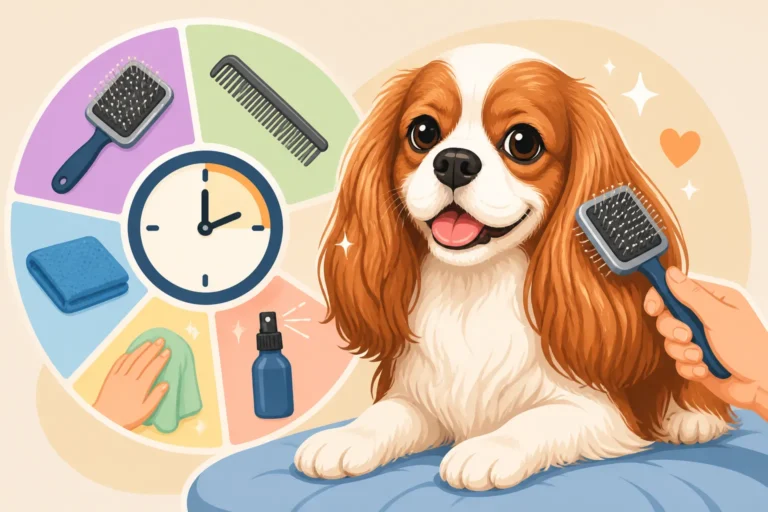
Essential Tools for a Safe and Effective Trim
Before you begin, gather your supplies. Having everything within reach will make the process smoother and less stressful for your Cavalier.
- Small, Quiet Clippers: These are often the safest option for the most sensitive areas. Look for clippers designed for small dogs or for face/paw trimming, as they are quieter and have smaller blades. A cordless option gives you more maneuverability. Many reputable brands can be found on Amazon or Chewy.
- Blunt-Nosed Scissors: If you prefer scissors, always use a pair with rounded tips to minimize the risk of accidental nicks. These are crucial for snipping away any stray hairs or refining edges.
- Fine-Toothed Comb: A small metal comb is invaluable for separating hair and gently brushing it away from the skin before trimming. This helps you see exactly what you're doing and prevents you from cutting too much or grabbing skin. The Combs That Reach Cavalier Feathering can be a great resource for selecting the right comb.
- Grooming Wipes or Damp Cloth: For quick clean-ups during and after the trim.
- Treats! Positive reinforcement is key! Have plenty of delicious, high-value treats on hand to reward cooperation.
- Good Lighting: A well-lit area is critical so you can clearly see the delicate skin and hair you're working with.
- A Non-Slip Surface: Whether it's a grooming table with a non-slip mat or just a towel on your bathroom counter, ensure your Cavalier has a secure footing.
Preparing Your Cavalier for the Trim
Preparation is half the battle. A calm, clean dog makes for a much easier and safer trim.
- Bath First (Ideally): While not strictly necessary every time, a clean dog is easier to trim. Dirt and debris can dull clipper blades and make it harder to see the skin. If your dog isn't freshly bathed, at least ensure the area you're trimming is clean and dry.
- Brush Thoroughly: Use your comb to gently brush out any tangles or loose hair in the area you plan to trim. This will help you identify any existing mats and ensure a smoother cut.
- Create a Calm Environment: Choose a time when your Cavalier is relaxed, perhaps after a walk or a play session. Speak in a soothing voice, and offer plenty of praise. Some dogs are more relaxed on a Grooming an Older Cavalier That Cannot Stand Long table, while others prefer the floor.
- Enlist a Helper (Optional but Recommended): If your Cavalier is wiggly or new to this, having someone gently hold them and provide distractions (like dispensing treats) can be incredibly helpful.
The Trimming Process: Taking It Slow and Steady
Now for the actual trimming. Remember, less is more, and you can always take off a little more, but you can't put it back on.
- Lift the Tail: Gently lift your Cavalier's tail straight up over their back. This exposes the area around the anus and genitals.
- Comb Out the Hair: Using your fine-toothed comb, carefully comb the hair away from the anus and vulva/sheath. This helps you identify the "edges" of the area you need to trim and keeps loose hair out of the way.
- Clippers First (If Using):
- Start with a small clipper blade (e.g., a #10 blade is a common choice for sanitary trims, offering a close but not skin-bare cut).
- Hold the skin taut with one hand.
- Gently work the clippers with the grain of the hair if you want a slightly longer trim, or against the grain for a closer cut. Always move slowly and carefully.
- Focus on the hair directly around the anus, clearing a small circle.
- For females, carefully trim the hair around the vulva, being mindful of the delicate skin.
- For males, trim the hair around the sheath, ensuring urine doesn't collect and stain.
- You can also gently tidy up the hair on the inner thighs if it's long and prone to collecting urine.
- Scissors for Refinement and Edges (If Using or After Clippers):
- If using scissors for the entire trim, always place your comb or fingers between the skin and the scissor blades as a safety guard.
- Work in very small snips, never closing the scissors completely against the skin.
- Carefully trim any remaining long hairs around the anus, vulva/sheath, and inner thighs that might still be catching waste.
- Aim for a neat, clean border rather than a completely bald patch.
- Check Your Work: Once you think you're done, let the tail down and then lift it again to check for any missed spots or uneven edges. Ensure there's no hair that can easily pick up messes.
- Praise and Reward: End every session with lavish praise and plenty of treats, even if it wasn't perfect. You want your Cavalier to associate grooming with positive experiences.
Post-Trim Care and What to Watch For
After the trim, give your Cavalier a quick wipe down with a damp cloth or grooming wipe to remove any loose hairs. Monitor the area for any signs of irritation, redness, or nicks. If you accidentally nick the skin (it happens!), apply a styptic powder or cornstarch to stop any minor bleeding, and keep the area clean. If you see persistent redness or irritation, a quick call to your vet is always a good idea, especially if your Cavalier is already prone to Skin Allergies in a Cavalier.
When to Call in the Professionals: Groomers and Vets
While DIY is empowering, there are absolutely times when seeking professional help for your Cavalier's sanitary trim is the smartest and safest option. Don't feel guilty about it – sometimes, it's simply the best path forward.
Recognizing When You Need a Professional Groomer
There's no shame in admitting you're not comfortable with clippers and scissors around such a delicate area. Professional groomers are trained and experienced, often having specialized equipment that makes the job easier and safer.
- Nervous or Wiggly Dog: If your Cavalier is particularly anxious about being handled in this area or simply won't stay still, a professional groomer can often work wonders. They have techniques and tools (like grooming loops) to keep dogs secure and minimize stress. Plus, they might have specific advice for A Timid Cavalier That Hides From Visitors and other anxieties during grooming.
- Deep Matting: If the sanitary area has already developed tight, painful mats, attempting to cut them out yourself with scissors can be extremely dangerous, as it's very easy to cut the skin underneath. A professional groomer has the expertise and tools to safely and humanely remove severe matting, even if it means a very close shave.
- Lack of Confidence: If you're simply not confident in your ability to perform the trim safely, or you're worried about accidental nicks, it's always better to defer to a professional. The peace of mind alone is worth it.
- Specific Breed Knowledge: A groomer who specializes in or frequently grooms Cavaliers will understand the nuances of their coat and the breed-specific challenges, ensuring a trim that maintains the Cavalier aesthetic while being functional. It's important to find Finding a Groomer Who Knows Cavalier Coats.
- Regular Maintenance Schedule: If you prefer to have all grooming handled by a pro, integrate the sanitary trim into your Cavalier's regular grooming schedule. This usually means a trip every 6-8 weeks. Understanding Cavalier Grooming Costs Every Six to Eight Weeks will help you budget for this essential care.
When a Veterinarian Might Need to Step In
In some cases, a sanitary trim isn't just about grooming; it can be a part of medical care, and that's when your veterinarian should be involved.
- Pain or Discomfort: If your Cavalier yelps, cries, or shows any signs of pain when you attempt to touch or groom their rear end, stop immediately and consult your vet. This could be a sign of underlying medical issues, such as an anal gland problem, a urinary tract infection, or even referred pain from a condition like Syringomyelia Against Ear Pain in a Cavalier. Grooming should never be painful.
- Skin Infections or Sores: If you notice any redness, swelling, pus, foul odor, or open sores in the sanitary area, hold off on trimming and get your vet's opinion. Trimming infected skin can spread bacteria or cause further irritation. Your vet might need to treat the infection before any grooming can safely occur.
- Compromised Health: For very elderly Cavaliers, or those with significant health issues like advanced heart disease (refer to Caring for a Cavalier Past Nine), the stress of grooming, even a minor trim, might need to be managed by a professional in a clinical setting. Your vet can advise on the safest way to perform necessary hygiene tasks.
- Behavioral Issues Related to Pain: Sometimes, a sudden aversion to grooming in a previously cooperative dog can signal pain. For instance, A Cavalier That Yelps When Picked Up might also react badly to handling around the rear due to discomfort elsewhere. Always rule out pain before attributing resistance solely to naughtiness.
Regular sanitary trims are a small but mighty part of responsible Cavalier ownership. They contribute significantly to your dog's comfort, health, and cleanliness, making life a little sweeter and a lot less messy for everyone. Whether you choose to tackle it yourself or rely on a trusted professional, ensuring this area is well-maintained is an act of love for your beloved Cavalier.
| Feature | DIY Sanitary Trim | Professional Groomer Sanitary Trim |
|---|---|---|
| Cost | Low (initial tool purchase) | Varies, ongoing expense |
| Convenience | On your schedule, at home | Requires appointment, travel time |
| Control | Full control over length and style | Relies on groomer's expertise and interpretation |
| Safety | Requires extreme caution and proper technique | Handled by trained professional with specialized tools |
| Stress Level | Can be high for nervous owners/dogs | Often less stressful for dog due to groomer experience |
| Matting Handling | Risky for severe mats; best for minor tidying | Equipped to safely handle deep, painful mats |
| Time Commitment | Short, frequent sessions recommended | Less frequent, but each session is longer |
| Skill Required | Basic grooming skills, patience, steady hand | Advanced grooming skills, breed-specific knowledge |
| Outcome | Functional and tidy, may not be "perfect" | Typically precise, aesthetically pleasing, and thorough |
Disclaimer
This article is for general informational purposes only and does not constitute professional advice. Laws, prices and regulations vary by location and change over time. Consult a qualified professional for guidance on your specific situation.