Salt Levels a Cavalier Heart Patient Should Avoid
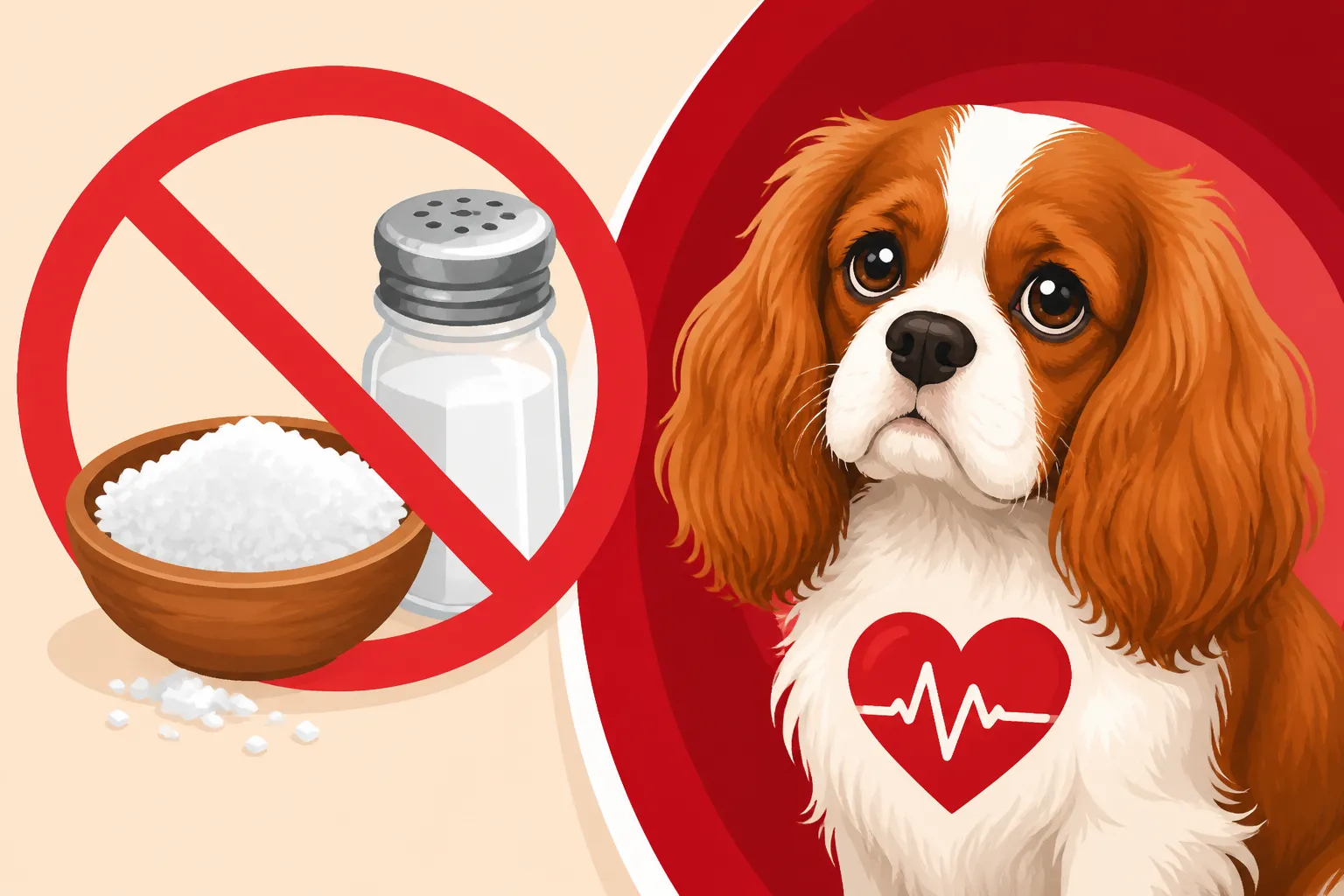
One of the most heartbreaking realities of living with a Cavalier King Charles Spaniel is the high likelihood of mitral valve disease. When your beloved companion receives a heart disease diagnosis, it can feel overwhelming, especially when suddenly faced with a whole new lexicon of care. One of the biggest challenges, and often a source of great anxiety for owners, is understanding and controlling the amount of sodium in their dog's diet, as hidden salt can dramatically worsen their heart condition. This guide is here to walk you through exactly why sodium matters, where it hides, and how to effectively manage it to support your Cavalier's heart health.
Why Sodium is a Major Concern for Cavaliers with Heart Disease
When your Cavalier's heart isn't working at its best, every little thing you can do to support it becomes critical. Diet, particularly sodium intake, plays a monumental role in managing canine heart disease. It's not just about avoiding salty snacks; it's about understanding the subtle, insidious ways sodium can undermine an already struggling heart.
The Role of Sodium in Fluid Retention
Think about how you feel after eating a really salty meal – a bit bloated, perhaps? That's your body retaining water to dilute the excess sodium. The same thing happens with your Cavalier, but with far more severe consequences. Sodium has a natural tendency to pull water into the bloodstream and tissues. While this is a normal bodily function, in a dog with heart disease, it becomes a dangerous cycle. The kidneys, trying to maintain balance, hold onto more sodium, which in turn causes the body to hold onto more water. This extra fluid volume then circulates throughout the body.
For a Cavalier whose heart is already weakened by Mitral Valve Disease in the Cavalier King Charles Spaniel, this added fluid is like asking a tired runner to carry a heavy backpack. The heart has to pump harder to circulate this increased blood volume. Over time, this extra effort puts immense strain on the heart, accelerating the progression of the disease. It's a key reason why managing sodium is one of the very first things a veterinary cardiologist will discuss with you once a diagnosis is made.
How the Heart Struggles with Extra Fluid
As your Cavalier's heart struggles to keep up with the increased fluid volume, several problems can arise. Firstly, the heart muscle itself may enlarge (hypertrophy) in an attempt to pump more effectively, but this often makes it less efficient in the long run. Secondly, and most critically, this excess fluid can start to "back up" in other parts of the body, particularly the lungs. This leads to pulmonary edema, or fluid in the lungs, which manifests as coughing, difficulty breathing, and general weakness – classic signs of congestive heart failure.
Imagine your Cavalier trying to breathe through a wet sponge. That's what it can feel like when fluid builds up in their lungs. Beyond the lungs, fluid can also accumulate in the abdomen (ascites) or in the limbs, causing swelling. All of these complications make your Cavalier feel miserable and significantly reduce their quality of life. Controlling sodium is not just a dietary recommendation; it's a vital part of alleviating the burden on their heart and preventing or slowing down these debilitating symptoms. Your vet might prescribe Diuretics for a Cavalier in Heart Failure to help manage this fluid, but reducing sodium is a crucial first line of defense that can lessen the need for higher drug doses.
Identifying High Sodium in Your Cavalier's Diet
Once you understand why sodium is so detrimental, the next step is learning where it hides. Sodium isn't just the salt shaker; it's prevalent in many processed foods, and often in surprising places within your dog's diet. Becoming a label detective is an essential skill for any Cavalier owner managing heart disease.
Common Culprits in Commercial Dog Food
Many standard commercial dog foods, even high-quality ones, contain sodium levels that are too high for a Cavalier with a compromised heart. Manufacturers use sodium for flavor enhancement and as a preservative. While perfectly safe for healthy dogs, these levels can be problematic for heart patients. You need to be looking for dog foods specifically formulated for cardiac health or those with clearly stated low-sodium content. Don't assume that a "premium" or "natural" label automatically means low sodium. Always check the guaranteed analysis.
A crucial thing to understand is that sodium content is often expressed as a percentage on a "dry matter basis" or as milligrams per 100 kcal. It’s not always straightforward. When comparing foods, always ensure you're comparing apples to apples (e.g., dry matter basis vs. dry matter basis). Many vets recommend aiming for less than 0.1% sodium on a dry matter basis for dogs with moderate to severe heart disease. For example, a bag of regular kibble you might find at the grocery store or even on a major online retailer like Chewy could contain 0.3% to 0.5% sodium, which is significantly too high. Always talk to your vet or a veterinary nutritionist to determine the ideal sodium range for your Cavalier's specific stage of heart disease.
Hidden Sodium in Treats and Human Foods
This is where many well-intentioned owners unknowingly sabotage their efforts. Those innocent-looking dog biscuits, dental chews, or even certain supplements can be packed with sodium. Just like with kibble, always read the labels. If a treat doesn't have a guaranteed analysis for sodium, it's best to avoid it or assume it's high unless you can confirm otherwise. Even "natural" treats like jerky or cheese can be high in sodium due to processing or inherent mineral content.
And then there's human food. Oh, how Cavaliers love our human food! A tiny piece of cheese, a lick of a savory plate, a bite of deli meat – these seemingly harmless morsels are sodium bombs for a heart patient. Canned soups, processed meats (like ham or turkey slices), bread, chips, and even some seemingly healthy options like cottage cheese or broth, are often loaded with salt. Even small amounts, given regularly, add up quickly and can undo all the good you're doing with their carefully selected diet. This is especially important as Cavalier Weight Gain and What It Costs the Heart can also add to the burden, making any high-calorie, high-sodium treats doubly problematic.
Practical Strategies for Reducing Sodium Intake
Now that you know the 'why' and the 'where,' let's talk about the 'how.' Reducing sodium might seem daunting at first, but with a bit of planning and consistent effort, you can make a huge difference for your Cavalier's heart.
Choosing Low-Sodium Commercial Diets
The easiest and most consistent way to control sodium is by switching to a prescription cardiac diet. These diets are specifically formulated by veterinary nutritionists to meet the precise needs of dogs with heart disease, including controlled sodium levels, adjusted protein, and often added omega-3 fatty acids. Brands like Hill's Prescription Diet h/d or Royal Canin Veterinary Diet Cardiac are excellent examples that your vet can prescribe. These foods are designed to be nutritionally complete while carefully managing sodium, phosphorus, and other minerals to support kidney function and overall cardiac health.
If a prescription diet isn't feasible or available, look for over-the-counter dog foods that explicitly state "low sodium" and provide a clear guaranteed analysis of sodium content. Be wary of marketing terms that don't translate to actual low sodium. Always verify the actual percentage or mg/kcal with your vet. Many pet supply stores, or online retailers such as Amazon and Chewy, offer a wide selection, but careful label reading is paramount. Don't hesitate to call the food manufacturer if sodium levels aren't clearly stated on the packaging or website. Remember, Whether Diet Slows a Cavalier's Heart Disease is an ongoing question, but appropriate dietary management is unequivocally a part of extending their comfortable lifespan.
Preparing Homemade Meals with Sodium Control
For some owners, preparing homemade meals offers the ultimate control over ingredients, including sodium. This path requires dedication and guidance from a veterinary nutritionist, as homemade diets must be balanced to avoid nutrient deficiencies that could create other health problems. You can't just boil chicken and rice and call it a day; dogs need a precise balance of vitamins, minerals, fats, and proteins.
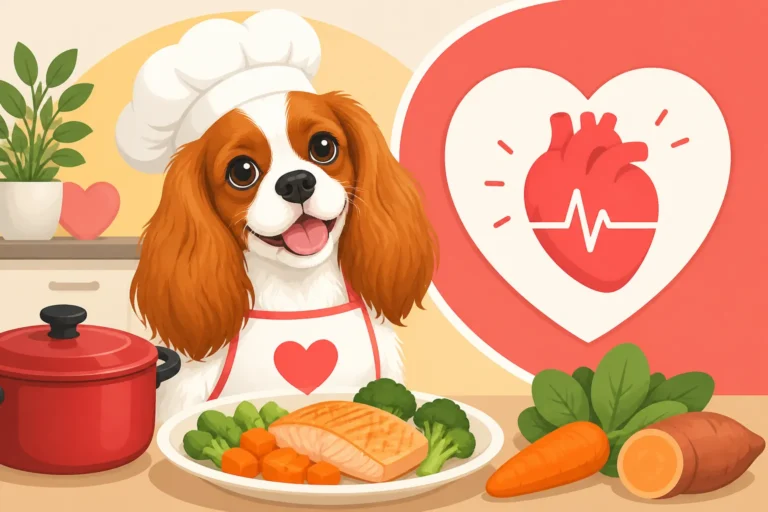
A homemade cardiac diet would typically focus on lean protein sources like boiled chicken breast, white fish, or very lean ground beef, combined with low-sodium carbohydrates like plain cooked rice or sweet potato, and carefully selected low-sodium vegetables such as green beans or carrots. Crucially, no salt or high-sodium seasonings should be added during cooking. This is also where services like Ollie, which provide fresh, human-grade, pre-portioned meals, might be a consideration. While not all their recipes are specifically "cardiac," they often allow for custom formulations or offer transparency about ingredients, making it easier to select lower-sodium options with your vet's guidance. This approach ensures you know exactly what goes into your Cavalier's bowl, supporting their health down to the last bite.
| Food Type | Typical Sodium Level (Dry Matter Basis) | Suitability for Cavalier Heart Patients |
|---|---|---|
| Standard Adult Dry Kibble | 0.25% – 0.5% | Generally Too High |
| Prescription Cardiac Diet | 0.08% – 0.15% | Ideal (Vet-Recommended) |
| Standard Dog Treats | Highly Variable, often >0.5% | Avoid or Use with Extreme Caution |
| Low-Sodium Dog Treats | <0.1% – 0.2% | Acceptable (in moderation) |
| Deli Meats (human food) | >1.0% | Absolutely Avoid |
| Plain Boiled Chicken | Very Low (natural content) | Good (unseasoned, vet-approved) |
Note: These are general ranges. Always consult your veterinarian for specific recommendations tailored to your Cavalier's condition.
Safe Low-Sodium Treats and Snacks
Giving up all treats can be tough, both for you and your Cavalier. The good news is you don't have to eliminate them entirely, just be much more discerning. Stick to plain, unsalted foods that you prepare yourself or specifically designated low-sodium dog treats.
Here are some ideas:
- Plain cooked vegetables: Small pieces of steamed green beans, carrots, or broccoli (in moderation) are often a hit.
- Unsalted rice cakes: A tiny piece can offer a satisfying crunch.
- Unsalted, air-popped popcorn: A few kernels can be a fun, low-calorie, low-sodium snack.
- Frozen banana slices: A great refreshing treat, especially in warmer weather.
- Small amounts of plain, unsweetened applesauce: Check labels for added sugars or sodium.
- Specific low-sodium dog treats: There are an increasing number of brands creating treats for dogs with special dietary needs. Always double-check the sodium content on the label.
When offering treats, remember moderation is key. Even low-sodium options add calories, and managing Feeding a Cavalier on Fifteen Pounds means being mindful of overall intake. Your vet can provide a list of approved treats and specific sodium guidelines based on your Cavalier's individual health status.
Monitoring Your Cavalier and Working with Your Vet
Managing a Cavalier with heart disease is a team effort involving you, your family, and your veterinary team. Consistent monitoring and open communication are absolutely essential for success. Don't be afraid to ask questions, even if they seem silly.
The Importance of Regular Vet Check-ups
Your veterinarian, and potentially a board-certified veterinary cardiologist, will be your most valuable resource. Regular check-ups are crucial to monitor your Cavalier's heart condition, adjust medications like Medication for a Cavalier With Heart Disease, and assess how dietary changes are impacting their health. During these visits, your vet will listen to their heart for changes in murmurs – you can learn more about this in What a Heart Murmur Grade Means in a Cavalier – check their breathing, and discuss any symptoms you've observed. They might also recommend blood tests or chest X-rays to assess fluid buildup or organ function.
It's also a prime opportunity to discuss your Cavalier's diet. Bring in labels of any new foods or treats you're considering, or discuss your homemade meal plans. They can help you decipher the complex nutritional information and ensure you're making the best choices. Remember, every Cavalier's condition is unique, and dietary needs can change as the disease progresses or as they get older, a topic often covered when discussing Caring for a Cavalier Past Nine.
Reading Labels and Understanding Nutritional Information
Becoming adept at reading pet food labels is a skill that will serve you well. Don't just glance at the front of the bag; turn it over and look at the "Guaranteed Analysis" and the "Ingredient List."
Here's what to look for:
- Sodium (Na) content: Usually listed as a percentage or in mg/kg. Convert to dry matter basis for accurate comparison if needed. Aim for under 0.1% dry matter or as advised by your vet.
- Sodium-rich ingredients: Beyond "salt," look for ingredients like "sodium chloride," "sodium nitrate," "sodium nitrite," "garlic salt," "onion salt," "soy sauce," and "monosodium glutamate (MSG)." These are all indicators of higher sodium levels.
- Preservatives: Some preservatives can contain sodium, so if a food has a very long list of unpronounceable ingredients, it's worth investigating further with the manufacturer.
It's a steep learning curve, but one that is absolutely worth it for your furry family member. By diligently managing sodium, you're actively working to ease the burden on their heart, minimize fluid retention, and ultimately, help your beloved Cavalier enjoy more comfortable, happy days by your side.
Disclaimer
This article is for general informational purposes only and does not constitute professional advice. Laws, prices and regulations vary by location and change over time. Consult a qualified professional for guidance on your specific situation.